







Start With The Room, Not The Pattern
The best panel choice depends on where it will be used, how the room is finished and what the wall needs to do. A family lounge in Durbanville has very different requirements to a restaurant in Sea Point or a reception area in Stellenbosch. Think about moisture, sunlight, cleaning, and how much traffic the space gets before you settle on a style.
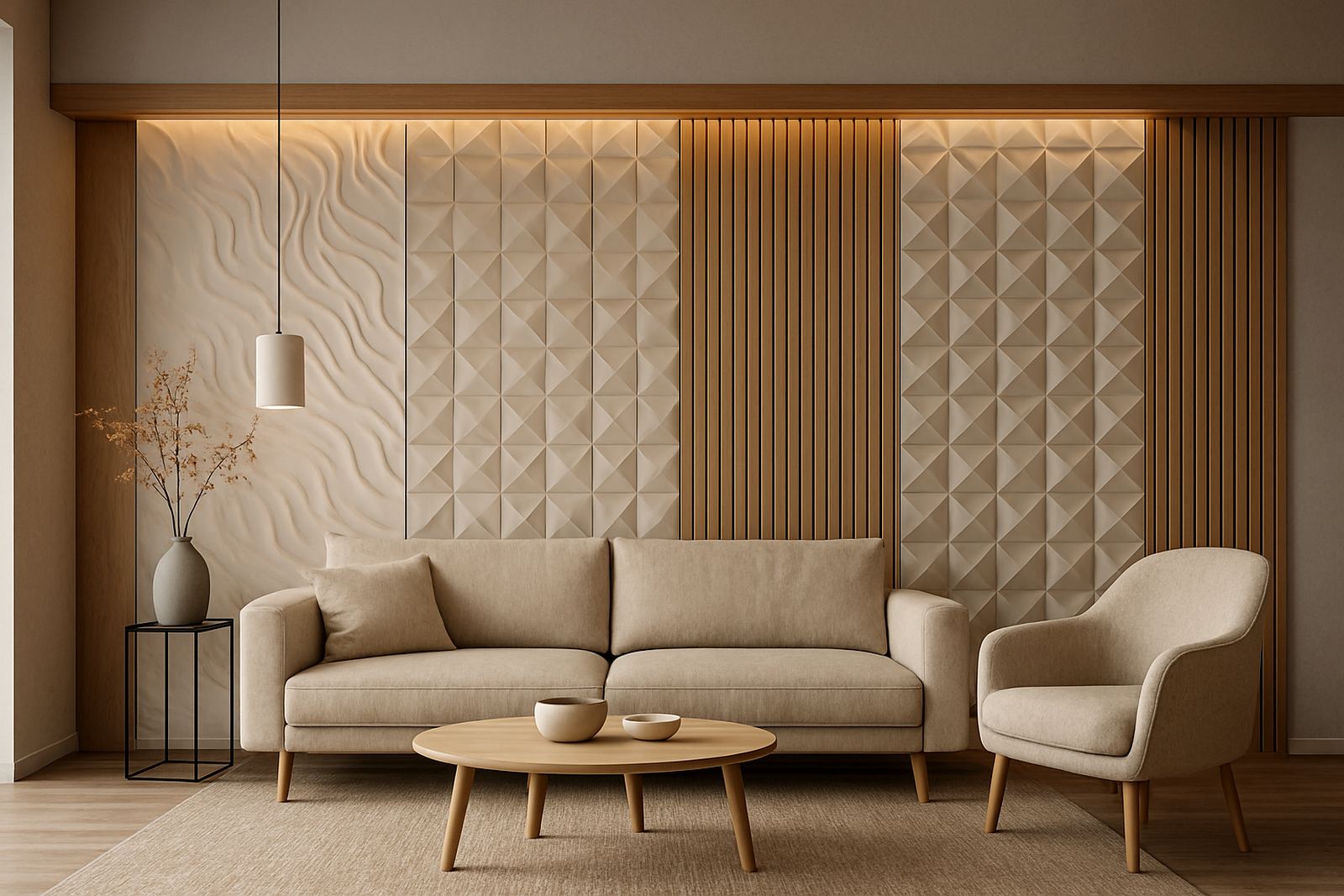
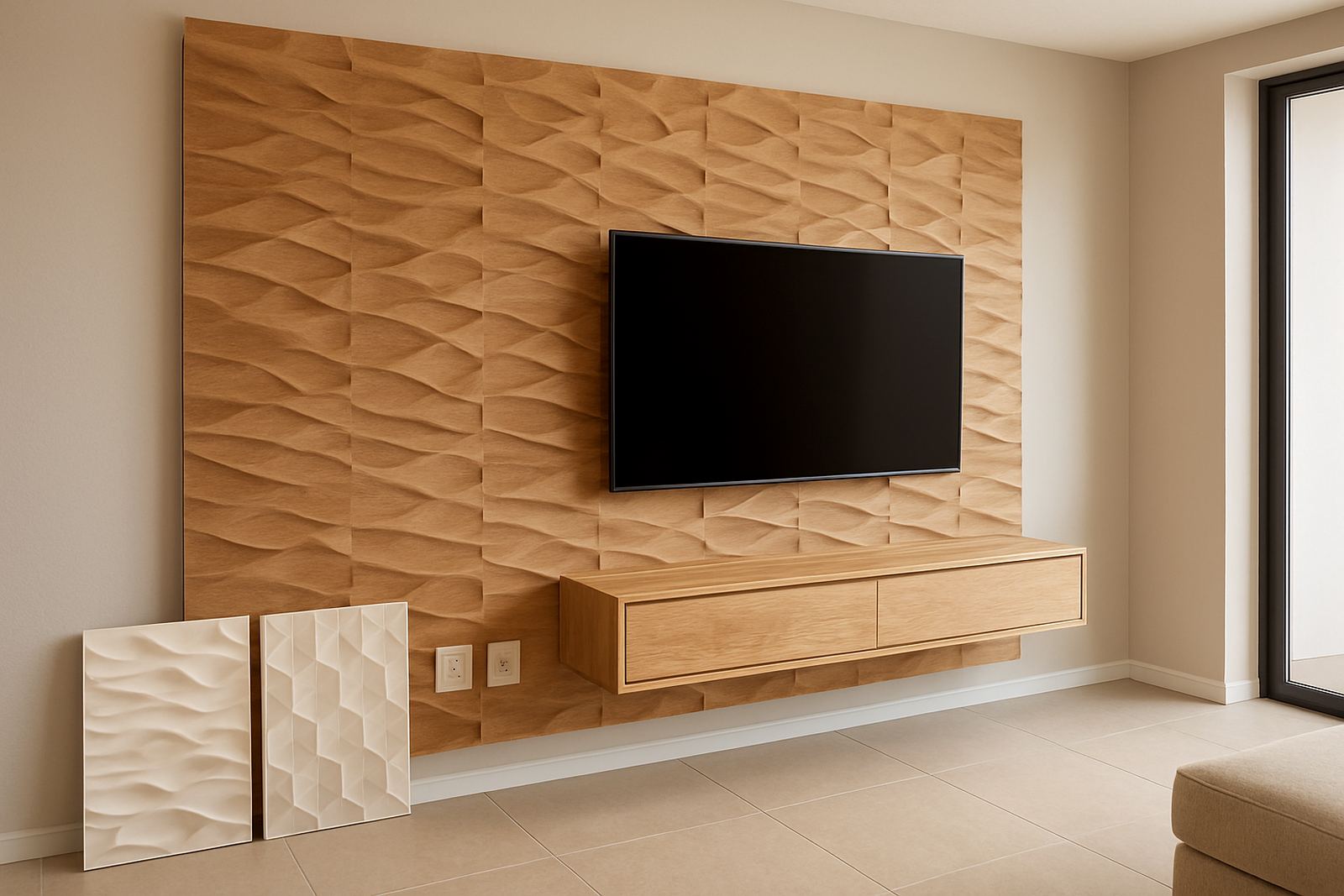
For example, a feature wall behind a TV unit may need a cleaner joint line and a surface that handles dust well, while an office boardroom may call for better acoustics and a calmer visual finish. If the wall is uneven or has old paint and cracks, preparation becomes part of the product choice too. The right guide helps you avoid costly rework later.
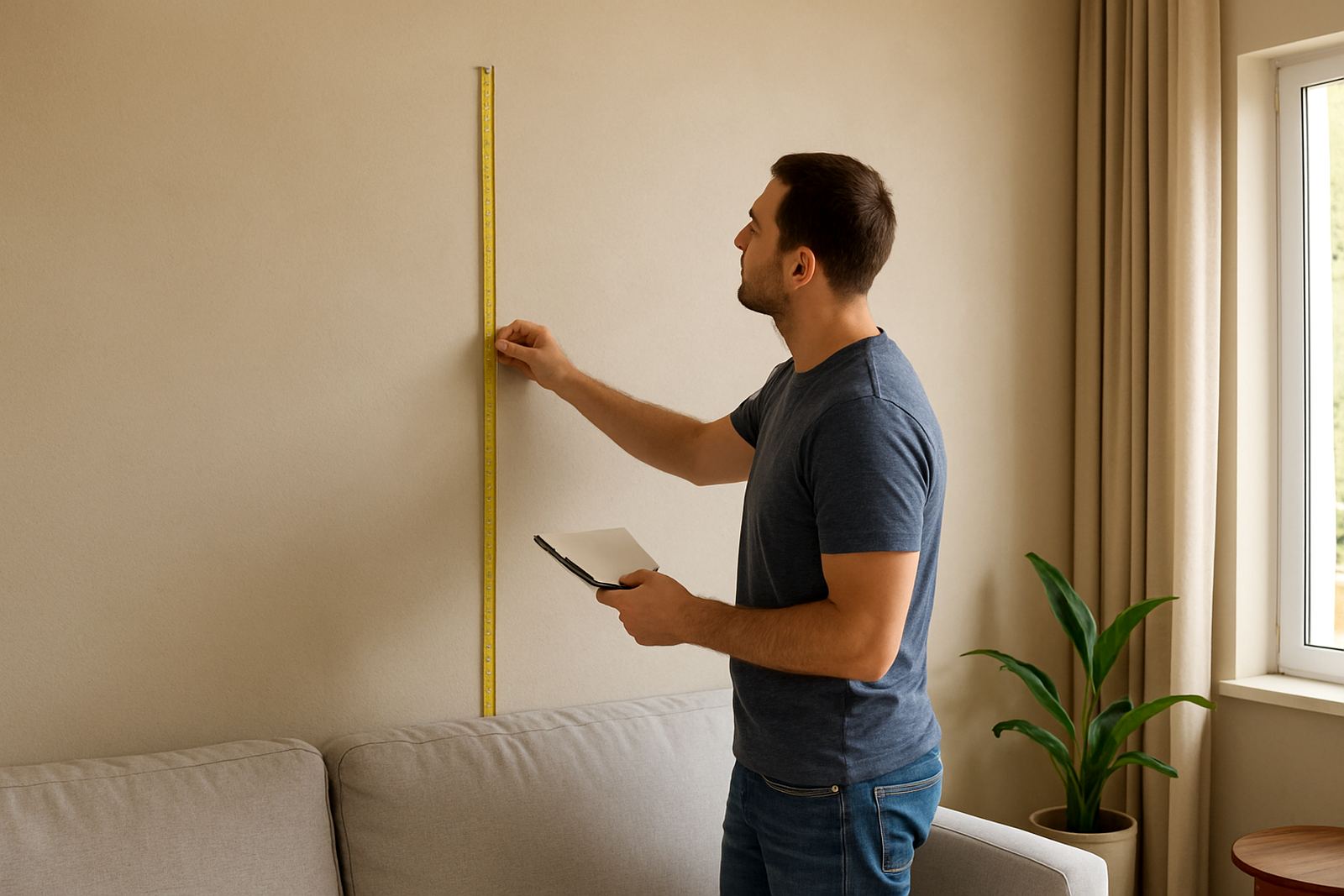
- Measure the wall area in metres before selecting a panel size
- Check for damp, loose plaster or salt build-up in coastal homes
- Match the finish to the room use, lighting and cleaning needs
Compare Materials Before You Order
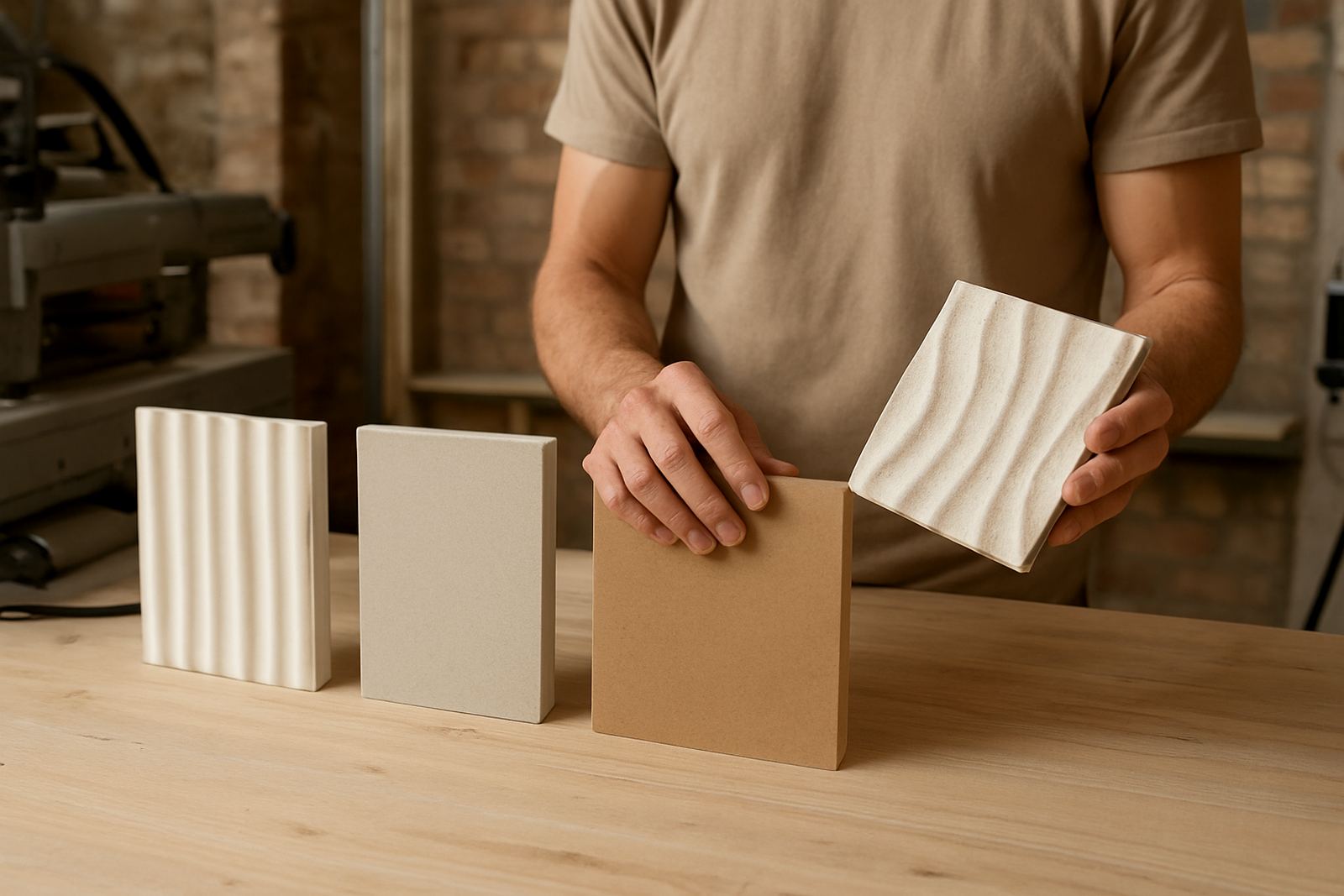
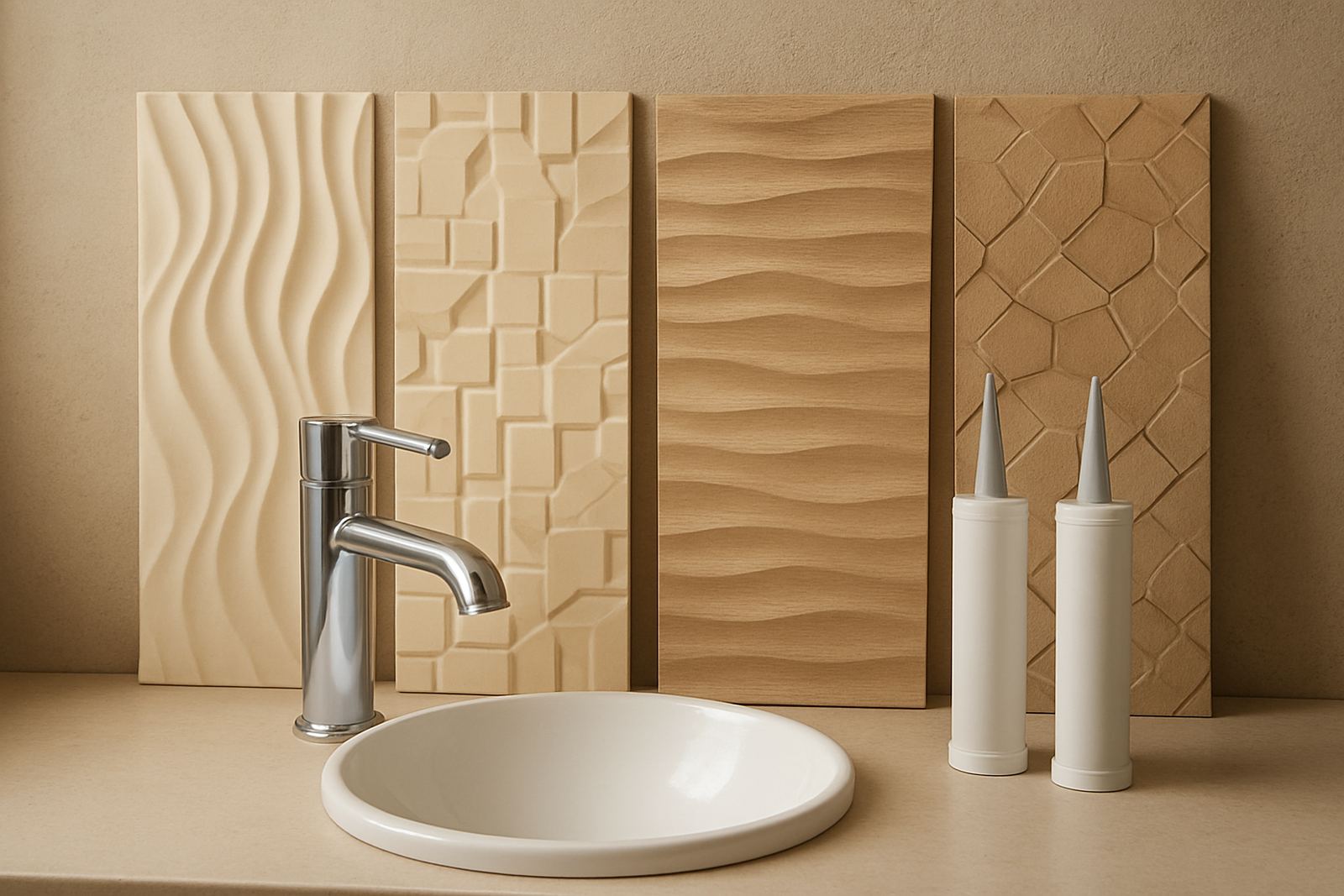
Different materials suit different jobs. Some are chosen mainly for visual impact, while others are better for impact resistance, sound control or easier maintenance. In Cape Town and along the coast, humidity and changing temperatures can affect how a surface performs, so material choice matters more than colour alone.
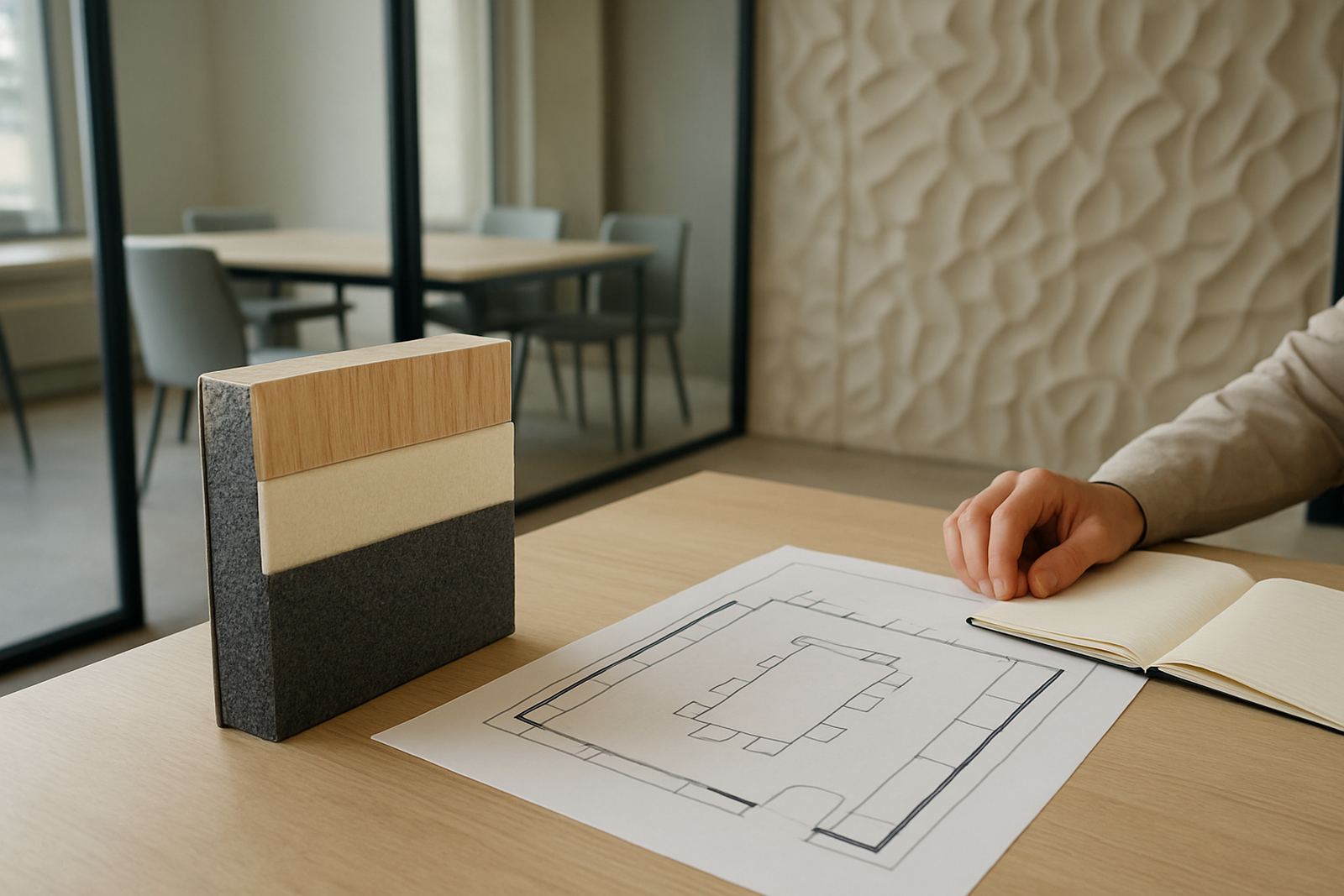
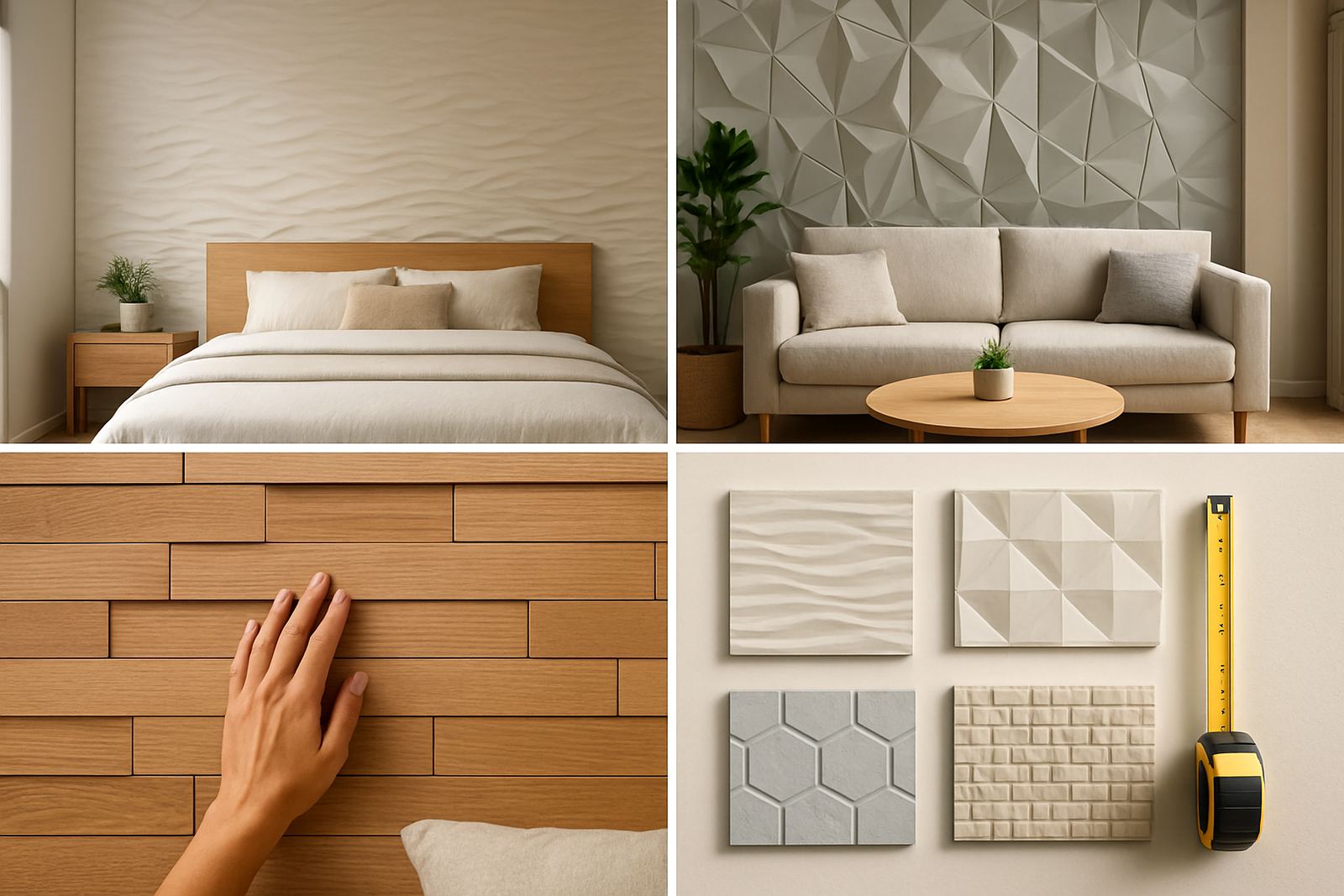
We recommend looking at sample pieces in the actual room lighting if possible. A finish that looks warm in a showroom may read cooler under LED downlights, and a textured profile can cast stronger shadows than expected. If you are coordinating with an architect or interior designer, use the guide notes to compare performance, not just appearance. It saves time later and keeps the brief clear.
- Consider moisture resistance for kitchens, bathrooms and sheltered outdoor zones
- Use acoustic panels where echo or noise is a problem
- Ask how the surface should be cleaned and what products to avoid
How To Prepare A Wall Properly
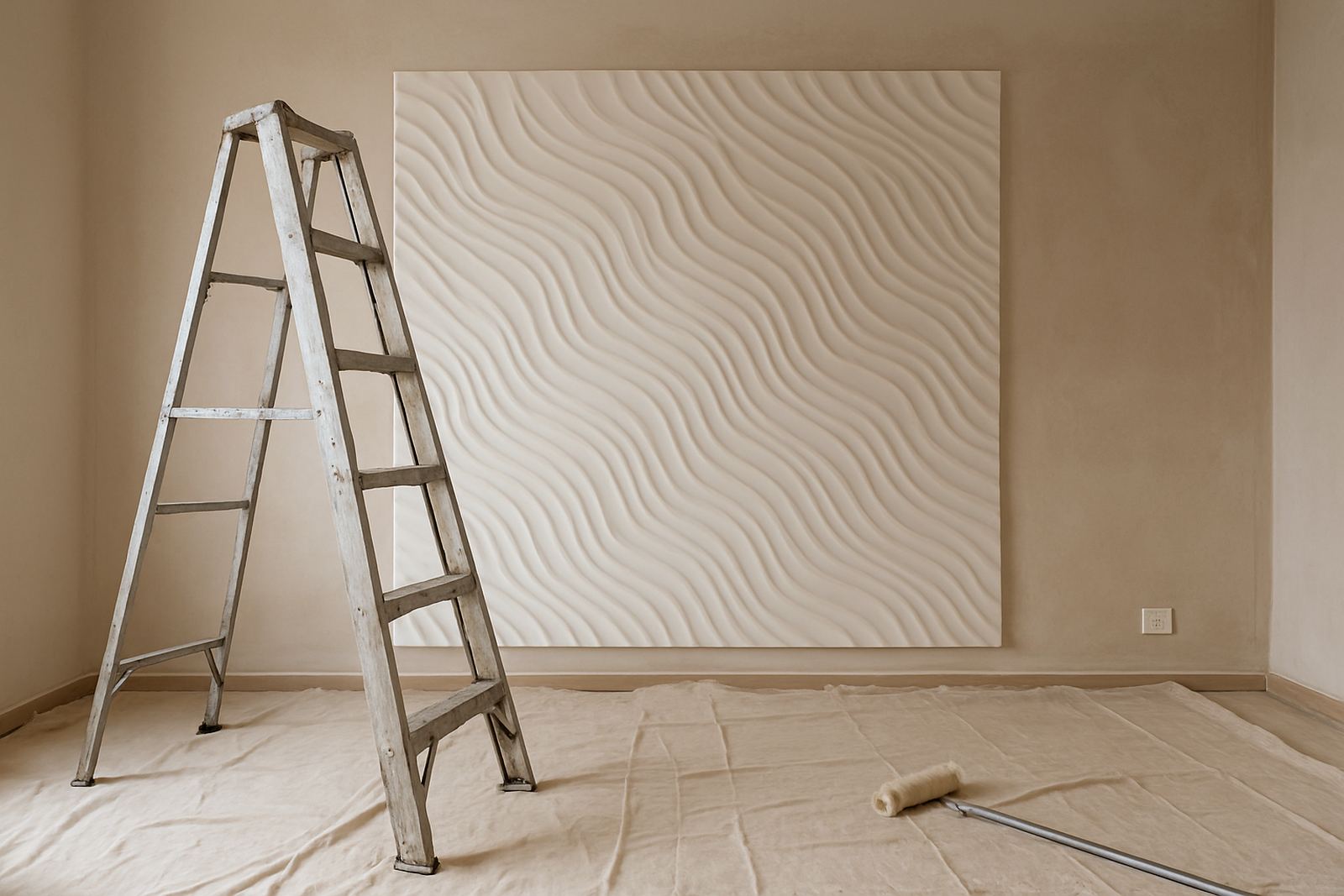
Good preparation is what makes a panel wall look neat and last. Even the best product will show flaws if the wall underneath is out of line or poorly sealed. Before installation, the surface should be sound, dry and free of dust, flaky paint and oil residue. If the substrate is not right, the fixing method may need to change.
On older properties in the Southern Suburbs or the Atlantic Seaboard, prep work can include patching cracks, levelling irregular sections and dealing with previous repairs. In new builds, the main issue is often moisture from fresh plaster or unfinished work by other trades. These practical checks are covered in our guides so you know what to ask for before installers arrive.
- Confirm the wall is straight enough for the selected profile
- Allow for curing time on fresh plaster or paint
- Make sure skirtings, plugs and cables are planned around the layout
Planning For Fittings, Corners And Services
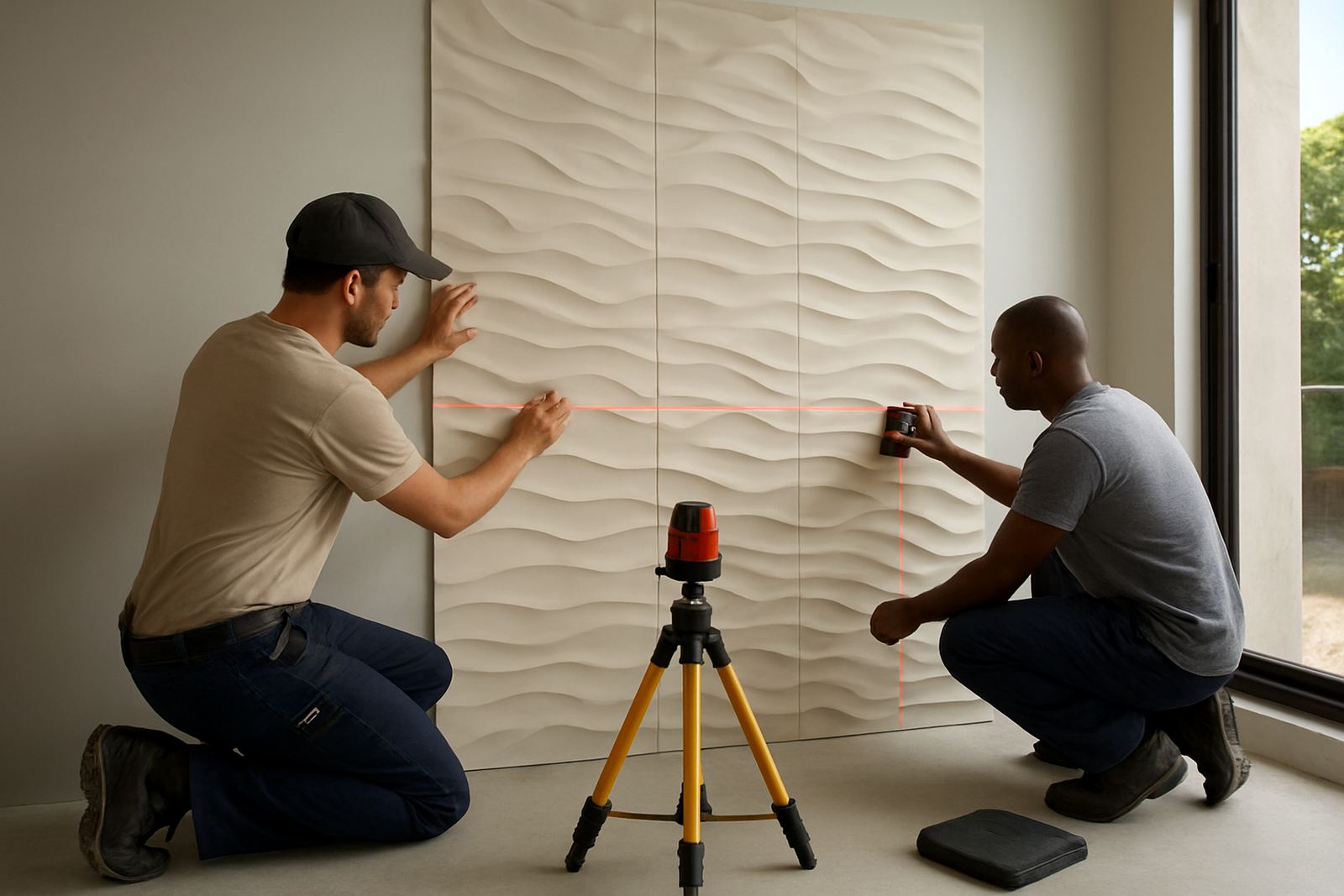
Decorative wall cladding looks best when the details are planned early. Corners, light switches, power points, aircon lines and mounted screens all affect the final layout. If these items are not mapped first, the finish can look patchy or need unnecessary trimming on site.
Our project guides help homeowners and professionals work through the small things that affect the whole result. That includes whether panels need scribing around irregular edges, how to finish exposed returns and where movement joints may be required. It is not glamorous work, but it keeps the installation tidy and proper. A little planning avoids delays and makes handover much easier for everyone involved.
- Mark all power points, switches and wall-mounted items before fitting starts
- Check ceiling lines and floor levels for uneven corners
- Plan access for future maintenance or panel replacement
Acoustic Panels And Feature Walls For Busy Spaces
Not every decorative wall is there only for looks. In open-plan offices, meeting rooms, hospitality spaces and family entertainment areas, sound control can be part of the brief. Acoustic panel fitting helps reduce echo and makes conversation easier, especially in rooms with hard floors, glass and high ceilings.
If you are specifying for a commercial rollout, the guide material should also help with repeatability. That means clear dimensions, installation notes and a consistent finish across multiple sites from Montague Gardens to Paarl or Somerset West. For residential projects, it helps to know where a statement wall will create impact without overpowering the room. The aim is balance, not just decoration.
- Use sound-absorbing surfaces in echo-prone rooms
- Keep repeat layouts simple for multi-site commercial work
- Balance texture with the rest of the furniture and finishes
Aftercare, Repairs And Nationwide Support
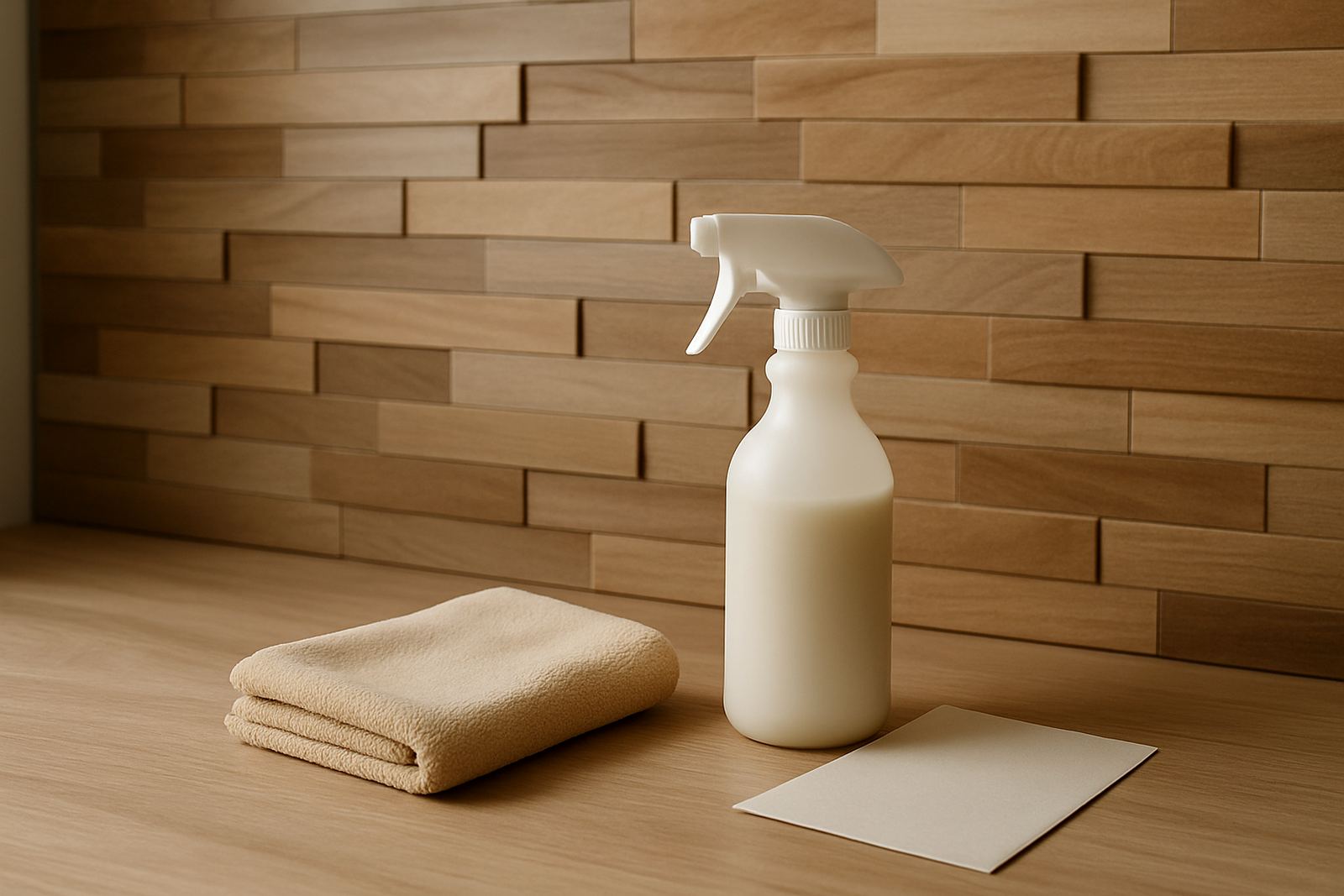
Once the panels are installed, the job is not over. Regular care keeps the surface looking smart and helps spot small issues before they become bigger problems. In busy homes and commercial settings, minor knocks, loosening edges or marking from cleaning can happen over time. Good aftercare makes those issues easier to manage.
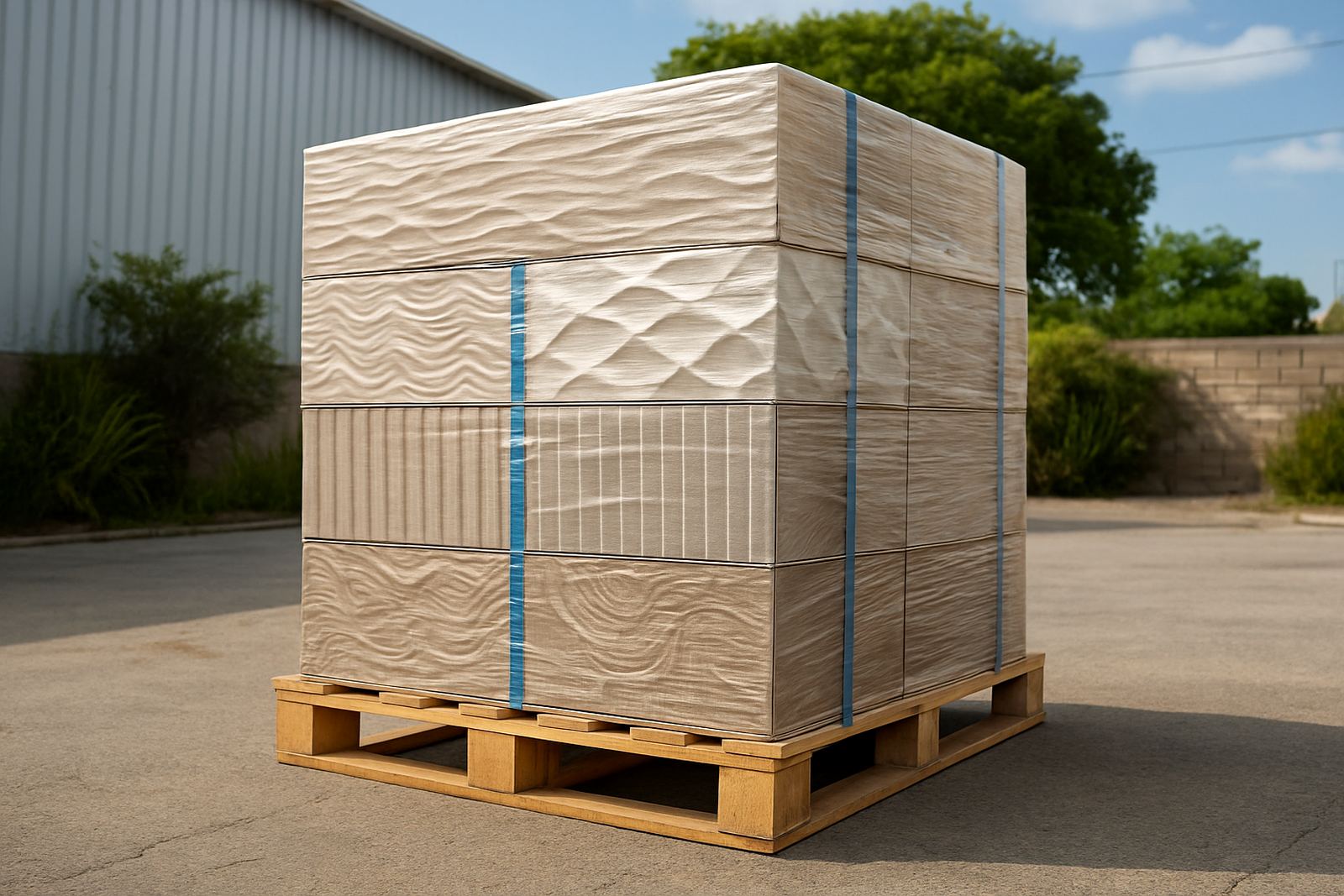
Our guides explain what to look out for after fitting, how to maintain the finish and when a repair is worth doing instead of replacing a section. We also cover how panels are packed and dispatched nationwide so projects outside the Western Cape can be planned with confidence. If you are working to a tight programme, this information helps with scheduling and site readiness, without second-guessing the steps.
- Keep a small record of the product type and finish used on site
- Inspect high-traffic areas after the first few weeks of use
- Use the enquiry form if you need advice on maintenance or repairs