
Start with the room conditions before you compare styles
The first question is not what looks best in a sample, but where the panels will be installed. A dry lounge in Durbanville, a bathroom wall in Somerset West, and a busy reception in Cape Town CBD all need different performance. Coastal humidity, sun exposure through large windows, and daily cleaning all affect how a panel will age, so it pays to match the material to the room first.
In the Western Cape, we also look at load-shedding, ventilation, and whether a wall has any damp history. A material that performs well in a climate controlled office may need extra care in a seaside home or retail space near open doors. If the wall is uneven or has minor cracking, the installation approach matters just as much as the panel itself.
- Check if the wall is dry, flat and sound
- Note any damp, salt air or direct sunlight
- Confirm whether the space is residential or commercial
- Think about cleaning frequency and wear
- Measure the wall area accurately before ordering
Match material type to the look you want
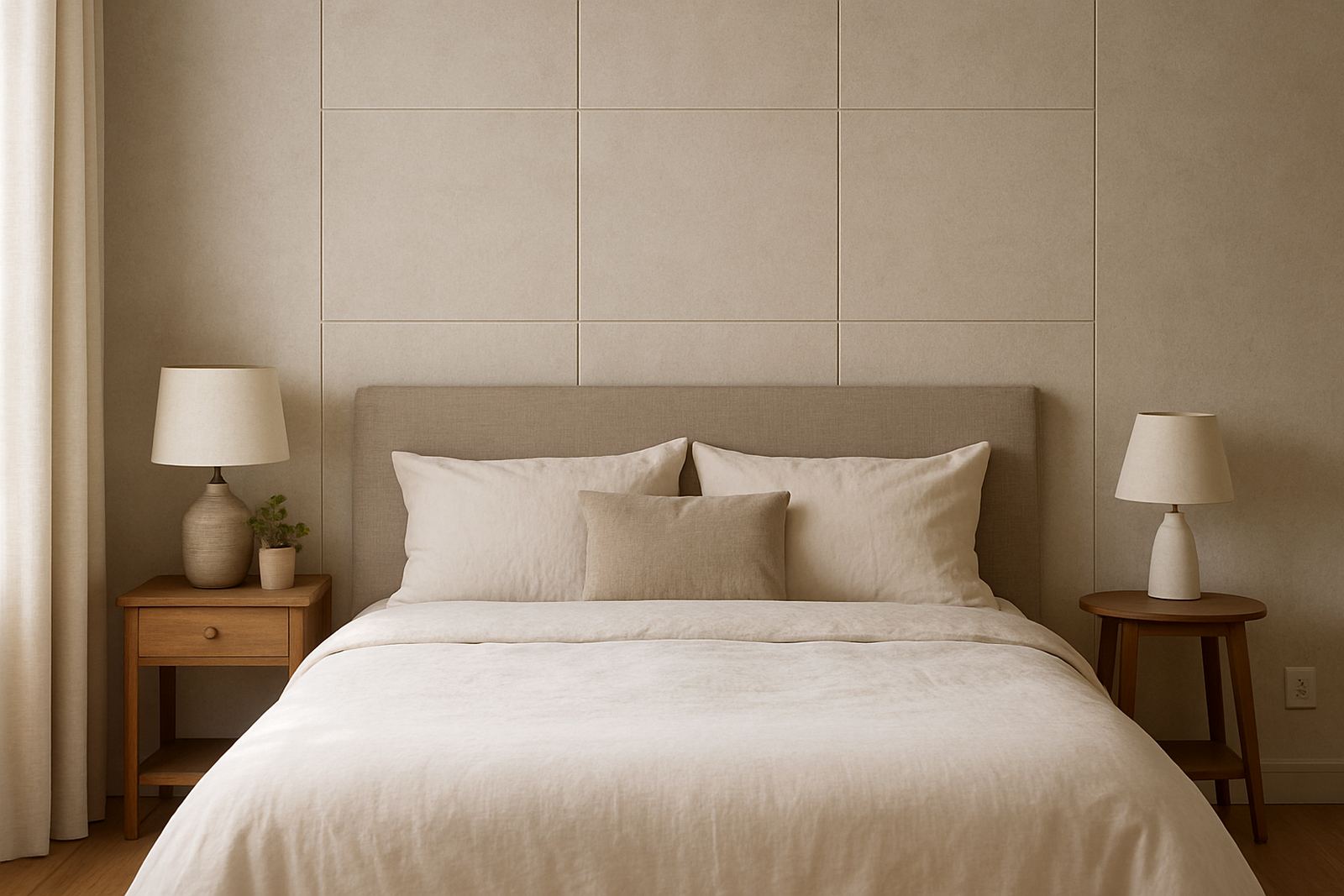
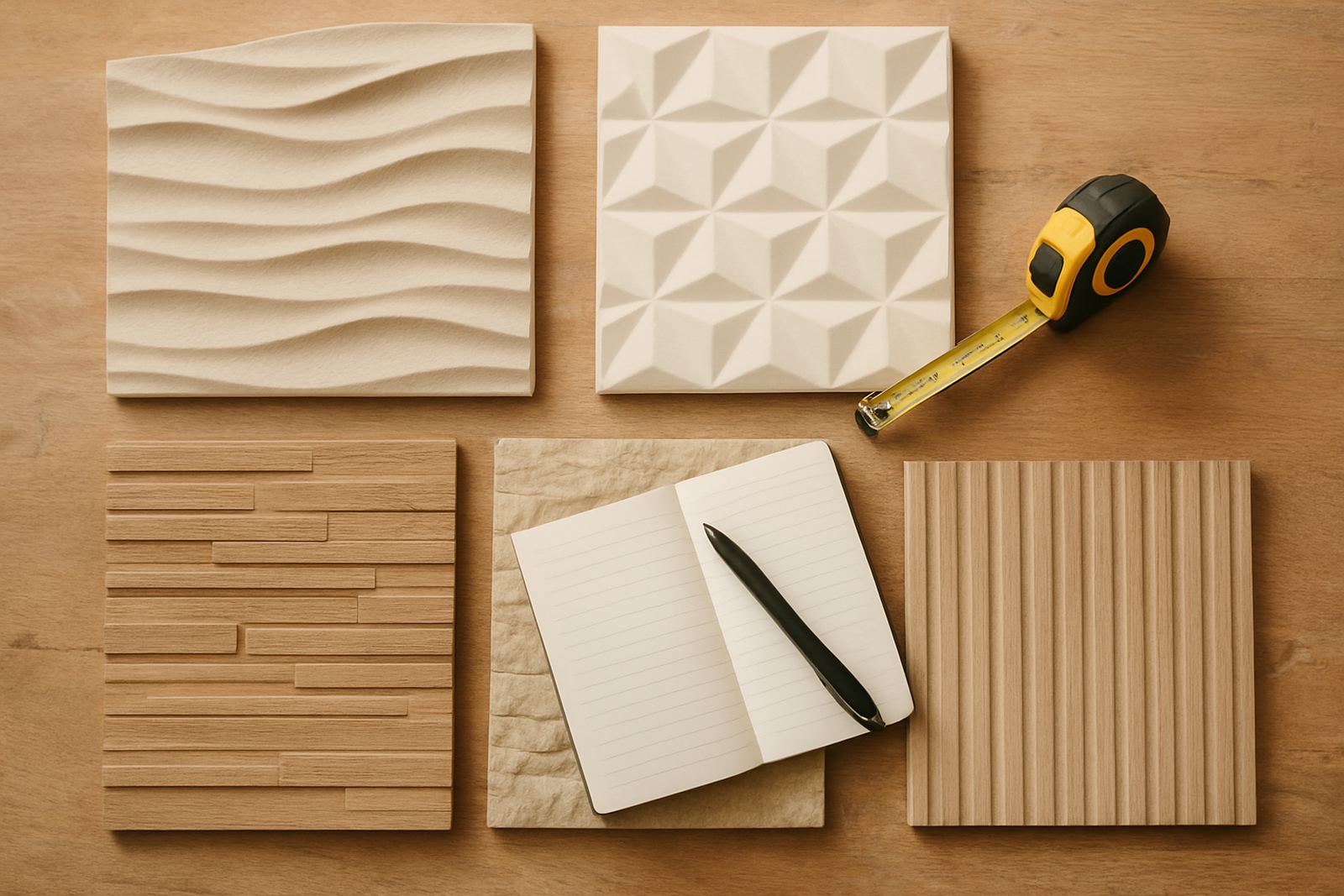
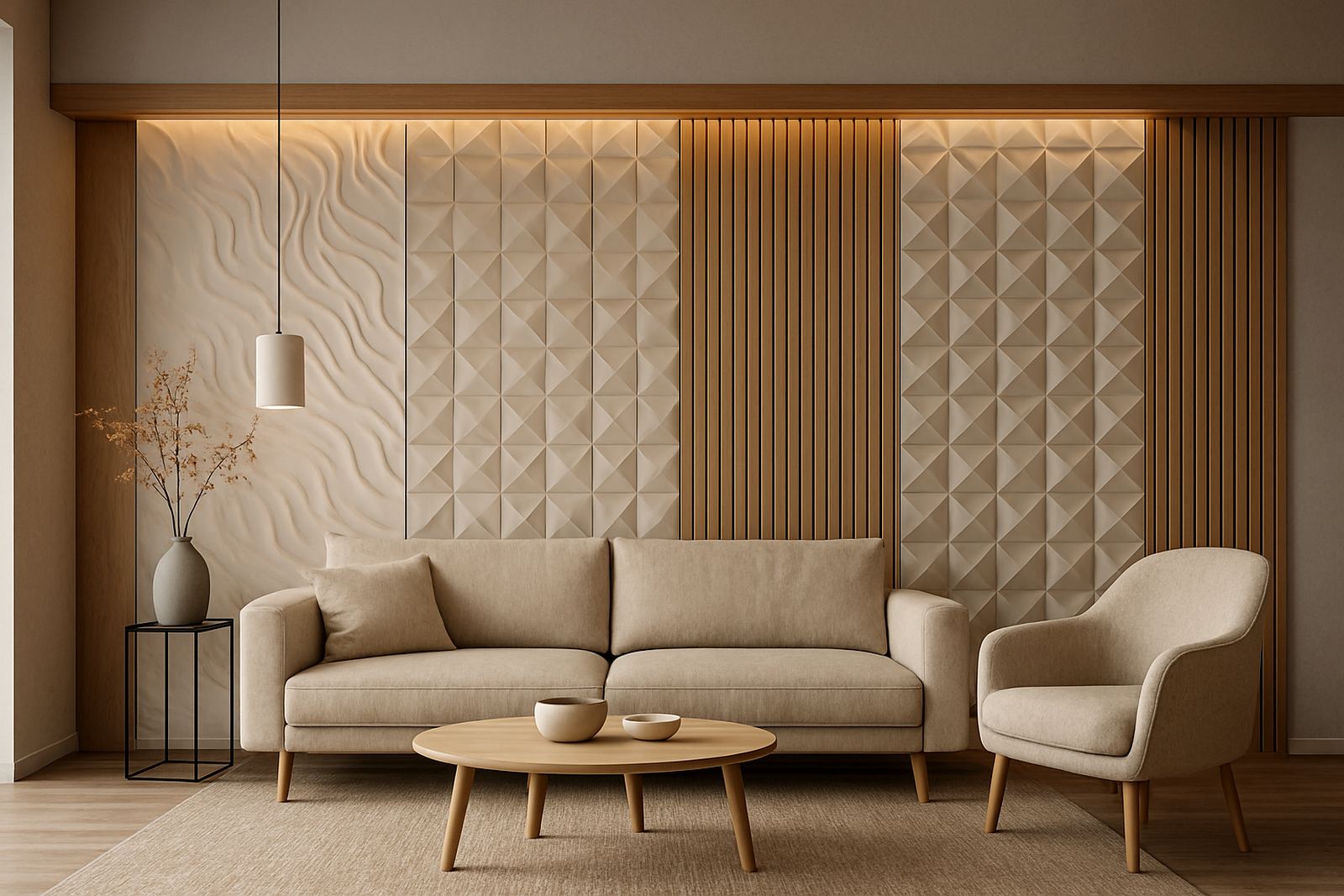
Some materials create sharp modern lines, while others bring softer texture or a more natural finish. For a clean contemporary feature wall, slimmer profiles and crisp geometric panels often work well. If you want warmth in a lounge, boardroom or hospitality space, textured surfaces can soften the room and reduce echo too.
At this stage, colour is important but so is shadow. 3D wall panels can change character during the day as light moves across the surface. In a north facing room, that effect can be stronger, so it helps to view samples in daylight and at night before making a final choice. Bianca Naidoo often advises clients to look at the material against flooring, skirtings and furniture so the whole room feels considered, not busy.
- Choose crisp forms for a modern, minimal finish
- Choose textured panels for depth and visual interest
- Use lighter shades to keep smaller rooms open
- Use deeper tones for impact in larger spaces
Budget for more than the panel price alone
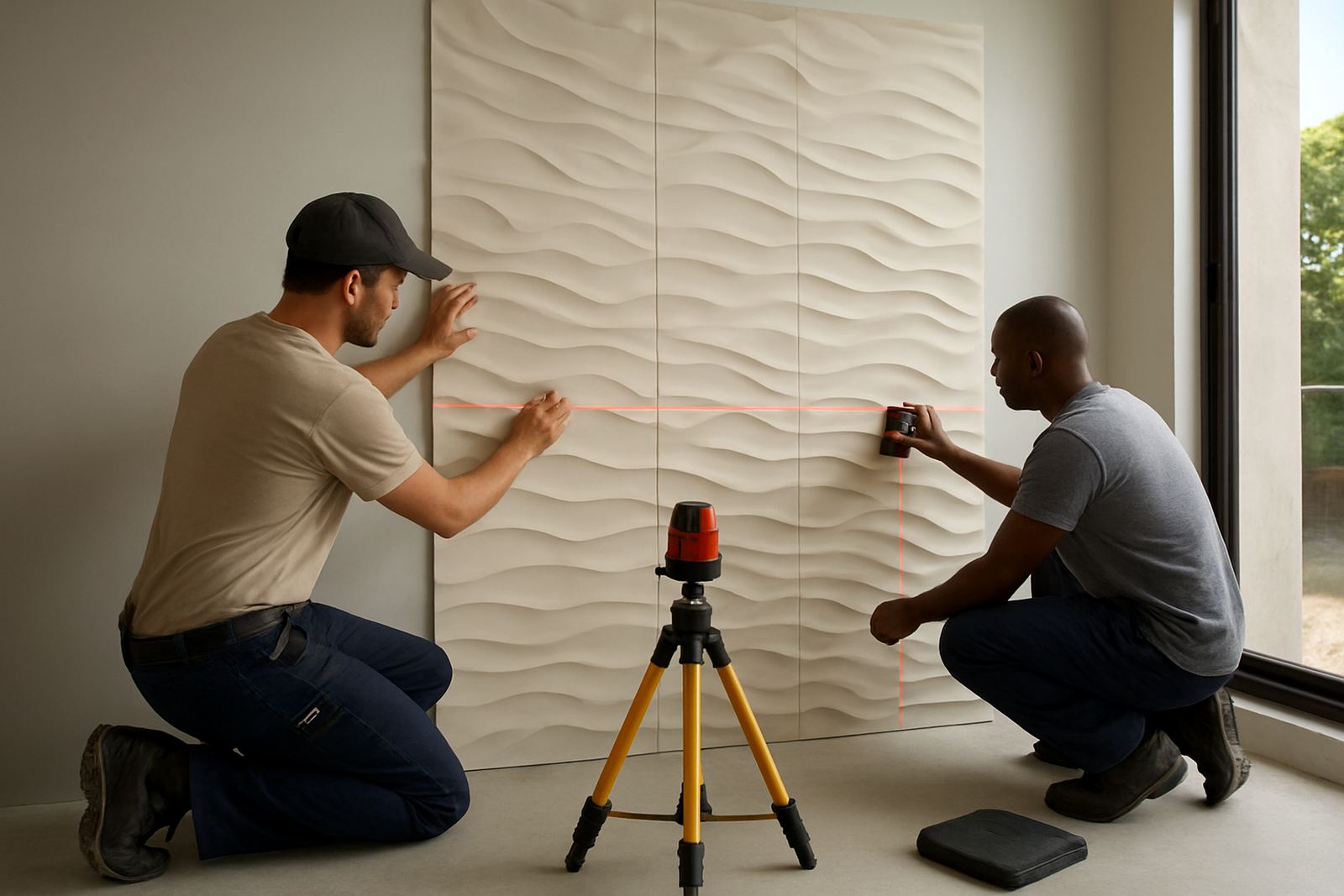
A panel quote should always be read with the full installation picture in mind. The material cost is only one part of the total. You may also need wall preparation, trims, adhesives, layout setting out, cutting time and finishing work. A simple flat wall is quicker to complete than a feature wall with sockets, niches or uneven corners, so labour can change the final figure quite a bit.
For project managers and homeowners alike, it helps to compare options on a full installed basis. A lower priced material can become expensive if it needs extra preparation or more frequent replacement. On the other hand, a slightly higher upfront cost may make sense if the finish lasts longer and needs less maintanance. For multi unit rollouts in Paarl or Stellenbosch, that calculation becomes even more important because repeatability and lead times matter.
- Ask what is included in the quote
- Confirm whether wall prep is needed
- Check the waste allowance for cuts and offcuts
- Compare lifespan, not only the purchase price
- Factor in future repairs or panel replacement
Choose moisture resistance carefully in coastal and wet areas
Moisture is one of the biggest factors in material selection across Cape Town, especially in bathrooms, kitchens, enclosed patios and coastal properties. Even if a panel is not exposed to direct water, humidity can affect movement, fixing strength and the long term appearance of the wall. In Atlantic Seaboard homes, for example, salt air can be as important as rainfall.
That does not mean every damp area is off limits. It means the substrate, adhesive and panel type must all work together. In some rooms, additional sealing or better ventilation is enough. In others, it may be wiser to use a material better suited to moisture and easier cleaning. Johan Smit checks the wall conditions before installation so the panel choice is not fighting the room from day one.
- Use moisture suitable materials in bathrooms and kitchen splash areas
- Improve ventilation where steam builds up
- Avoid trapping damp behind the panel
- Ask how the finish handles cleaning products
- Keep an eye on coastal corrosion around fixings and trims
Think about acoustics, cleaning and day to day use
A good feature wall should do more than look attractive. In offices, consulting rooms and hospitality spaces, acoustic performance can make a real difference to comfort and privacy. Textured or purpose made acoustic panels can help reduce echo in rooms with hard flooring, large windows and high ceilings. That is useful in call centres, boardrooms and home theatres, as well as open plan living areas.
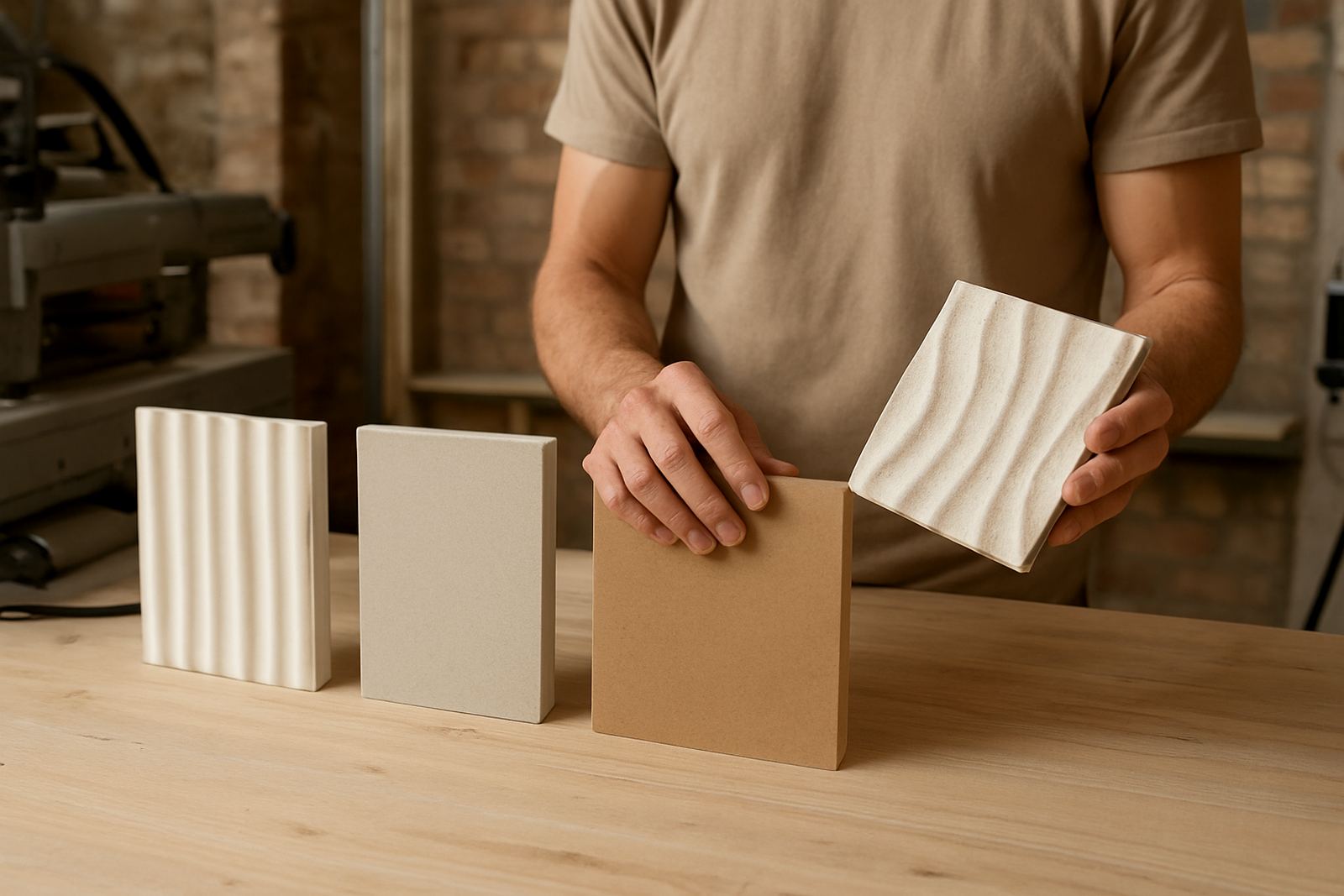
Cleaning is the next practical point. A family room, school corridor or reception area needs a finish that can handle regular dusting and the occasional mark. If the wall is likely to be touched often, choose a material and surface finish that can be maintained without special products. Gerhard Steyn in the workshop often recommends checking whether the panel can be repaired locally if it gets damaged, because that can save time later.
- Choose acoustic options for echo prone rooms
- Choose wipeable finishes for high traffic areas
- Ask about scratch resistance in busy spaces
- Confirm if individual panels can be repaired or replaced
- Plan for regular dusting in textured finishes
Use this practical checklist before ordering wall panels
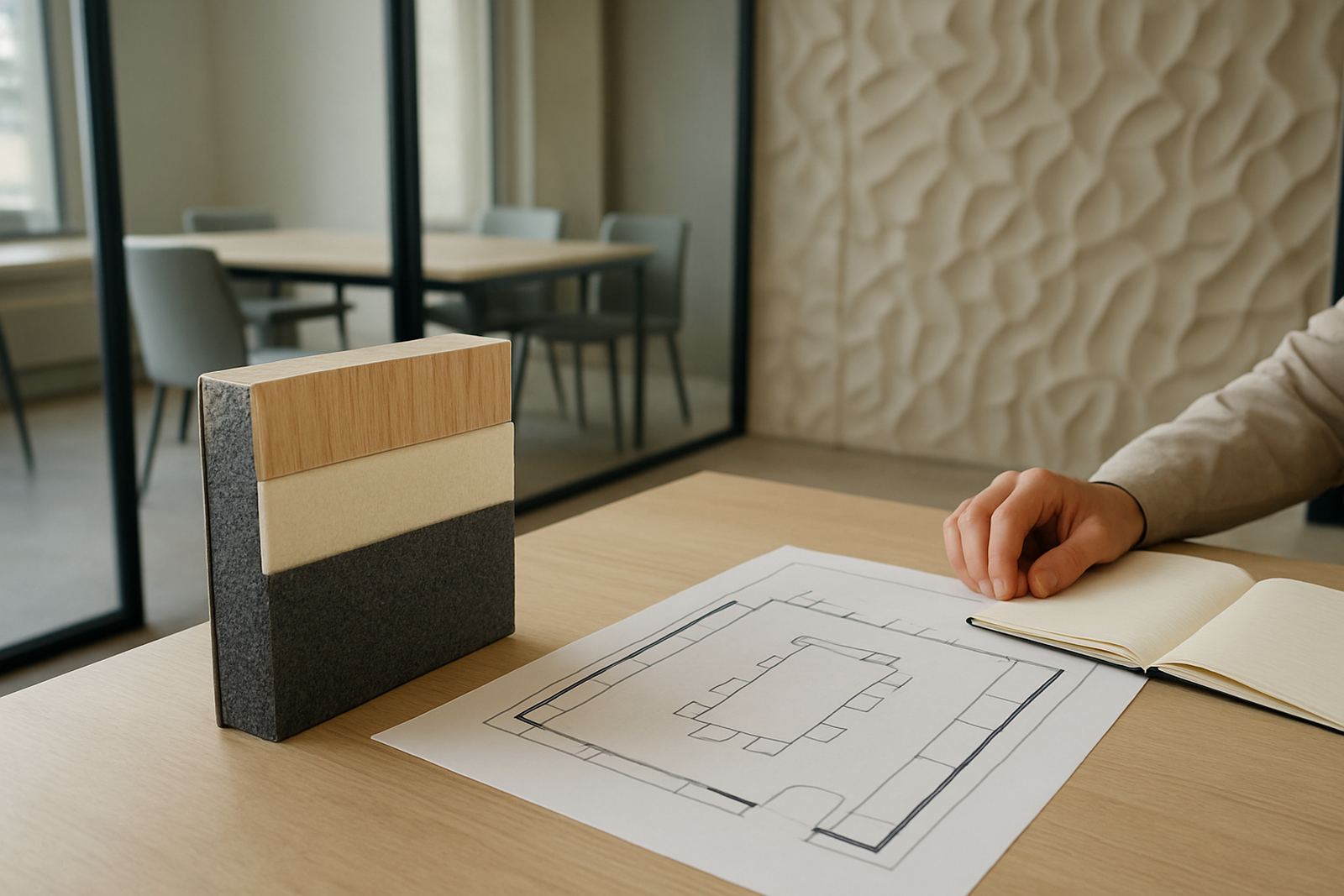
Before you sign off on the material, use a final checklist to make sure the panel suits the wall, the budget and the timeline. This is especially useful for architects and contractors working on staged projects, or homeowners who want the job done once and done properly. A sample that looks good in isolation may not be right for the wall once colours, lighting and room use are taken into account.
Our team handles site measure ups, design consultations, sample matching, installation and aftercare support from Montague Gardens across the Western Cape, with nationwide dispatch for panels that can be couriered. If you are comparing materials for a new build in Somerset West, a renovation in the Northern Suburbs, or a commercial rollout farther afield, we can help narrow the options so the final choice suits the brief and the building.
- Has the wall been measured and checked for level
- Has the room’s moisture and light exposure been assessed
- Has the finish been viewed against the actual wall colour
- Has the installation method been confirmed
- Has the maintenance plan been explained