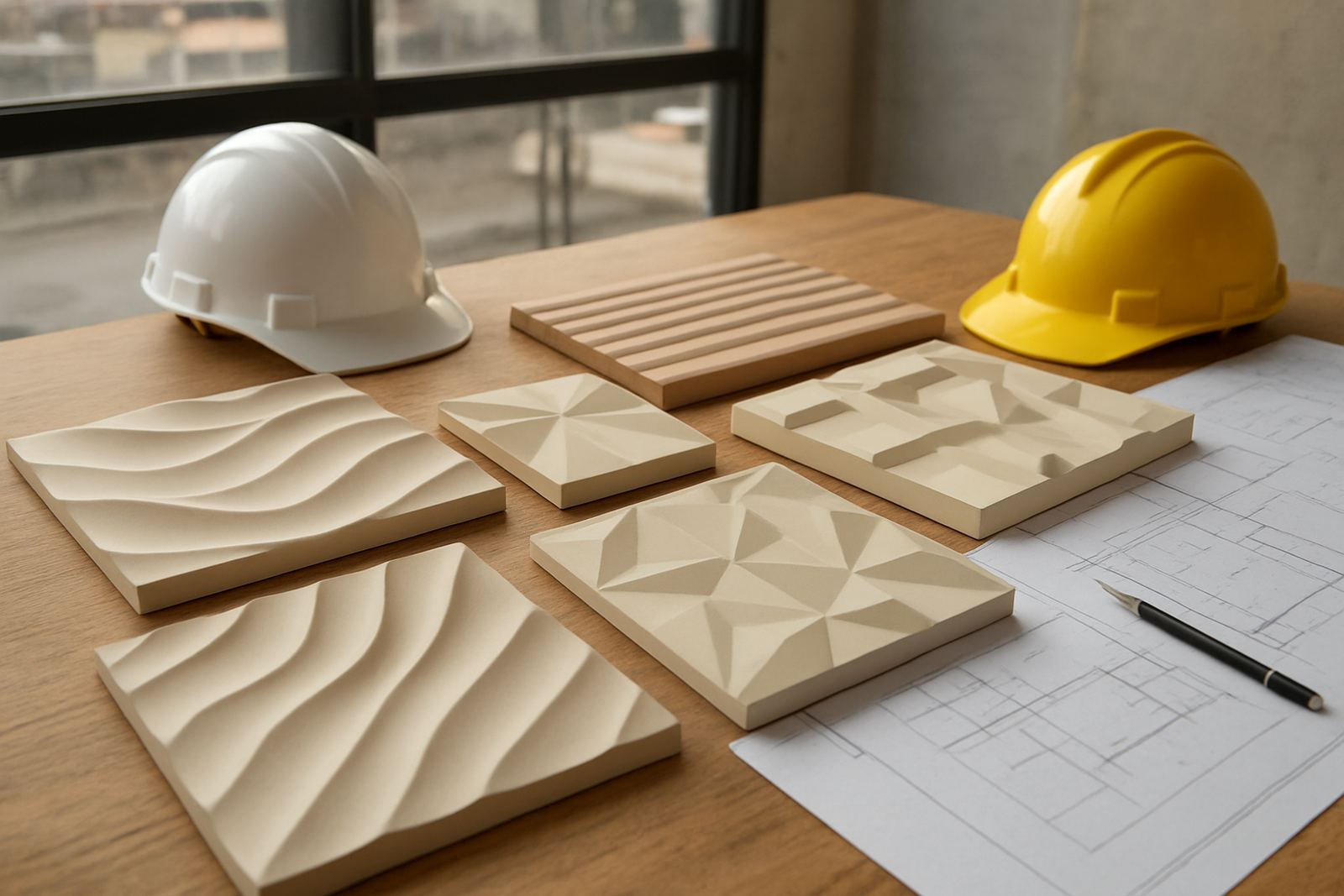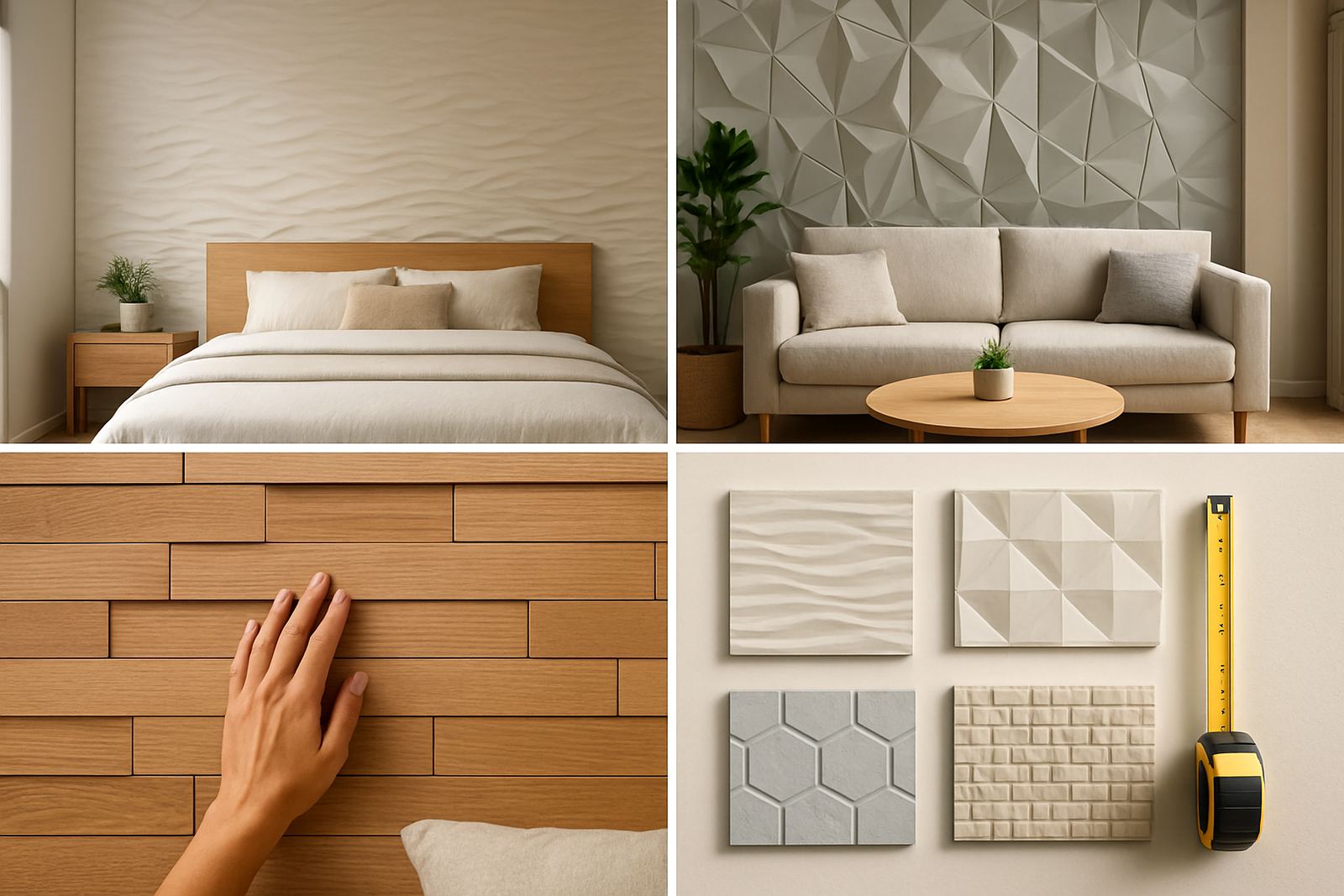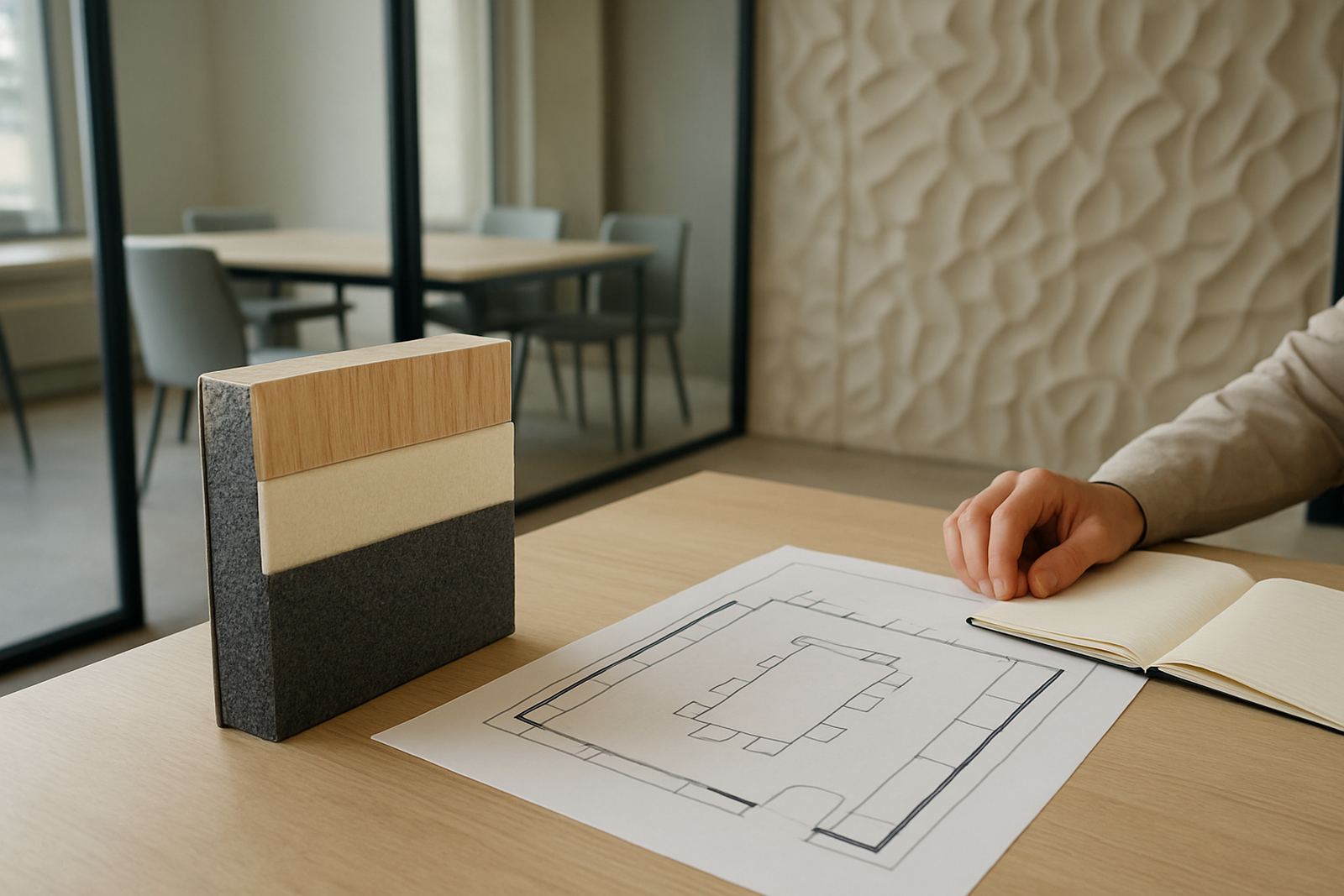

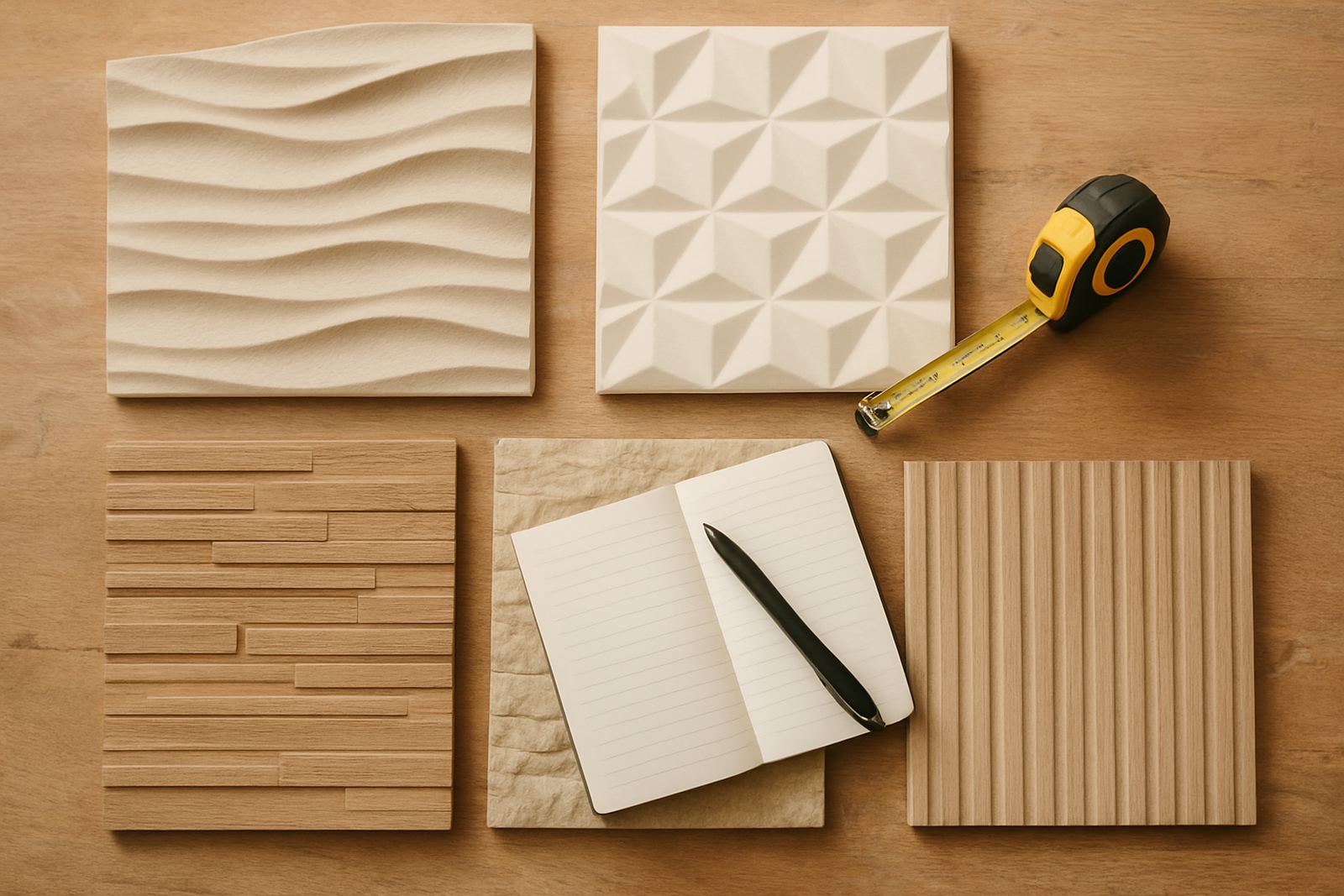
Start with the room, not the catalogue
The best panel choice begins with where it will be fitted. A living room feature wall in Somerset West has different needs to a restaurant wall in Cape Town city centre or a passage in a Paarl guest house. Start by checking moisture, sunlight, foot traffic and how often the wall will be cleaned. Coastal homes on the Atlantic Seaboard may need a finish that handles humidity better, while a boardroom in Montague Gardens may need stronger acoustic control and a low-maintenance surface.
Also think about the wall itself. Uneven plaster, hairline cracks and old paint can affect the final look, so a proper site measure-up is worth doing before you commit. If the wall carries pipes, plug points or aircon lines, the panel layout should be planned around those points from the start.
- Is the room dry, humid or exposed to sun?
- Will the wall be touched often or stay mainly decorative?
- Does the space need sound control, style or both?
- Are there any wall defects that need prep first?
Compare materials by use and upkeep
Different panel materials suit different jobs. Some are chosen for clean lines and light weight, while others are better for texture, acoustic support or more demanding commercial spaces. If you are fitting panels in a family lounge, a bedroom headboard wall or a reception area, consider how the surface will wear over time. In high-use areas, a panel that is easy to wipe down and less likely to dent can save money later.
Material choice should also match the installation method. Some panels are suited to direct fixing on a prepared wall, while others need more exact spacing and support. For offices, retailers and hospitality spaces, we often plan for quicker maintenance and easier replacement of damaged sections. That matters when you are managing tenant changes, cleaning schedules or repeated use.
- Look at resistance to moisture, impact and fading
- Ask how the surface should be cleaned
- Check whether repairs can be done on single sections
- Match the material to the room’s daily use
Choose a style that fits the space
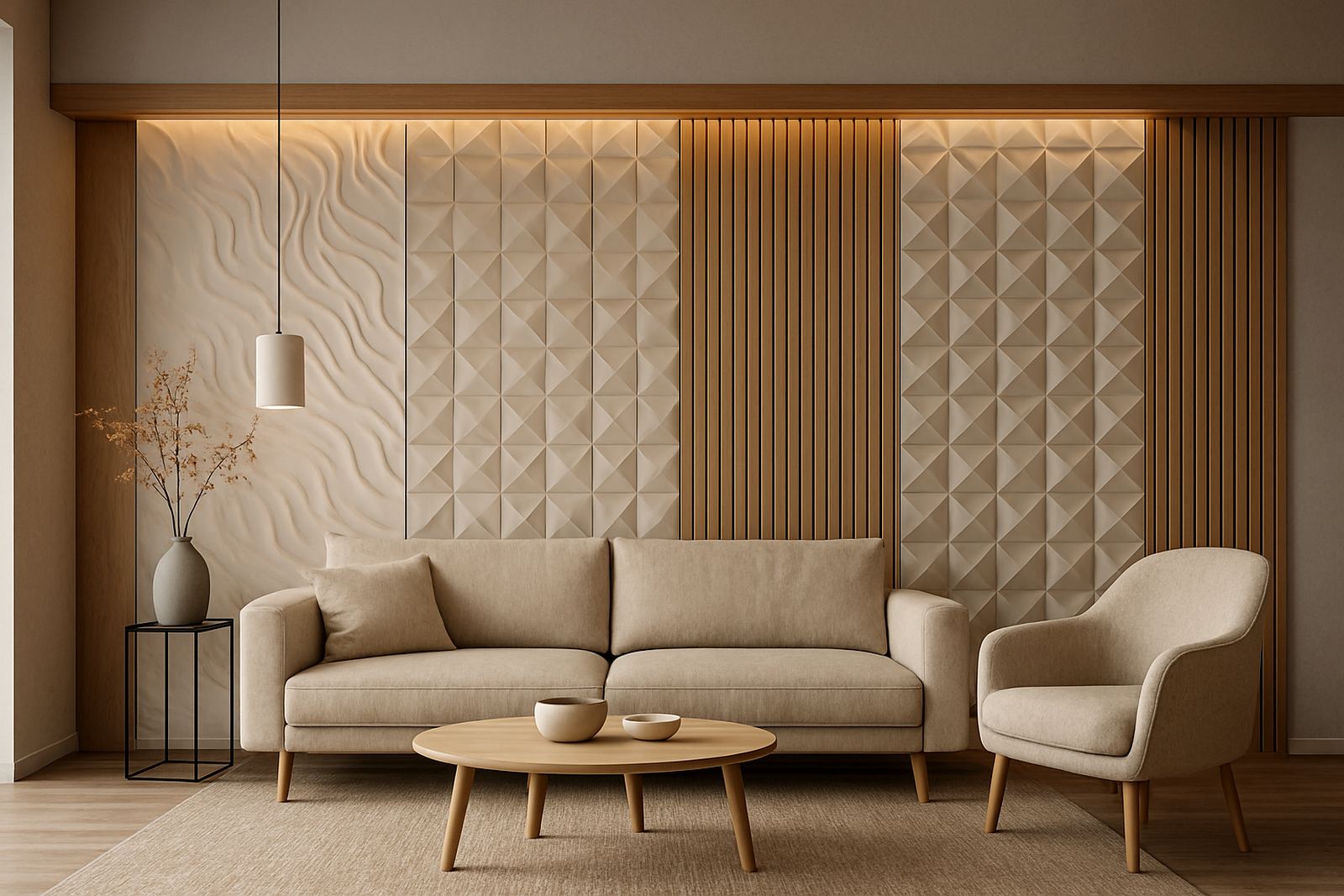
Style is not only about what looks good in a photo. A 3D pattern can make a narrow passage feel more active, while a flatter geometric finish may suit a calm bedroom or meeting room. Bold panel shapes work well on smaller feature walls, but in larger commercial interiors you may want a repeated pattern that reads clearly from a distance. If the room already has strong floors, busy curtains or statement furniture, the wall finish should support that instead of fighting it.
Colour matters too. Light tones can open up a compact room, while darker panels can anchor a large open-plan space. In Cape Town homes with good natural light, textures often stand out beautifully, but in a dim office you may need a finish that still reads well under artificial lighting. It is worth sampling a few options in the actual room before making the final call.
- Use bold textures for feature walls, not every wall
- Balance panel colour with flooring, joinery and furniture
- Check how the finish looks in daylight and at night
- Keep the design consistent with the rest of the property
Measure carefully before you order
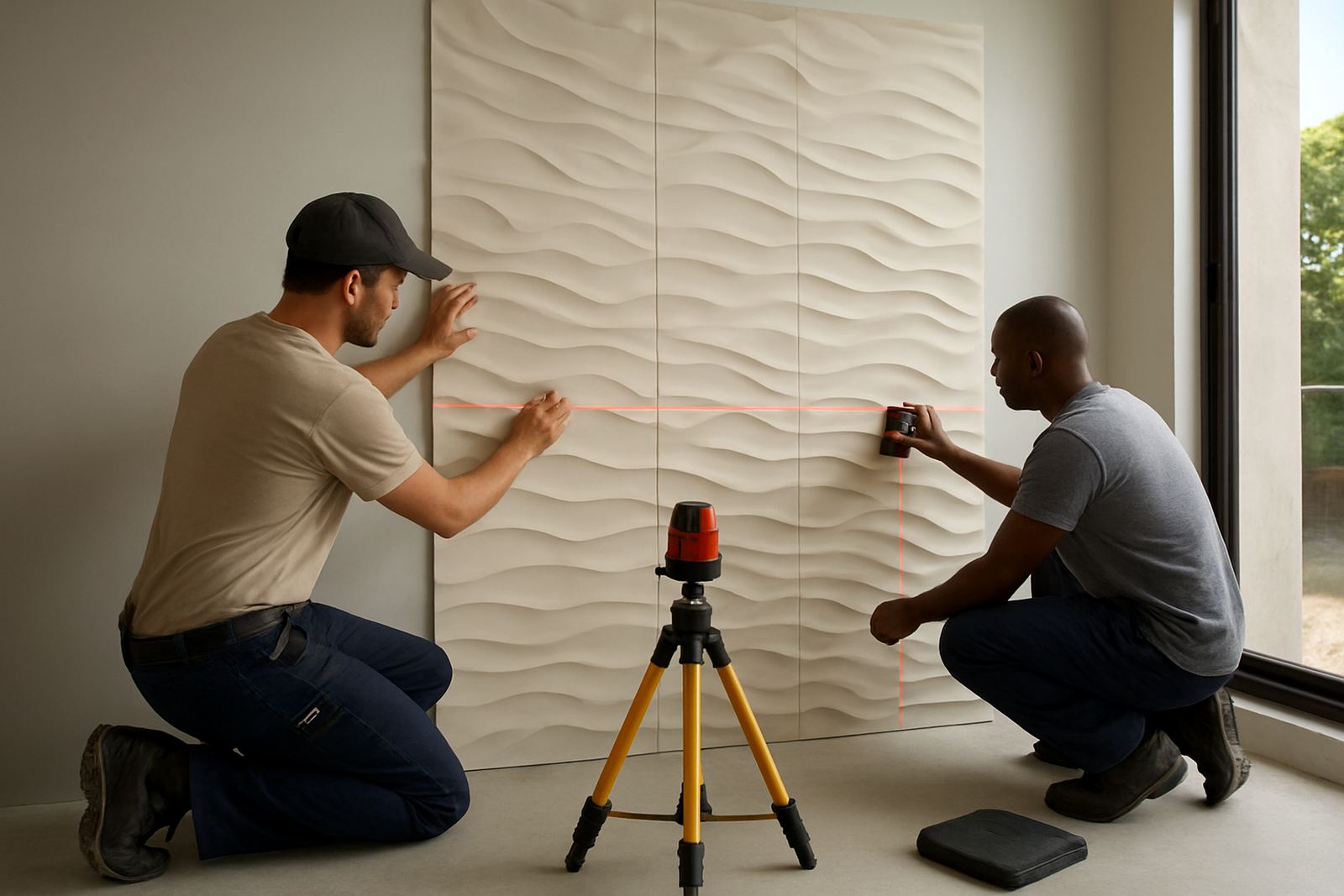
Good measurements prevent waste and reduce delays. Measure the wall height and width in more than one place, because many walls are not perfectly square. Include windows, doors, skirtings and any fixed elements that will interrupt the layout. If the wall is large, note the full area and then work out the repeating pattern so you know how many panels are needed. This is especially important for commercial rollouts where every square metre needs to be accounted for.
It helps to allow a little extra for cutting, pattern alignment and future repairs. On some projects we also plan for offcuts to be kept aside for later patching, which is useful in busy homes and commercial spaces alike. A careful measure-up also helps with couriers when panels are dispatched nationwide, because the packaging and quantities need to match the final order. Small error here can cost time later.
- Measure height and width in at least three places
- Allow for doors, windows and fixed fittings
- Check pattern repeat and edge finishing needs
- Keep a spare panel or offcuts for future repairs
Think about installation, prep and timing
Even the best panel will look poor if the wall is not prepared properly. Surface prep can include filling cracks, sanding uneven areas, cleaning dust and checking moisture levels. In older properties around the Northern Suburbs or the Southern Suburbs, walls may need extra attention before panels go up. In commercial spaces, timing is also important because fitting may need to happen after hours or in stages so the business can keep trading.
Load-shedding can also affect the programme if tools, lighting or access equipment are needed on site. It is wise to plan the install date around power availability and building access. If acoustic performance is part of the brief, the fixing method and backing system must be considered early so the panel does more than just look good. A good install plan saves rework, which is always cheaper than trying to fix problems later.
- Prepare the wall before panels arrive on site
- Plan around trading hours, school holidays or tenancy rules
- Check access for installers and materials
- Allow time for adhesive cure or finishing where needed
Use this buying checklist before ordering your panels
Before you order, go through a simple checklist so the panel suits the space and the budget. Decide on the look, confirm the material, check the wall condition and think about maintenance. If you are comparing options for a home in Stellenbosch or a retail fit-out in Montague Gardens, the same basics still apply. The more clearly you define the job, the easier it is to get the right product first time.
A final review should include the delivery method, fitting date and any aftercare needs. If the project is outside Cape Town, make sure dispatch timing and packaging suit the route. For coastal properties, ask how the finish will handle humidity. For busy commercial sites, ask about replacement sections and upkeep. That last step can make all the difference.
- Have you confirmed the room conditions and wall size?
- Does the material suit the use, cleaning and wear?
- Is the style right for the furniture and lighting?
- Have you planned delivery, install and aftercare?
If you are still unsure, ask for a sample match and a site measure-up before you commit. A careful start usually gives better results, less waste and a cleaner finish.