
Where acoustic panels make the biggest difference
Acoustic panels work best in rooms where hard surfaces are bouncing sound back and forth. That includes tiled living rooms, open plan offices, boardrooms, restaurants, studios and reception areas with glass, concrete or gypsum walls. In Cape Town homes near busy roads or in apartments with limited wall space, the right panel layout can reduce the harsh echo that makes voices harder to hear.
The most useful spots are usually the wall behind a seating area, the first reflection points beside a TV or conference table, and long flat walls that carry sound across the room. Ceilings can also be part of the plan in large spaces with high noise levels. If a room has a lot of soft furniture already, panels may still help but the result is more subtle.
- Identify the noisiest part of the room first
- Check where sound bounces between parallel surfaces
- Look at the main listening or speaking position
- Allow for doors, skirtings, switches and aircon grilles
What performance to expect in real rooms
Acoustic panels are designed to reduce echo and improve speech clarity. They do not stop sound from leaving a room completely, and they will not block traffic noise or loud music on their own. What they can do is shorten the echo tail, make meetings easier to follow and stop a room from feeling sharp and tiring.
In practical terms, you should expect a room to sound more controlled after the panels are fitted in the right positions. In an office this often means fewer complaints about echo on Teams or Zoom calls. In a home cinema or TV room, dialogue becomes easier to hear at lower volume. In restaurants and cafes, the background buzz becomes less aggressive, which helps with comfort for guests and staff.
The final result depends on panel size, thickness, coverage, mounting method and the room itself. A small study may only need a few panels. A double volume area or busy commercial space may need a fuller treatment plan. On coastal jobs in places like Somerset West or the Atlantic Seaboard, the material choice should also suit humidity and normal cleaning routines.
How to plan panel placement before you buy
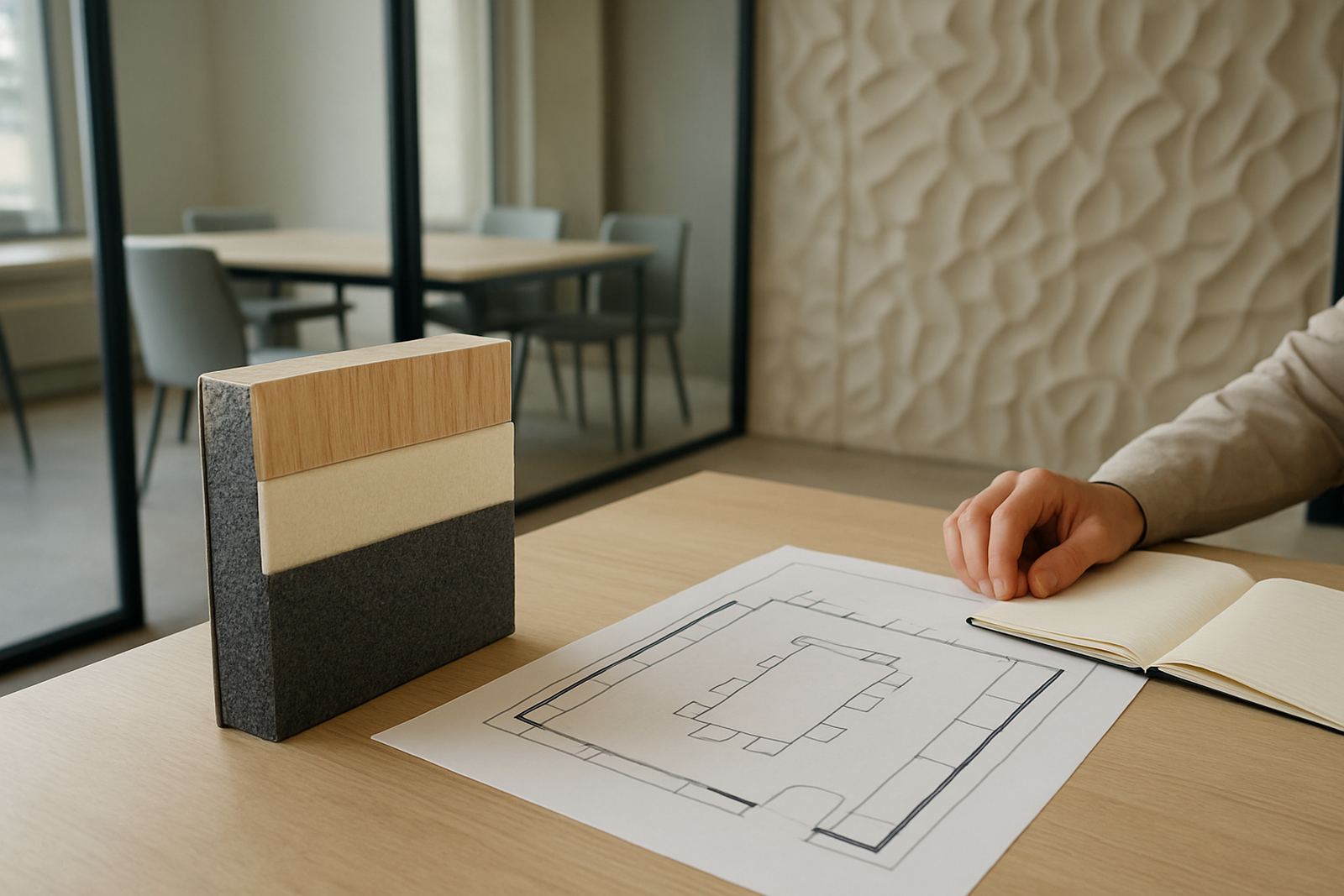
A good acoustic layout starts with measurements and a quick sound check. Count the walls, note ceiling height, and mark the surfaces that are mostly glass, tile, brick or plasterboard. Take photos from each corner of the room so the layout can be checked properly. For commercial rollouts, it helps to map each space one by one because open plan areas often need different treatment from meeting rooms.
Use this simple checklist before ordering:
- Measure wall widths and ceiling height in metres
- Note where furniture, art, shelving or doors will interrupt the layout
- Decide whether the goal is echo control, speech clarity or decorative impact
- Check if the space needs a full install or only selected panels
- Confirm access for ladders, working hours and after-hours installation
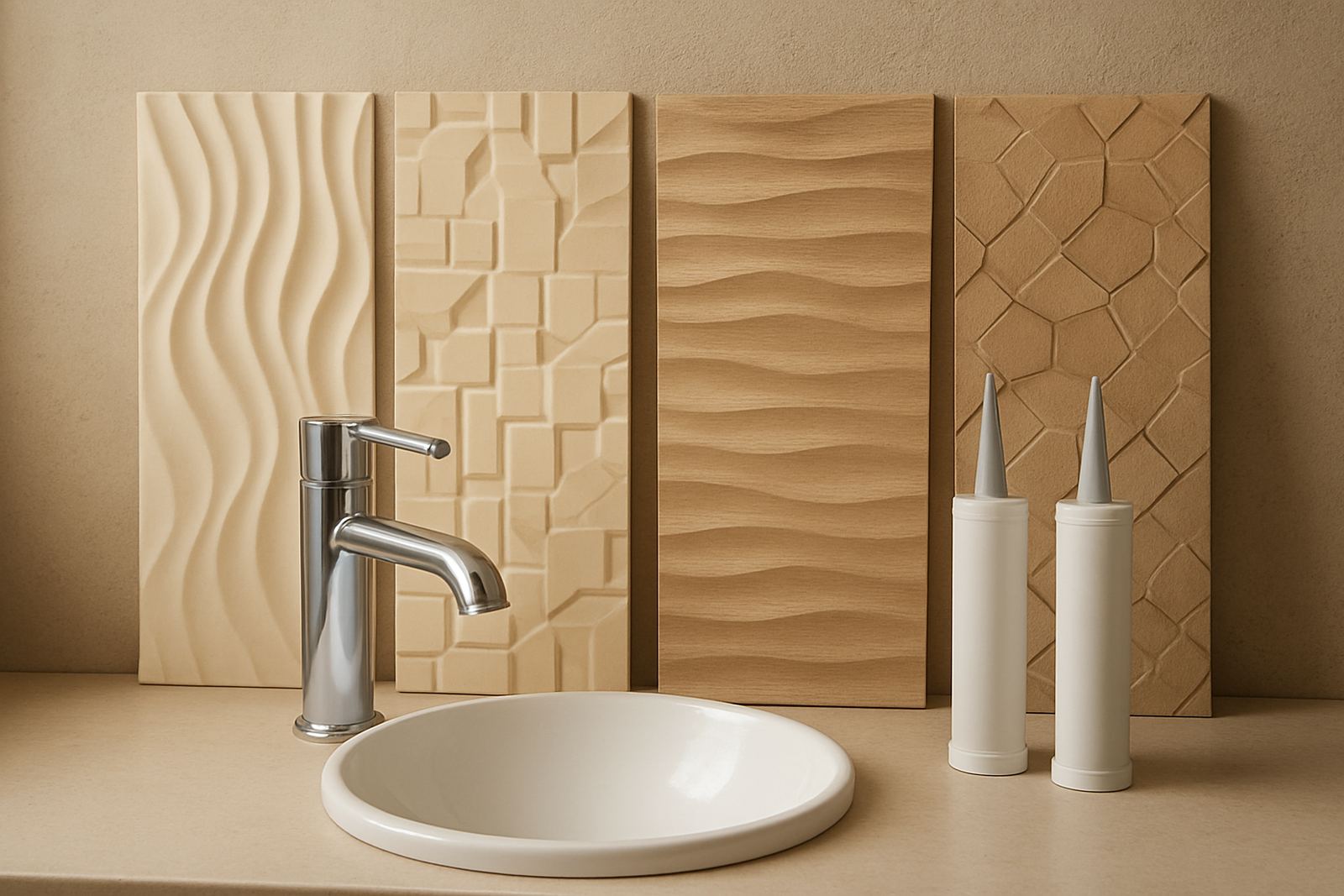
We also recommend sample matching where colour and finish matter. In a boardroom or client-facing space, the panels should look intentional rather than added as an afterthought. If the room has strong sunlight, think about fade resistance and how the finish will read through the day.
Choosing the right panel type for the job
Different spaces call for different panel styles. Some projects need slim decorative panels that soften a room without changing the look too much. Others need thicker absorptive panels for better sound control. The best option depends on the room size, the noise source and the look you want to keep. A home office in Stellenbosch will not need the same specification as a busy retail store in Cape Town central.
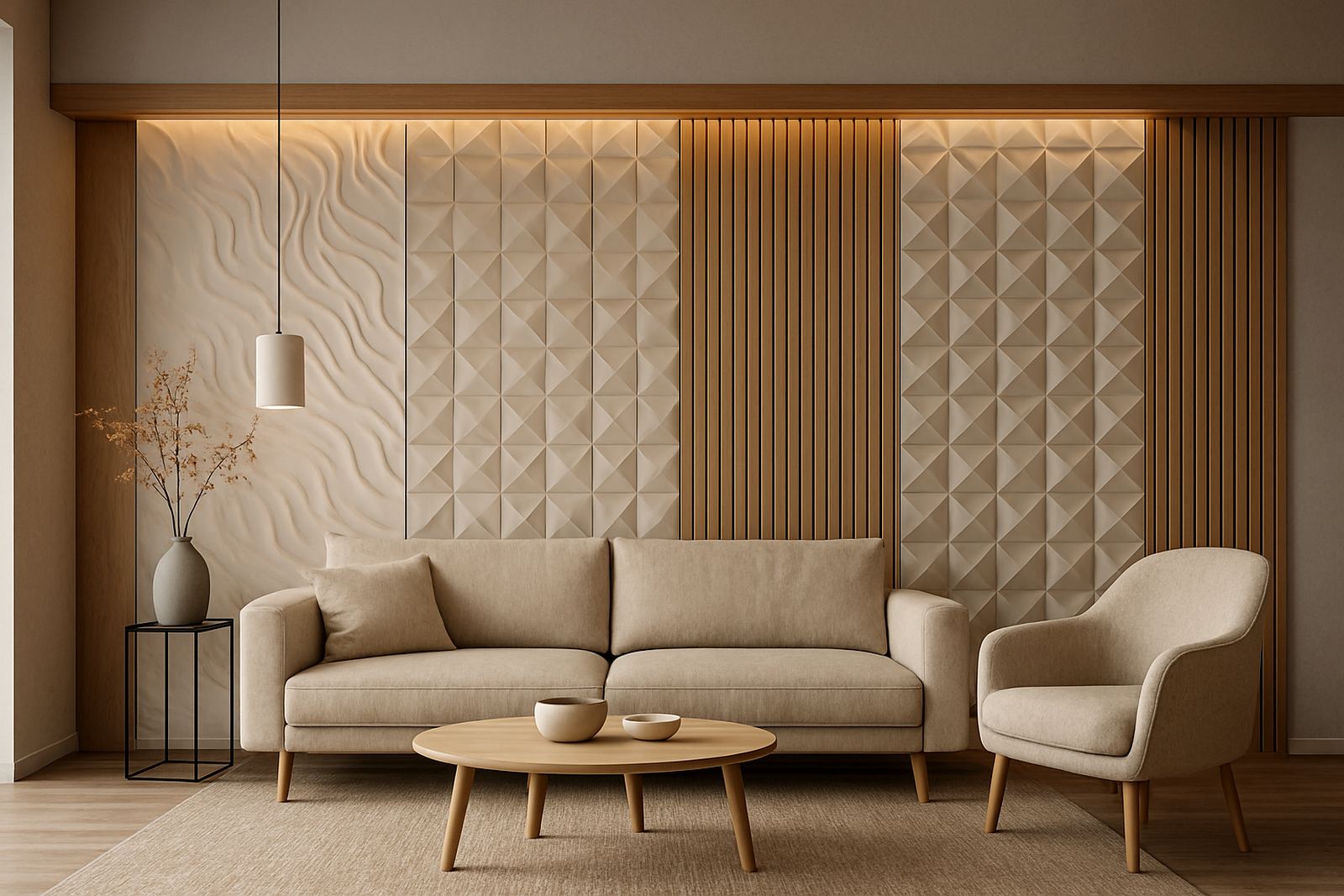
As a guide, thicker panels and wider coverage help more with echo. Panels with open surfaces or fabric finishes are often used where speech clarity is important. Decorative 3D wall panels can also contribute to a better acoustic feel when installed across larger wall areas, though they are not a replacement for specialist acoustic material in high-noise spaces.
- For boardrooms: focus on speech clarity and wall coverage
- For homes: balance sound control with décor
- For restaurants: treat hard walls and noisy corners first
- For studios or content rooms: use a more detailed layout plan
In damp or high-traffic environments, it is worth checking how the finish handles cleaning, fingerprints and everyday wear. That small detail saves time later.
What happens during site measure-ups and installation
Proper fitting starts long before the first panel goes on the wall. A site measure-up checks dimensions, wall flatness, obstacles and fixing points. It also confirms whether any wall preparation is needed first. In older properties, or in spaces that have had recent electrical work, the wall may need patching or levelling before installation begins.
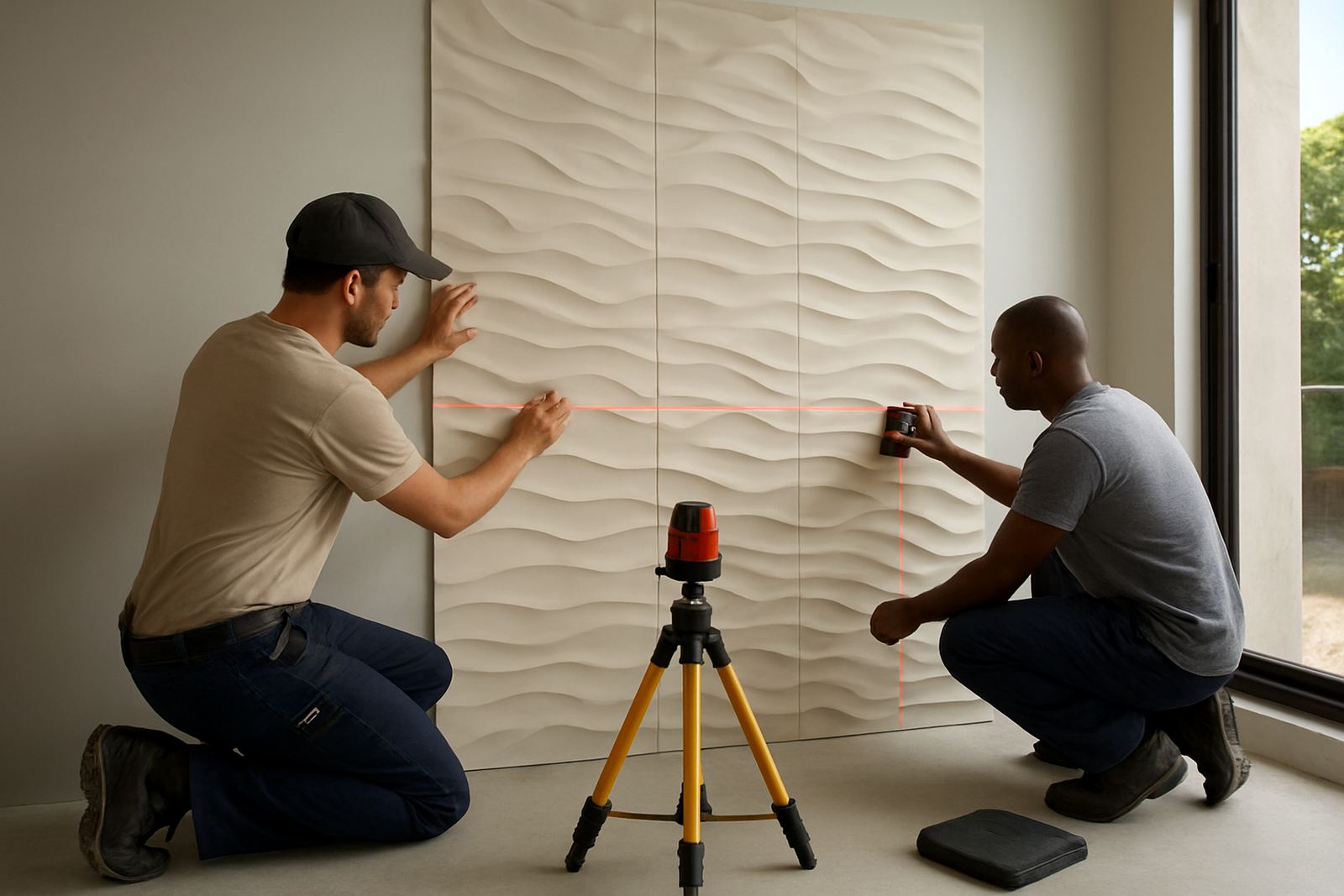
During fitting, the installer marks out the layout, checks alignment and works around plugs, data points and skirtings. For commercial jobs, the schedule may be planned around trading hours so the site can stay open. In apartments and sectional title units, body corporate rules sometimes affect working times, noise levels and waste removal, so that needs to be agreed upfront.
A smooth job usually follows these steps:
- Measure and confirm the final layout
- Prepare the wall surface where needed
- Dry fit or mark the panel positions
- Install from the reference line outward
- Inspect the finish, joints and edge details
Good installation matters as much as the panel itself. A crooked line or poor edge finish can spoil the whole wall, even if the acoustic result is good.
Care, repairs and long-term use
Acoustic panels are usually low maintenance, but they still need the right care. Dust them lightly and avoid harsh cleaning agents unless the panel material allows it. In busy commercial spaces, regular checks help spot loose fixings, marks, or impact damage from trolleys, chairs and foot traffic. If a section gets damaged, panel repairs can often be done without redoing the entire wall.
For homeowners and business owners alike, the best approach is simple: keep a small maintenance plan, especially in high-use areas. If furniture layouts change, the acoustic balance of the room may change too. A new counter position, extra shelving or a meeting table moved closer to a wall can alter how sound behaves. That does not mean the panels failed, only that the room now works differently.
Aftercare support is useful when a space grows or gets repurposed. A reception area in Montague Gardens may later become a meeting room, or a family room in Paarl may be turned into a study. Rechecking the layout helps make sure the panels still do the job.
Quick checklist before you start your project
Before you move ahead, work through this final list so the project stays practical and on budget. It is a simple way to avoid missed details, especially on jobs that need couriered panels, phased fitting or multiple rooms across the Western Cape.
- Confirm the room purpose and noise problem
- Measure wall and ceiling areas accurately
- Choose the finish that suits the interior
- Check if wall prep is needed first
- Plan the install date around the site schedule
- Allow for maintenance and future layout changes
If you are unsure about placement, a proper consultation and sample review can save time later. The right plan gives you a room that sounds better and works better, without overdoing the wall treatment.