
Start with the room conditions, not the colour
Before you choose a finish, look at how the bathroom is used. A main family bathroom in Paarl will face different wear to a guest cloakroom in the Northern Suburbs, and a shower wall in Somerset West needs more moisture control than a vanity splashback. The best panel choice is the one suited to the damp level, cleaning routine and wall condition.
In coastal areas like the Atlantic Seaboard, salt in the air and higher humidity can affect trims, adhesives and seal points. In older homes, uneven plaster, hairline cracks and past water damage should be checked first. If the wall is not sound, even a good panel can fail early.
- Check for damp patches, loose paint and mould staining
- Confirm if the wall gets direct shower spray or only light splashes
- Measure the full area, including around niches, windows and pipes
- Note where extractor fans, windows and towel rails are already placed
Choose bathroom panels that cope with moisture and cleaning
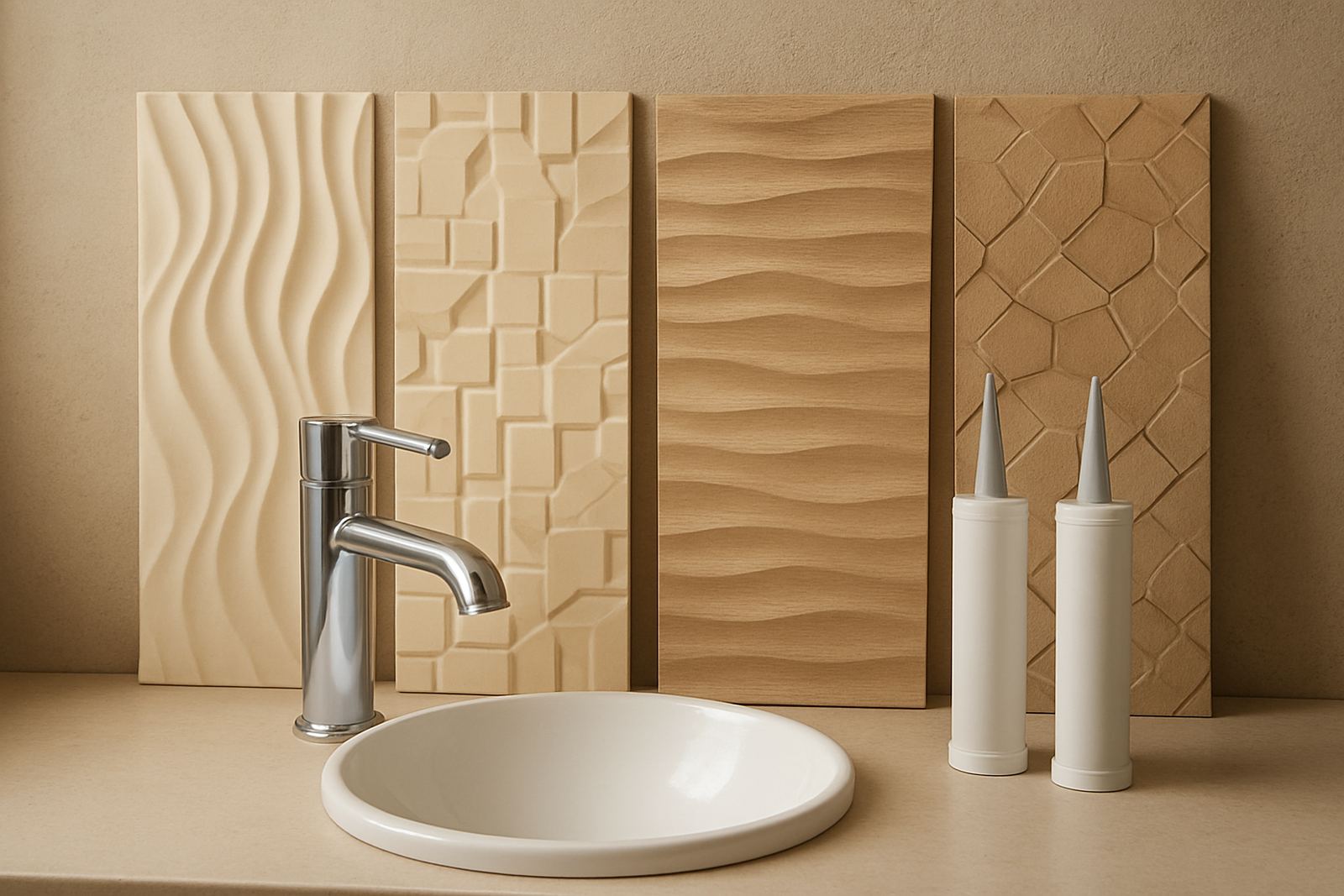
For bathrooms, the panel surface and the fixing method matter just as much as the pattern. You want a finish that can be wiped down regularly with no fuss, and that will not warp with steam from hot showers. Ask about material type, backing structure and whether the panel is suitable for wet zones or only for decorative dry areas.
It also helps to think about what cleaning products are used at home. Some households use strong chemical sprays, while others prefer warm water and a mild cleaner. A panel that is easy to maintain will save time, especially in rental units, guesthouses and busy family homes across Cape Town and the broader Western Cape.
- Ask if the panel is suitable for high humidity rooms
- Check whether the finish resists staining and surface marking
- Confirm if it can be cut neatly around taps, mirrors and outlets
- Choose a colour and texture that hides minor water marks better
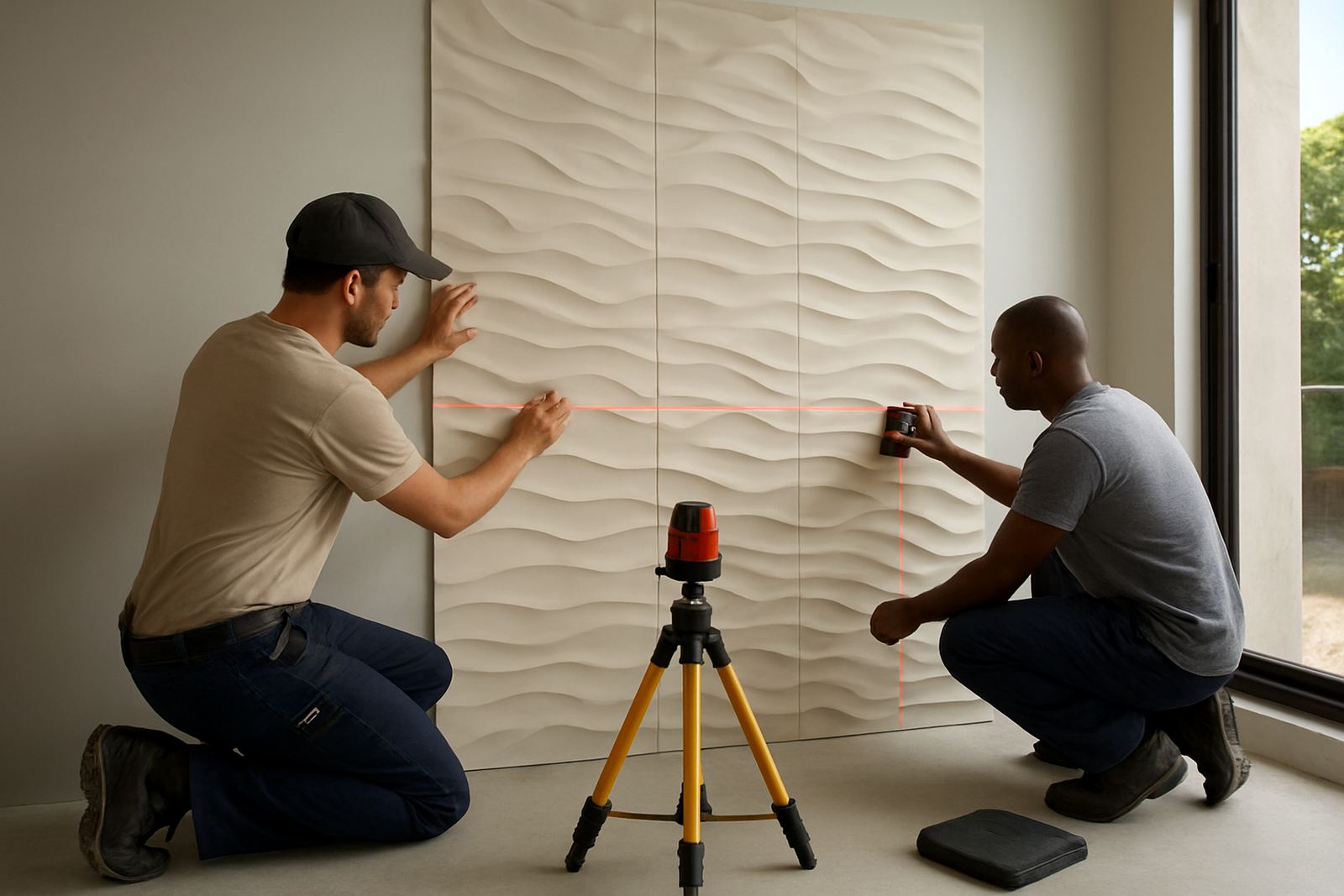
Plan the layout before any installation starts
A neat bathroom panel job starts with the layout. You do not want narrow offcuts around the edge of a bath wall or a pattern that ends awkwardly behind a basin. Good planning means the lines work with the room, the tiles or flooring and the position of the fittings. That is especially important in smaller bathrooms where every millimetre counts.
If the room is being renovated, the panel layout should be checked against plumbing changes, new lighting and mirror placement. In commercial bathrooms, such as offices, salons or boutique hospitality spaces, panel layout can also affect maintenance access and cleaning times. A practical layout reduces waste and gives the room a cleaner finish.
- Mark the main viewing wall first
- Check where joins will fall so they are less noticeable
- Allow for movement at corners and around fixed fittings
- Confirm the wall finish is ready before measuring for panels
Prepare the wall properly for a longer-lasting result
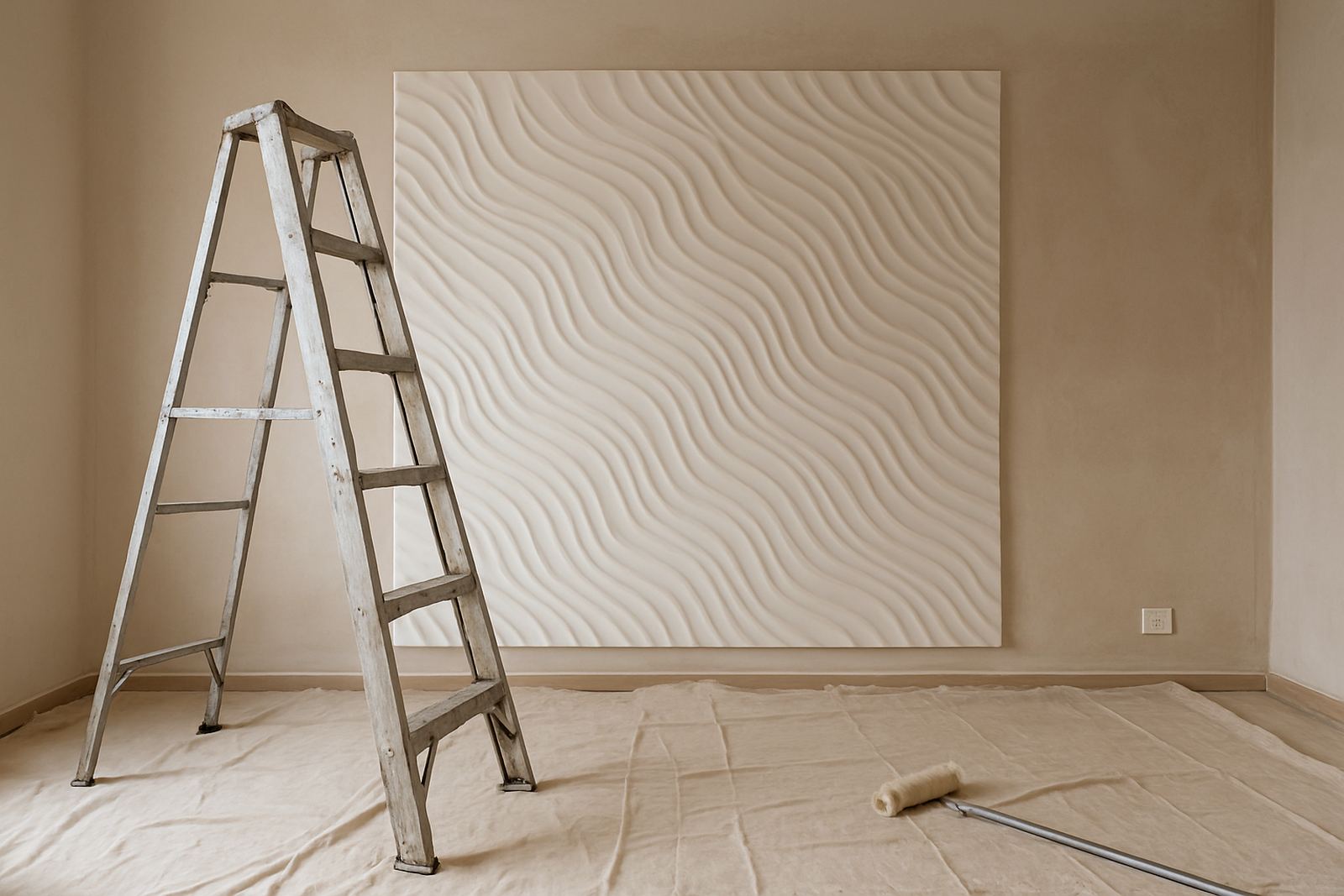
Bathroom panels depend on a clean, dry and level surface. If the wall is dusty, flaky or still holding moisture, the bond can fail. Preparation often takes longer than the fitting itself, but it is worth it. In homes near the coast or in older buildings with patch repairs, this step matters even more.
The wall may need filling, sanding, priming or local repairs before the panels go up. Around shower areas, proper sealing at joints and edges is essential. If a bathroom has had a leak before, the source should be fixed first or you risk trapping a bigger problem behind the panel later on. That is where rushed work tends to go wrong.
- Remove loose paint, silicone and dust from the surface
- Check that the wall is dry before fitting begins
- Repair cracks, movement and damaged plaster first
- Plan sealant lines around corners, baths and basins
Installation details that matter in wet rooms
The way panels are fitted affects how they perform over time. Straight lines, proper spacing and tidy edge finishing all help the room stay looking good. In a shower room, installers should pay close attention to the bottom edge, corner joints and any area where water can sit. A small gap left open in the wrong place can cause problems later.
Load-shedding can also affect project timing in workshops and on site, so a clear install plan helps keep the job moving. For larger residential blocks, lodges or commercial washrooms, it is useful to schedule work in stages so areas can be taken out of use with minimal disruption. The fitter should also check that access to maintenance points stays clear.
- Use the correct adhesive or fixing method for the panel type
- Seal all exposed cut edges where needed
- Keep joins straight and consistent across the wall
- Test that doors, mirrors and fittings still clear the new surface
Keep bathroom panels clean without damaging the finish
Once installed, good bathroom panels are usually easy to look after. A soft cloth, warm water and a mild cleaner are enough for most day to day cleaning. Avoid harsh scouring pads or heavy abrasive powders, as these can dull the surface over time. In homes with hard water, regular wiping helps prevent marks from building up around taps and shower screens.
If you notice lifting edges, cracked sealant or a water mark that keeps returning, deal with it quickly. Small issues are easier to sort out before they spread. For families, landlords and business owners, a simple maintenance check every few months can save time and protect the finish for years.
- Wipe down after heavy shower use where practical
- Recheck sealant at corners and around baths or basins
- Watch for mould where ventilation is poor
- Arrange repairs early if a panel edge loosens or lifts