
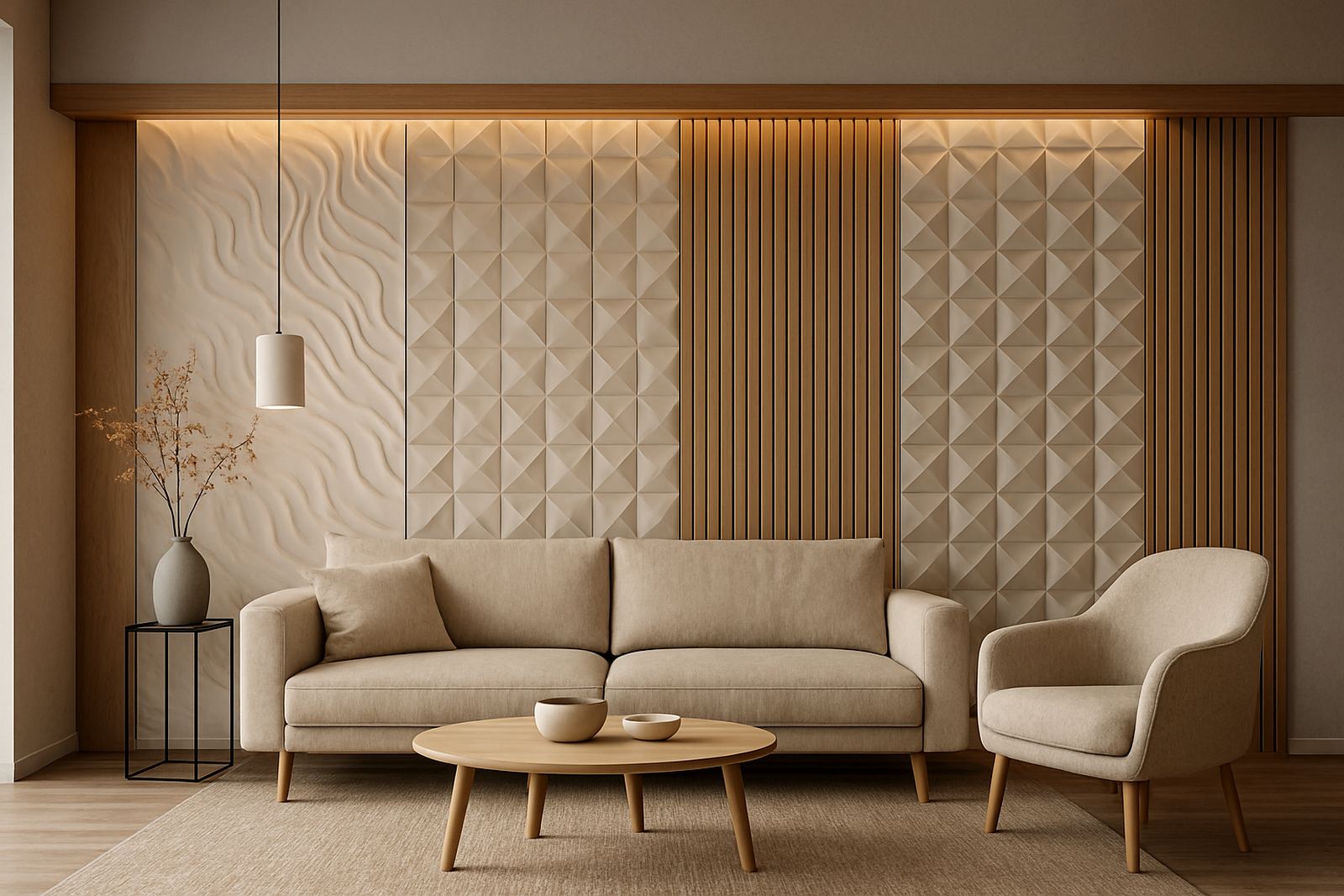
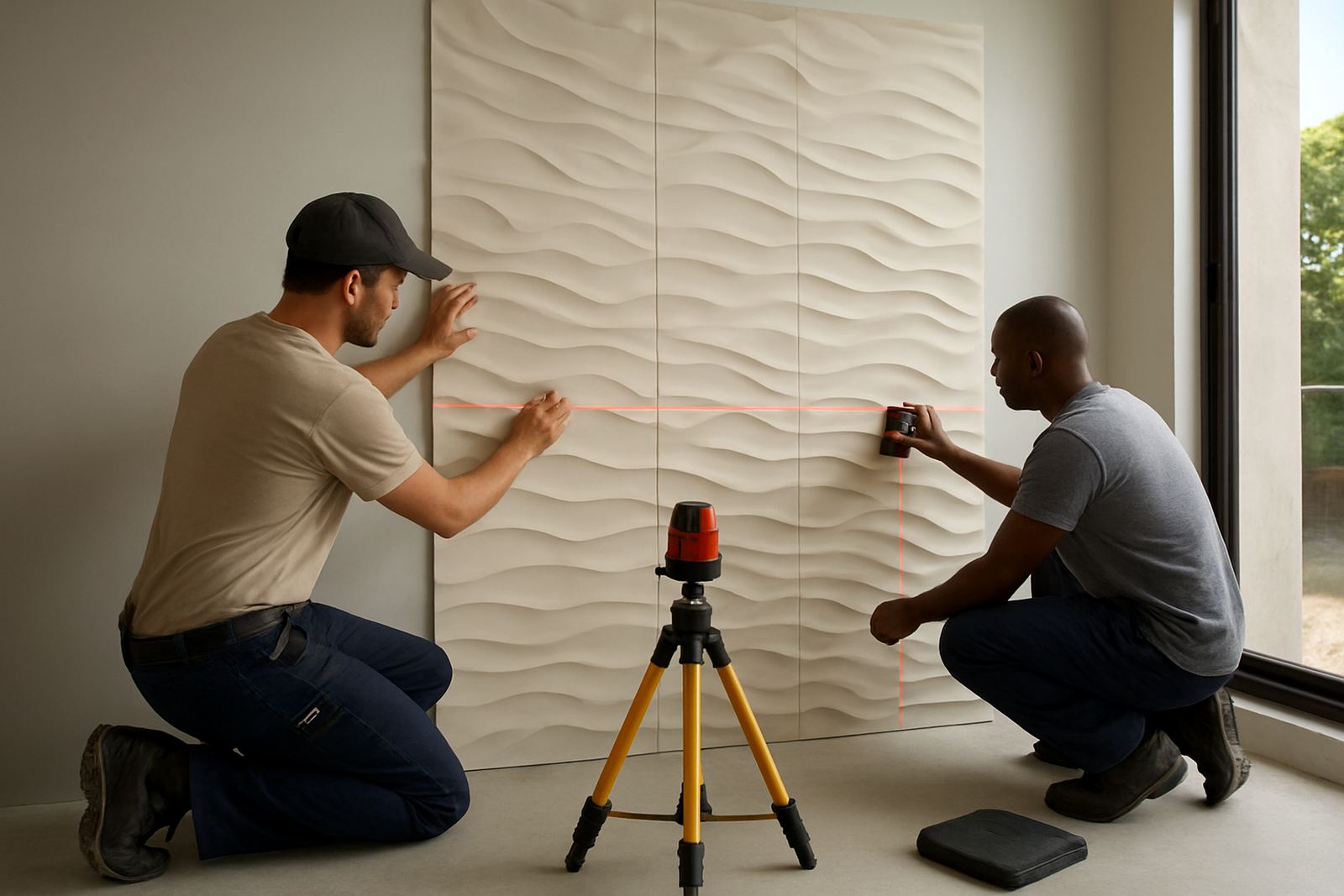
Start With A Proper Damage Check
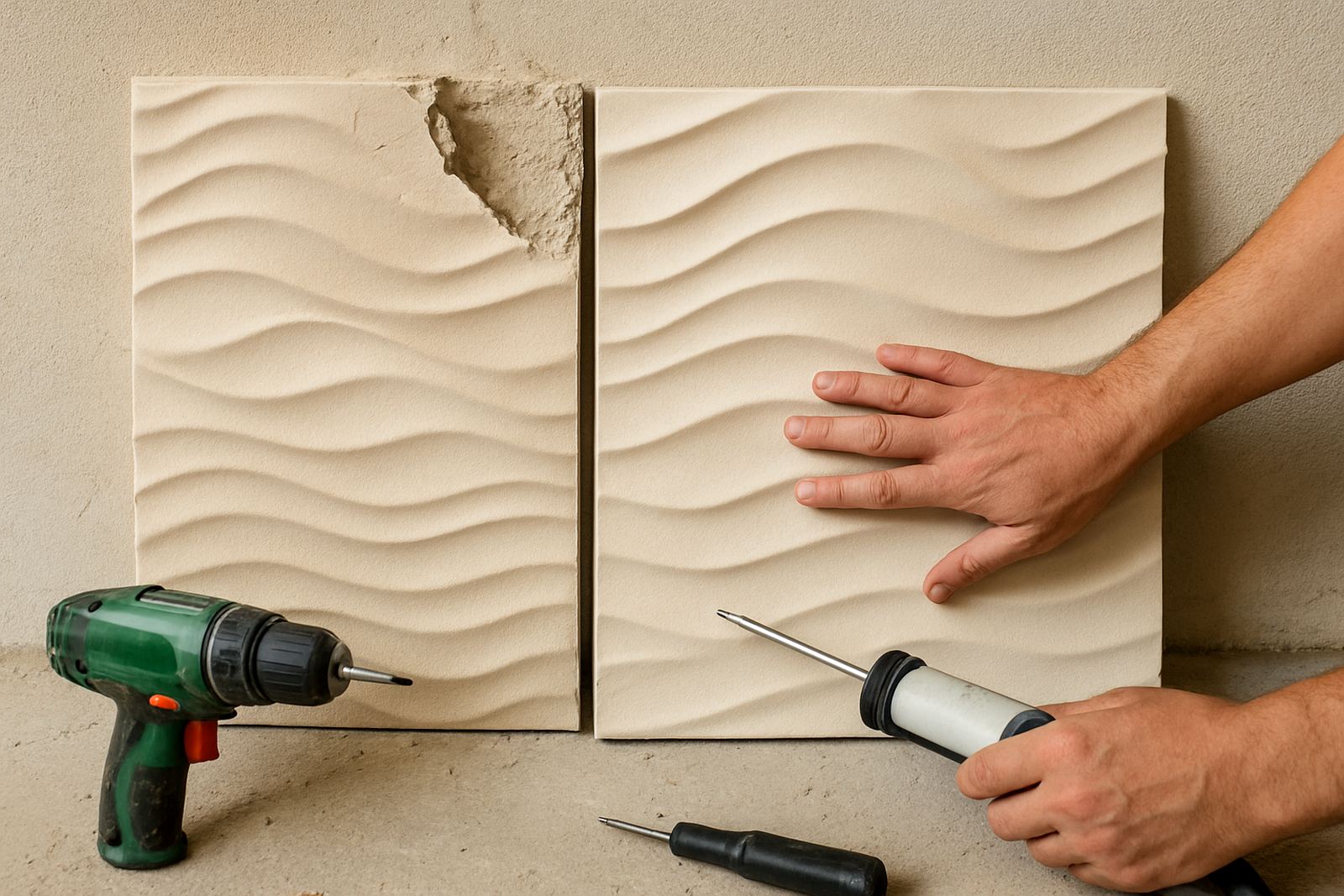
Before anyone quotes, inspect the full wall from top to bottom. Look for surface marks, lifted edges, movement behind the panel, stains from damp, and any areas where joints have opened up. In Cape Town, coastal humidity can affect adhesives and wall prep, while older plaster in Southern Suburbs homes may hide hairline movement that only shows after a while.
A good check should cover the visible finish and the wall behind it. If a panel has only taken a knock from furniture or a trolley, a local repair may be enough. If the damage is spreading, the substrate is soft, or there are signs of mould or moisture, replacement is often the safer choice.
- Check for cracks, chips, swelling and loose corners
- Press gently near damaged areas to feel for movement
- Look for water marks, damp smell, or bubbling at the edges
- Note whether the problem is one panel or a full section
When A Repair Is Usually The Better Option
Repair works best when the panel system is still sound and the damage is localised. This might include a small chip, a single loose section, scuffed paint on a decorative finish, or a minor joint opening caused by normal building movement. In many cases, a neat repair can restore the look without interrupting the whole room.
For offices, retail spaces and reception areas, repair is often the practical route if the finish still matches the rest of the wall and the damage has not affected acoustics or mounting points. If you are working to a budget, repair can also stretch the life of a recently installed wall and reduce waste.
- Single damaged panel or one corner only
- No signs of moisture ingress
- Substrate remains firm and level
- Finish can be matched closely enough to blend in
Signs Replacement Will Cost Less In The Long Run
Replacement becomes the sensible option when the repair would only hide a larger problem. If multiple panels are warped, the wall prep was poor, or the adhesive has failed in more than one place, patching one section usually means another callout later. That is not good value, especially in commercial spaces where downtime matters.
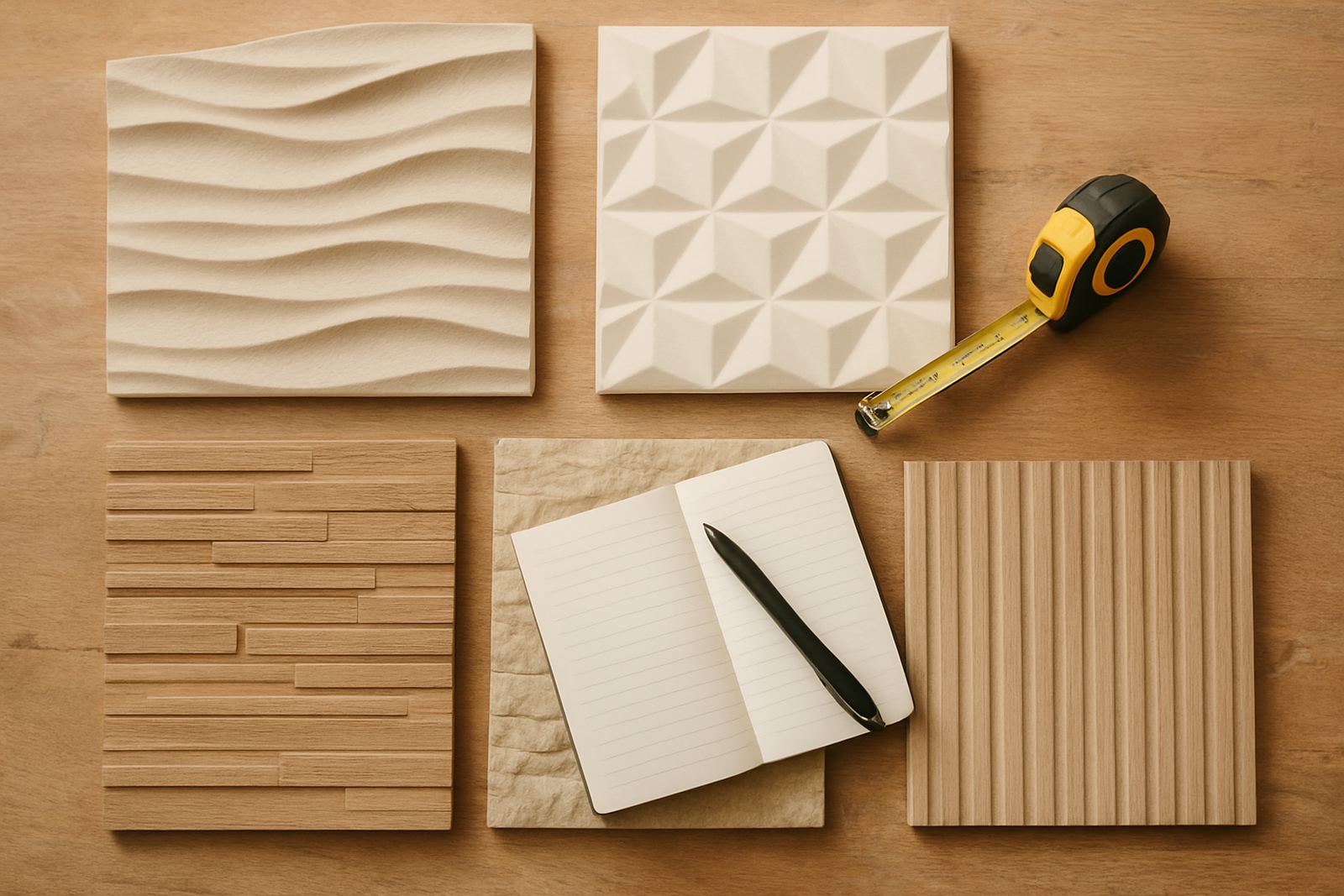
Replace rather than repair when the pattern, colour or texture can no longer be matched properly. This is common when a product range is old, when a room was extended, or when there have been several repairs already. In load-shedding affected areas, repeated heat and cooling changes can also expose weak fixing over time, so it is worth checking the full installation, not just the damaged spot.
- Multiple panels are lifting or cracking
- There is damp behind the wall or around edges
- The finish is discontinued or badly faded
- Repairs would be visible and still leave weak points
What To Do Before Any Repair Or Replacement
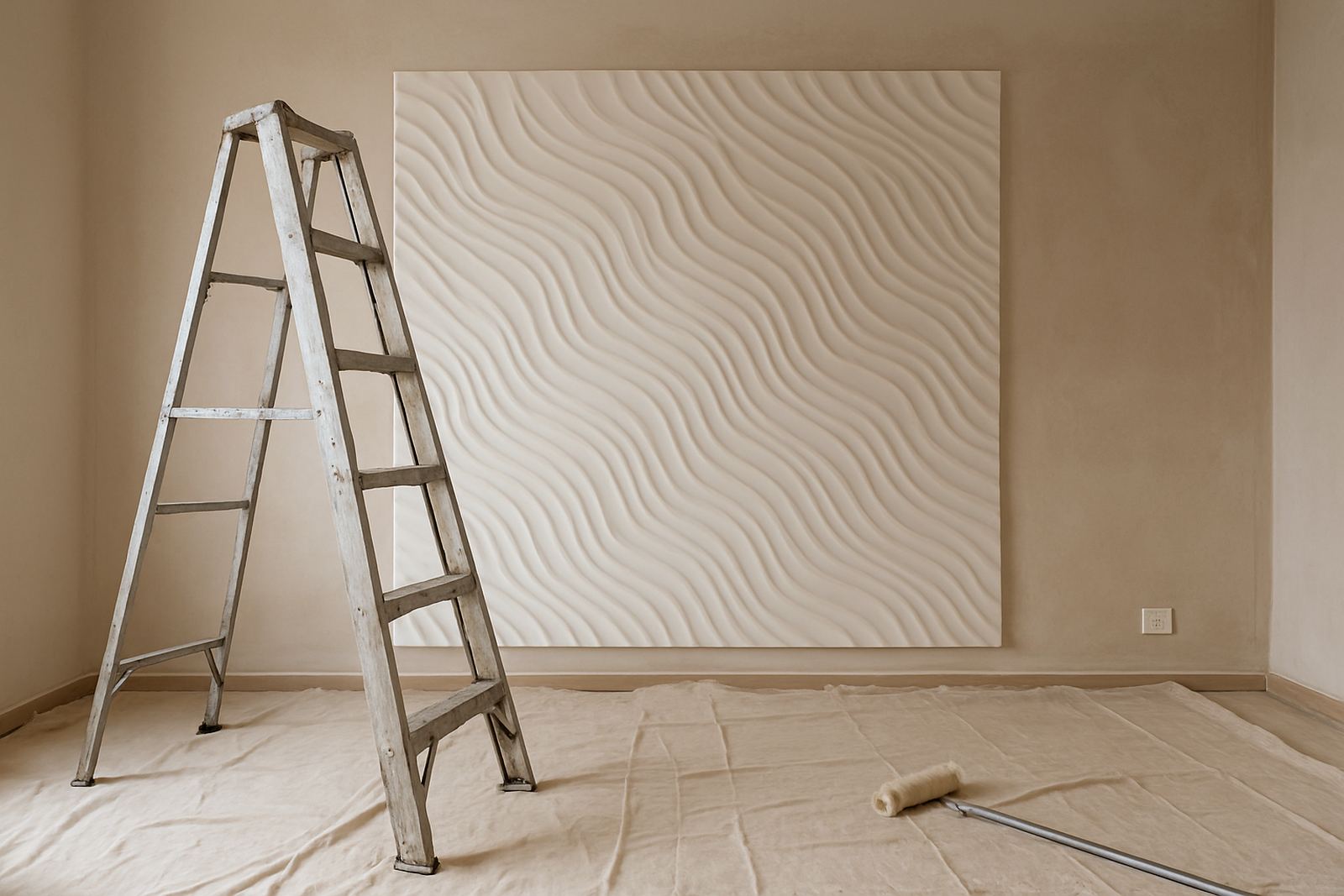
A few sensible checks make the job cleaner and faster. Clear the wall area, remove hanging items, and confirm whether the damage came from impact, damp, poor preparation or movement in the building. In warehouses and hospitality spaces around Montague Gardens and the Atlantic Seaboard, forklift knocks, cleaning chemicals and heavy traffic are common causes of wear so it helps to identify the source first.
If the wall has been painted over, filled badly, or covered with old adhesive residue, the surface may need preparation before anything new is fitted. For coastal properties and busy commercial interiors, proper prep matters because moisture and dust can affect adhesion and finish quality. That prep work is easy to overlook, but it prevents adhesion and finish problems on the new panels.
- Remove artwork, shelves and loose fittings near the area
- Keep a note of when the issue started
- Take photos in daylight if possible
- Check whether other walls show similar wear
A Simple Decision Checklist For Homeowners And Businesses
If you are unsure, use this quick checklist before you book work. A repair is usually fine when the damage is small, stable and easy to blend. Replacement is better when the wall is moving, the surface is damp, or the old finish has already been patched more than once. For Paarl, Stellenbosch and Somerset West properties, where sun exposure and temperature shifts can be stronger, this check is especially useful on feature walls near windows.
When in doubt, ask for a site measure-up and a clear opinion on both options. The right call is not always the quickest one, and a proper assessment can prevent repeated labour costs.
- If the damage is local and the wall is sound, repair
- If the damage is spreading, replace
- If the finish no longer matches, replace
- If moisture is present, deal with the cause before any new panel goes up
Keeping Repaired Or New Panels In Good Shape
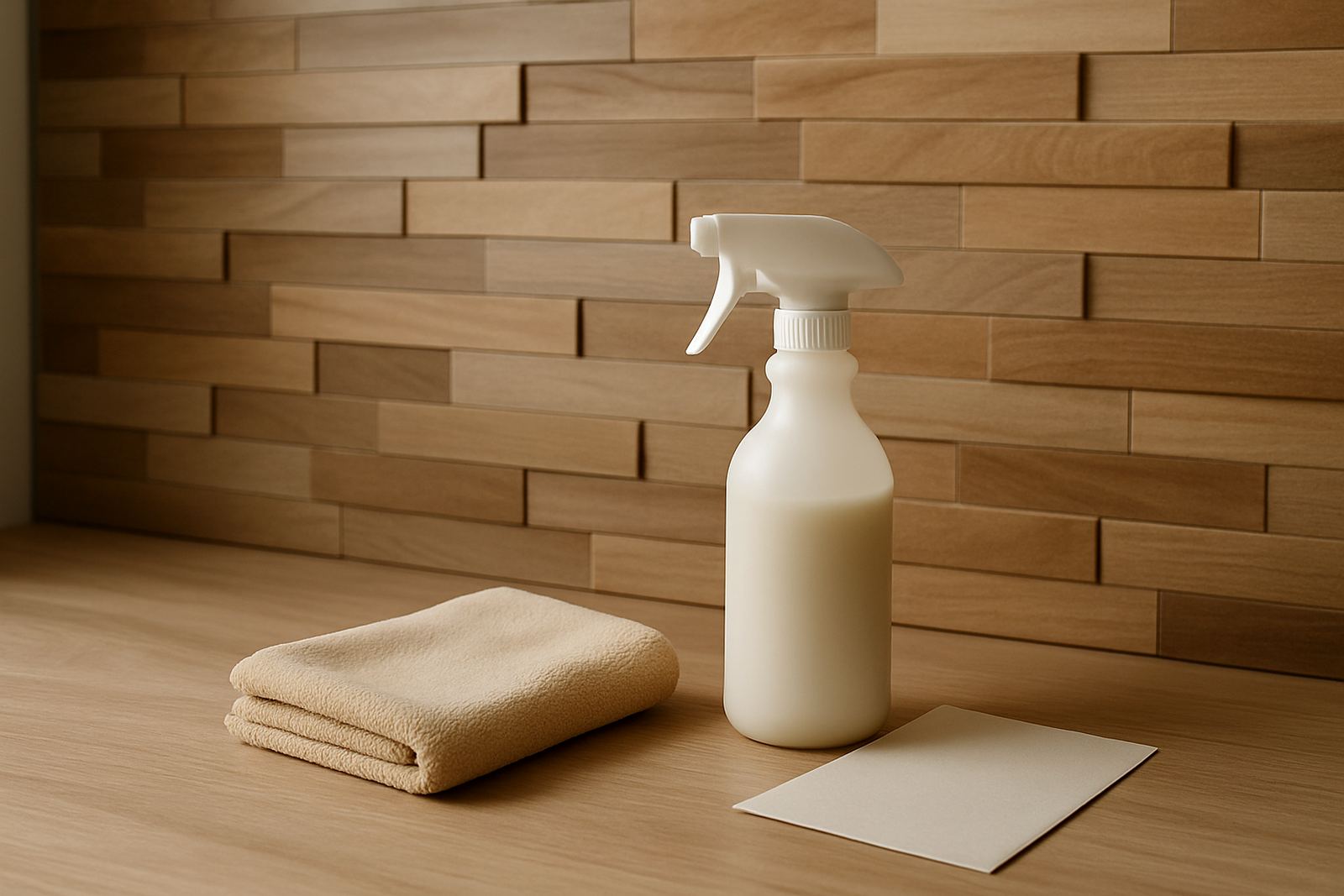
Once the wall is sorted, basic care helps it last. Dust the surface regularly, avoid harsh abrasive cleaners, and keep an eye on joints after seasonal weather changes. In commercial interiors, arrange periodic checks so small issues are caught before they become larger failures. That is especially useful in high-traffic areas, where chair scrapes and cleaning equipment can wear edges down over time.
If a panel needs maintenance, do it early. Small repairs are cheaper than full section replacement, and a prompt fix usually protects the surrounding area as well. If you manage several sites across the Western Cape or need panels couriered nationwide, it is worth keeping records of what was installed and where so future matching is easier.
- Wipe surfaces with a soft cloth and mild cleaner
- Avoid dragging furniture across feature walls
- Inspect joints after winter rain or summer heat
- Keep spare panels or samples for future matching