
Start With The Right Cleaning Routine
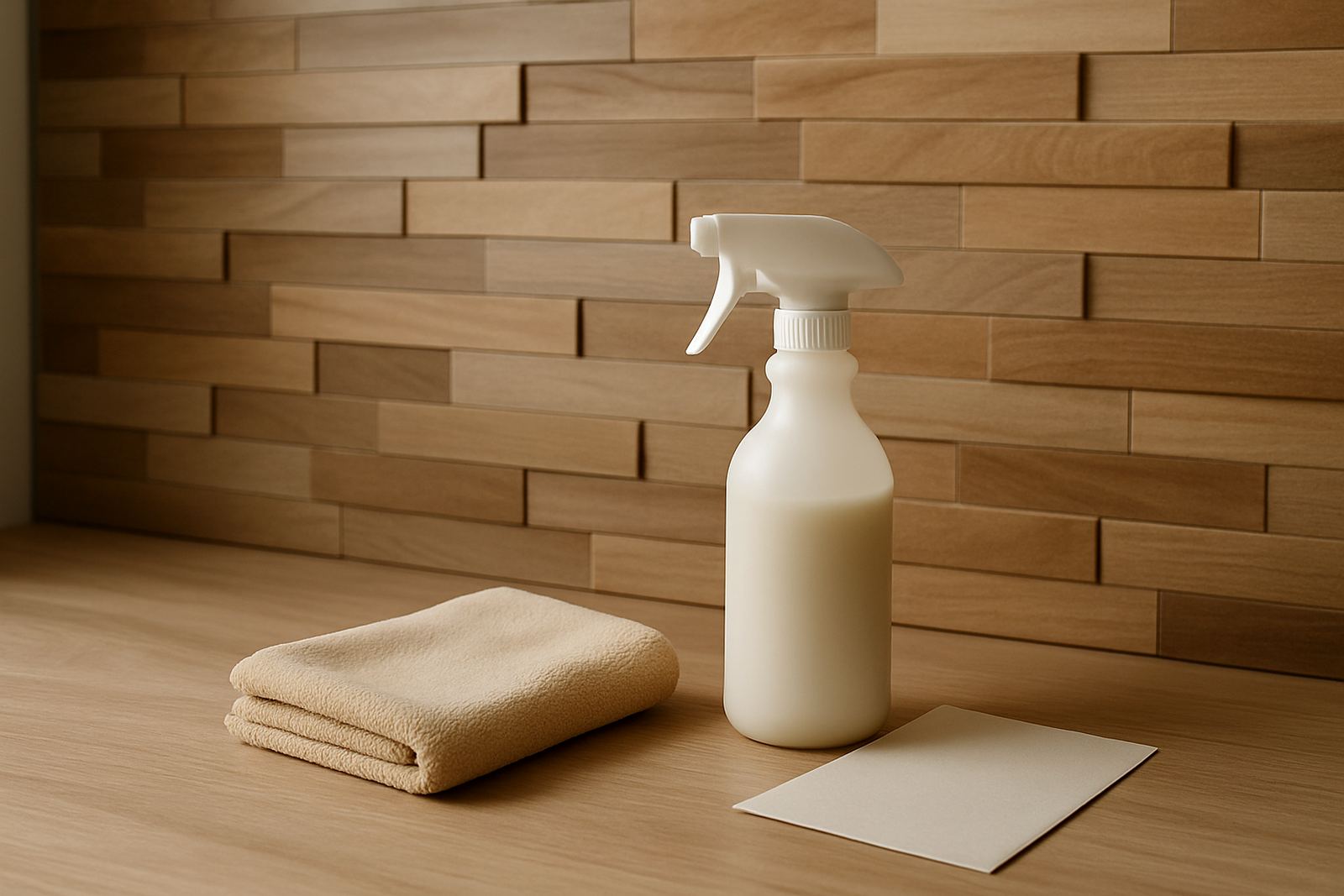
Most wall panels only need light, regular cleaning to stay in good condition. In homes near the coast, in places like Sea Point or Hout Bay, salt in the air can settle on surfaces faster, while in busy commercial spaces dust and hand marks build up quickly. A soft dry microfibre cloth used once a week is often enough for day to day care.
For a deeper clean, use lukewarm water with a small amount of mild soap. Wipe the surface gently, then go over it again with a clean damp cloth to remove any soap film. Dry the panel afterwards with a soft towel so moisture does not sit in joints or edges.
- Dust first before using any liquid
- Work from top to bottom so dirty water does not run down the face
- Use light pressure, not scrubbing
- Dry the panel after cleaning, especially in humid areas
What To Avoid On Decorative Panels
The wrong cleaning products can mark the surface, dull the finish or weaken the fixing over time. Avoid bleach, strong solvents, abrasive powders and rough scourers. These can scratch textured panels and may leave patchy colour changes that are hard to reverse.
If you are unsure about a new cleaner, test it on a small hidden area first. This is especially important on feature walls in reception areas, boardrooms or hospitality spaces where lighting can make even small marks more visible. If a product leaves a sticky residue, rinse the surface again with clean water.
- No steel wool or hard brushes
- No harsh chemicals or solvent based degreasers
- No high pressure water jets
- No soaking the panels or flooding the joints
How To Handle Spills, Marks And Fingerprints
Fresh spills are easier to manage than old stains, so deal with them straight away. For drinks, food splashes or general grime, blot the area first with a clean cloth. Do not rub hard, because that can spread the mark and push it deeper into the surface texture.
Fingerprints around switches, passage walls and lower sections near entrances are common in family homes and offices. A damp microfibre cloth usually removes them well. For stubborn spots, use a little mild soap, then wipe with clean water and dry properly. If a mark remains after two gentle cleans, stop there and ask for advice rather than trying stronger chemicals.
- Blot, do not scrub
- Use clean water after soap
- Dry the area fully
- Treat stains quickly for best results
Protect Panels From Heat, Moisture And Sunlight
South African conditions can be hard on interior finishes. In summer, direct sun through large windows in Somerset West or the Atlantic Seaboard can warm a wall quickly and may affect some finishes over time. In bathrooms, kitchens and enclosed areas with poor ventilation, moisture build up can also cause problems if it is left unchecked.
Keep panels away from direct steam, open flames and very hot appliances where possible. If a panel is fitted near a kettle station, prep area or kitchenette, wipe away moisture as soon as it appears. Good airflow matters too. Open windows, use extractor fans and keep curtains or blinds adjusted if strong sun hits the wall for long periods.
- Reduce direct steam exposure
- Control sunlight where possible
- Improve ventilation in damp rooms
- Keep heat sources a safe distance away
Simple Maintenance Checks For Better Longevity
A quick monthly check helps you spot small issues before they grow into bigger repairs. Look at the panel edges, joints and fixing points for movement, lifting or chips. In commercial sites with regular foot traffic, trolleys, bags and cleaning equipment can cause knocks that need attention early.
Check for dust build up behind furniture, around skirting lines and near corners where air circulation is lower. If your walls are fitted in offices, restaurants or retail areas, inspect them after any heavy cleaning or maintenance work nearby. A small touch-up now can prevent water ingress or edge damage later on.
- Check edges and corners for lifting
- Look for chips, cracks or loose sections
- Inspect after renovations or deep cleans
- Keep furniture from rubbing against the wall
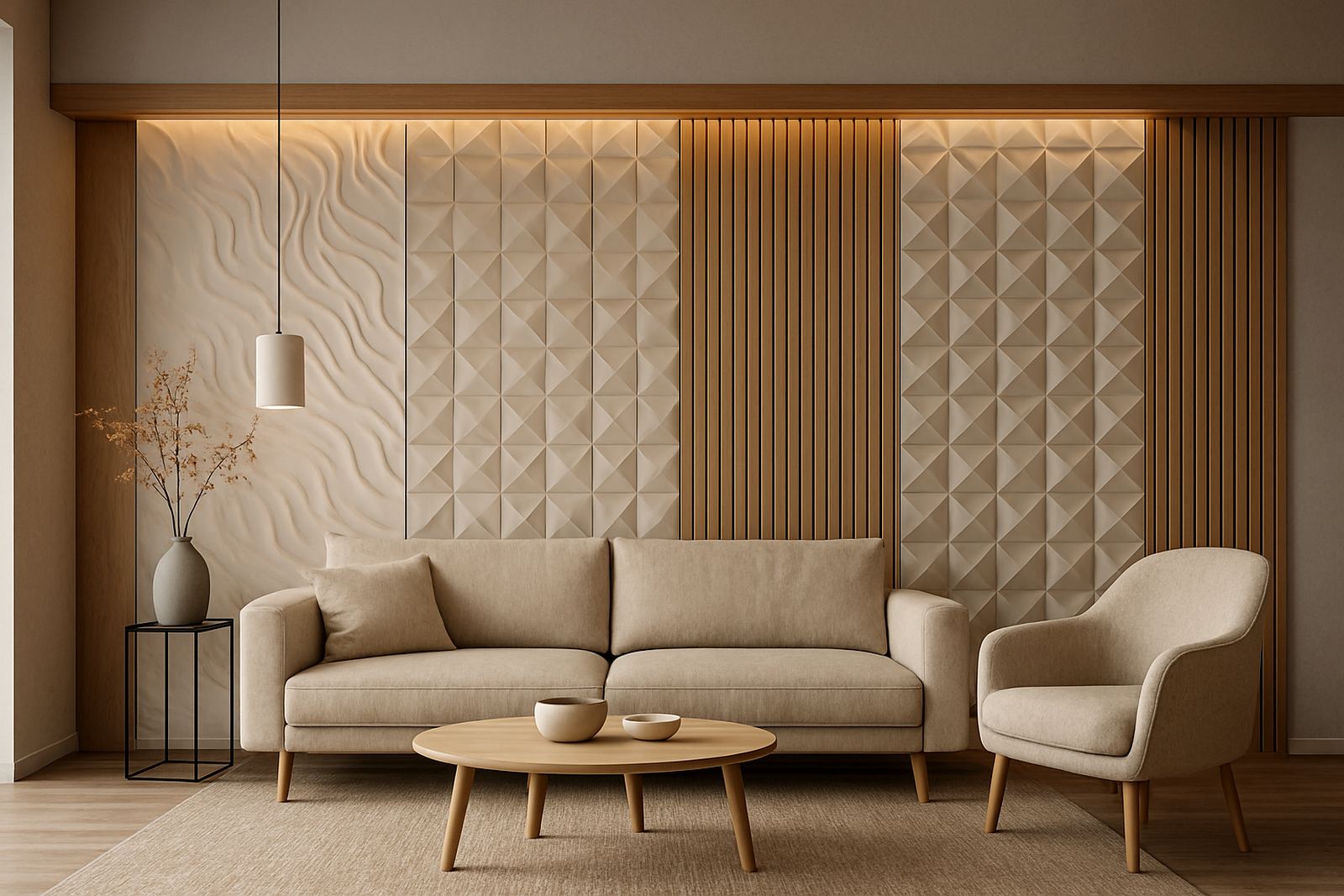
Care For Acoustic And Feature Wall Panels
Acoustic panels need the same basic care as decorative panels, but they should be treated a bit more gently because the surface finish and structure can be more sensitive. Vacuuming with a soft brush attachment on a low setting can help remove dust from textured areas without pushing dirt into the surface.
For larger feature walls in meeting rooms, schools, hospitality spaces or home theatres, keep the area clear during cleaning so there is no accidental pressure on the panel face. If a panel is damaged, avoid using tape or fillers unless you know the material is suited to that treatment. The wrong repair can make the mark bigger, not smaller.
- Use a soft brush vacuum attachment where suitable
- Do not press hard into textured surfaces
- Keep chemicals off acoustic materials
- Report damage early for proper repair advice
When To Ask For Support Or Repairs
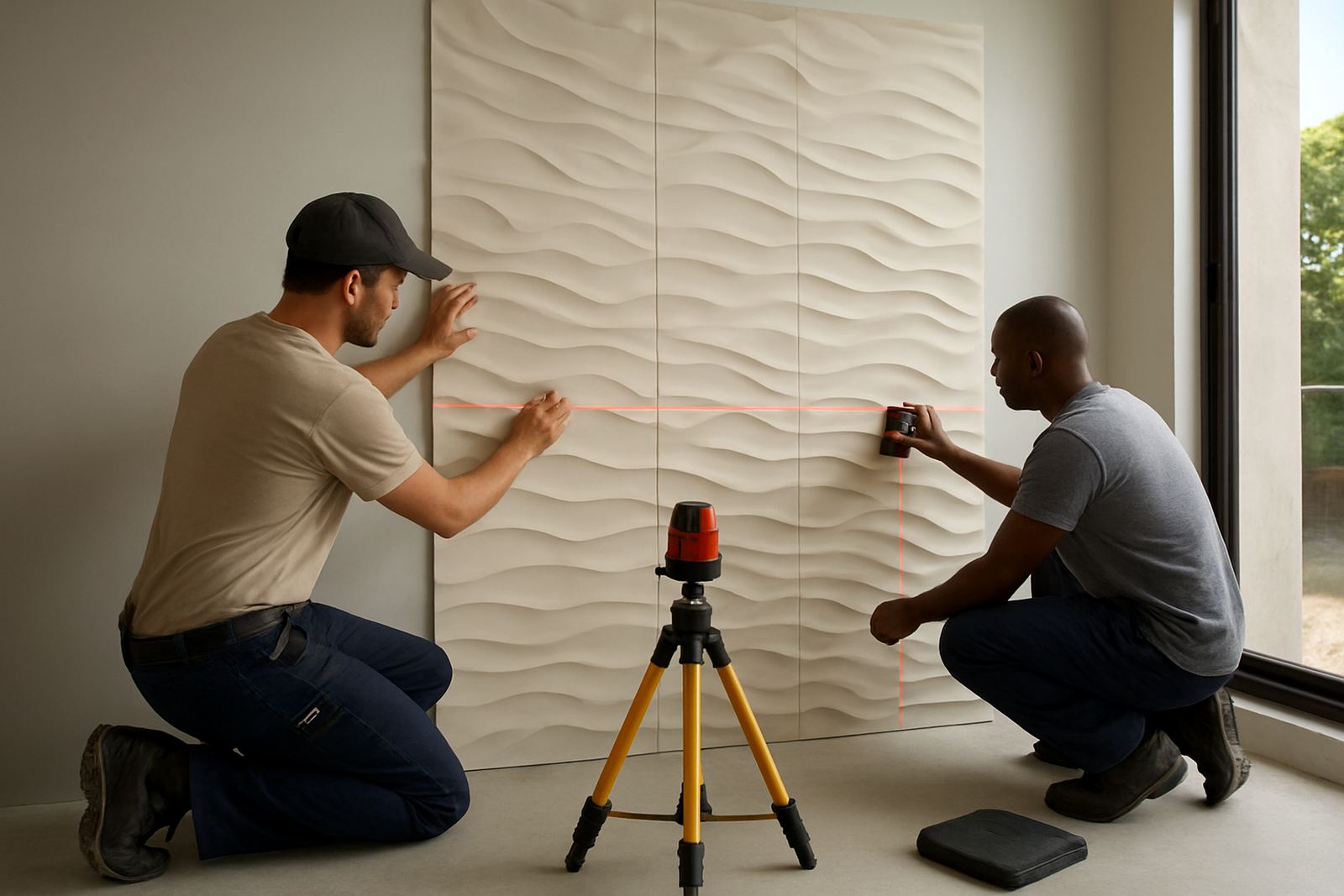
Some issues are simple enough to manage at home, but others need a more careful look. If a panel starts to shift, makes a hollow sound when tapped, shows edge swelling or has repeated staining in the same spot, it is best to get advice early. This is especially important for commercial projects where appearance and safety both matter.
Good care also means keeping your installation details on hand, especially for large rollouts, custom feature walls and panels supplied nationwide. If you need help with repair, maintenance or aftercare, keep a note of the room, the panel type and when the issue started. That makes it easier to assess what is needed and avoid unnecessary work.
- Contact support if panels move or lift
- Ask about repairs for chips, marks or damage
- Keep product and project details together
- Act quickly if moisture has reached the wall behind the panel