
Start With the Room, Not the Screen
Before you choose panels or finishes, look at how the room is used. A family lounge in Somerset West needs a different setup to a reception area in Cape Town or a boardroom in Paarl. Check where people sit, how far the main viewing position is from the wall, and whether sunlight from windows will cause glare on the screen.
Measure the wall width and ceiling height carefully. Leave enough space around the TV so the feature wall feels balanced, not crowded. In smaller homes, a clean vertical layout can make the room feel taller, while wider rooms often suit a full wall treatment with side returns or shelving.
- Measure the wall width, height and any openings
- Check seating distance and viewing angle
- Note windows, plugs, lights and air vents
- Confirm if the TV will be wall mounted or on a bracket with tilt
- Allow access for future servicing and cable changes
If the room is in a coastal area like the Atlantic Seaboard, think about humidity and salt air as well. Materials and fixings need to suit the conditions so the wall still looks tidy months later.
Choose a Finish That Works With the Screen
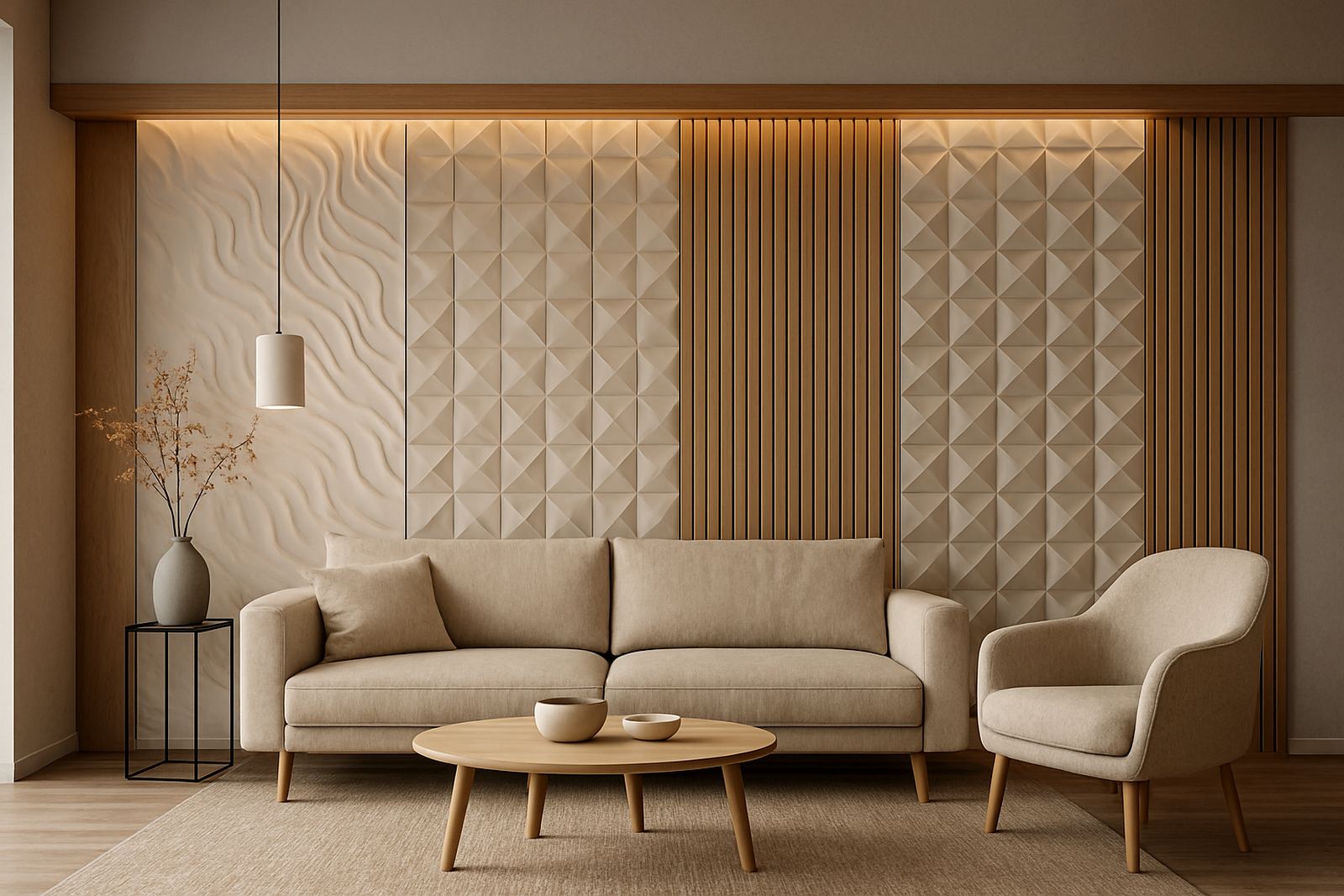
The best TV wall finish is one that supports the room without fighting the screen. Strong textures can look great, but if they are too busy they may distract from the picture. For many homes, a softer 3D pattern or a simple cladding layout gives enough interest without taking over the room.
Dark tones can help the TV stand out, while lighter colours suit bright spaces and create a more open feel. If you want the wall to carry more than one function, acoustic panels can help reduce echo in open-plan living areas, especially where tiled floors and large windows make sound bounce around.
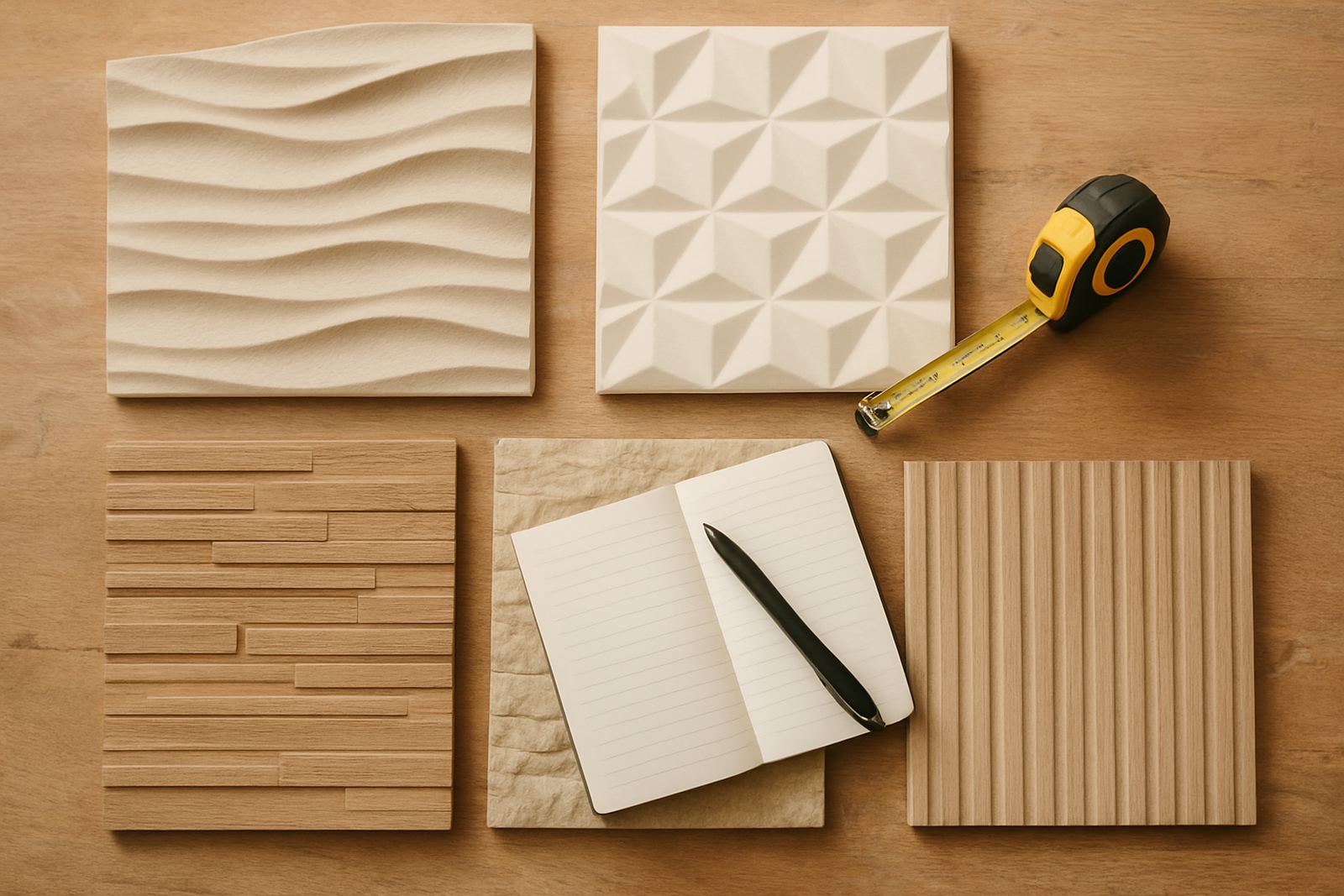
Ask for sample matching before committing. It is worth checking the finish against your paint colour, floor tone and cabinet colours in natural light, not just under workshop lighting. A finish that looks warm in a showroom can appear cooler once it is in your lounge.
- Pick a finish that supports viewing, not just decoration
- Compare samples in daylight and evening light
- Consider acoustic performance in larger rooms
- Keep the colour palette simple if the room already has many features
- Choose materials suitable for the environment and use
Plan Cable Routes Before Any Panel Goes Up
This is where many TV walls go wrong. If the cables are not planned first, the final wall can end up with visible cords, awkward cutouts, or a bracket that sits too far off the surface. The cleaner solution is to map every cable route before wall preparation starts.
Think about power, HDMI, data, sound and any extra equipment such as media boxes or amplifiers. Some setups need a concealed cavity or access point behind the screen, while others need a neat service slot lower down. The aim is to keep everything hidden but still reachable when something needs to be unplugged or replaced.
In Cape Town and surrounding suburbs, it is also wise to plan around load-shedding. If a backup unit or battery system will be used, allow space for ventilation and easy access. Do not box in anything that may need servicing. A neat wall should still be practical when the power is off and the room is in use.
- Confirm where the power point will sit
- Allow room for HDMI, audio and network cables
- Plan a neat access point for future changes
- Leave ventilation for media equipment and backup systems
- Check that the bracket and panel layout line up properly
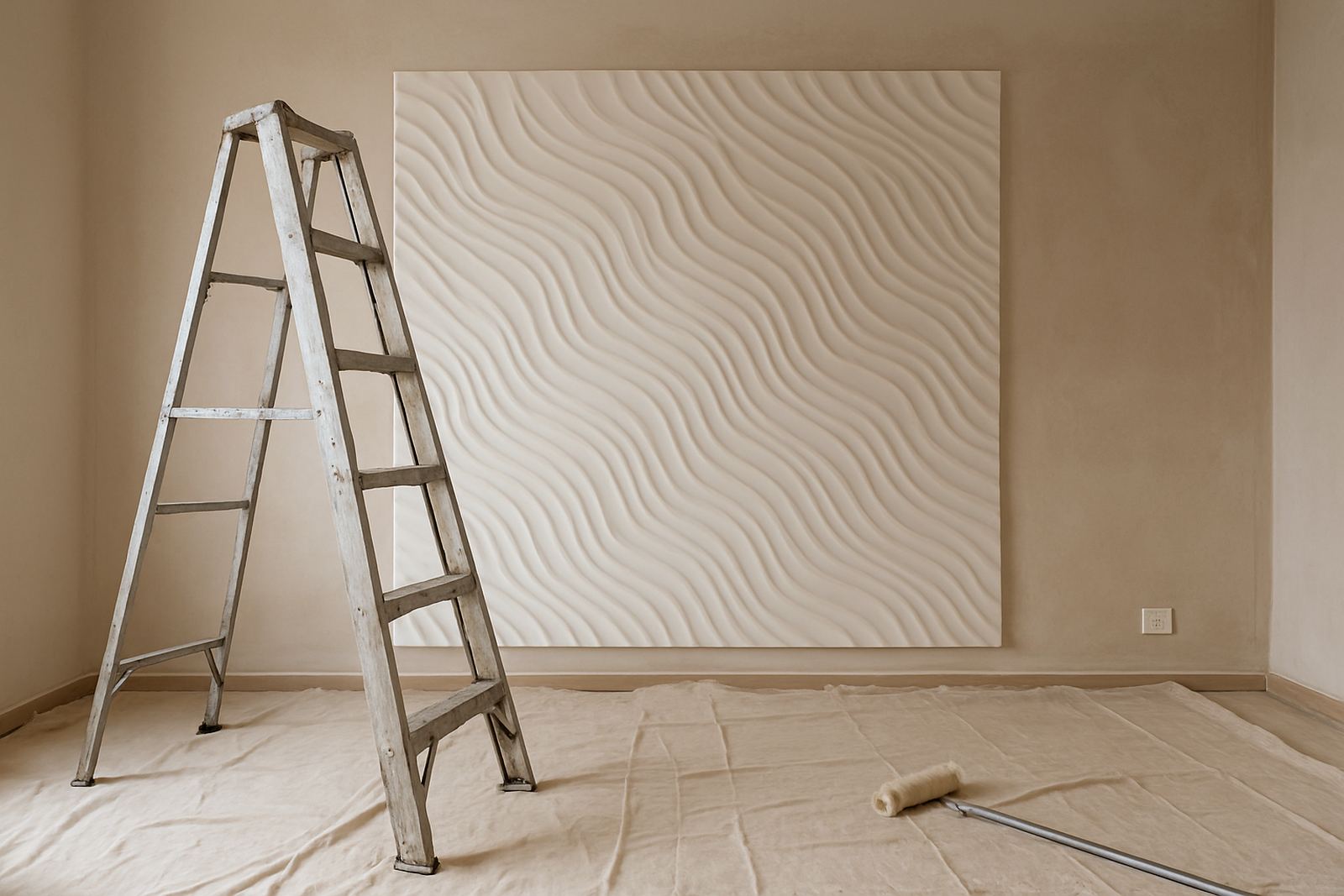
Prepare the Wall Properly Before Installation Day
A TV wall only finishes well if the base is sound. Wall preparation matters more than most people expect. The surface must be level, dry and firm enough for the load. If the wall has cracks, loose plaster or old paint that is flaking, those issues need to be dealt with first.
For homes in coastal areas, moisture and salt can affect finishes over time. In commercial spaces, repeated cleaning and heavier use should also be considered. A reception wall in Montague Gardens will need a different approach to a feature wall in a private home. Proper preparation helps the cladding sit flush and keeps joints neat.
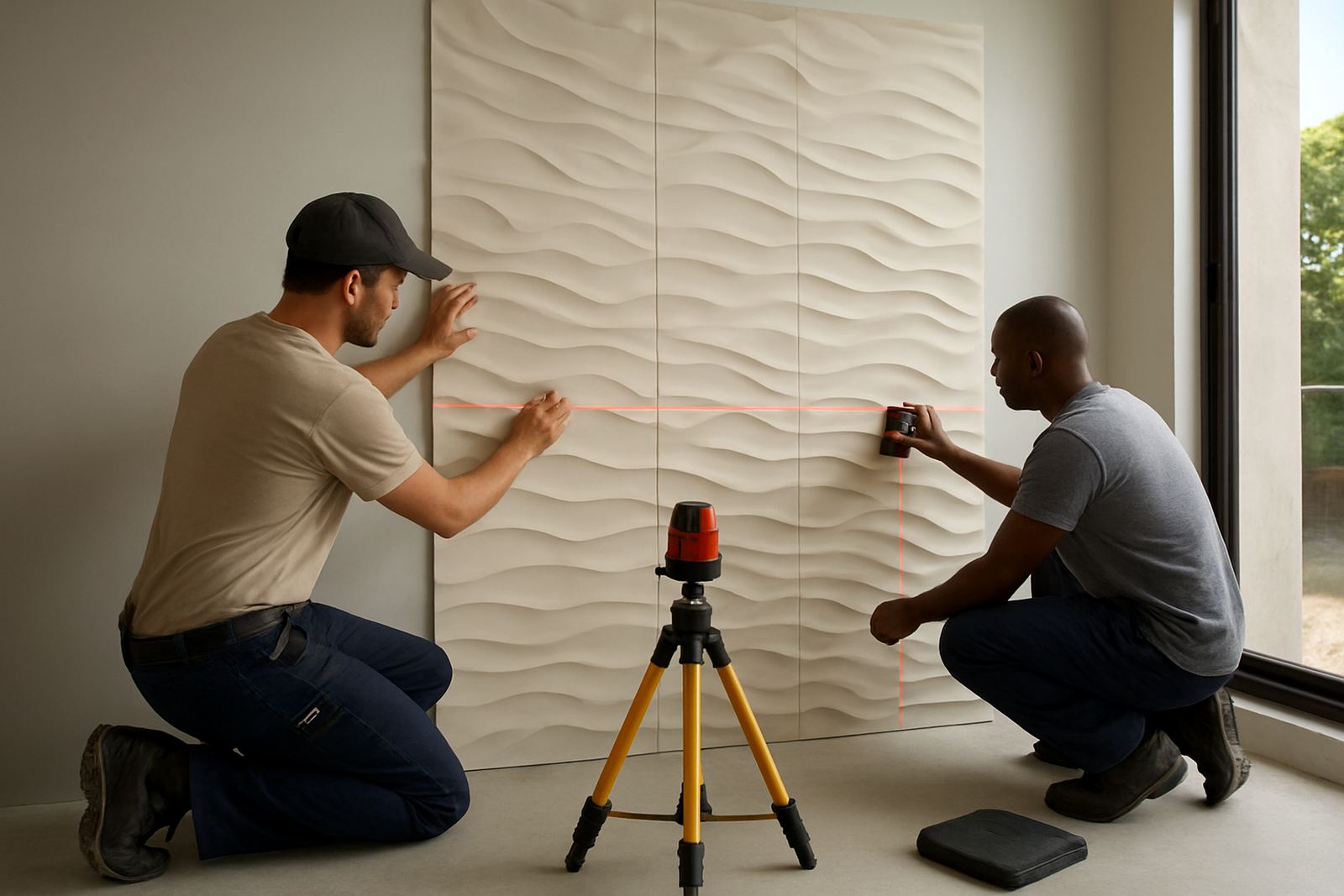
Our team often checks substrate condition, wall straightness and fixing points before fitting starts. That step saves time later and helps avoid visible dips, movement or panel lift. A careful prep job also makes the final line around the TV look crisp and intentional.
- Repair cracks, holes and uneven patches
- Check moisture levels where relevant
- Confirm the wall can support the TV bracket and cladding weight
- Mark all service points before cladding starts
- Allow enough drying time after prep work
Think About Size, Proportion and Viewing Height
A TV wall can look out of balance if the screen is mounted too high or too low. As a rule, the centre of the screen should suit seated viewing, not just the wall height. In family rooms and lounges, comfort matters more than making the TV sit at the very top of the wall.
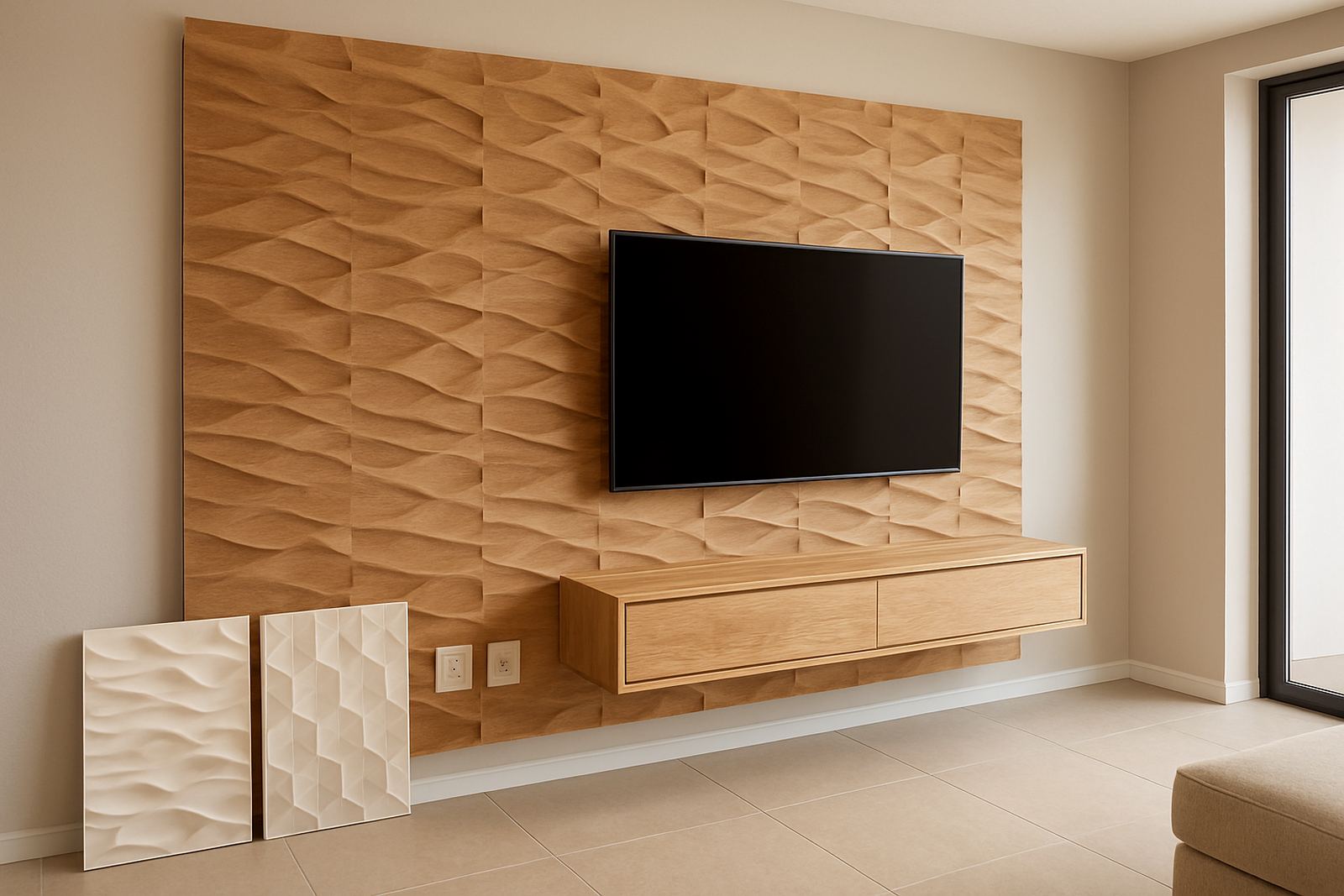
The cladding layout should frame the screen without swallowing it. If the wall is too busy around the TV, the space can feel cramped. If it is too plain, the screen may look like an afterthought. The best result usually comes from a simple main panel section with clean lines and a controlled amount of detail.
For larger rooms, you may want side panels, floating shelves or a lower media ledge. For smaller rooms, a single well-proportioned feature zone is often enough. The aim is to make the wall feel planned, not packed.
- Set the screen height for seated comfort
- Keep the frame around the TV proportionate to the wall
- Use shelving only where it adds value
- Leave enough clearance for ventilation and cleaning
- Make sure viewing angles work from the main seats
Use the Right Team for Fitting, Repairs and Aftercare
A TV feature wall should be installed with care from start to finish. That includes measuring, layout, fixing, finishing and checking the cable access once the work is complete. In our Western Cape projects, we handle site measure-ups, design consultations, panel fitting and aftercare support so the result is tidy and practical.
For homeowners, the main concern is usually a clean finish and no visible cable mess. For architects and designers, it may be consistency across multiple units or a commercial rollout that must stay on programme. Either way, good communication is important. If the wall needs future changes, repairs or maintenance, it helps to have that discussed from the beginning.
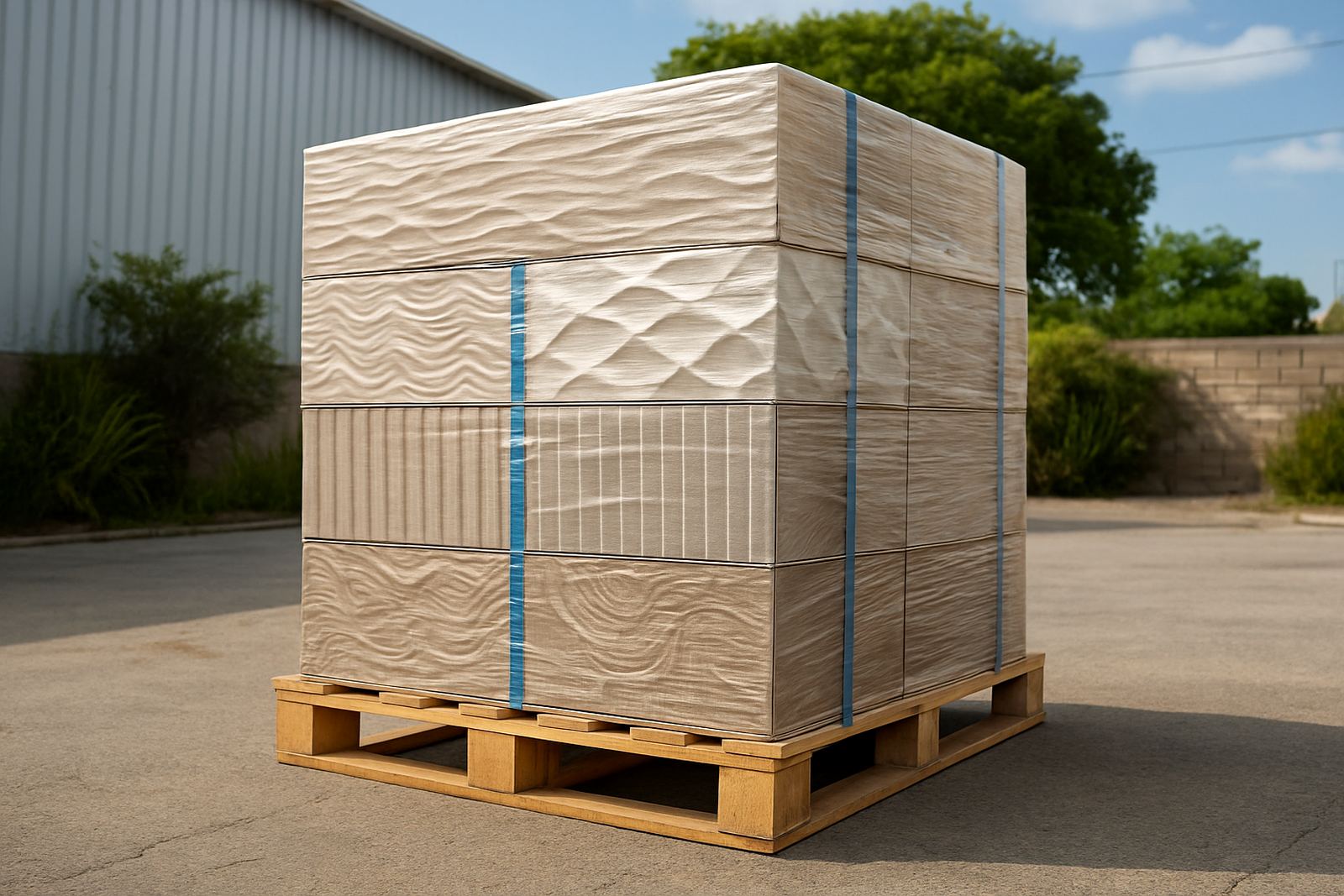
We also assist with nationwide dispatch for panels, so clients outside Cape Town can still get the right product delivered. Once the wall is in place, simple maintenance like dusting, checking fixings and keeping service access clear will help the finish last longer. Small attention now saves a lot of hassle later, especially in busy homes and retail spaces.
- Use trained installers for accurate fitment
- Keep service access in mind from day one
- Plan for maintenance, not just the first day look
- Confirm delivery timing if panels are being couriered
- Ask about repairs if the wall may need future updates
If you are planning a TV wall in Montague Gardens, the Atlantic Seaboard, the Southern Suburbs or further afield in Stellenbosch, Paarl or Somerset West, it pays to get the details right before work starts. A well planned wall looks cleaner and lasts longer, that simple.