
Soft Neutral Textures Across Interior Styles
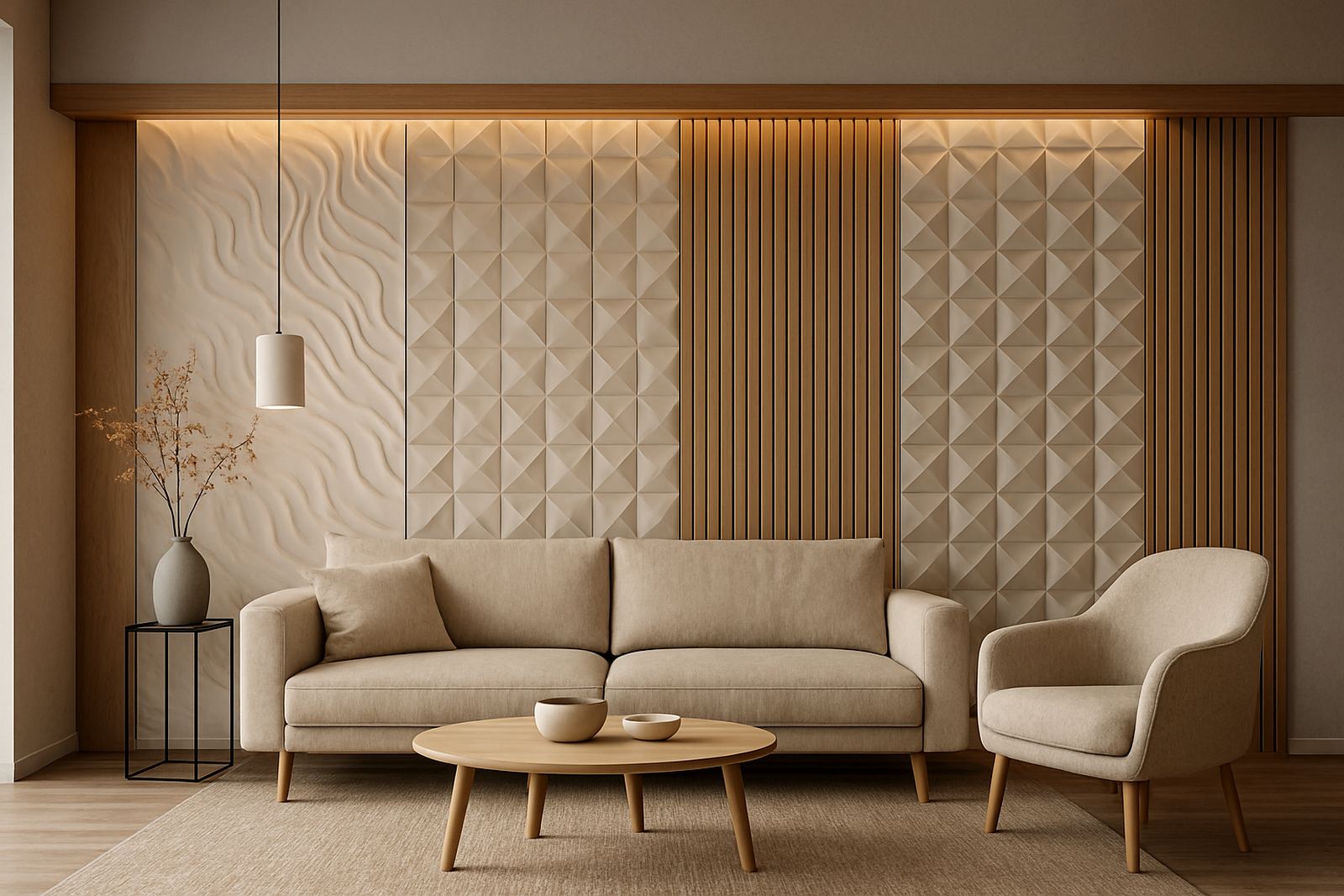
Neutral panel palettes are often chosen as a safe option, but that undersells what they can do. In the right texture, a pale stone look, warm greige, sand tone or soft off-white panel can make a room feel more considered, while still letting furniture and finishes carry the personality. That is useful in South African interiors where one home may need to suit summer brightness, winter cosiness and practical day to day use.
In Cape Town, especially along the Atlantic Seaboard or in newer apartments around Century City and the Southern Suburbs, soft neutral wall cladding helps balance strong natural light. It stops a room from feeling harsh and gives you a surface that still reads well in photographs, client meetings and evening lighting. The result is not plain, it is controlled.
- Works with coastal, modern and contemporary interiors
- Helps soften bright rooms without darkening them too much
- Easy to combine with timber, matte black fittings and linen fabrics
Texture Matters More Than Colour Alone
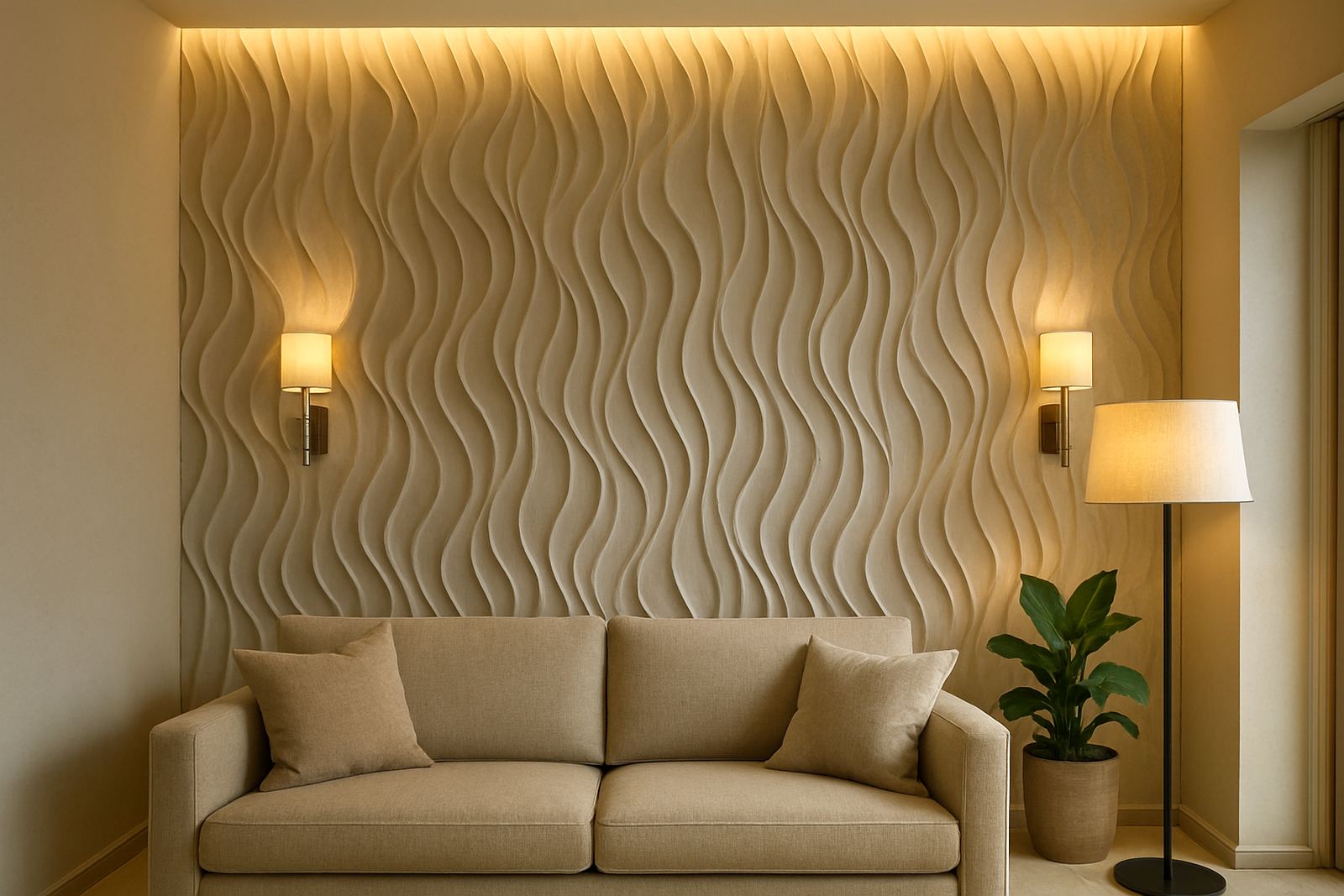
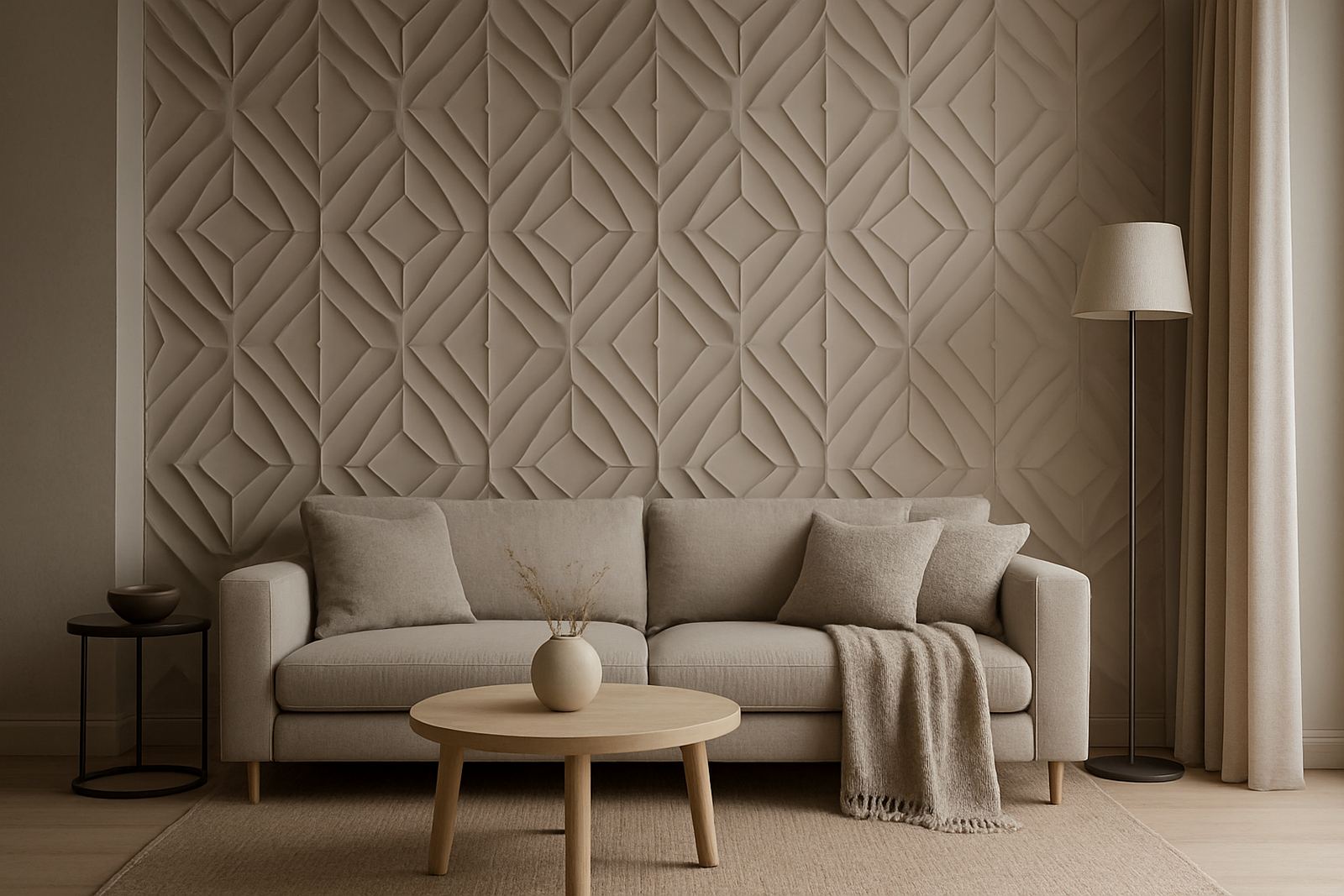
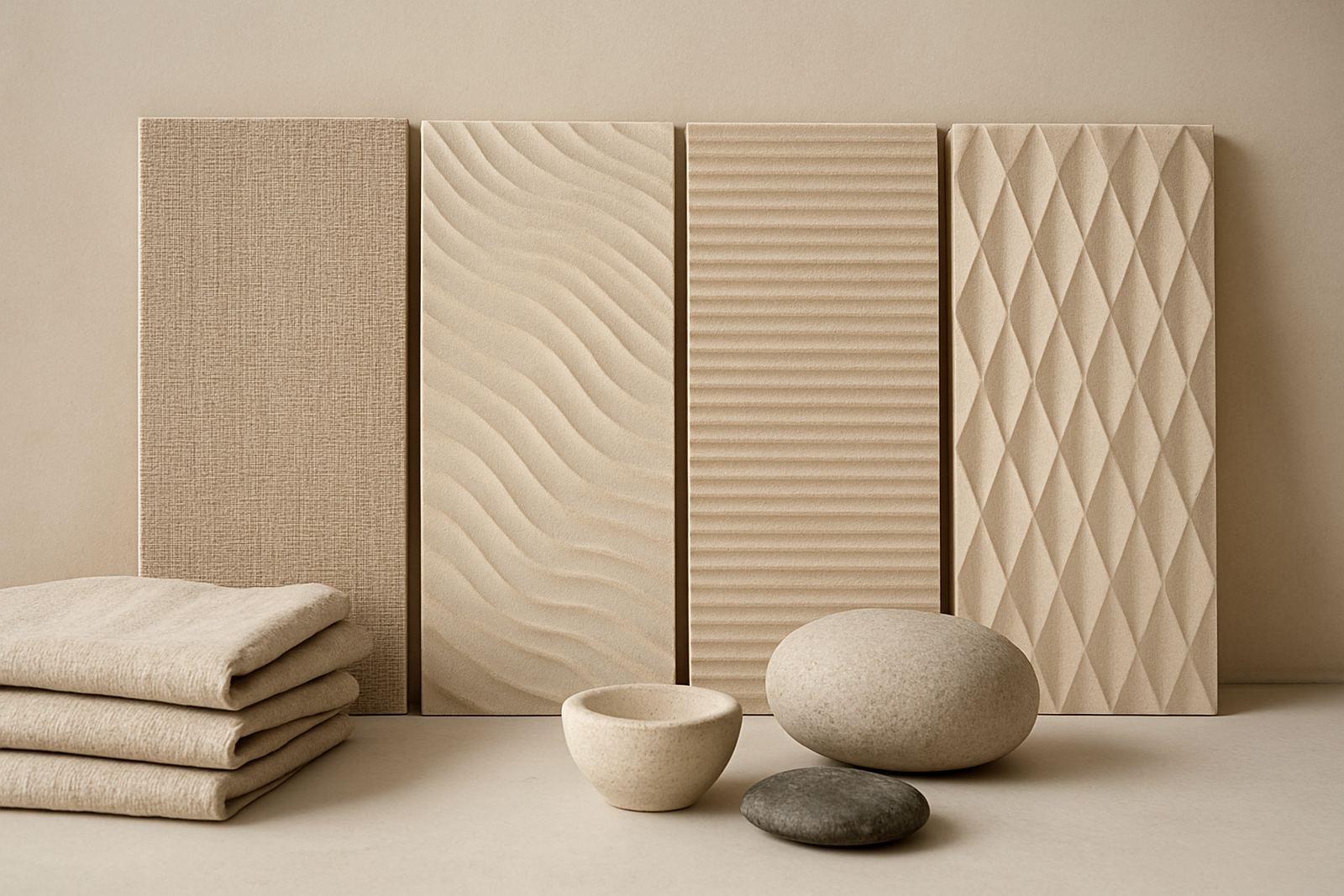
When people choose a neutral panel, colour is only half the decision. Texture changes how the wall behaves in the room. A smooth surface gives a cleaner, more architectural result, while a lightly embossed or layered finish can catch light and hide small wall irregularities better. That matters if the wall is not perfectly straight or if the room gets a lot of side light.
Soft texture also helps with acoustics. In open-plan homes, boardrooms and reception areas, a feature wall with the right surface can reduce the hard echo that comes from tiles, glass and large plastered walls. It will not replace proper acoustic planning, but it can make a noticeable difference. For offices in Montague Gardens, Paarden Eiland or Bellville that need to stay presentable through load-shedding and busy trading days, that extra comfort is worth considering.
- Smoother finishes suit minimalist and formal interiors
- Subtle texture hides minor wall flaws and daily wear better
- Acoustic-friendly panels can improve comfort in echo-prone rooms
Where Neutral Panels Work Best In The Home
Soft neutral textures are not limited to living rooms. They work just as well in bedrooms, passage walls, dining areas and even stair voids where you want a quieter backdrop. In smaller homes they can widen the feel of a room, while in larger homes they stop blank wall areas from feeling cold or unfinished.
A common approach is to use the panel on one key wall only, then keep the rest of the room simple. That way the feature has impact without making the room feel crowded. In a Somerset West family home, for example, a warm neutral panel behind a media unit can give structure to the room, while linen curtains and oak furniture keep the look relaxed. In a Paarl guesthouse, the same kind of finish may be used in corridors to create consistency from one area to the next.
- Bedrooms benefit from a calm, restful finish
- Passages and stair walls gain depth without heavy colour
- Feature walls help define open-plan living areas
How To Choose A Neutral That Still Feels Warm
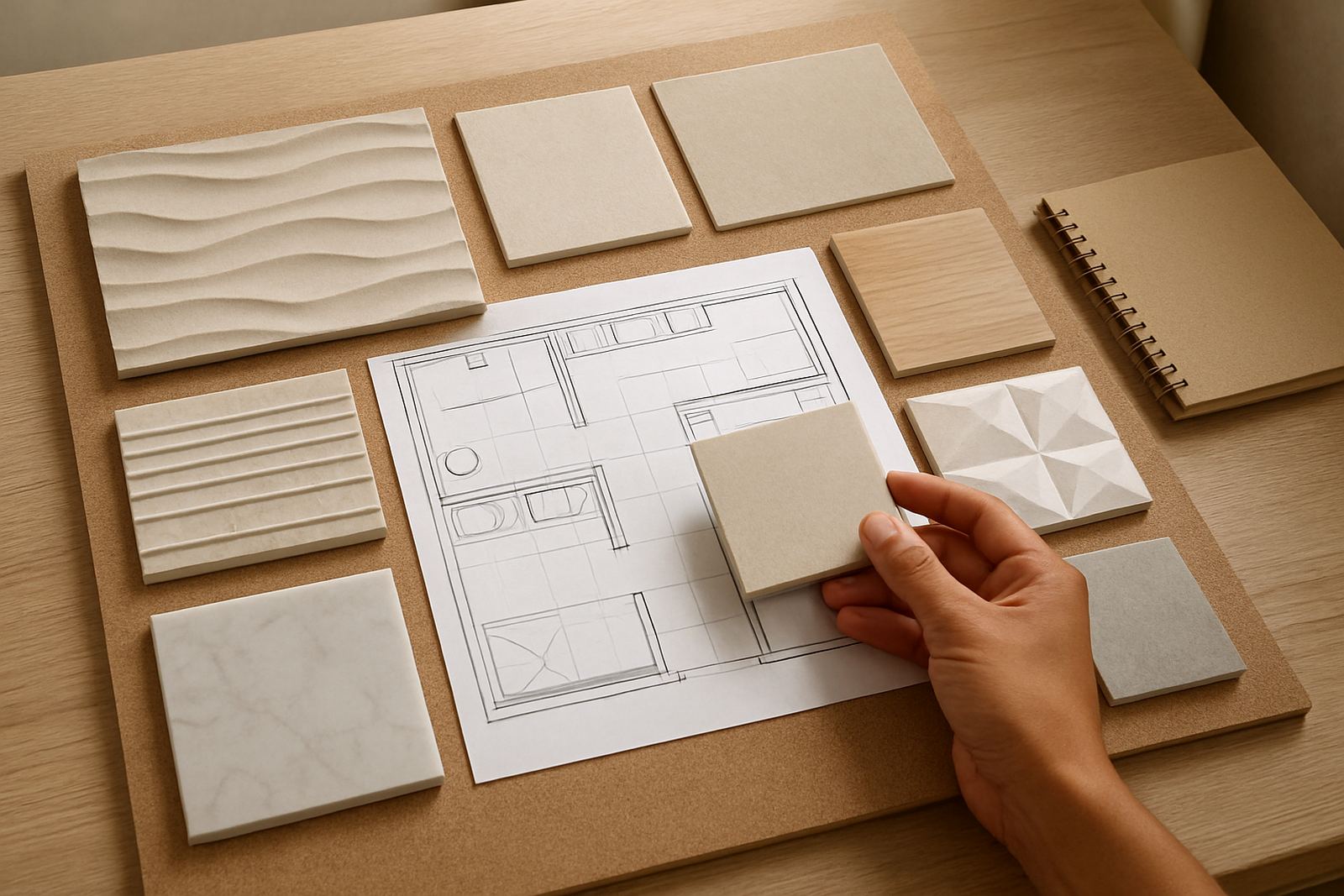
Not all neutral tones behave the same way. Some lean grey and can feel cool in shaded rooms, while others lean beige or stone and feel more inviting. The best choice depends on the floor colour, the amount of natural light and the rest of the interior palette. In rooms with warm timber floors, a cooler panel may create balance. In spaces with polished concrete or white tiles, a warmer tone usually helps soften the overall effect.
Sample matching is useful here because paint chips and online images can be misleading. A panel that looks light and creamy in a showroom may read very differently under north-facing light in Stellenbosch or late afternoon light in Durbanville. If the room gets coastal humidity, it also helps to consider how the finish will hold up near windows or sliding doors that stay open in summer.
- Check the panel against flooring, curtains and cabinetry
- View samples in natural light and under indoor lighting
- Consider warm neutrals for cold-looking rooms and cooler tones for heavy timber finishes
Practical Planning For South African Homes And Businesses
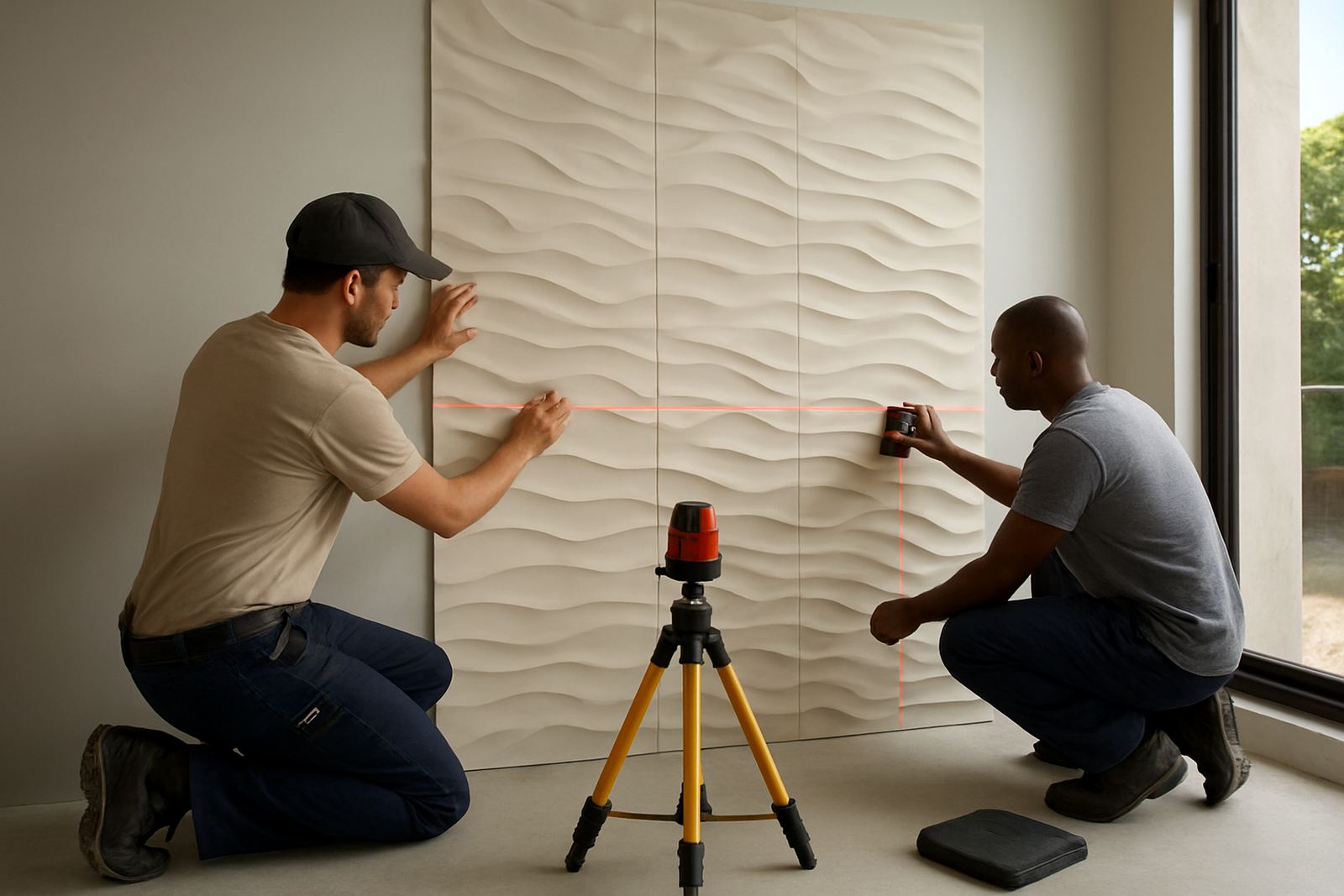
A good result starts with proper planning. Wall preparation is important because even attractive panels will not sit right on a damp, cracked or uneven surface. In coastal areas, moisture checks matter. In commercial spaces, access times matter too, especially where work must happen after hours or in stages around tenants and customers.
For retail stores, clinics and offices, neutral cladding can be installed as part of a broader rollout where the same finish is repeated across branches for consistency. It also makes repairs simpler later because a well chosen neutral tends to remain relevant for years, even if the rest of the decor changes. That is one reason architects and interior teams often specify neutrals for reception areas, meeting rooms and customer facing walls.
- Allow for wall prep before installation begins
- Plan around business hours, access rules and building management requirements
- Choose a finish that can still work if furniture or branding changes later
A Local Example From Montague Gardens To Somerset West
We often see the same challenge in different parts of the Western Cape: clients want a wall that feels softer than plain paint but still clean enough for long term use. In a Montague Gardens office, that might mean a neutral acoustic panel behind the reception counter to reduce noise and make the first impression calmer. In a Somerset West home, it may be a textured feature wall in the lounge where the family wants warmth without a dark finish.
For smaller apartments in the City Bowl or on the Atlantic Seaboard, a pale textured panel can help a room feel larger and less stark, especially where there is limited floor space and strong daylight. In a larger Paarl or Stellenbosch home, the same palette can be used to connect open-plan rooms without making the interior feel flat. The common thread is restraint, with enough texture to add interest but not so much that the wall competes with everything else.
That is where neutral panels prove their value. They are flexible, practical and easy to live with, and they suit the way many South African spaces need to work day to day.