
Start With the Bathroom’s Moisture Load
Not every bathroom sees the same amount of water and humidity. A guest cloakroom in Rondebosch is a very different brief from a family bathroom used morning and evening in a busy Somerset West home. Before any panel choice, look at the shower position, how close the bath sits to the walls, and whether the room gets natural ventilation or relies on an extractor fan.
In coastal areas like Blouberg and the Atlantic Seaboard, salt air and damp can make poor preparation show up quickly. If a wall already has hairline movement, flaking paint or signs of past leakage, that needs to be sorted first. The right panel will still fail if the surface underneath is not sound.
- Check for damp patches, loose plaster and cracked corners before you choose a finish.
- Make sure the room can dry out properly after use, especially in enclosed bathrooms.
- Confirm where splash zones start and stop so you do not over-specify the whole room unnecessarily.
Choose a Finish That Suits Cleaning and Daily Use
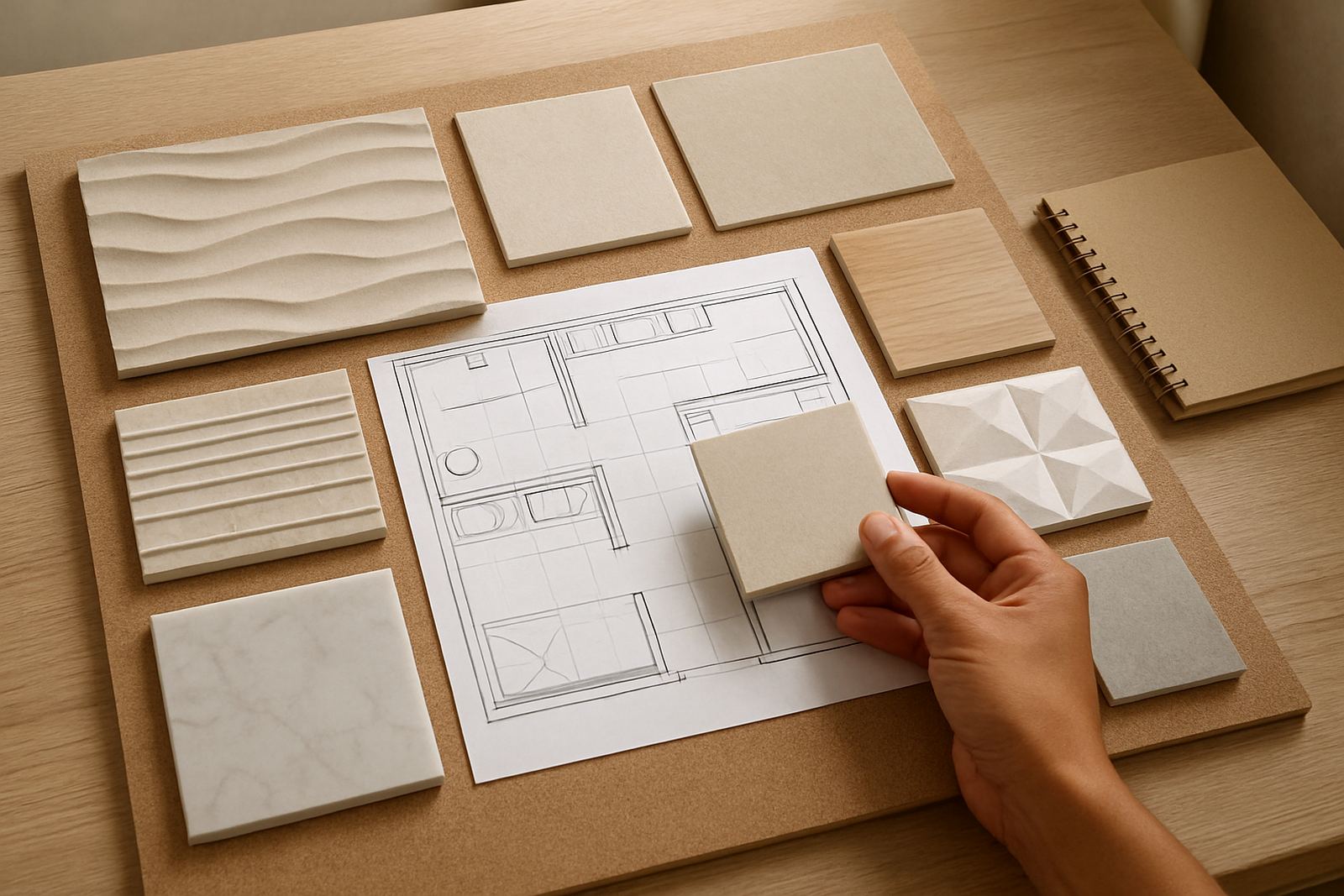
Bathroom finishes need to be easy to wipe down without losing their appearance. Smooth surfaces are usually simpler to maintain than very textured profiles, although some textured styles work well on feature walls away from direct spray. The best choice depends on whether you want a full wraparound look or a single statement wall behind a vanity or bath.
For homes with children, short-term rentals or busy guest bathrooms, low-maintenance surfaces often make more sense than delicate decorative finishes. If the room gets cleaned often, make sure the panel surface can cope with regular wiping using mild cleaners. Harsh chemicals can dull the finish over time, so it pays to plan for the cleaning routine from the start.
- Smooth finishes are usually easier to clean in wet areas.
- Textured panels work better on feature zones with less direct water exposure.
- Ask about stain resistance if the room has hard water marks or frequent splashes.
Plan the Layout Before the First Board Goes Up
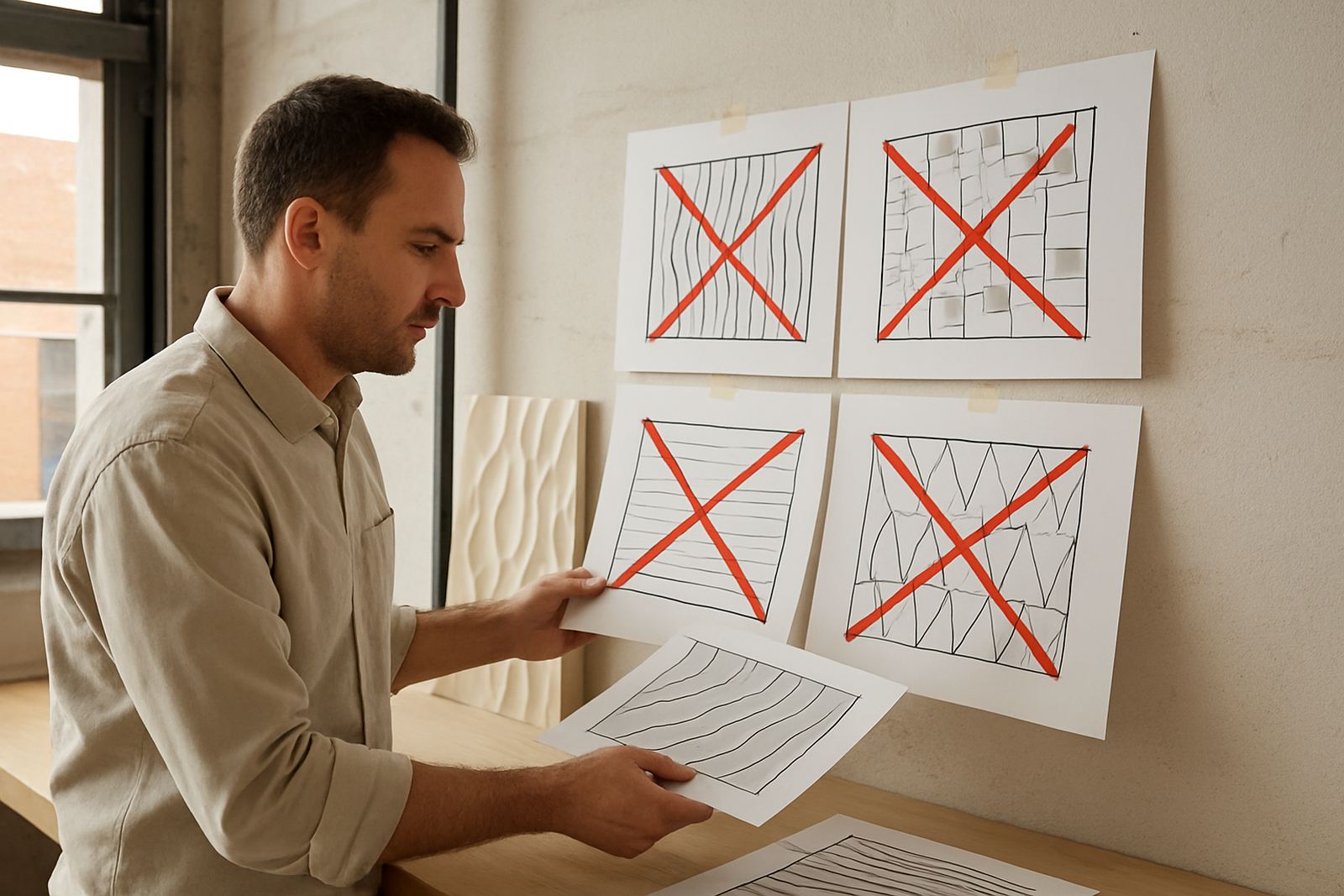
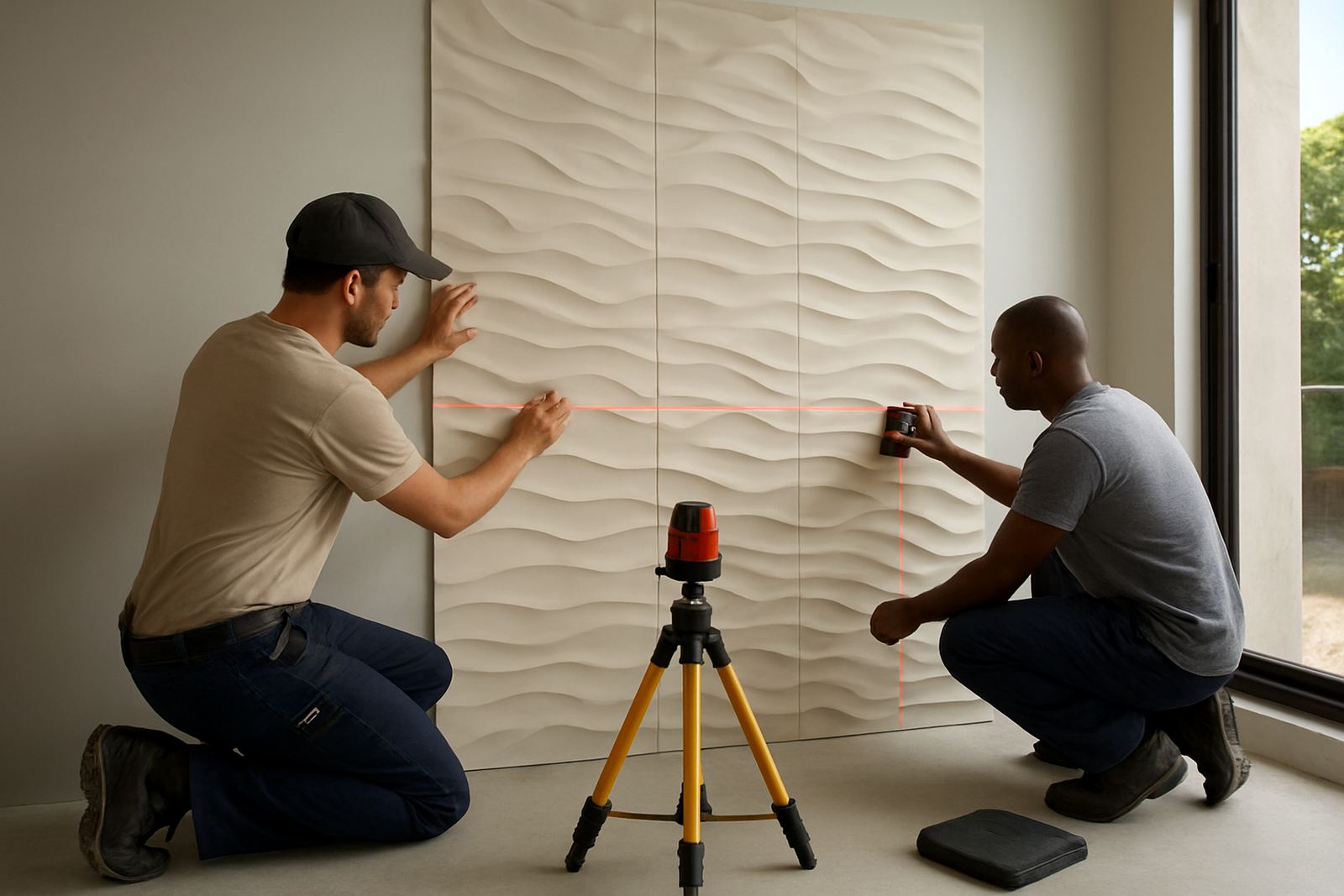
A good bathroom installation starts with layout, not with the first cut. Decide where joins will land, how trims will finish around windows and whether you want the panel lines to align with tiles, basins or shower edges. A small room in Durbanville can look much neater when the panel pattern is planned around the main sightline from the door.
It also helps to think about access points. If a plumber may need to reach valves, traps or inspection points later, those areas should stay serviceable. Neat planning now can prevent unnecessary damage later. Johan and the installation team usually look at the room as a whole, then mark the practical points before any fitting begins, which saves a lot of trouble on site.
- Measure wall heights carefully so the finish meets ceilings and skirtings cleanly.
- Set out panel joints to avoid awkward slivers in visible corners.
- Leave access where future maintenance may be needed behind sanitaryware or boxed-in areas.
Match the Material to the Bathroom Type
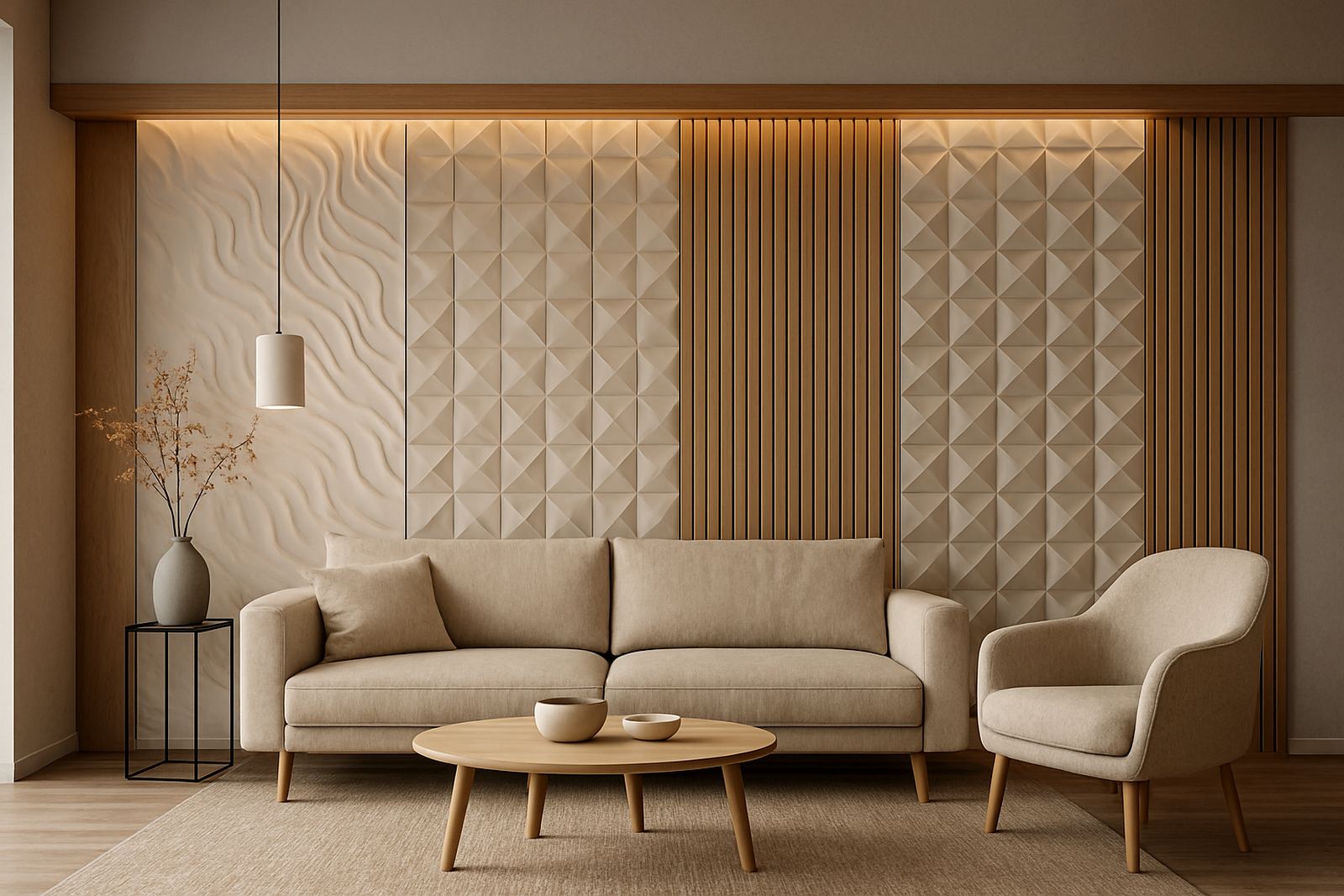
Material choice should follow the room’s conditions. A main bathroom with a walk-in shower and heavy daily use needs a different approach from a powder room or an en suite used by one or two people. In some cases, homeowners want a warm decorative effect. In others, they want a practical surface that still brings life to plain walls without adding extra upkeep.
Where acoustics matter, such as in apartments or compact houses with hard finishes, some panel options can help soften echo a bit. That will not turn a bathroom into a studio, but it can make the room feel less harsh. For commercial bathrooms in offices, salons or guest facilities, the balance between cleaning, durability and appearance becomes even more important.
- Family bathrooms usually need the highest level of moisture resistance and easy cleaning.
- Guest bathrooms can allow for more decorative finishes if splash exposure is lower.
- Commercial bathrooms should prioritise durability, maintenance access and consistent replacement stock.
Allow for South African Conditions and Local Building Rules
Bathrooms in the Western Cape have their own set of practical challenges. Winter moisture can linger, power cuts can slow down ventilation, and some older homes have walls that are not perfectly square. That means fitment needs to be measured properly and finished neatly, otherwise the room can start looking untidy very quickly.
If you are in a sectional title complex in Cape Town, Strata rules or body corporate requirements may also affect work hours, waste removal and noise. In some homes the plan also needs to work around water-saving fixtures, concealed cisterns or recent plumbing upgrades. Good bathroom planning takes those details into account before panels are ordered or installed.
For projects in Montague Gardens, the team can assess the wall condition, advise on sample matching and plan the installation sequence so the work fits the room and the site rules. For homeowners in Stellenbosch, Paarl or the Southern Suburbs, that often means a mix of design advice and practical site work, especially where older plaster walls need careful prep.
Think Beyond the Install With Maintenance and Aftercare
Once the bathroom is complete, care should stay simple. Panels should be cleaned with suitable products, checked occasionally at joins and inspected after any leak or plumbing repair. If a panel edge lifts or a section gets damaged by impact, early attention can prevent a bigger repair later. In most cases, small faults are easier to sort than waiting until moisture has had time to work behind the finish.
Good aftercare also helps the room keep its appearance over the long term. A bathroom that looks sharp in month one should still look tidy years later if the surface is maintained properly. That is especially important in rental units, guest suites and family homes where the bathroom gets used hard and often, and sometimes without much care.
- Keep a gentle cleaning routine and avoid abrasive pads.
- Check seal points after plumbing work or heavy scrubbing.
- Arrange repairs early if you notice movement, staining or lifted edges.