
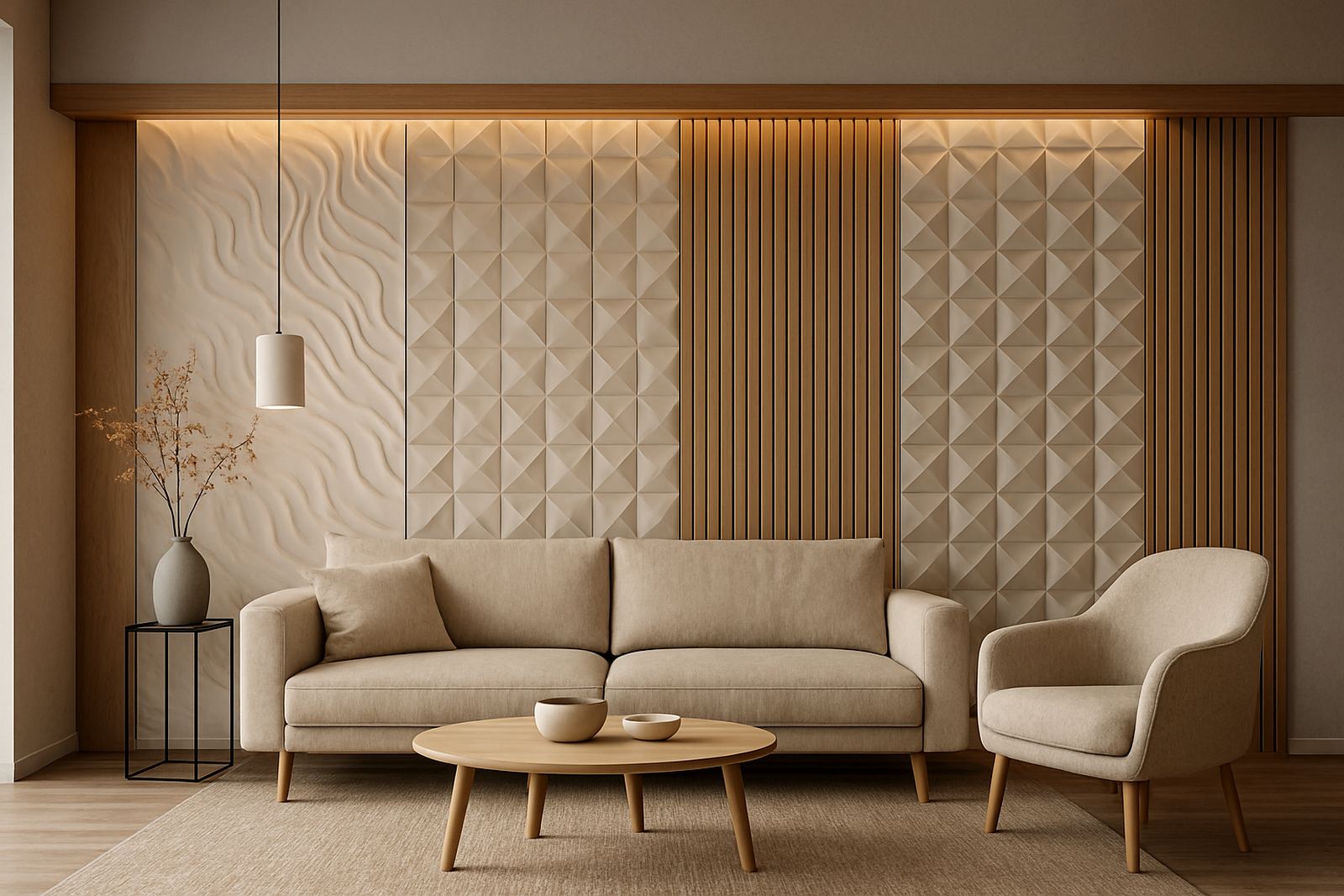
Why family homes need tougher wall finishes
In a busy home, walls do more than look good. They deal with school bags dropped in the passage, fingerprints around light switches, toys sliding along the skirting and the odd mark from moving furniture. A finish that works in a show home may not hold up in a house where people are cooking, playing, doing homework and coming and going all day.
That is why durability matters as much as appearance. Good feature wall cladding should keep its form, resist scuffing and be simple to wipe down. In Cape Town, that also means coping with coastal humidity in places like the Atlantic Seaboard, while still performing well in warmer inland suburbs such as Paarl and Stellenbosch. If a material can manage both sun and moisture changes, it is usually a safer long term choice for family use.
Choose surfaces that clean easily after everyday spills
The best family finishes are the ones that do not become a chore. In a lounge, passage or playroom, you want a surface that can be wiped with a damp cloth and mild cleaner without changing colour or texture. That matters when little hands leave sticky marks or a dog brushes past after a wet walk.
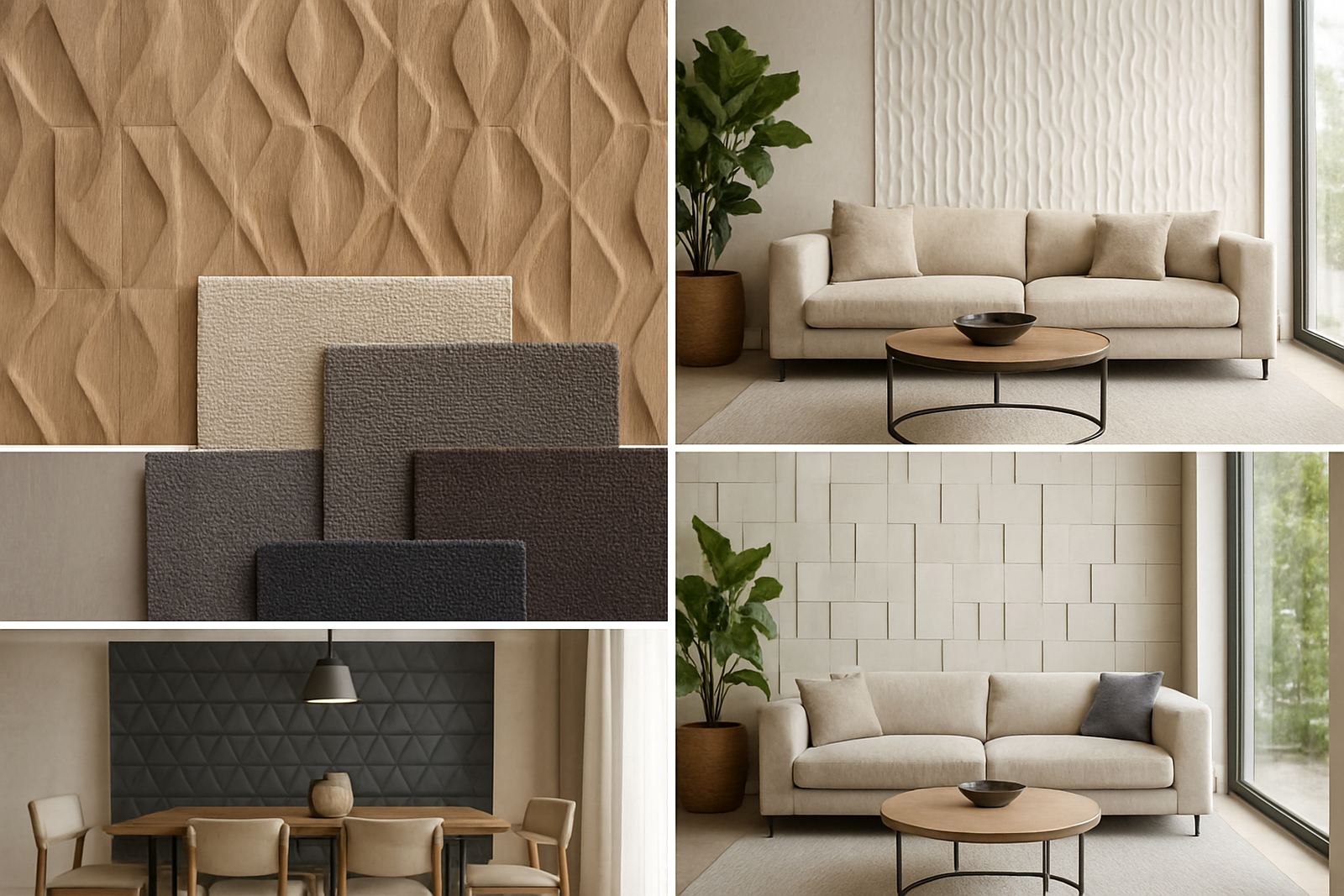
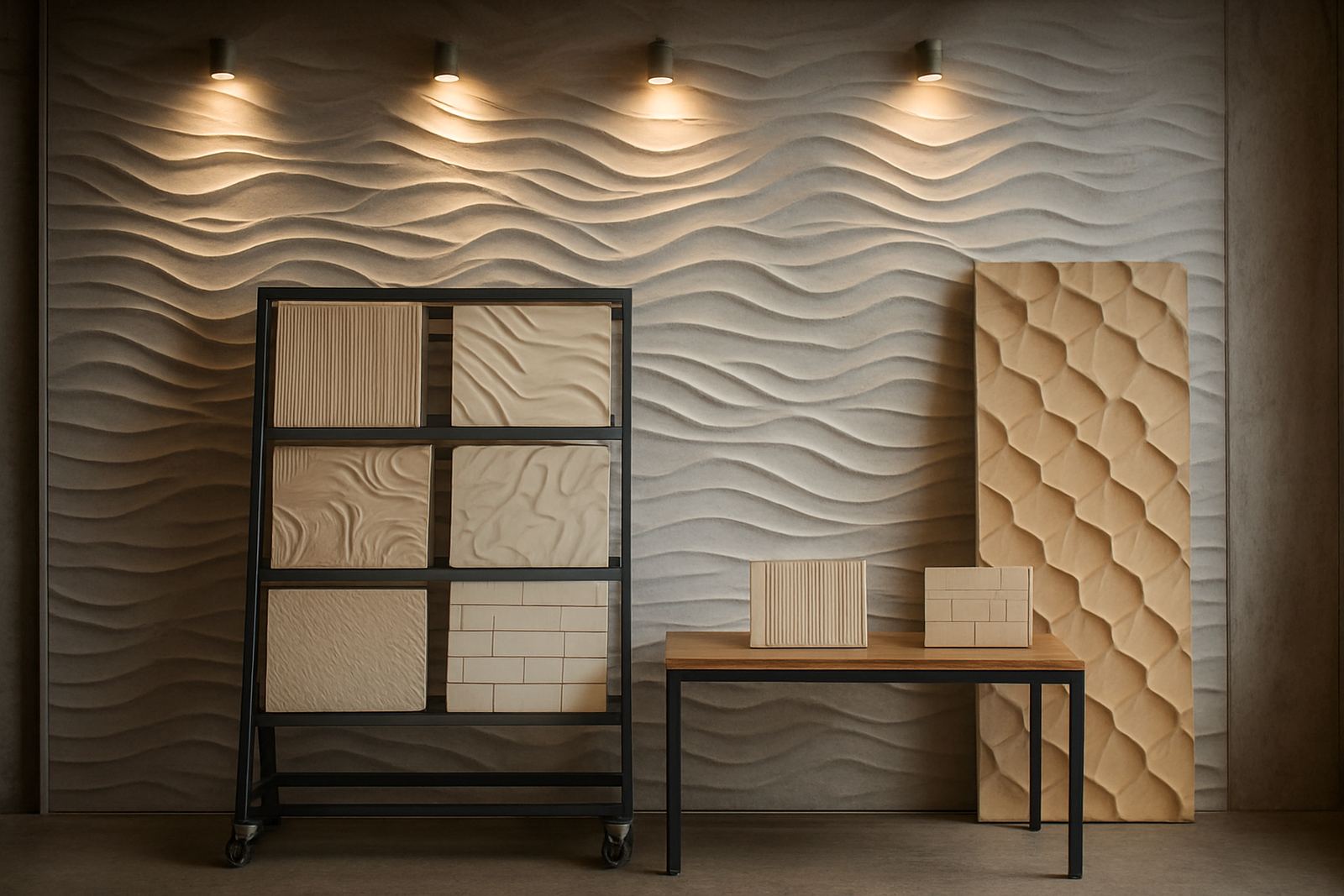
For homes with open plan living, smooth or lightly textured panels often work well because dust does not settle as heavily as it does on deep grooves. In kitchens and dining areas, a practical finish should tolerate splashes from cooking and the occasional bump from chairs. If you are planning a wall near a high traffic zone, ask for a sample and test how it reacts to cleaning products before committing to a full run.
- Pick finishes that are washable and colour stable.
- Check how the panel looks under natural light and evening lighting.
- Avoid deep textures in places where dust builds up quickly.
- Ask for sample matching so the wall suits floors, cabinetry and trims.
Material choice should match the room, not just the look
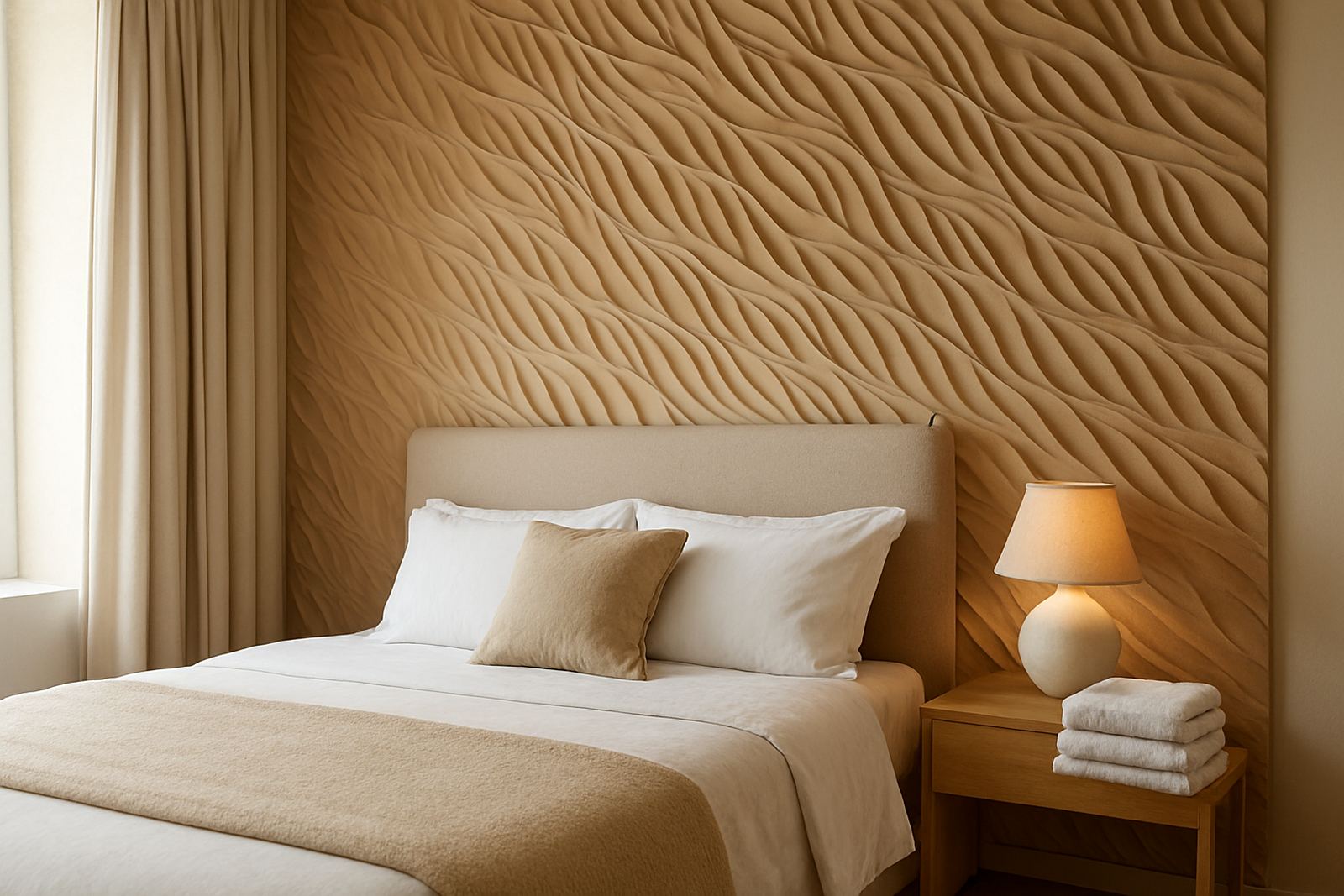
Different rooms ask for different levels of protection. A family lounge needs a warm finish that can handle daily contact, while a TV wall may need better acoustic control so conversations do not bounce around the room. In a child’s bedroom, a lighter panel can be useful if you want to create interest without making the room feel too heavy.
For wetter areas or homes close to the sea, material selection becomes even more important. Salt air can be hard on some surfaces over time, so it helps to choose products suited to local conditions. In a Somerset West home for example, a client may want a more textured feature wall in the entertainment area, but the bathroom or enclosed stoep may need a different material altogether. Matching the panel to the room keeps the finish practicaly and avoids early wear.
- Use moisture-aware products in coastal or high-humidity spaces.
- Select acoustic options where the room feels echoey.
- Keep heavier textures for feature walls, not every surface.
- Consider traffic levels before choosing a decorative profile.
Wall preparation is what protects the finish later
Even a strong panel will struggle if the wall behind it is not sound. Before installation, the surface should be checked for loose plaster, damp patches, cracks and uneven sections. If that step is skipped, the panel may show movement later or not sit properly against the wall.
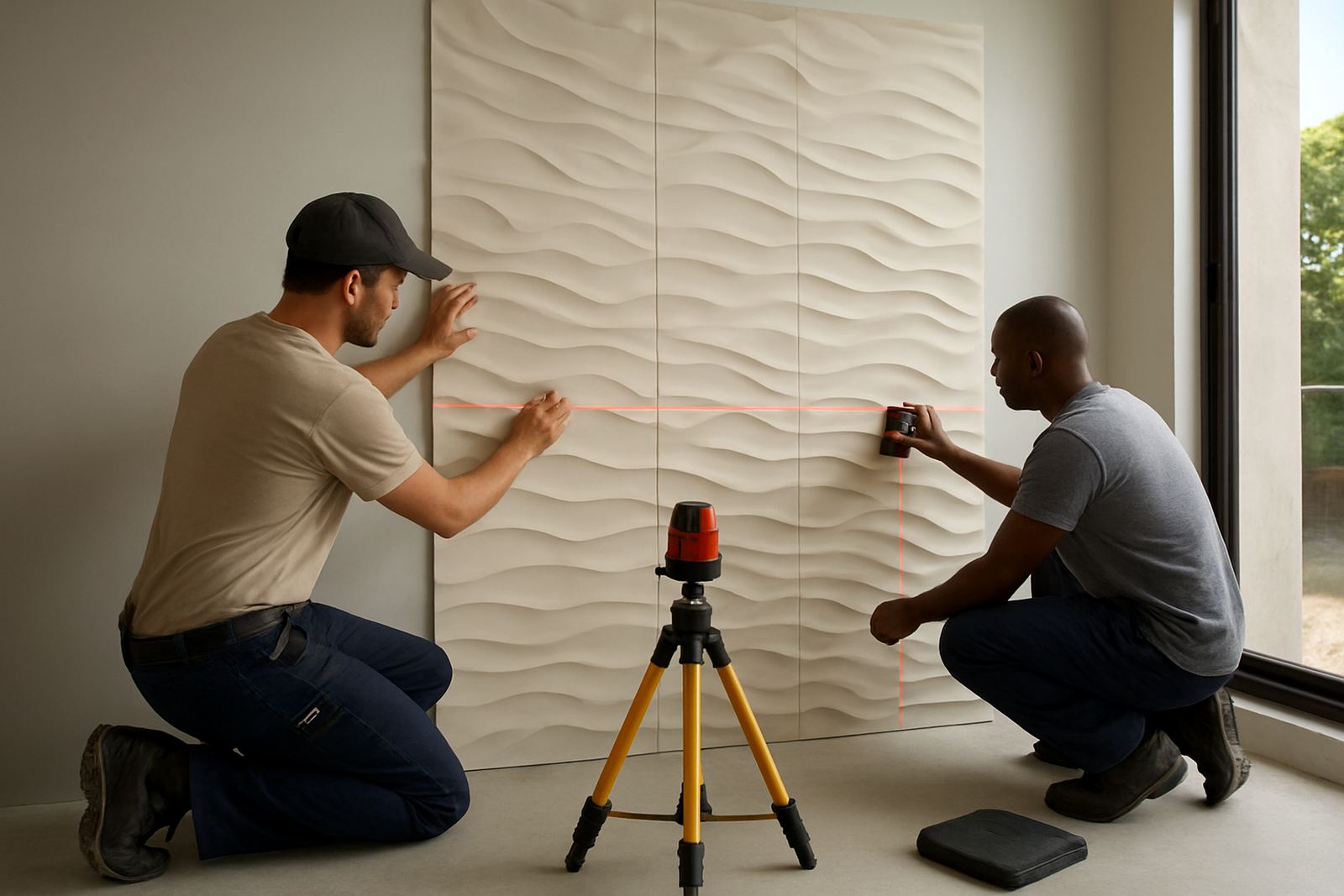
In family homes, preparation also includes thinking about practical details like plugs, switches, curtain tracks and mounted screens. A neat layout around these points prevents damage from future use. We often find that a careful site measure-up saves time later because the installer can plan around corners, skirtings and wall imperfections before the first panel goes up.
In Cape Town, where some homes deal with older plaster and others with newly built drywall, the prep process is not the same from one property to the next. The right approach depends on the actual wall, not just the room on the plan.
Installation details that make a wall last longer
Good installation does more than complete the job. It helps the wall cope with daily life for years. Panels should be fixed properly, aligned neatly and finished with attention to edges and corners, because those are the places where wear usually starts. A clean join also makes the wall easier to maintain and reduces dust traps.
For homes with children or regular entertaining, it helps to think about where the highest contact will happen. A passage wall near the front door may need a tougher finish than a formal lounge feature. In load-shedding households, wall surfaces around backup lighting and inverter areas should also be chosen with care so heat and access do not damage the finish. Our team handles layout, fitting and aftercare planning so the wall is ready for real use, not just photo day.
A Cape Town family home example that gets everyday use right
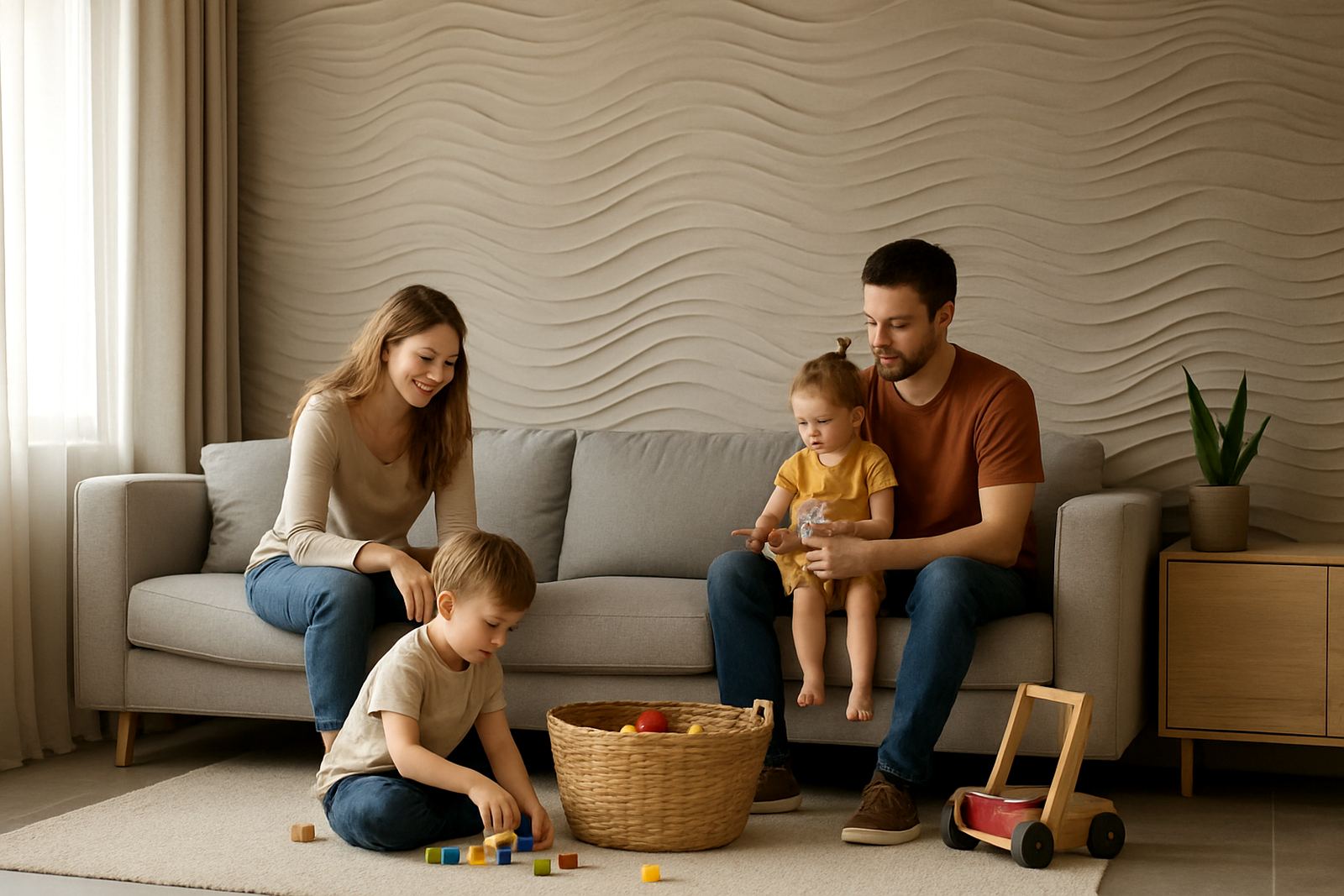
Take a typical Northern Suburbs home with a busy school routine, a TV room that doubles as a homework space and a dining area used for weekend braais. The family wants something more refined than painted plaster but still easy to live with. In that case, a measured feature wall behind the seating area can lift the room without creating extra maintenance.
One practical approach is to combine a durable decorative finish in the main living area with a more acoustic option near the media wall. That gives the room a calmer feel, especially when several people are talking at once. If the home also has a hallway that takes daily traffic, a tougher cladding choice there can protect the wall from bags and chair marks. The result is a home that feels considered, but still works for real family life. That balance matters when you want good design without added fuss.
How WallArtDesign supports family homes across the Western Cape
Family homes need advice that is practical, not abstract. That is why we offer site measure-ups, design consultations, sample matching, wall preparation, panel installation, feature wall layouts, acoustic panel fitting, panel repairs, panel maintenance, nationwide dispatch and aftercare support. Whether the project is in Montague Gardens, the Atlantic Seaboard, Southern Suburbs, Stellenbosch or Paarl, the aim is the same: a finish that suits the home and holds up over time.
For homeowners, architects and designers, the best outcome is usually a wall that looks thoughtful on day one and still feels dependable years later. Durability is not about making a room feel hard or plain. It is about choosing materials that can live with a family, not just sit in a room. When that balance is right, the wall becomes part of daily life instead of something you have to worry about.
- Choose a finish that matches daily use, not just the sample board.
- Plan for cleaning, humidity and traffic from the start.
- Use proper preparation and fitting to protect the investment.
- Keep aftercare simple so the wall stays looking neat.