
Why the back wall matters more than many retailers think
In retail, first impressions happen fast. A shopper may not read a sign or ask a staff member straight away, but they will notice the wall behind the merchandise. That surface can make a range look premium, organised, youthful or calm, depending on the finish and layout. When done well, a backdrop supports the product story instead of fighting it.
For fashion, homeware, beauty, cellphones or speciality foods, the backdrop works like a quiet sales assistant. It frames the display, separates one zone from another and helps a customer understand where to pause. In busy areas such as Montague Gardens or the Atlantic Seaboard, where retail spaces often compete for attention, that visual clarity matters.
A good retail display backdrop should also be practical. It needs to cope with regular cleaning, trolley bumps, moving fixtures and long trading hours. In some spaces, it must handle humidity near the coast or reduce echo in a large open shop floor. That is where the right cladding or 3D panel system becomes useful, not just decorative.
Choosing a finish that matches the product and the foot traffic
The best finish depends on what you sell and how the store operates. A boutique that changes window themes every month may need something light, modular and easy to update. A supermarket or hardware showroom may need a harder wearing surface that stands up to constant handling. The right choice also depends on whether the wall sits behind a till point, a feature bay or a full length merchandising run.
- Smooth surfaces work well for minimalist layouts, glass shelving and premium goods.
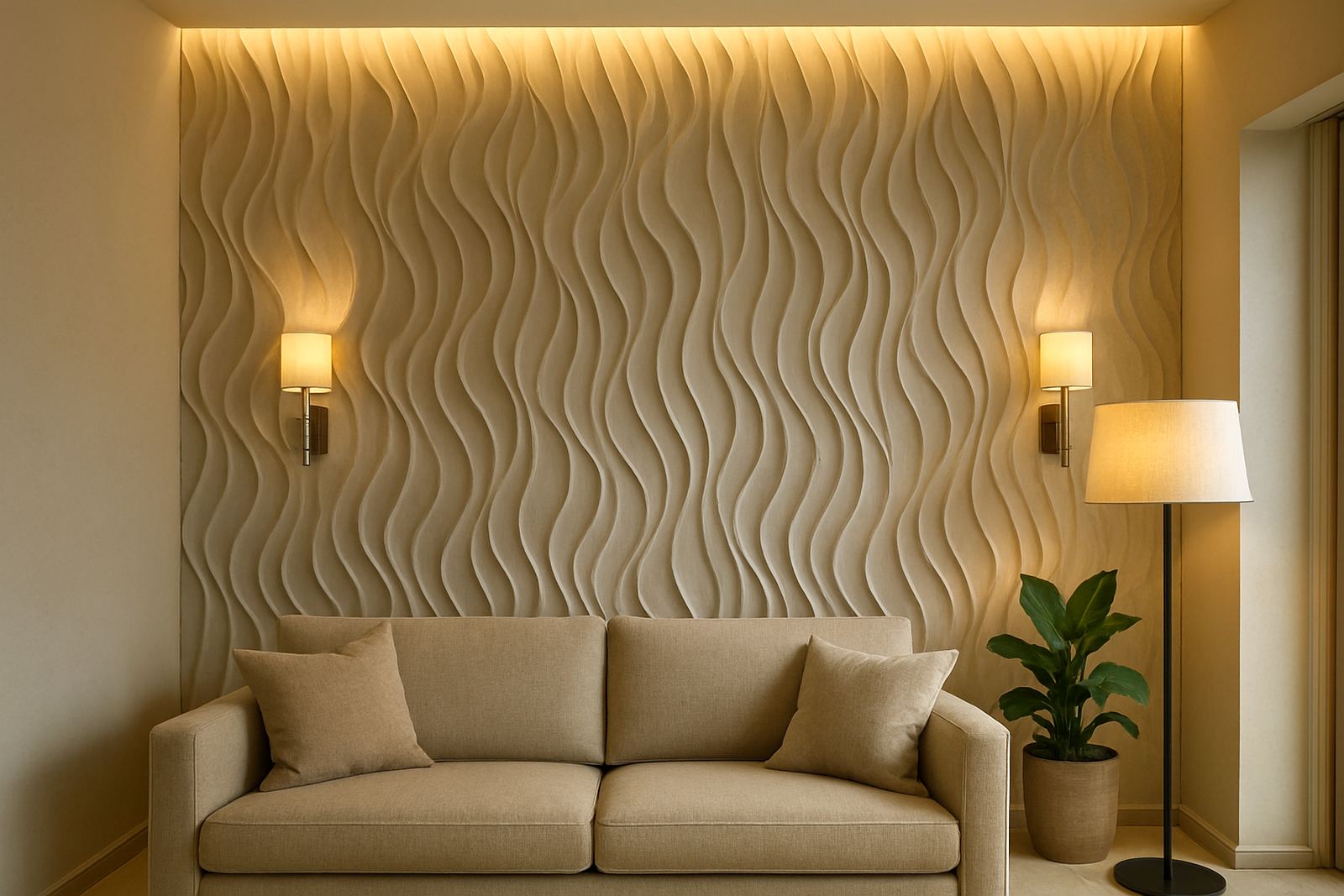
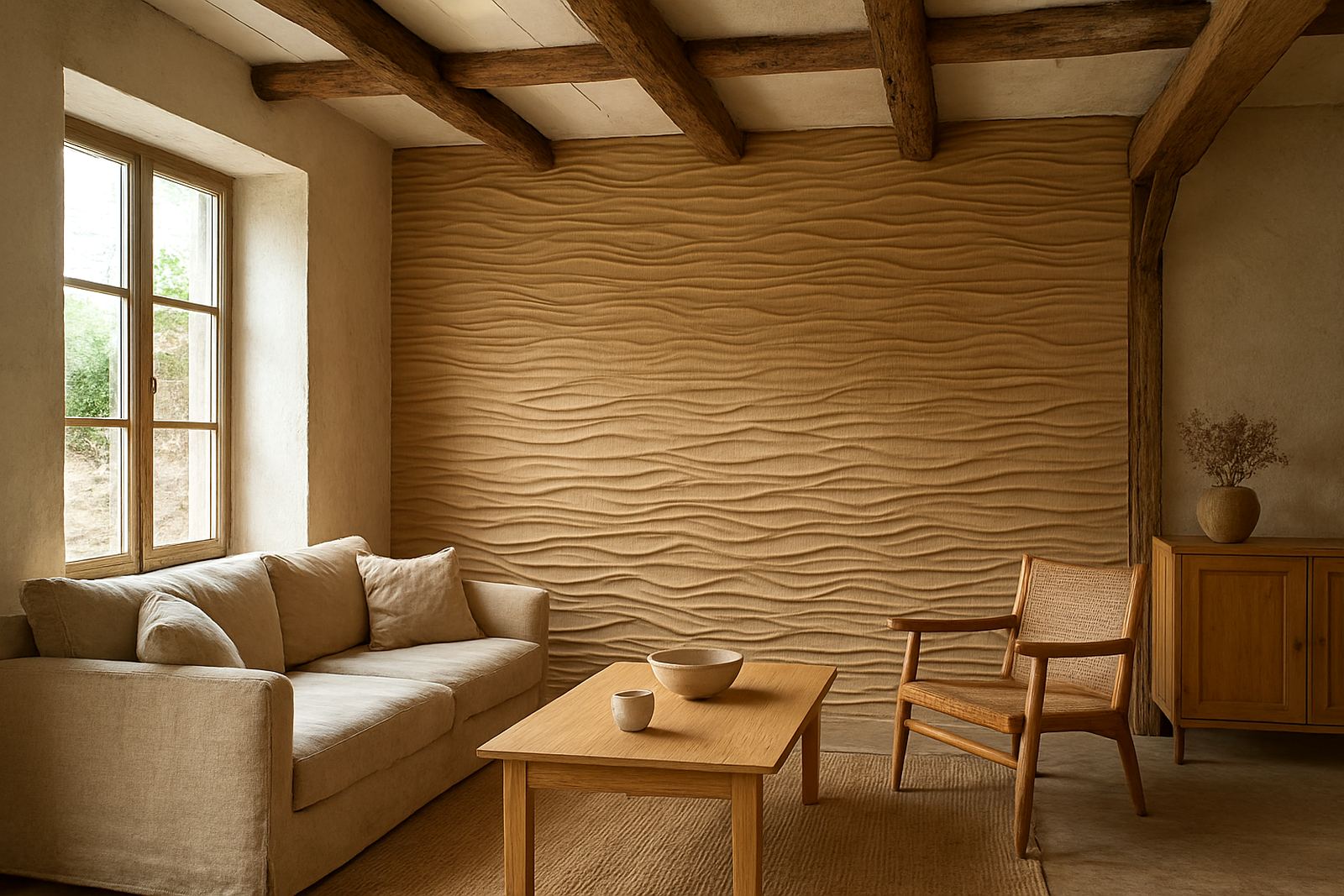
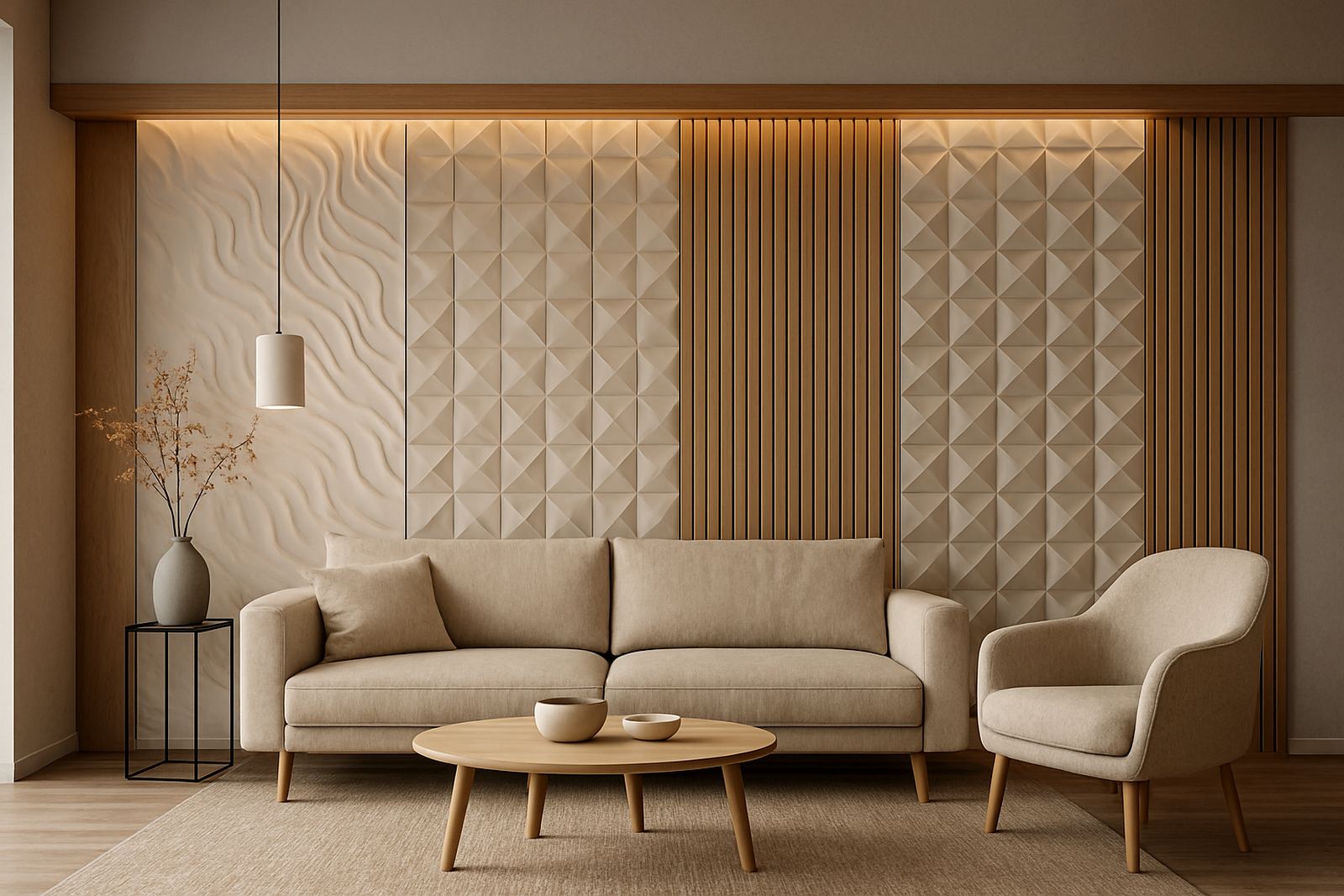
- Textured panels add depth and help a display look more layered without adding clutter.
- Acoustic panels are useful in large retail floors with hard tiles, high ceilings or a lot of talking at once.
- Moisture tolerant options are worth considering for coastal areas and stores that are cleaned often.
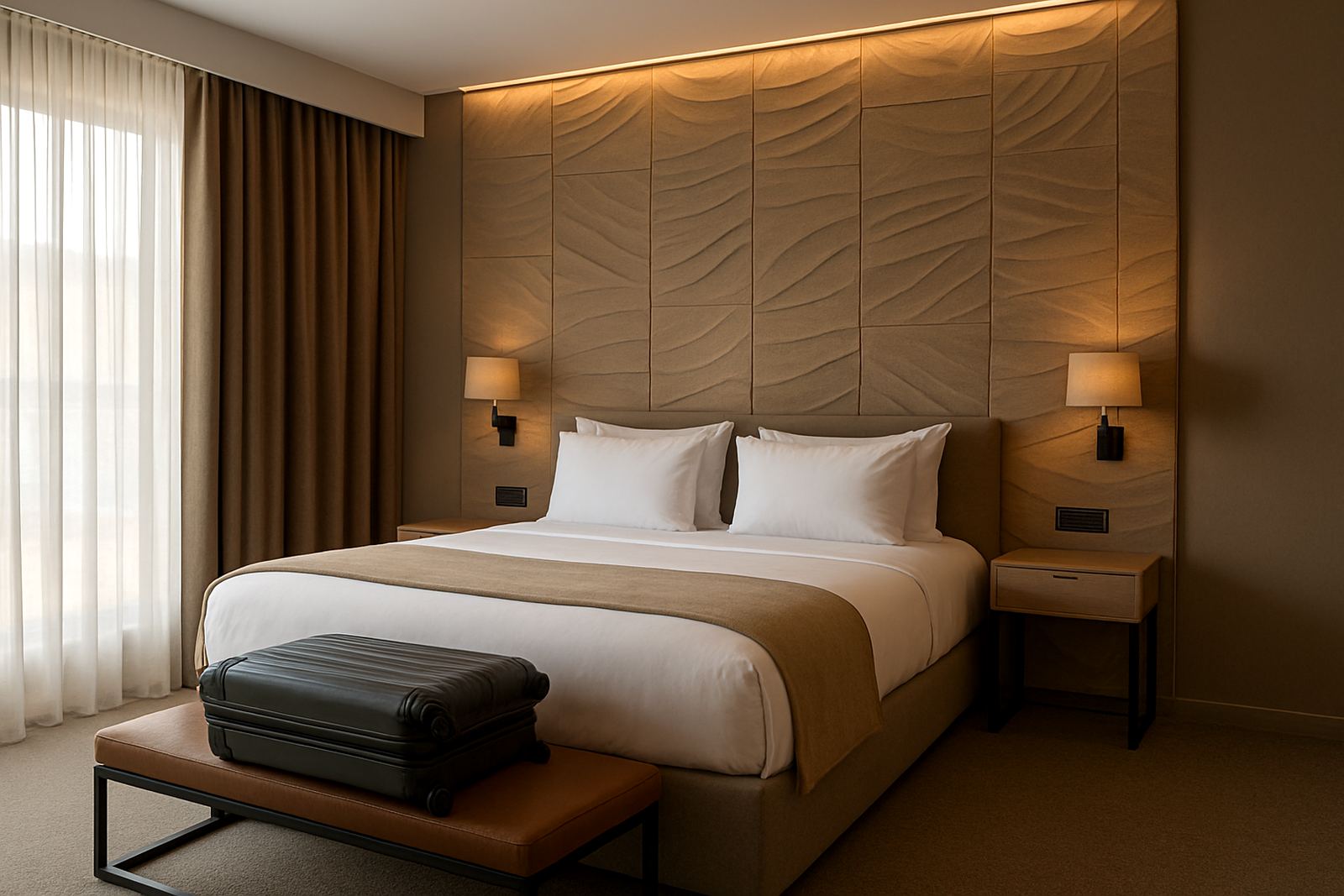
- Modular systems make it easier to replace one section after scuffing or a layout change.
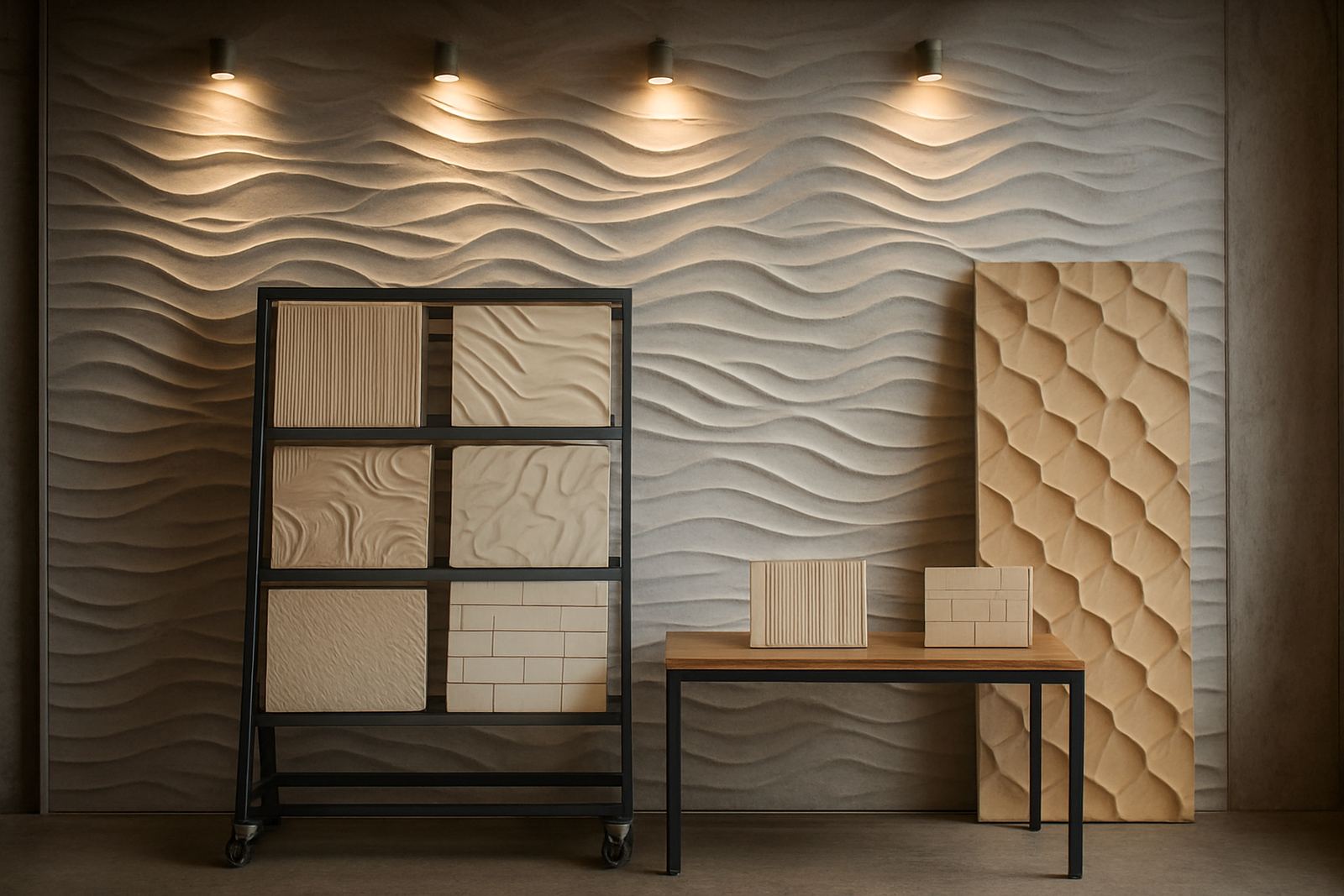
It is also wise to think about lighting. A glossy finish can reflect spotlights well, but if the angles are wrong it may create glare. Matte and mid sheen finishes often photograph better for social media and in store signage. A small sample test against your actual lighting can save a lot of hassle later, and it is worth doing before the full install.
How to use a backdrop to tell a better product story
Retailers often speak about visual merchandising, but in practice it comes down to clear decisions about colour, height and spacing. The backdrop should support the message of the category. A wellness range might call for soft tones and clean lines. Outdoor gear may need stronger textures and darker shades. Jewellery and gifts often benefit from a refined finish that lets the products do the talking.
Think of the wall as part of the display furniture. If the product story is about local craft, natural fibres or premium service, the wall should echo that mood. If the story is about speed, convenience or value, the backdrop should feel simple and direct. The trick is not to overload the wall with too many textures or features. One strong visual idea usually works better than five competing ones.
In our experience, retailers get better results when the backdrop is planned alongside shelving, signage and lighting instead of added at the end. That way the finished area feels intentional and the customer sees a complete scene, not a set of parts pieced together after the fact.
A practical layout process that saves time on site
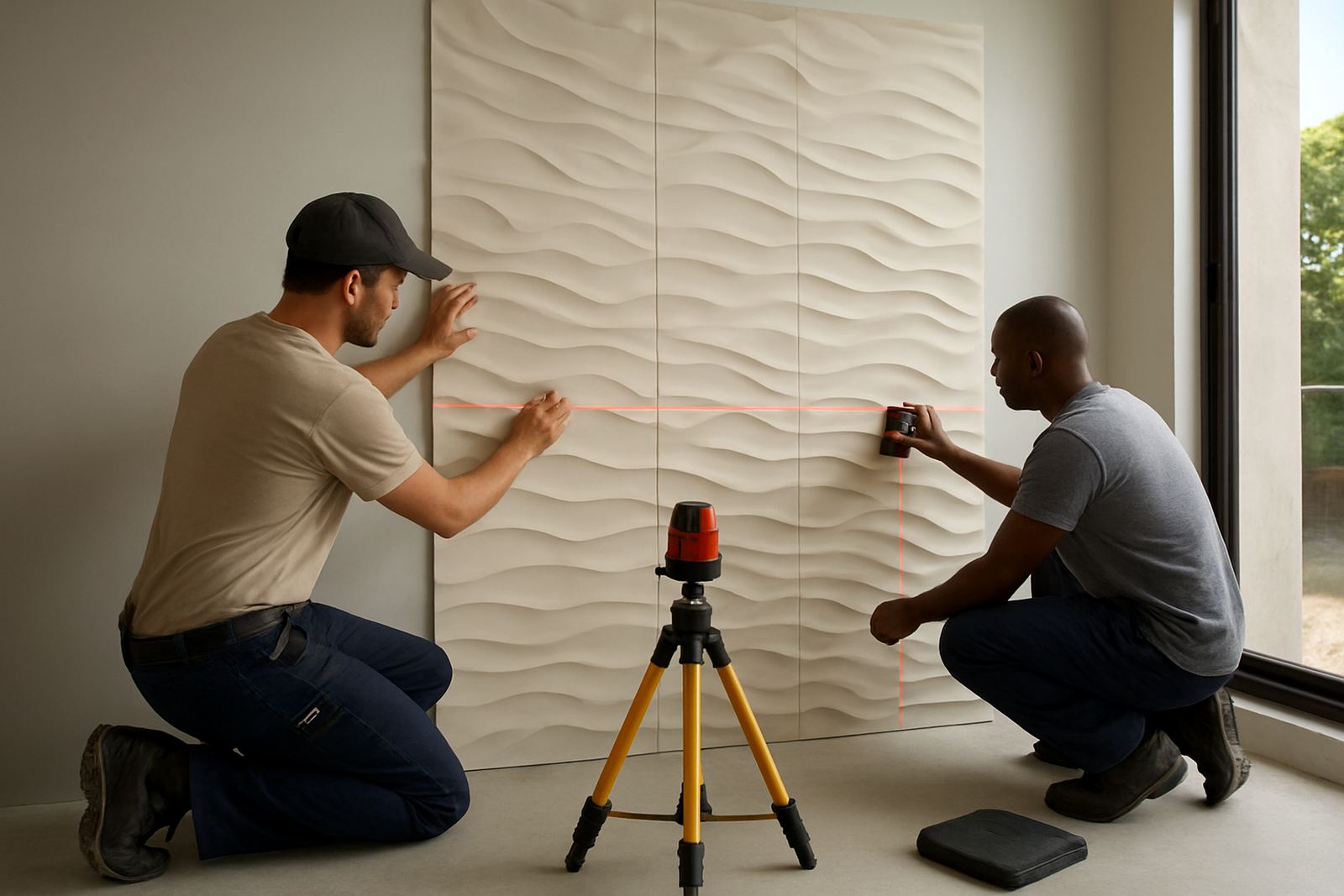
Retail work often has to happen before opening hours, after trading, or during a short fit-out window. That means the process needs to be organised. Site measure-ups are the first step, followed by a design consultation and sample matching so that the selected finish suits the store, the stock colours and the surrounding materials.
Wall preparation is just as important as the panels themselves. If the wall is uneven, damp or badly painted, the finish will show it. A proper preparation stage helps the installation last longer and reduces call-backs later. It also gives the final surface a cleaner look, which is important in customer-facing areas.
- Measure the wall and check for obstructions such as plugs, rails and fire equipment.
- Confirm the display height so products sit within easy eye line.
- Test samples under the store’s actual lighting.
- Plan the install around trading hours and deliveries.
- Allow time for touch-ups and aftercare once the fit-out is complete.
For stores in centres or busy streets, a clear plan also helps with access, loading and municipal requirements where these apply. In commercial spaces, the practical side often matters just as much as the visual result.
A Cape Town example: making a small space work harder
Consider a lifestyle retailer in Somerset West working with a narrow frontage and a compact sales floor. The team wanted a backdrop that would make the store feel more organised without losing floor space to bulky fixtures. A textured wall section behind the hero range created a clear focal point, while a second surface near the till area added a calmer pause point for queuing customers.
The result was simple but effective. Product groupings became easier to read, staff had a better wall for seasonal changes and the store felt more finished. Because the area needed to hold up to daily cleaning and plenty of foot traffic, the chosen system also had to be durable and easy to maintain. That is the sort of use case where a backdrop earns its keep, rather than just looking good on day one.
We see similar needs across the Western Cape, from Paarl and Stellenbosch to the Northern Suburbs and the Atlantic Seaboard. Some stores want a fresh opening look, others need a refit after years of wear. Either way, a well planned retail backdrop can improve the whole store without a full rebuild.
What support retailers should expect after installation
A commercial backdrop should not be treated as a one-off job. Retail changes happen often, from new stock drops to seasonal campaigns and new product launches. That means aftercare matters. It helps to have a team that can advise on cleaning, repairs and later additions if the layout changes.
For many retailers, the most useful support is straightforward and practical. That might include checking panel condition after a busy season, replacing damaged sections, or adjusting the display zone when a new range arrives. If a backdrop has been chosen well in the first place, maintenance stays manageable and the wall continues to support sales instead of becoming a problem item on the to-do list.
At WallArtDesign, our work covers site measure-ups, design consultations, wall preparation, panel installation, feature wall layouts, acoustic panel fitting, commercial rollouts, panel repairs, panel maintenance, nationwide dispatch and aftercare support. For retail clients, that full chain matters because the backdrop has to work in real conditions, not only in a mock-up. A good display wall should hold its own through trading pressure, changing stock and the usual knocks of a busy shop floor.