
Why modern farmhouse walls feel right in South African homes
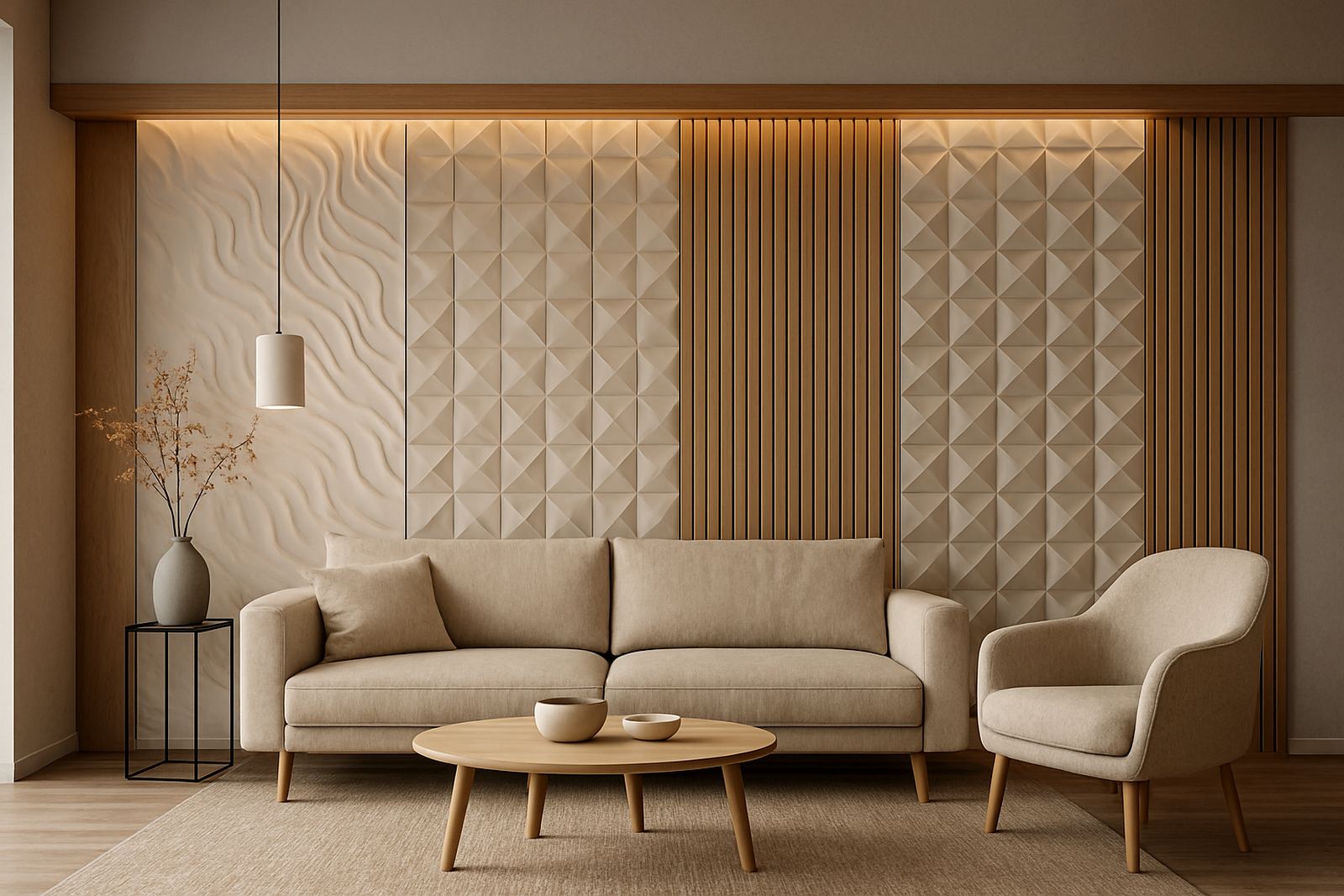
Modern farmhouse interiors have taken hold because they suit the way many South Africans live. You want a space that feels warm after a long day, but also tidy enough for open-plan living, working from home and family traffic. Wall cladding helps create that balance by adding texture without making a room feel heavy.
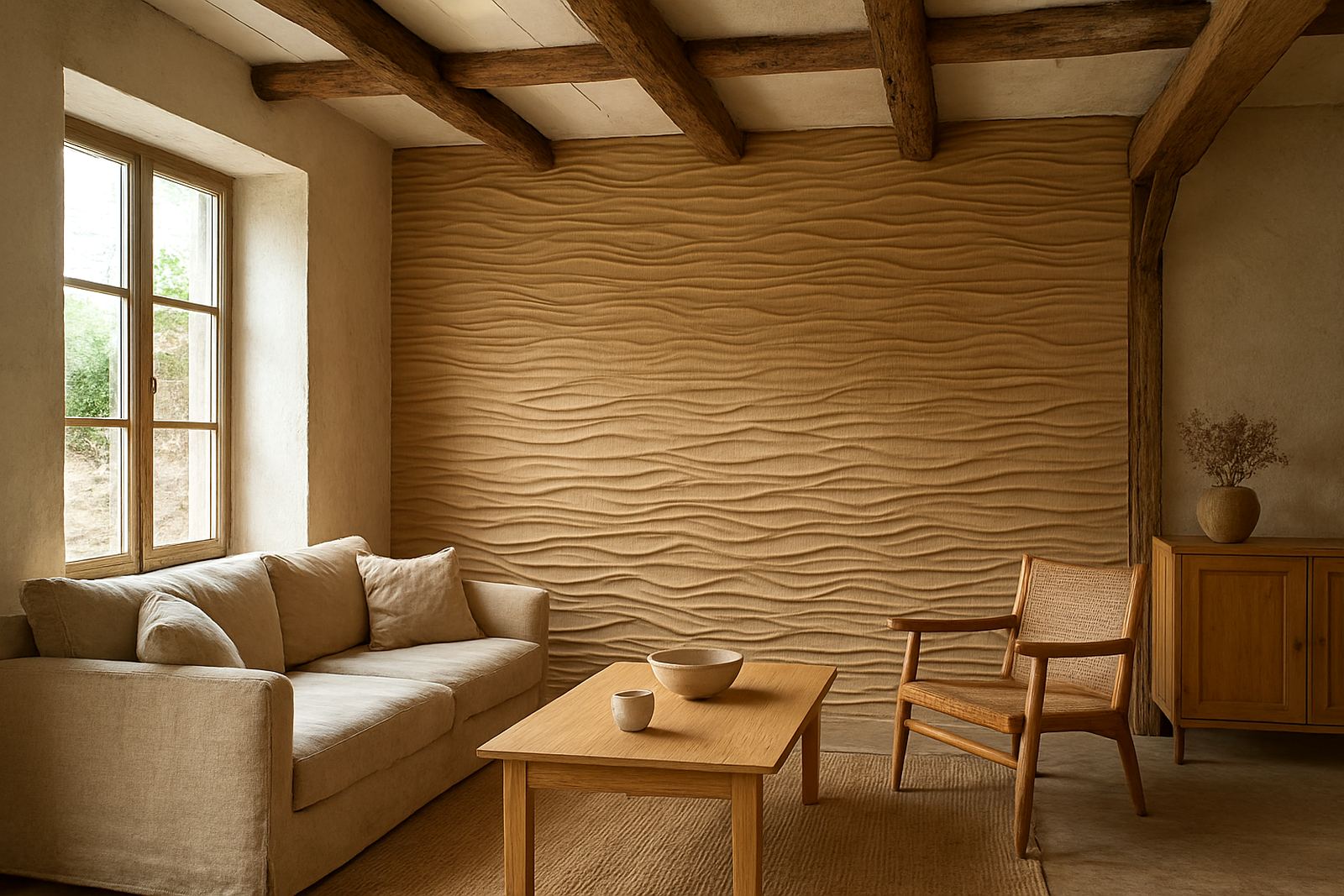
In Cape Town, the look works especially well in homes that get strong light during the day and cooler evenings near the coast. A feature wall can soften a space with timber-look texture, slatted form or a plaster-style finish, while still keeping the room neat. It is a simple way to get character without having to change every surface in the house.
For many clients, the main goal is not decoration for its own sake. It is about making a lounge, bedroom or entrance feel settled and considered. That is where cladding earns its place, because it can support the style of the room and also handle everyday use better than painted drywall alone.
Choosing a finish that keeps the farmhouse look honest
The modern farmhouse style is at its best when the materials feel grounded and not over-finished. If the surface is too glossy or too ornate, the room starts drifting away from the look. We often guide clients toward panels with soft grain, gentle shadow lines or a textured finish that reads as natural from a few metres away.
There are also practical matters to think about. In a coastal suburb, humidity can affect certain substrates and fixings, so material choice matters just as much as colour. In a Paarl or Somerset West home with stronger sun exposure, you may want a finish that holds its tone and does not show uneven fading near windows. A good selection process takes all of that into account, not just the colour swatch.
- Choose warmer neutrals if the room gets a lot of cool south-facing light
- Use deeper wood tones sparingly, especially in smaller rooms
- Match the finish to the room use, for example a family lounge or guest suite
Where cladding works best in a modern farmhouse layout
Not every wall needs to carry the style. In fact, modern farmhouse interiors often look better when only one or two walls are treated. A feature wall behind a sofa, a bed headboard wall or the wall opposite a kitchen island can bring structure to the room without making it feel busy.
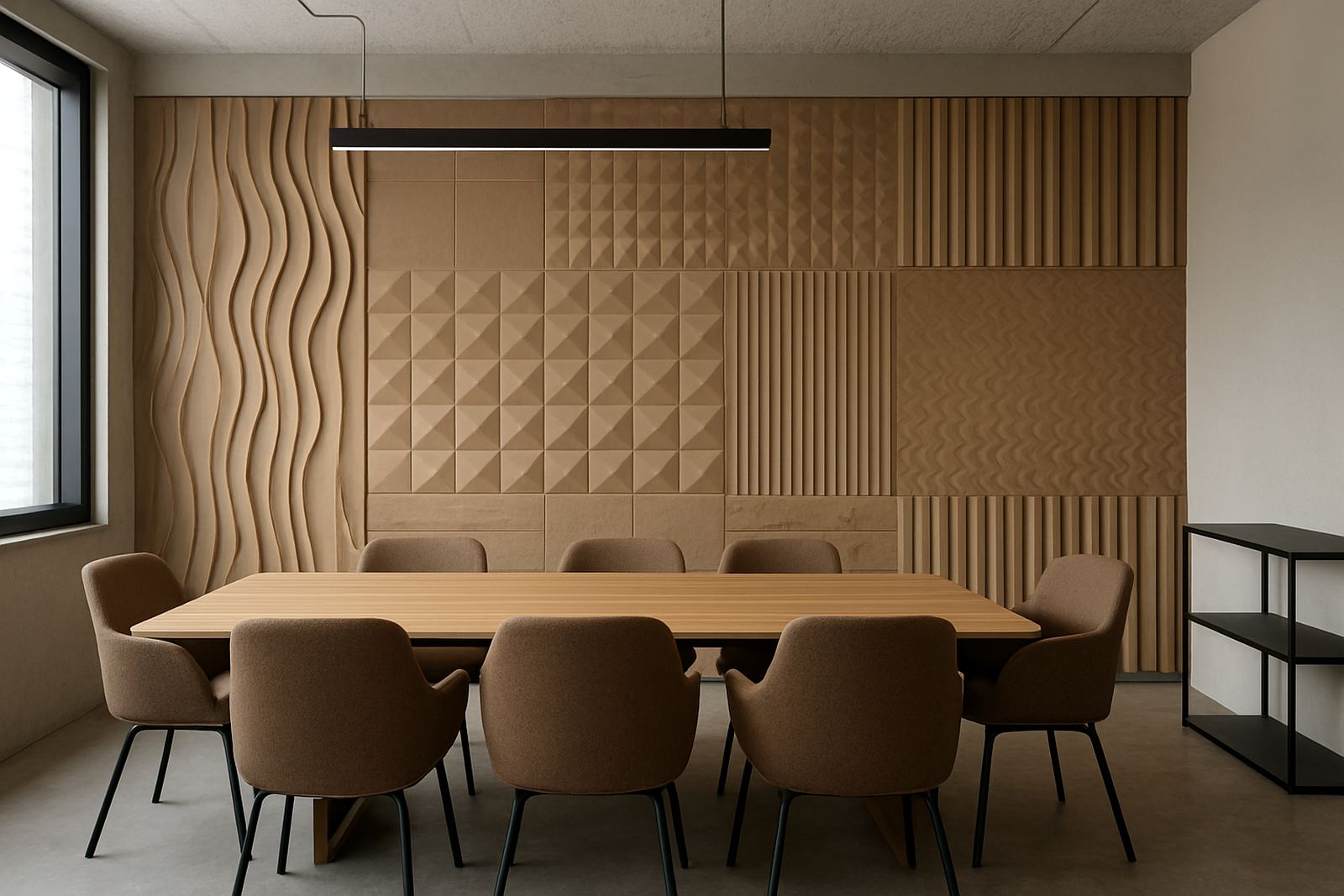
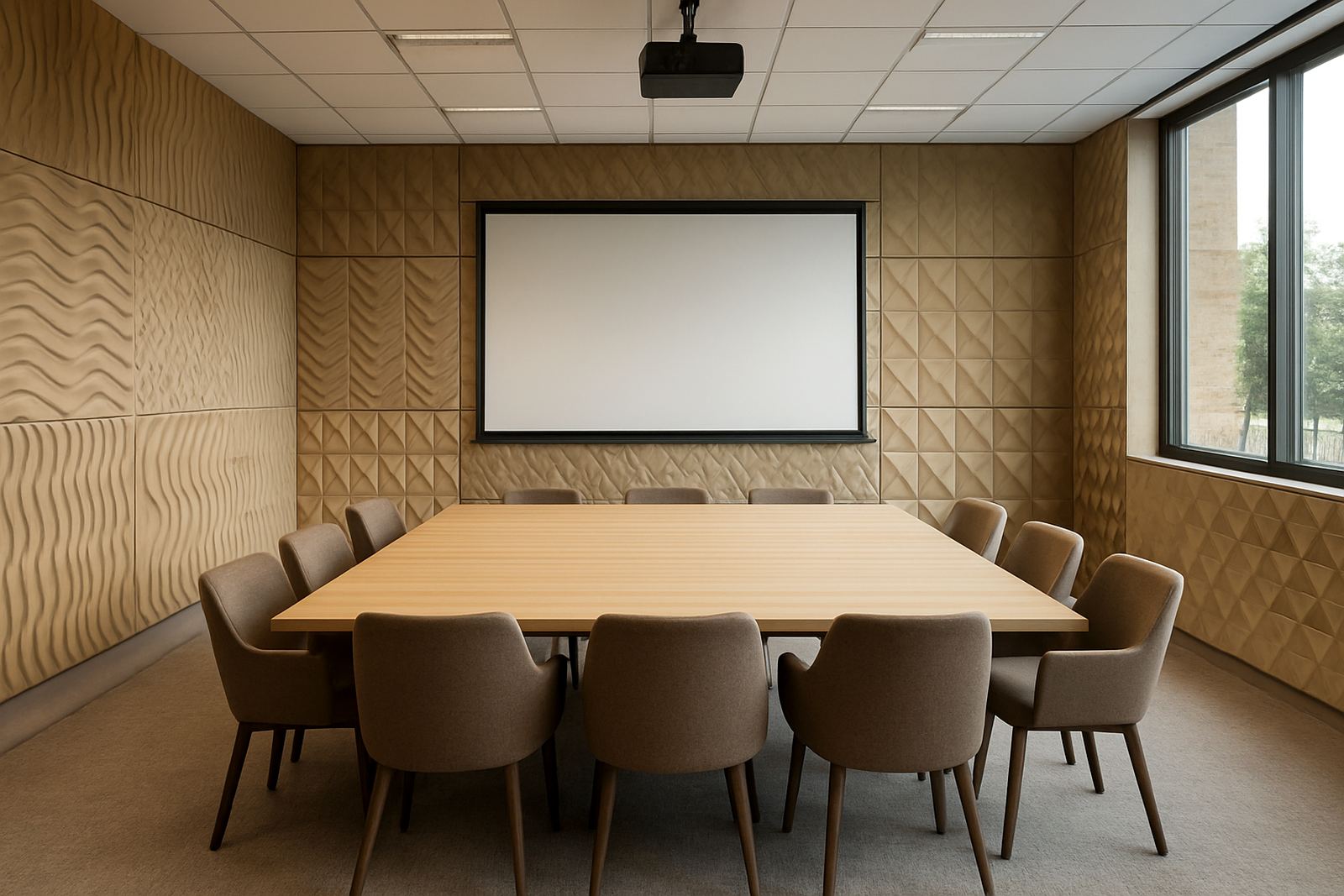
In commercial spaces, the same principle applies. A reception wall, meeting room backdrop or hospitality space can use cladding to create a welcoming feel with a cleaner architectural line. For architects and designers, this makes the product useful in both first impressions and day-to-day wear.
One recent Western Cape project in the Northern Suburbs showed how effective this can be. A homeowner wanted a farmhouse look for a new living area, but the room had hard floors, high ceilings and a lot of echo. We used a textured wall system on the main TV wall and paired it with softer finishes elsewhere. The result felt warmer, and the room sounded better too, which mattered because the family spends most evenings there.
How wall cladding helps with acoustics and everyday use
Modern farmhouse walls are not only about appearance. In many homes, especially open-plan houses and apartments, sound bounce can become a problem. Hard floors, glass and smooth painted walls reflect noise. Adding panel texture can help soften that effect, making the room feel calmer and easier to live in.
This is useful in family homes, but also in offices and hospitality spaces where people need to talk without constant echo. Acoustic panel fitting can make a noticeable difference when paired with the right layout. It will not turn a room into a recording studio, but it can reduce the sharpness that often comes with modern interiors.
There is also the practical side of maintenance. A well-chosen cladding surface is easier to keep looking presentable in high-traffic areas. If you are working around kids, pets or visitors, that matters. It is one more reason why modern farmhouse walls often make sense beyond the visual brief.
Planning for Cape Town conditions before installation
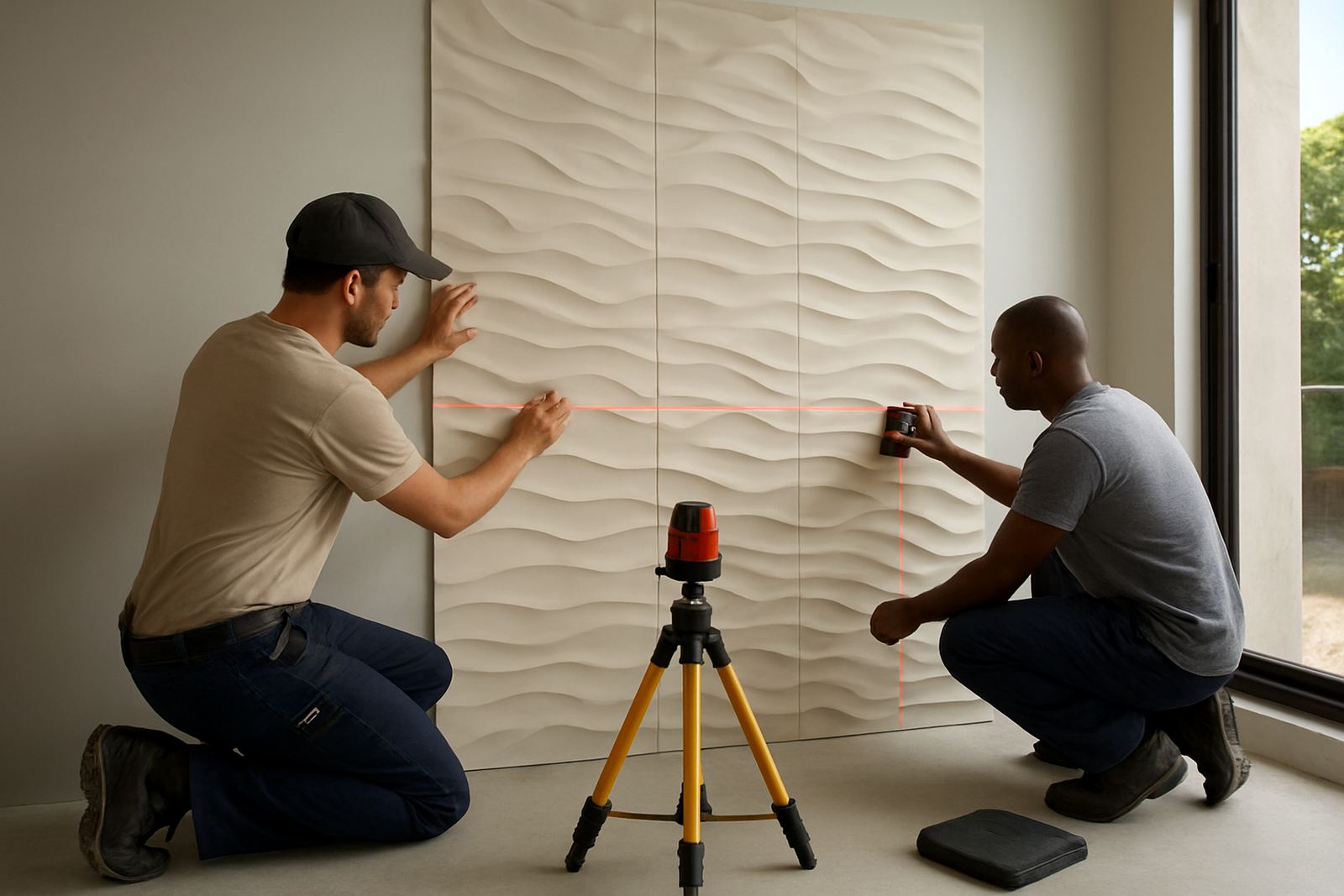
Good wall work starts before the first panel goes up. Site measure-ups are essential, because older homes and renovated spaces often have uneven walls, slightly out-of-square corners or services that need to be worked around. Getting the layout right early saves time later and gives a cleaner finish.
Cape Town conditions also need attention. Coastal humidity, changing temperatures and load-shedding interruptions can affect how and when work is scheduled. Our installation team plans around those issues, and for larger commercial rollouts we also coordinate staging so the site stays neat and usable. If the wall needs preparation first, that gets handled before fixing begins.
For homeowners in Montague Gardens, the Atlantic Seaboard or the Southern Suburbs, this approach matters because every property type is different. A townhouse in Cape Town CBD may need a very different fixing method from a family home in Stellenbosch. The right plan protects the wall and gives a better finish, which is worth the extra time up front.
Getting the colour balance right in real rooms
The modern farmhouse look can go too dark or too cold if colour choices are not considered carefully. A soft oak tone next to white walls gives a classic result, while greys and charcoals work best in moderation. The aim is to keep the room light enough for daily use, but grounded enough to feel finished.
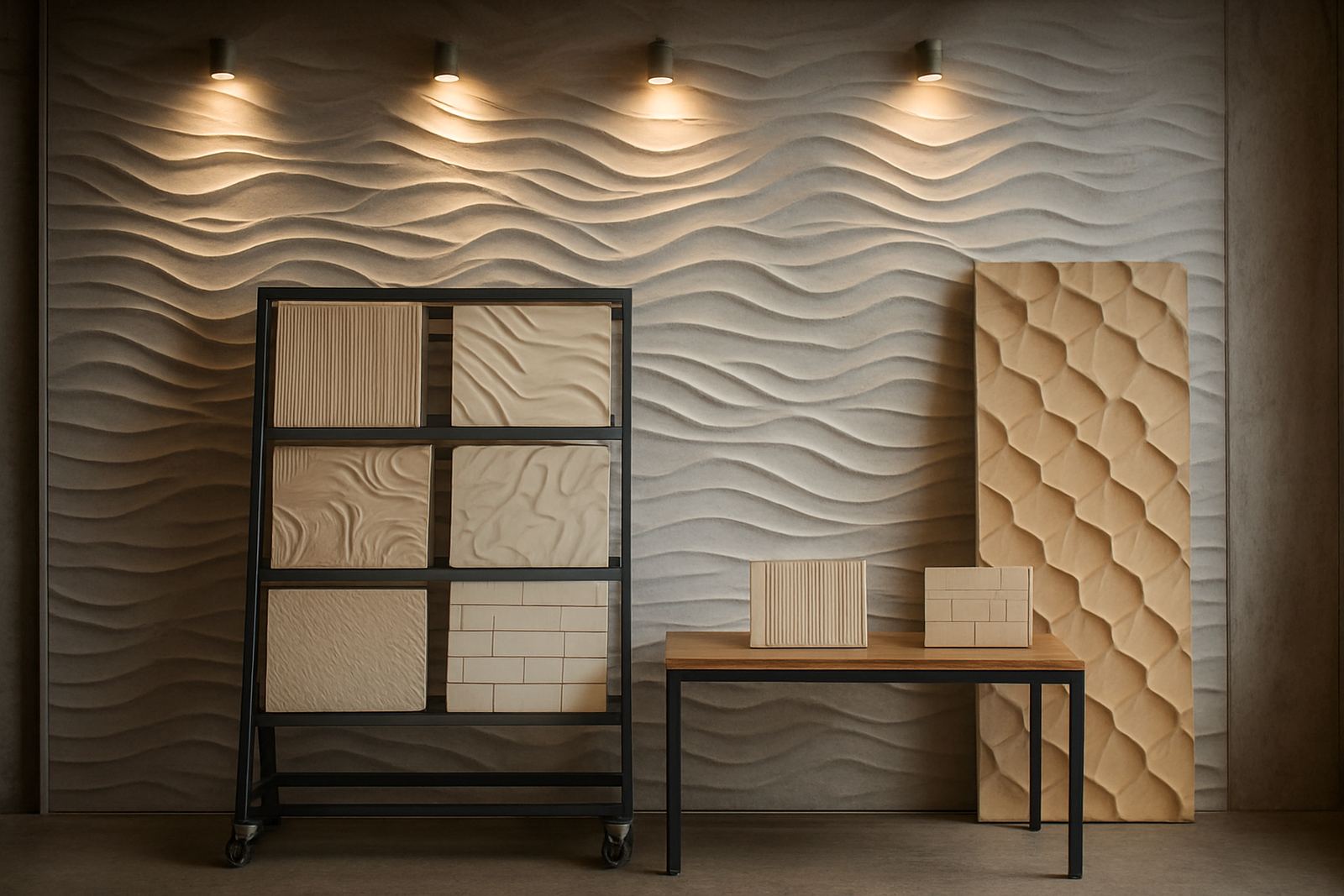
Sample matching helps here, because what looks right in a showroom can change once it is placed against your flooring, curtains and furniture. This is particularly true in rooms with lots of natural light. A colour that looks warm in the morning can appear very different late in the afternoon, so it is worth checking it in the actual room before final approval.
We also advise clients to think about adjoining spaces. If the farmhouse feature wall sits next to a kitchen or hallway, the colour should connect with the rest of the home. That keeps the look consistent and avoids a patchy feel. It sounds simple, but it is often the difference between a nice wall and a room that really works.
A practical finish that still feels personal
Modern farmhouse walls work because they bring a sense of comfort without losing structure. They can be rustic enough to feel welcoming and clean enough for modern living. That mix is why they suit family homes, guest spaces, offices and hospitality settings across the Western Cape.
For homeowners, the best result usually comes from one clear decision: choose the wall that needs the most presence, then let the rest of the room stay calm. For designers and builders, cladding offers a reliable way to add texture, manage acoustics and keep the project moving without overcomplicating the brief.
At WallArtDesign, we work with clients from Montague Gardens to Somerset West, Paarl and the Atlantic Seaboard, with panels couriered nationwide where needed. If you are planning a modern farmhouse interior, a well-chosen wall can do more than decorate the room. It can settle it.