
Why meeting rooms sound worse than they look
Hard surfaces are the usual problem. Plastered walls, glass partitions, tiled floors and ceilings with little soft finish all reflect sound back into the room, so people end up talking over one another. In a small boardroom, that can make even a simple client update tiring to follow.
In Cape Town offices, we often see this in rooms used for video calls, HR interviews and project meetings. A neat room with a table and a few chairs can still feel harsh if there is no acoustic absorption. Once speech starts bouncing around, people raise their voices, which makes the issue worse.
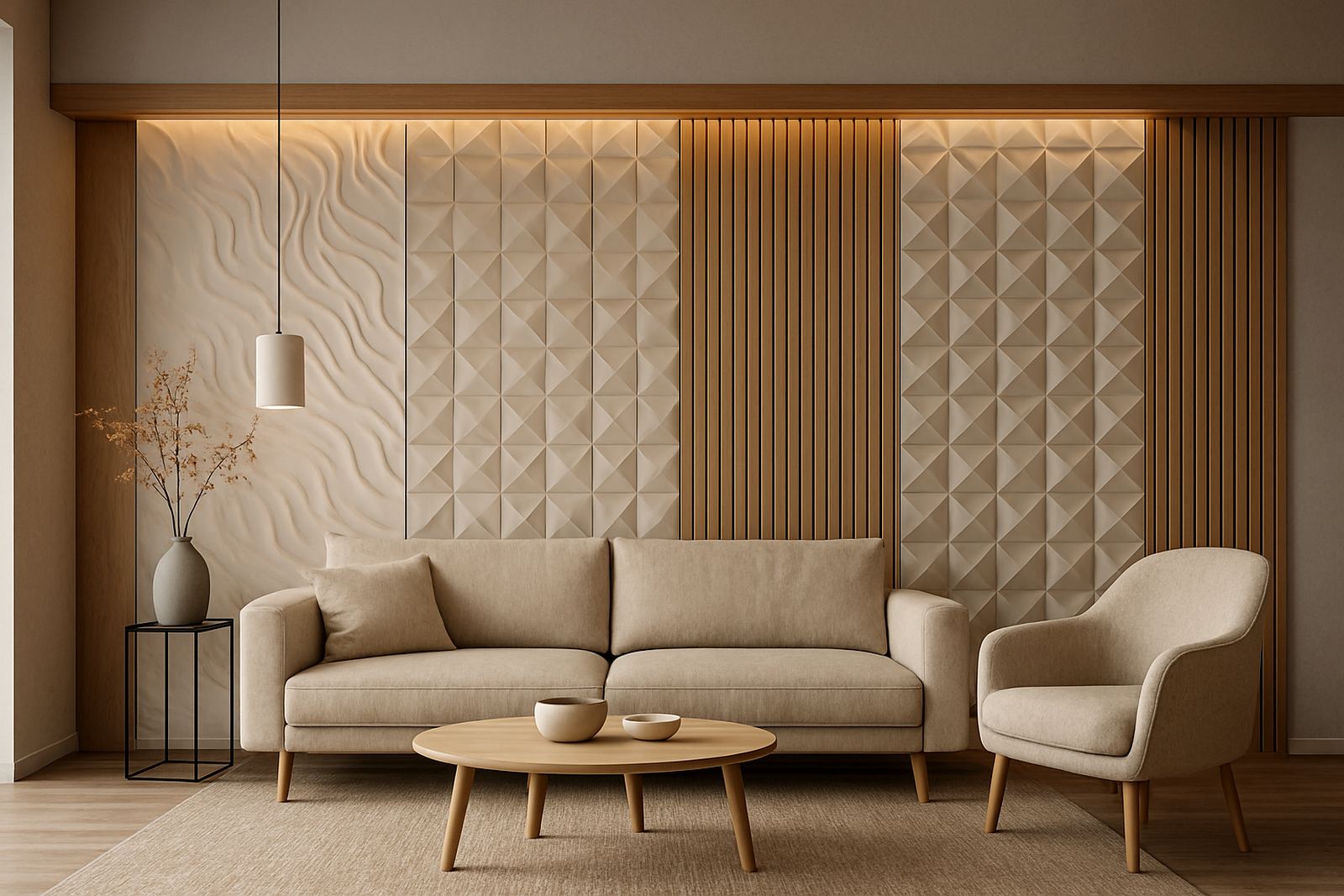
Wall treatments do not need to cover every surface to make a difference. A well planned feature wall or a set of acoustic panels placed on the correct wall can reduce reverberation enough to make the room feel calmer and more usable.
What good wall treatment does in a boardroom
Meeting room acoustics are not just about noise control. They affect how clearly people hear tone, emphasis and names, which matters when decisions are being made. If a room has less echo, people spend less effort trying to understand each other and more effort on the actual discussion.
For businesses in Montague Gardens, Century City and the Northern Suburbs, this is especially useful in shared office spaces and converted industrial units where rooms were not originally designed for conference use. The aim is to balance appearance with function so the room still looks professional while performing properly.
- Better speech clarity during in person meetings and video calls
- Less echo from glass, tiled floors and concrete walls
- Improved focus during long sessions and training days
- A neater finish that supports the room design
Where a room also doubles as a client presentation space, acoustic treatment can help the room feel more settled and less distracting.
Choosing the right panel for the room size
Meeting room acoustics need to be matched to the actual room, not guessed from a standard formula. A 12 m2 meeting room in a small office will need a different solution to a 40 m2 boardroom in a commercial building. The right product depends on the room dimensions, how many people use it, the amount of glass, and whether the ceiling already has some sound absorption.
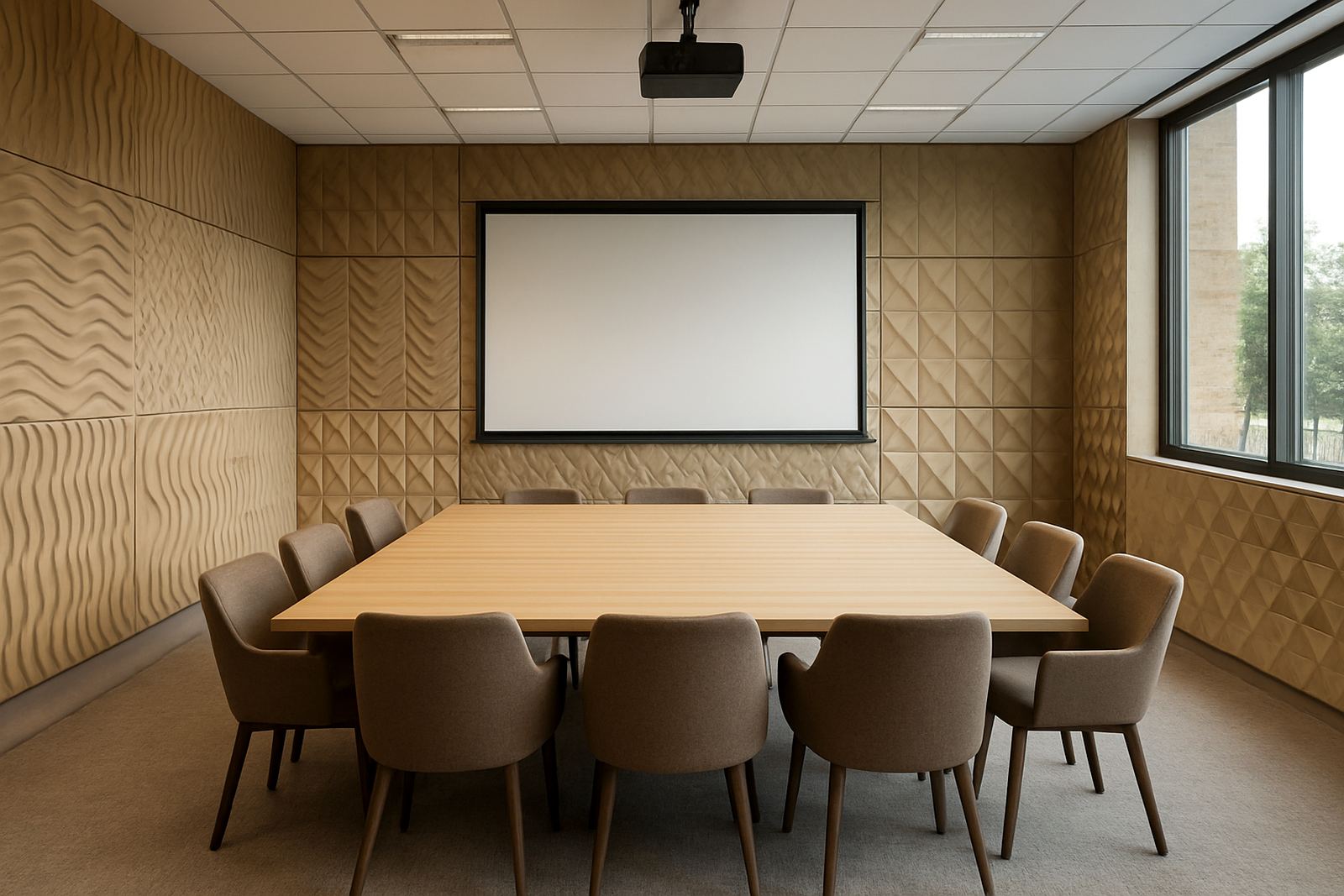
At WallArtDesign, we look at the wall layout, table position and the main reflection points before suggesting a pattern or panel type. In many rooms the best result comes from placing treatment on the wall behind the main speaking position or opposite the glass frontage. That helps stop sound from travelling straight back across the table.
- Smaller rooms often need targeted coverage rather than full wall cladding
- Larger boardrooms may need repeated panel modules for even performance
- Rooms with AV screens need careful layout so the display remains the focus
- Coastal areas may benefit from materials chosen for humidity and easy upkeep
If the room sits close to the Atlantic Seaboard or other humid areas, material selection becomes even more important. Moisture, cleaning routines and sun exposure can all affect the long term finish.
A practical Cape Town example
A financial services office in the Southern Suburbs wanted a quieter boardroom for weekly planning meetings and external presentations. The room had a long table, large glazing and a hard floor, so voices were crisp but also very harsh. Staff were asking speakers to repeat themselves and online callers kept hearing a slight echo.
We measured the room, discussed the way it was used and matched the panel layout to the wall behind the main seating line. The result was a cleaner sounding room with less bounce and a stronger visual finish, without making the room feel overdone. The client also wanted something that would hold up well to regular cleaning, so that guided the material choice.
That kind of project is common in offices around Stellenbosch, Paarl and Somerset West too. Once teams are in the room every day, the sound matters just as much as the furniture.
What the installation process should include
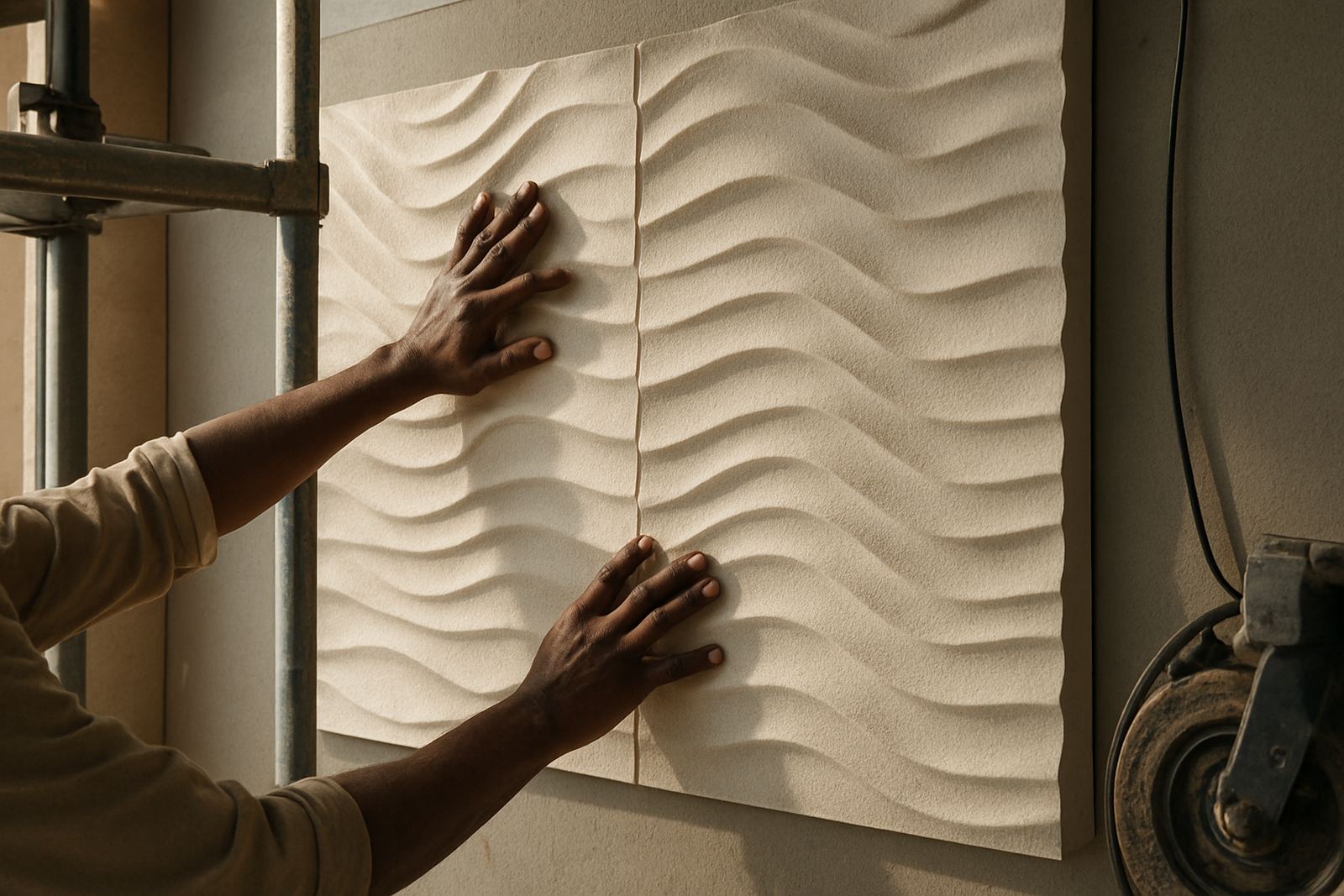
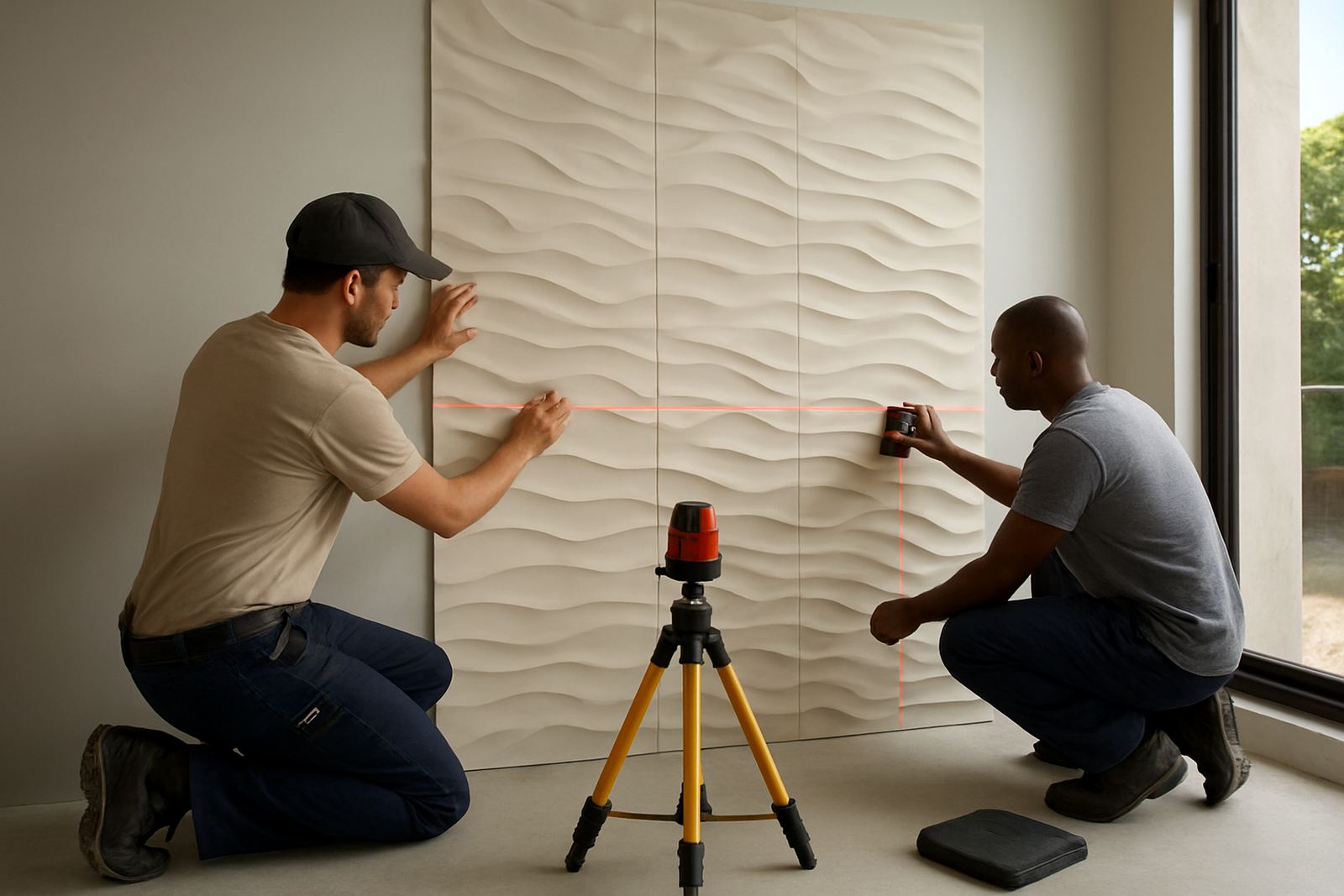
A proper acoustic wall project starts before any panel is fixed in place. The wall needs to be checked for flatness, damp issues, loose plaster and any areas that need preparation. If a room has just been repainted or recently renovated, it is worth confirming that the surface is fully ready so the finish lasts.
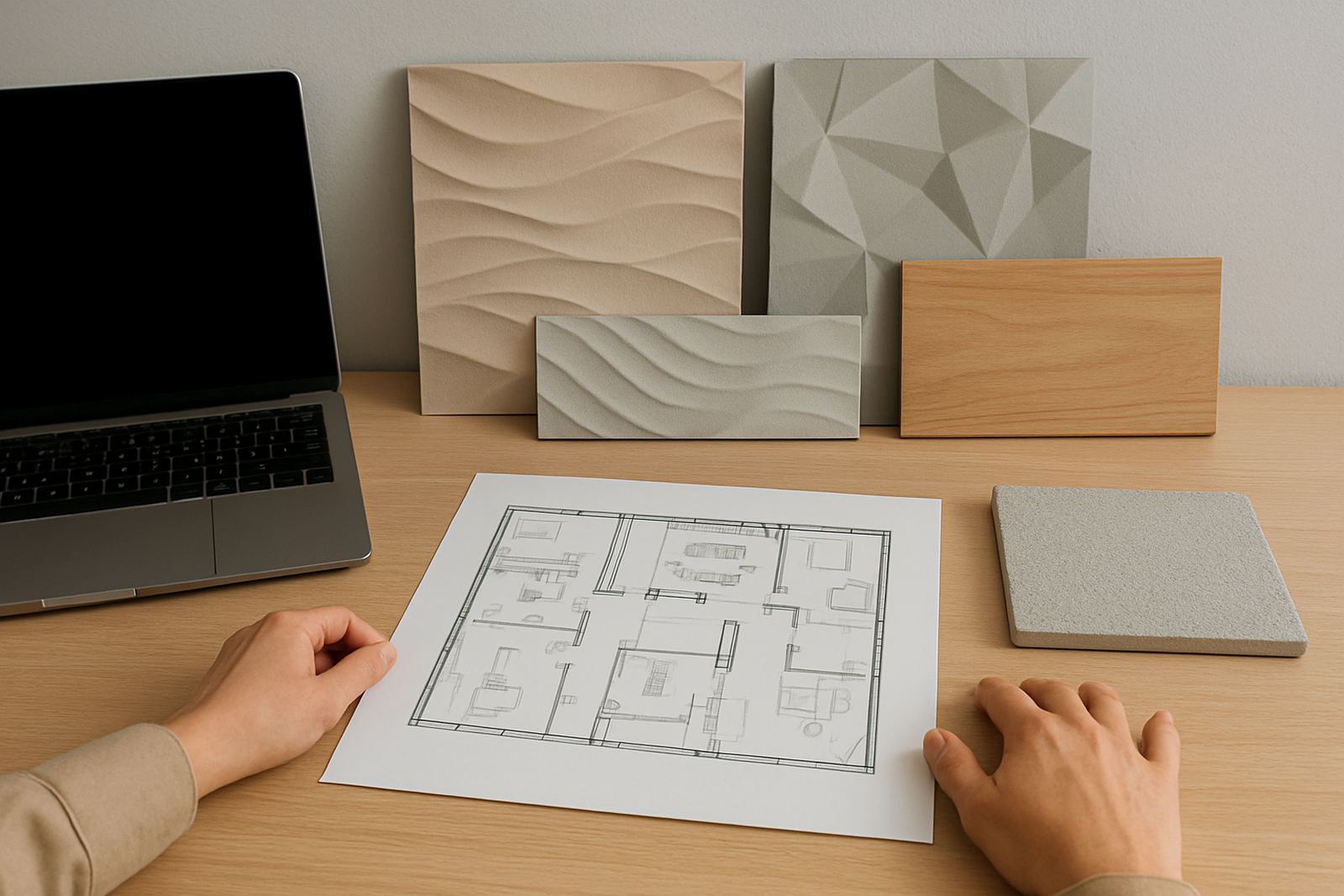
Our process typically includes site measure ups, design consultation, sample matching and installation planning. For commercial rollouts, timing matters because meeting rooms often have to stay in use during the week. We plan around building access, tenant rules and the work schedule so disruption stays low.
- Measure the room and confirm the acoustic problem points
- Choose a finish that suits the use of the space
- Prepare the wall surface properly before fitting
- Install panels with neat alignment and tidy edges
- Check the room after fitting and advise on care
For offices in Cape Town CBD and the surrounding suburbs, this type of preparation is especially useful where access is limited and meetings cannot stop for long periods.
Keeping the room sounding good after the install
Once the panels are in place, simple upkeep goes a long way. Dust should be removed regularly and any damage should be repaired early before it spreads or becomes more visible. In high use rooms, chair movement, bag knocks and cleaning equipment can all leave marks over time.
It also helps to think about the whole room, not only the walls. If the boardroom still feels echoey after treatment, the ceiling, flooring and furniture may need a second look. Acoustic performance works best when the room is treated as a system rather than a single wall.
For businesses that host clients, council meetings or internal training sessions, the payoff is straightforward: people hear each other better, the room feels more organised, and discussions move along without repeated interruptions. That can save time in a working day, which matters when schedules are already tight.
WallArtDesign supplies acoustic panel solutions from Montague Gardens, with installs across the Western Cape and couriered panels nationwide.