
Why Light Direction Changes What You See
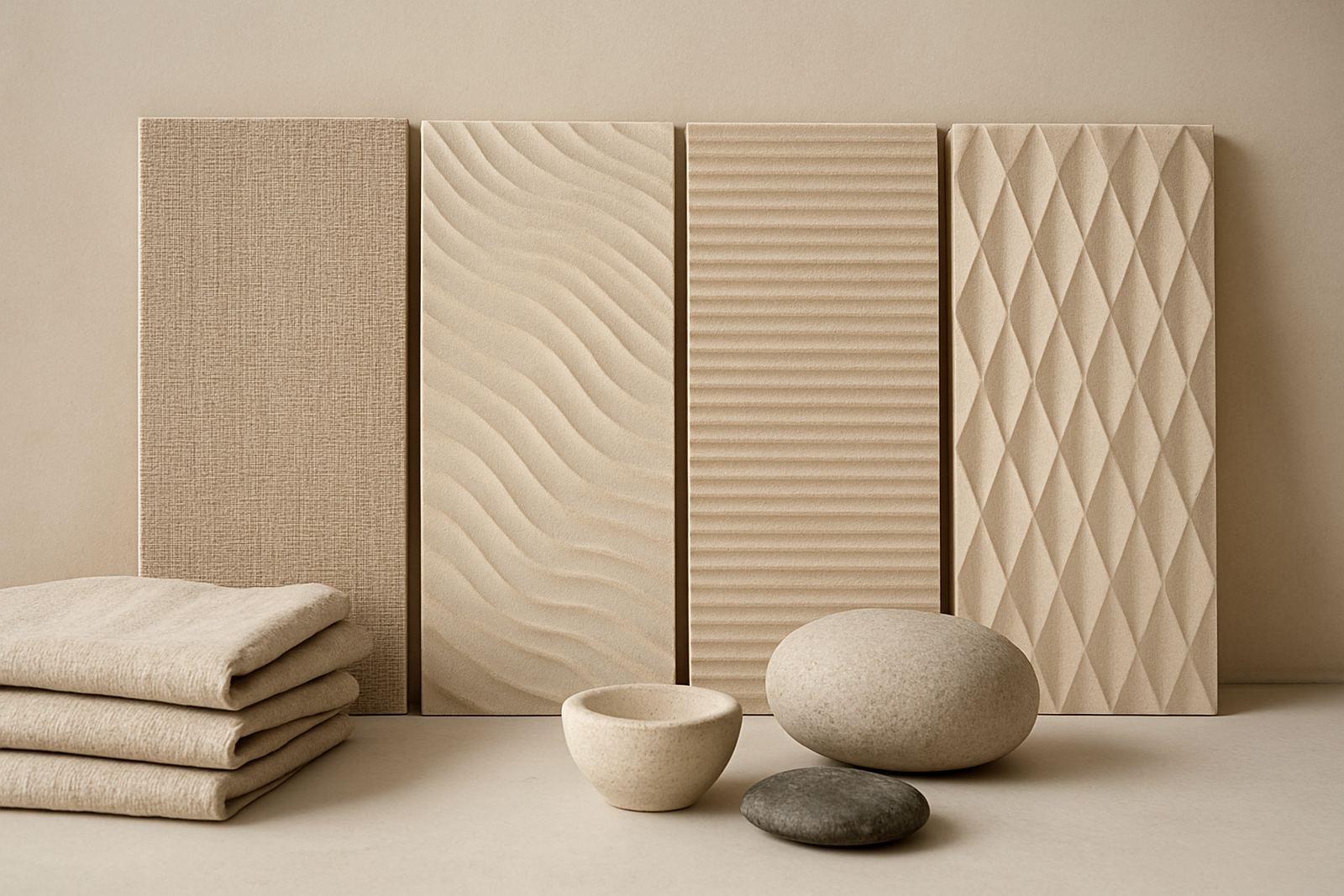
Wall texture is not static. A panel with grooves, relief, or a matte surface will catch morning light differently from afternoon sun, and it can look flatter or more dramatic depending on where the source is coming from. That is why a sample viewed under the warehouse lights in Montague Gardens may look very different once it is fixed in a north-facing lounge or a reception area with large windows.
In Cape Town, the change is even more noticeable because the light shifts quickly. Coastal brightness, cloud cover, and reflected light from nearby buildings can all change how a feature wall reads. A surface with fine detail might soften a room at 8am and show stronger shadow lines by 3pm. For that reason, we always suggest looking at sample pieces in the actual room if possible, or at least near the same kind of natural light.
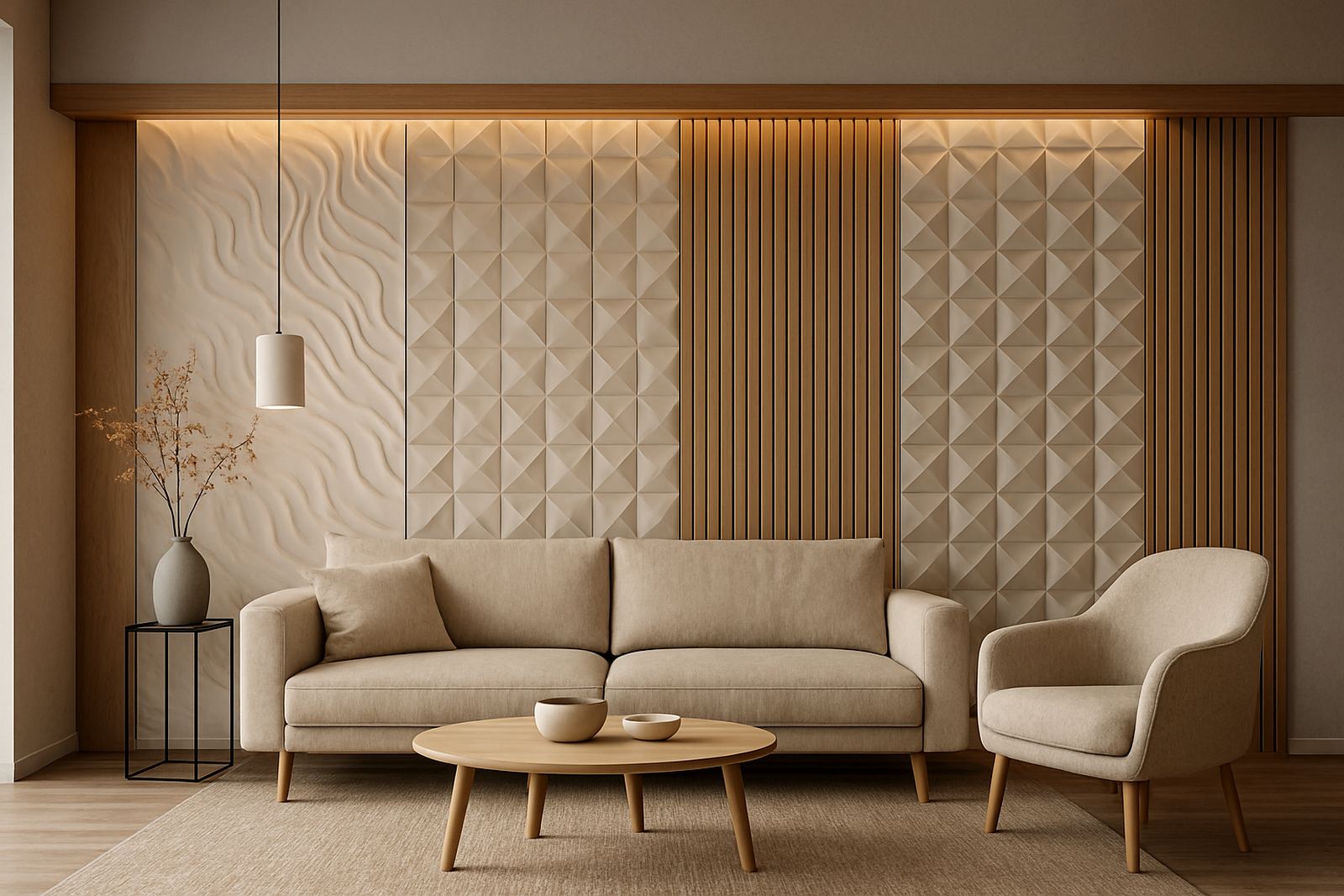
When clients ask why one texture feels calm and another feels busy, the answer is often the angle of the light not the panel itself. The surface is doing what it was made to do, which is to react to light and shadow in a way that gives the wall depth.
Choosing Textures For North, South, East And West Facing Walls
The orientation of the wall matters. A north-facing wall in the Western Cape usually gets stronger sun for longer periods, while a south-facing wall may rely more on reflected light and artificial lighting. East-facing walls often look brighter in the morning, and west-facing walls can show stronger contrast later in the day. If you are selecting a finish for a home in Somerset West or a shop in Atlantic Seaboard, it helps to think about what time of day the space is used most.
For rooms that need a soft, steady look, finer textures usually work better. For walls that need to become a feature, deeper relief or stronger pattern can hold its own in daylight and under warm indoor lighting. In commercial spaces, this is useful for foyers, boardrooms, restaurants and salon walls where the surface must look good under both daylight and ceiling fittings.
- Use finer texture for small rooms with strong sun exposure.
- Use deeper relief where you want shadow lines and visual drama.
- Test samples under both daylight and artificial light before signing off.
- Consider how curtains, blinds and furniture may cast shadows onto the wall.
Texture, Shadow And Acoustic Comfort
Many clients choose decorative wall panels for appearance, then find the acoustic benefit is just as useful. In open-plan homes, call rooms, cafés and waiting areas, hard surfaces can bounce sound around. Textured panels can help break that up, which makes conversation easier and reduces the harsh feel of echo. It is not a full soundproofing solution, but it does improve the way a room sounds and feels.
Shadow plays a big part in this. A surface with depth creates tiny changes in tone across the wall, and those changes make a room feel less flat. Under strip lighting or downlights, the effect can be subtle or quite strong depending on the profile. If the space has load-shedding backup lighting, the panel should still read well under lower light levels, so it remains useful even when the power is off or running on a generator.
For offices and hospitality spaces, that means planning for more than looks alone. A good wall finish should support the room’s function, whether that is quiet meetings, better speech clarity, or a cleaner visual line behind a reception counter.
What To Check Before You Approve A Wall Finish
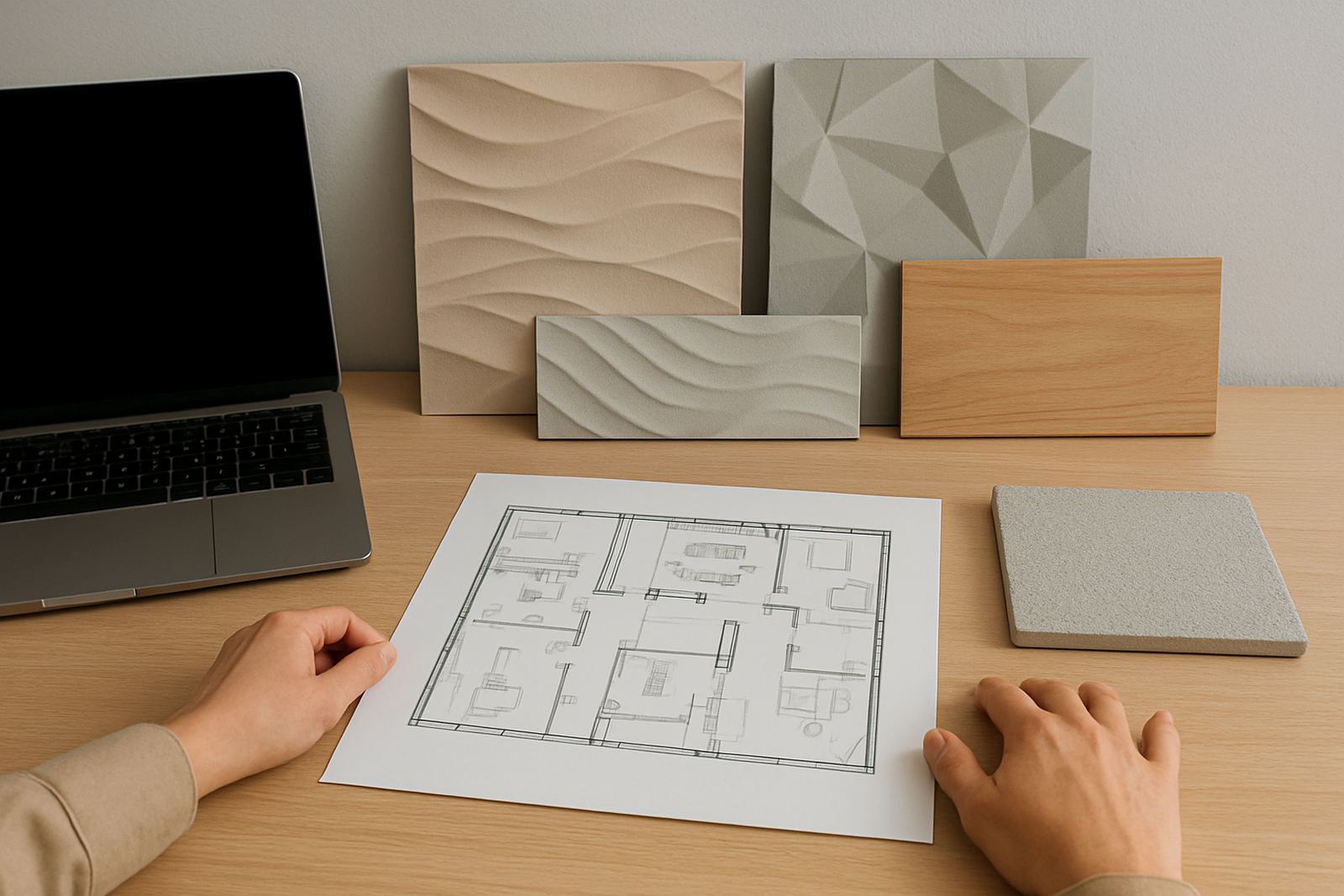
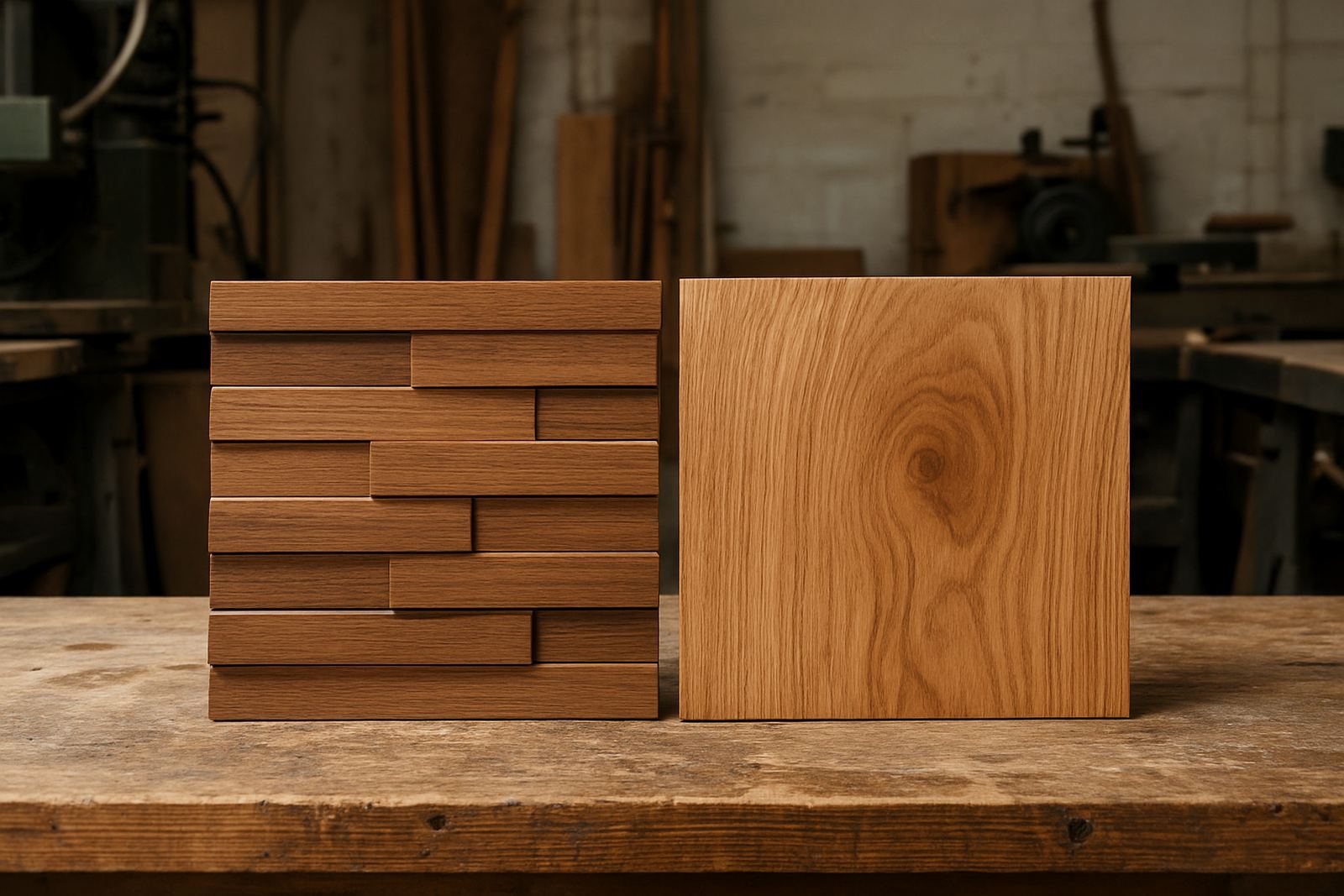
A panel can look perfect on a sample board and still behave differently once installed across a full wall. Before you approve a finish, ask how it will perform in the actual room conditions. South African homes and commercial spaces often deal with direct sunlight, salty air near the coast, and uneven wall surfaces in older buildings. All of that affects the final result.
We recommend a proper site measure-up so the layout suits the wall height, skirting, plugs, switches and any existing features. It is also wise to check how the chosen texture will be cleaned, especially in family homes, restaurants or retail spaces where marks are more likely. Some finishes are better suited to gentle wiping, while others need a bit more care.
- Check the wall for moisture signs before installation.
- Confirm where plug points, light fittings and aircons sit.
- Ask how the surface handles cleaning and everyday wear.
- Review the finish against both warm and cool lighting.
A Cape Town Example: A Coastal Lounge With Changing Light
In a recent Cape Town lounge project near the Atlantic Seaboard, the client wanted a feature wall behind the sofa that would feel warm in the evenings but still hold character in daylight. The room had wide windows, afternoon glare and a soft ocean-facing view, so the wall needed a texture that could cope with strong natural light without looking harsh. We used sample matching on site and checked the wall at different times of day before finalising the layout.
By morning, the texture read gently and the room felt open. By late afternoon, the same wall carried stronger shadow definition, which gave the space more presence without needing extra decor. The client also wanted a finish that could handle the coastal environment and regular cleaning, so the material choice had to suit humidity and day-to-day use. It came together neatly, and the room now changes mood through the day rather than fighting the light.
That kind of result is common in homes from the Southern Suburbs to Paarl. The best wall finish is often the one that works with the local light, not against it.
Planning For Installations, Repairs And Aftercare
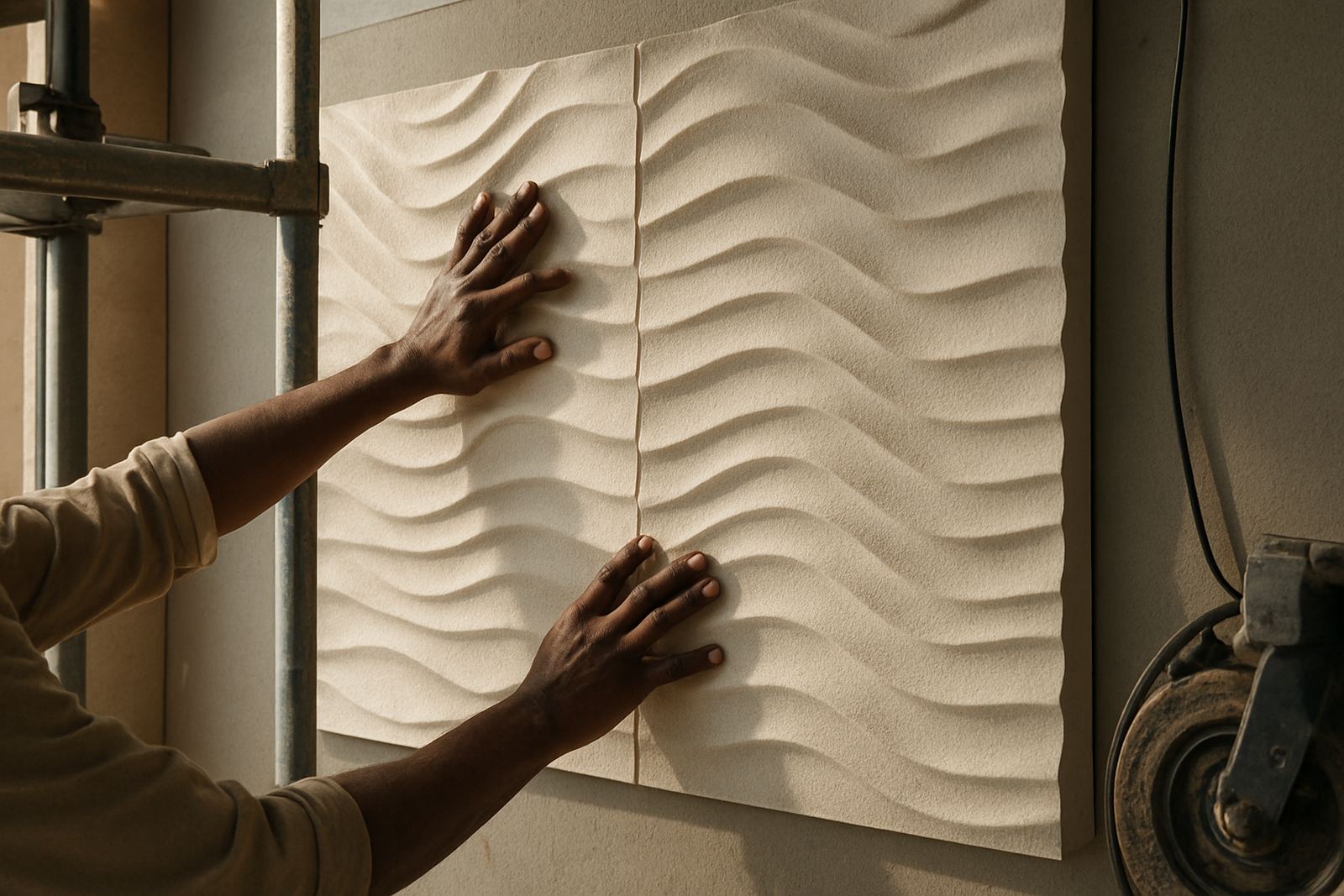
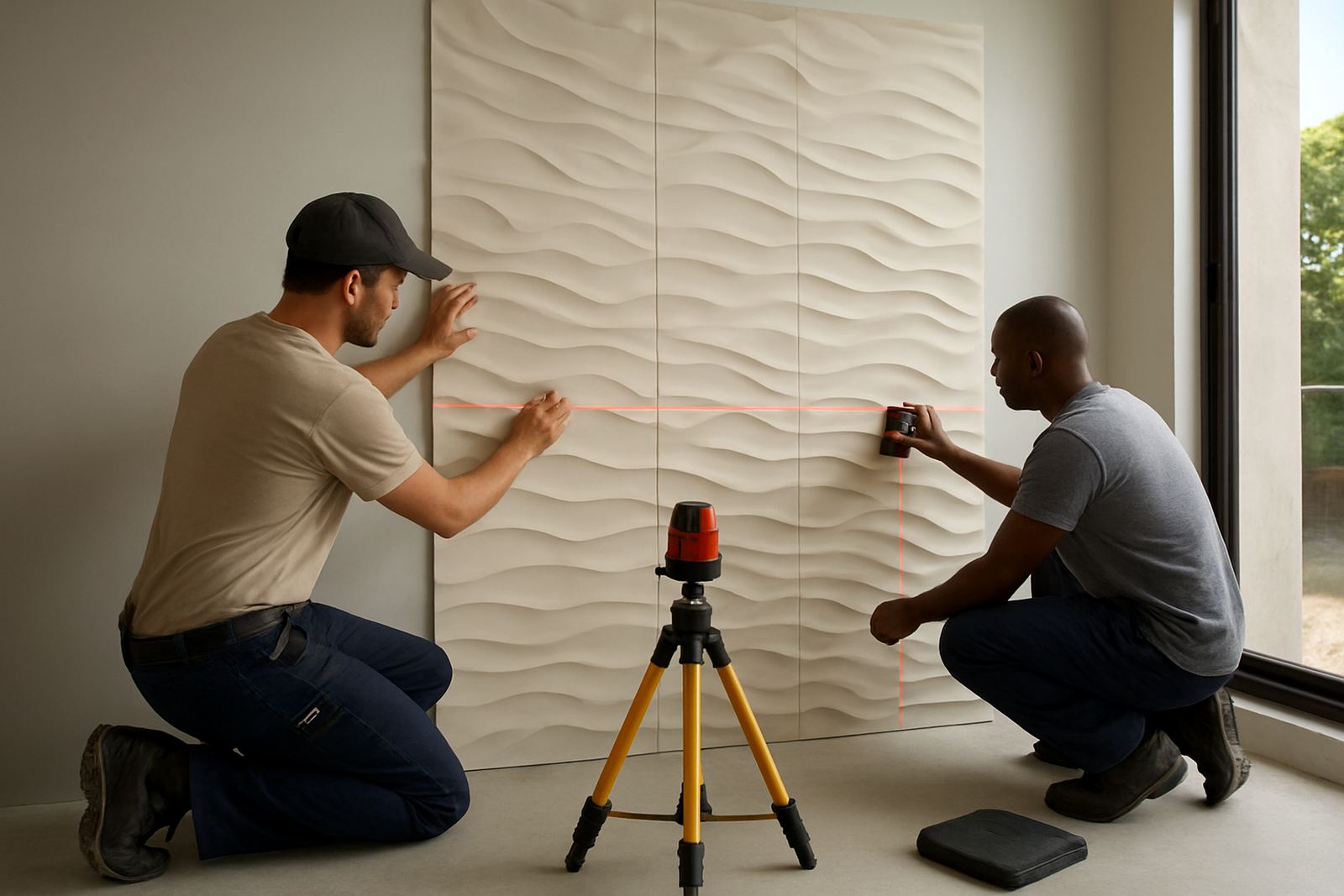
Good results depend on preparation as much as the panel itself. Wall preparation, careful layout and correct fitting all affect how the surface catches light once the job is complete. A small alignment issue can show more clearly when sunlight moves across the wall, so installation needs to be precise. That is especially true for commercial rollout work where several walls must match from one site to the next.
Aftercare matters too. Over time, scuffs, minor movement, or a change in room use may mean repairs or maintenance are needed. If a reception wall gets bumped by trolleys or a family room gets redecorated, the finish should still be manageable. For many clients, the value is not just the look on day one but how the wall continues to perform through weather changes, power interruptions and ordinary wear.
Wall texture and light work together every hour of the day. When both are considered properly, the result is a wall that looks intentional rather than accidental.