
Why timber-look panels are winning space in busy interiors
In many homes and offices, timber-look wall cladding is chosen because it gives the visual warmth of wood without the same level of upkeep. That matters in Cape Town, where coastal humidity can affect untreated timber, and where many properties need finishes that stay neat through load-shedding, cleaning and everyday wear.
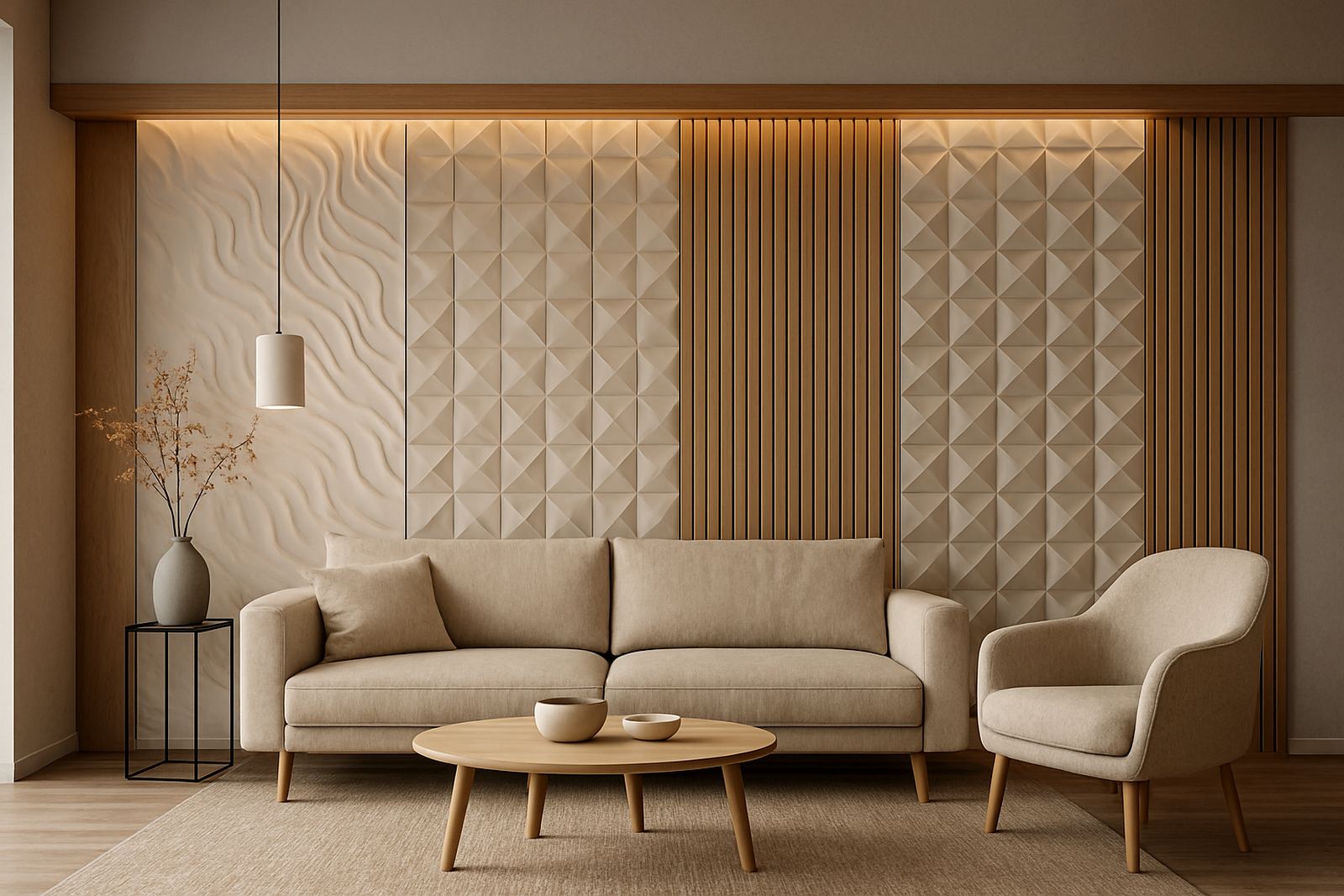
Timber-inspired panels are especially useful on feature walls, passage walls, reception areas and meeting rooms. They can be fitted to give a clean vertical or horizontal line, and they often help a room feel calmer and more finished without needing a full renovation. For landlords, architects and busy homeowners, that practical side counts.
- Better suited to fast-fit renovations
- Lower ongoing maintenance than natural timber
- Available in repeatable colours and textures for larger projects
- Works well where consistent finish is important across multiple rooms
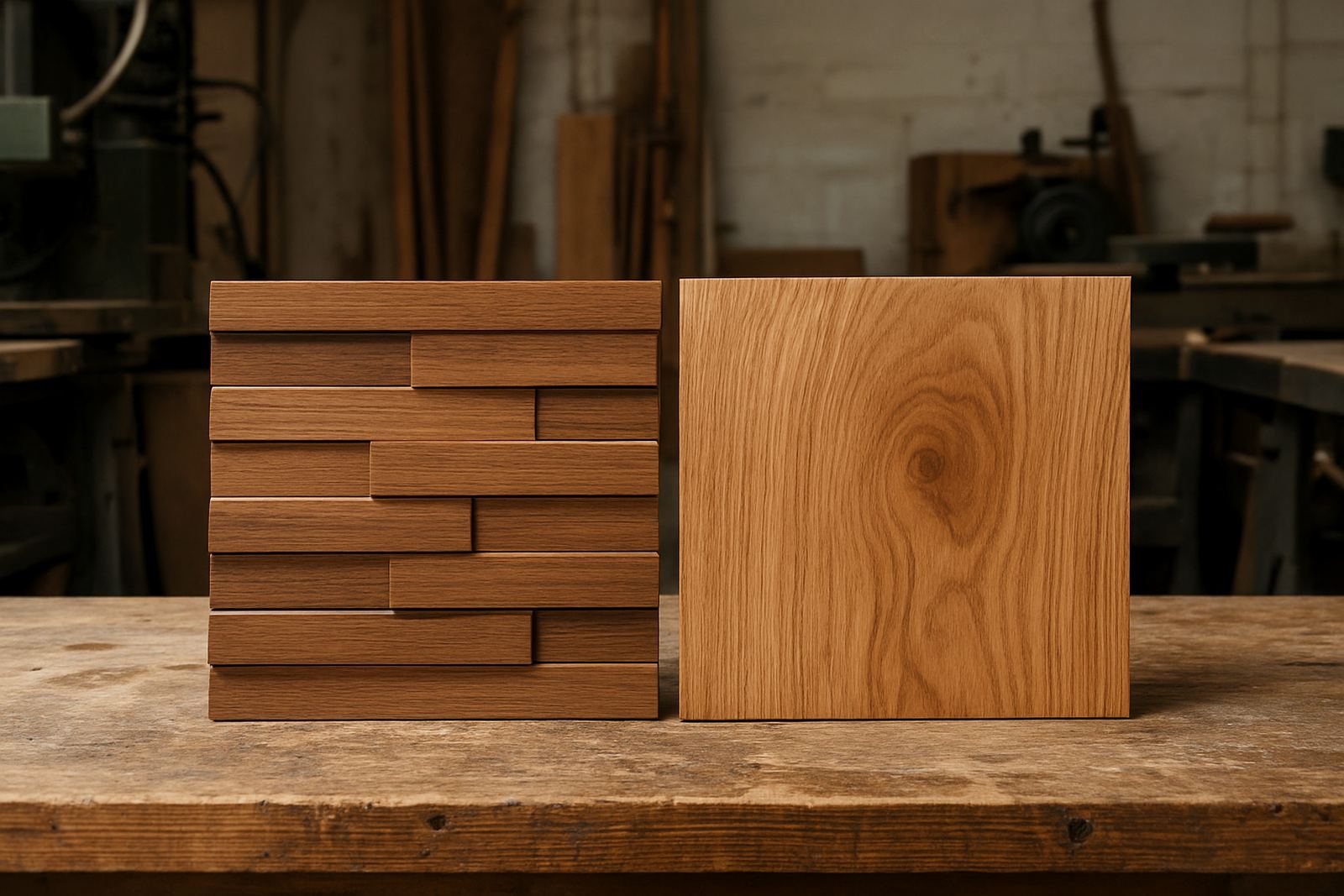
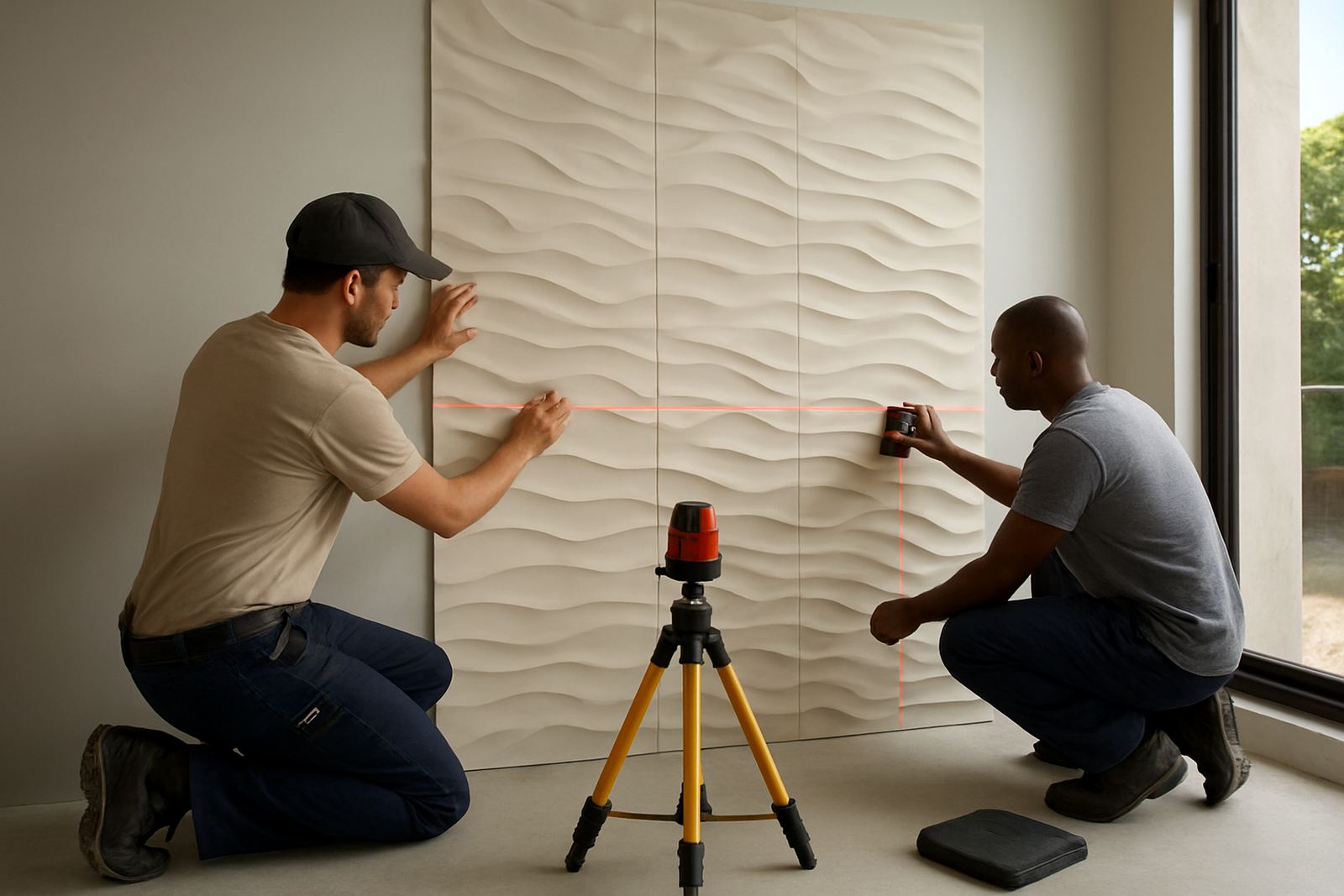
At our Montague Gardens base, we often see clients compare the two options after a site measure-up. The biggest question is usually not which looks nicer in a photo, but which will hold up in the actual space.
Real wood still has a place where character matters most
Natural wood has a depth and variation that is hard to copy exactly. It can suit spaces where the brief calls for natural grain, visible tonal shifts and a material that changes gently over time. In high-end homes, boardrooms or hospitality spaces, that sense of authenticity can be worth the extra care.
Real timber is also a strong choice when a client wants to sand, stain or rework the surface later. If the design may change over time, wood can offer flexibility that some timber-look finishes do not. That said, it usually needs more attention, especially in coastal homes near Atlantic Seaboard suburbs where salt in the air and humidity can shorten the life of some finishes if they are not maintained properly.
- Best when natural grain is a key part of the design brief
- Can be refinished over time if properly installed
- Needs more care around moisture, direct sun and scratching
- Often costs more to supply and maintain over the long term
Real wood also needs careful planning around fire compliance, backing surfaces and fixing methods, especially in commercial settings where municipal and building requirements must be considered from the start.
What the numbers usually mean for your budget
Price is where the choice becomes clearer for many clients. Timber-look cladding usually offers more predictable pricing because the product is manufactured in standard runs and can be installed with less waste. Real wood pricing moves more with species, board sizes, preparation and finishing labour.
For larger commercial rollout projects, that difference can be substantial. A restaurant in Stellenbosch or a retail space in Somerset West may need multiple feature walls, waiting area finishes and back-of-house panels that all need to match. Timber-look products often make it easier to keep the project on budget while still giving a warm result.
Another point is maintenance cost. Real wood may need periodic re-sealing, touch-ups or repairs after knocks. Timber-look panels can still need care, but the upkeep is usually lighter. If a wall is in a high-traffic corridor or a family room with children, that can make a practical difference over five years, not just on day one.
How moisture, sunlight and coastal air change the decision
In Western Cape interiors, the environment matters. South-facing rooms, sliding doors near pools and open-plan homes in coastal suburbs all expose materials to conditions that can affect appearance. Natural wood can move, swell or fade depending on species and finish. That does not make it a bad choice, but it does mean the product needs to be selected and installed with care.
Timber-look cladding is often more forgiving in these conditions. It can be a smart choice for apartments, offices and hospitality spaces where consistent appearance is important and the wall needs to stay neat with less attention. If the room is prone to damp air, timber-look finishes often reduce the risk of visible distortion.
- Coastal homes often need moisture-resistant backing and careful sealing
- Direct sunlight can change the tone of some natural wood finishes
- Air-conditioned offices may suit either option if ventilation is planned well
- Bathrooms and kitchens need special consideration regardless of material
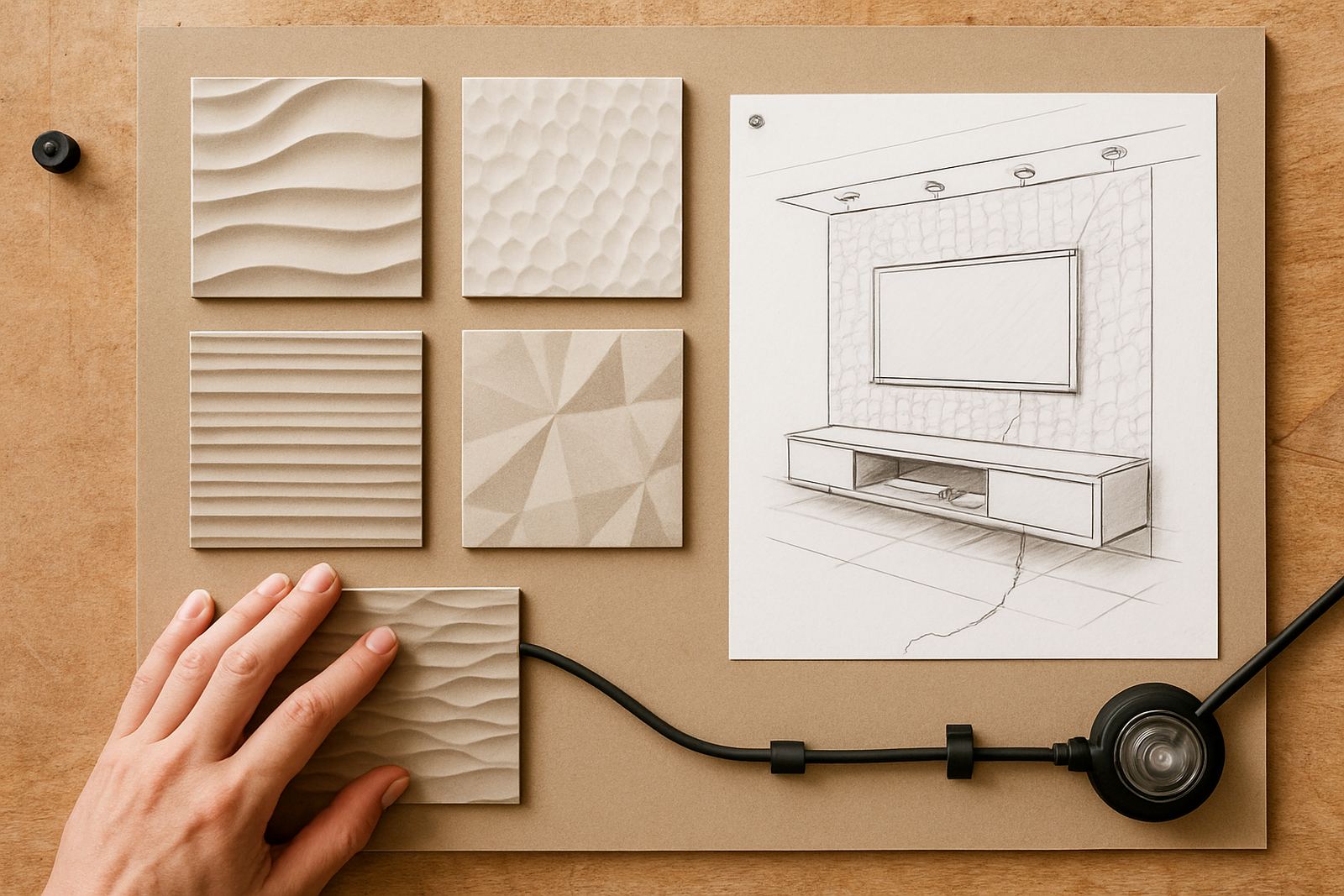
Our team often advises on sample matching before anything is fixed to the wall. That helps clients see how the tone reads in daylight, evening light and under downlights.
Acoustics and comfort are part of the decision too
Many people focus only on looks, but wall treatment can also change how a room sounds. In open-plan homes and commercial interiors, timber-look acoustic panels can reduce echo and make conversation easier. That is helpful in boardrooms, restaurants, call centres and reception areas where clear speech matters.
Real wood can also contribute to a warmer acoustic feel, but not every timber wall solution is designed for sound control. If the brief includes better acoustics, it is worth asking whether the wall system is decorative only or built with performance in mind.
For offices and hospitality spaces across Cape Town, Paarl and the Southern Suburbs, acoustic performance can be just as important as the finish. A wall that looks good but creates a noisy room may not serve the space properly.
Choosing the right finish for your project type
The best answer depends on where the wall is going and how it will be used. A private bedroom in a family home may suit either material, while a busy commercial foyer usually needs something tougher and easier to maintain. The installation method, wall prep and the expected wear should all be considered before a final choice is made.
We often help clients weigh up the following:
- Residential feature walls where budget and upkeep matter
- Retail and office interiors that need a repeated finish across several rooms
- Hospitality spaces where acoustics and cleaning are important
- Heritage or high-end homes where genuine timber is part of the character
For many projects, a timber-look product gives the right balance of appearance and practicality. For others, real wood remains the better investment because the space calls for a more natural result and the client is prepared for the maintenance. The key is matching the material to the use, not just the mood board.
A Cape Town example from planning to install
One recent Western Cape interior came down to a simple brief: the client wanted a warm wall behind a reception counter, with enough texture to soften the room but not so much maintenance that the team would struggle to keep it clean. The space was in a busy commercial building with strong afternoon sun and regular foot traffic.
After a site measure-up and design consultation, a timber-look cladding option was selected because it handled the light better and kept the finish consistent across a long wall. The installation was planned around the building’s access hours and completed with minimal disruption. The result gave the reception area a more settled look, and the client avoided the sanding and sealing schedule that real wood would likely have needed.
That is often the deciding factor in practice. If a material suits the room, the climate and the maintenance plan, it will look better for longer. If it only looks good on install day, it may become a problem later.
Whether you are in Montague Gardens, the Atlantic Seaboard, Stellenbosch or beyond, the right wall finish starts with how the space is used every day.