
Start With the Real Wear Pattern, Not the Mood Board
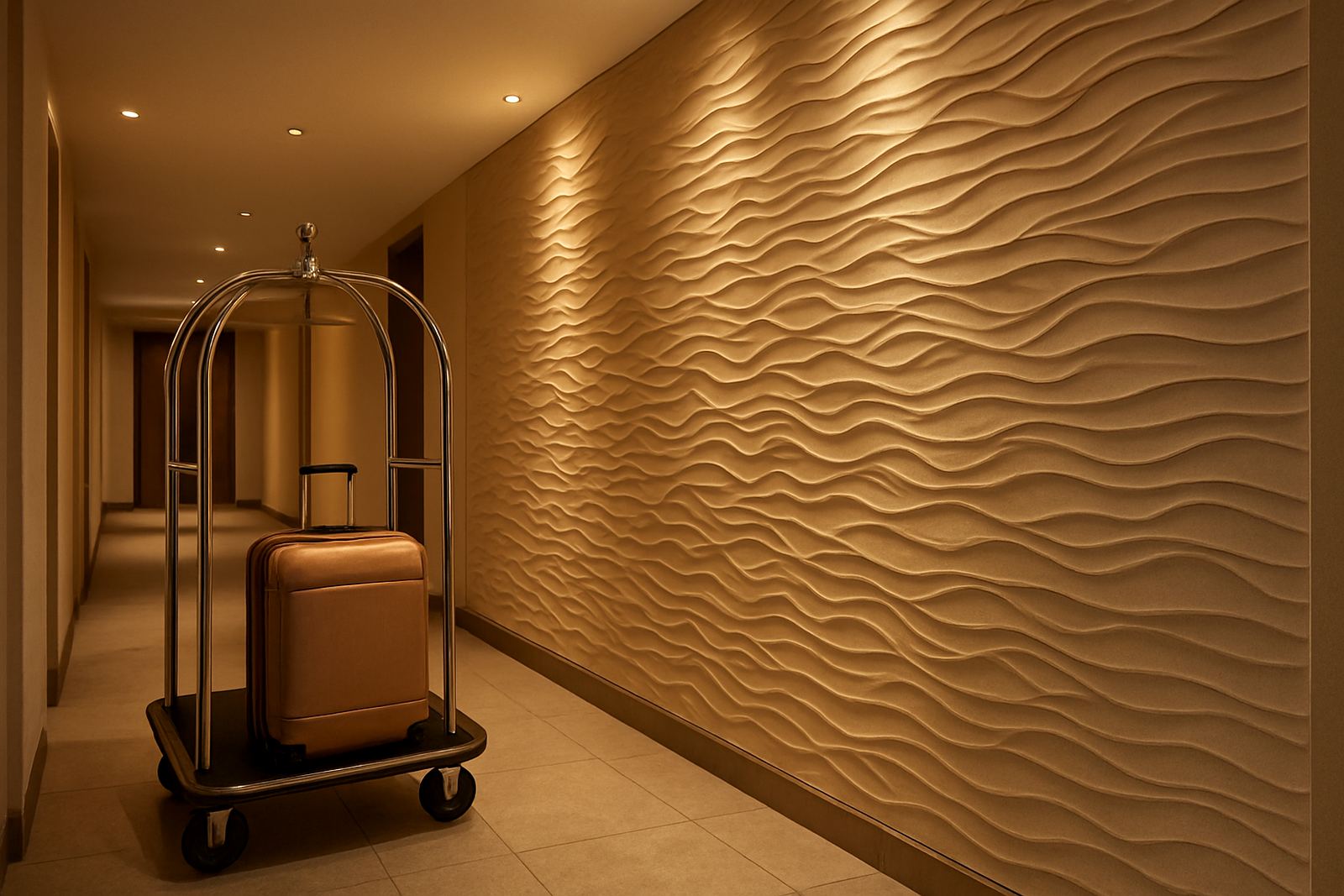
Hospitality walls fail in the same places again and again, around entrances, in passageways, behind reception counters and near dining chairs. Before choosing a finish, map the daily traffic pattern: luggage wheels, trolley routes, bar service, guest queues and cleaning access. A feature wall that looks lovely in a quiet boardroom can age badly in a busy guest environment if the surface cannot cope with constant handling.
In Cape Town and along the coast, salt in the air adds another layer of pressure. Materials need to deal with humidity, changing temperatures and regular wiping. In Stellenbosch, Paarl and Somerset West, you may also get more dust from open courtyards and garden edges. The best outcome starts with honest site conditions, not just style preferences.
Choose Materials That Can Be Cleaned Properly
For hospitality work, easy cleaning matters as much as appearance. A textured wall can hide small marks, but if the texture traps dust or grease it becomes a maintenance problem. Smooth or well-sealed 3D surfaces are often easier to keep presentable in dining spaces, lobby areas and guest corridors. If the wall sits near food service, check what cleaners will be used and whether the finish can handle routine wiping without dulling.
- Pick finishes that resist scuffing from chairs, bags and luggage.
- Use sealed or wipeable surfaces in high-contact zones.
- Avoid delicate edges where cleaning tools will catch.
- Ask how the material behaves in humid rooms and coastal air.
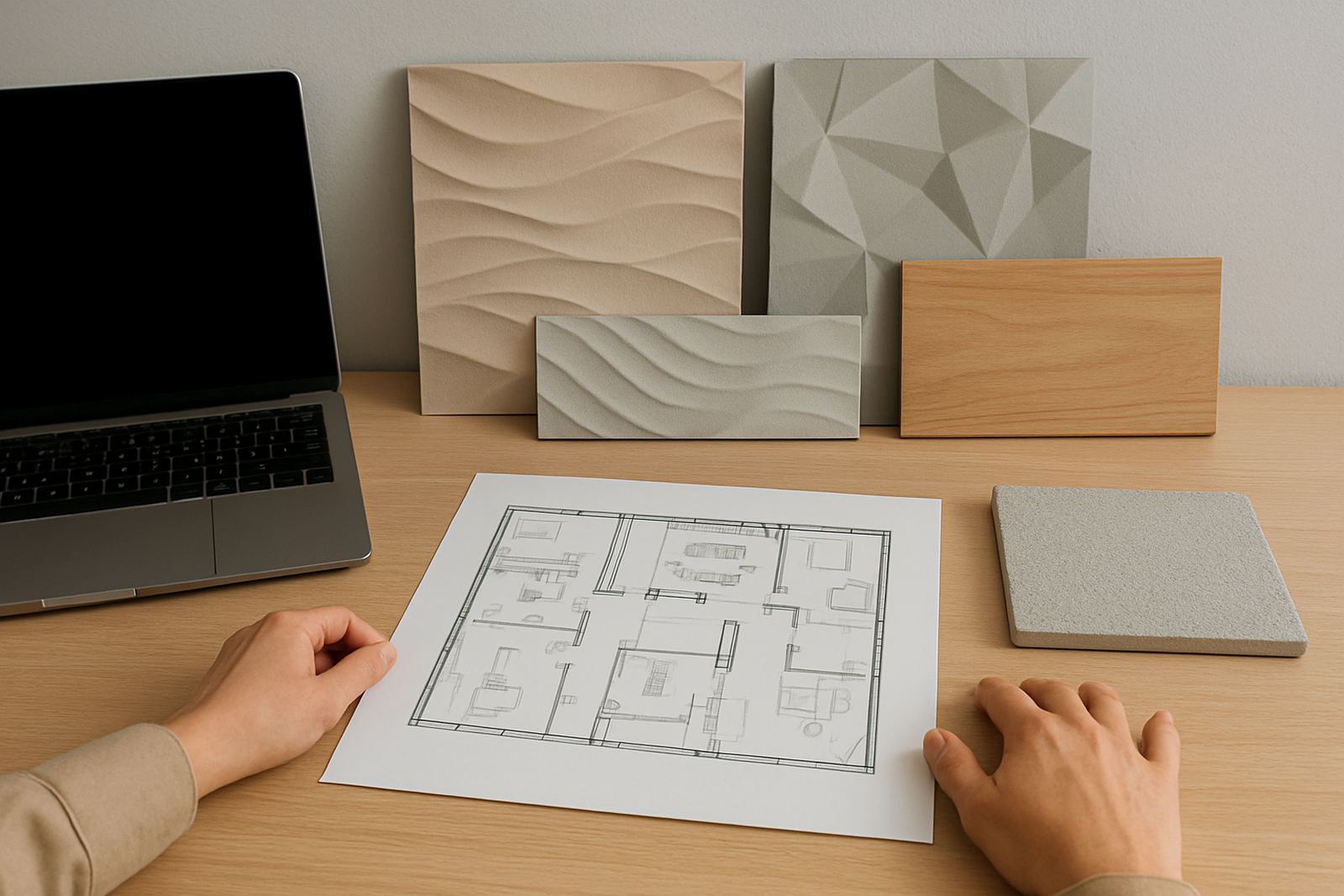
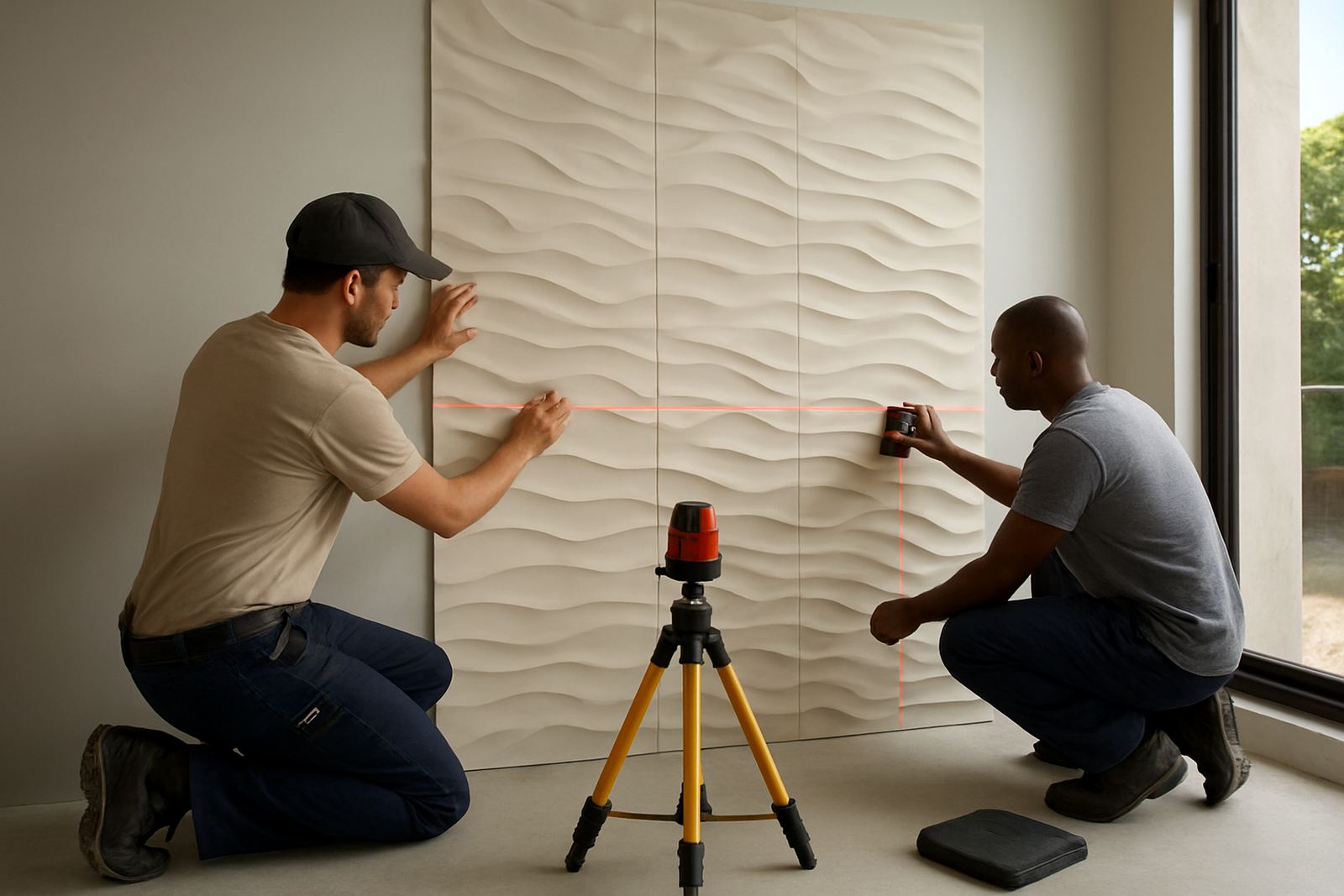
At WallArtDesign, a site measure-up helps match the product to the actual setting, not just the sample size. That is especially useful for guest houses and restaurants where one bad cleaning habit can shorten the life of a wall feature.
Build in Protection at Chair Height and Turning Points
One of the simplest ways to extend the life of a hospitality wall is to protect the lower section properly. The worst damage usually happens at chair-back height, corner returns and points where staff turn with trays or cleaning equipment. If a feature wall is planned for a dining area or passage, consider how far the finish should go down, and whether the base section needs extra protection.
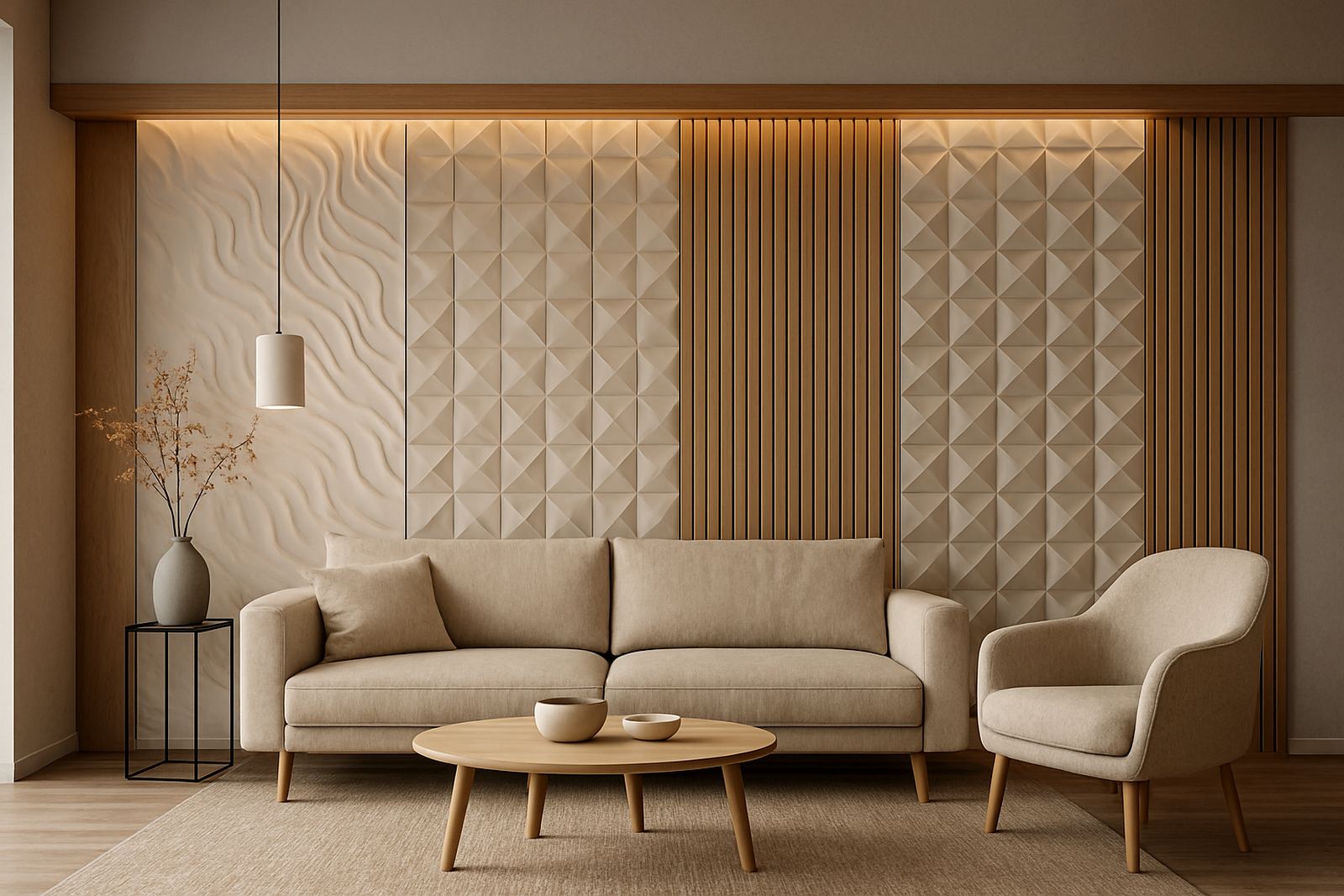
Feature walls in hotel receptions often look sharpest when the design is balanced with practical spacing. Leave enough room for suitcase movement, queuing and point-of-sale furniture. A wall that is too close to a high-traffic path will show impact marks quickly, no matter how strong the finish is. The layout should work for service first, then style follows.
Make Acoustic Performance Part of the Durability Brief
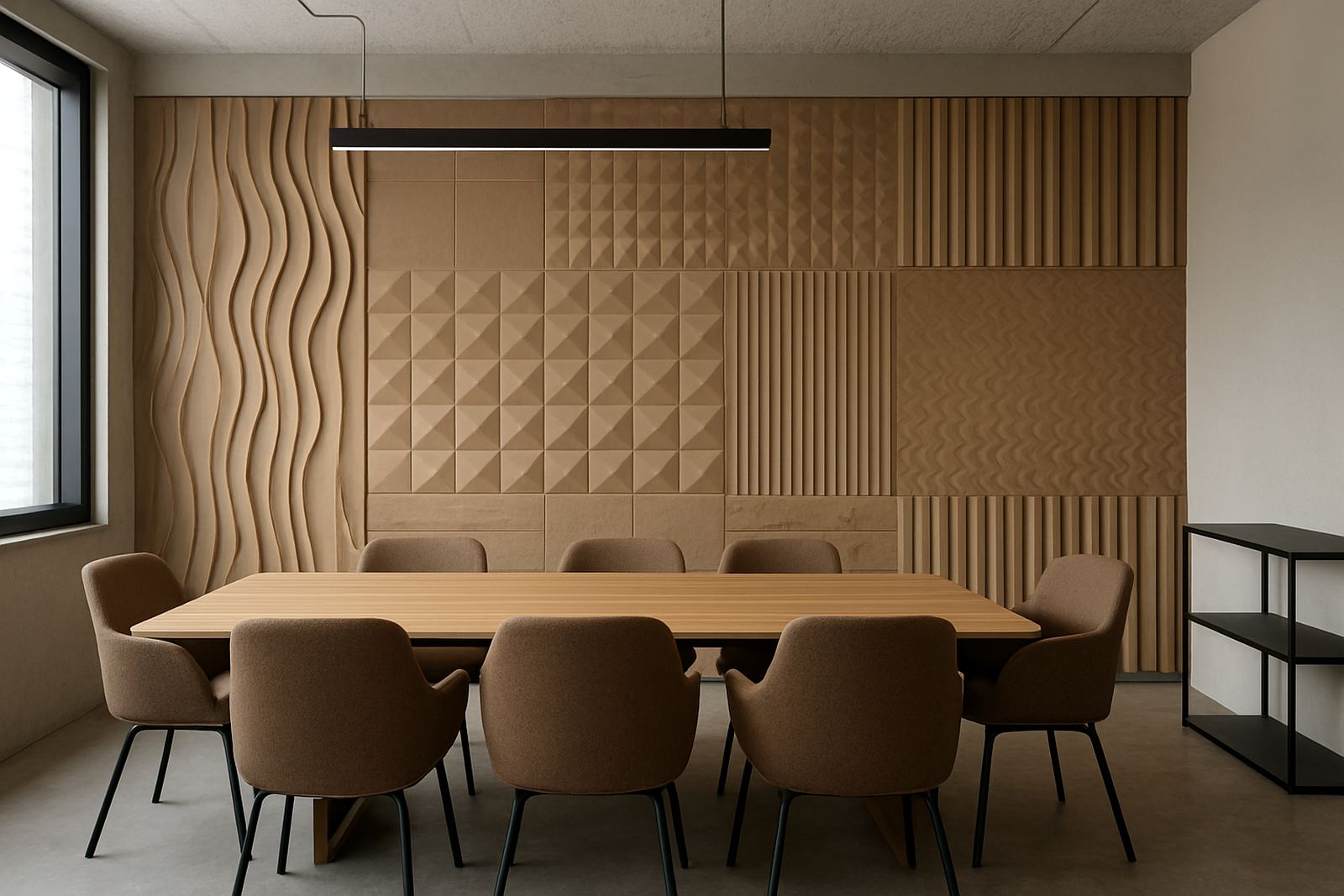
Noise is a durability issue too. In busy hospitality spaces, high sound levels encourage guests to speak louder and move furniture more often, which increases wear on walls and finishes. Acoustic wall panels can help calm the room while still giving a decorative surface. That is useful in restaurants, hotel lobbies, conference venues and boutique guest areas where comfort and presentation need to work together.
Acoustic panels should be fitted with the room use in mind. A breakfast area needs a finish that can handle early cleaning and constant chair movement, while a conference room may need a stronger emphasis on sound control. The right panel layout can soften echo without making the space feel heavy or closed in.
- Use acoustic panels in rooms with hard floors and glass surfaces.
- Place panels where sound bounces most, not just where the wall looks empty.
- Combine acoustic performance with a finish that is easy to maintain.
- Check that fixings and joins are neat enough for guest-facing areas.
Plan for Cleaning Teams, Not Just Opening Day
A hospitality finish should be chosen with the cleaning team in mind. If staff need to use ladders, strong chemicals or awkward equipment to reach the surface, the wall will not stay in good shape for long. Think through the weekly routine: dusting, mopping nearby floors, wipe-downs after service and deeper cleaning after events. The more practical the finish, the better it will age.
Good planning also helps with repairs. In a busy venue there is always the possibility of one damaged section from a trolley or luggage corner. It is better if the wall system allows a small section to be replaced or repaired without disturbing the whole feature. That reduces downtime and keeps the space looking tidy between seasons, which matters a lot for guest reviews.
A Western Cape Example: Coastal Guest Houses Need Extra Care
A small guest house in Sea Point or on the Atlantic Seaboard faces a very different wall challenge from a private home inland. Salt air, wet winter jackets, sandy footwear and frequent turnover all put pressure on finishes. We often see owners wanting a warm, stylish reception wall that photographs well, but also needs to survive daily cleaning and the odd suitcase scrape.
In one Western Cape hospitality project, the client wanted a statement wall for the check-in area and a calmer finish for the passage to the rooms. The solution was to combine a bold feature wall behind reception with a more restrained panel treatment in the corridor. That kept the visual impact where guests first arrive, while the harder-working areas stayed practical and easy to maintain. It is a simple approach, but it works because it follows how the space is actually used.
For venues across Montague Gardens, Cape Town, the Northern Suburbs and down through Somerset West, that practical planning makes a real difference. Hospitality spaces do not get the luxury of long rest periods, so the wall finish has to earn its keep from day one.
Set Up Maintenance Before the Season Gets Busy
Once the space is open, the easiest way to protect the finish is to set a simple maintenance routine. That means checking for loose sections, cleaning marks before they set in, and recording any damage early. For larger commercial rollouts, it helps to keep a small stock of matching panels or offcuts for quick repairs. That can save time when a venue is fully booked and every room or table needs to stay available.
WallArtDesign supports clients with aftercare, panel maintenance and repair work, which is especially useful for hotels, restaurants and event venues that cannot afford long disruptions. The aim is not just to install a good-looking wall, but to keep it looking that way through full seasons, busy weekends and the odd load-shedding complication that affects cleaning schedules and service timing.
If the finish is chosen well, installed properly and maintained with a clear plan, a hospitality wall can stay sharp for years. In guest spaces, that kind of staying power is worth more than a first impression.