
Why noise control matters in everyday South African spaces
Noise is one of the quickest ways to make a room feel tired. In open-plan homes, tiled living areas and busy offices, sound bounces off hard surfaces and turns simple conversation into background strain. In Cape Town, that often shows up in apartments near traffic, homes close to schools, and offices where printers, calls and meetings all happen in one area. Acoustic panels help by absorbing part of that sound instead of letting it keep bouncing around the room.
The benefit is not only about silence. A well planned acoustic wall reduces echo so people can speak at a normal level and still be heard clearly. That matters in family rooms, meeting spaces, boardrooms and client-facing areas where first impressions count. If you work from home and share space with children, pets or delivery noise, the difference can be immediate.
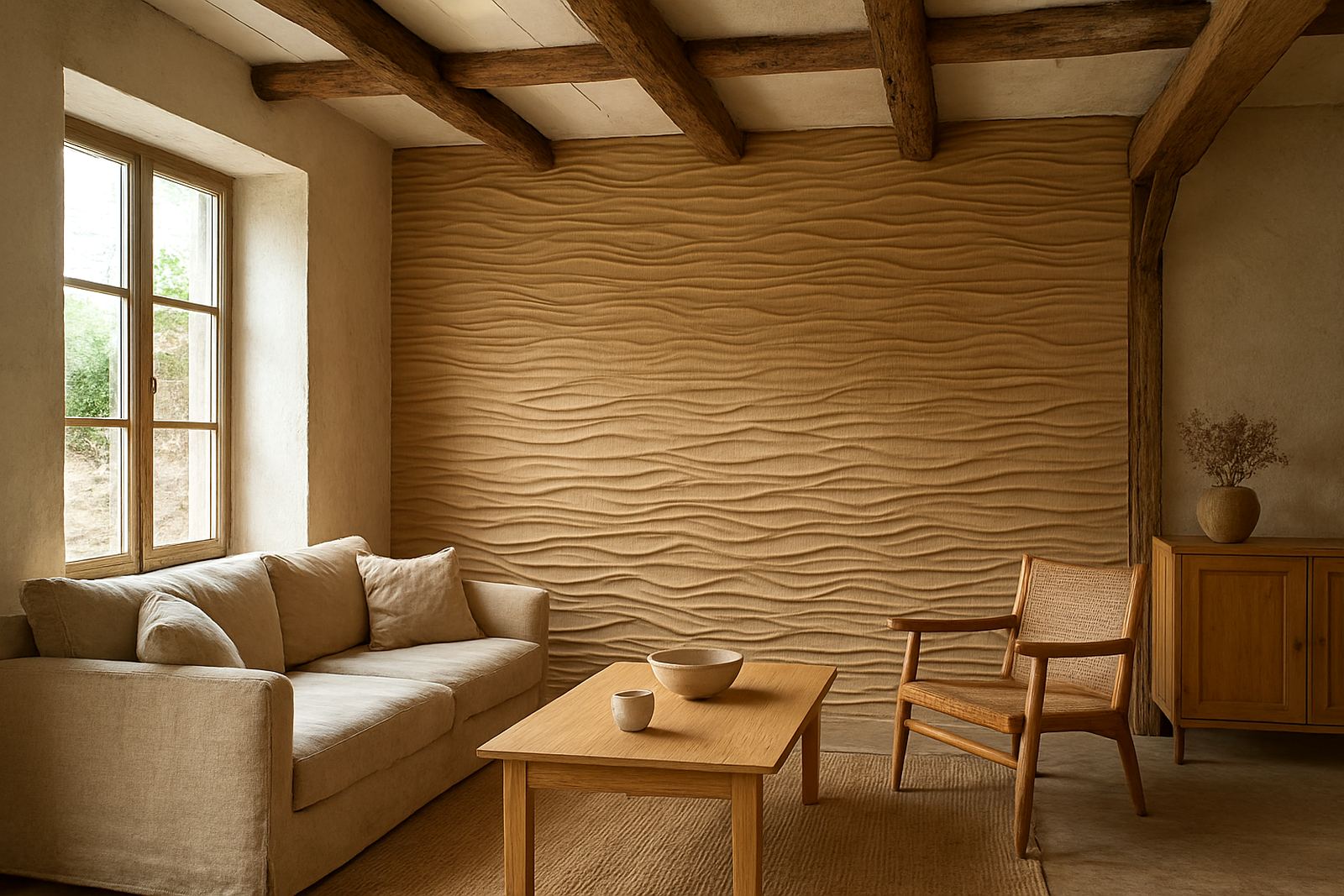
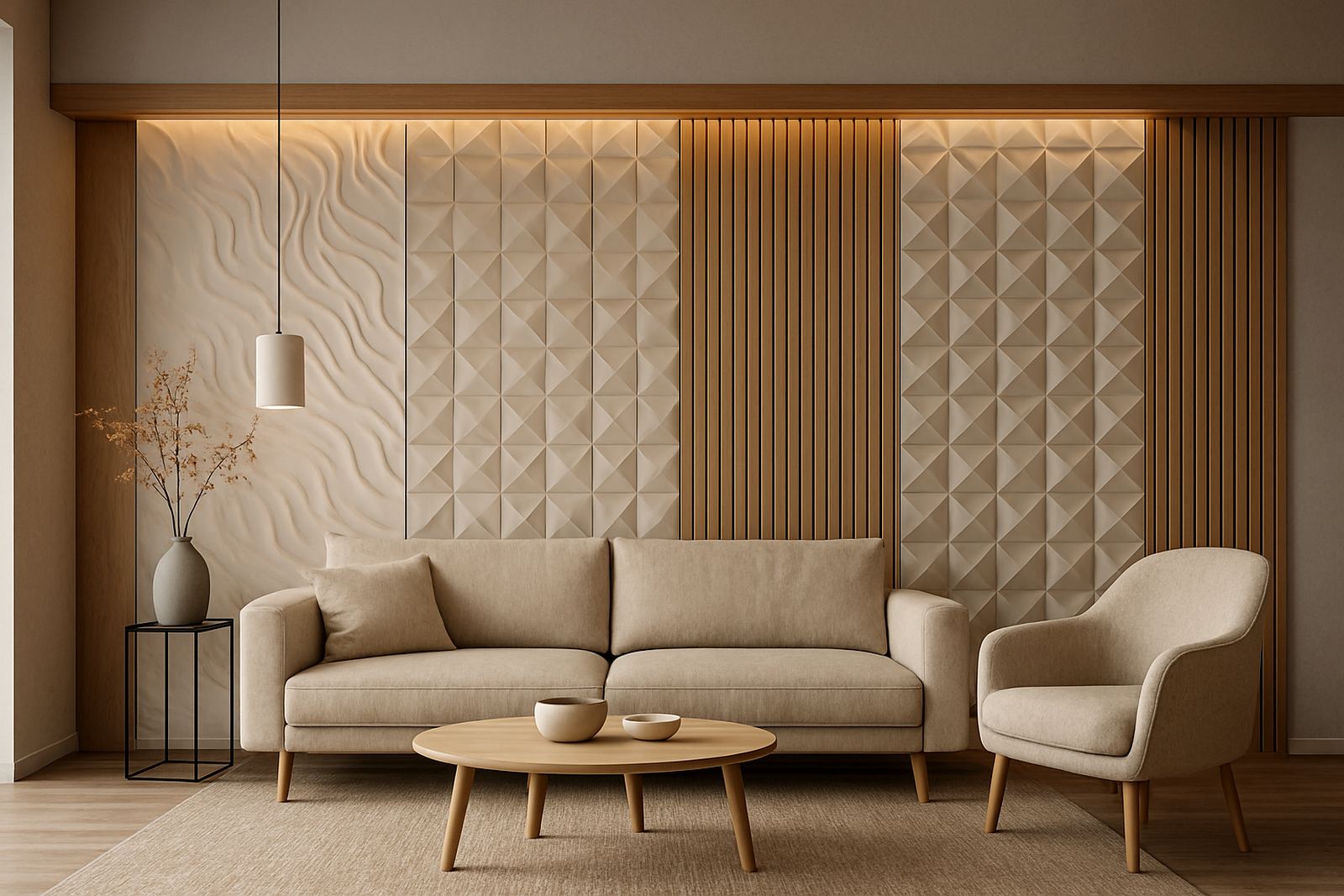
For many clients the big surprise is that acoustic treatment does not have to look technical or cold. Decorative panels can be used as a feature wall, behind a TV unit, in a reception area or along a passage wall where the sound problem starts. When the layout is thought through properly, the room feels calmer without losing its style.
What decorative acoustic panels actually do
Acoustic panels are designed to absorb sound energy and reduce reverberation. In simple terms, they stop noise from echoing around a room for too long. That can improve speech clarity, reduce harsh reflections from glass and tiles, and make music or background audio sound more balanced. For busy households, it can also take the edge off daily noise from footsteps, appliances and television sound.
Not every panel performs the same way, so the material, thickness and spacing all matter. A panel fitted flush against a wall will do one job, while a panel with a small air gap or a patterned layout may improve absorption in a different way. The right solution depends on the room size, ceiling height and how the space is used. A small study has different needs from a large restaurant or a double-volume reception area.
Here is what acoustic panels can help with in practical terms:
- Reduce echo in rooms with hard floors, glass or bare plaster
- Improve speech clarity in meetings, home offices and classrooms
- Take pressure off the ears in busy family or commercial spaces
- Add a visual feature while serving a functional purpose
- Help create a calmer feel in open-plan interiors
Where panels make the biggest difference
Some rooms need acoustic treatment more than others. Open-plan lounges and kitchens are common problem areas because sound has no natural barrier. In commercial settings, reception areas, call spaces and training rooms often need better control so people can hear properly without raising their voices. Restaurants, salons and medical waiting areas also benefit because a softer sound level makes the whole space feel more controlled.
In the Western Cape, we often see the effects of coastal living too. Homes near busy roads or in apartment blocks can pick up more outside noise than people expect. In Stellenbosch, Paarl and Somerset West, many properties have stylish hard finishes that look great but can create a sharp sound bounce. A carefully placed panel installation can solve that without changing the whole room.
Typical rooms that benefit include:
- Living rooms with tiled or laminated floors
- Home theatres and TV walls
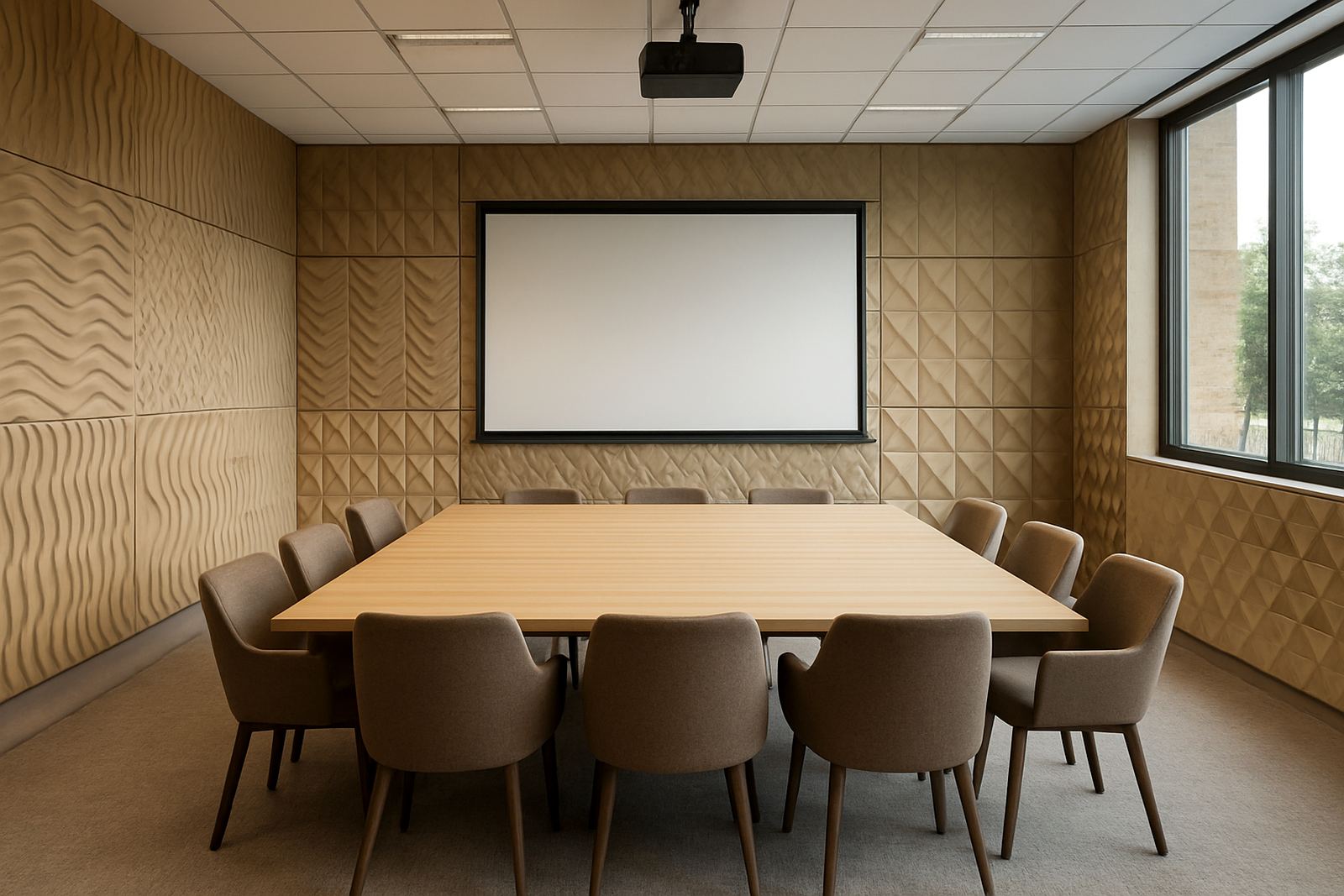
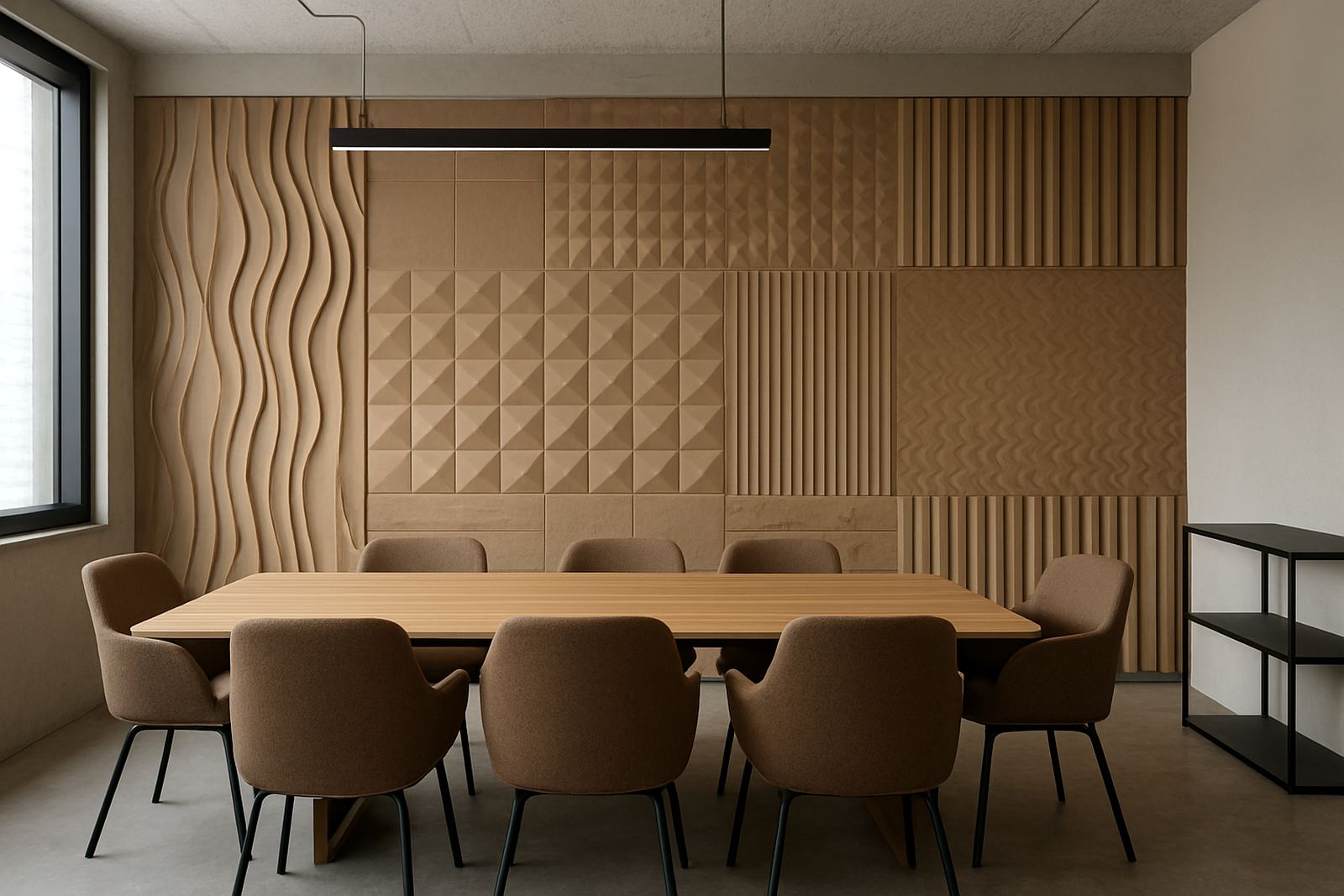
- Boardrooms and meeting rooms
- Bedrooms above busy streets or shared areas
- Retail counters and client waiting areas
How to choose the right finish for your interior
The best acoustic panel is the one that suits the room and the way it is used. If the wall is highly visible, the finish should work with the furniture, flooring and light levels. If the panel is being fitted in a commercial area, it may need to match corporate colours or a more neutral palette. If the room gets strong sun or sits near the coast, material choice should take humidity and long term wear into account.
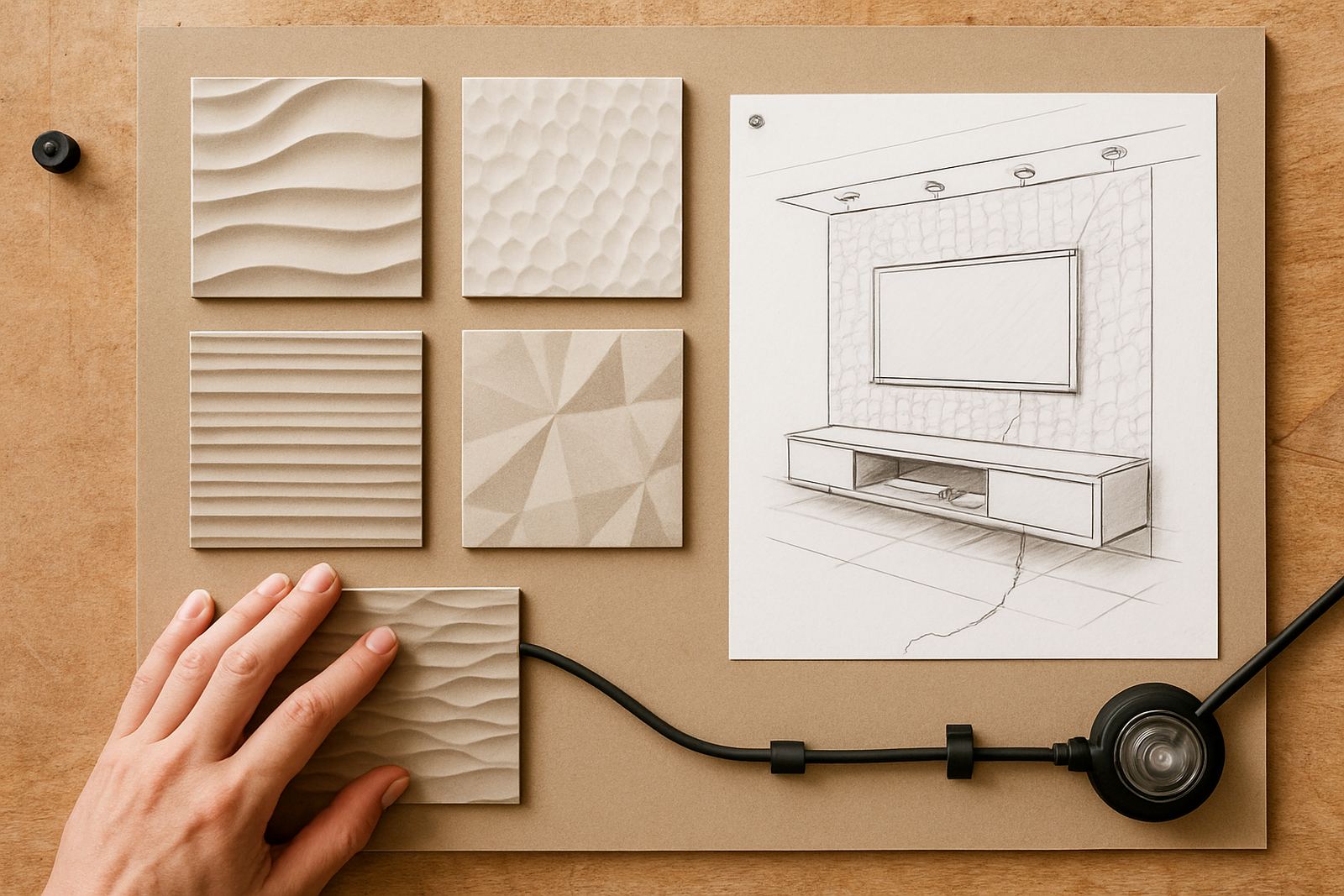
During a site measure-up, it helps to look at wall size, doorway positions, power points and where sound is most noticeable. This keeps the layout practical and avoids cutting across important features. In some cases a full wall treatment makes sense. In others, a smaller feature section gives enough acoustic benefit while keeping the budget under control. Sample matching is useful here because it lets you see how the panel will look in natural light and not just under shop lighting.
Good choices usually come down to three things:
- Acoustic performance for the room size and purpose
- Finish that suits the interior style and colour palette
- Durability for daily use, cleaning and moisture exposure
What good installation changes on site
Even the best panel can underperform if it is installed poorly. Surface preparation, accurate layout and correct fixing all affect the final result. A wall with uneven plaster, loose paint or damp spots needs to be sorted before installation starts. That is especially important in older buildings and in areas near the coast where moisture can affect finishes over time. In commercial spaces, the fixing method also has to suit traffic, safety rules and any after-hours install window.
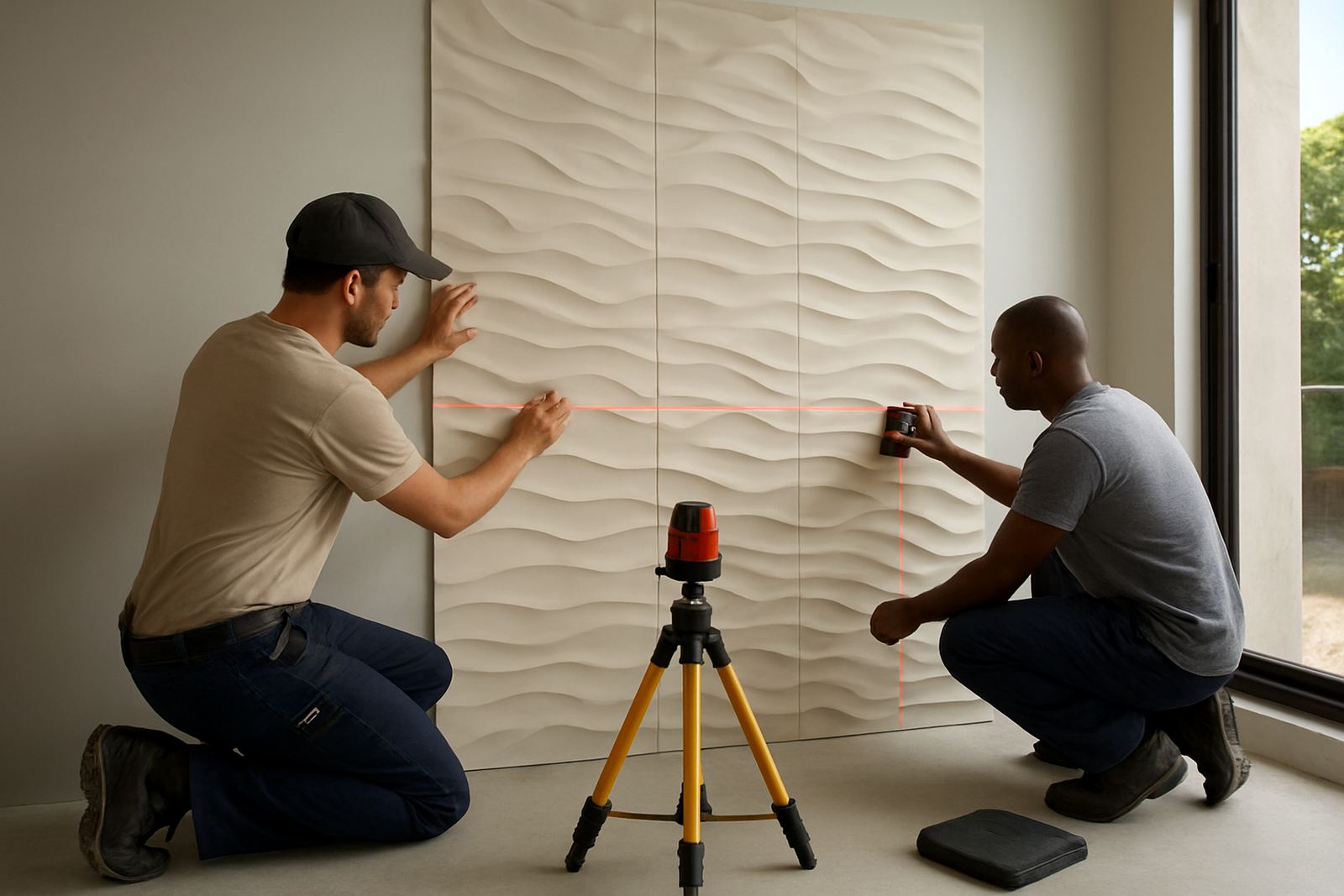
A proper installation should feel planned, tidy and consistent. Lines should be straight, joins should be neat, and the finished wall should sit cleanly around sockets, trims and edges. For larger rollouts, the work also needs to be staged so offices, retail floors or hospitality areas can stay operational where possible. That sort of planning matters in busy parts of Cape Town like Montague Gardens, the Atlantic Seaboard and the Southern Suburbs where access and timing can be tight.
Common installation details include:
- Wall repairs and preparation before fixing
- Layout planning for symmetry and clean lines
- Care around plug points, skirtings and trim edges
- Reduced disruption during commercial fit-outs
- Aftercare advice so the panels stay in good condition
A practical Cape Town example
A small office in Montague Gardens can run into noise trouble very quickly. You might have a boardroom, admin area and client meeting space all within the same floorplate. Add tiled flooring, glass partitions and a busy street outside, and every phone call seems louder than it should be. In that kind of space, decorative acoustic panels can be fitted behind a meeting table, along a reception wall or above a seating area to cut the echo and make conversations easier.
The same idea works in a home in the Northern Suburbs or Southern Suburbs. A family room that doubles as a TV area and homework space may need better sound control so people can watch, study and talk without the room feeling harsh. With the right finish, the panel becomes part of the room rather than something to hide. That is the real value: comfort you can hear, and a wall that still looks considered.
For homeowners and businesses alike, the goal is simple. Make the room easier to use without adding clutter. Decorative acoustic panels do that well when they are measured properly, matched carefully and installed by a team that understands both the look and the function.
When to ask for advice before you buy
If you are not sure how much treatment a room needs, it is better to ask first. A quick photo and a site measure-up can save time and prevent buying the wrong panel count or the wrong finish. This is especially useful for architects, interior designers and property owners working on offices, retail spaces, schools or hospitality venues where the acoustic outcome matters as much as the appearance.
A good starting point is to think about three questions: where is the noise coming from, who uses the room, and what finish will still suit the space in two years time? If the answer is not obvious, the layout probably needs a proper plan. That is where sample matching, design consultation and aftercare support all help keep the project practical from start to finish.
Used well, acoustic panels are not just decorative. They make rooms easier to work in, easier to rest in, and easier to enjoy every day.