
Why the TV wall should do more than hold a screen
In Cape Town homes and offices, the TV wall often becomes the main visual anchor in the room. That means it has to carry a lot of weight: the screen itself, set top boxes, sound units, power points, and the clutter that comes with daily use. A good finish keeps all of that under control while still looking clean from across the room.
The best choice depends on the space. In a small Southern Suburbs lounge, a lighter finish may stop the wall from feeling heavy. In a larger Paarl family room or a commercial reception area in Montague Gardens, a stronger texture can help the wall feel intentional and balanced. The finish should also work with the way light moves through the room, especially in west facing spaces where glare can be a nuisance in the afternoon.
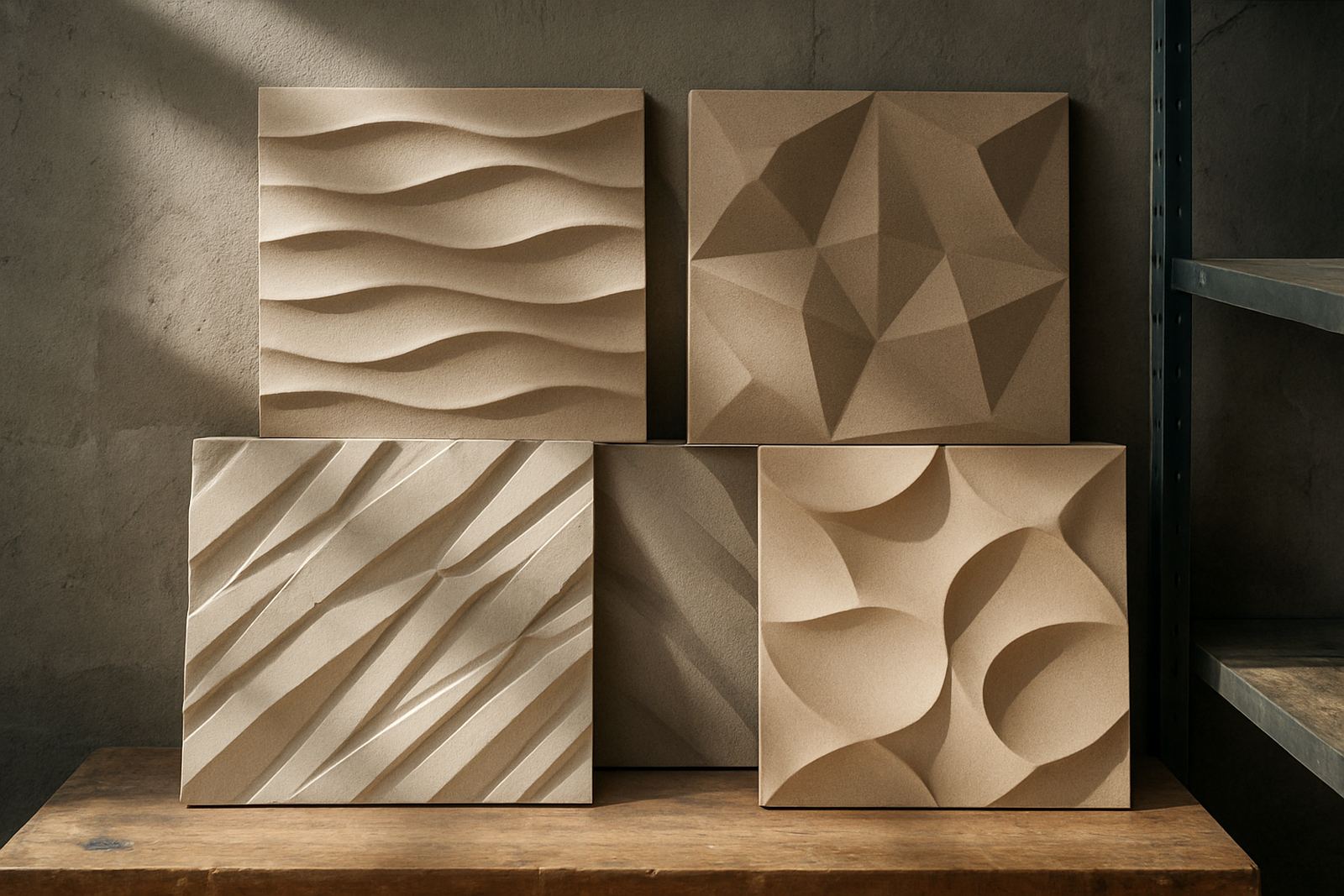
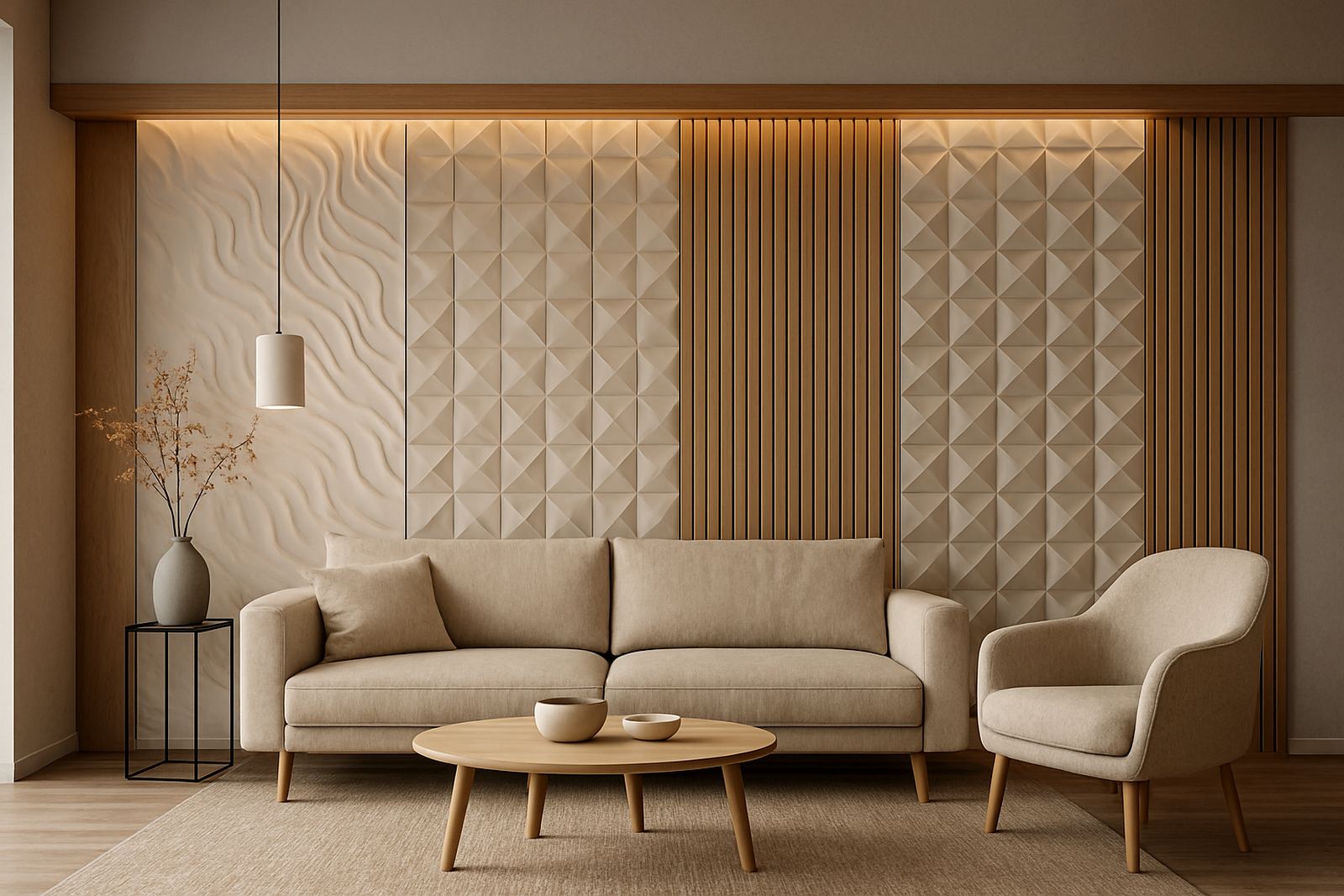
3D wall panels that add depth without crowding the room
3D wall panels are a strong option when you want the TV wall to feel more considered than a painted surface, but not overly busy. They create shadow lines and depth, which helps the screen sit neatly in the space. On a plain wall, that detail can make the whole room feel more finished without needing a long list of extra elements.
For coastal properties from Blouberg to the Atlantic Seaboard, the finish and substrate matter just as much as the pattern. Salt air and humidity can affect some materials over time, so the panel choice needs to suit the site. For inland homes in Stellenbosch or Somerset West, you may be more concerned with keeping the surface easy to dust and simple to maintain.
- Works well behind wall mounted televisions
- Helps hide minor surface unevenness
- Can soften the look of a hard, plain room
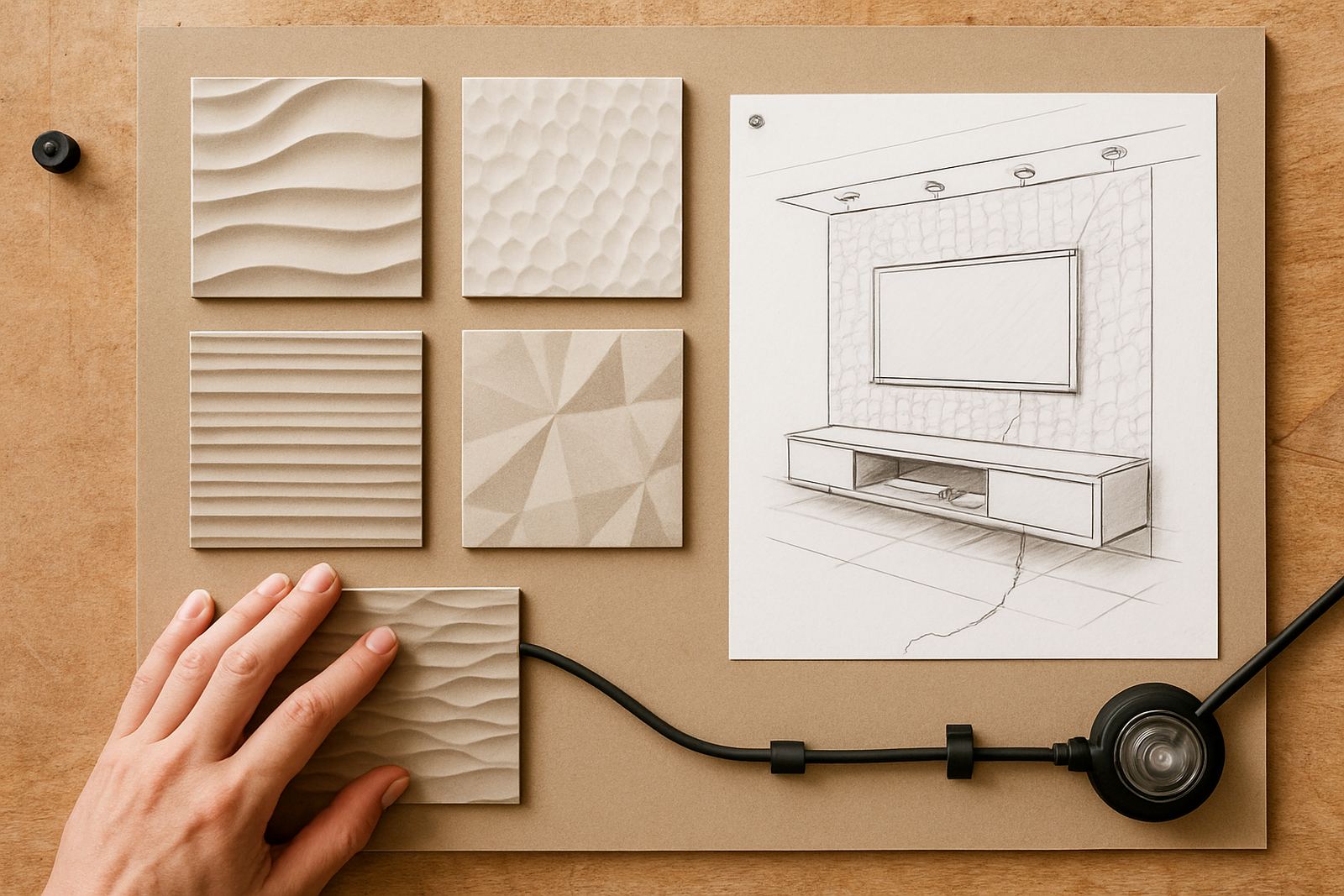
- Best paired with concealed cable routing
Feature wall cladding for a cleaner, more built-in look
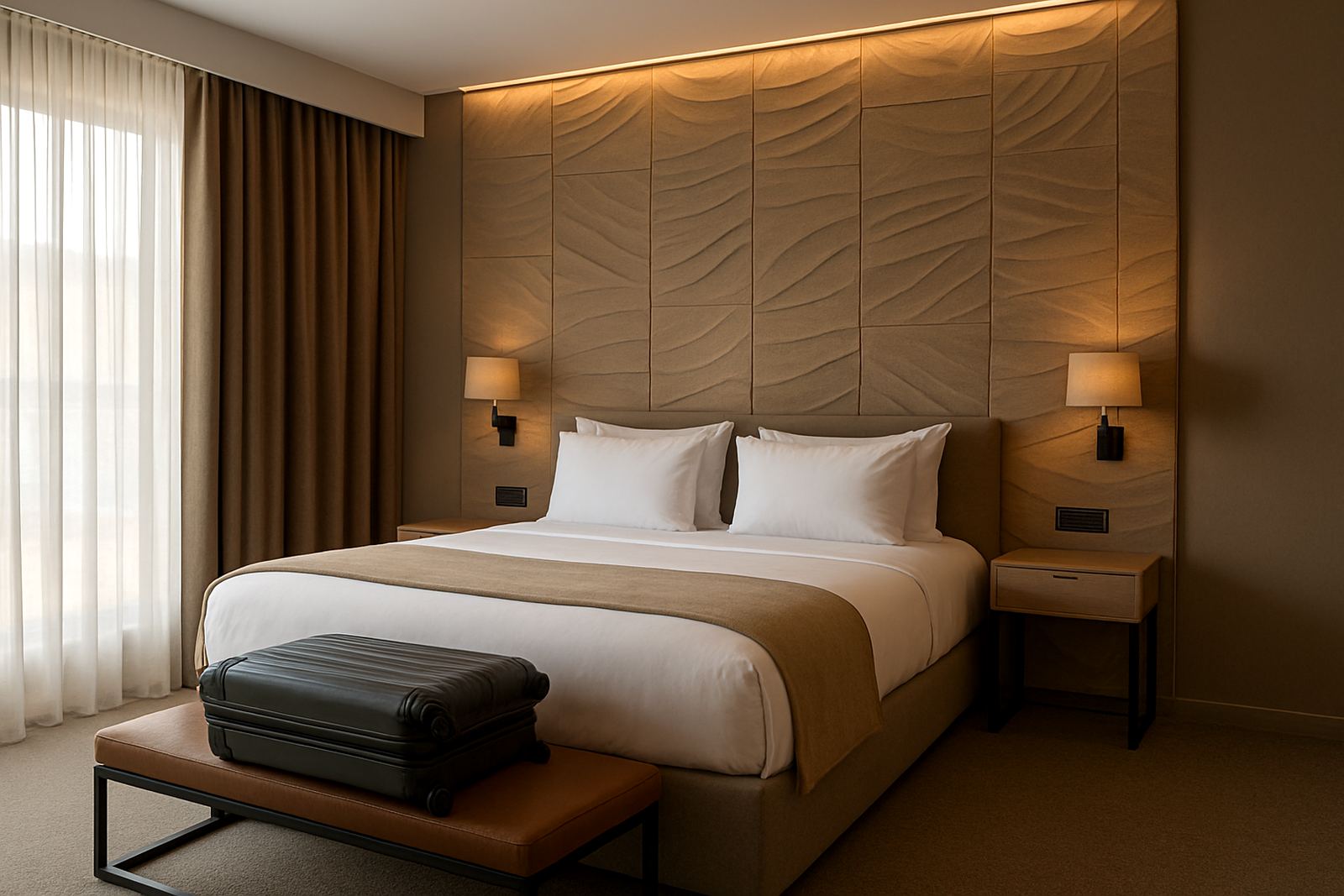
Feature wall cladding is a practical way to make the TV area feel part of the room rather than an afterthought. It is especially useful where the wall also needs to frame shelving, cabinetry or a floating unit. The right cladding can pull all the pieces together so the television does not look like it was added later.
In commercial settings, this matters even more. A boardroom in Cape Town CBD or a client lounge in Montague Gardens needs a finish that looks tidy from every angle and holds up to regular use. Cladding also helps cover small scuffs and patchwork from previous fittings, which is useful in older properties where wall surfaces are not always perfect.
- Useful when you want a built-in, architectural feel
- Can be installed around niches and display shelves
- Helps disguise previous holes or repaired sections
- Suitable for homes, offices and retail interiors
Acoustic panels where sound matters as much as style
If the TV wall sits in an open plan room, sound can bounce around more than people expect. Acoustic panels help reduce that echo, which makes dialogue easier to hear at lower volume. That can be a real benefit in open living areas, home cinemas and meeting rooms where sound clarity matters more than looks alone.
They are also a sensible choice in homes where family members use the space at different times of day. In a busy household, you may want to watch a match while someone else is working nearby. Acoustic treatment does not make a room silent, but it can take the edge off hard reflections and improve comfort. If the room also gets load-shedding interruptions, it is worth planning the wall layout so backup lighting, chargers and inverter equipment can sit neatly out of sight.
- Better speech clarity for TV and presentations
- Helps in open plan rooms with hard floors
- Can be combined with decorative finishes
- Useful for both homes and commercial rooms
A practical layout for cable hiding and equipment access
A neat TV wall is not just about the surface finish. The layout behind it has to make sense. Cables need to run cleanly, power points must be placed correctly, and any media equipment should still be accessible when needed. If the panel or cladding goes up before this is planned, you can end up with extra holes or awkward exposed leads.
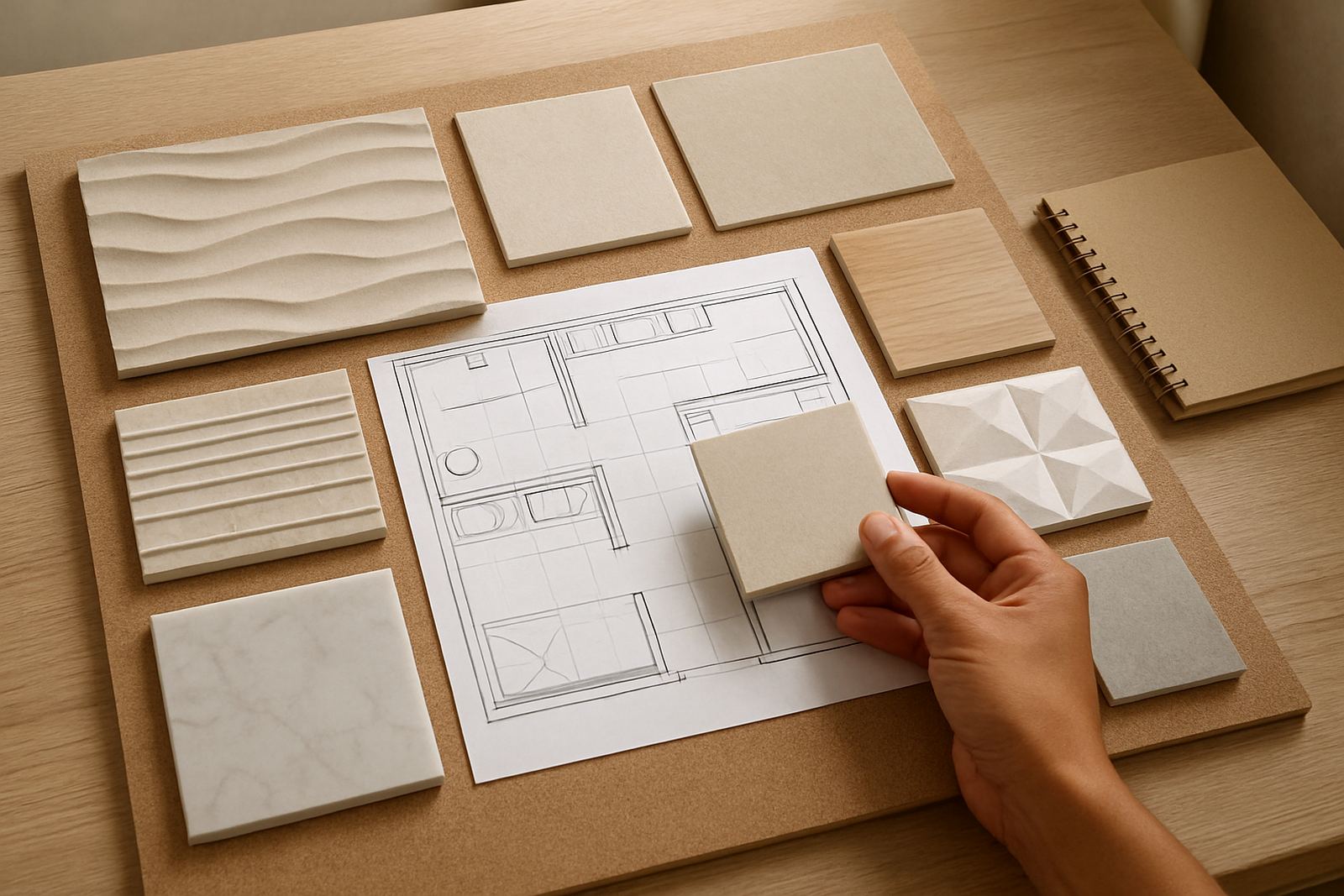
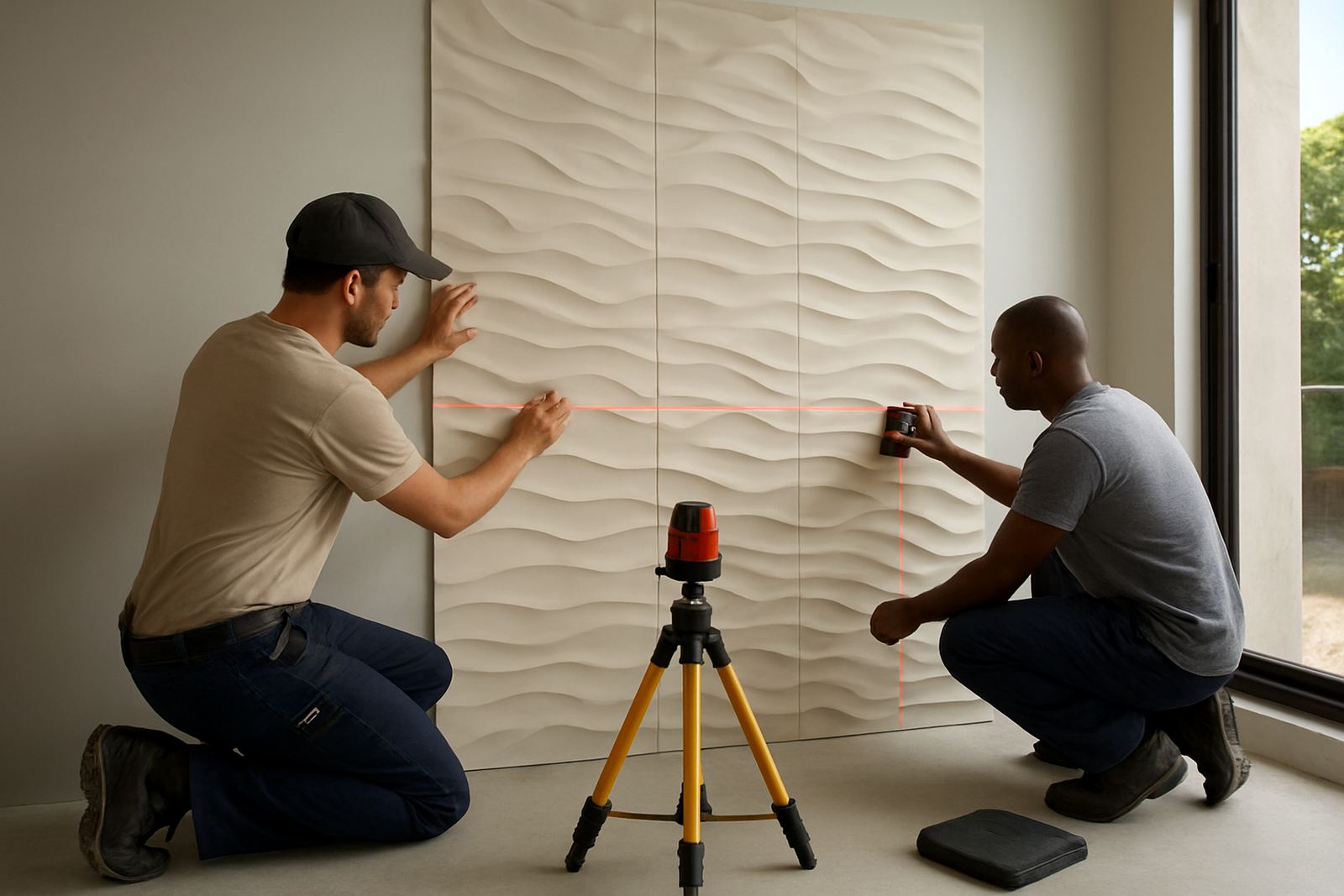
For a proper result, site measure-ups and design consultation should happen before installation starts. That way the TV height, bracket position, speaker placement and cable routes all work together. In many homes, the best setup includes a small service gap behind the finish, so the wall stays tidy but the equipment is not trapped behind a fixed layer that is hard to reach later on.
- Plan for TV bracket position first
- Allow space for power and signal cables
- Keep access open for routers, decoders and remotes
- Match the finish to nearby cabinetry or shelving
Choosing a finish for Cape Town conditions and local use
Cape Town conditions can be demanding. Coastal humidity, sunlight and day to day wear all affect how a TV wall finish performs. A matte surface may suit a bright room better than a reflective one, while a textured panel can hide fingerprints better in a family area. In commercial spaces, the priority may be durability and easy cleaning, especially where staff or visitors pass through often.
A local example: a homeowner in Somerset West might want a calm, low maintenance TV wall for an open plan lounge that gets strong afternoon light. The same brief in a company reception in Montague Gardens may call for a firmer, more polished finish that supports a brand impression without looking fussy. The right answer is not the same for every room, so sample matching is worth doing before anything is fixed in place.
Getting the finish right from measure-up to aftercare
The strongest TV wall finishes are the ones fitted with care. Accurate measurement, proper wall preparation and a sensible installation sequence all matter. If the base wall is uneven, or if there are old repairs under the surface, those issues should be sorted before cladding or panels go on. That saves time later and reduces the chance of movement or visible gaps.
After installation, a little maintenance goes a long way. Most finishes only need regular dusting and a gentle clean, but it helps to know what to avoid so the surface keeps its appearance. For larger commercial rollouts or multiple rooms across a home, it is useful to have the same finish repeated with slight adjustments for each space, rather than forcing one layout to fit every wall.
- Book a measure-up before choosing final sizes
- Prepare the wall properly for a lasting result
- Use sample matching to compare colour and texture
- Ask about repairs and aftercare if the wall changes later
For homeowners and designers across the Western Cape, the best TV wall finish is the one that suits the room, the lifestyle and the equipment behind it. When those details are handled well, the wall does more than look neat, it supports the whole space.