
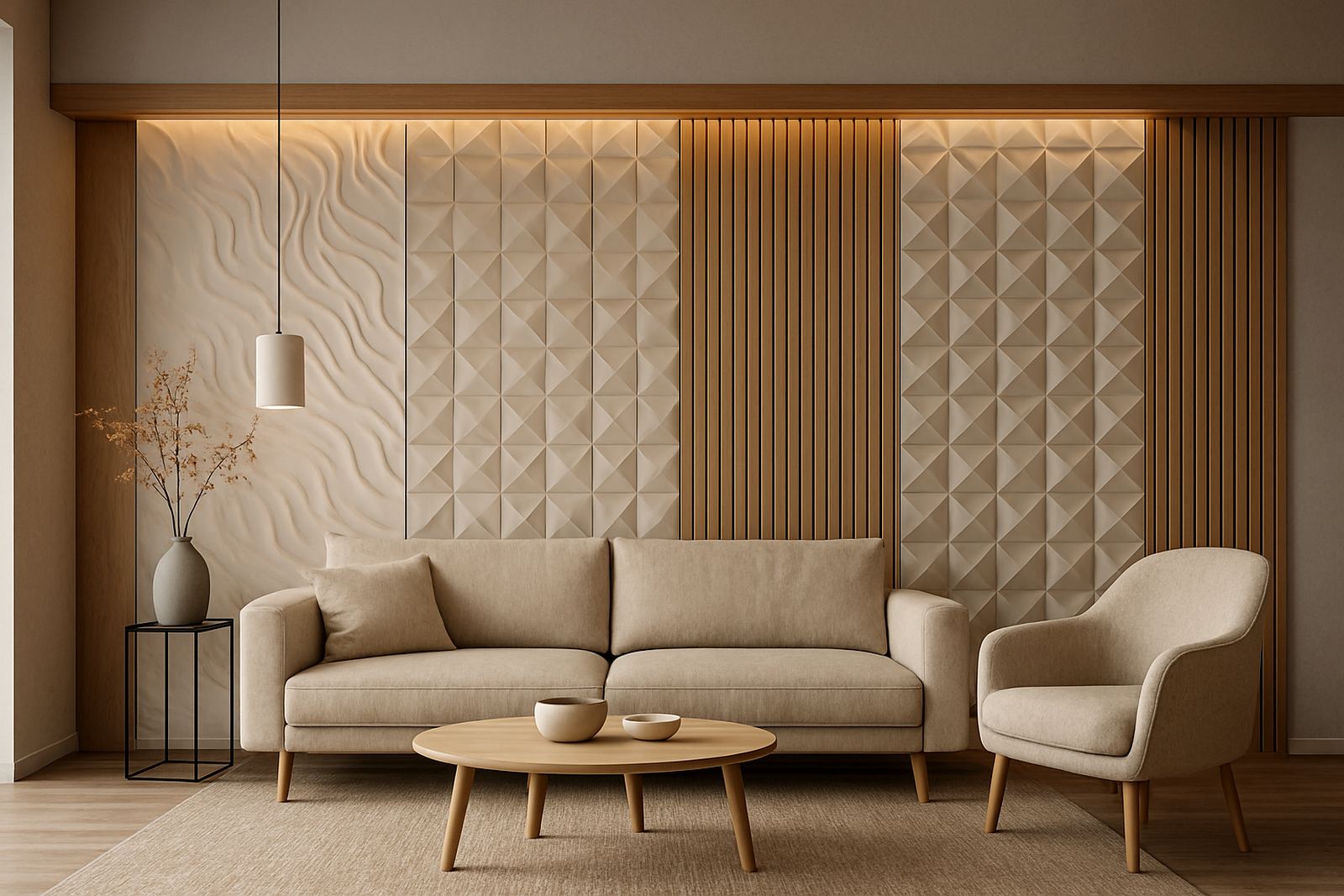
Start with what the wall must do
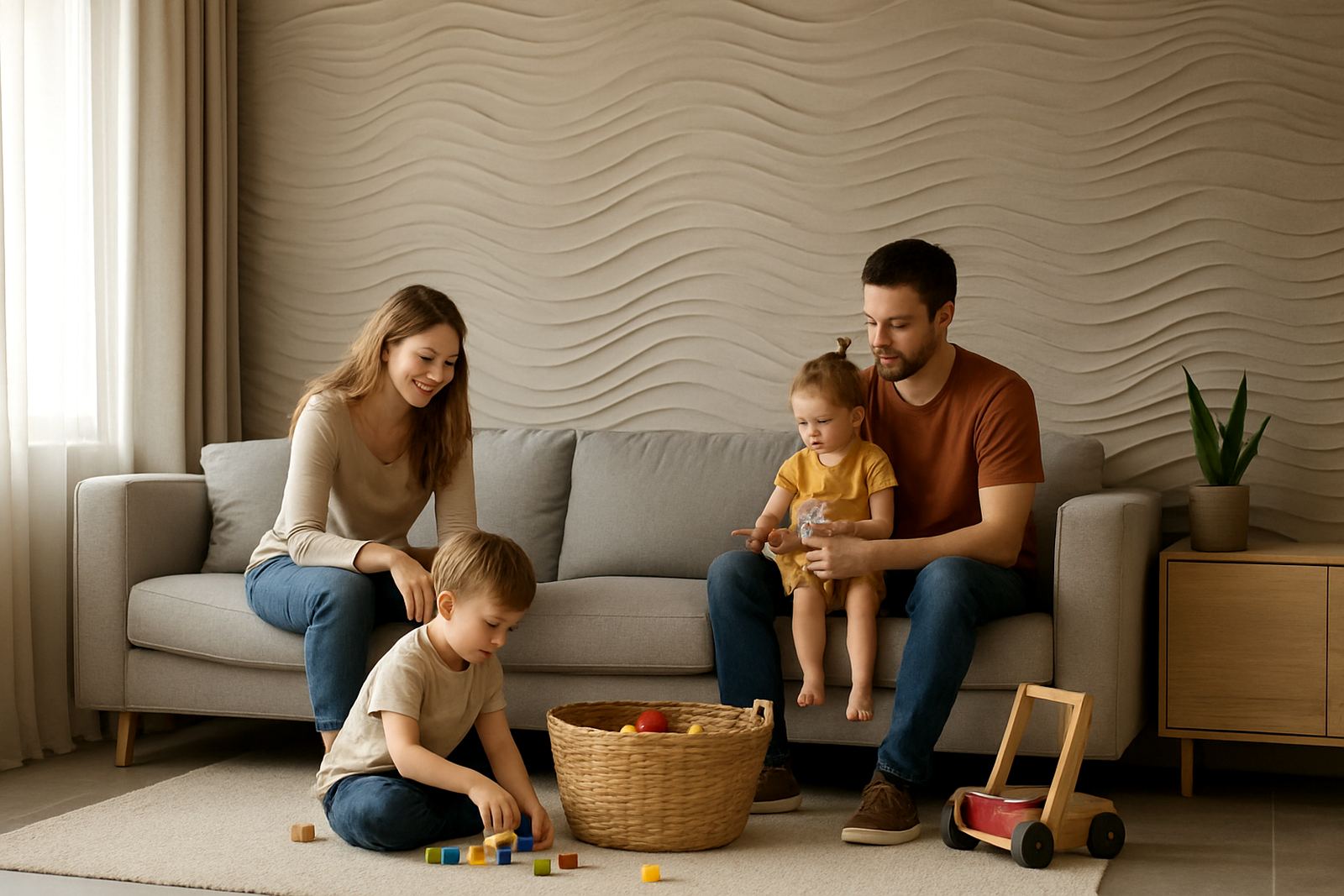
Before you pick a pattern, decide what the wall needs to achieve. A feature wall in a family room may need warmth and visual interest, while a boardroom or salon might need cleaner lines and better sound control. In a coastal home in Blouberg or Milnerton, a texture that hides small marks and stands up well to humidity can save a lot of maintenance later.
Think about the wall as part of the room plan, not just a surface to decorate. In a compact apartment, heavy relief can make a space feel busier. In a large open-plan area, a flatter texture may disappear. The best choice balances style, light, scale and day to day use.
- Use stronger pattern where the wall is viewed from a distance
- Choose softer relief for smaller rooms and tight passages
- Match the texture to how often the wall will be cleaned
- Consider moisture, sun exposure and coastal air
How light changes the pattern
Light is what gives 3D panels their effect. A pattern that looks calm in a showroom can become much bolder once morning sun hits it from an angle. In Cape Town, north facing rooms can throw strong shadow lines across the wall, especially in summer. That can be a plus if you want drama, but it can also make a room feel more active than expected.
For south facing spaces with softer natural light, deeper textures help the wall hold its shape through the day. Artificial lighting matters too. Downlights from above will sharpen shadows, while wall washers can bring out the full pattern in a more even way. If the room has loadshedding backup lighting, check how the texture looks under those lower light conditions as well.
- Shallow patterns suit bright rooms with strong sun
- Deep relief works well in softer or shaded spaces
- Test the wall under natural and evening lighting
- Use light placement to control the mood of the room
Matching texture to room size and ceiling height
Scale matters more than many people realise. A fine geometric pattern can feel elegant in a small study, but may look too busy on a long lounge wall. Large flowing forms can give height and movement, yet in a low ceiling flat they can overpower the room. The trick is to make the wall suit the space instead of forcing the space to suit the wall.
As a rule of thumb, bigger rooms can carry bolder relief and stronger repeats. Smaller rooms usually work better with tighter patterns or a single statement panel section. If you are working in a passage, stairwell or reception area, keep sight lines in mind. People notice texture differently when they walk past it than when they stand still.
- Large rooms can take wider repeats and deeper shadows
- Small rooms often suit calmer textures with less repetition
- Vertical lines can add height
- Horizontal movement can make a wall feel longer
Choosing the right mood for the room
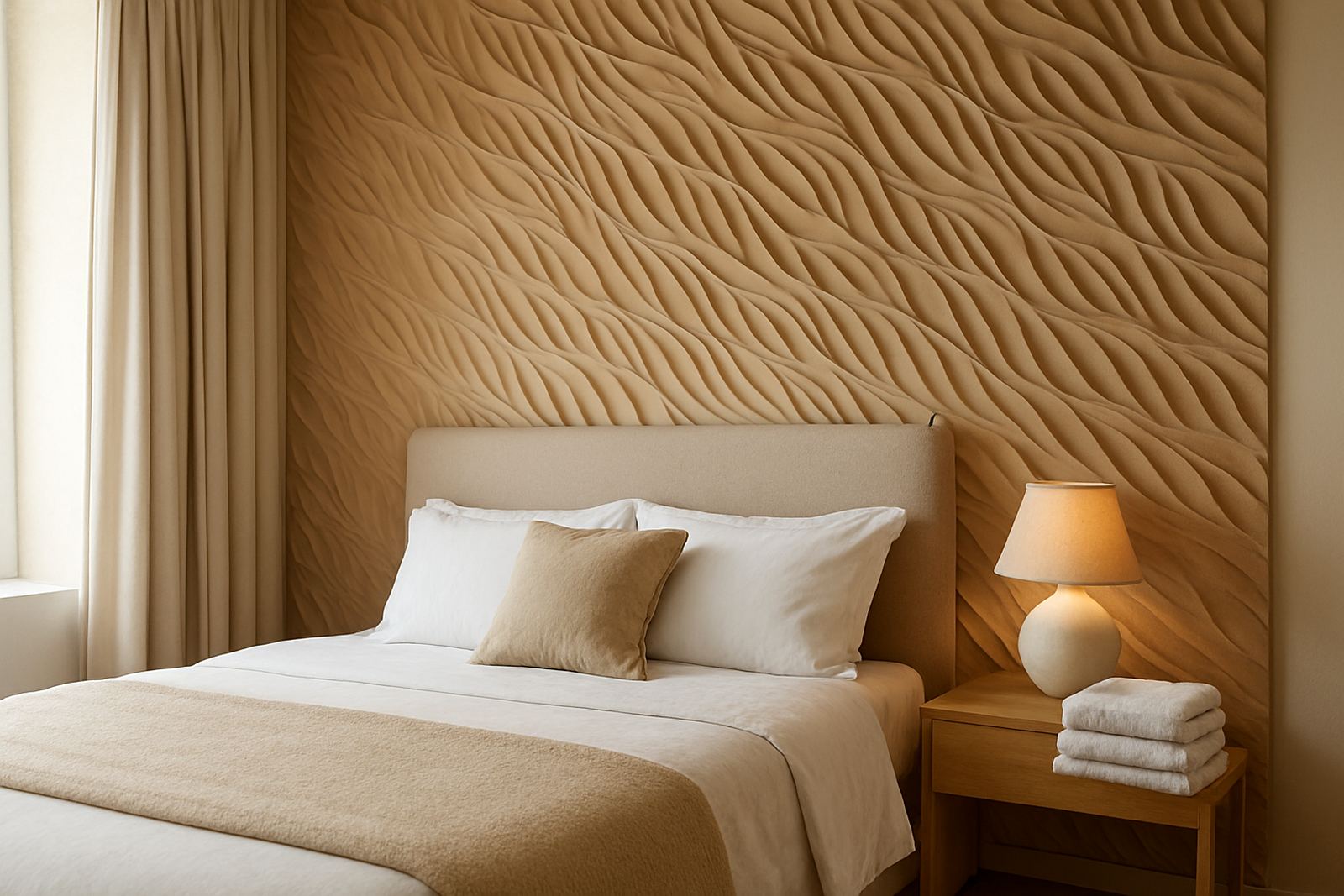
Different patterns create different feelings. Soft curves feel relaxed and welcoming, which works well in lounges, bedrooms and hospitality spaces. Crisp angular designs can feel more formal and precise, which suits offices, retail counters and meeting rooms. A textured wall behind a sofa may need to feel warm, while a restaurant wall may need more energy and movement.
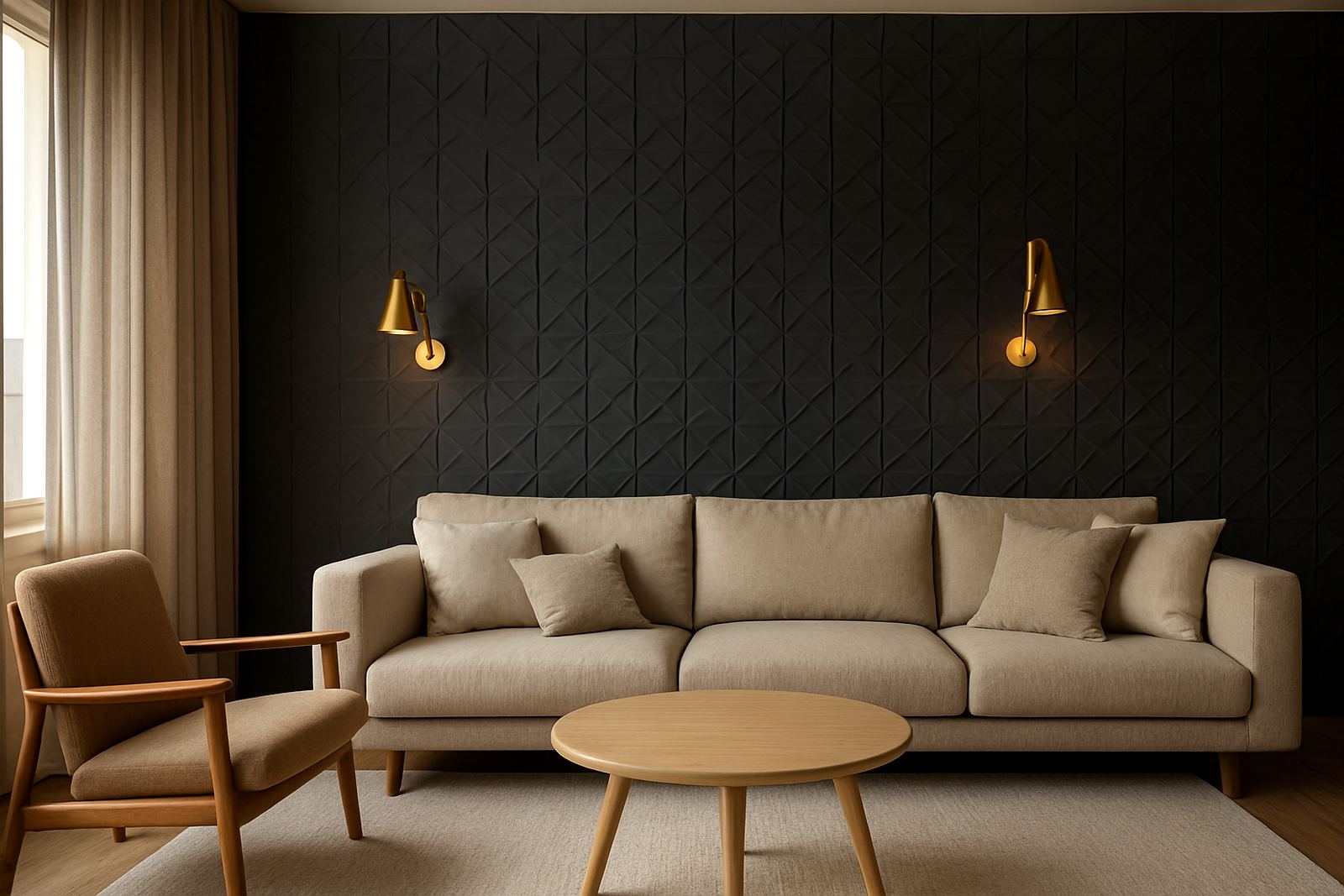
Colour also changes the result. Pale tones show shadow detail more clearly and can make a room feel open. Darker finishes usually give stronger contrast and more drama, but they need the room size and lighting to support them. If you want a calm interior, choose a texture that adds interest without shouting for attention. If you want a focal point, pick a pattern with stronger depth and clearer direction.
- Curved forms suit relaxed, social rooms
- Sharp shapes work well in structured commercial spaces
- Light colours show detail and keep rooms open
- Dark tones add weight and contrast
Practical choices for Cape Town conditions
Homes and businesses in the Western Cape often deal with coastal moisture, bright sun and dust from open doors or busy streets. That means the texture must do more than look good on day one. It should hold its form, accept cleaning without fuss and work with the building finish behind it. In places like Somerset West, Paarl and the Atlantic Seaboard, we often see walls that need extra preparation before cladding can be fitted properly.
For commercial spaces, durability and maintenance access matter just as much as appearance. In a reception or shop, the wall may be touched often and cleaned regularly. In a home near the coast, the finish should cope with changing humidity and the odd salt film on windows. A well prepared wall is important too, because even the best panel will show problems in the base surface if the prep is rushed.
- Check wall flatness before choosing the panel type
- Use a finish that suits moisture and regular cleaning
- Plan for maintenance in busy spaces
- Allow for expansion and movement in the building
A local example from Montague Gardens to the Southern Suburbs
A recent project for a mixed use office near Montague Gardens needed a wall treatment that would look professional in daylight and still feel welcoming after hours. The room had a long side wall, hard flooring and a fair amount of echo. A calmer 3D pattern was chosen for the main section, with a deeper detail behind the client waiting area to create focus without making the room feel busy.
Because the building had strong afternoon light, the layout was tested to avoid harsh shadow bands. Once the panels were installed, the room felt quieter and more balanced, and the team could use the wall as part of the overall brand presentation. The same thinking works in a family home in the Southern Suburbs or a showroom in Stellenbosch, where the wall has to support the space not fight it.
- Use one dominant wall rather than covering every surface
- Balance texture with flooring, furniture and lighting
- Test sight lines from the main entry point
- Plan the finish around how the room is used every day
When to ask for samples and a site measure-up
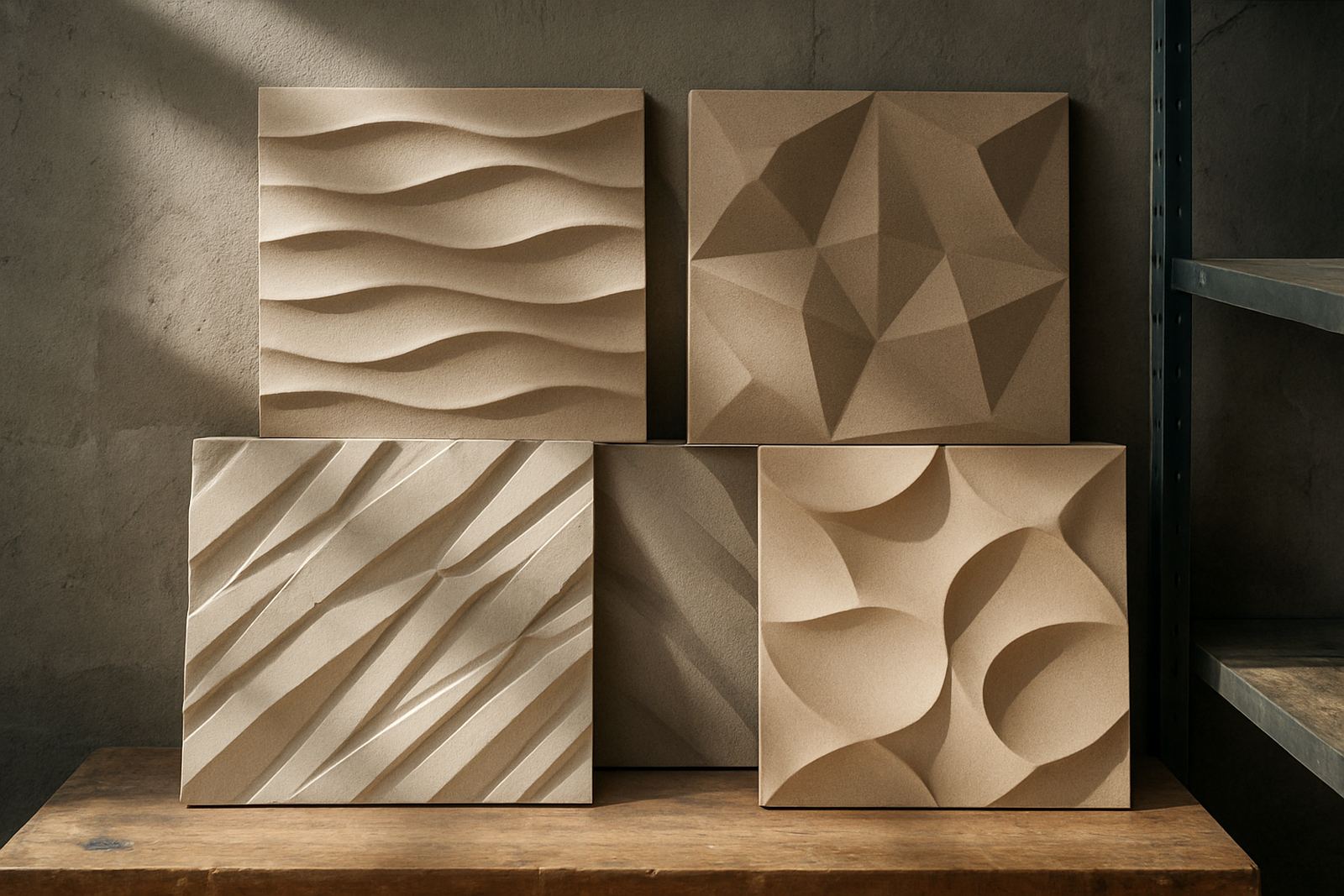
Photos can only tell you so much. A small sample shows how the surface feels and how the light moves across it, which helps avoid costly mistakes. If you are comparing more than one texture, place the samples on the actual wall and view them at different times of day. Morning light, midday glare and evening lighting can each change the result quite a bit.
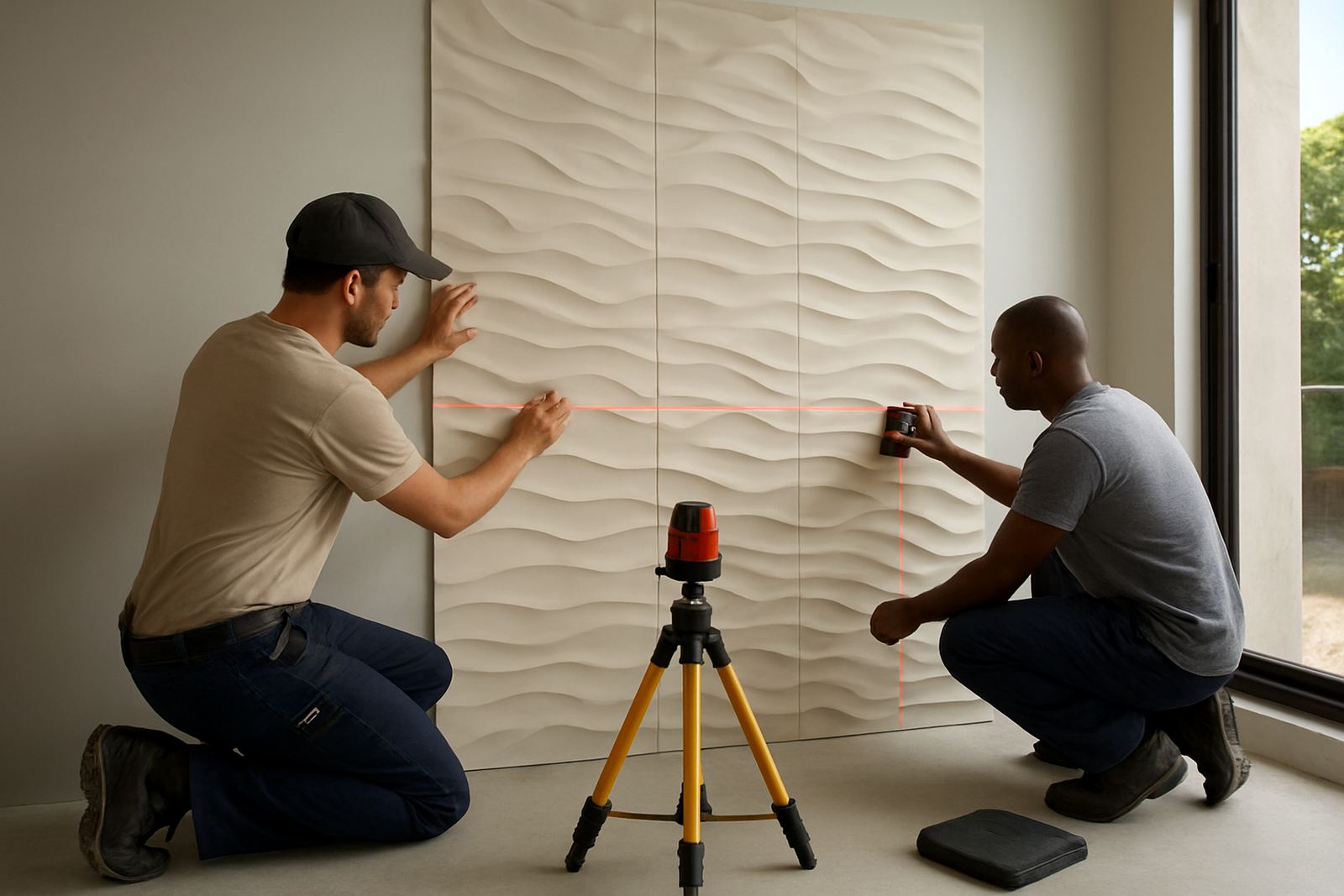
A site measure-up is worth it when the wall is large, the layout is irregular or the project includes fittings, power points or acoustic needs. It helps with accurate planning, panel quantity and installation timing. That matters on commercial rollouts and also on home projects where access is tight or the wall has to fit around windows, doors or built in units. A careful start usually means fewer surprises later on, which saves time and money.
- View samples on the real wall before you commit
- Check the pattern in both daylight and artificial light
- Measure openings and finishes before ordering
- Get early advice if the wall is uneven or complex