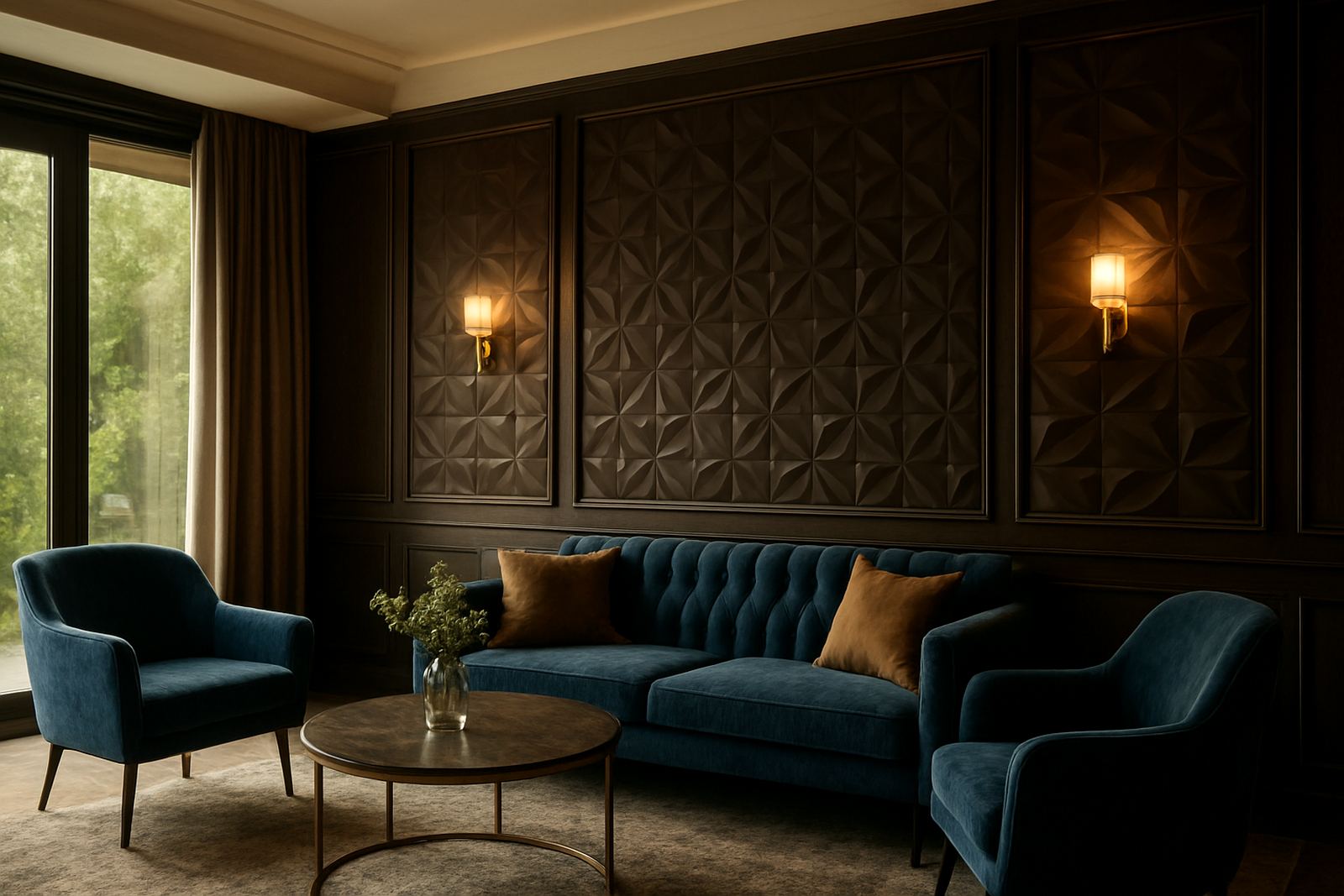

Why dark wall finishes can work so well
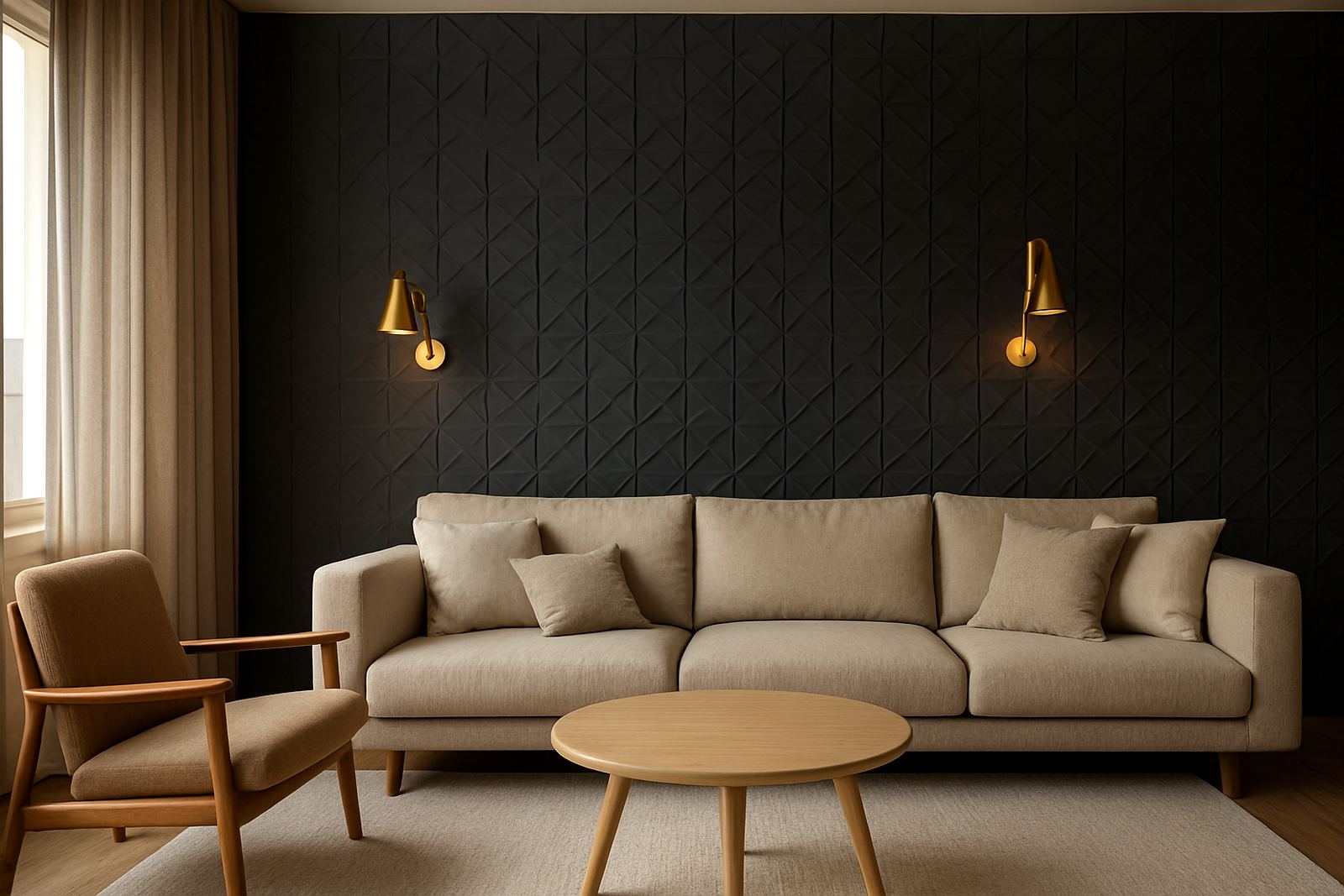
Dark wall cladding is not only about a moody look. In the right setting, it can define a space, make furniture stand out and settle a room that feels too open or too bright. The effect is strongest when the finish has texture or depth, because flat dark colour on its own can feel heavy.
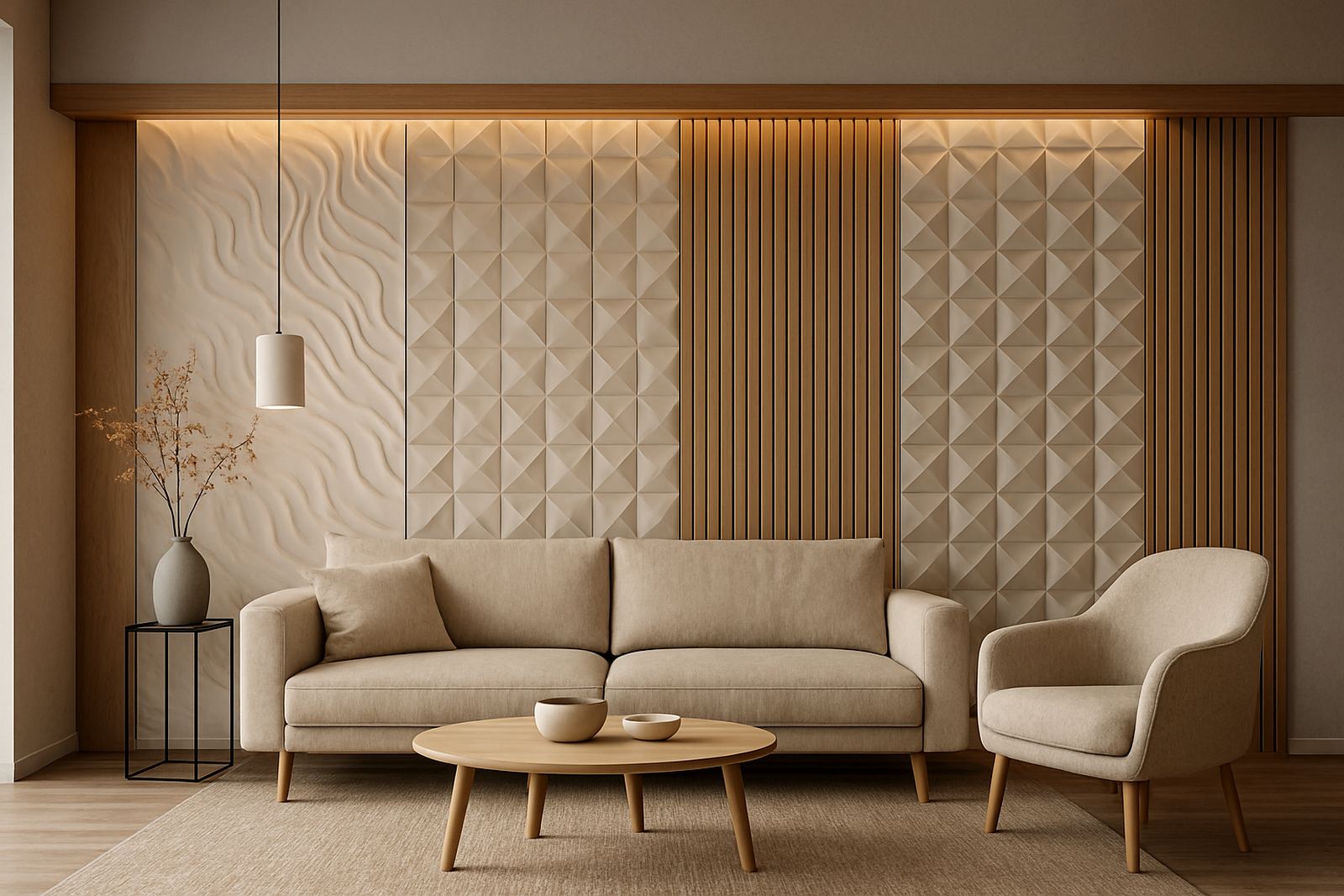
We often see dark panels used in living rooms, reception areas, boardrooms and hospitality spaces where the aim is to create a clear focal wall. A dark feature also helps frame artwork, lighting and built-in joinery. When a room has pale floors or large windows, the contrast can be quite striking without feeling overdone.
- Best for rooms that need visual structure
- Useful where furniture, artwork or signage needs to stand out
- Can help larger rooms feel more settled and planned
Light, contrast and proportion matter more than the colour alone
The success of a dark finish depends on how it sits with the rest of the room. A full dark wall in a narrow passage or a small bedroom can feel cramped if there is no contrast. But the same finish beside a pale ceiling, lighter floor and proper lighting can look elegant and balanced.
In Cape Town homes with strong daylight, dark panels can stop a room from looking washed out in the middle of the day. In spaces with less natural light, it helps to use a finish with some texture or gentle variation so the wall still reads properly once the sun drops or during load-shedding. That is where material choice and the panel profile really matter.
- Keep ceilings light where possible
- Use warm white or soft amber lighting for evening use
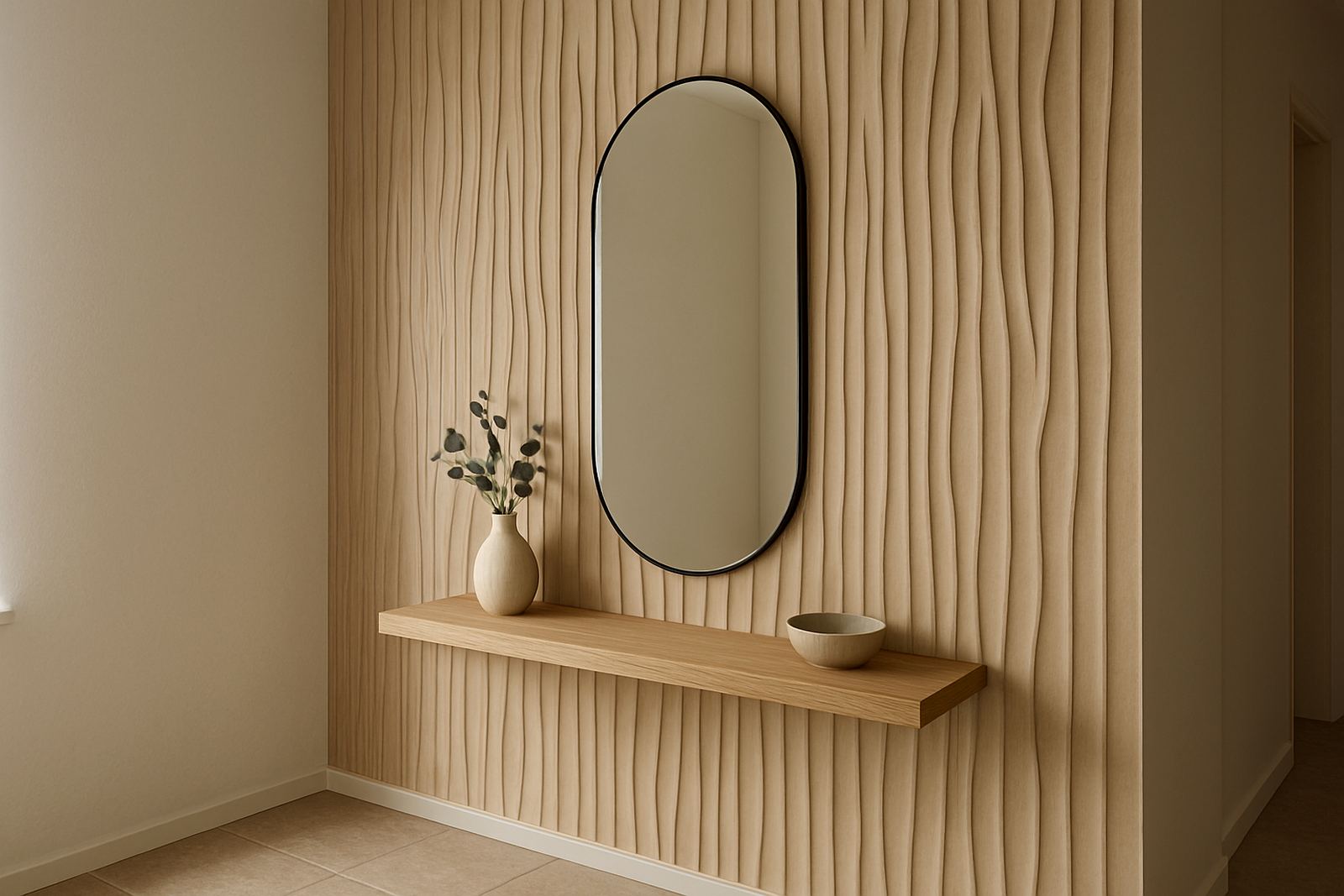
- Balance a dark wall with pale fabric, timber or stone elements
Choosing the right dark finish for Western Cape conditions
Not every dark surface behaves the same way. Some finishes show dust, fingerprints or scuffs very quickly, while others are easier to maintain in busy homes and commercial interiors. In coastal areas such as the Atlantic Seaboard, Somerset West and Strand side properties, humidity and salt in the air should also be considered when selecting materials and fixings.
For family homes, offices and retail spaces, we usually look at how much traffic the wall will get, whether the area is exposed to sunlight, and if acoustic comfort is part of the brief. A dark acoustic panel can be a good fit in a TV room, meeting space or open-plan living area where echoes need to be reduced a bit.
- Pick a finish that suits the level of traffic
- Check how the material handles moisture and sun exposure
- For louder rooms, consider acoustic panel fitting as part of the layout
Where dark panels add the most value
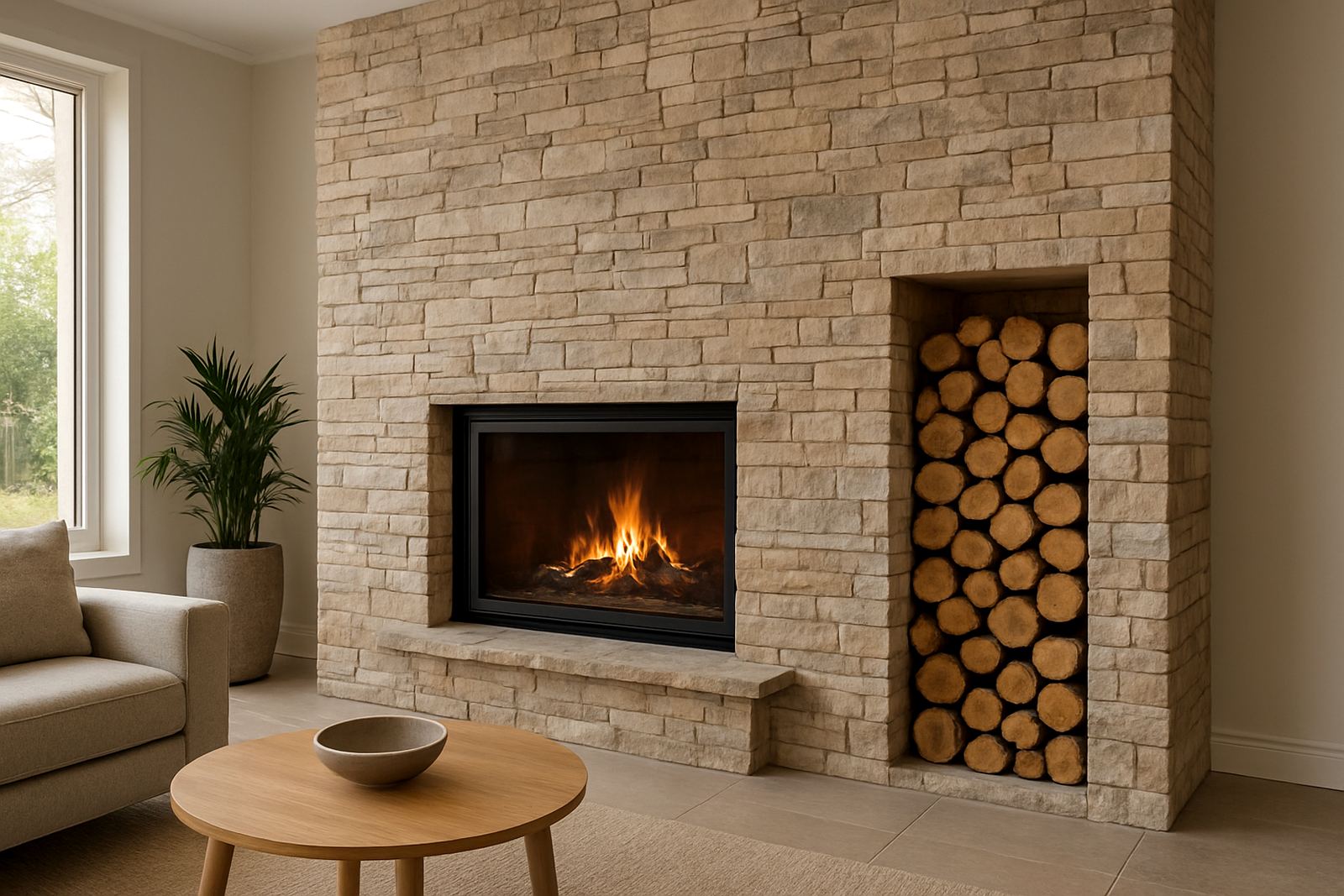
Dark wall finishes are most effective when they solve a space problem as well as creating a look. In residential settings, they are often used behind a headboard, around a fireplace, in a braai room, or on a TV wall where cables and brackets need to be hidden neatly. In commercial spaces, they work well at reception, in client meeting rooms and in display areas where you need a strong first impression.
For architects and designers, dark panels can also help bring rhythm to a larger fit-out. If a building has a lot of glass, steel or pale plaster, one dark surface can anchor the whole scheme. It gives a place for signage, artwork or lighting to sit without competing for attention. The trick is to use it with purpose, not just for effect.
A practical approach to layout and installation
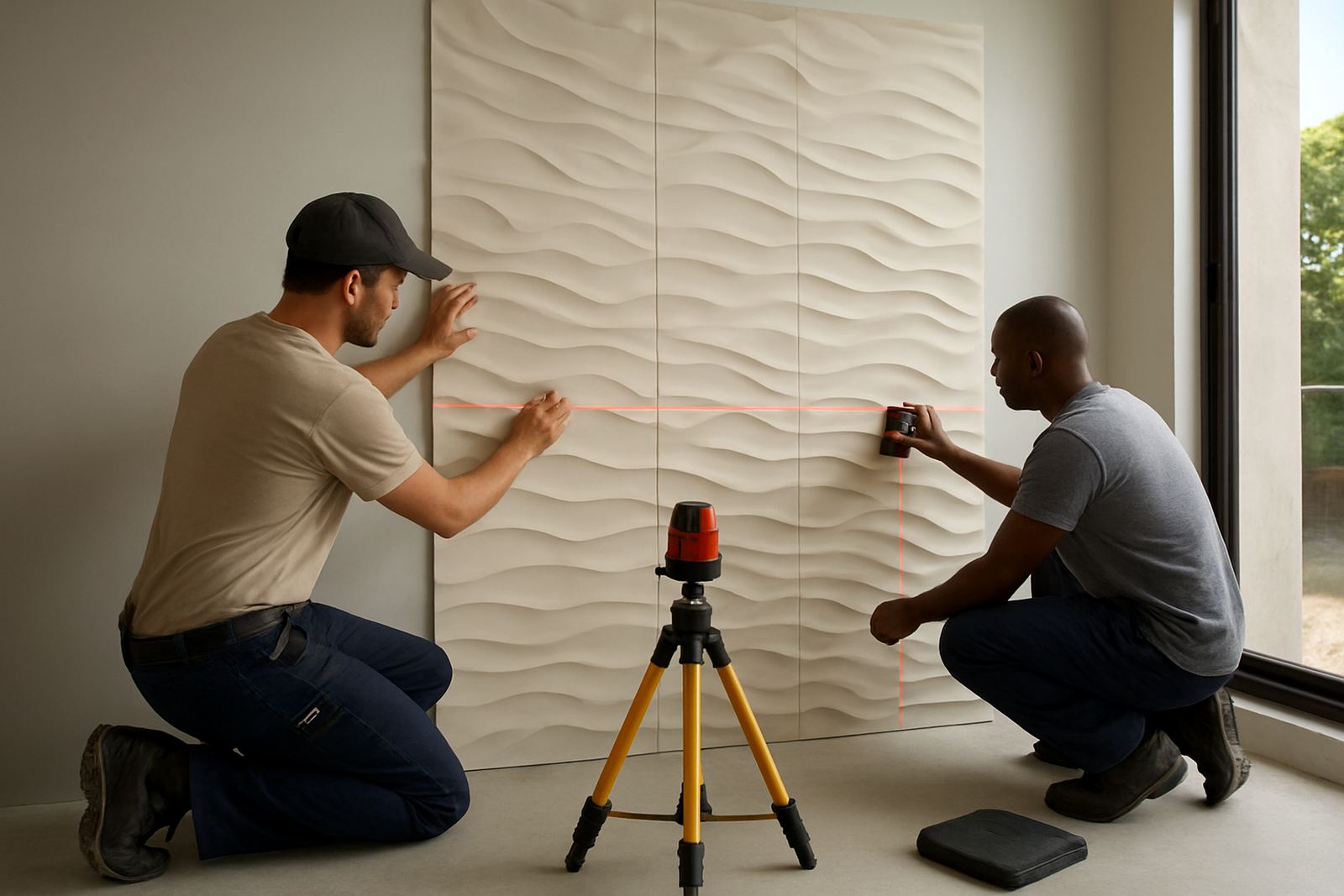
Good results start before any panel goes up. We recommend site measure-ups so the wall proportions, openings, skirtings and ceiling lines are checked properly. This avoids awkward cuts and helps the finish land neatly around plugs, switches and joins. On commercial rollouts, planning the sequence matters as much as the final look, especially when sites are busy and access is limited.
Wall preparation is also important. Even a premium panel will show problems if the base surface is uneven or damp. In some Cape Town properties, older walls need extra attention before fitting begins. Once the wall is prepped, the installation can move faster and the final result feels much cleaner. That part is often overlooked, but it makes a big difference.
- Measure walls carefully before ordering
- Check for damp, movement and uneven plaster
- Plan around sockets, switches and fixed furniture
A local example from Montague Gardens to the suburbs
A recent project in the Northern Suburbs showed how a dark finish can lift a plain room without making it feel smaller. The client wanted a feature wall for a family lounge that also carried a television and concealed some cabling. The room had good light during the day, but it felt a bit unfinished at night. A textured dark panel was used with pale side walls and low-glare lighting, which gave the space more depth and made the room feel complete.
We see the same principle in offices around Montague Gardens, the Southern Suburbs and the Atlantic Seaboard. Dark finishes help define a reception or meeting wall, but only when they are matched with the right trim, lighting and scale. It is a practical choice as much as a visual one, especially when a space needs to look composed under daily use.
Maintaining dark panels so they stay looking sharp
Dark finishes do not need complicated upkeep, but they do need consistent care. Dust shows up more easily on some textures, and scuffs can appear on corners if furniture is moved without protection. For busy homes and commercial sites, a simple maintenance routine helps keep the wall presentable for longer.
We also support clients with panel repairs, maintenance and aftercare, which is useful when a wall gets damaged during moving, tenant changes or general use. If panels are couriered nationwide, it helps to know that replacement pieces and matching advice are available when needed.
- Use a soft cloth or gentle vacuum attachment for dust
- Avoid harsh cleaners on textured surfaces
- Protect corners and high-contact areas during moves