
Why a fireplace wall benefits from cladding
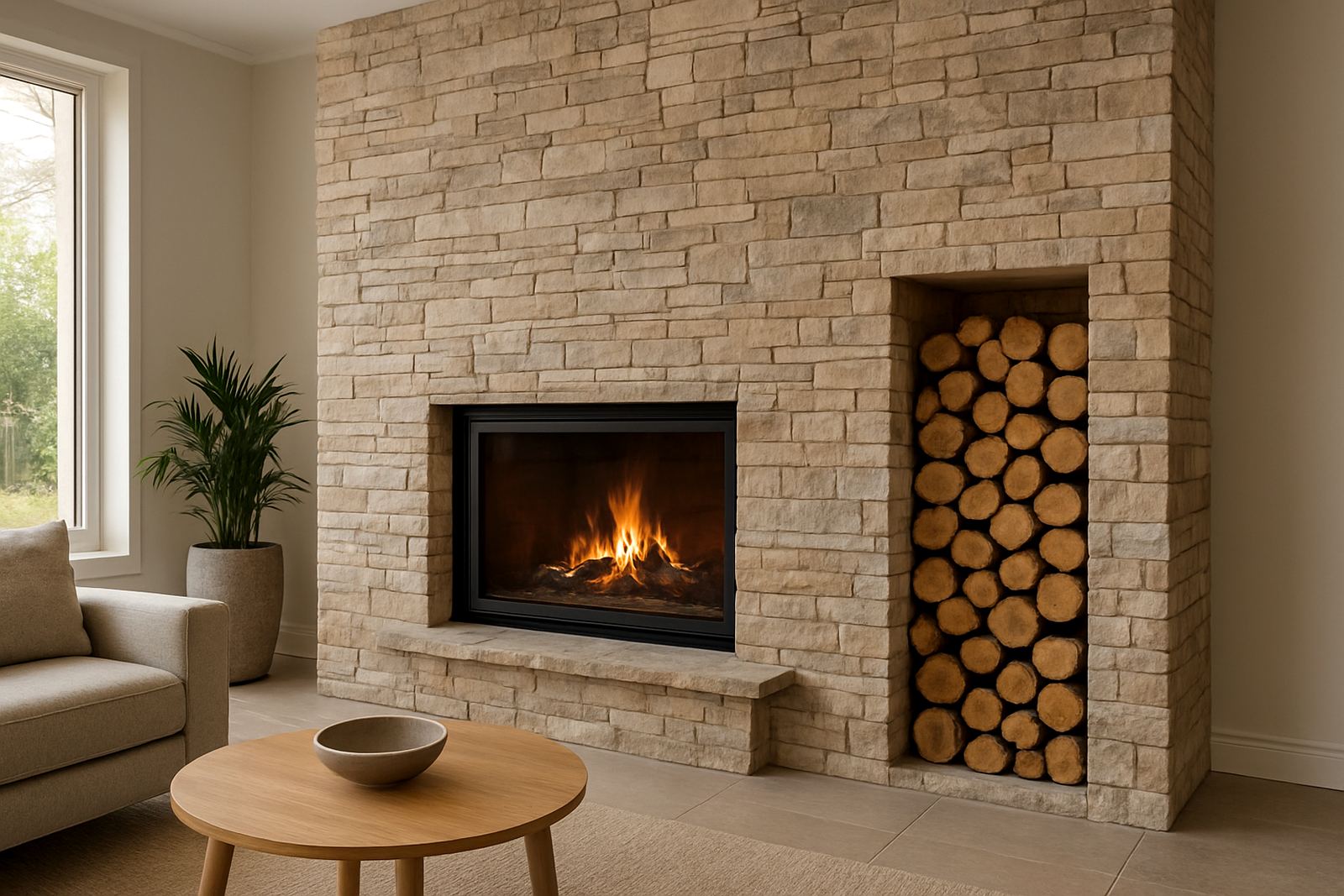
A fireplace naturally draws the eye, so any uneven plaster, tired paint or awkward joins nearby will show up fast. Cladding gives that wall a clearer shape and helps the hearth feel like part of the room rather than an afterthought. In many Cape Town homes, especially older properties in the Southern Suburbs and Atlantic Seaboard, a feature wall also helps tie together mixed finishes such as timber floors, painted brick and stone.
For homeowners, the appeal is visual. For architects and designers, it is practical too because a panelled surround can be used to control proportion, conceal surface flaws and create a stronger focal point. In commercial settings, such as reception areas, wine rooms or private lounges, a fireplace wall can set the tone without needing a lot of decorative clutter.
- Choose cladding to frame the opening, not crowd it
- Allow enough clear space around the firebox for safe detailing
- Match the panel scale to the room size and ceiling height
- Use the finish to balance timber, tile, concrete or painted walls
Materials that work well around heat
Not every panel type belongs right next to a fireplace. The safest route is to plan the surround with heat exposure in mind, especially where there is a wood-burning unit, a gas fireplace or a closed combustion fireplace that runs hotter on the face. A good installer will check the manufacturer guidance for the fireplace unit and make sure the cladding is suited to the area around it.
In practice, the best result often comes from combining materials. A heat-tolerant finish can sit closest to the opening while a decorative panel system carries the design higher up the wall. This keeps the look consistent without forcing one material to do everything. In coastal homes around Somerset West and Blouberg, moisture resistance matters too because salty air and winter damp can affect some finishes over time.
- Use non-combustible or heat-suitable finishes near the opening
- Check clearance requirements before fixing any cladding
- Consider coastal humidity if the room sits close to open air
- Ask for sample matching if the fireplace wall must join other finishes
Layouts that make a room feel calmer
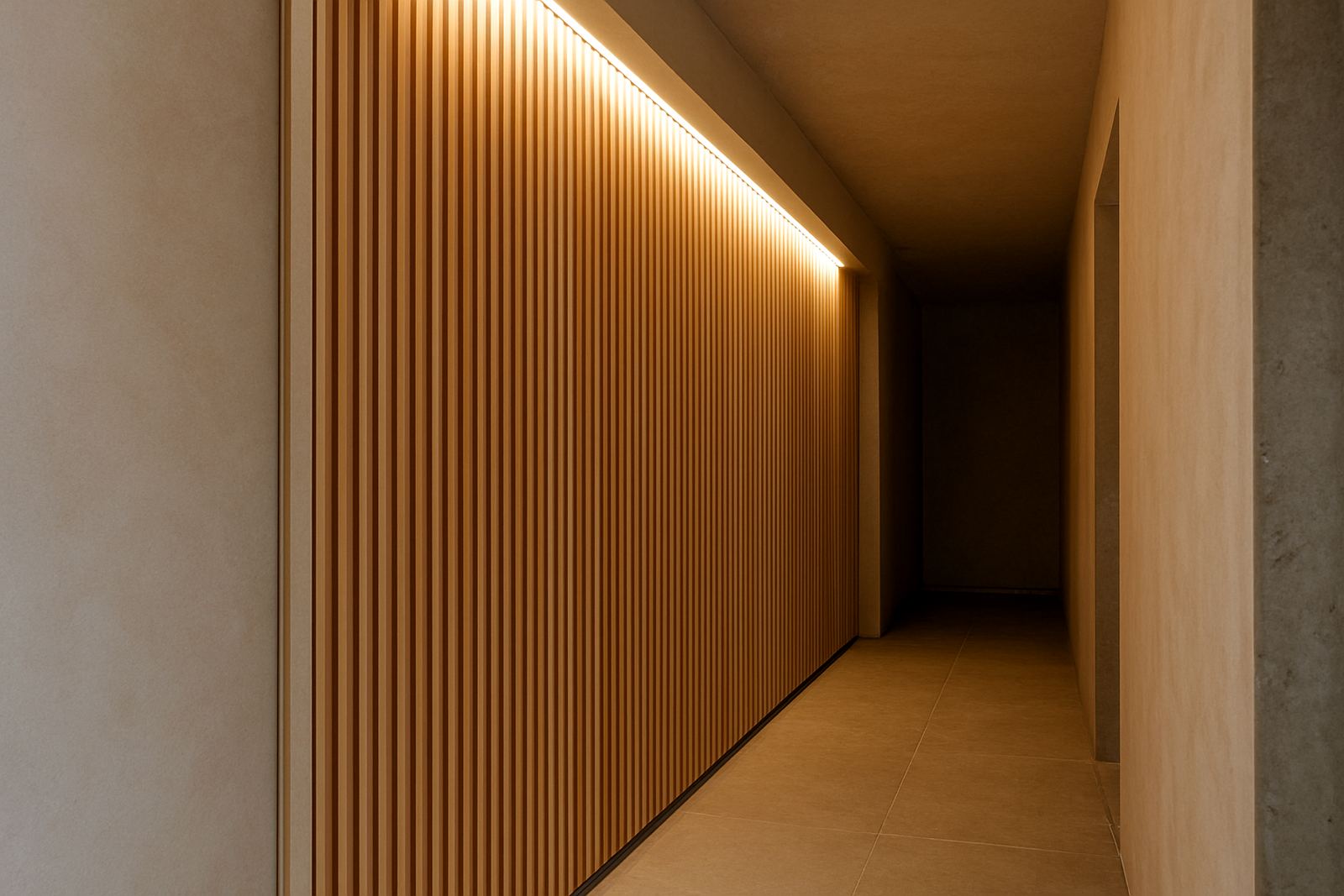
The shape of the panel layout matters as much as the finish. Vertical lines can make a room feel taller, while wider panels soften long walls and help a low ceiling feel less compressed. Around a fireplace, a centred layout usually works best because it gives the room a clear focal point, especially when the television, shelving or artwork also need to sit on that wall.
For many modern homes in Stellenbosch and Paarl, the aim is balance rather than drama. A strong panel layout can hold its own without making the room feel busy. In a family living space, that often means keeping the design simple and letting the fire, the light and the material texture do the work. If the room gets a lot of use, a cleaner layout is also easier to keep tidy and less prone to visual clutter.
- Keep the fireplace centred where possible
- Use vertical panels to add height in lower rooms
- Choose wider, calmer layouts for larger lounge walls
- Allow room for shelving, media units or artwork nearby
Design choices for Cape Town homes and apartments
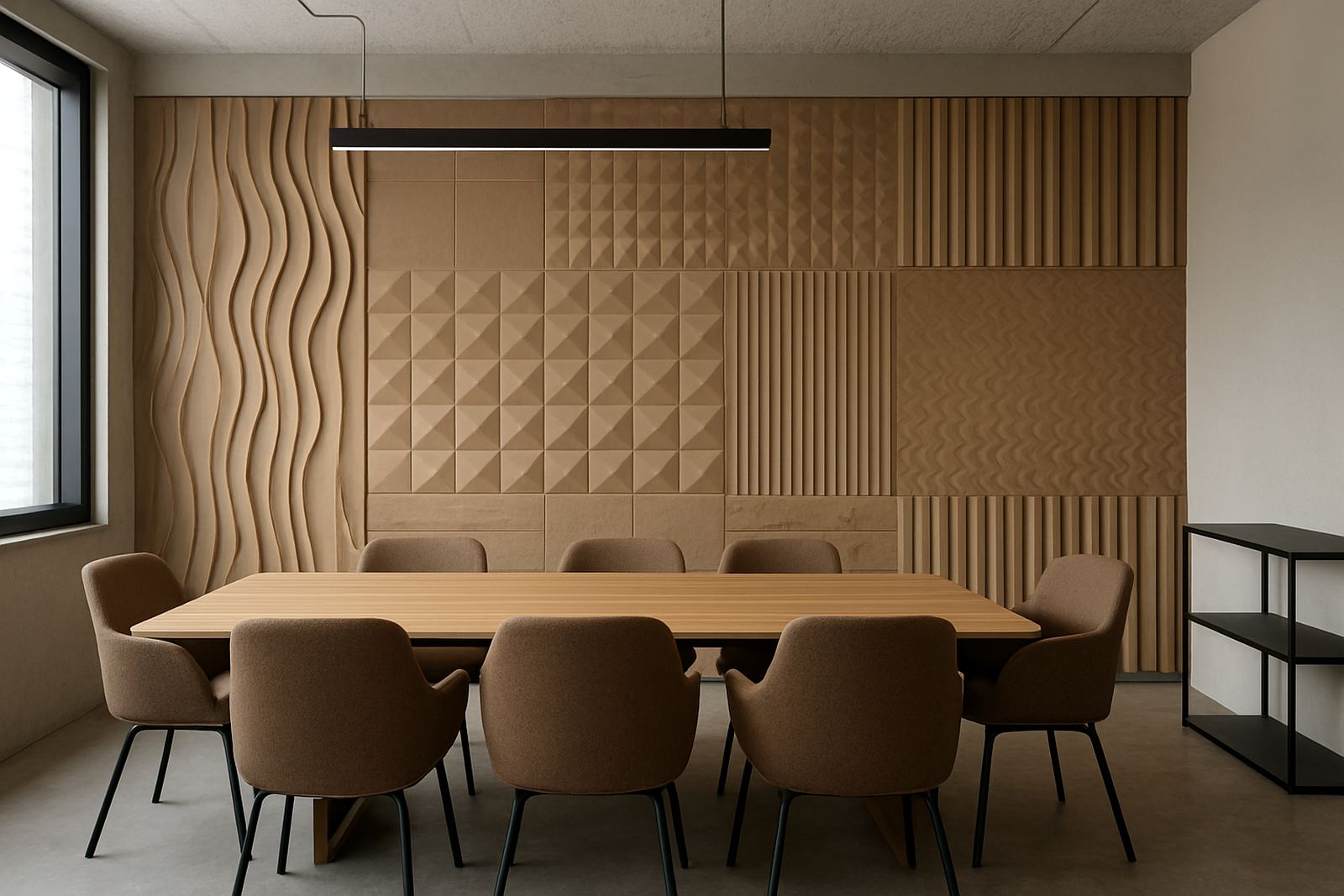
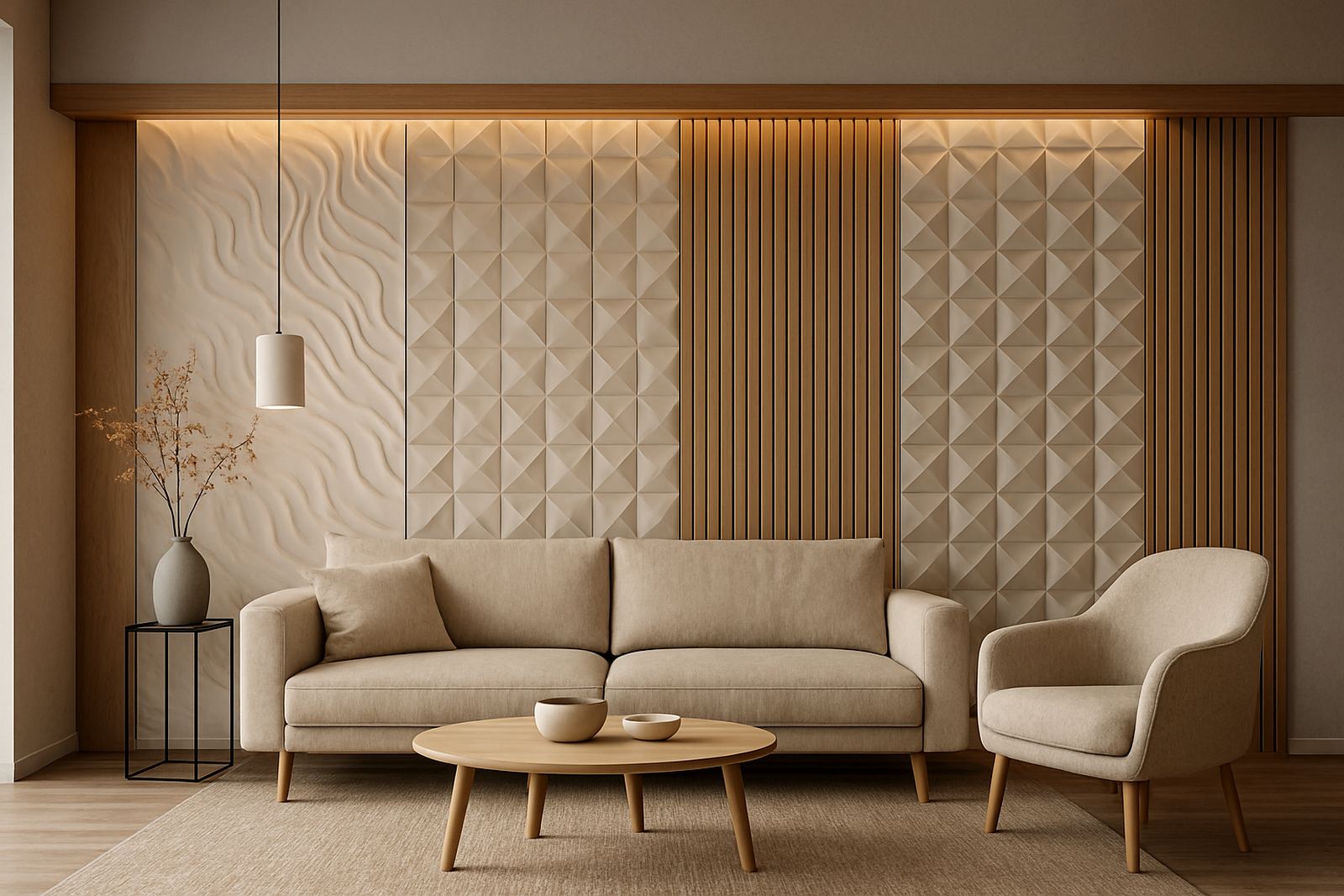
Cape Town homes vary a lot, from compact apartments on the Atlantic Seaboard to larger family homes in the Northern Suburbs. That means fireplace cladding needs to suit the scale of the room. In a smaller apartment, a textured 3D panel finish can add interest without overwhelming the space. In a larger home, a more structured feature wall can help anchor the room and stop the fireplace from disappearing into a broad blank wall.
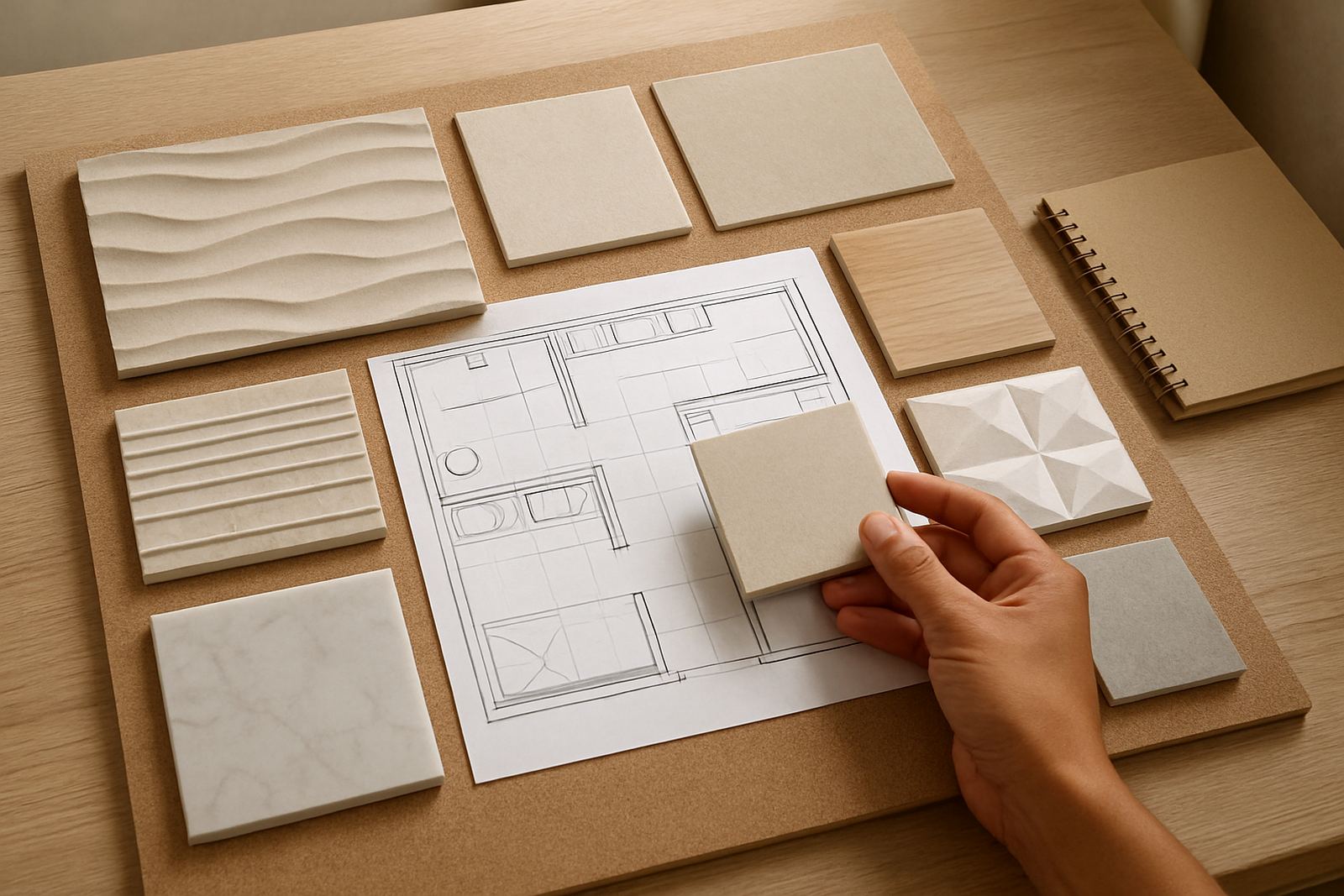
Colour also plays a big part. Pale finishes reflect more light and suit rooms that get winter sun, while deeper tones can give a quiet, grounded feel in larger living areas. If the room gets afternoon heat or strong glare, a matte finish usually looks better than something highly reflective. A good design consultation and sample matching session makes the choice easier because you can see how the finish shifts in real light, not just under showroom lighting.
- Small rooms usually suit lighter tones and finer texture
- Larger rooms can carry deeper colour and stronger relief
- Matte finishes often work well in bright Cape Town light
- Always check the panel against the actual wall colour and floor finish
Practical installation details that protect the finish
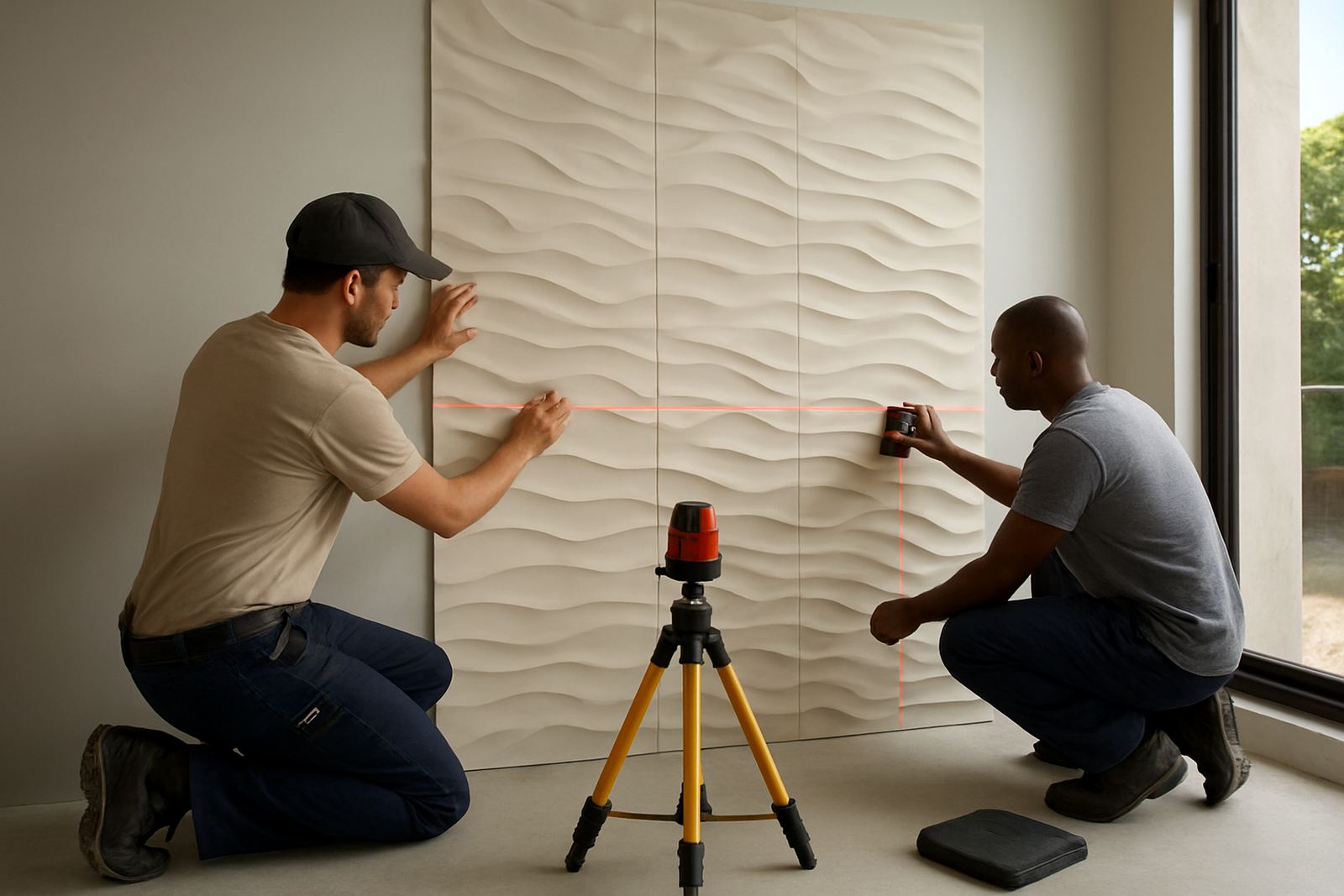
Good planning saves trouble later. Before installation, the wall should be properly checked for flatness, moisture issues and existing cracks. If the surface is uneven, the final cladding will show it. The substrate also needs to be sound, because a fireplace wall takes more visual punishment than a normal wall and any poor prep will stand out immediately.
Our installation work across the Western Cape often starts with a site measure-up, then a discussion about layout, panel joints and any electrical points for lighting or a mounted screen. Where needed, the wall can be prepared first so the finish sits neatly and lasts. Load-shedding also affects how people use their lounges, so many clients prefer fireplace walls that still look smart in low light. That usually means clear lines, modest texture and good proportions rather than overcomplicated detail.
- Check wall flatness before cladding begins
- Sort out damp, cracks or loose plaster first
- Plan for lighting points, sockets and media placement
- Use clean finishing around trims and edges for a better result
A local example from Montague Gardens to Somerset West
A recent brief from a homeowner in Somerset West came with a common challenge. The living room had a fireplace on a long wall, plus a television, a sideboard and a fairly high ceiling. The family wanted the fireplace to feel special without making the room feel busy. After measuring the space, a panelled layout was chosen that ran vertically behind the hearth and settled into a wider, quieter finish above the mantle line. The result gave the room focus and kept the television from competing with the fire.
That same kind of thinking works just as well in commercial spaces. A boutique office or client lounge in Montague Gardens may need a stronger first impression, but the wall still has to be practical. Panels can add texture, soften sound and give the room a cleaner look. For projects across Cape Town and beyond, the main thing is to treat the fireplace wall as part of the whole room, not a separate feature that was added at the end.
- Use the room layout to guide the panel pattern
- Balance fireplace, screen and furniture positions
- Keep the finish practical for daily use
- Plan the wall as one composition, not several separate elements