
Choose One Wall To Carry The Room
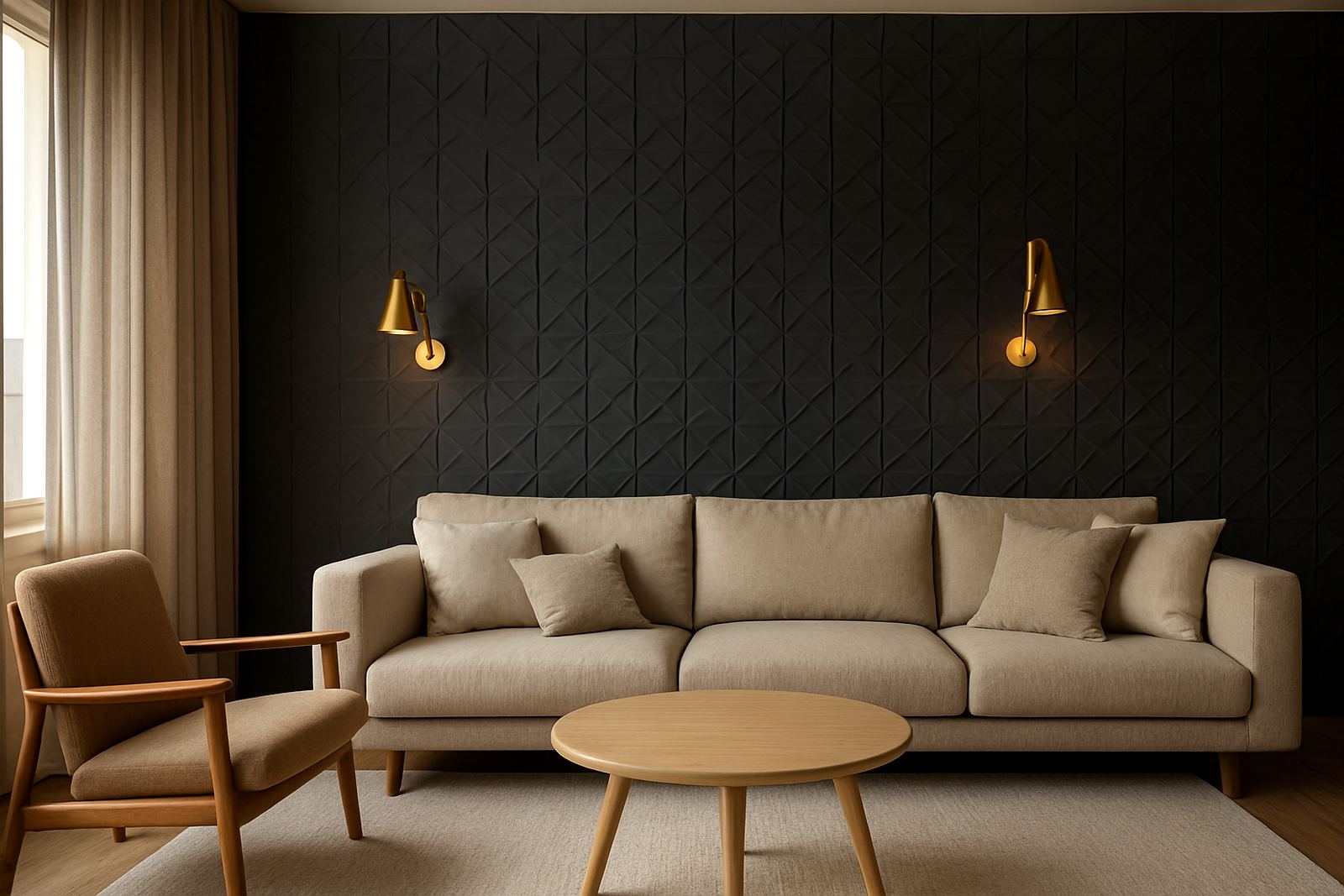
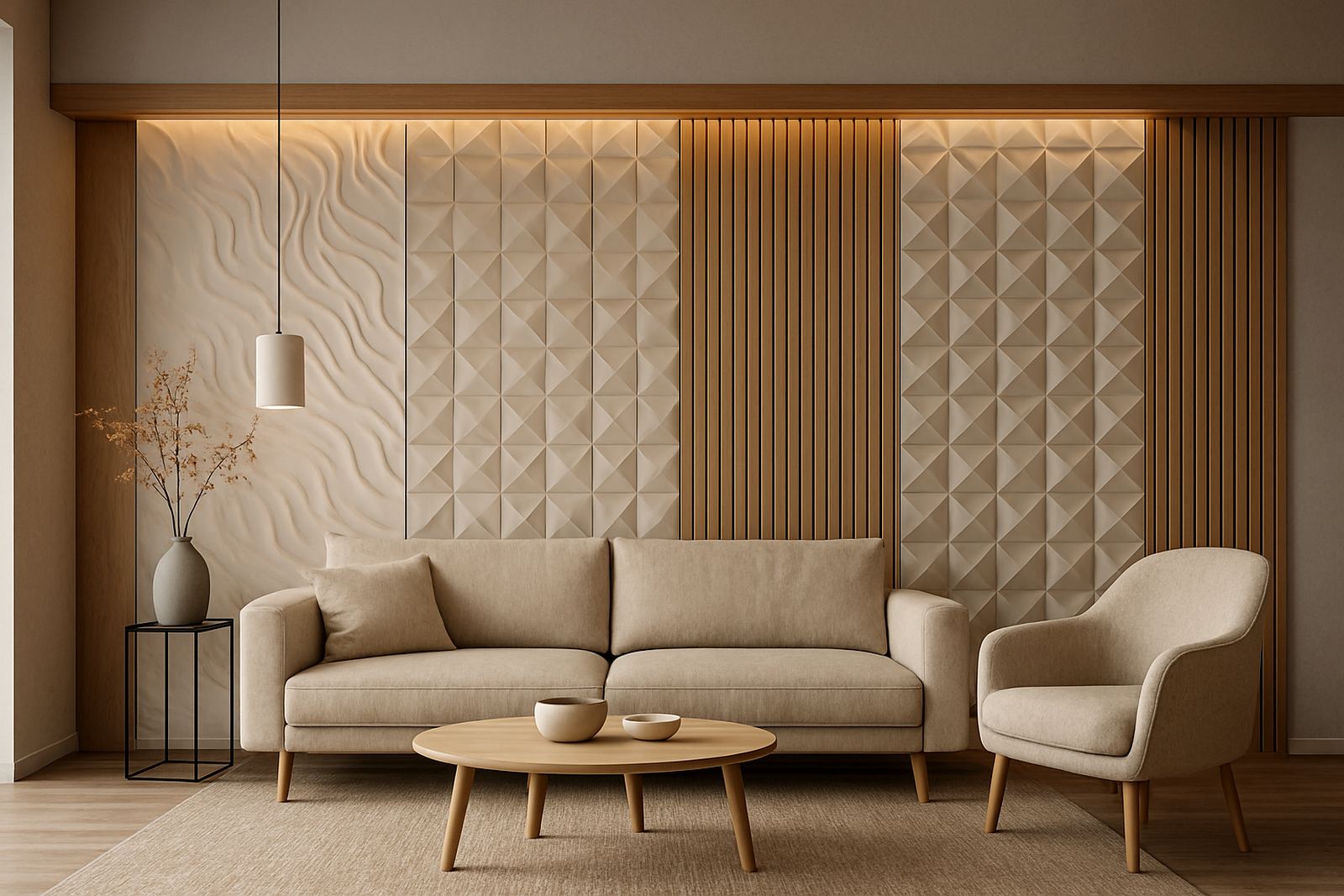
In a small room, the safest way to add character is to let one wall do the heavy lifting. A well chosen feature wall gives the eye a place to land, which stops the room from feeling busy. In practice, that means using cladding or 3D panels on the wall you notice first when you walk in, or the wall behind a bed, sofa, reception counter or dining nook.
For Cape Town homes and offices with tight footprints, this works especially well in apartments, converted cottages and consulting rooms where every square metre counts. Keep the surrounding walls lighter and simpler so the feature surface can carry texture without making the room feel smaller.
- Pick the wall with the least interruption, such as fewer doors or windows.
- Use a finish that adds depth rather than heavy visual weight.
- Balance the feature wall with plain paint on the other sides.
Texture That Adds Depth Without Eating Space
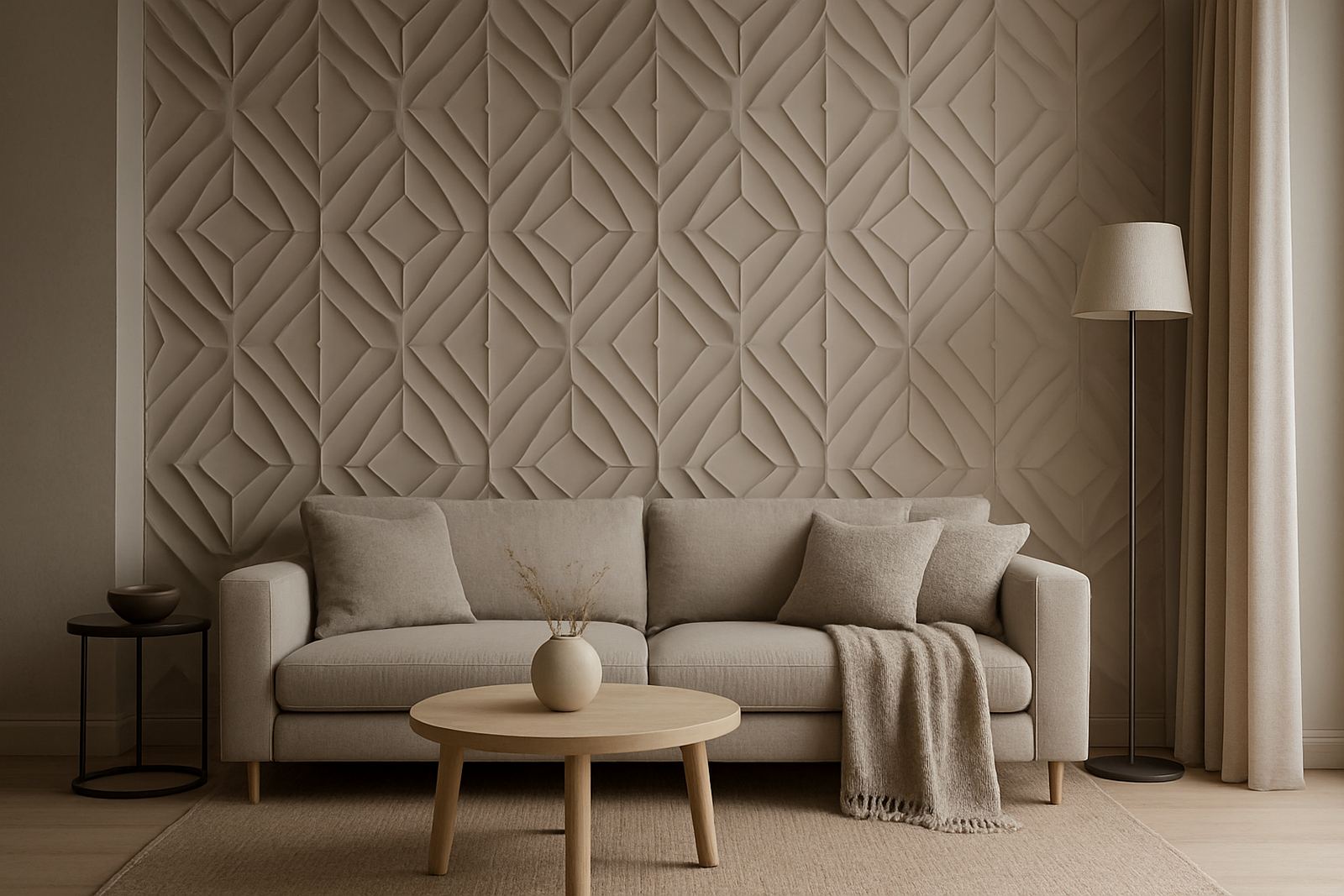
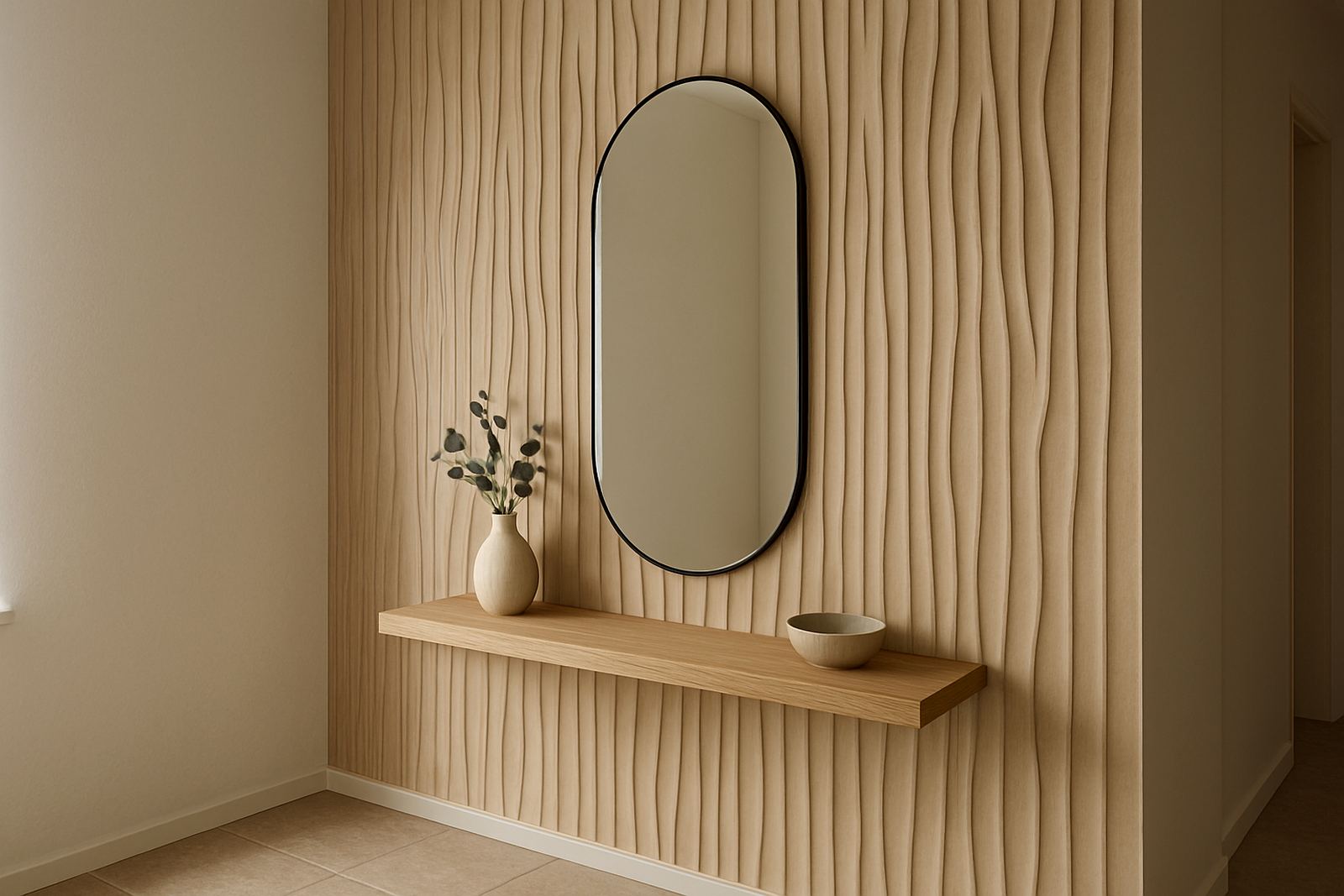
Flat walls can make a compact room feel boxy. Subtle relief changes that by creating shadow lines and movement across the surface. That is why 3D wall panels, slim cladding profiles and textured finishes are often better than large furniture pieces in small interiors. They create interest without taking up floor area.
In coastal areas like the Atlantic Seaboard or Somerset West, materials must also cope with humidity and changing temperatures. A suitable panel choice should stay stable, clean easily and not swell at the edges. If the room gets strong afternoon sun, choose a finish that will not look patchy when light hits it from one side.
- Use narrow repeating patterns for a neat, ordered look.
- Choose low sheen finishes to avoid glare in bright rooms.
- Match the panel texture to the room use, such as softer patterns for bedrooms and cleaner lines for offices.
With smaller rooms, the trick is to let the texture read as detail, not drama. A little depth goes a long way, and that is often enough to change how the whole space feels.
Colour Choices That Open Up Tight Rooms
Colour can either compress a room or stretch it. Lighter tones usually make a small room feel more open, but that does not mean everything must be white. Warm greys, soft sand, off white and muted stone colours all work well in South African homes because they sit comfortably with timber, metal and painted finishes.
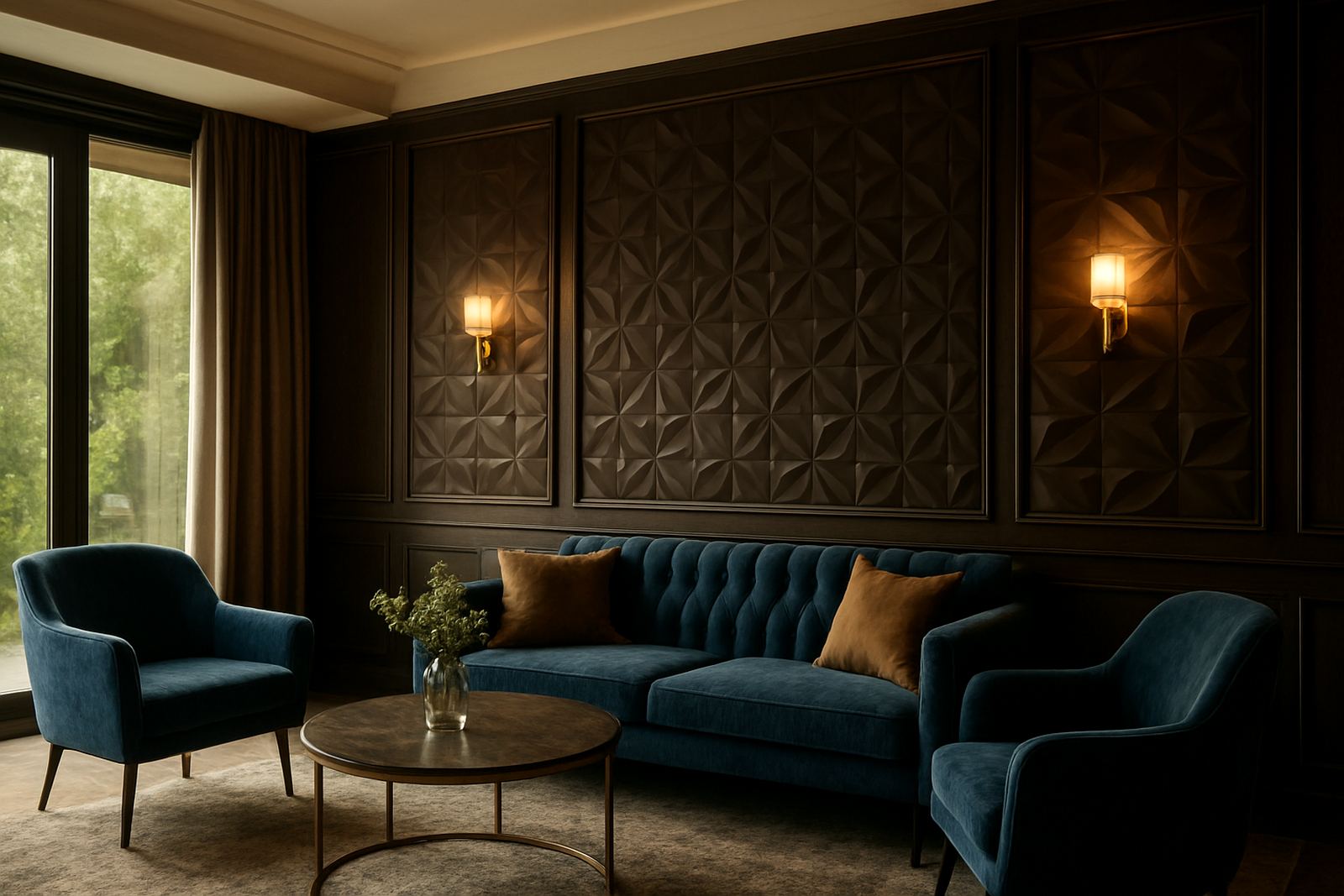
If you want a darker accent, use it in a controlled way. A deep charcoal or earthy tone behind a headboard or television can add richness, especially when the rest of the room stays calm. The important part is contrast. Too many strong colours in a small space can feel restless and cramped.
- Use one main wall colour and one accent surface, not several competing colours.
- Test sample swatches at different times of day, especially in rooms with strong western sun.
- Pair cool colours with warmer textures so the room does not feel harsh.
We often see clients in the Northern Suburbs and Stellenbosch wanting a cleaner, more finished look in spare rooms, apartments and home studies. A careful colour plan gives that result without adding clutter.
Acoustic Panels For Small Offices And Apartments
Small rooms can echo badly, particularly when they have tiled floors, large windows or very little soft furnishing. Acoustic wall panels help reduce that sharpness, which is useful in meeting rooms, bedrooms, TV rooms and home offices. They also add a more settled look, which helps the room feel quieter even before you speak.
This is worth considering for clients working from home in Cape Town where a compact study may also need to handle calls, video meetings and load-shedding backup equipment. A wall treatment that improves sound while keeping the room neat makes daily use easier. It can also help in commercial settings such as interview rooms, therapy spaces and small boardrooms.
- Install panels on the wall behind the main seating or counter area.
- Leave enough plain wall space so the room still feels airy.
- Combine acoustic panels with curtains, rugs or upholstered furniture for better sound control.
Good acoustic planning is not only about comfort. In a small room it can change how professional the space feels, and that matters when clients or staff use it every day.
Small Bedroom Wall Ideas That Feel Calmer
Bedrooms are often the easiest place to use feature wall cladding because the wall behind the bed is already a natural focal point. A textured or panelled headboard wall can make the room feel more finished without needing bulky furniture. It also frames the bed, which helps the room feel intentional rather than crowded.
For compact bedrooms, aim for simple lines and a finish that does not fight with bedding, lamps or cupboard fronts. If the room has built in storage, use a wall treatment that works with the cupboard height so the proportions stay clean. A panelled wall can also hide minor imperfections, which is useful in older homes and flats.
- Keep bedside furniture slim and visually light.
- Use wall lighting instead of wide bedside lamps where space is tight.
- Choose a finish that can be wiped down easily in everyday use.
In a small bedroom, one neat wall can do more than an extra cabinet ever will. It gives the room a sense of order, and that often makes it feel larger at once.
A Local Cape Town Example From Brief To Finish
A recent project in Montague Gardens involved a small office reception area that needed to feel welcoming without taking floor space away from the waiting zone. The brief was simple: make the room look more polished, improve the sound a bit and keep the design suitable for a commercial setting. We started with a site measure-up, checked the wall condition and matched the panel finish to the existing flooring and paint.
The final layout used one feature wall only, with the remaining surfaces kept light. That approach made the room look deeper and cleaner, and the acoustic benefit was noticeable as soon as the space was used. It is a good example of how small room wall ideas should be practical first, decorative second.
- Measure the wall carefully before choosing a pattern or panel size.
- Check for moisture, uneven plaster and loose paint before installation.
- Plan for maintenance, especially in busy areas where walls get touched often.
Whether the project is in the Southern Suburbs, Paarl or Somerset West, the same principle applies: keep the design focused, then let texture and proportion do the rest.
How To Plan A Small Room Wall Properly
The best small room wall ideas are not chosen from a picture alone. They need to suit the room size, the light, the wall condition and the way the space is used each day. That is why sample matching, site checks and good preparation matter. A panel that looks right in a showroom may behave differently in a sunlit room, a cool north facing room or a space with coastal air.
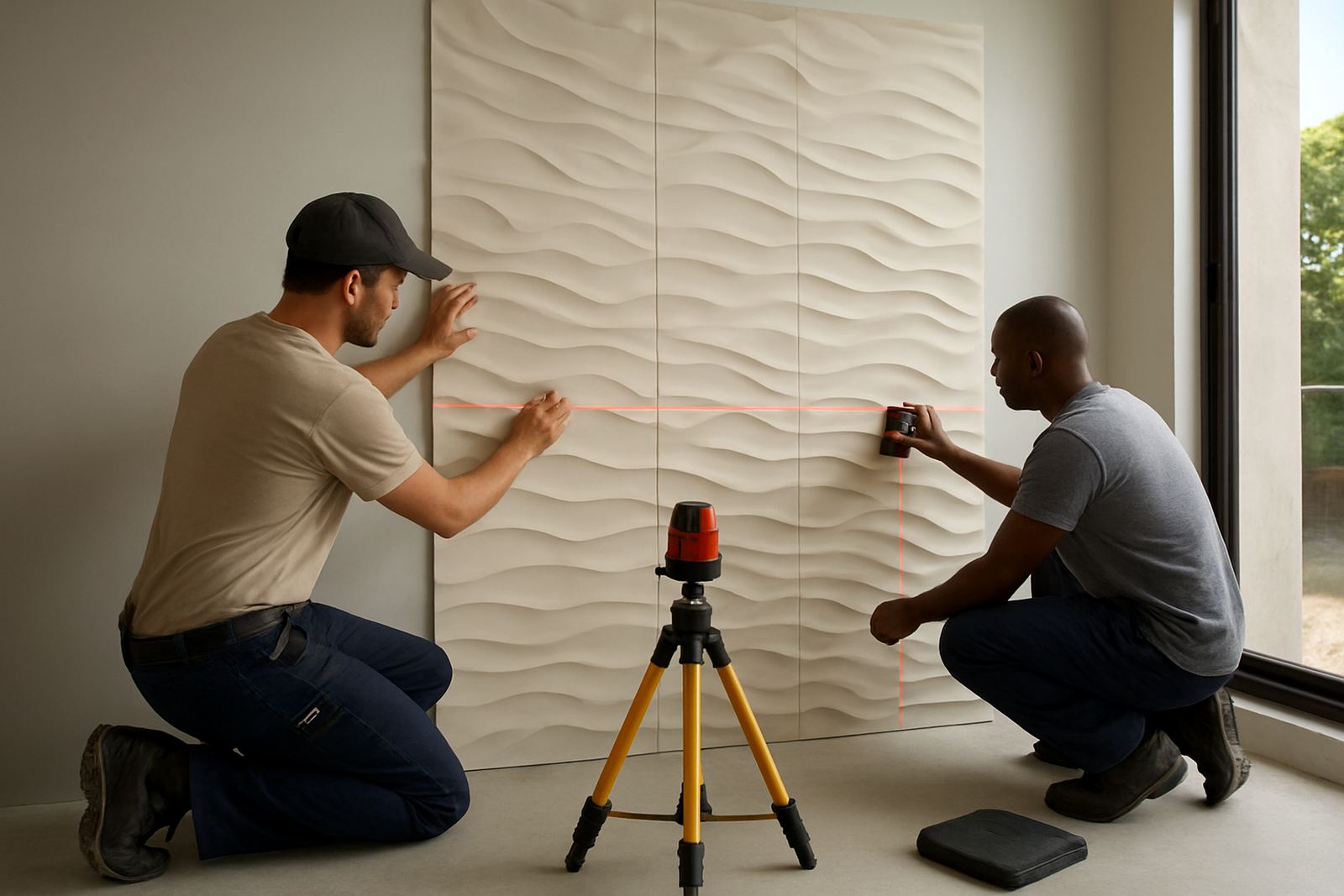
If you are planning a feature wall for a home or commercial space, think through the full job: surface prep, layout lines, fixing method and aftercare. In a compact room, poor alignment shows quickly, so accurate installation matters. We also help with repairs and maintenance where an existing wall needs tidying up after wear or minor damage.
- Book a measure-up before finalising colours or finishes.
- Choose a wall treatment that suits the room’s daily use, not just its appearance.
- Allow for proper prep time so the result looks clean and lasts longer.
A small room can still feel rich, ordered and comfortable. It just needs the right wall treatment, put in the right place, with the detail done properly.