
Why lounge walls need more than paint alone
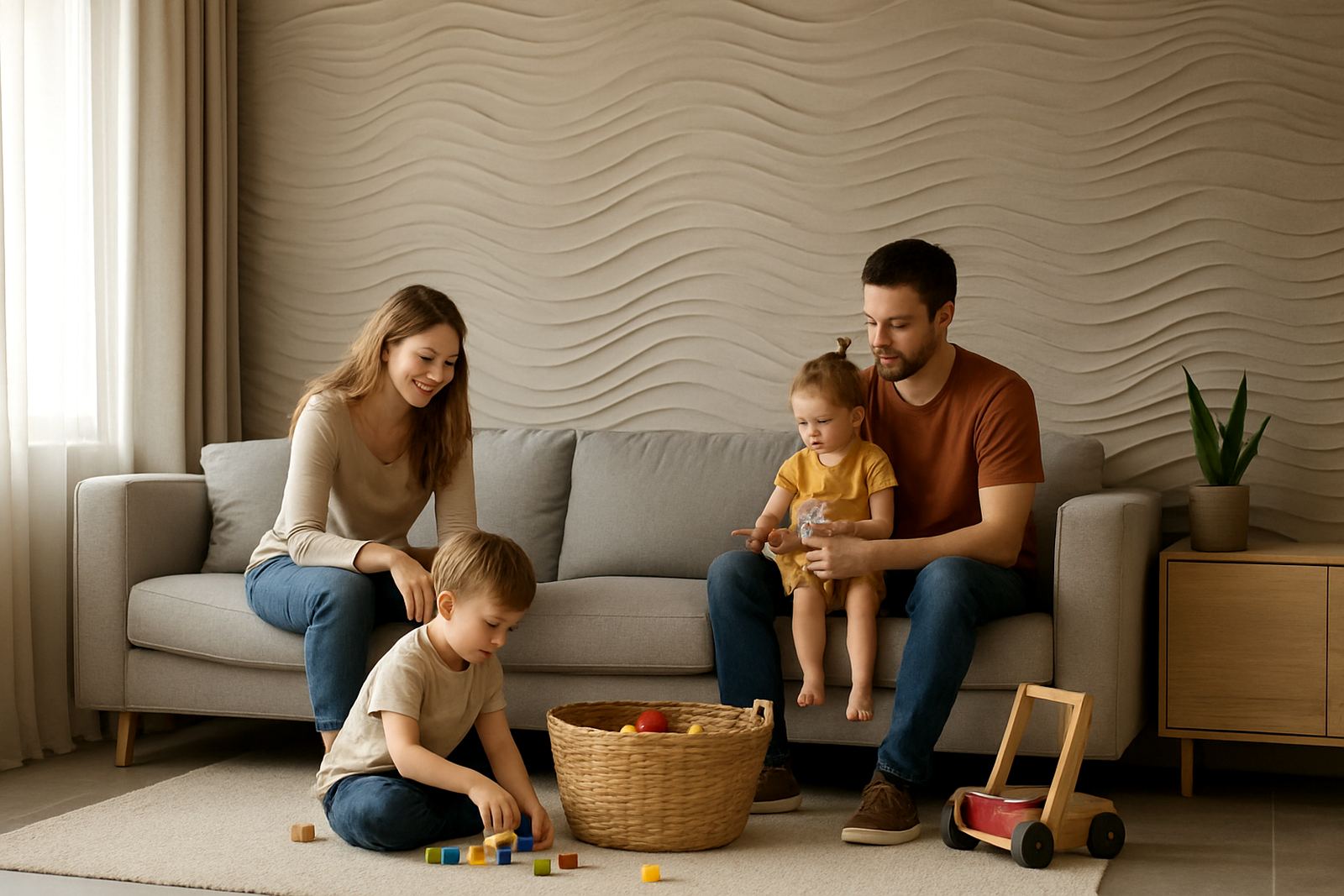
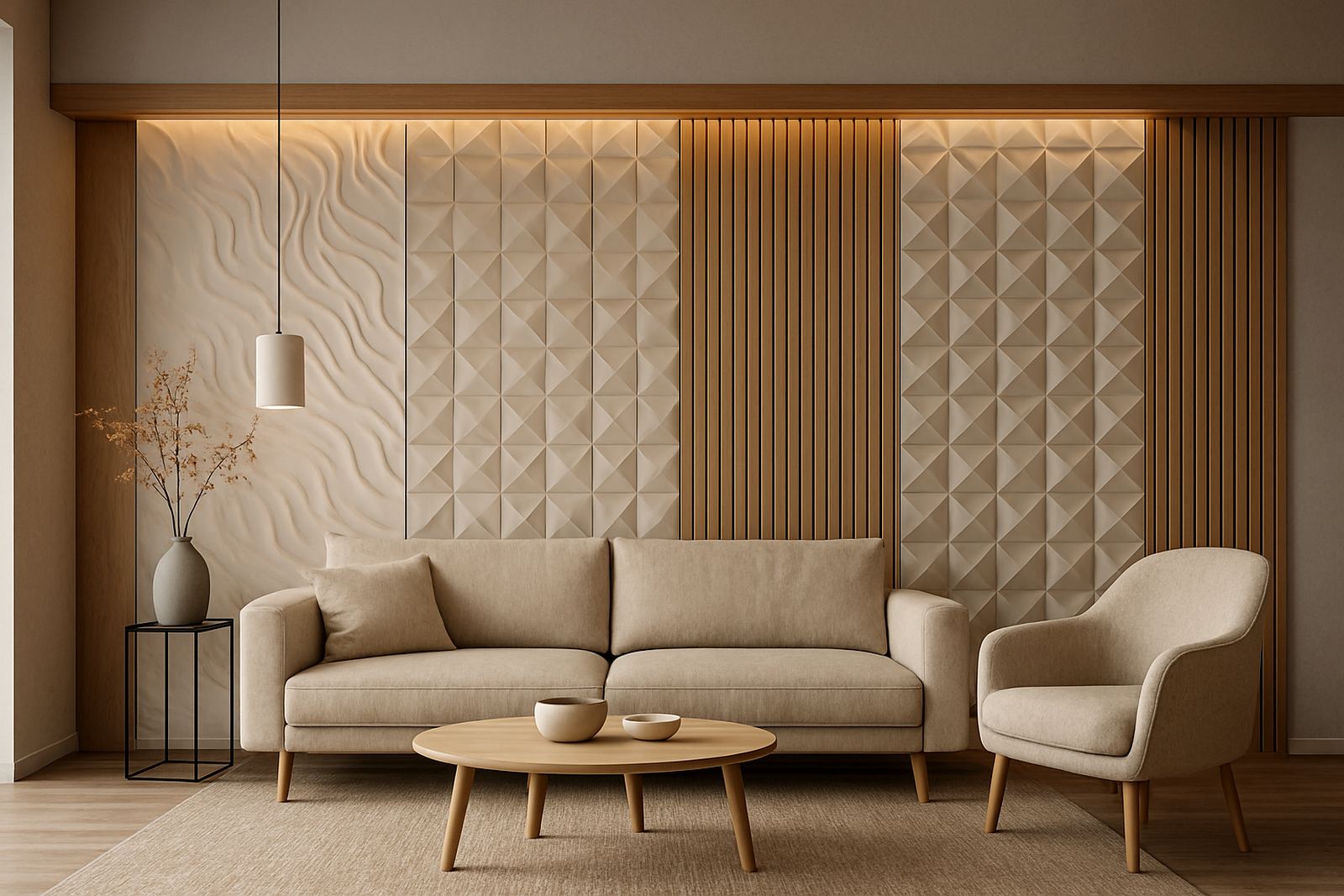
Paint is useful, but in a lounge it often leaves the room looking flat, especially where there are large windows, tiled floors or open-plan layouts. Panels bring shadow lines, surface texture and a sense of structure that helps the room feel finished. In homes across the Western Cape, that matters because many living areas need to handle strong afternoon light, salt air near the coast and daily use from children, pets and guests.
Luxury lounge panels work best when they do more than look good. They can improve acoustics in rooms with TV sound, high ceilings or hard flooring, which is a real advantage in modern homes and reception areas. If you are planning a space for entertaining, the wall behind the sofa or television is often the best place to start because it anchors the whole room and makes furniture placement easier.
- Use panels to break up a long plain wall
- Choose richer finishes for sitting areas with warm lighting
- Match the panel scale to the room size, not just the wall size
- Allow for skirtings, plugs and feature lighting before final layout
Choosing the right finish for a refined lounge
The finish should suit both the room and the way it is used. A formal lounge in the Southern Suburbs may call for a quieter surface with soft shadowing, while a modern apartment in the Atlantic Seaboard could take a bolder geometric pattern. For family lounges, practical cleaning matters too because fingerprints, toys and daily traffic are part of normal life.
Our team often helps clients narrow the choice by looking at wall colour, ceiling height and natural light. Bianca Naidoo, our Design Advisor, will usually ask how the room is used at different times of day, because a panel that looks understated at noon may feel far richer in evening light. That small detail often decides whether a feature wall feels calm or too busy.
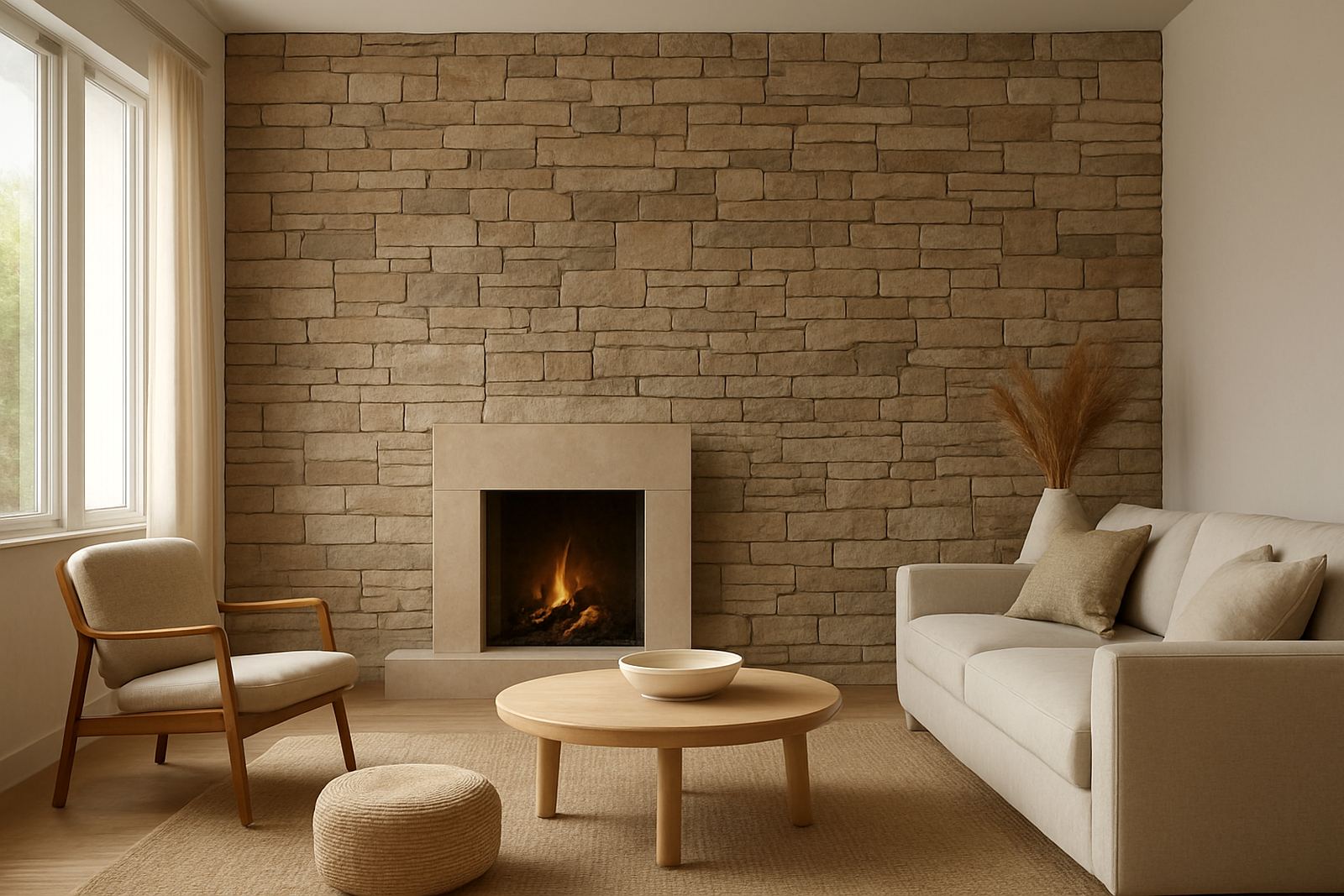
- Textured panels suit softer furnishings and layered fabric schemes
- Wood-look finishes bring warmth to cooler interiors
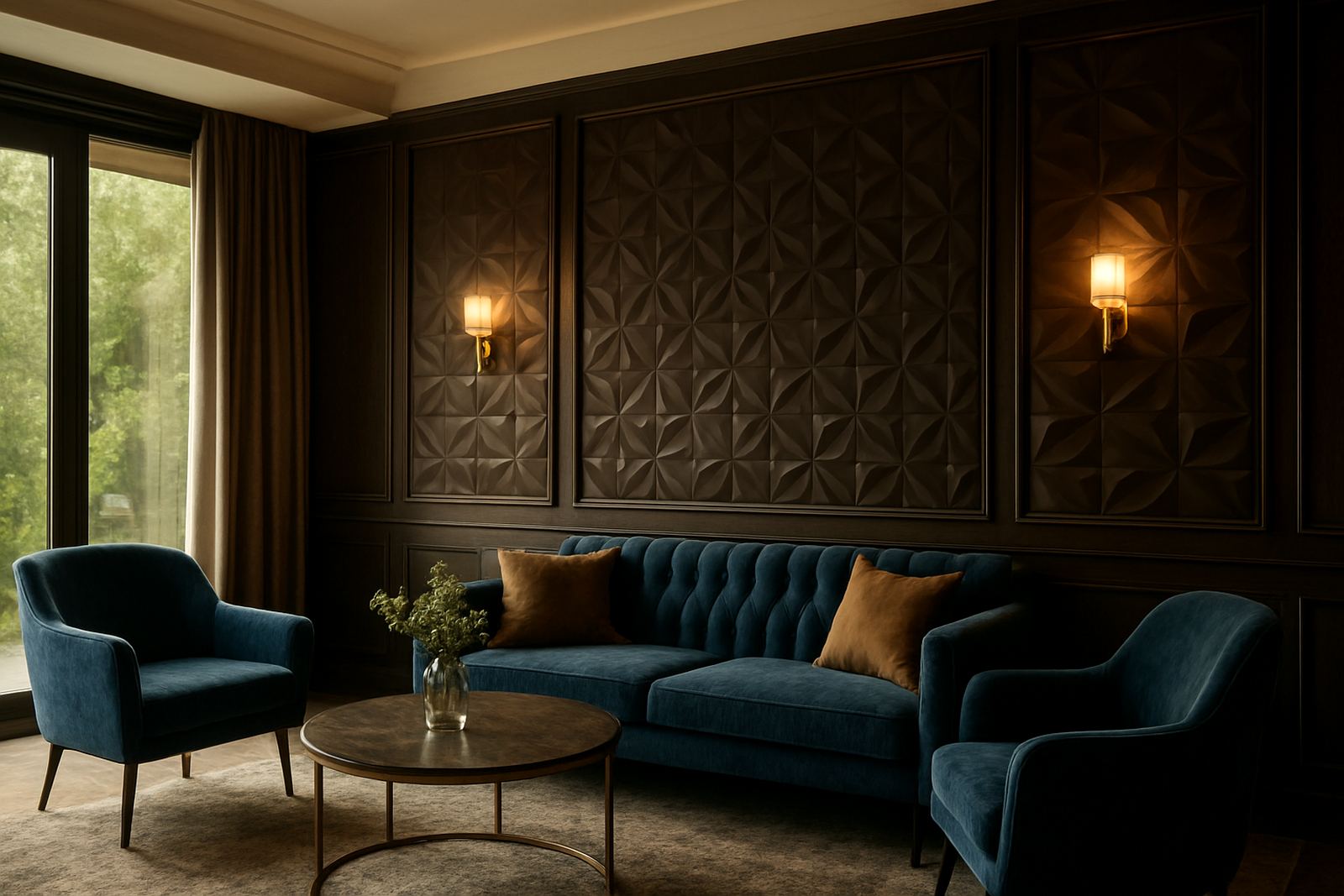
- Dark tones can frame a fireplace or TV wall very well
- Lighter surfaces help smaller lounges feel open
How to plan a feature wall that works in daily life
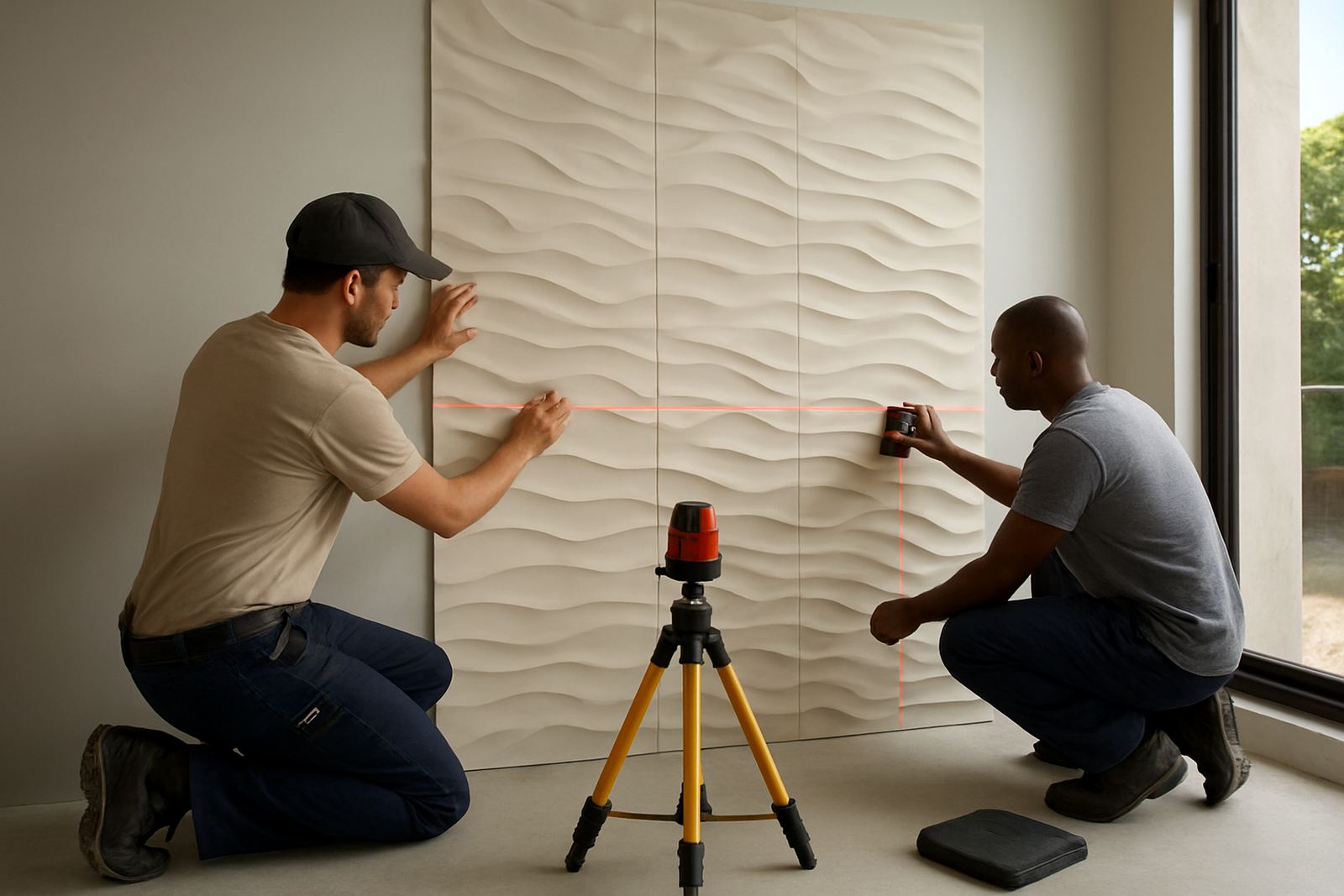
Good lounge design starts with the practical points. Before installation, the wall should be checked for moisture, uneven plaster, loose paint and service points that need access. In older homes around Stellenbosch or Paarl, prep work can be more important than the panel itself because a clean, level base gives a better result and longer life. Johan Smit, our Installation Manager, checks these conditions on site so the final finish sits properly and stays straight.
Feature walls also need to work with the room layout. A wall behind a sofa may be ideal if the room is long, while a television wall often benefits from acoustic support and cable planning. If the lounge opens into a dining area, a panel treatment can define the seating zone without adding a solid partition. That is often a simpler fix than changing the whole floorplan.
For coastal properties, we also look at material choice carefully. Salt in the air can affect some finishes over time, so the right selection depends on whether the room is a few streets from the beach or further inland. If the space is prone to damp or gets heavy sun, the installation approach must allow for movement and the odd bit of maintenance later on.
What a luxury lounge panel project includes
A proper project is more than just supplying panels. It should begin with a site measure-up and a design consultation, followed by sample matching so the client can see the finish against their actual paint colour and furniture. Tshegofatso Mabunda, our Project Coordinator, helps keep the steps in order so the work on site runs properly and nothing gets missed.
Depending on the room and the scale of the job, the process may include:
- Site measure-ups for accurate wall sizing
- Design consultations for layout and finish selection
- Sample matching against the existing room palette
- Wall preparation before fitting begins
- Panel installation and final alignment
- Aftercare support and advice for cleaning
For larger homes, guesthouses and commercial lounges, panel layout is often planned around furniture zones, lighting points and circulation paths. That means the room feels ordered even when there are many things happening in it. Zanele Dlamini, our Client Care Lead, usually fields the aftercare questions, and that matters because a well-kept wall should stay looking good long after the first install.
Acoustic comfort for television rooms and open-plan homes
Many lounge areas now do double duty. They are used for watching TV, working from home, hosting friends and sometimes keeping children busy while dinner is being prepared. In these rooms, hard surfaces can create a harsh echo. Acoustic panel fitting helps soften sound reflections so speech is clearer and the room feels calmer. It is not about making the space silent, just more comfortable to use.
Homeowners in larger suburbs like Somerset West and Paarl often tell us that they want a lounge that feels warm without adding clutter. Acoustic-style finishes do that well because they combine function with a polished look. Gerhard Steyn, our Workshop Supervisor, ensures the panel components are prepared neatly before dispatch or fitting, which helps with consistency across repeated runs in bigger projects.
- Reduce echo in rooms with tiled or laminate floors
- Improve sound comfort around media walls
- Support open-plan areas without adding extra partitions
- Keep the finish attractive enough for formal entertaining
A local example from Montague Gardens to the coast
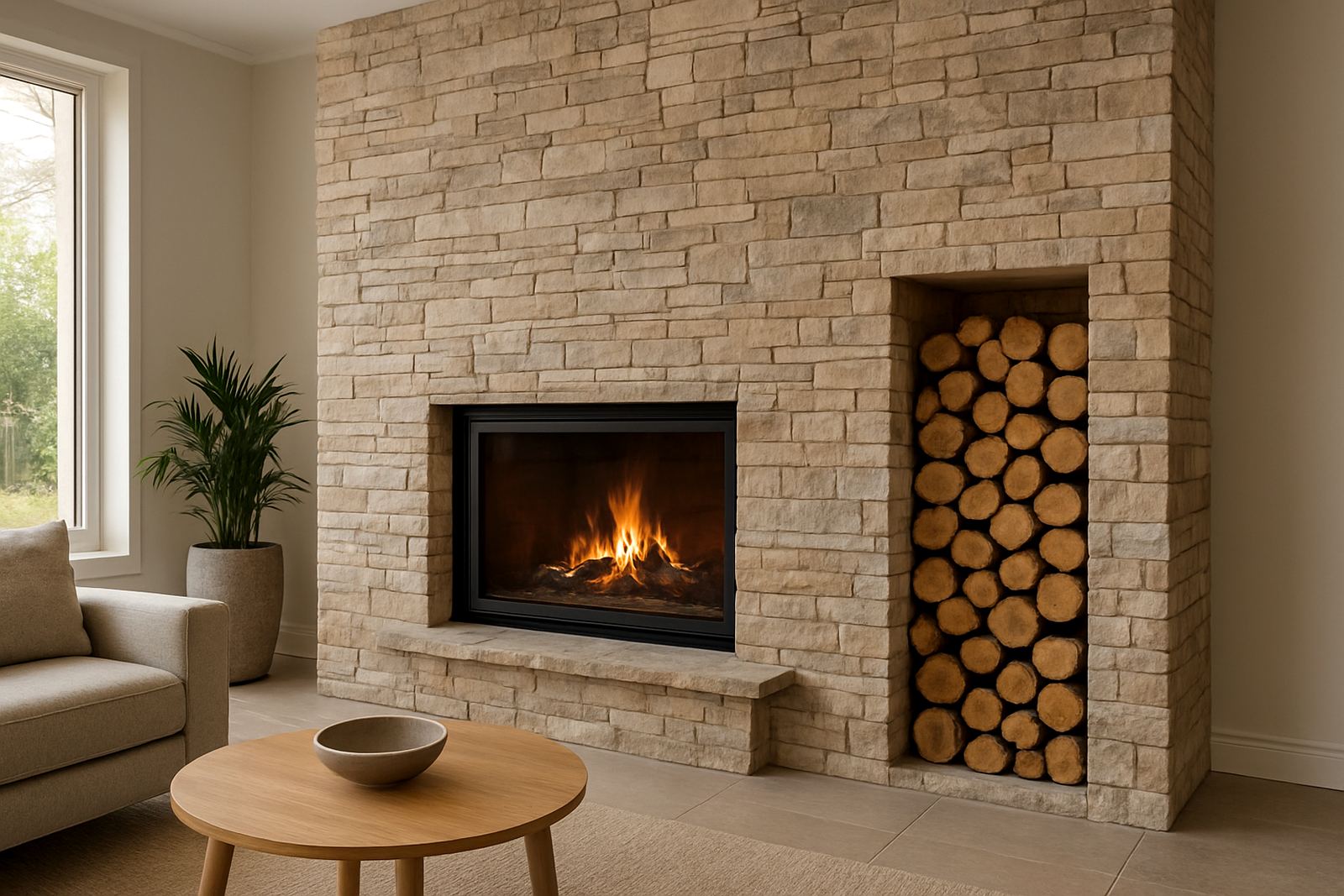
A recent Western Cape lounge project began at our Montague Gardens base and moved through to a family home in the Northern Suburbs with a second entertainment area near the coast. The brief was simple: make the lounge feel more expensive and more settled without taking away useful floor space. The wall behind the sofa was fairly plain, but the client wanted something that would sit well with an existing fireplace, timber furniture and warm lighting.
After the measure-up, the room was mapped for panel height, socket positions and the best join lines. A richer textured finish was chosen for the main wall, while the side return was kept quieter so the room would not feel crowded. Once installed, the space looked more balanced straight away. The client also noticed the room sounded better during evening use, which was a bonus they had not expected.
That kind of outcome is common when the panel choice is made with the whole room in mind. A lounge is not just a wall, it is where family life and visiting guests meet. The right finish should handle both.
How to keep a luxury lounge wall looking good
After installation, care is usually simple, but it depends on the finish chosen. Dusting with a soft cloth or vacuum brush attachment is normally enough for most interior panels. For marks near sitting areas, gentle cleaning is better than harsh chemicals. In homes where windows are often open, especially near the coast, regular light cleaning helps prevent build-up from damp air and fine dust.
Panel maintenance also starts with good habits in the room. Try not to lean furniture directly against the wall if it will be moved often, and be careful when hanging pictures or mirrors nearby so the feature wall remains the main visual focus. If a section is damaged later, panel repairs are often possible without replacing the entire wall, which keeps the job practical and cost-effective.
WallArtDesign works with homeowners, architects and interior professionals across Cape Town and the Western Cape, with panels couriered nationwide where needed. If you are planning a lounge refresh, the enquiry form on our contact page is the best way to start the conversation and arrange the next step.