
Hotel Feature Walls That Handle Busy Interiors
In a hotel, every surface has a job to do. A feature wall in the lobby or behind the headboard can guide the look of the whole space, but it also needs to stand up to luggage knocks, trolley traffic, frequent cleaning and the occasional scuff from moving furniture. That is why material choice matters as much as the design.
For guest rooms, the right wall finish adds identity without making the room feel busy. In public areas, a stronger texture or pattern can help with wayfinding and make a space feel more considered. In Cape Town, where some properties face salty air and others deal with dry heat and load-shedding related maintenance schedules, durability and easy upkeep are not optional, they are part of the brief.
A good hotel wall feature should also work with your operating realities. If rooms are turned over quickly, maintenance must be simple. If the building is older, the wall finish may need to hide minor unevenness. If the hotel hosts corporate travellers, the look should feel calm and professional rather than loud or trendy.
Choose the right wall for the right space
Not every cladding option suits every part of a hotel. The trick is matching the material to the zone, the use and the amount of cleaning it will see. A headboard wall in a suite can handle a richer texture, while a restaurant wall near serving traffic needs a finish that resists marks and can be wiped down properly.
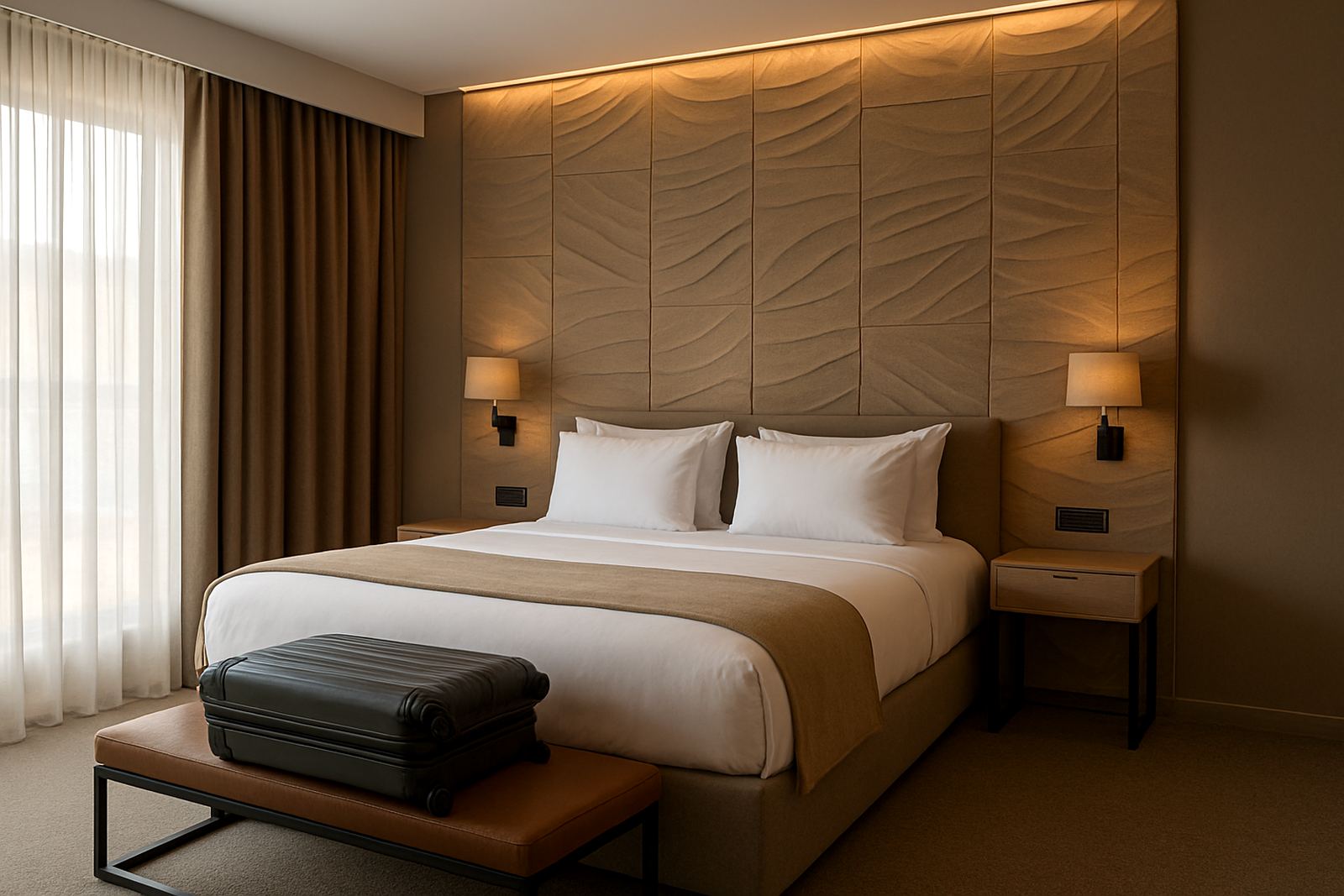
- Guest rooms: choose finishes that soften the space and frame the bed or work area.
- Reception: use a wall treatment that creates a clear first impression and holds up under heavy foot traffic.
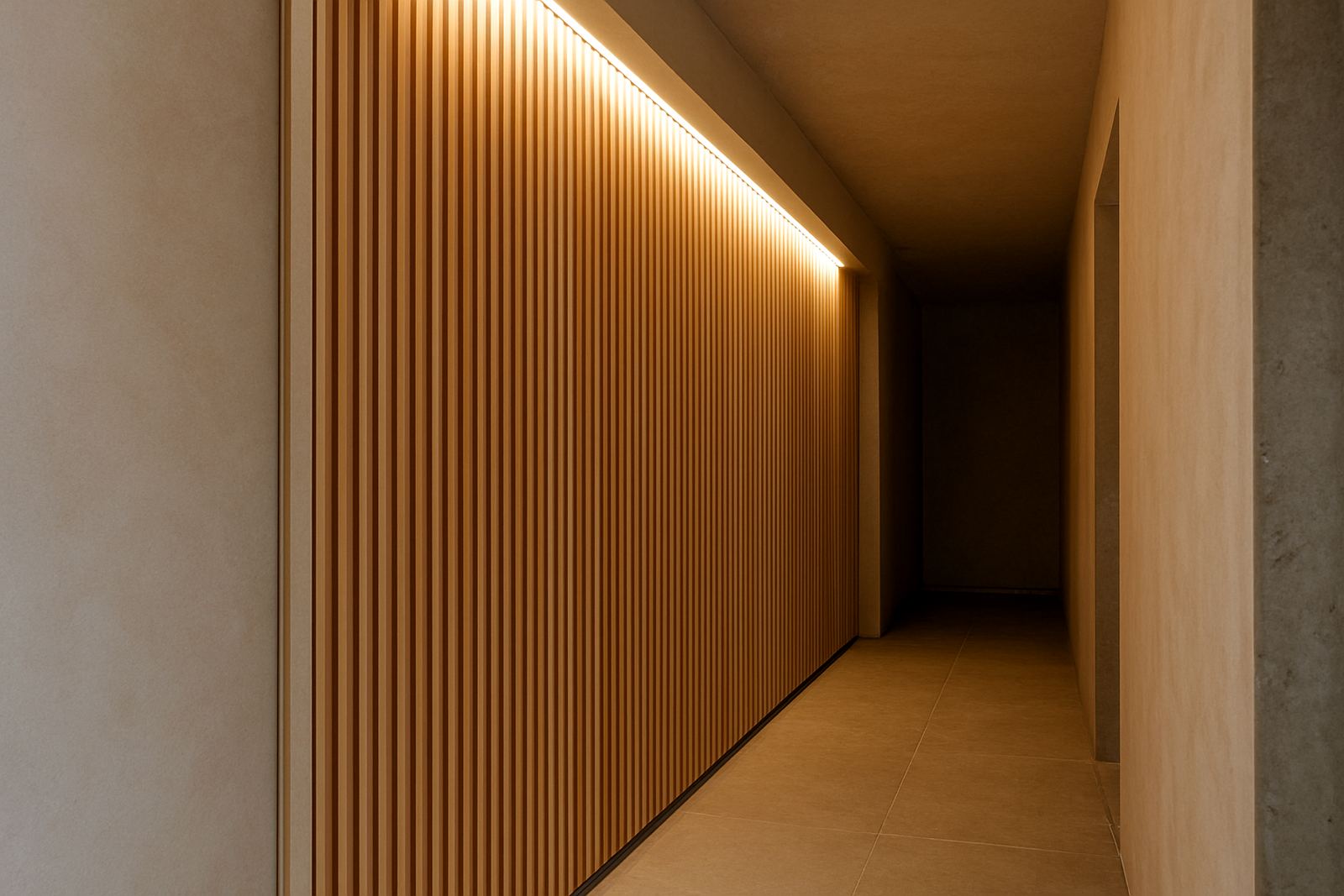
- Corridors: keep profiles shallow so luggage and housekeeping equipment do not catch on edges.
- Conference rooms: consider acoustic help so the room sounds as good as it looks.
In coastal areas like the Atlantic Seaboard or Somerset West, moisture and salt can affect certain substrates and fixings over time. A proper site measure-up helps determine what will suit the wall and the building conditions, instead of relying on a one-size-fits-all approach.
Design ideas that work in South African hotels
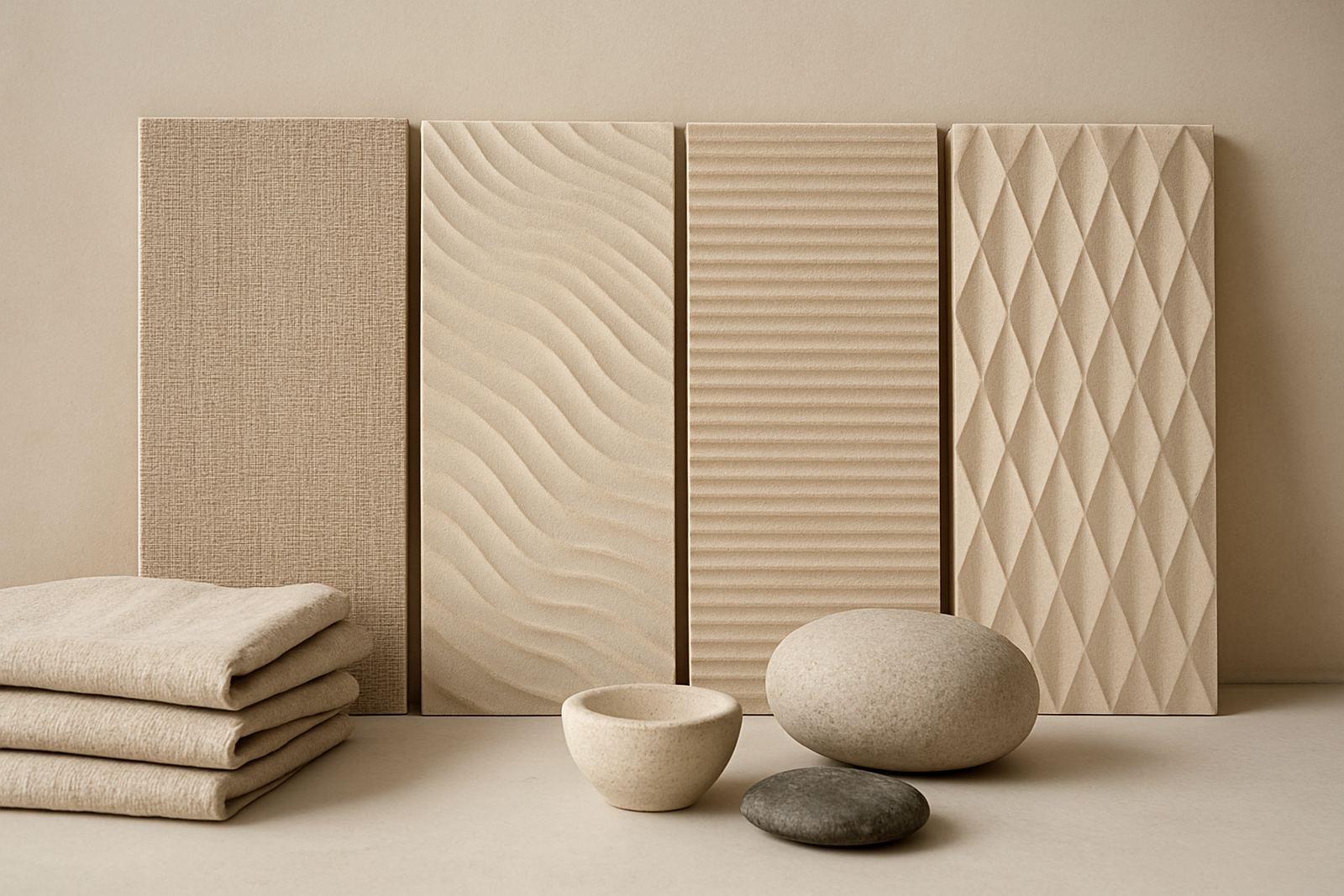
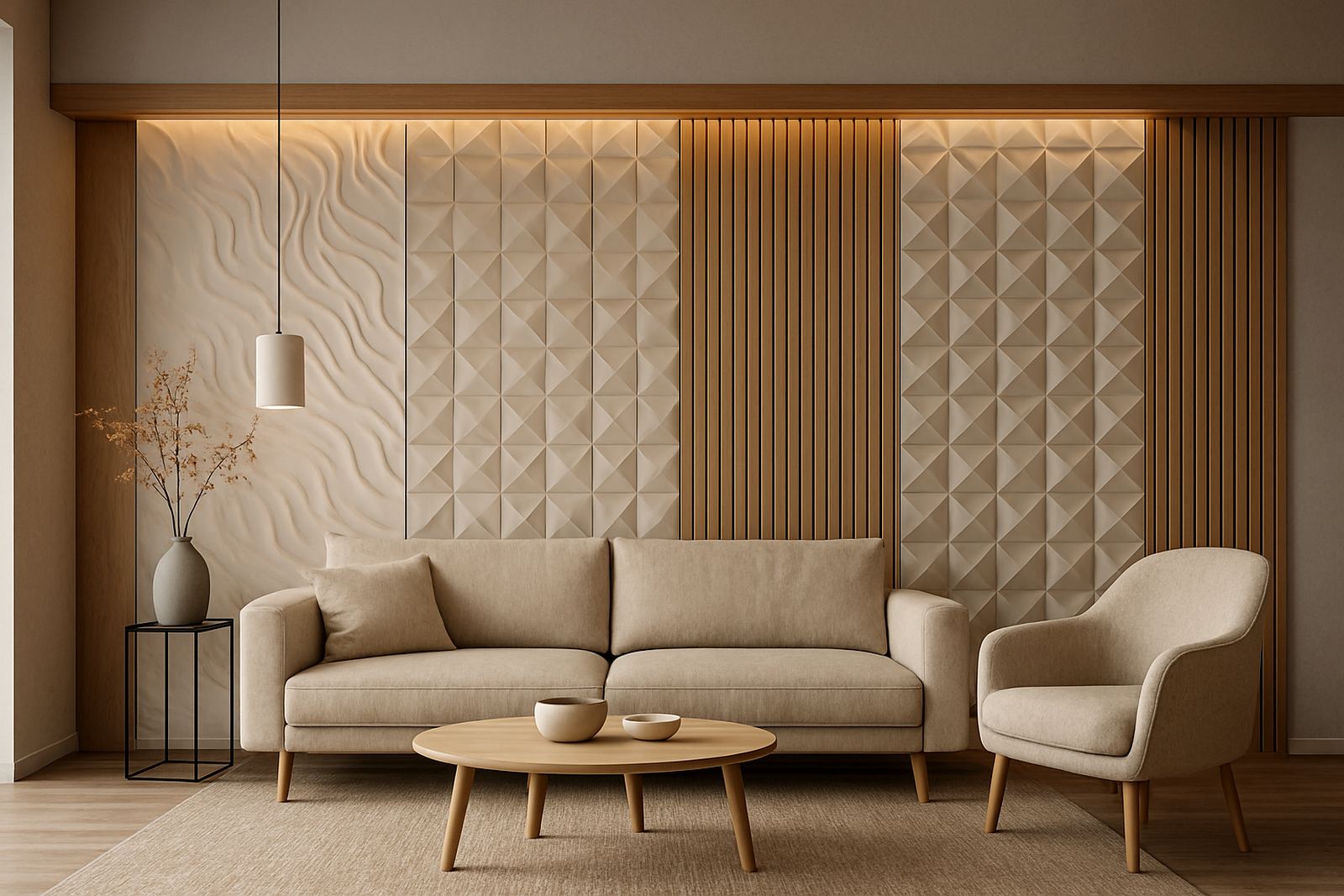
Hotels do well when the feature wall feels deliberate rather than decorative for its own sake. A strong vertical pattern behind a reception counter can make a low ceiling feel taller. A warm timber look can soften a large, cool lobby. In guest rooms, a textured panel behind the bed can replace separate artwork and still create a clear focal point.
For boutique properties in Stellenbosch or Paarl, natural tones often work well with wine country interiors and older architecture. In city hotels in the Northern Suburbs or Cape Town CBD, more structured lines and darker finishes can suit a business traveller demographic. The best result is one that feels local, not copied from a catalogue. It should reflect the property, not shout over it.
- Use one strong wall per zone instead of covering every surface.
- Repeat a finish in smaller ways, such as on columns or feature niches.
- Pair textured panels with simple lighting so the surface detail shows properly.
- Keep signage, skirting and trims aligned for a neat finish.
That balance matters in hospitality, because guests notice the overall mood long before they notice the individual materials.
Acoustics, cleaning and day-to-day wear
Many hotel owners focus on appearance first, then realise later that the acoustics are a problem. Hard surfaces can create echo in reception areas, breakfast rooms and meeting spaces. Acoustic wall panels and selected cladding profiles can reduce that sharpness, making conversations clearer and rooms feel more settled.
Cleaning is equally important. Housekeeping teams need surfaces that can be wiped without special treatment or constant touch-ups. In high-contact areas, choose finishes that resist fingerprints and show less marking. If a section of wall is likely to take knocks, it is worth planning a repairable system from the start rather than dealing with full replacement later.
For hotels that run through peak season and full occupancy, maintenance windows are short. Materials that install in manageable sections make it easier to complete work room by room. That reduces disruption and helps keep revenue flowing, which is often the real test of any design decision.
A practical install plan for live hotel environments
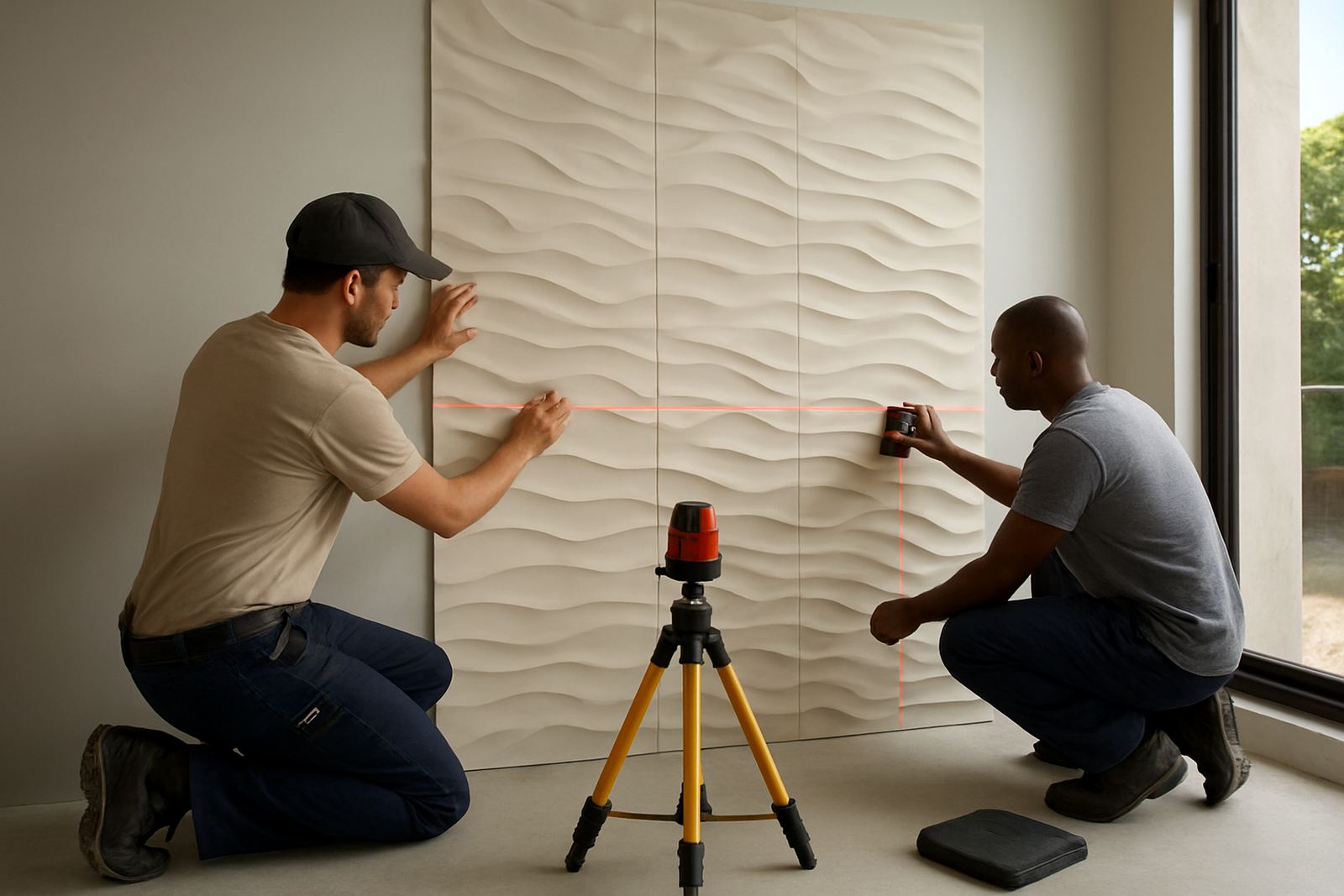
Hotel work has to happen around guests, staff movement and operating hours. A tidy install plan saves time and avoids complaints. Before any panel goes up, the wall should be checked for moisture, loose plaster, uneven areas and hidden services. If the substrate is not right, the finish will not last, no matter how good it looks on day one.
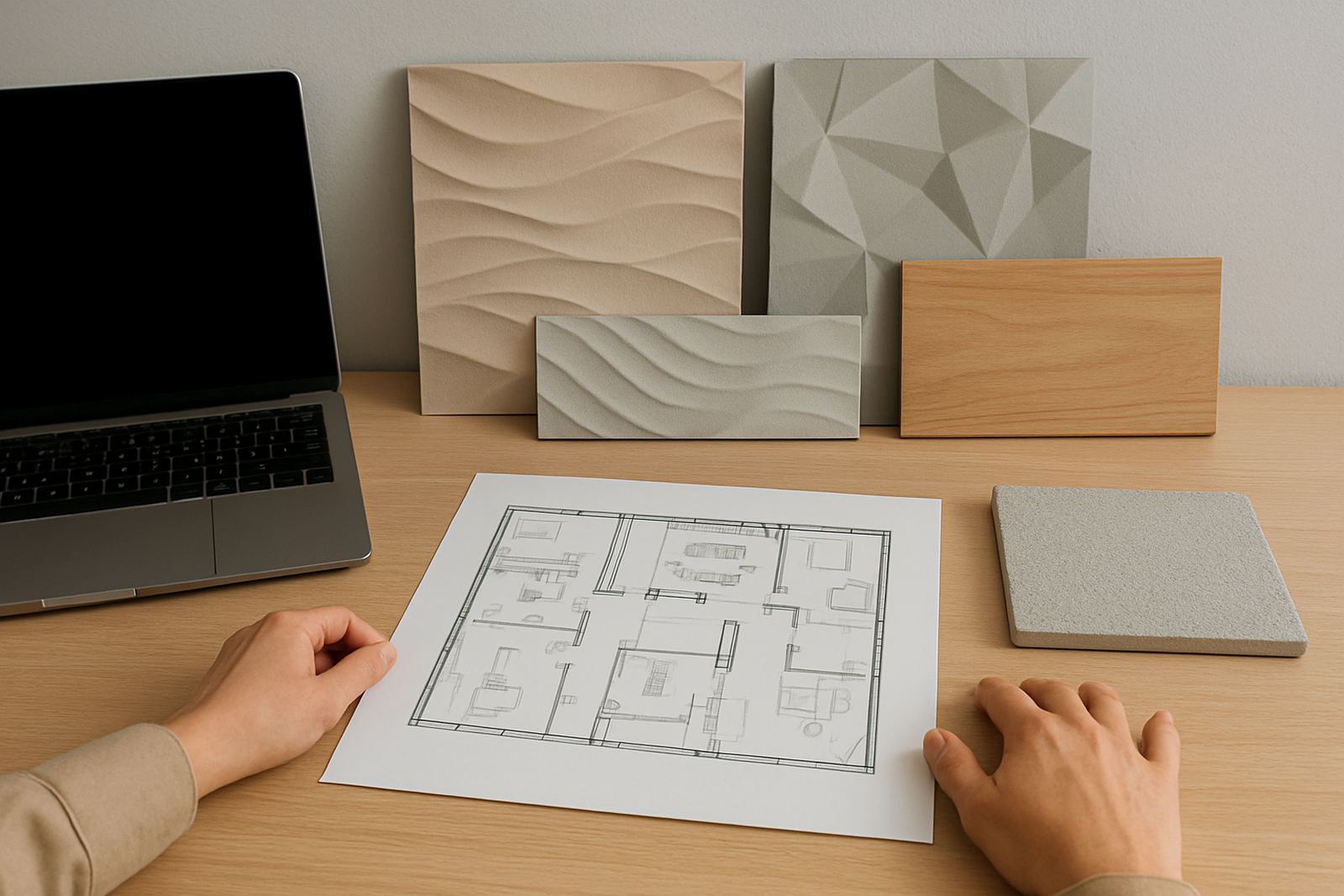
For larger properties, commercial rollout planning is useful. That can include sample matching, phased installation by floor or wing, and clear sequencing with housekeeping and maintenance teams. It also helps to agree on access, noise limits and after-hours work where needed.
- Confirm wall condition before installation begins.
- Match colours and textures to flooring, curtains and joinery.
- Plan phasing so guest access is not disrupted.
- Keep spare panels for future repairs and maintenance.
On one Cape Town hotel project, a reception wall and selected corridor features were upgraded in stages so the front-of-house team could keep operating. The result was a more polished arrival area without forcing a full shutdown, and the same finish was later carried into selected suite headboards for consistency.
What hotel owners should ask before ordering panels
Before committing to a finish, it helps to ask a few direct questions. How will the wall be cleaned? What happens if a section is damaged later? Does the material suit humid coastal conditions or air-conditioned interiors? Can the design be repeated across different room types without looking flat? Those answers usually tell you whether the product is right for hospitality use.
It is also worth thinking about the long term. A wall feature should still feel current after a few seasons, which means avoiding overly busy patterns that date quickly. Neutral foundations with one or two strong design notes tend to hold up better in hotels, especially where room turnover is high and brand consistency matters across multiple areas.
WallArtDesign works with hotels, guesthouses and commercial spaces across Cape Town, the Western Cape and nationwide. From Montague Gardens to the Southern Suburbs and beyond, the focus is on practical finishes that fit the space, fit the schedule and hold their own under daily use.
The finish should work as hard as the room
A hotel feature wall is not just decoration. It should carry the look of the space, improve comfort where needed and make maintenance easier, not harder. When the material, scale and placement are chosen properly, the result is a room that feels more complete and less generic.
For guest rooms and public spaces alike, the best wall ideas are the ones that keep looking right after months of use, not just on install day. That is where careful planning, proper measuring and material know-how make the difference.