
Texture Is Leading the Way in Modern Feature Walls
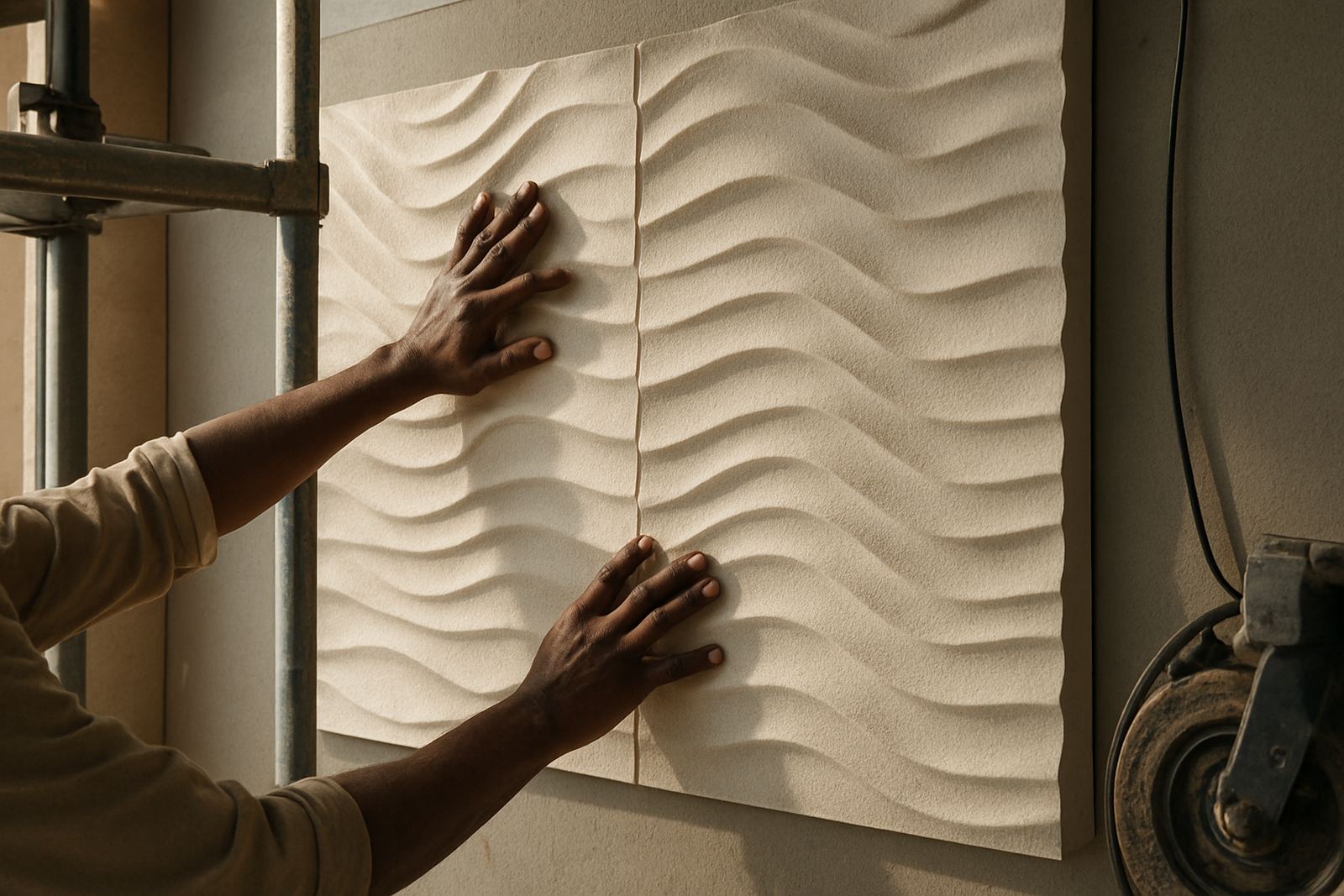
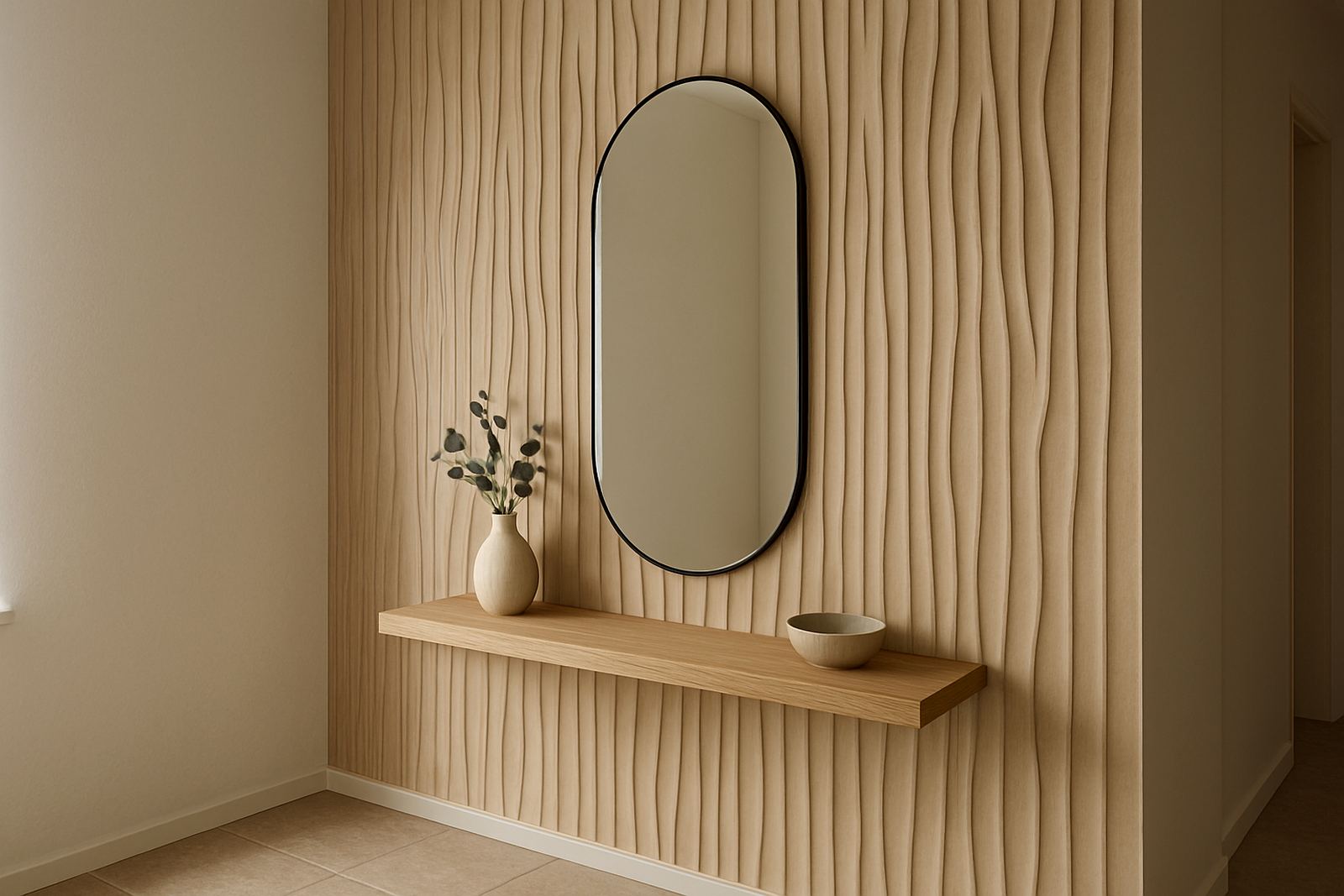
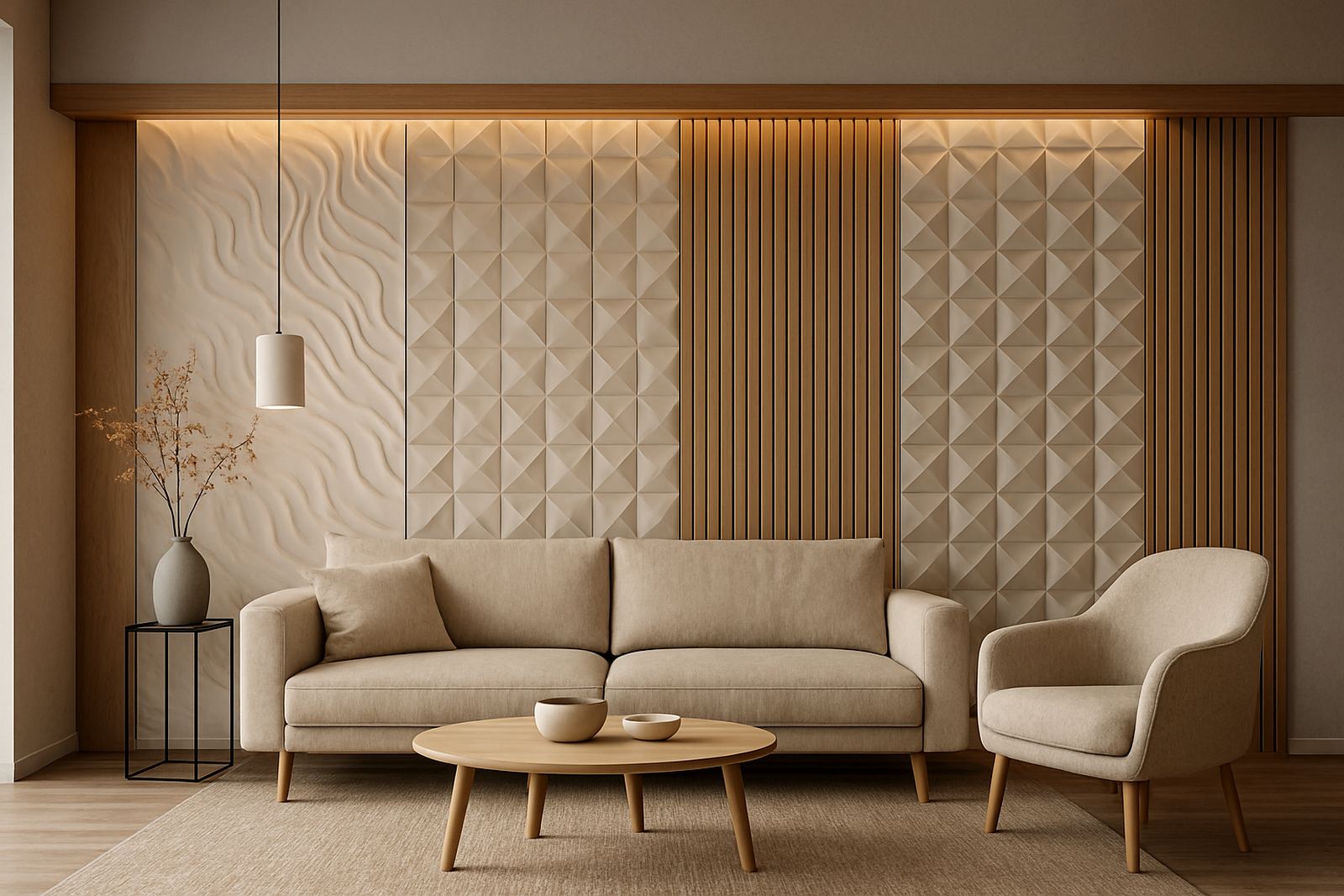
Flat painted walls still have their place, but the strongest trend right now is texture you can see and feel. 3D wall panels, fluted profiles and relief cladding bring depth to a room without needing a full renovation. They work well in double-volume living areas, boardrooms and reception spaces where plain walls can feel cold or unfinished.
For homeowners in places like the Southern Suburbs or Atlantic Seaboard, texture is a practical choice as much as a design one. It helps break up glare in bright rooms and can soften a space that has a lot of glass, tile or concrete. In commercial interiors, textured cladding also gives a strong first impression without requiring constant decoration.
When selecting a profile, think about how the light moves across the wall during the day. A deeper pattern will show more shadow and dimension, while a softer pattern gives a calmer effect. The right choice depends on the room size, furniture layout and how much attention you want the wall to draw.
Earthy Colours and Warm Neutrals Are Taking Over
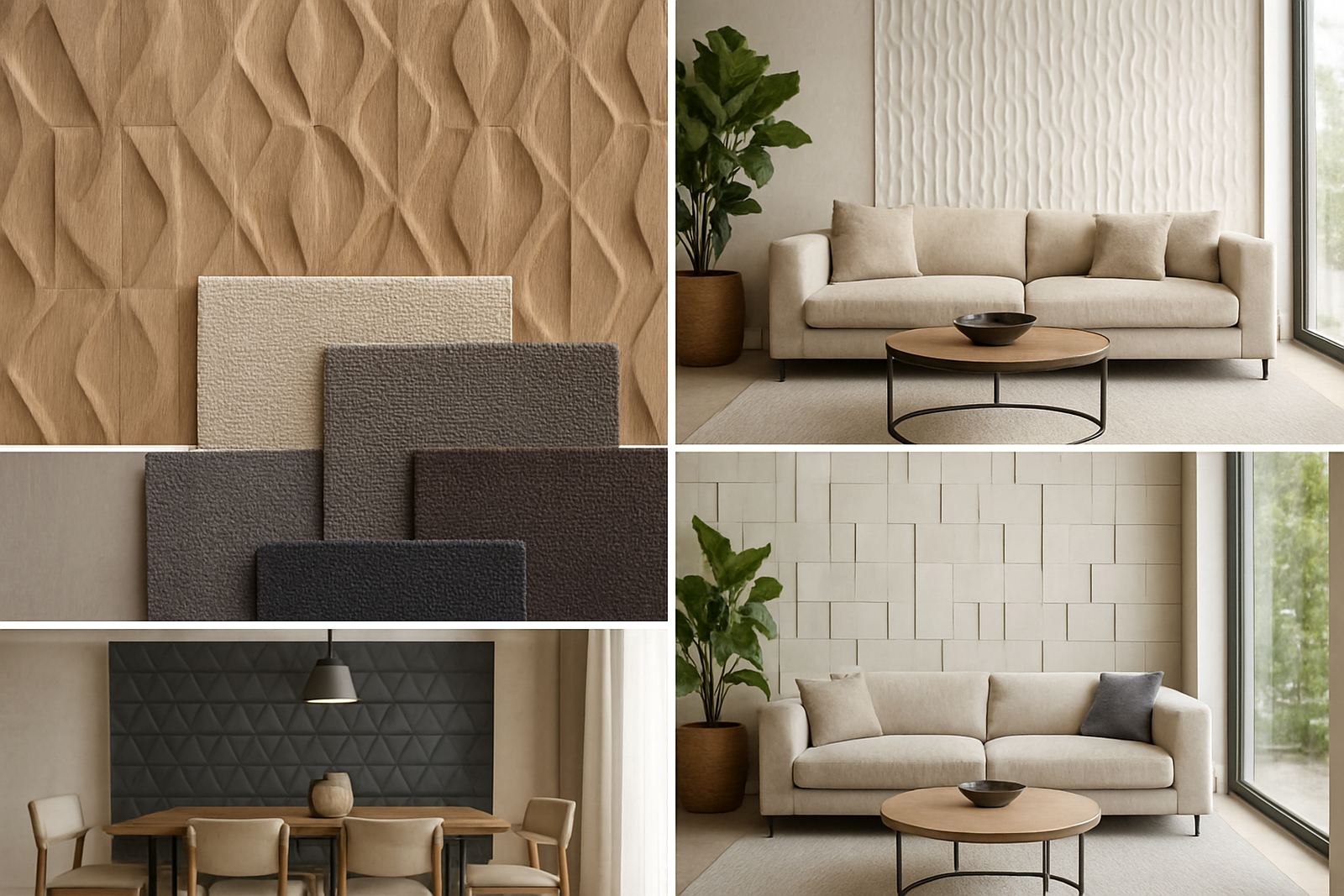
Bright feature walls are giving way to warmer, grounded colours. Think sand, stone, charcoal, clay and muted olive rather than hard primary shades. These tones sit well with timber, black aluminium, brushed metal and natural fabrics, so they suit both homes and business interiors.
Across Cape Town, many clients are asking for finishes that feel calm but still have character. That often means a feature wall that blends into the space during the day and becomes more dramatic at night with focused lighting. In homes, this works especially well in living rooms, passage ends and bedroom headboard walls. In offices, it can make client areas feel more settled and professional.
For spaces near the coast, colour choice also matters because strong sunlight can age certain finishes faster. A slightly textured surface in a mid tone usually hides dust and wear better than a very pale gloss finish. It is a simple detail, but it makes a big difference over time.
Acoustic Panels Are Moving Into Everyday Design
More people are asking for walls that do more than look good. Acoustic panel fitting is now a major part of feature wall work, especially in open-plan homes, home offices, restaurants and meeting rooms. A well-planned panel wall can reduce echo and make speech clearer, which is useful in busy spaces where sound bounces off glass, tiles and high ceilings.
This is where design and function meet properly. A feature wall can add pattern, create a focal point and help control noise at the same time. In a Cape Town apartment or townhouse, that can be the difference between a room that feels lively and one that feels sharp and tiring. In a commercial rollout, it can also help staff and customers communicate better without raising their voices.
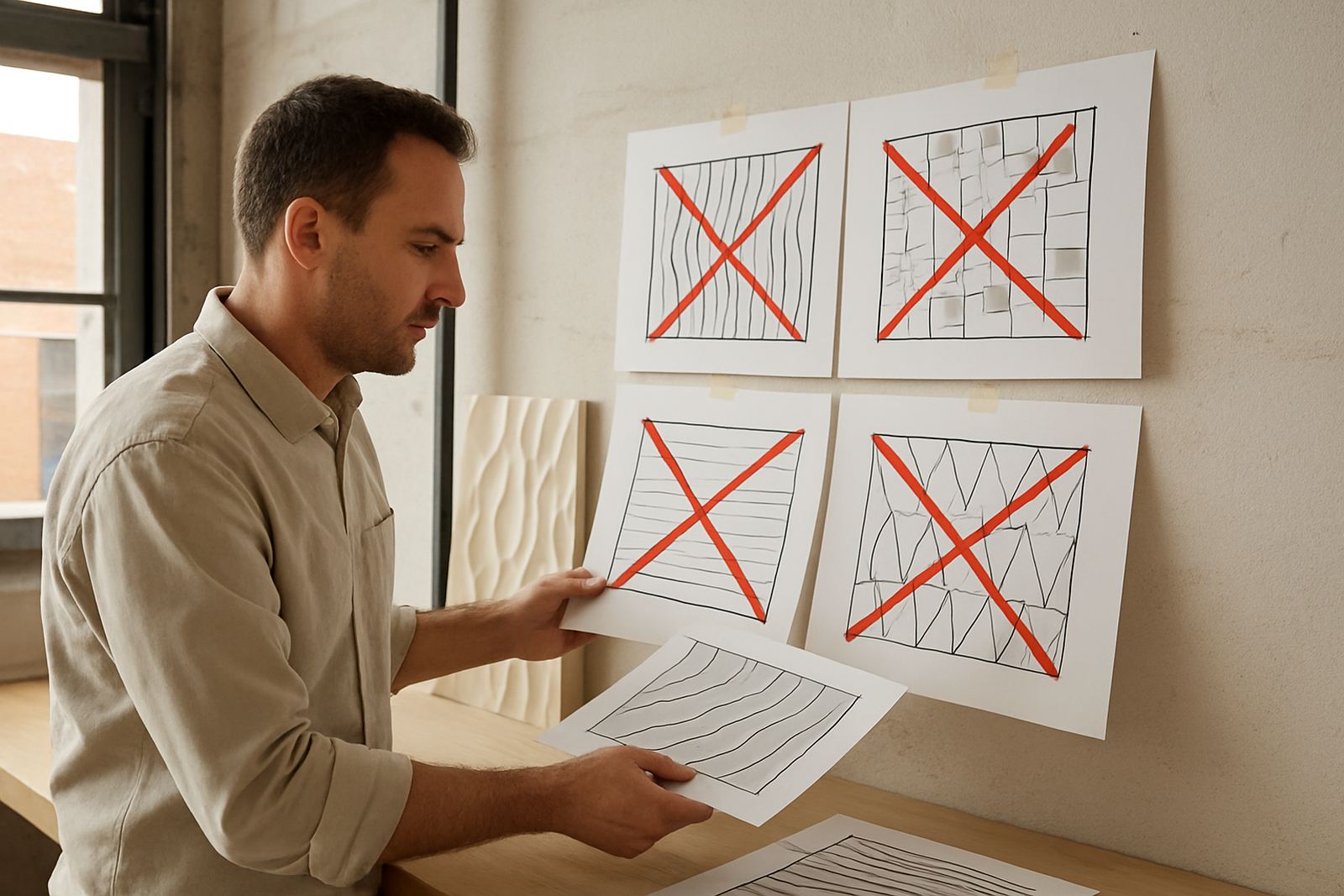
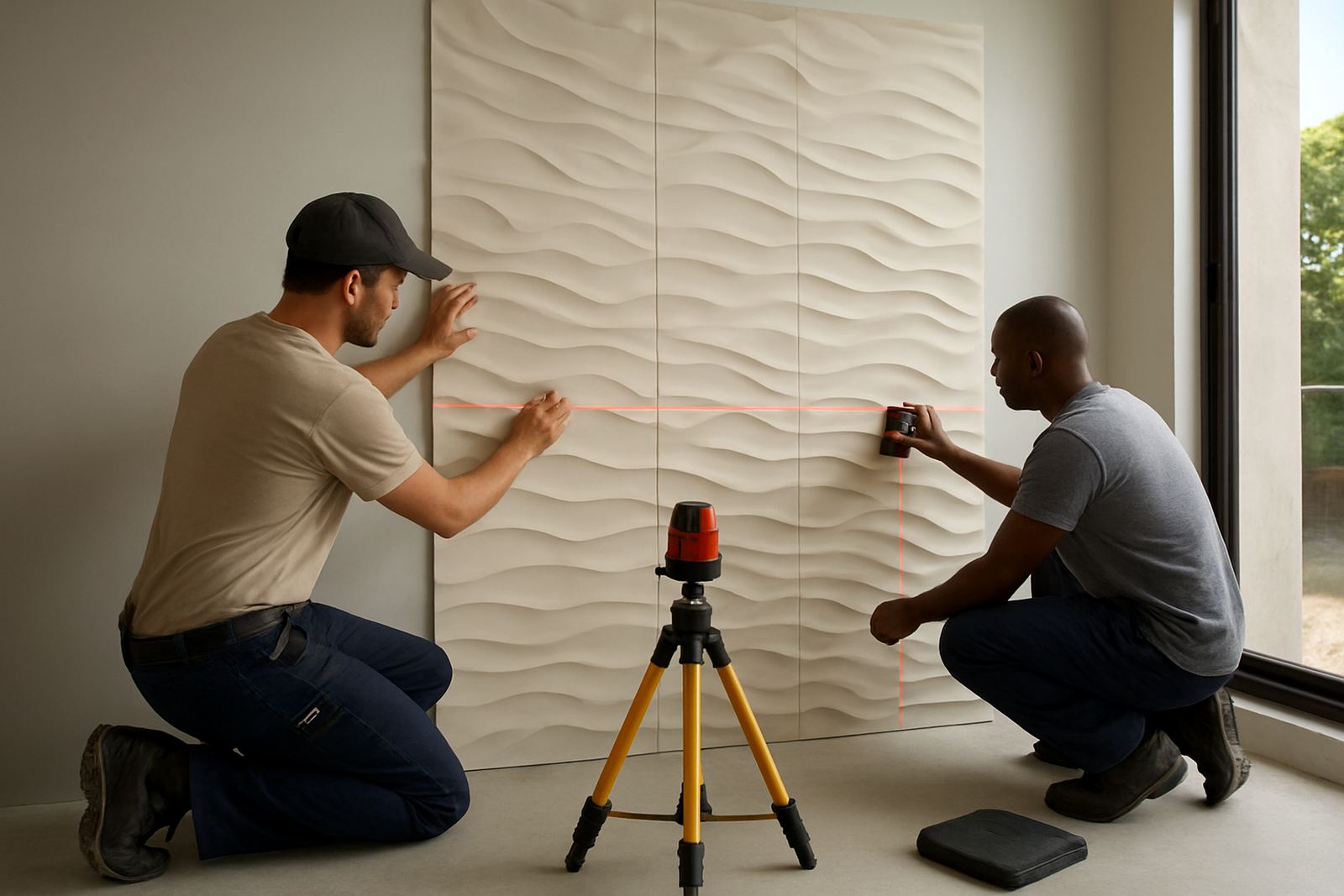
Good acoustic work starts with the room itself. Ceiling height, floor finish, furniture and window size all affect performance. Panels should be installed with proper wall preparation and laid out to suit the room proportions, not simply fixed in a line and hoped for the best.
Commercial Interiors Want Cleaner Lines and Faster Installation
In commercial spaces, the current direction is toward tidy, repeatable wall systems that can be installed with minimal disruption. Offices, showrooms, hospitality spaces and consulting rooms usually need a finish that looks good on day one and holds up under regular use. That means material choice, fixing method and lead time all matter.
For businesses in Montague Gardens, Century City or Stellenbosch, the best solution is often a feature wall that can be measured accurately, prepared properly and installed in stages if needed. This is especially important where a space must stay open to the public or where work has to fit around trading hours. A clean installation schedule saves headaches later.
Practical details matter here. Panels should be easy to clean, stable in changing temperatures and suitable for the room conditions. In some places, humidity near the coast needs extra care, while in others load-shedding means lighting choices around the feature wall need to be planned with care too.
Mixing Materials Is Creating More Interest in One Wall
Another strong trend is the use of mixed finishes on one feature wall. A client might want a panelled section beside smooth plaster, or an acoustic area framed by a more decorative cladding. This approach adds interest without making the room feel busy. It also helps separate a large wall into manageable sections, which is useful in both homes and commercial interiors.
Mixed materials are especially effective when there is a clear focal point, such as a fireplace, TV wall, reception counter or headboard area. The key is to keep the layout balanced. Too many textures in one place can look crowded, but one or two carefully chosen finishes can make the whole room feel considered.
A local example would be a Somerset West family room that needs both warmth and practicality. A textured panel behind the TV, paired with a painted section and a quieter finish on the side wall, gives the room structure without overwhelming it. It also makes cleaning and maintenance easier, which families tend to appreciate.
What Cape Town Clients Should Ask Before Choosing a Trend
Trends are useful, but the right feature wall is the one that suits the room, the budget and the way the space is used. Before choosing a style, ask whether the wall needs acoustics, whether the surface needs repair, and whether the finish will still make sense in a few years. A good design choice should work hard, not just photograph well.
For projects across the Western Cape, site measure-ups and sample matching are the safest starting point. That helps avoid surprises with scale, colour and finish once the panels are on site. It also gives room for proper planning around installation, aftercare and any maintenance that might be needed later.
Whether the job is a single feature wall in a Durbanville home or a larger commercial rollout in Paarl, the most practical trend is the one that solves a real problem while improving the room. That is what gives a feature wall lasting value.