
Why the ceiling is worth planning
Many projects spend time on floors, walls and fittings, yet the ceiling is often left plain until the end. That can be a missed chance, especially in open-plan rooms where sound bounces around and the eye wants a bit more structure. Decorative ceiling panels give you a way to bring pattern, depth and cleaner acoustics into the same space.
In Cape Town homes, we often see this in living rooms with high ceilings, apartments where echo becomes a problem, and reception areas that need to look neat from the moment someone walks in. Ceiling applications can also help define zones in a larger room, which is useful for restaurants, boardrooms and retail counters where one space has to do more than one job.
- Reduce hard-surface echo in busy rooms
- Add visual interest without losing floor space
- Support a stronger feature wall or lighting plan
- Help a plain ceiling feel finished, not forgotten
Styles that work well overhead
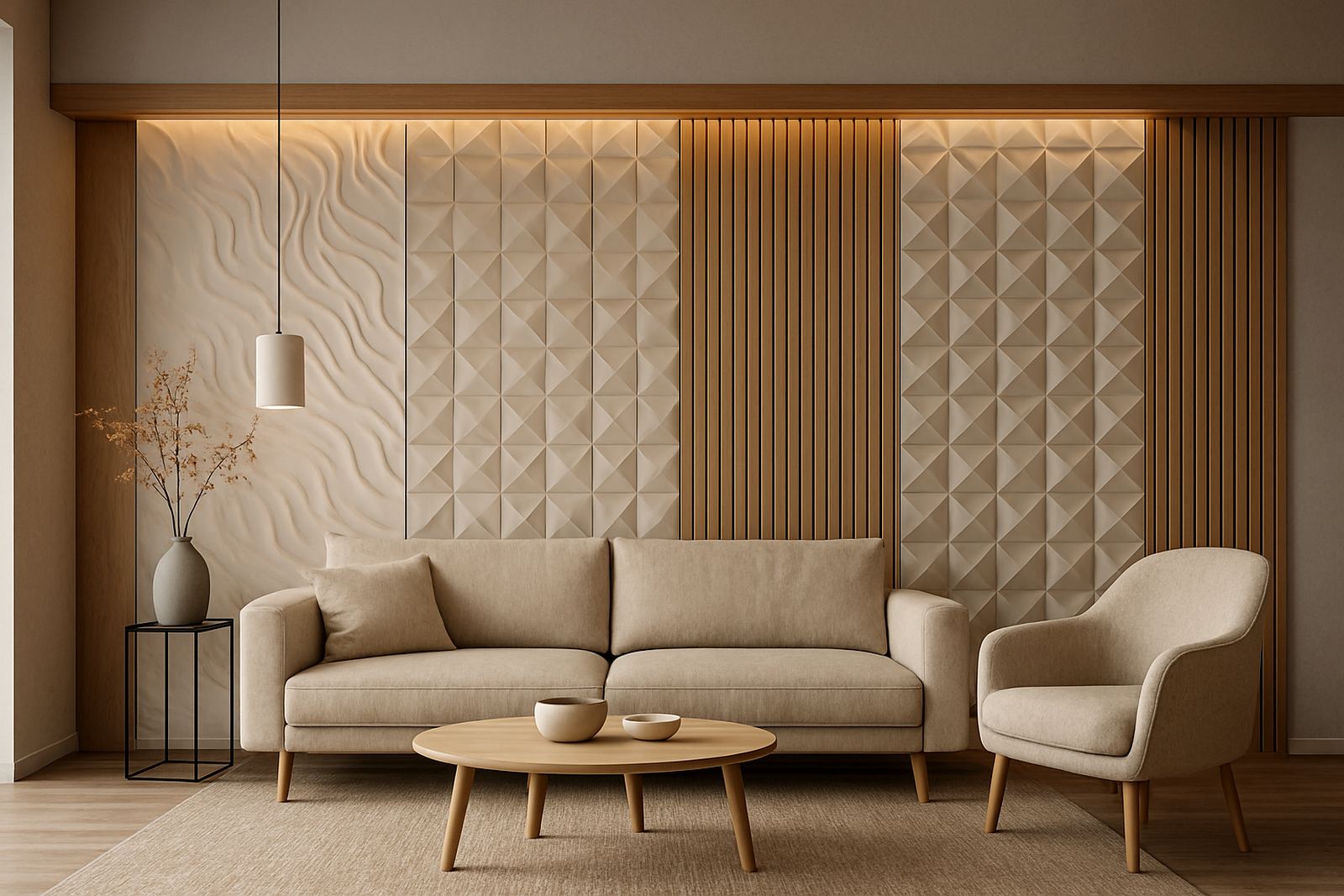
Ceiling panels do not all need to look the same. Some projects call for a subtle linear finish, while others need a bolder 3D surface that becomes part of the room's identity. The best choice depends on ceiling height, natural light, and what else is happening in the space below.
For homes in the Southern Suburbs and Atlantic Seaboard, softer profiles often suit lounges and bedrooms where the goal is calm. In commercial spaces across Montague Gardens, Paarl or Somerset West, sharper geometry can suit a reception, meeting room or showroom. The key is to keep proportions in mind so the ceiling does not feel too busy for the room size.
- Linear panels for a clean, ordered look
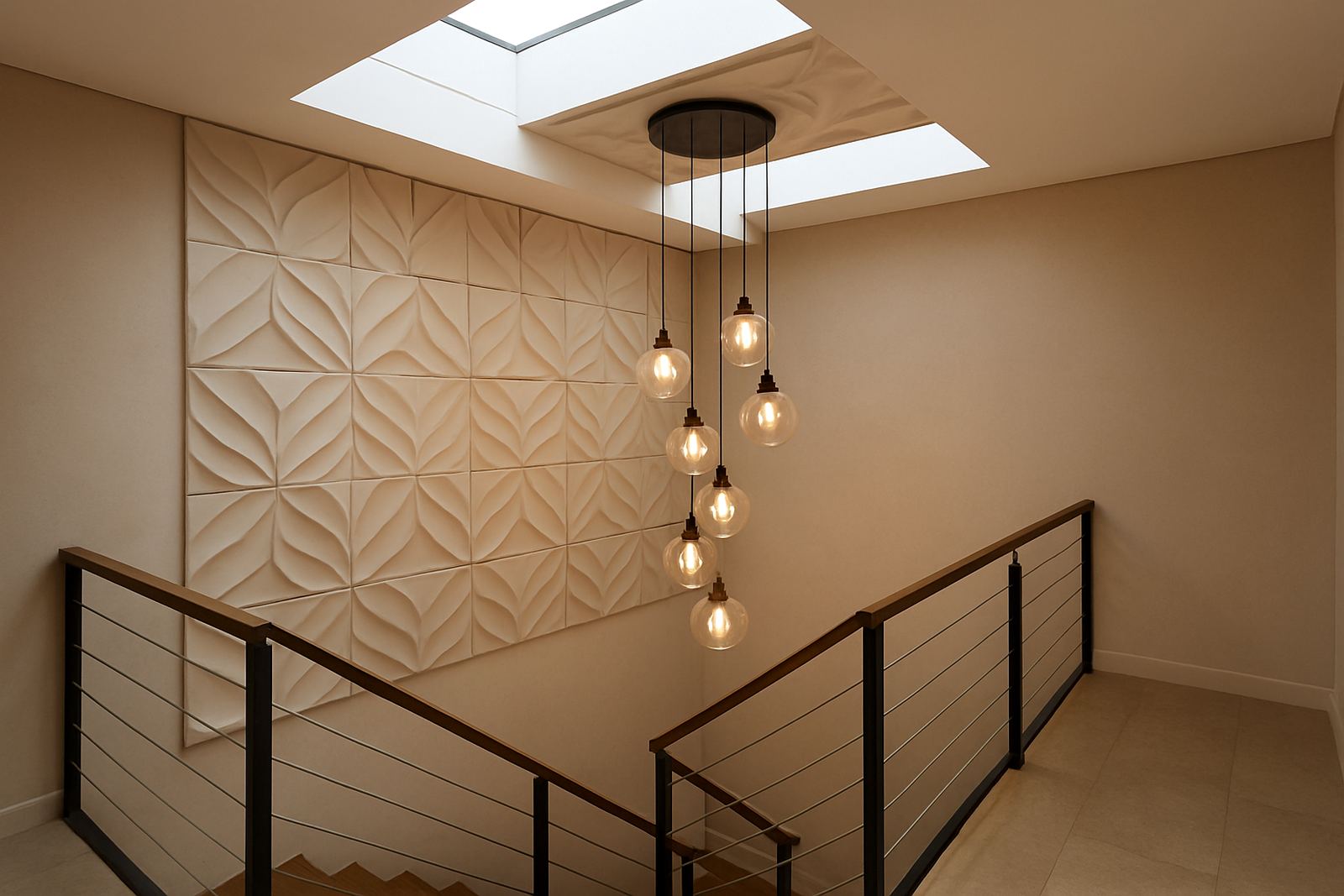
- 3D patterned panels for stronger shadow and movement
- Acoustic-facing options for rooms with call noise or music
- Feature strips that frame lighting or ceiling recesses
Where ceiling panels make the biggest difference
Some rooms benefit more than others. A ceiling upgrade is especially useful where you want to control sound, hide small imperfections, or add a polished finish to a space that gets regular use. In a family home, that might be the lounge or braai room. In a business, it is often the foyer, open office or client-facing area.
A local example we see often is a home in Durbanville with a combined kitchen and living area. The owner wanted a more finished look, but also needed to reduce the sharp sound that comes from tiled floors and plaster walls. A measured ceiling layout above the dining zone helped break up the echo and made the whole room feel more settled. The result was practical first, decorative second.
- Open-plan living areas with hard flooring
- Entrance halls and reception spaces
- Meeting rooms where speech clarity matters
- Hospitality spaces that need atmosphere without clutter
Practical points before installation
Good ceiling work starts with a proper site check. Height, existing lighting, access points, moisture levels and the condition of the current surface all matter. On the Cape side, coastal humidity can also influence material choice, especially in homes closer to the sea where salt air and moisture are part of daily life. A panel that works inland may need a bit more thought near the coast.
It also helps to plan around the rest of the room. If you are fitting downlights, speakers or air vents, those details need to be accounted for before fixing any panels. In commercial spaces, there may be municipal rules, fire safety requirements or access needs for maintenance. Those should be checked early so the job runs properly and there are no unwanted changes later on.
- Measure ceiling height and layout before choosing a pattern
- Check for damp, cracks or loose plaster first
- Allow for lights, vents, sprinklers and access hatches
- Match the finish to humidity and cleaning needs
Acoustics and comfort in real use
Ceiling panels are not only about appearance. In busy homes and workspaces, they can help reduce reverberation so conversations feel easier and the room sounds less harsh. That matters in family rooms, restaurants, call centres, classrooms and client-facing offices where noise can build up quickly.
Acoustic performance depends on the panel type, spacing and how the ceiling is set out. A small change in layout can make a room sound less flat and more controlled. It is not a magic fix for every noise problem, but in many interiors it gives noticeable relief, especially when paired with curtains, rugs or upholstered furniture. For offices in Cape Town or Stellenbosch, that can make a real difference to comfort through load-shedding days too, when people spend longer in one room and rely on a calmer environment.
- Helps soften chatter in open-plan rooms
- Supports more comfortable video calls and meetings
- Works well alongside other soft finishes
- Can improve the feel of a room without major construction
From sample to final fit
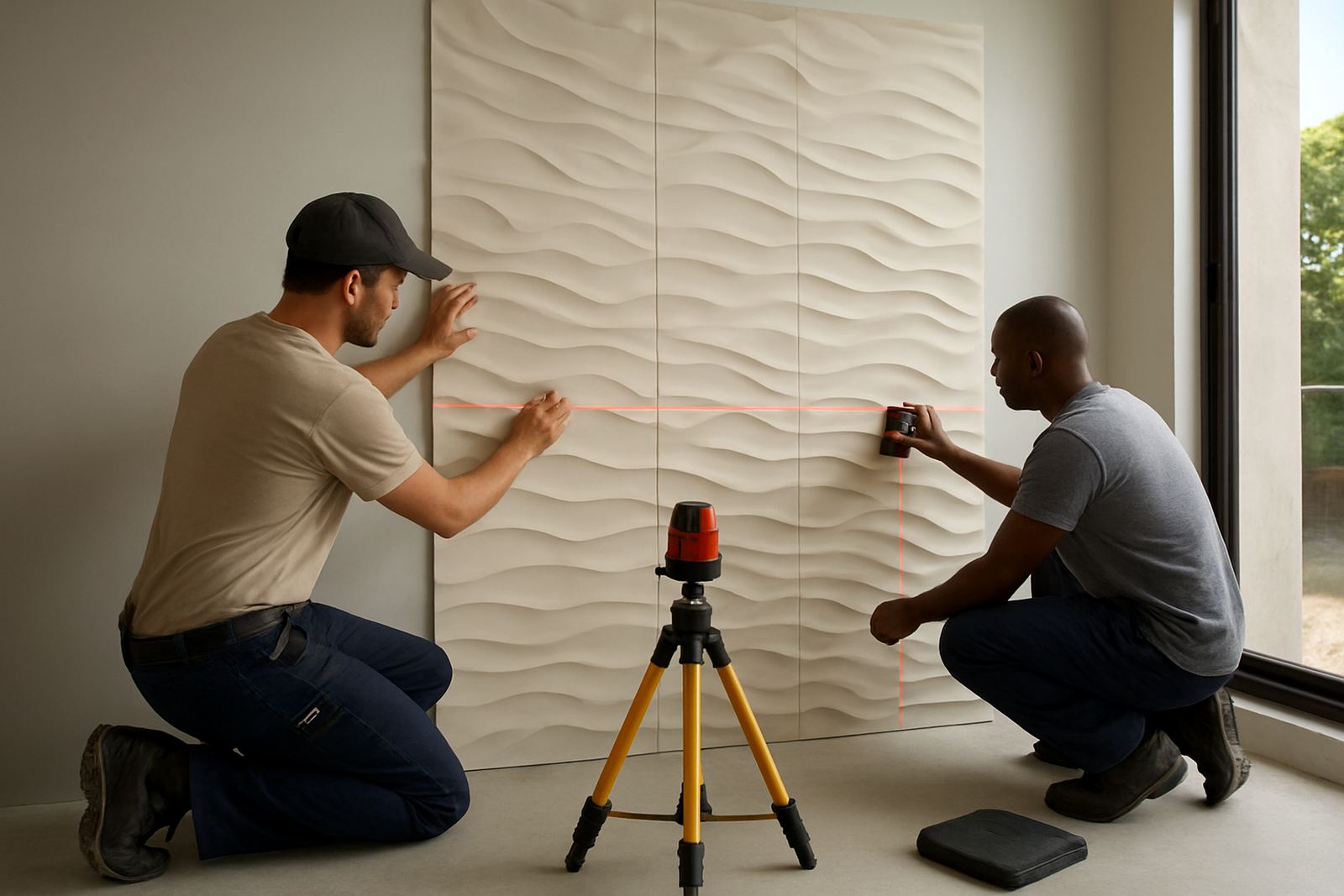
When clients start with ceiling ideas, sample matching is useful because colour and texture can shift once a panel is up overhead. A finish that looks subtle on a sample board may read quite differently when light moves across it during the day. That is why site measure-ups and design consultations are worth doing before the final order is placed.
At WallArtDesign, the process is handled from the Montague Gardens base and covered across the Western Cape, with nationwide couriering for panels that are going further afield. Our team includes Morne van Rensburg, with support from Anele Mbeki, Bianca Naidoo, Johan Smit, Tshegofatso Mabunda, Gerhard Steyn and Zanele Dlamini, so the practical side and the client side are kept aligned from the start. Whether the job is a single ceiling feature in Sea Point or a commercial rollout in Paarl, the aim is the same: neat work, clear planning and aftercare support that makes sense once the panels are in place.
- Book a site measure-up before confirming quantities
- Use sample matching to check colour in the actual room
- Plan for installation access and finish details
- Ask about repairs and maintenance for long-term use