
Start With the Wall Behind the Bed
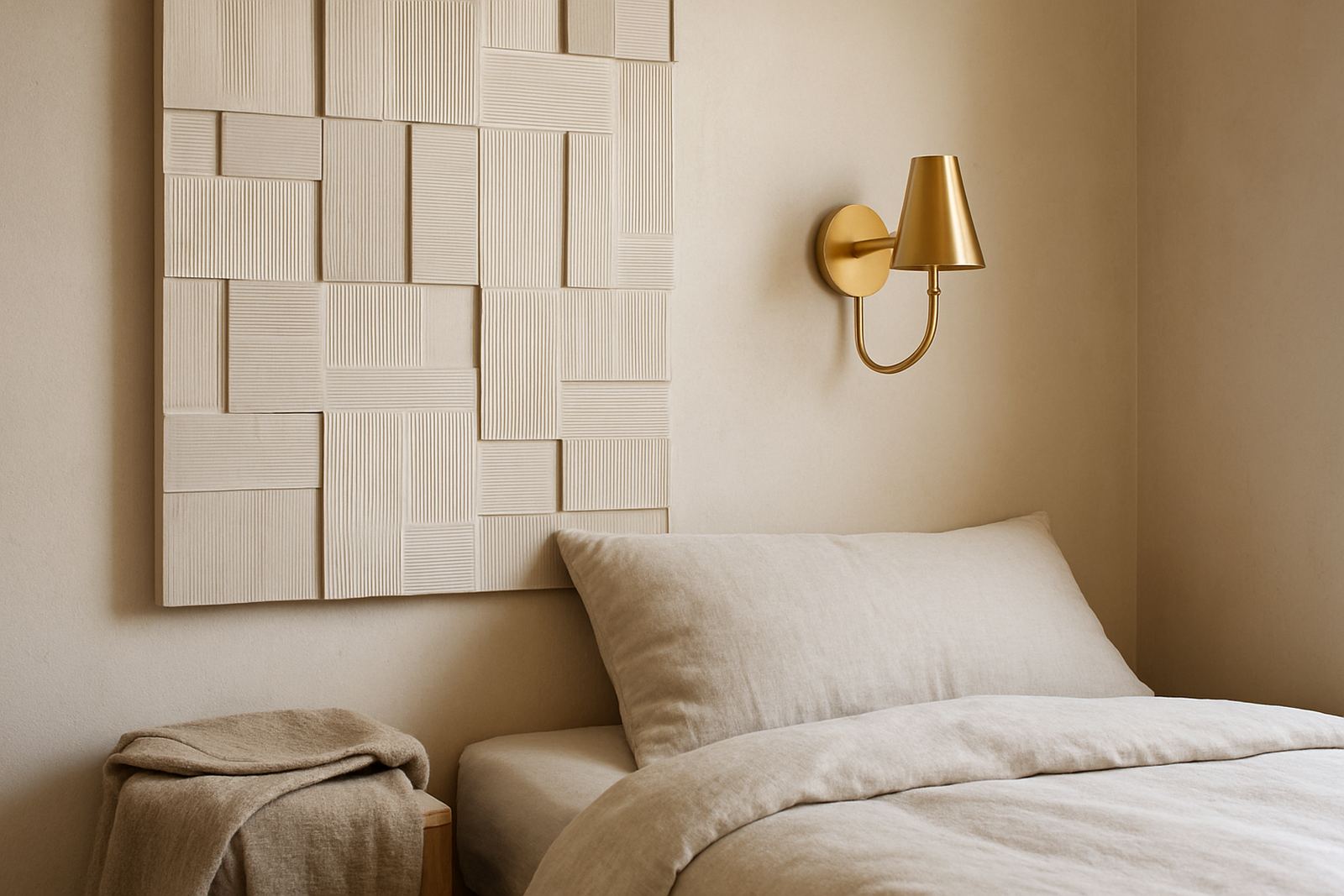
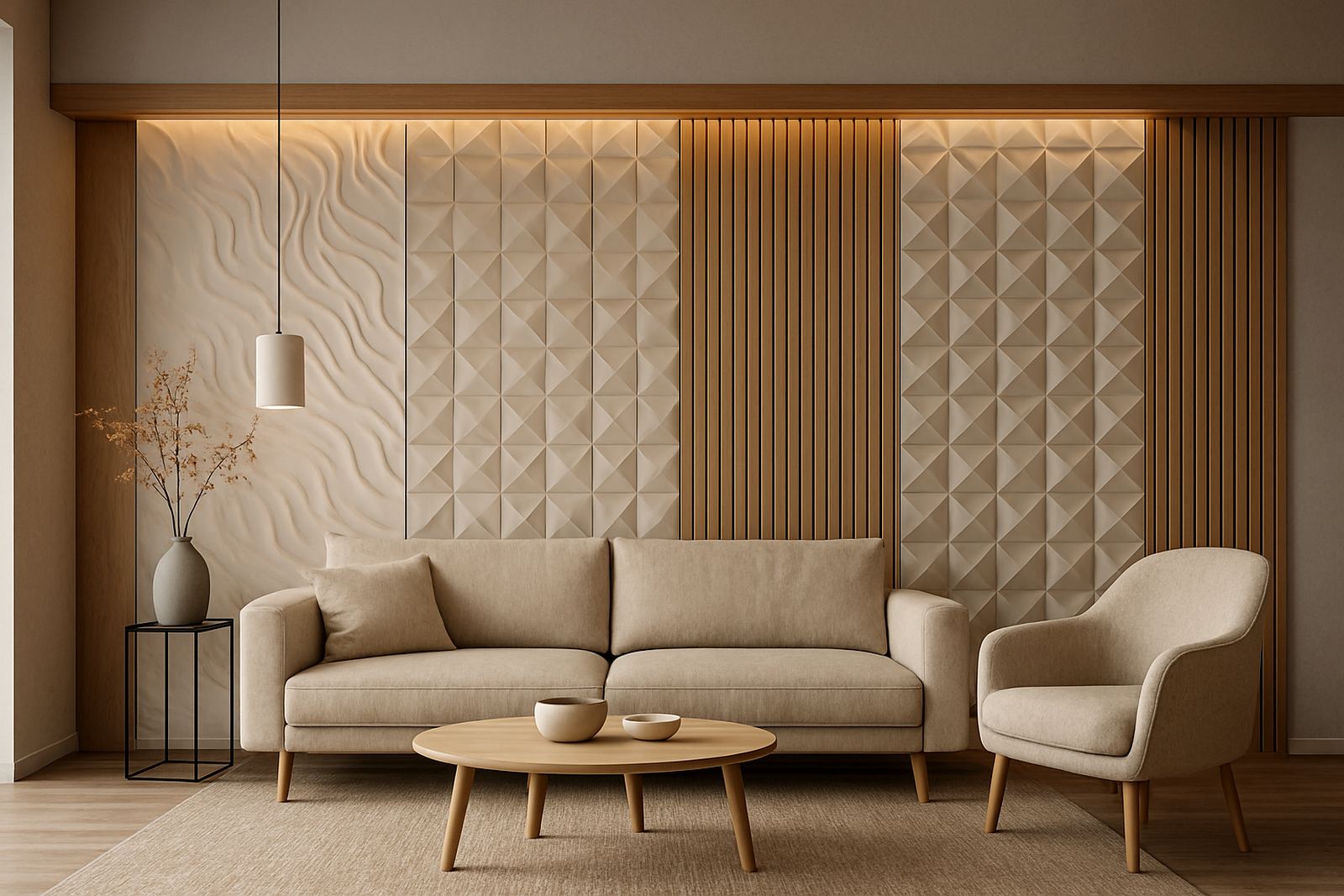
The main wall behind the bed is usually the best place to begin because it sets the tone for the whole room. In a bedroom, the eye wants a clear focal point, not too many competing details. A panelled backdrop gives the bed a sense of presence and helps the room feel organised, even when the rest of the space is simple.
In many Cape Town homes, especially apartments and compact family rooms in the Northern Suburbs or Southern Suburbs, wall space is at a premium. That makes layout important. A centred panel arrangement can make a narrow room feel more balanced, while full-height cladding can help a taller room feel grounded. The best result is usually one that frames the bed, mattress and bedside tables as one composition, rather than treating each item separately.
If the room gets strong morning sun or late afternoon light, the panel surface will catch that light differently through the day. That changing shadow line is part of the appeal. It adds movement without needing bold pattern or busy decor.
Choose Texture That Feels Restful, Not Busy
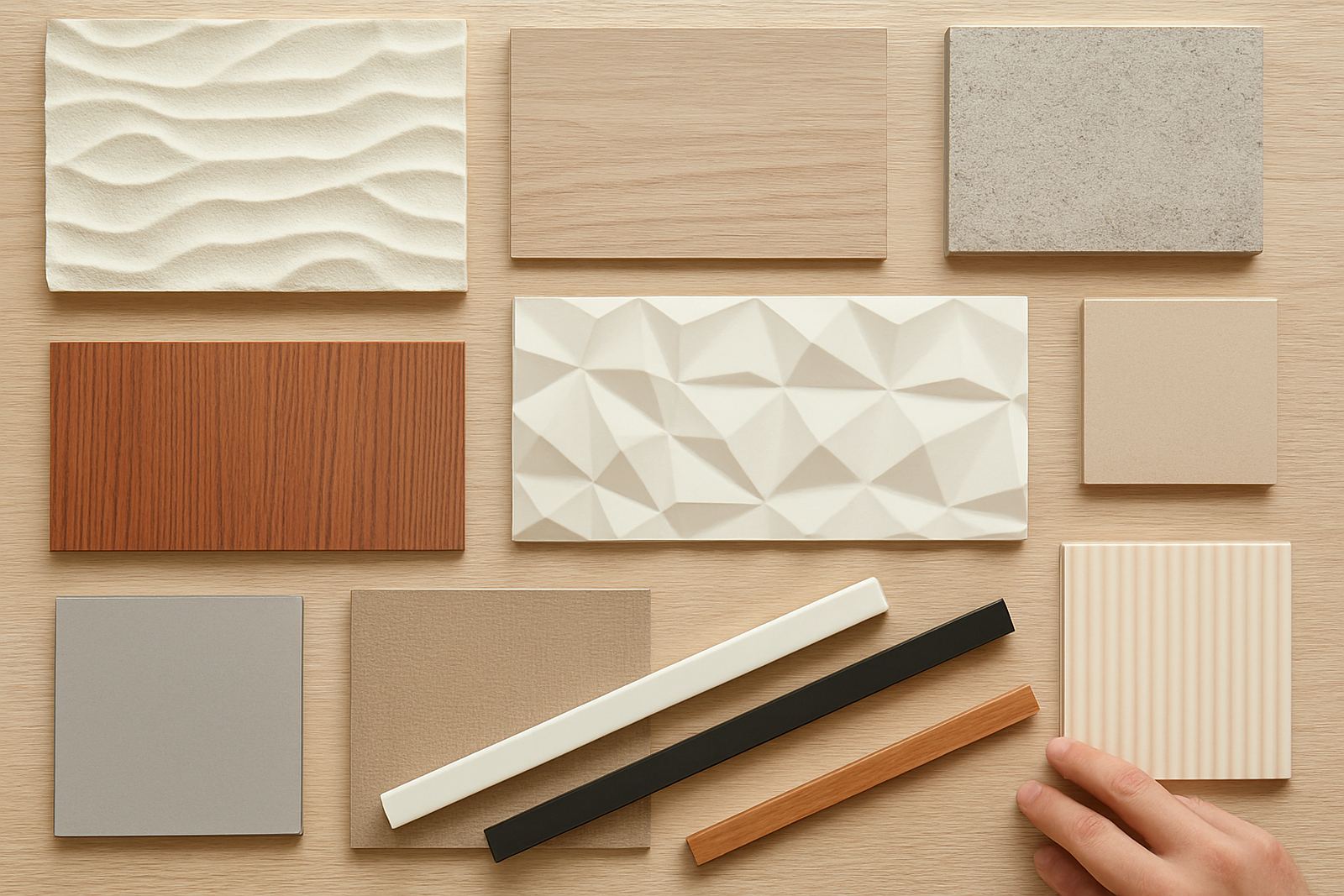
Texture is what gives bedroom panels their character. A smooth surface feels clean and modern, while a deeper profile creates soft shadows that can make the room feel warmer. For restful bedrooms, the goal is usually subtle detail rather than a strong visual statement that competes with bedding and curtains.
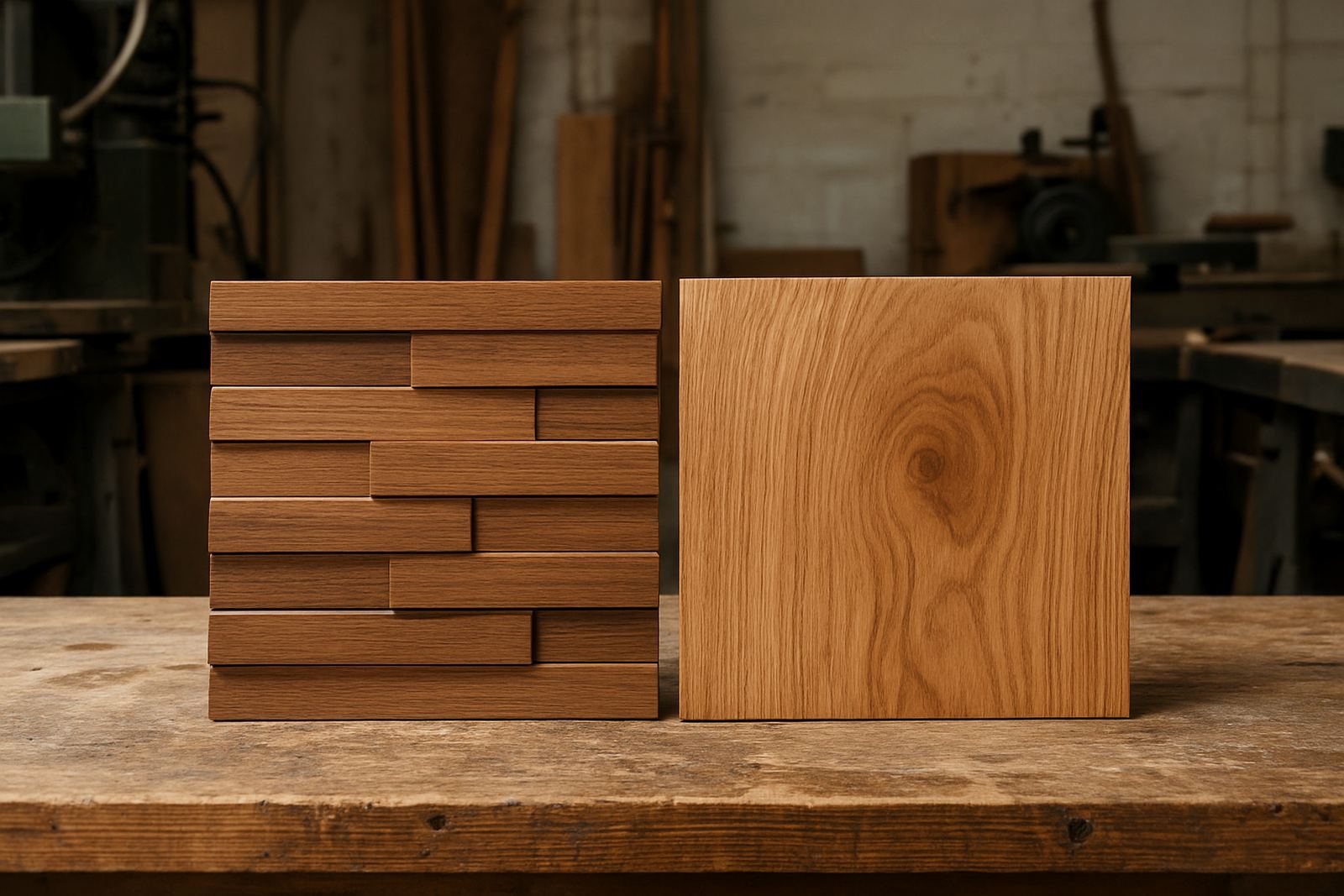
Material choice also matters in coastal areas. In places like the Atlantic Seaboard, humidity and salt in the air can influence what finishes work best. A well-specified panel system should suit the room conditions and the level of daily use. For a guest room, a simpler finish may be enough. For a main bedroom, a more tactile surface can add comfort and depth.
Good bedroom styling usually comes down to restraint. If the wall has strong texture, keep linen, throws and rugs calmer. If the wall is smooth, you can introduce more texture through fabric and timber accents without the room feeling cluttered.
- Use deeper relief when you want shadow and softness.
- Use flatter profiles when the room already has a lot of detail.
- Match panel texture to the feel of the bed linen and curtains.
- Keep the finish practical for dusting and everyday cleaning.
Scale the Panels to the Room Size
Scale is one of the most overlooked parts of bedroom design. Large-format panels can make a generous main bedroom feel refined, but the same look in a small room can overpower the bed if the pattern is too busy. Smaller rooms usually benefit from cleaner lines and fewer panel breaks, which keeps the eye moving smoothly across the wall.
A practical rule is to think about the bed first, then the wall. If you have a queen bed, the panel field can extend a little wider than the bedside tables to create balance. With a king bed, the layout can be broader and more assertive. In both cases, the top edge should usually sit in relation to the room height and the headboard so the wall feels intentional, not chopped off.
Bedrooms in renovated homes around Stellenbosch and Paarl often mix older proportions with newer fittings. In those cases, panel sizing can help bridge the gap between traditional room dimensions and a more contemporary finish. It is one of the easist ways to make the room feel considered without changing the whole space.
- Wider beds usually need a broader panel field.
- High ceilings can handle taller vertical lines.
- Low ceilings often suit simpler, horizontal calm.
- Keep bedside furniture in proportion to the wall layout.
Use Colour to Set the Mood Before Sunrise
Bedroom colour should support rest, but that does not mean everything has to be plain white. Soft greys, warm taupes, muted sand tones and deep earthy shades can all work well, depending on the amount of natural light. The right colour can make a panel wall feel softer in the evening and more settled in early morning light.
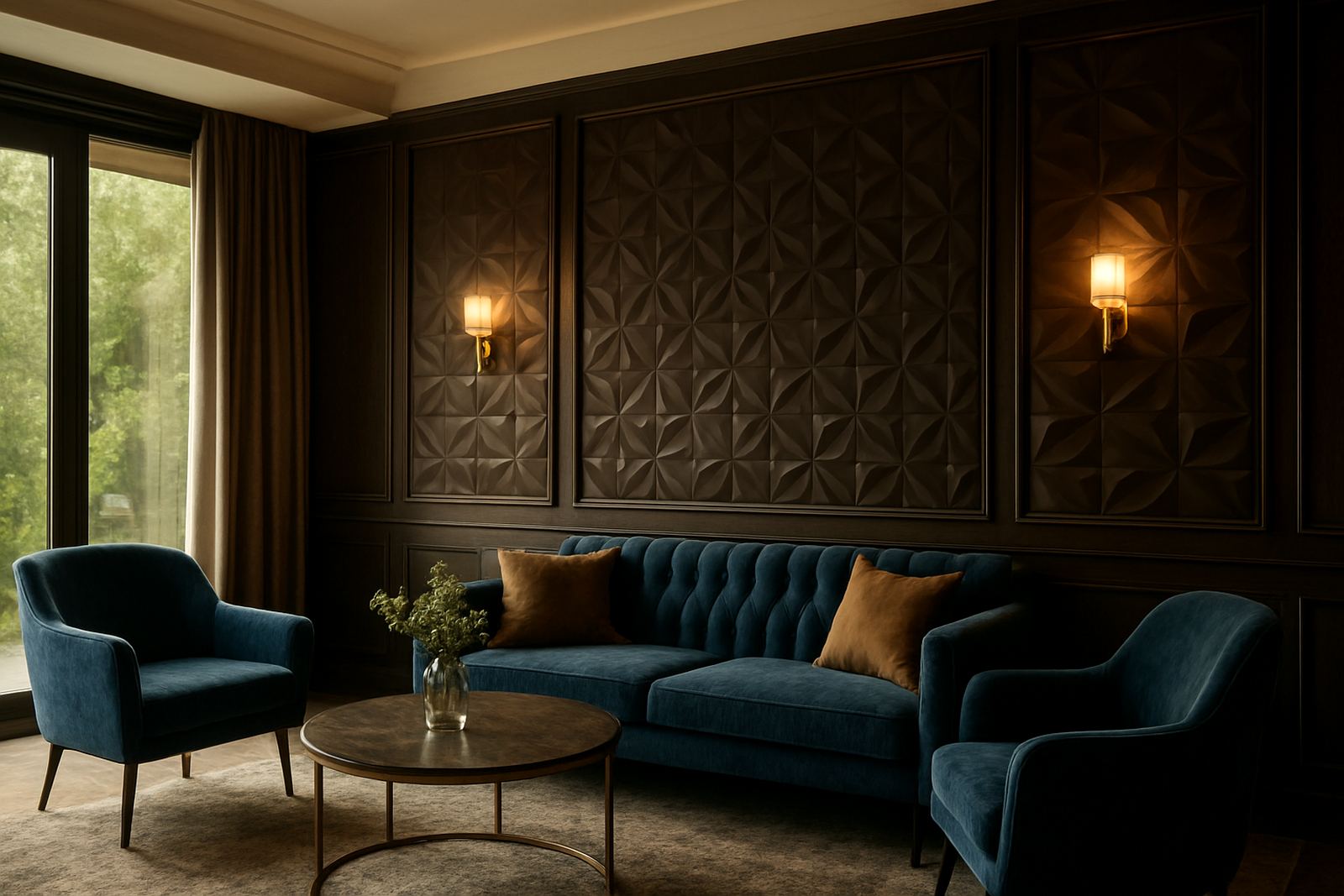
Darker tones can be especially effective when used with texture. A charcoal or deep olive panel wall can feel surprisingly quiet if the room has enough natural light and the bedding is kept simple. Lighter colours suit smaller rooms and spaces where you want the wall to recede rather than stand out. The important thing is to avoid colours that fight with the rest of the room.
When matching colour, look at the full room picture: floor finish, curtains, linen, artwork and even the tone of the lamps. A bedroom is one place where tiny differences in colour become very noticeable after dark, especially when the lights are on and the curtains are drawn.
Make the Room Quieter With Acoustic Panels
Acoustic panels can be a practical choice in bedrooms where sound carries from nearby rooms, passage areas or outside traffic. In family homes, they can help soften the feel of a room and reduce the echo that sometimes happens with tiled floors and bare walls. That extra softness is useful in urban homes where the bedroom needs to feel like a proper retreat.
They are also worth considering for apartment living, where shared walls and liveable floorplans can mean more background noise than you would like. The aim is not to turn the bedroom into a studio, but to take the edge off hard reflections so the room feels calmer. In a bedroom, even a small improvement in sound can make the space feel more settled.
Practical layout matters here too. Acoustic treatment works best when it is placed where it will actually do something, not just where it looks good. That means thinking about the bed position, the wall finish and the main source of sound. A good install should look neat and feel intentional, not bolted on as an afterthought.
- Use acoustic panels where the room feels hard or echoey.
- Place them on the main feature wall for visual and sound value.
- Keep edges and joins neat for a clean finish.
- Match the tone of the panels with the rest of the bedroom palette.
Planning, Installation and Aftercare
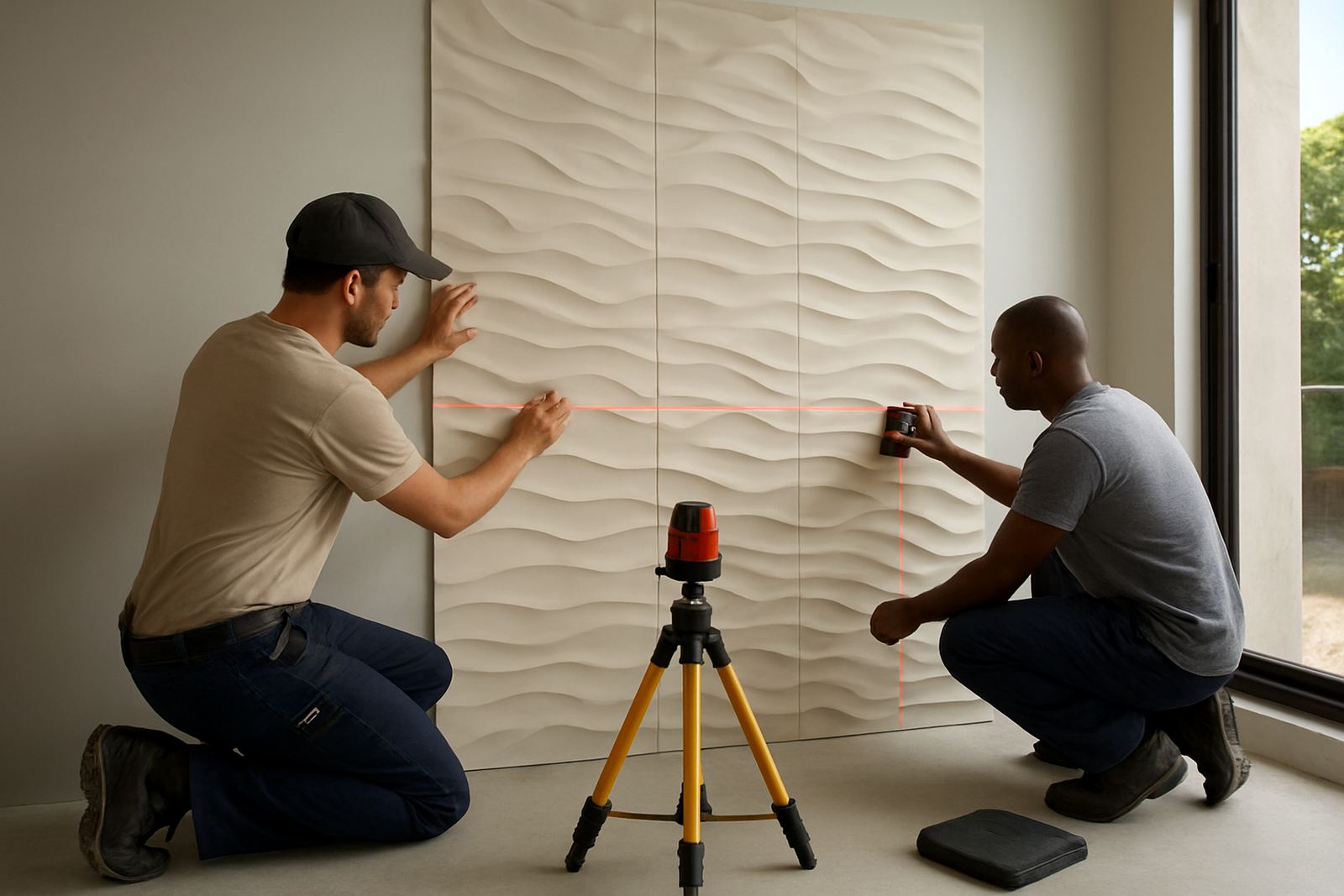
Good bedroom panel styling starts long before installation. A site measure-up helps confirm wall size, ceiling height, bedside positions and any tricky points like skirting, plugs or uneven plaster. From there, the design can be adjusted so the final result sits properly in the room and does not create problems during fitting.
For homeowners and designers alike, aftercare matters too. Bedroom walls are often exposed to daily handling around beds, lamps and vacuuming, so the finish should be chosen with maintenance in mind. Panels that are repaired and maintained properly will stay neat for longer, which is important in busy homes where time is limited and load-shedding means routines already shift around enough as it is.
When the wall is planned well, the result is practical as much as it is attractive. The room feels calmer, the bed gains a clearer presence and the whole space starts to work better for rest.