
What Wave 3D Panels Do on a Wall
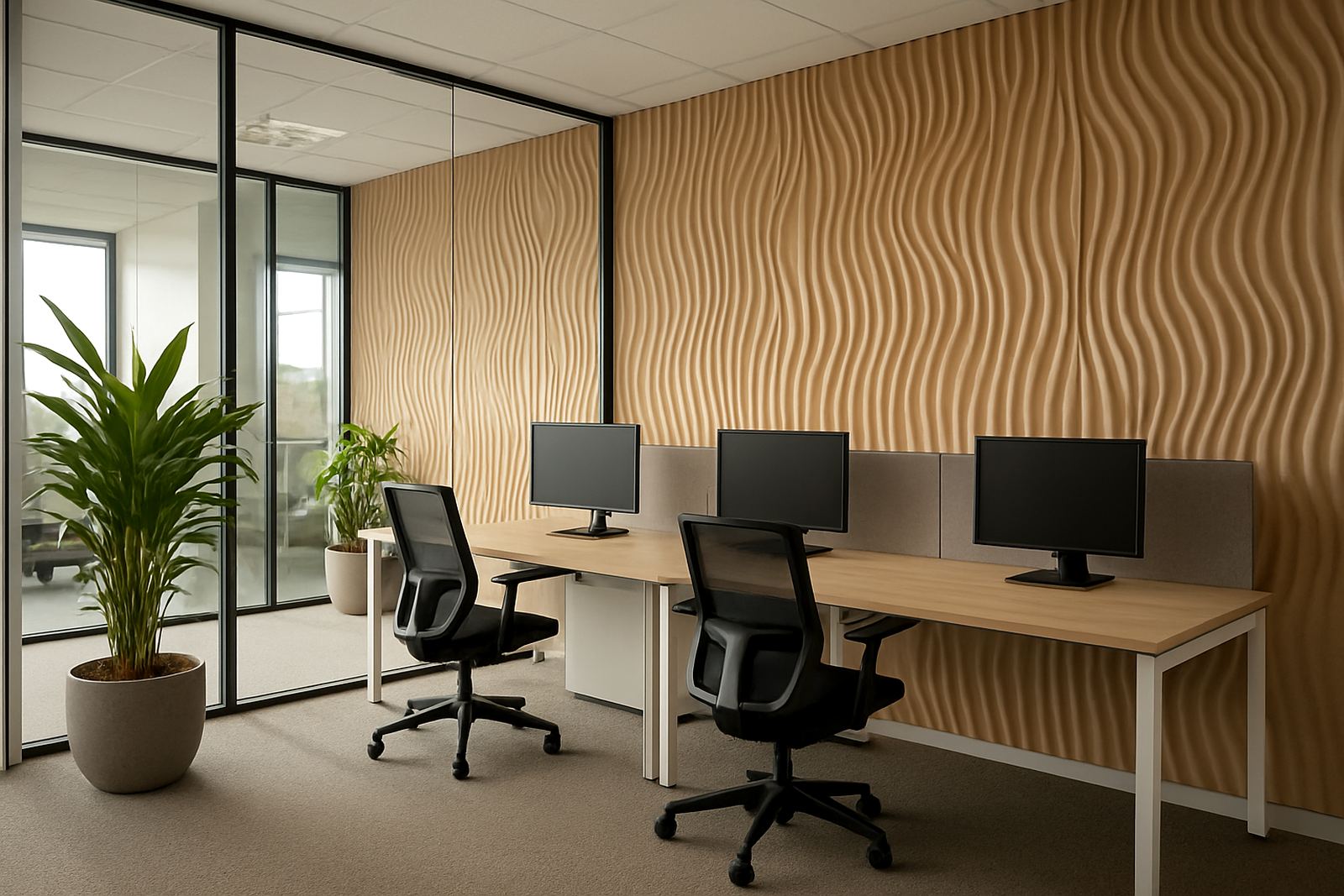
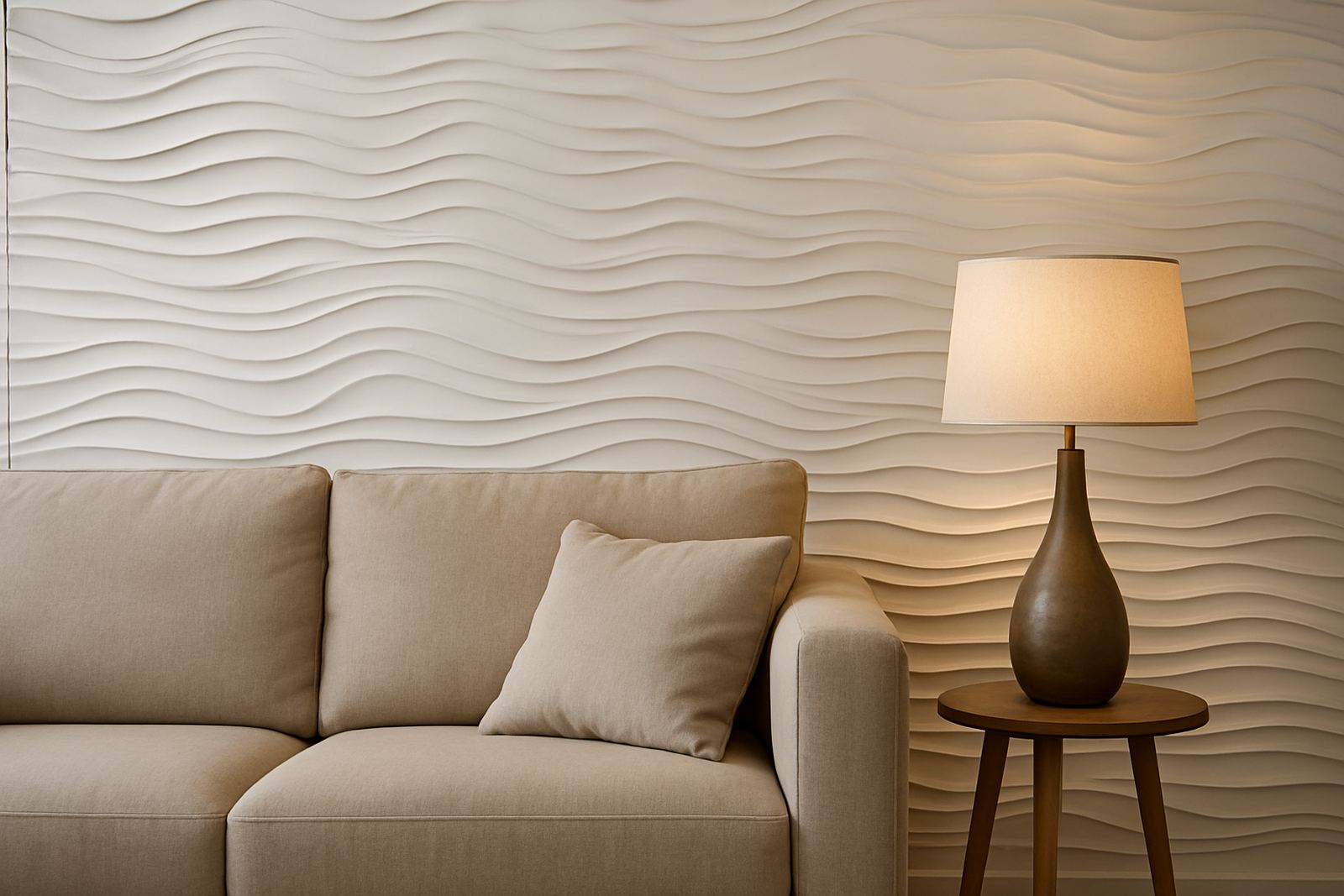
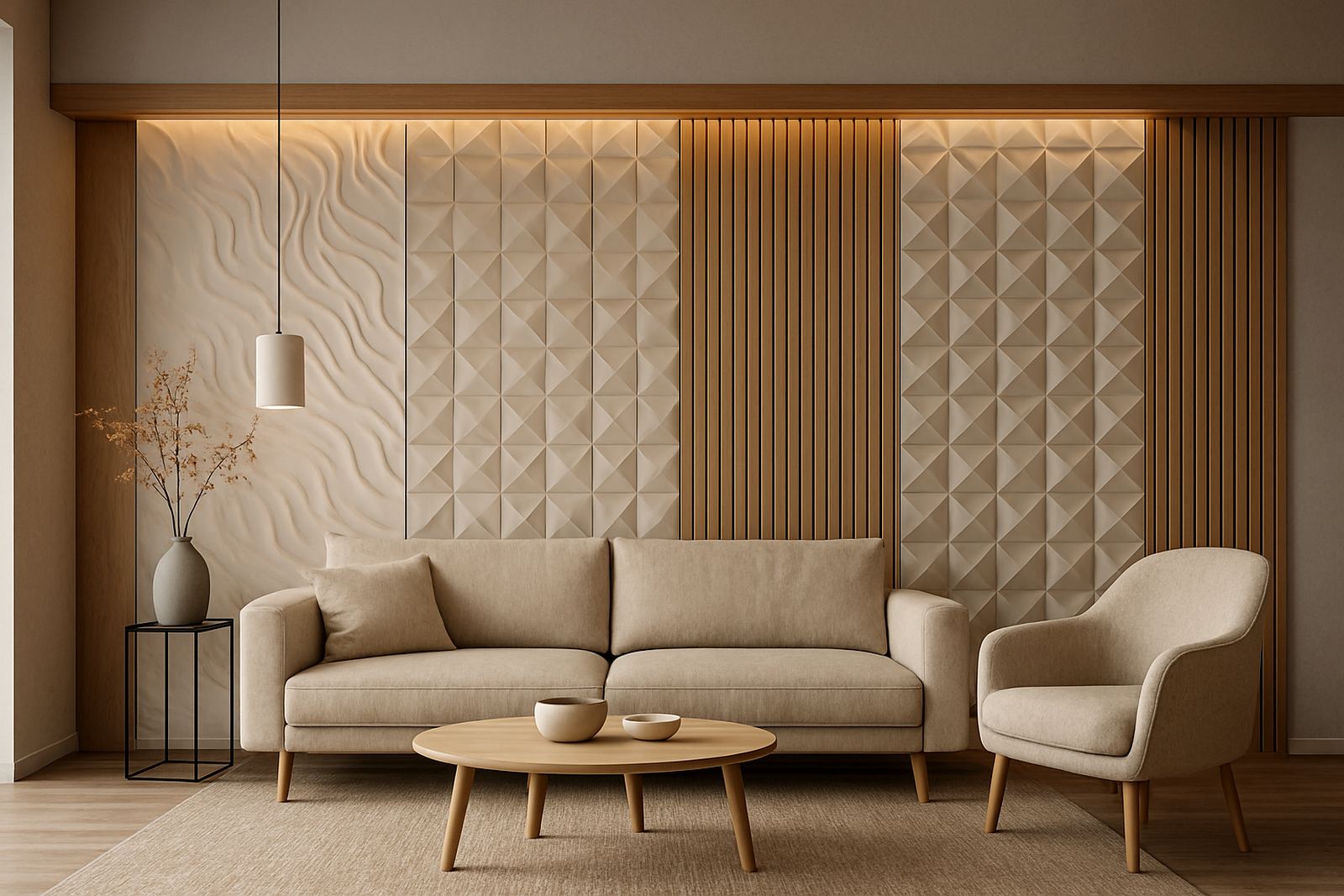
Wave 3D Panels are shaped to create a rippling surface that catches light across the day. In a flat room, that movement gives the wall a softer rhythm and makes the space feel more considered. The pattern works well when you want a feature wall that is striking but not busy, which is often the case in living rooms, reception areas and private offices.
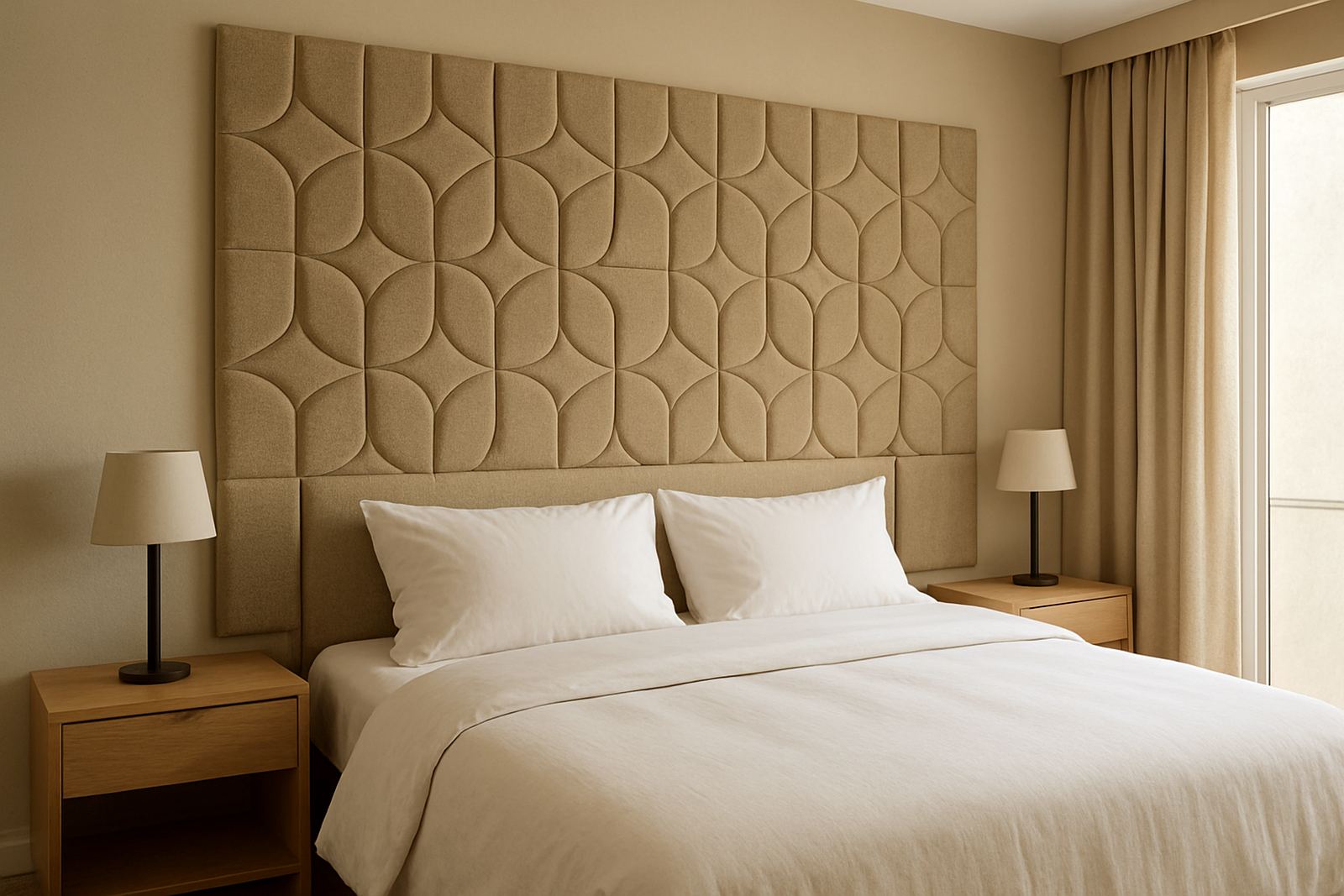
These panels are suited to new builds and renovation work, and they can be used on a full wall or only a selected section. In many Cape Town homes, clients use them behind a TV wall, along a passage, or in an entrance area where the first impression matters. In commercial settings they are often used in boardrooms, salons, hotels and client-facing counters where texture helps the space feel polished without much maintenance.
Sizes, Profiles and Finish Options
Wave 3D Panels are supplied in practical panel sizes that make planning straightforward. The most common sheets are around 600 x 600 mm, 1200 x 600 mm and custom-cut sections depending on the wall size and the chosen pattern direction. Panel depth varies by profile, with some wave forms sitting shallow for a quiet finish and others standing out more for stronger shadow lines. A few profiles have a tighter wave, while others open up for a softer, more organic look.
- Standard panel sizes can be joined side by side for longer runs
- Panels can be cut around plugs, switches and skirting details
- Some finishes are supplied ready for painting, while others come with a set surface tone
- Panels can be installed vertically or horizontally, depending on the room and the effect required
If you are matching existing flooring, cabinetry or furniture, sample matching is worth doing before the order is confirmed. Light colourways can make a room feel larger, while darker finishes can hide marks better in busy family homes or commercial spaces with higher traffic.
Where Wave Textures Work Best
These panels suit spaces that need movement without looking cluttered. They work especially well in rooms with plain floors, large windows or simple joinery because the wall can carry the main visual interest. In Cape Town coastal suburbs, they are often chosen for lounges and apartments where the client wants a warm finish that still handles humid conditions well. In Paarl and Stellenbosch homes, they are frequently used in entertainment areas, studies and stairwells where a plain painted wall would feel too bare.
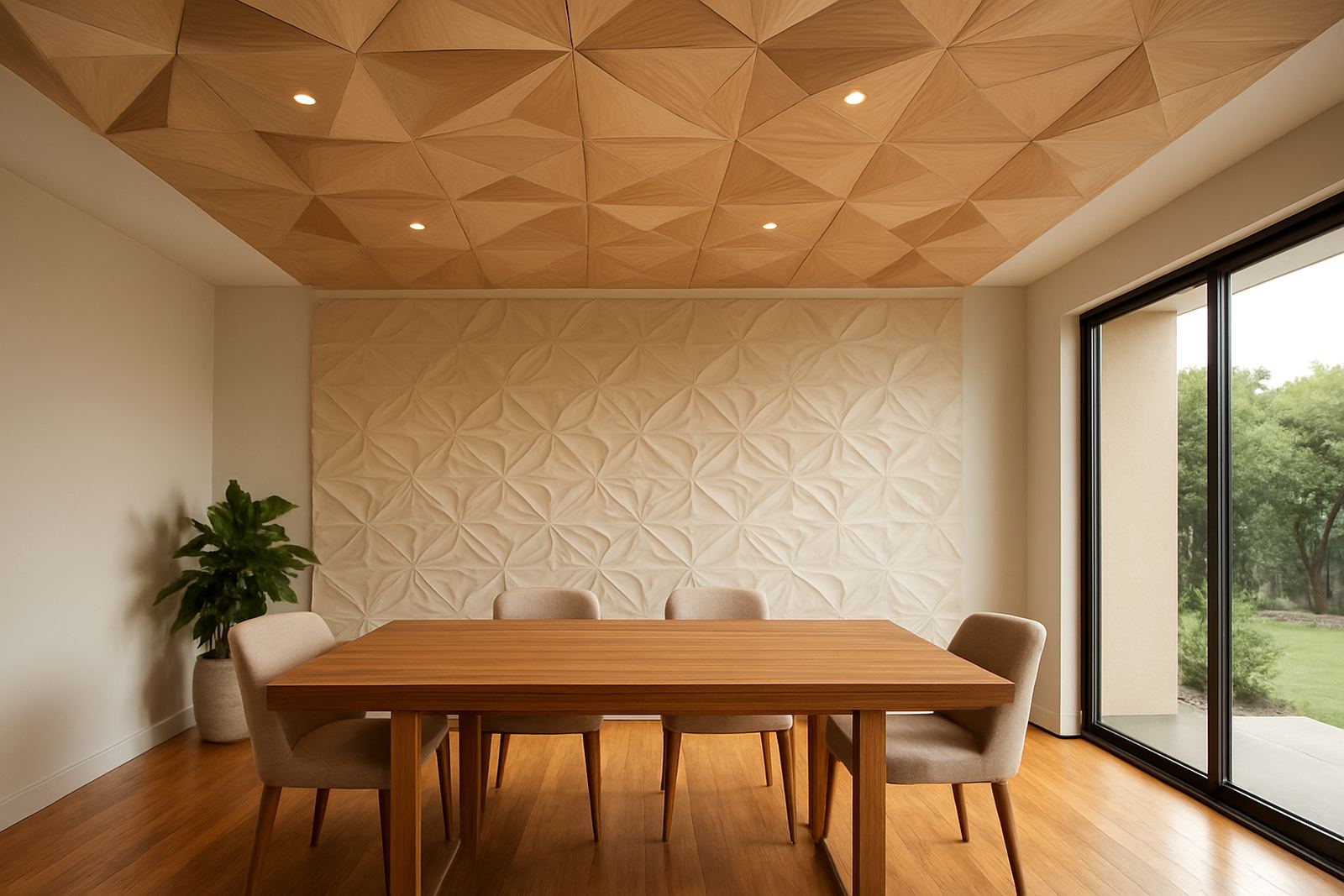
Wave 3D Panels are also a sound choice for commercial interiors. They can soften the feel of large open spaces, and when combined with the right backing, they contribute to better acoustics. That is useful in call centres, private practice rooms, client waiting areas and meeting rooms where echo can become a problem. The panels should be planned with furniture layout in mind so the wave detail is visible and not blocked by shelving or large artwork.
- Homes: feature walls, passage ends, TV walls, main bedrooms
- Commercial: reception walls, boardrooms, waiting areas, retail displays
- Hospitality: lounges, bars, suites, dining walls
Installation, Preparation and Service Access
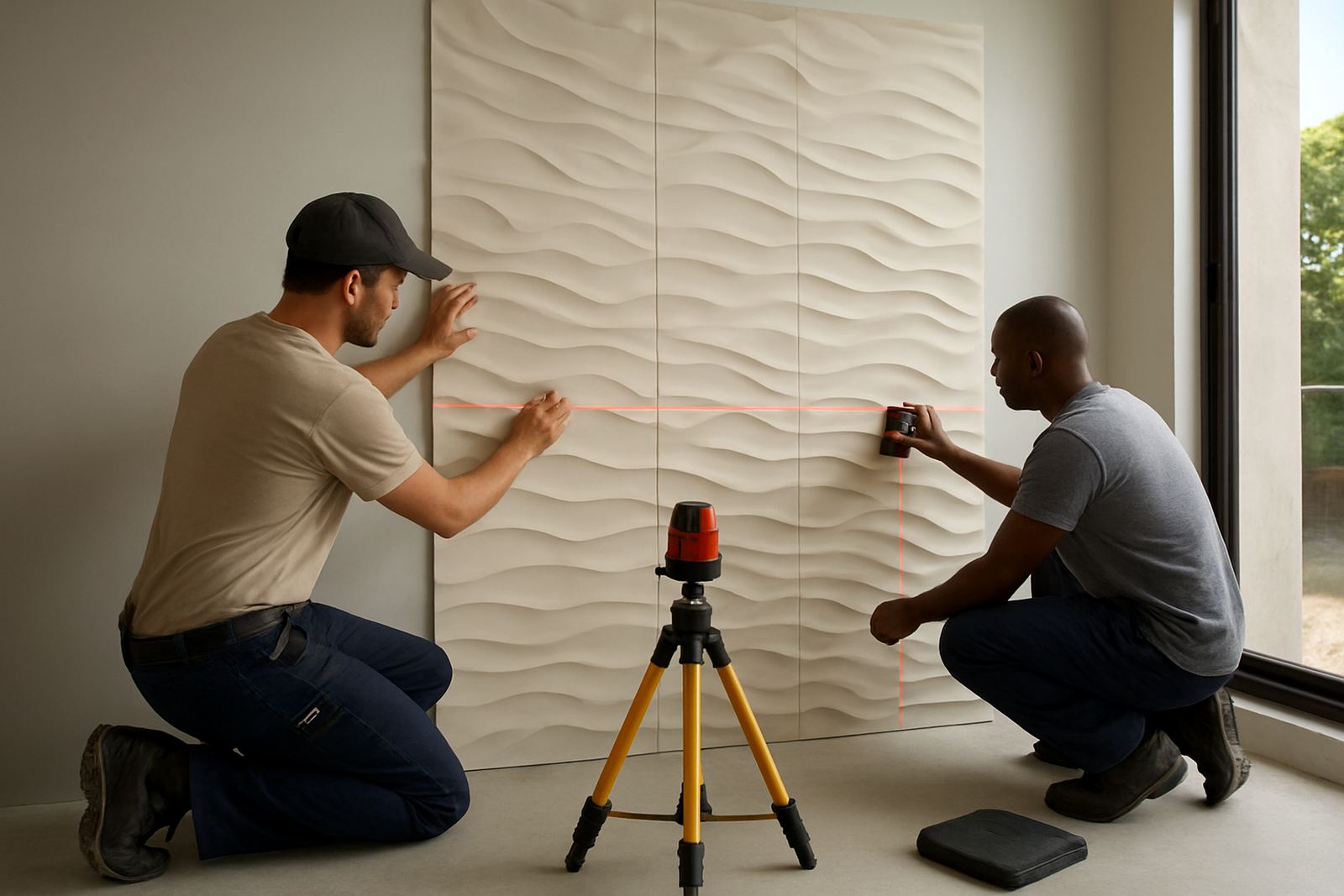
Good installation starts with a level surface and a clear wall plan. The wall must be dry, sound and free of loose paint or powdery plaster. If the wall needs patching, levelling or primer before fitting, that should be done first. In coastal areas and older buildings, it is important to check for moisture stains, salt build-up and cracking around old fixings before work begins. We often recommend a site measure-up so panel counts, joins and edge details are set out properly.
Wave 3D Panels themselves do not need power or gas. If the design includes backlighting, display lighting or other electrical features nearby, those items should be planned separately with the installer and your electrical contractor. For larger commercial rollout jobs, panel layout can be set out in stages so the work fits around trading hours or occupied spaces. That matters in places like offices, guest houses and retail units where downtime must be kept low.
For clean results, the pattern direction must be kept consistent and joins should be planned before adhesive or fixings are used. A rushed fit can show up quickly on a wave profile because the eye picks up every line. Our installation team handles this carefully, and in some cases a small batch test can help confirm the final look before the full wall is committed.
Care, Cleaning and Long-Term Servicing
Wave 3D Panels are straightforward to care for, which is one reason they are used so often in busy homes and commercial spaces. Light dusting with a soft cloth or vacuum brush attachment is usually enough for routine cleaning. If the surface is painted or sealed, a damp cloth can be used gently, but strong chemicals and abrasive pads should be avoided. For high-touch areas, regular maintenance keeps the profile looking sharp and prevents build-up in the grooves.
In coastal towns and suburbs, check the wall periodically for any moisture movement around windows, skirtings or plumbing walls. If the wall behind the panels starts to shift, it should be dealt with quickly so the finish stays sound. For commercial clients, planned maintenance is helpful when the panels are in reception areas or around high traffic passages. We also assist with panel repairs and aftercare support where sections need replacement, re-fixing or cleaning advice. It is usually better to address a small issue early rather than wait until the whole wall needs attention, because that can save time and money later.
What To Check Before Ordering Lightweight PVC Panels
Before ordering Wave 3D Panels, measure the wall carefully and note the ceiling height, skirting height, socket positions and any doors or windows nearby. It helps to know whether you want a full wall finish or a feature section only. You should also decide whether the wall needs to be acoustically treated, painted after installation, or left in its supplied finish. If the room is under construction, confirm that plastering, painting and electrical work are complete before panel installation is booked.
- Confirm wall measurements in millimetres, not just rough metre estimates
- Check whether the surface is plasterboard, masonry or another substrate
- Ask for a sample match if the panel must sit with existing colours or joinery
- Decide if you need standard panels, cut sections, or a custom layout
- Allow for site access, parking and loading at the property
For installations in Cape Town, the Atlantic Seaboard and the Southern Suburbs, access and parking can affect how the job is scheduled, especially in tighter streets or shared buildings. For projects in Somerset West, Paarl or Stellenbosch, we often plan around trades already on site so the work runs in the correct order. Panels can also be couriered nationwide when a client only needs supply, with clear packing for safer transit.
Ordering Support from Our Montague Gardens Team
Clients usually start with the enquiry form on our contact page, then we follow up to confirm the wall size, finish choice and install needs. From there, our team can arrange a site measure-up, design consultation or sample matching where needed. We work from Montague Gardens in Cape Town and handle installs across the Western Cape, with panels couriered nationwide for projects further afield. Whether you are fitting out one home wall or several commercial rooms, the process is kept practical and tidy.
Our team includes sales, design, installation, project coordination and aftercare support, so the handover stays in one place instead of being passed around. That helps when the job needs a quick turnaround or when a client wants guidance on layout and care. Morne van Rensburg oversees the business, and the workshop and installation teams work closely together so the supplied product matches the site conditions. If you are comparing options for a feature wall, Wave 3D Panels are a good choice when you want texture that feels calm, not overdone.
Key facts
| Product type | Decorative 3D feature wall panel with flowing wave texture |
|---|---|
| Common sizes | 600 x 600 mm, 1200 x 600 mm, and custom-cut sections |
| Typical use | Feature walls, reception walls, TV walls, passages, bedrooms and boardrooms |
| Installation method | Prepared wall, adhesive or fixing system depending on substrate and layout |
| Care level | Low maintenance, dusting and gentle cleaning as needed |
| Special notes | No power or gas required for the panels themselves |