
What upholstered panels are made for
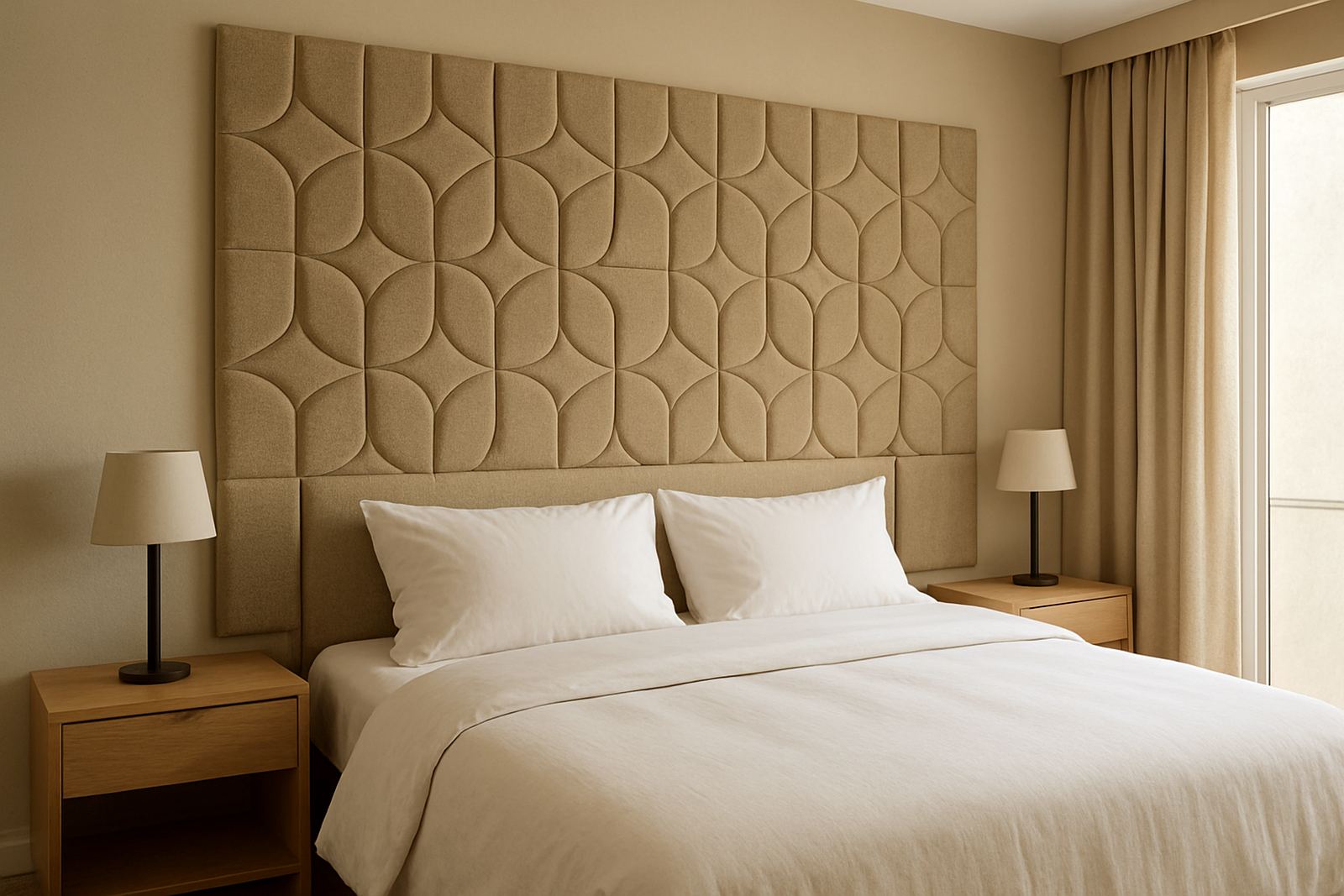
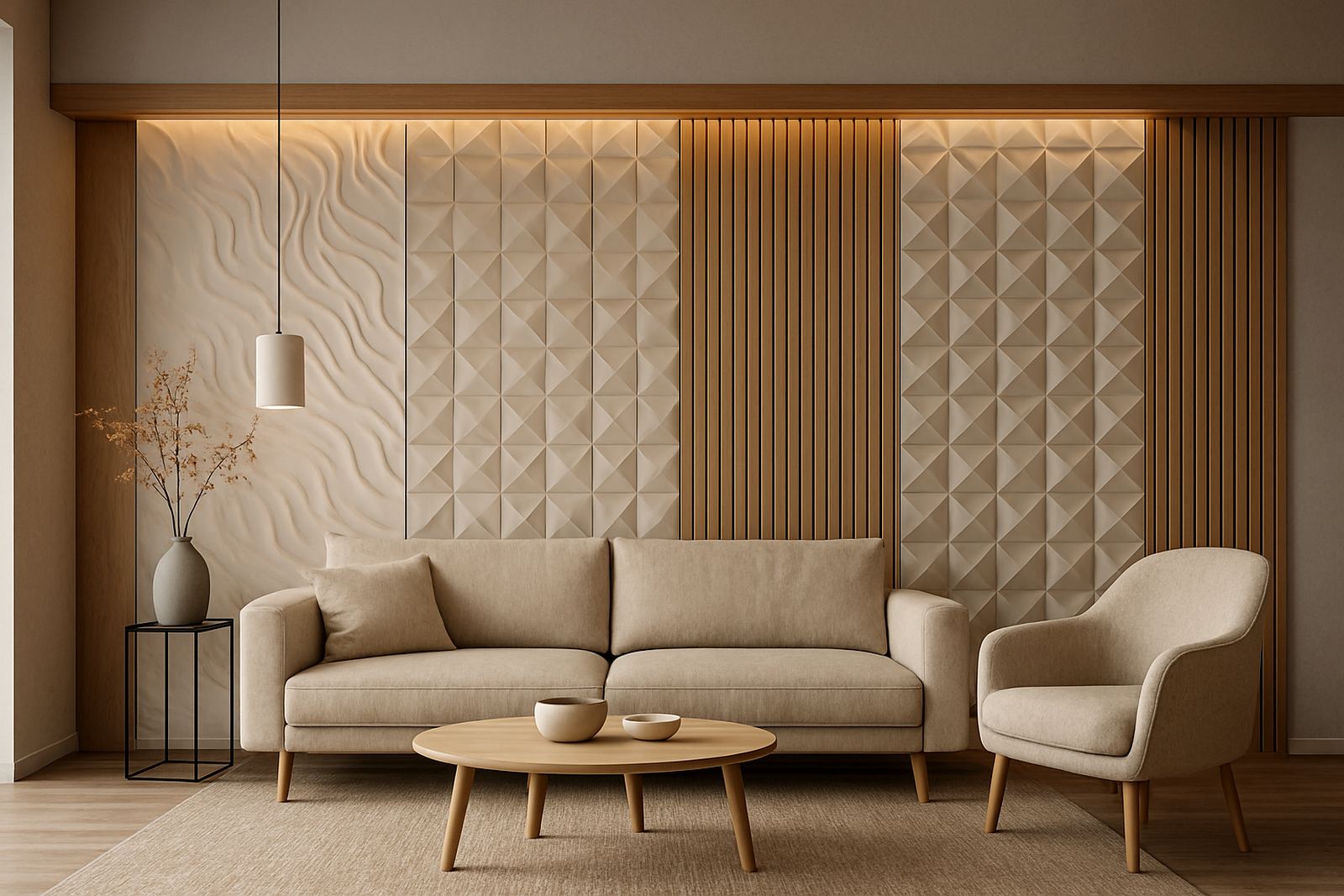
Upholstered panels are fabric-finished wall panels used to soften a room visually and improve the way sound behaves in the space. They are commonly chosen for bedrooms, guest rooms, boardrooms, reception areas and hospitality interiors where hard painted walls can feel bare or noisy. The panel face is wrapped in selected fabric, with a padded core behind it, so you get a clean finish with a more comfortable feel.
In Cape Town and along the coast, these panels are often specified for rooms that need a warmer look without heavy joinery. They work well behind headboards, around reading corners, in meeting rooms and in restaurants where conversation noise needs to be brought under better control. They are not a structural wall system, but they do add value in the look and use of the room.
- Suitable for bedrooms, boardrooms and hospitality interiors
- Helps reduce echo and sharp sound reflection
- Available in various fabric finishes and panel sizes
- Can be used as a full wall or as a feature section
Sizes, layouts and finish options
Upholstered panels are normally made to suit the wall size and the layout of the room, which makes them useful in both one-off homes and larger commercial projects. Common sizes are based on square or rectangular modules, but custom sizing is often the better choice if you are lining up with skirtings, windows, sockets or existing joinery. Panel thickness will depend on the look and the acoustic requirement, with most projects using a padded build that is thick enough to give presence without taking over the room.
Finish choices include plain woven fabric, textured fabric, tone-on-tone neutrals and darker practical colours for high-use spaces. In coastal areas such as the Atlantic Seaboard or Somerset West, people often choose fabrics that hold up better against humidity and everyday cleaning. If the room gets strong afternoon sun, colour choice matters too because lighter fabrics can shift in tone over time.
- Custom widths and heights available for feature walls
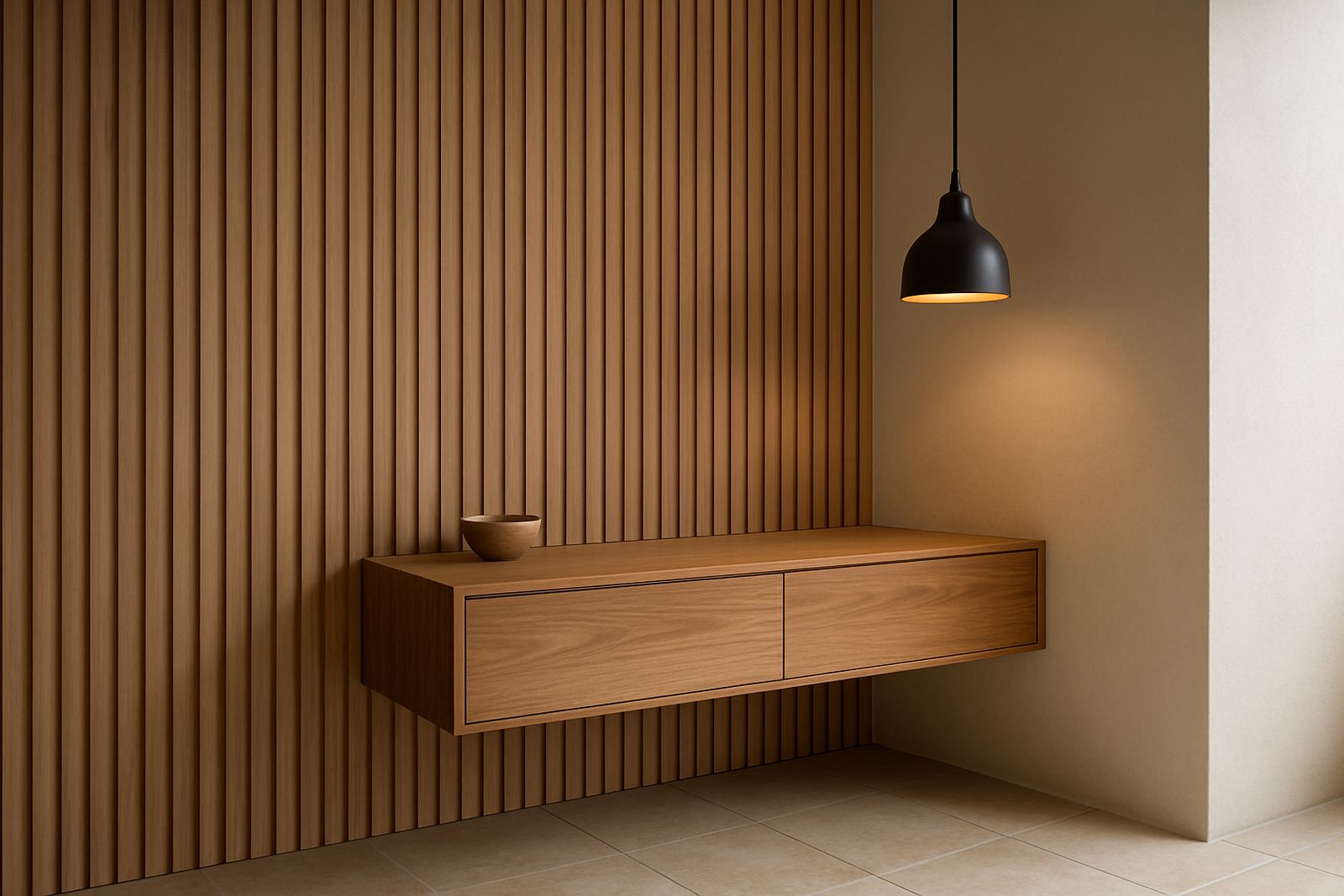
- Can be installed as vertical strips, grids or full wall coverage
- Fabric colours can be matched to existing interiors
- Panel thickness selected according to acoustic need and visual depth
If you are ordering for a hotel room, office or home, it helps to know the exact wall measurements and whether the wall has any uneven sections. A site measure-up removes guesswork and saves time later, especially where the wall is not perfectly straight.
Where upholstered panels suit best
These panels suit spaces that need softness, calm and a more finished look. In homes, they are often installed behind beds, in dressing areas or in family rooms where people want a gentler surface than painted plaster. In commercial settings they are useful in meeting rooms, private offices, lounge areas and reception spaces. Hospitality clients also use them in suites, dining rooms and corridor feature walls.
For spaces in Cape Town, Paarl, Stellenbosch and the Northern Suburbs, upholstered panels are often chosen where sound bounce becomes a problem, especially in rooms with tiled floors, glass, high ceilings or lots of bare wall area. They can also help make a smaller room feel more settled and less stark. In boardrooms, the benefit is practical as much as decorative because speech can be easier to manage.
- Bedrooms and headboard walls
- Boardrooms and private offices
- Reception areas and waiting rooms
- Restaurants, suites and guest spaces
They are a good option when a project needs a softer finish but still has to cope with regular use. If the room is busy, we normally discuss fabric type, cleaning needs and the amount of direct handling the wall will get, so the panel choice suits the actual use of the room.
Installation, wall prep and what the room needs
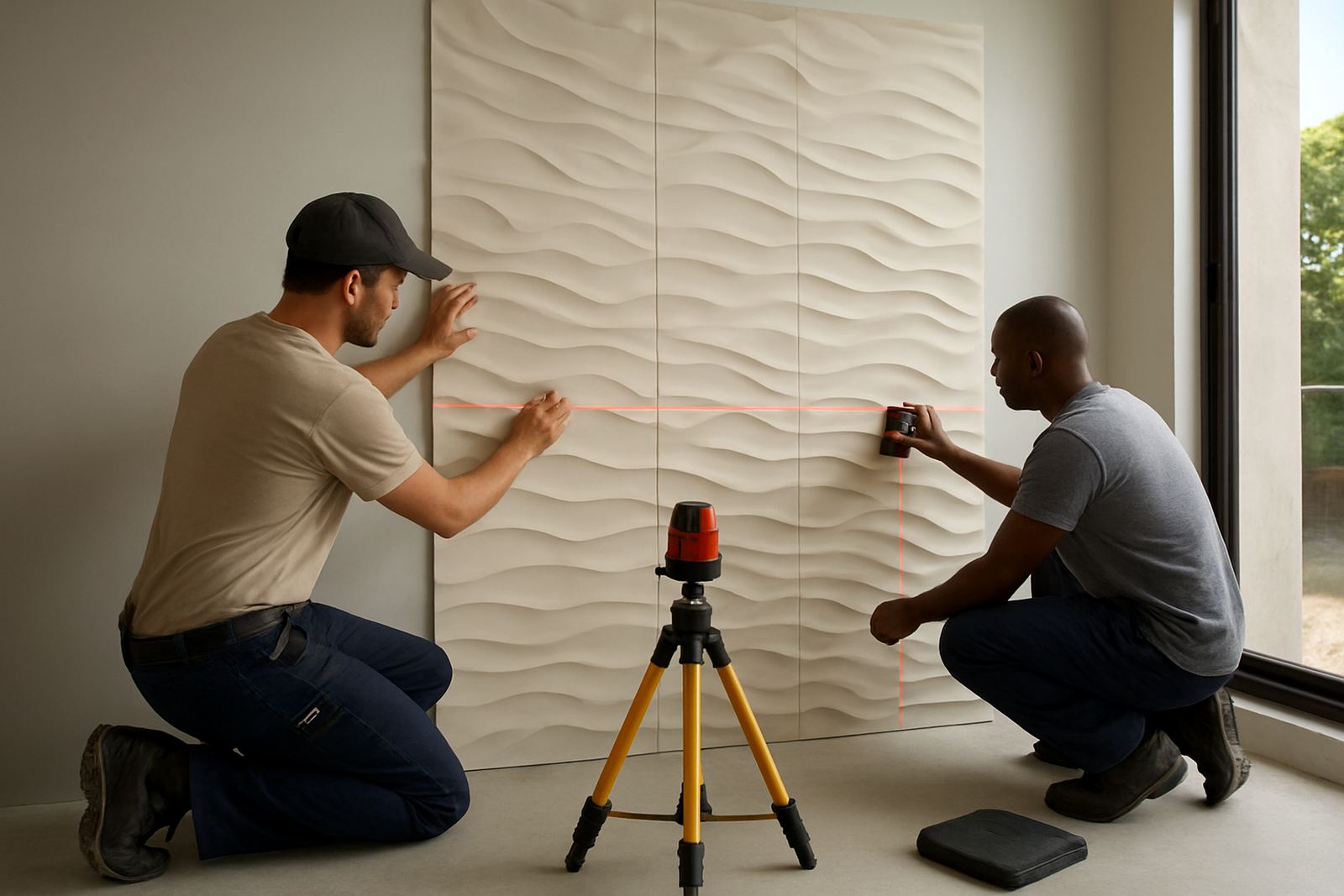
Installation begins with a proper wall check. The surface needs to be dry, stable and free of loose plaster or peeling paint. On many residential jobs, light wall preparation is enough. On commercial sites, the wall may need more attention to get an even finish across a larger area. If the wall is uneven, the panel layout must be planned carefully so the final lines sit straight and neat.
Most upholstered panels do not need power or gas to function, which keeps the installation straightforward. That said, if the wall has plugs, light switches, TV points or concealed cabling, these must be planned in advance so the panels are cut and positioned correctly. For some layouts, electricians may need to finish first before the cladding goes in. It sounds basic, but it saves a lot of rework later and helps the job run smoother.
- Dry, sound wall required before fitting
- Plan for sockets, switches and TV points before installation
- No power or gas required for the panel system itself
- Commercial sites may need phased installation for larger rollouts
In load-shedding sensitive offices, the panels themselves are not affected by power cuts, but they are often installed around lighting or equipment zones, so the sequence of trades matters. We coordinate with site teams where needed, especially on fit-outs in busy buildings or hospitality spaces that cannot shut down for long.
Care, cleaning and longer-term servicing
Upholstered panels need regular but gentle care. Dust can be removed with a soft brush attachment or a clean dry cloth. For marked areas, the cleaning method will depend on the fabric selected and the type of stain. Harsh scrubbing is not recommended because it can distort the weave or create patches on the face. In a hospitality setting, routine maintenance matters more because handling and spills are more likely.
If a panel is damaged, loose or marked, it is often better to repair the affected section rather than replace the full wall. That depends on the construction and the layout, but targeted servicing can be practical for commercial clients and home owners alike. In coastal towns, we also advise checking for moisture issues behind the wall if the space feels damp, because no fabric finish performs well against a hidden water problem.
- Vacuum gently with a soft brush attachment
- Handle spills quickly and test any cleaning product first
- Avoid abrasive pads and strong chemicals
- Repair options may be available for damaged sections
Good aftercare starts with the right fabric choice and a clear understanding of how the room will be used. A panel in a quiet guest room has different needs to one in a school reception or hotel corridor, so servicing should match the setting.
What to confirm before you order
Before ordering upholstered panels, it helps to check the room dimensions, the exact area to be covered and whether you want full wall coverage or just a feature section. You should also decide how much acoustic benefit you need, because that affects panel build and layout. If you already have furniture on site, such as a bed headboard, fixed cabinets or a wall-mounted screen, those elements need to be measured into the final plan.
Fabric choice is another key decision. Some spaces need a more formal look, while others need a warm and relaxed feel. If the site gets strong sun, regular cleaning or heavy foot traffic, choose a finish that can handle those conditions better. For commercial projects, it is also worth checking if there are any building rules, fire requirements or access constraints before work starts.
Clients in Montague Gardens, the Atlantic Seaboard, Southern Suburbs and beyond can send through measurements and project details using the enquiry form on our contact page. Where needed, we can arrange site measure-ups, sample matching and installation planning for projects across the Western Cape, with panels couriered nationwide for suitable jobs.
- Confirm wall size and panel coverage area
- Choose the fabric and colour against existing finishes
- Note sockets, switches, TVs and fixed joinery
- Check access, timing and any site rules before ordering
Good information at the start makes the final result easier to get right. It also helps keep the installation tidy and on schedule, which matters when the room has to be back in use quickly.
Key facts
| Product type | Fabric-finished upholstered wall panels |
|---|---|
| Typical use | Bedrooms, boardrooms, reception areas and hospitality interiors |
| Custom sizing | Made to suit site measurements and panel layout |
| Acoustic benefit | Helps reduce echo and hard sound reflection |
| Installation needs | Dry, stable wall with planned socket and switch positions |
| Service area | Cape Town, Western Cape and nationwide courier dispatch |