
A Neater Centrepiece for Your Lounge or Reception
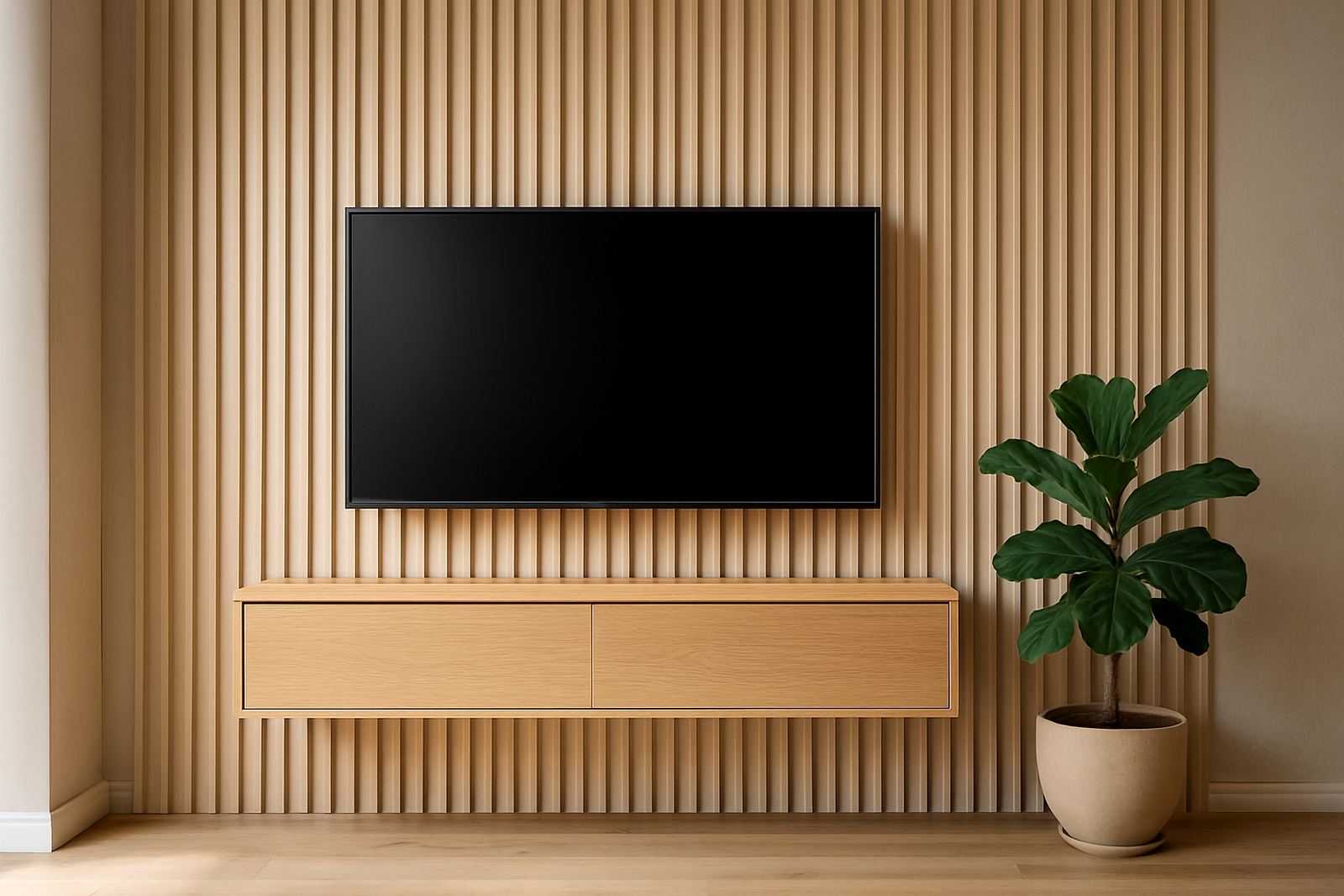
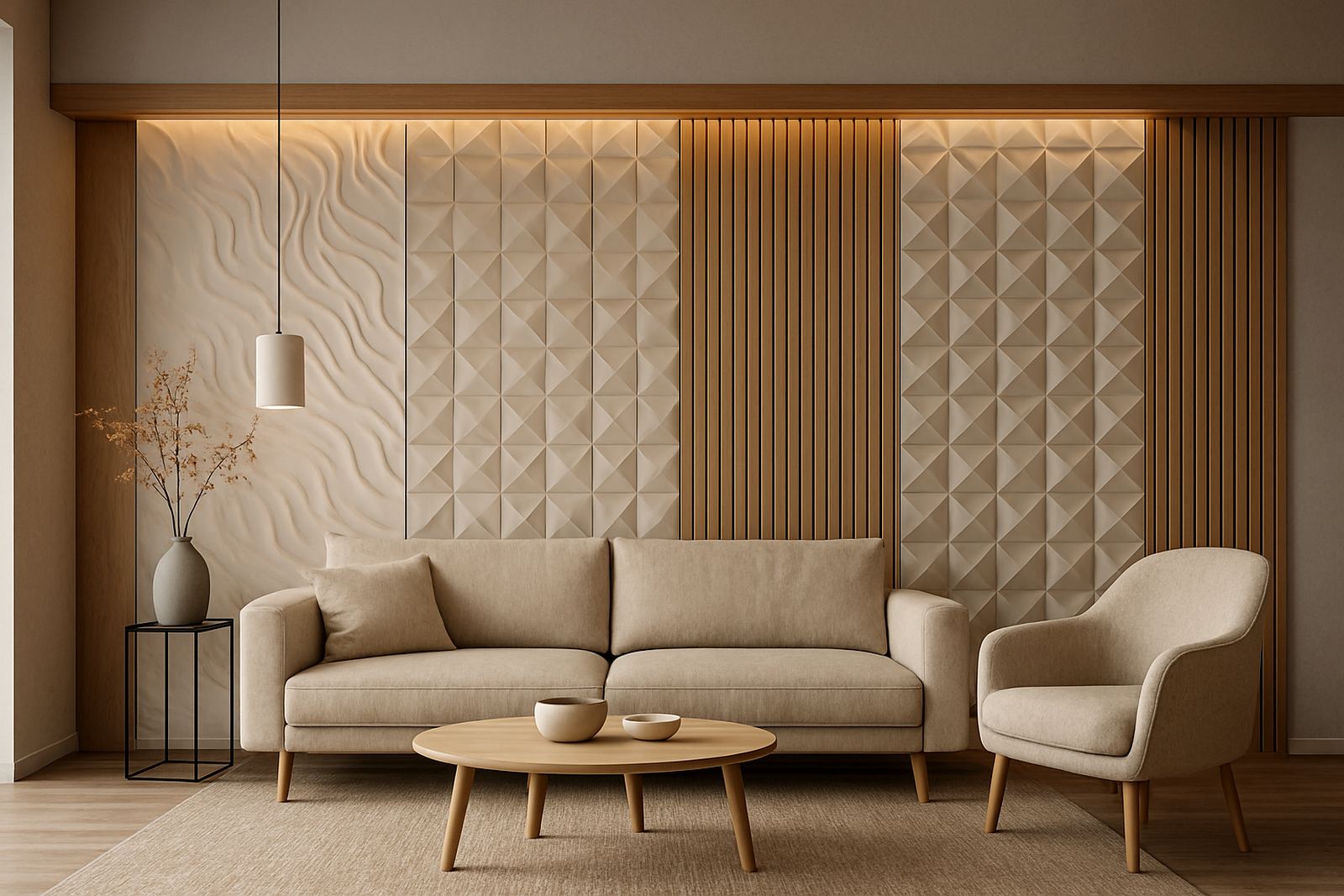
TV wall panels are designed to turn the wall around your screen into a proper focal point, not just a place to hang a television. The right panel layout frames the screen, hides messy cables and creates a more polished finish for living rooms, media rooms, boardrooms and client-facing areas. In apartments on the Atlantic Seaboard, family homes in the Northern Suburbs or a compact reception in Montague Gardens, the result is the same: a cleaner, more intentional wall.
These panel systems are chosen for more than looks. They can help with sound control, protect the wall surface behind the television and create space for floating shelves, consoles, lighting or decorative niches. If the wall has existing imperfections, uneven plaster or old fixings, panels can also give you a fresh surface to work with without a full rebuild, which saves time and disruption.
- Suitable for feature walls, lounge media walls and commercial reception areas
- Works with wall-mounted screens, sound bars and hidden cable routes
- Can be used on new walls or over prepared existing walls
Panel Styles, Sizes and Finish Options
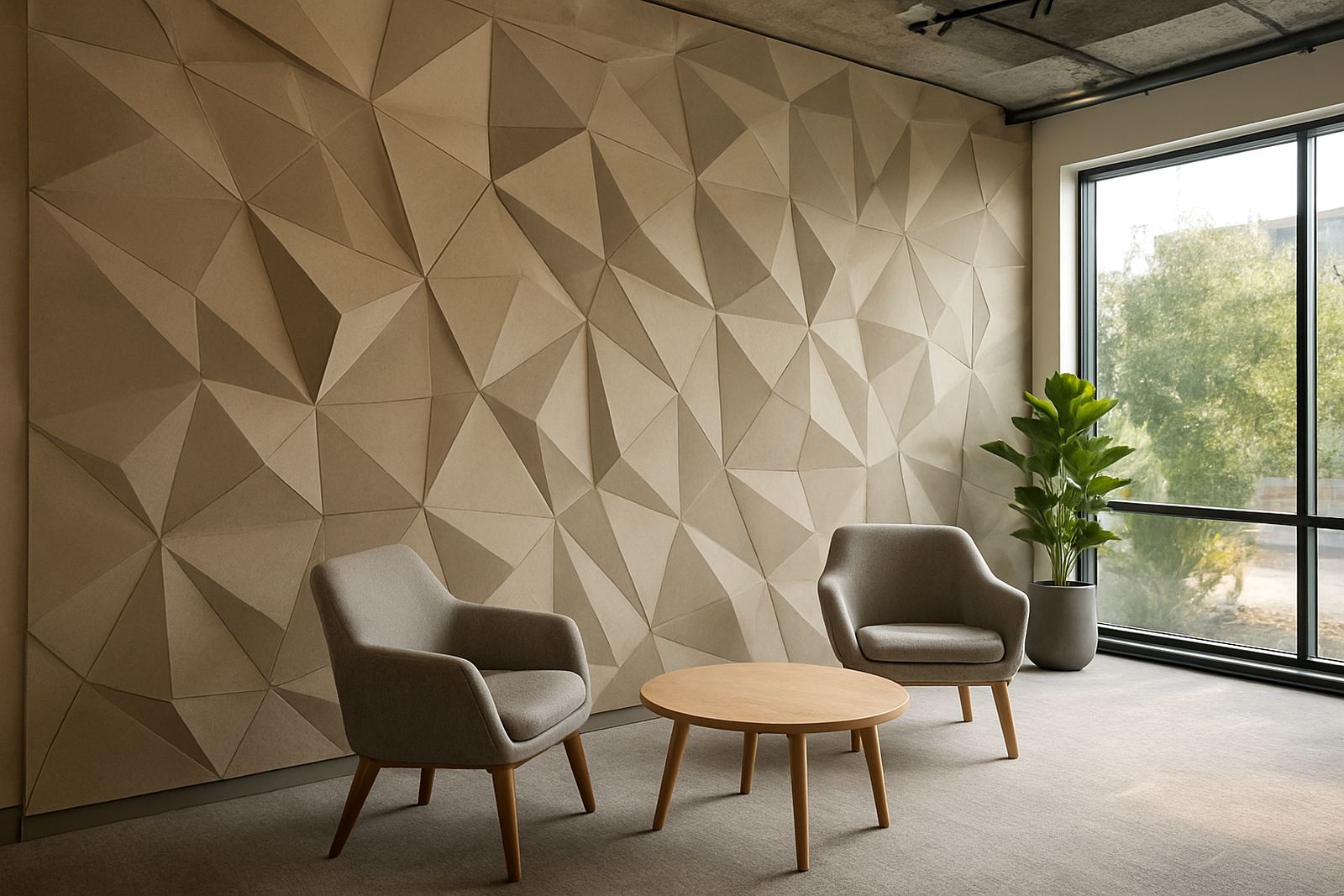
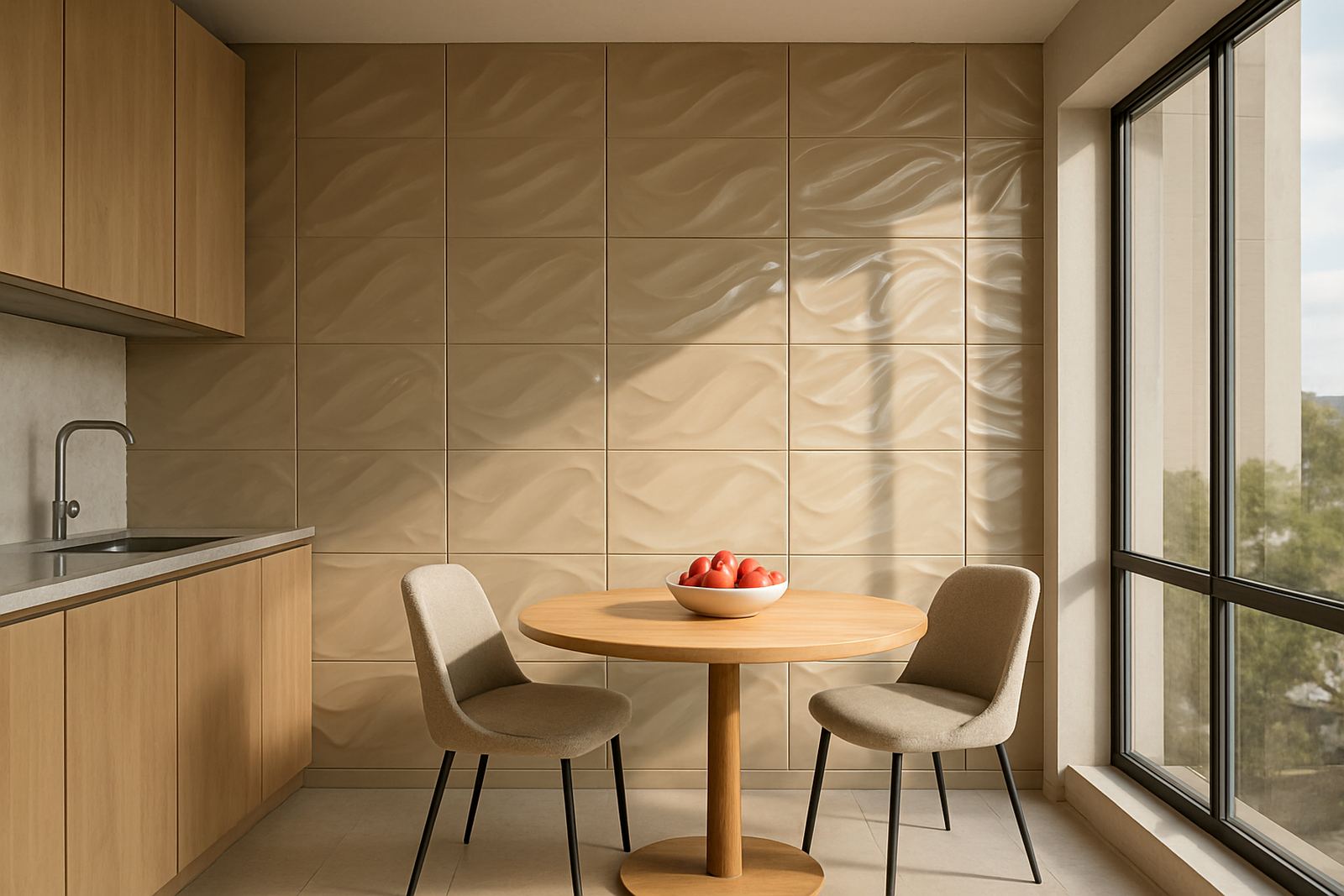
TV wall panels are available in different profiles and surface finishes, so the wall can match the rest of the room instead of standing out for the wrong reason. Some clients want a smooth architectural look with subtle grooves, while others prefer deeper 3D patterning that adds texture under natural light or downlights. In coastal homes, the finish choice matters too, because humidity and salty air can affect some materials over time if they are not sealed correctly.
Panel sizes are selected to suit the TV width, ceiling height and the proportions of the room. For smaller rooms, narrower vertical panels can make the wall feel taller. For larger entertainment spaces, wider modules or full-height feature runs give a more solid, balanced appearance. We can also assist with sample matching so the panel colour sits properly with cabinetry, flooring and wall paint, rather than looking bolted on.
- Available in a range of textures, colours and profile depths
- Can be used as full-wall cladding or around a specific screen zone
- Ideal for matching with timber tones, neutrals, charcoal and painted finishes
Where TV Wall Panels Work Best
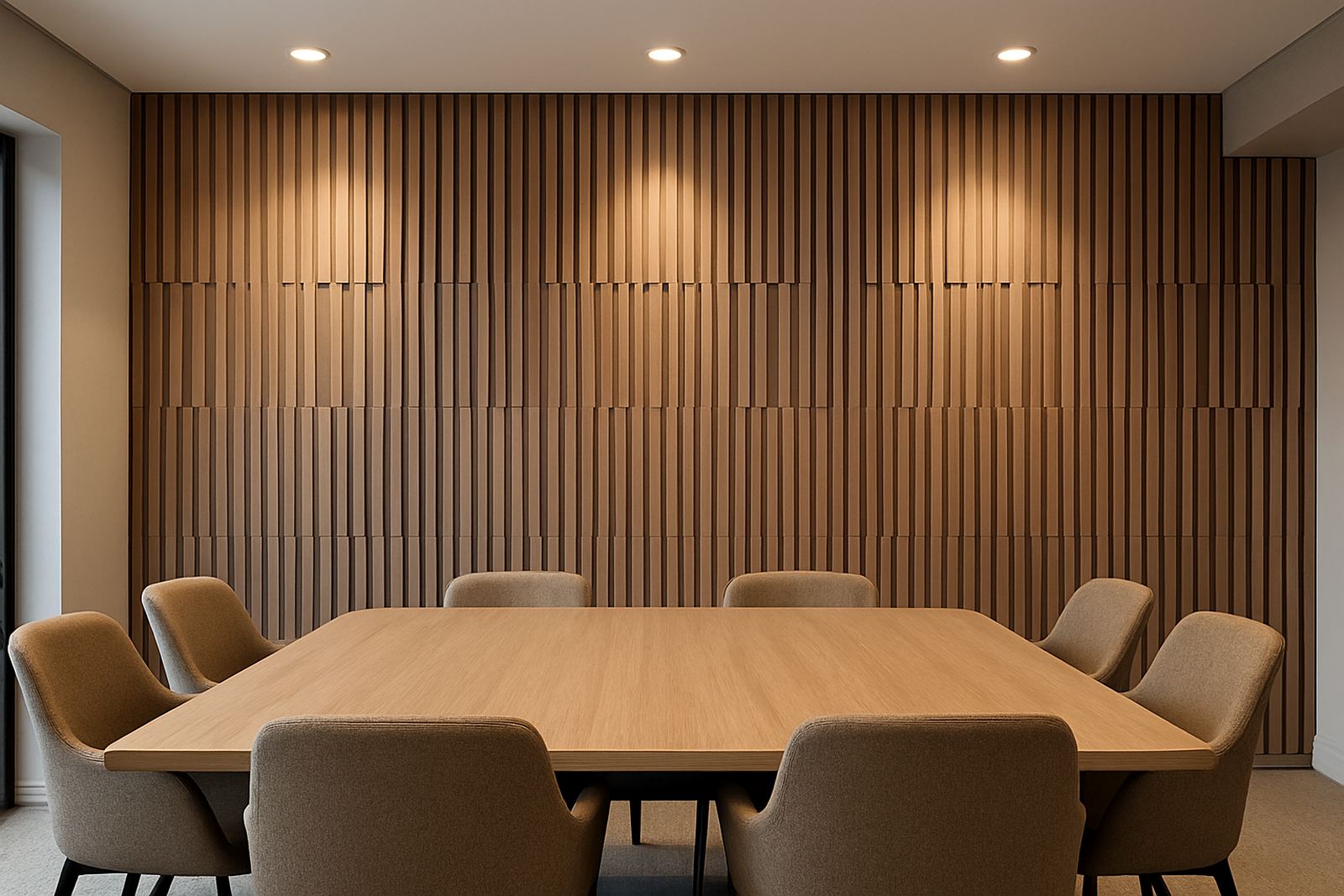
These panels suit almost any space where a screen needs to look tidy and integrated. In homes, that includes lounges, family rooms, pajama lounges and indoor entertainment areas. In commercial settings, they work well in hotel lobbies, executive offices, meeting rooms, showrooms and staff break areas where a television is part of the daily setup. For rental units and sectional-title properties, they also provide a practical way to upgrade the wall without overcomplicating the room.
They are especially useful where the TV is positioned on a feature wall with additional equipment below it, such as a media unit or shelving. If there are existing power points, network points or conduit routes already in the wall, the layout can be planned around those points. Where services need to be added, it is best to sort that out before installation, because moving cables after the panels are fixed is a nuisance and may spoil the finish.
- Homes, apartments, offices, hospitality spaces and retail interiors
- Suitable for wall-mounted TVs, media units and decorative backlighting
- Can support neat access for routers, decoders and sound systems
Installation, Fixings and Service Planning
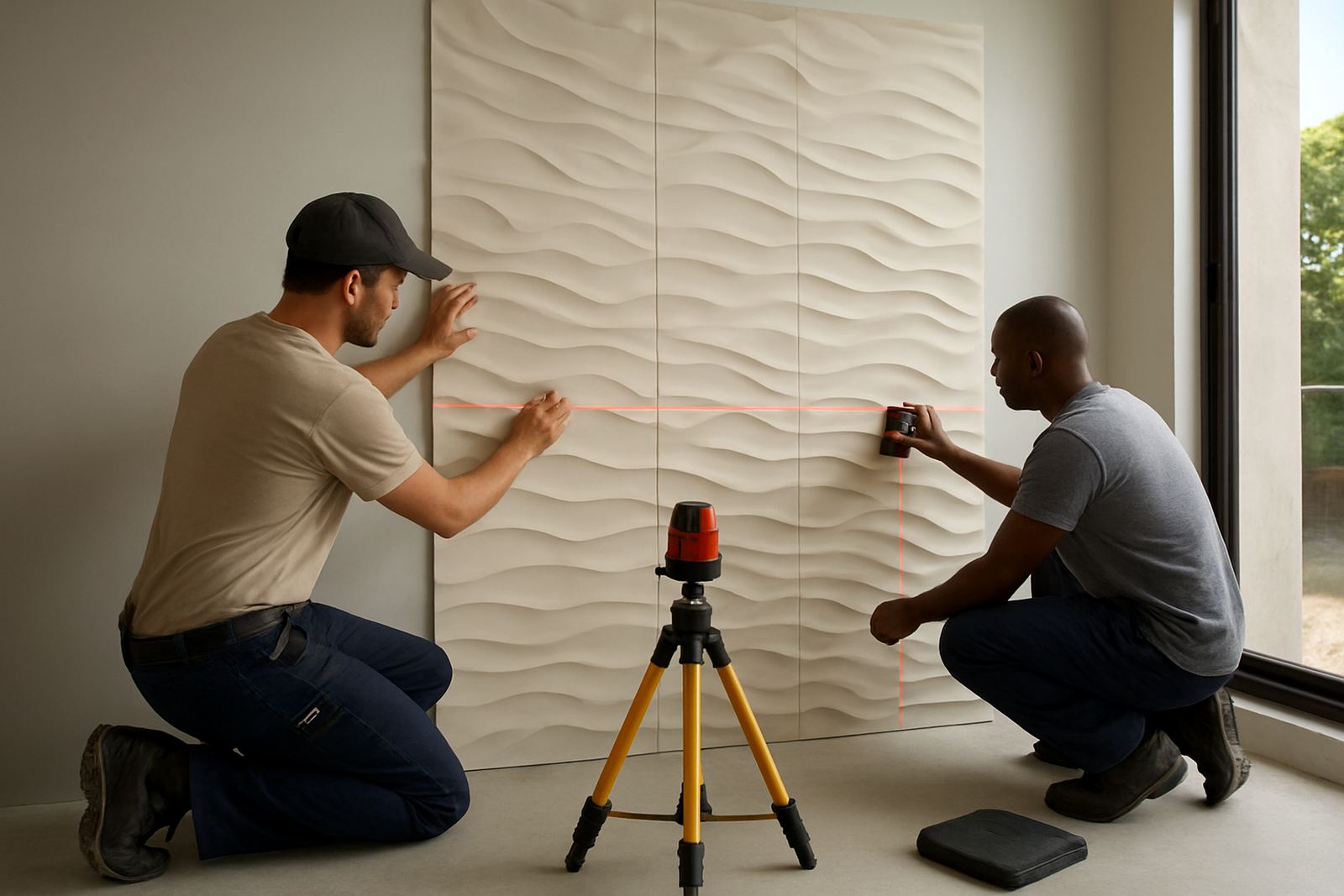
A proper TV wall panel installation starts with a site measure-up and a check of the wall condition. The wall must be level, dry and strong enough for the panel system and any mounted equipment. If the TV, bracket or shelf is going onto the same wall, the fixing points need to be planned in advance so the support lands in the correct place. In many cases, we recommend arranging the screen position before final panel placement, rather than treating it as an afterthought.
Some installs also need electrical preparation. If you want concealed power, a new socket position, LED strip lighting or a hidden cable chase, that work should be completed by a qualified tradesperson before the final cladding goes up. We also recommend checking for air-conditioning lines, existing plumbing and any gas appliances nearby, especially in open-plan homes where the entertainment wall shares a space with a fireplace or kitchenette. Better to confirm now than cut later.
- Wall must be dry, sound and suitable for fixings
- Electrical points, lighting and cable routes should be planned first
- Bracket positions are set to suit the TV size and viewing height
Care, Cleaning and Ongoing Servicing
TV wall panels are made to be practical in day-to-day use. Most finishes only need light cleaning with a soft cloth and a mild cleaner suitable for the material. Avoid harsh scrubbing pads, strong solvents or abrasive chemicals, because they can mark the surface or dull the finish over time. In homes with children or pets, a quick wipe-down now and then is usually enough to keep the wall looking tidy.
If the room gets strong sun, dust from open windows or coastal moisture, it is worth checking the panel joints and edges from time to time. In commercial spaces, especially high-use environments, a regular inspection schedule helps catch small issues early, such as loose fixings, worn edges or marks around cable access points. We also assist with repairs and maintenance where a panel needs resealing, refitting or replacing. That kind of follow-up keeps the wall looking right for longer, and it saves on bigger work later.
- Use a soft cloth and non-abrasive cleaner
- Check edges, joints and access points every few months
- Repairs and maintenance are available for residential and commercial walls
What to Confirm Before You Order
Before ordering TV wall panels, it helps to confirm a few practical details so the finished wall works as intended. First, measure the exact screen size and the full wall width, not just the visible TV area. Second, check where the power point, signal cables and any network connections are located. Third, decide whether you want the panel layout to stop at the TV zone or run across the full wall for a more continuous look. Small decisions here can make a big difference to the final finish.
You should also think about how the wall will be used day to day. If you plan to add a sound bar, floating cabinet or LED strips, those elements need room in the layout. If the project is in a body corporate, rental unit or commercial premises, make sure any fixing or electrical changes fit the building rules and approval process. In busy areas like Cape Town and Stellenbosch, we often see delays caused by missing access details or unclear wall measurements, so a bit of planning upfront is worth it.
- Screen size, wall width and ceiling height
- Power point locations, cable routes and accessory space
- Body corporate, landlord or commercial approval requirements
Key facts
| Product type | Decorative and functional TV wall panel system |
|---|---|
| Typical use | Lounge walls, media rooms, reception areas and offices |
| Finish options | Smooth, textured and 3D profiles in selected colours |
| Installation method | Wall-prepared fixed panels with planned cable access |
| Care | Light cleaning with soft cloth and mild cleaner |
| Supply area | Cape Town, Western Cape and nationwide courier dispatch |