What Geometric 3D Panels Do in a Room
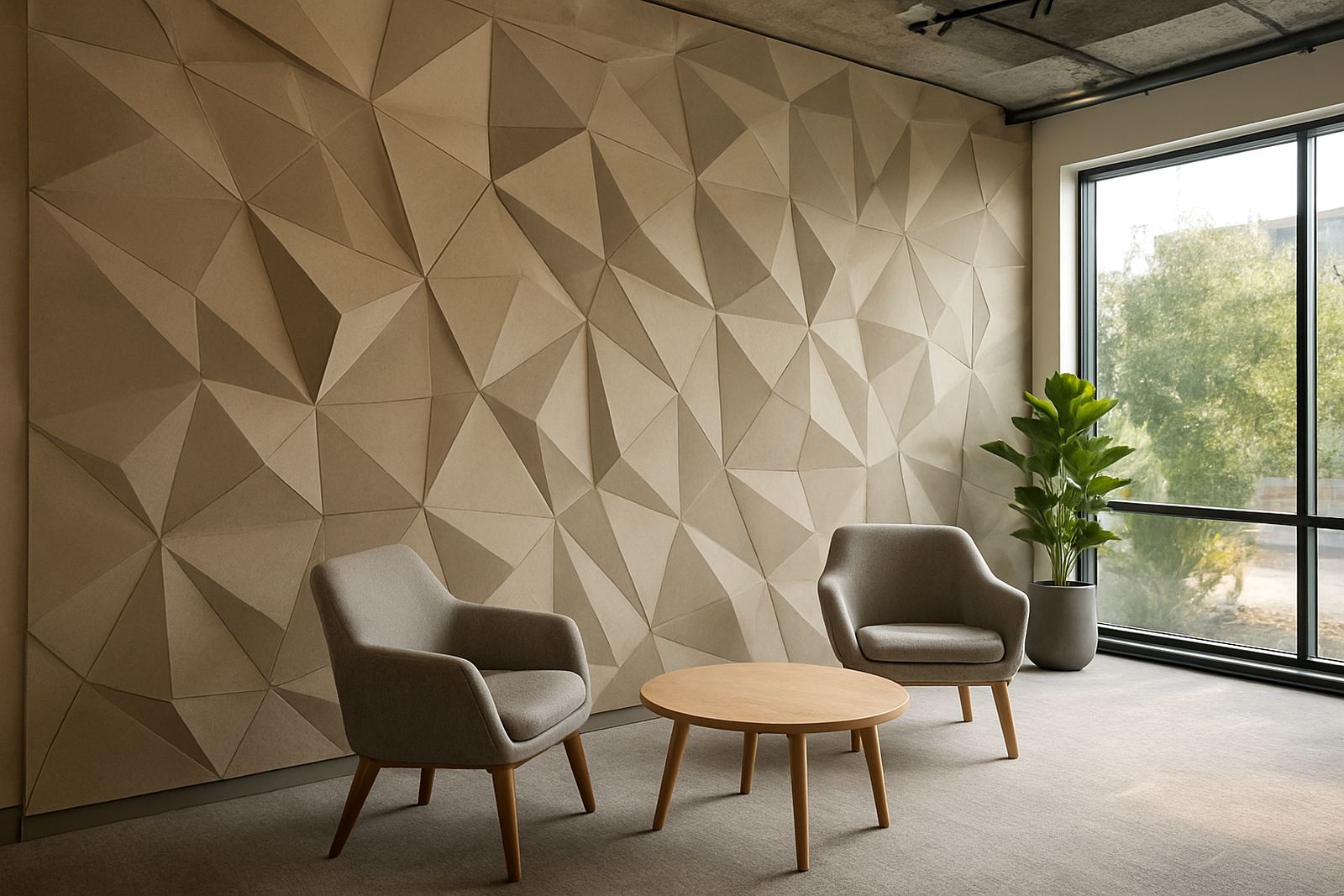
Geometric 3D panels create a faceted surface made up of repeating angles, ridges and recesses. The effect changes through the day as natural light shifts across the wall, so a plain wall starts to do more work in the room without needing paint effects or heavy joinery.
They are a strong choice where you want a crisp contemporary look that still feels practical. In a Cape Town reception, a Paarl office or a lounge in Somerset West, the panels can be used to frame a logo wall, break up a long blank surface, or give a TV wall more structure. The finish is neat and visual but still easy to live with.
These panels are supplied for interior use and can be used on selected sheltered exterior applications only after a site check. For most projects, they are fitted to prepared plasterboard, masonry or a properly lined stud wall. Where the wall has minor unevenness, the panel pattern can help disguise it better than a flat finish.
Sizes, Profiles and Finish Options
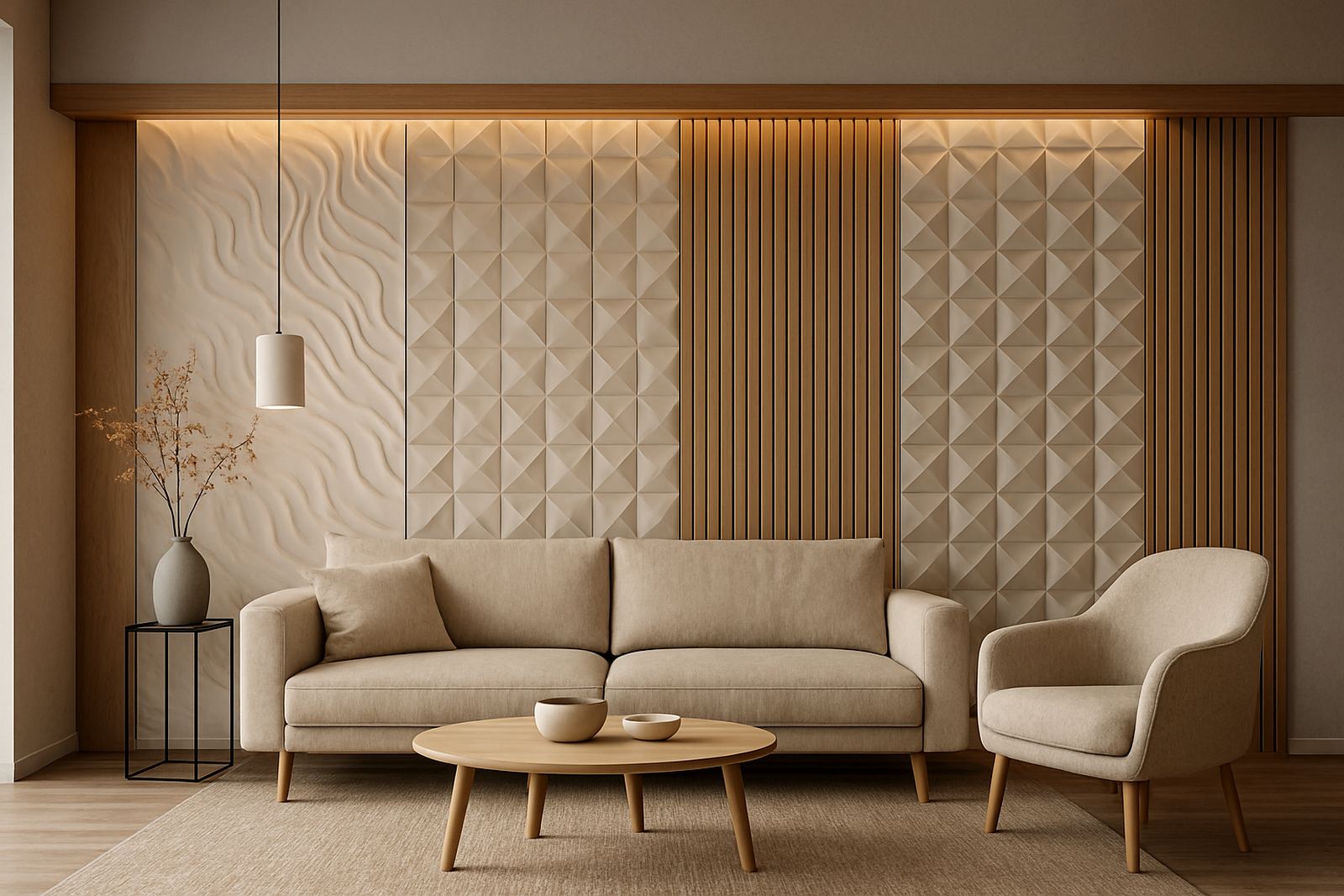
The range is available in different panel sizes and geometric face patterns, so the layout can be kept simple or made more detailed. Some clients prefer a full wall coverage, while others use the panels as a centred feature behind a counter, bed head or boardroom screen. There are also options that work well in narrow passages or around corners.
- Common panel sizes are suitable for modular installation and cleaner joins
- Profile depth varies by design, usually from subtle relief to deeper angular faces
- Panels can be finished in painted colours, stained tones or textured coatings depending on the product selected
- Cutting and trimming can be done on site for sockets, skirting lines and angled returns
If you are matching an existing interior, sample checking is worth doing first. White under warm light can read differently from white under cool office lighting, and the same pattern can feel tighter or softer once it is repeated across a large wall. In coastal homes, the surface finish should also be selected with humidity in mind.
Best Places to Use Them
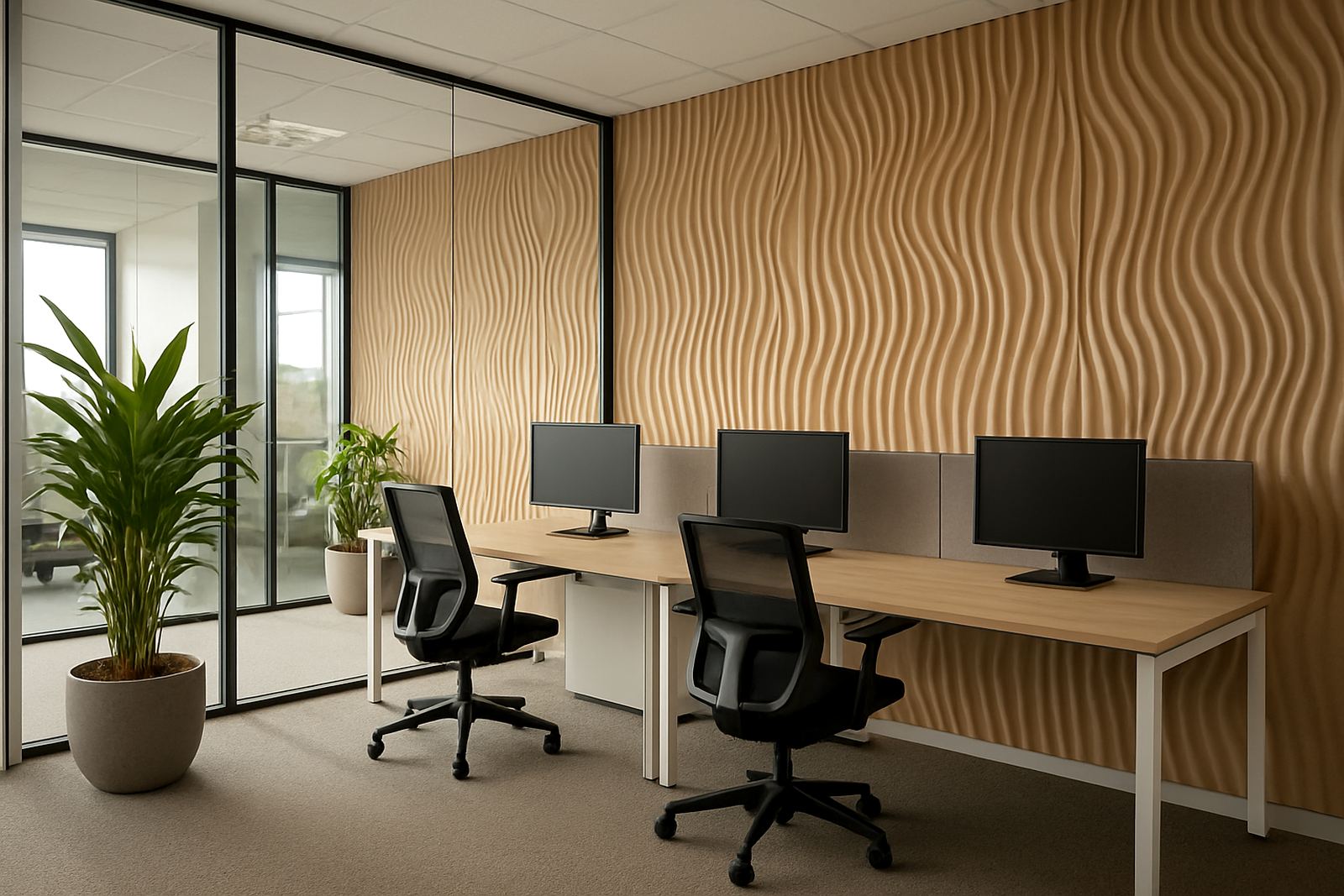
Geometric 3D panels suit spaces that need a strong first impression and better wall definition. In commercial settings, they are often used in reception areas, client waiting spaces, meeting rooms and private offices. In homes, they work well in lounges, dining rooms, stair walls and bedroom feature walls where the surface needs more character without looking overdone.
They are also useful in hospitality and retail environments where the wall has to carry part of the visual identity. A carefully planned feature wall can help guide foot traffic, give a room better proportions and support branding without needing large signage. In busy workplaces, the angled surface can reduce the hard echo that comes off flat plaster and glass.
- Reception counters and waiting areas
- Lounges, TV walls and main bedrooms
- Boardrooms, meeting rooms and private offices
- Retail fronts, salons and hospitality spaces
For open-plan areas, the pattern can be used on one wall only so the room keeps enough balance. If the wall is near a doorway or passage, we usually check sightlines before finalising the layout because the direction of the geometry affects how the surface reads from different angles.
Installation, Support and Site Requirements
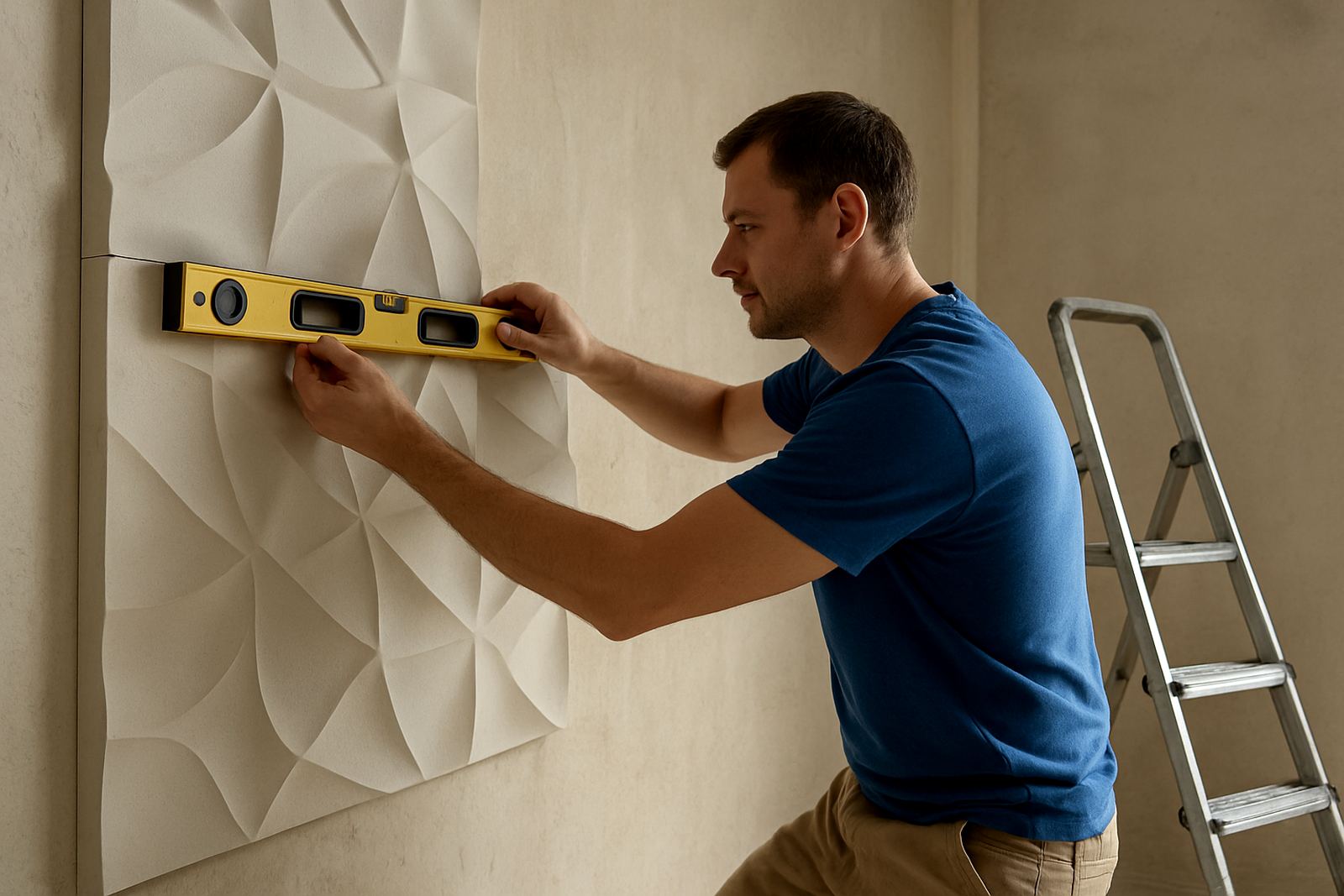
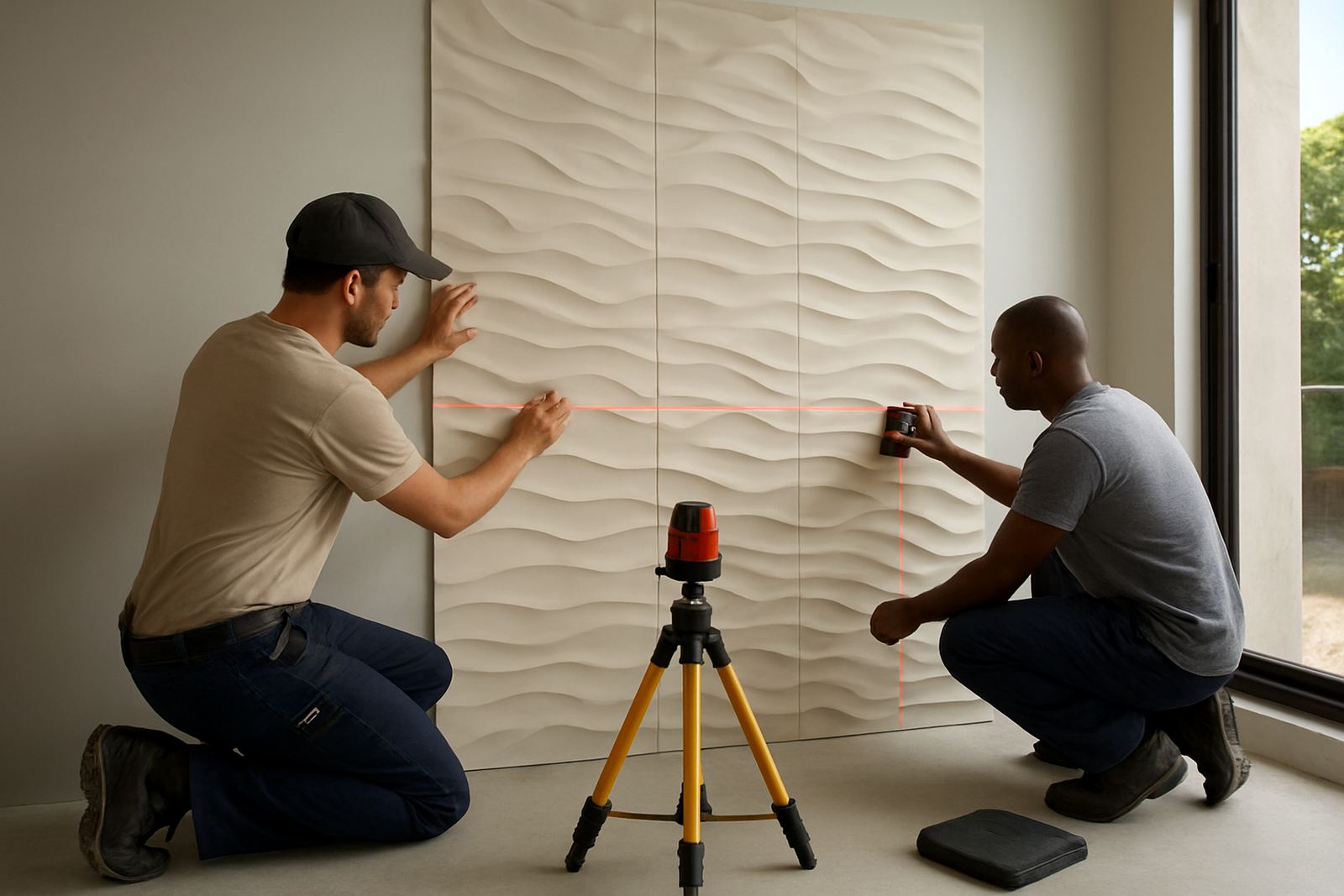
Installation starts with a site measure-up and a check of the wall condition. The base surface should be sound, dry and level enough for the panel system selected. On older properties or buildings with service upgrades, loose plaster, damp marks or movement joints need attention first so the finish lasts properly. In Cape Town and along the coast, that step matters because moisture can affect both adhesion and the final look.
Most projects do not need power or gas for the product itself. If the wall includes lighting, concealed cabling, a media point or a mounted screen, those services must be planned before fitting begins. Our installation team can work with your contractor or building manager where municipal rules, access times or body corporate restrictions apply.
- Site measure-ups and layout confirmation before installation
- Wall preparation, filling and priming where needed
- Careful alignment of repeating geometry across the full wall
- Trimming around sockets, switches, skirting and returns
For commercial rollouts, the panel layout is planned in advance so the pattern stays consistent across multiple branches. That is especially useful for businesses with sites in the Atlantic Seaboard, Northern Suburbs or further afield in the Western Cape where every location needs the same look.
Care, Cleaning and Long-Term Servicing
Geometric 3D panels are straightforward to maintain if they are cleaned correctly. For most interior finishes, a soft dry cloth or a light vacuum brush is enough to remove dust from the angles and recesses. If the surface is washable, use a mild cleaner diluted with water and test a small area first. Harsh abrasives and strong solvents should be avoided because they can mark the finish.
In offices and public areas, the raised edges may pick up fingerprints or scuff marks near touch points. Those spots can usually be dealt with during routine maintenance. If a panel is damaged by impact, our team can assess whether a repair or replacement section is the better option. That saves time compared with redoing an entire wall.
- Dust regularly, especially in textured recesses
- Wipe spills promptly to avoid staining
- Avoid steam cleaners unless the finish is approved for it
- Check high-traffic areas every few months for scuffs or chips
For landlords, facilities teams and hospitality operators, planned maintenance helps keep the wall looking clean over time. This is useful in spaces that receive a lot of visitors, or where seating is close to the wall and wear is more likely.
What to Check Before You Order
Before placing an order, it helps to confirm the wall size, the exact panel pattern and the finish you want. If the wall has doors, windows, bulkheads or sockets, those details must be included in the take-off so the quantity is correct. It also helps to know whether the surface will be painted on site, factory finished or installed as supplied.
You should also check the end use. A panel that works in a quiet private lounge may not be the best choice for a busy retail entrance where knocks and cleaning are more frequent. If you want acoustic benefit as well as style, the panel build-up and backing method should be selected for that purpose. Where a wall is in a humid coastal area, the material choice needs extra care.
- Final wall dimensions and ceiling height
- Location of plugs, switches, lighting and mounted items
- Whether the wall needs acoustic improvement or mainly visual impact
- Expected foot traffic, cleaning routine and exposure to moisture
For projects across Cape Town, Stellenbosch, Paarl and Somerset West, we can help with sample matching and installation planning before the first panel is cut. That keeps the layout accurate and helps avoid delays on site.
Key facts
| Product type | Geometric 3D interior wall panels |
|---|---|
| Use areas | Homes, offices, reception areas, retail, hospitality |
| Installation | Prepared wall, measured layout, trimmed on site where needed |
| Power or gas | Not required for the panels themselves |
| Care | Dry dusting or mild wipe-down depending on finish |
| Service area | Montague Gardens, Cape Town, Western Cape and nationwide dispatch |