
What Brick-Look Panels Are and Why They Work
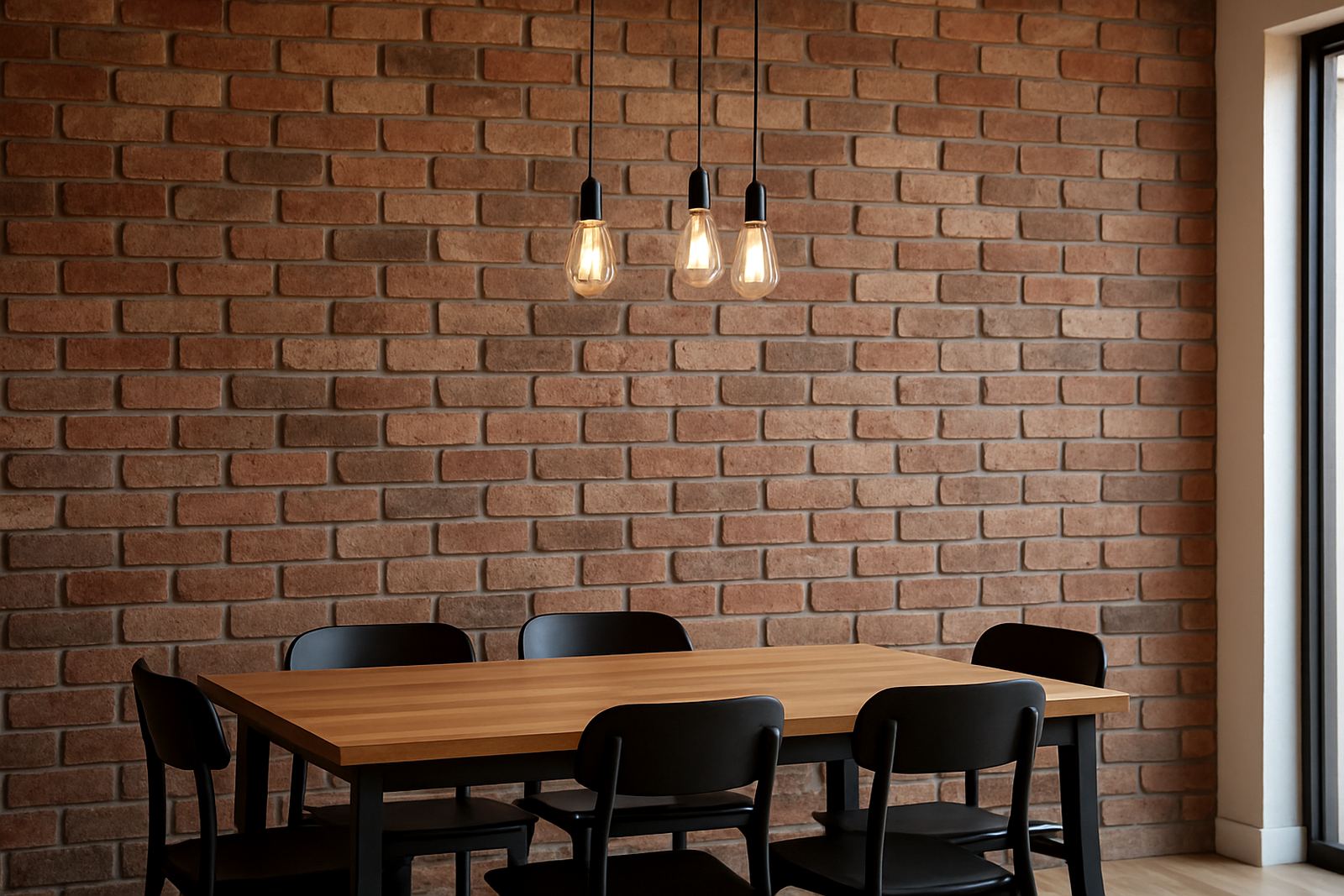
Brick-look panels are decorative wall cladding panels formed with a raised brick pattern to copy the look of exposed brickwork. They are used to create feature walls that feel warm, textured and lived in, while keeping the install lighter and faster than full masonry. In many interiors they also help soften echo, which is useful in open-plan homes, busy hospitality spaces and meeting rooms where hard surfaces can make sound bounce around.
For Cape Town projects, these panels are a practical option when you want character without opening up a wall for traditional brick veneer. They work well in coastal homes where humidity can affect some finishes, and in commercial spaces where cleaning and turnaround time matter. If you are refreshing a unit in Montague Gardens or fitting out a venue in the Southern Suburbs, brick-look panels can bring a strong visual finish without major structural work.
Available Looks, Panel Sizes and Finish Options
Brick-look panels are supplied in a range of brick patterns, joint styles and surface tones so you can choose a look that suits the rest of the room. Some clients want a crisp white painted brick effect, others prefer a warm clay tone, charcoal, or a more weathered industrial finish. The right choice depends on the room size, light levels and how much contrast you want against flooring, cabinetry and furniture.
- Common panel sizes are 1 200 x 600 mm, with cover dimensions varying by profile
- Typical thickness ranges from about 8 mm to 25 mm depending on the material and pattern depth
- Panels can be supplied in painted, ready-to-finish or textured decorative surfaces
- Brick layouts may include stack bond, stretcher bond or irregular industrial styles
- Cutting for corners, sockets and edges is done on site for a neat result
We also help with sample matching when you need the brick tone to sit properly beside existing floors, timber, tiles or painted plaster. For restaurants and retail spaces, it is often worth ordering a sample first because lighting changes the appearance of texture more than people expect.
Where Brick-Look Panels Suit Best
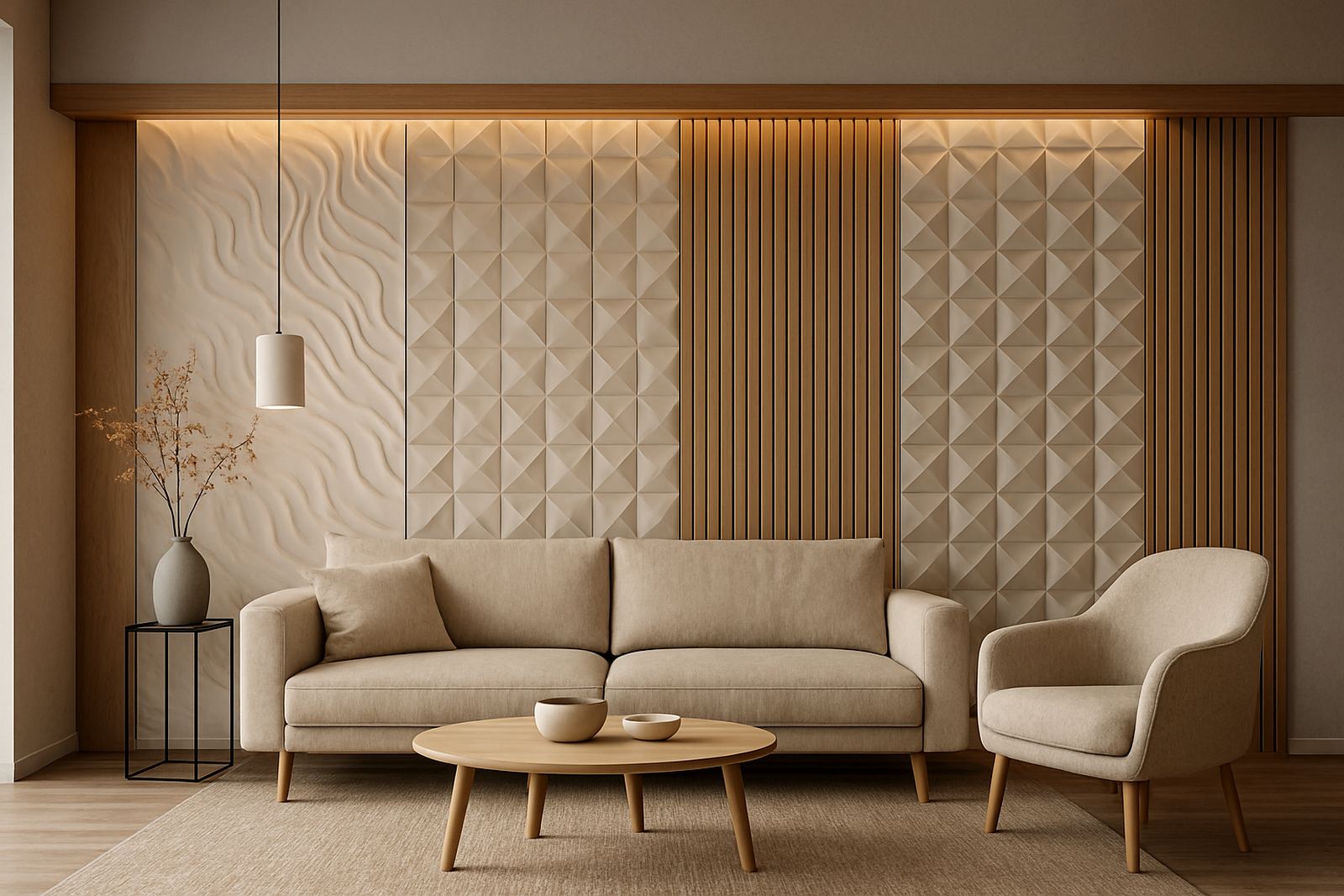
These panels suit spaces that need visual warmth, a bit of texture, and a more grounded feel. They are popular in cafés and bars, but they also work in homes where a plain painted wall feels flat. A single feature wall in a lounge can change the whole room, while in a commercial space the panels can help define a counter, seating zone or brand wall.
They are especially useful in rooms where you want the look of masonry but cannot afford the cost, weight or downtime of full brickwork. They also help in units with load-shedding plans, because many installations can be completed with basic site power and standard tools no specialised power supply is needed for the finished panels. That makes them easier to schedule around trading hours and building access. Good applications include:
- Cafés, bars and restaurants
- Living rooms, TV walls and home offices
- Reception areas and client-facing spaces
- Creative studios and showrooms
- Hospitality projects where texture matters more than heavy construction
In coastal areas like the Atlantic Seaboard, we often recommend checking nearby windows, splash zones and ventilation before finalising the finish. In drier inland interiors, the same product can give a more industrial feel with less maintenance.
Installation, Wall Preparation and Site Conditions
Proper preparation makes the biggest difference to how brick-look panels sit and last. The wall must be sound, dry and fairly flat before installation starts. If there are loose plaster patches, damp spots or paint that is flaking, those issues need to be sorted first. On commercial jobs we often plan around operating hours, and for larger rollouts we can stage the work in sections so the site can keep trading.
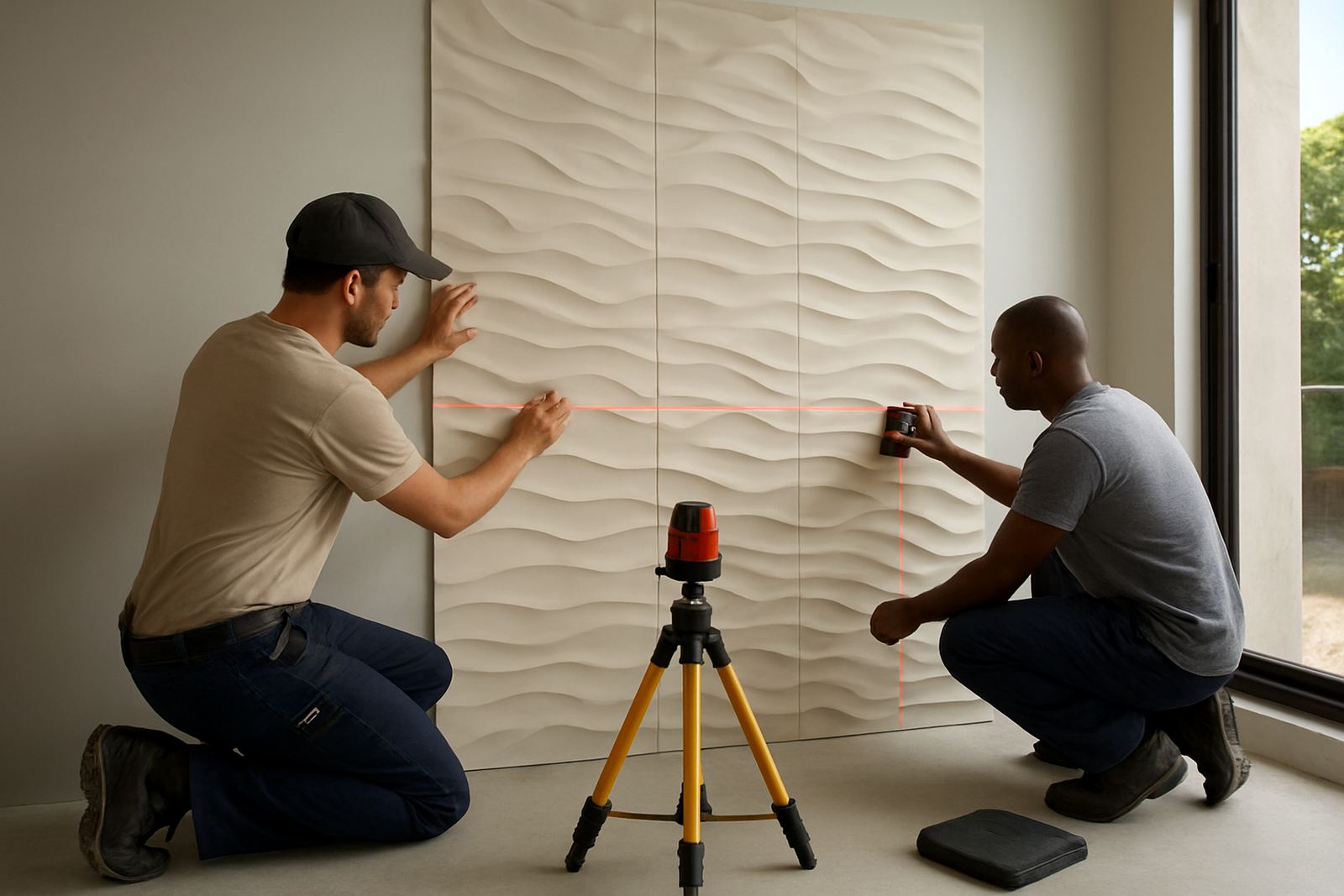
Installation methods depend on the panel type and wall condition. Some panels are fixed with adhesives and mechanical fasteners, while others need battens or specific edge treatment. Corners, trims and joins should be planned before fitting begins so the brick lines run properly across the wall. For a cleaner result, the layout is measured from a centre point or a visible edge, not just started randomly from one side.
- Allow for wall prep before fitting, especially on rough plaster or uneven masonry
- Check access for lifts, stairs and parking in tighter Cape Town sites
- Confirm socket positions, light switches and wall-mounted fittings before the panels go up
- Allow for curing or settling time if adhesives are used
In high-traffic areas like bars or cafés, we also look at bump zones near chairs, trolleys and service counters. Those spaces may need stronger edge protection or a more durable finish. If the wall includes acoustic backing or insulation, that should be confirmed early so the panel build-up is set out correctly.
Care, Cleaning and Ongoing Servicing
Brick-look panels are generally easy to maintain, but the care instructions depend on the finish. A dusting cloth or soft brush is usually enough for everyday cleaning. For more stubborn marks, use a lightly damp cloth and a mild cleaner that suits the surface. Harsh chemicals, abrasive pads and excessive water should be avoided unless the panel type specifically allows them.
In hospitality spaces, we recommend a regular inspection schedule because cooking residue, smoke and constant contact can build up over time. In homes, the main concern is usually dust in the joints and marks from furniture or children. If a section becomes damaged, individual panels can often be repaired or replaced rather than redoing the whole wall. That is useful for busy spaces where downtime must be kept short.
- Dust regularly to stop dirt settling into the texture
- Use gentle cleaners only, especially on lighter colours
- Avoid direct heat exposure unless the product is rated for that area
- Check joins and corners during annual maintenance
- Keep a small offcut or spare panel for future repairs
For commercial clients, we can advise on aftercare support and maintenance scheduling, particularly where the wall sits close to a service area, coffee station or entrance that gets touched often.
What to Confirm Before You Order
Before you place an order, it helps to confirm the actual wall size, the exact finish you want and whether the wall needs acoustic treatment, repairs or extra prep. A neat feature wall starts with good measurements and a clear idea of where trims, corners and sockets will land. If the project is for a tenant space or a hospitality venue, also confirm any landlord or municipal requirements that affect wall alterations or fire performance.
You should also decide whether the panels are for internal use only or whether the wall is near moisture, direct sun or regular impact. That affects the material choice and finish selection. For larger projects, ask how many square metres are needed and whether there is a plan for phased delivery or installation. It is also wise to check lead time if you are working around an opening date or a refurbishment deadline.
- Wall dimensions in metres, including height and width
- Whether the wall is plastered, painted brick, concrete or partition board
- Desired colour tone, joint style and pattern depth
- Any sockets, lights, shelves or mounted items on the wall
- Whether installation must happen after hours or in stages
- Need for acoustic backing, repairs or wall prep before fitting
If you are unsure about the right product, a site measure-up and sample matching session usually solves it quickly. That is often the safest step before a final order, especially when the wall is highly visible or part of a customer-facing area.
Key facts
| Product type | Decorative brick-look wall cladding panels |
|---|---|
| Typical use | Interior feature walls for homes and commercial spaces |
| Common panel size | About 1 200 x 600 mm |
| Thickness range | Approximately 8 mm to 25 mm, depending on profile |
| Installation | Adhesive and/or mechanical fixing, subject to wall type |
| Service area | Cape Town, Western Cape and nationwide courier dispatch |