
Panel Systems That Frame Stock Properly
Retail display panels are used to build neat feature zones behind counters, along aisle ends, in window displays and around branded product bays. They give a store a cleaner finish than a plain painted wall and make it easier to change merchandising from one season to the next. In busy spaces, the panel surface also helps hide small marks and wear better than a bare plaster wall, which matters when trolleys, baskets and stock trolleys are moving through the shop all day.
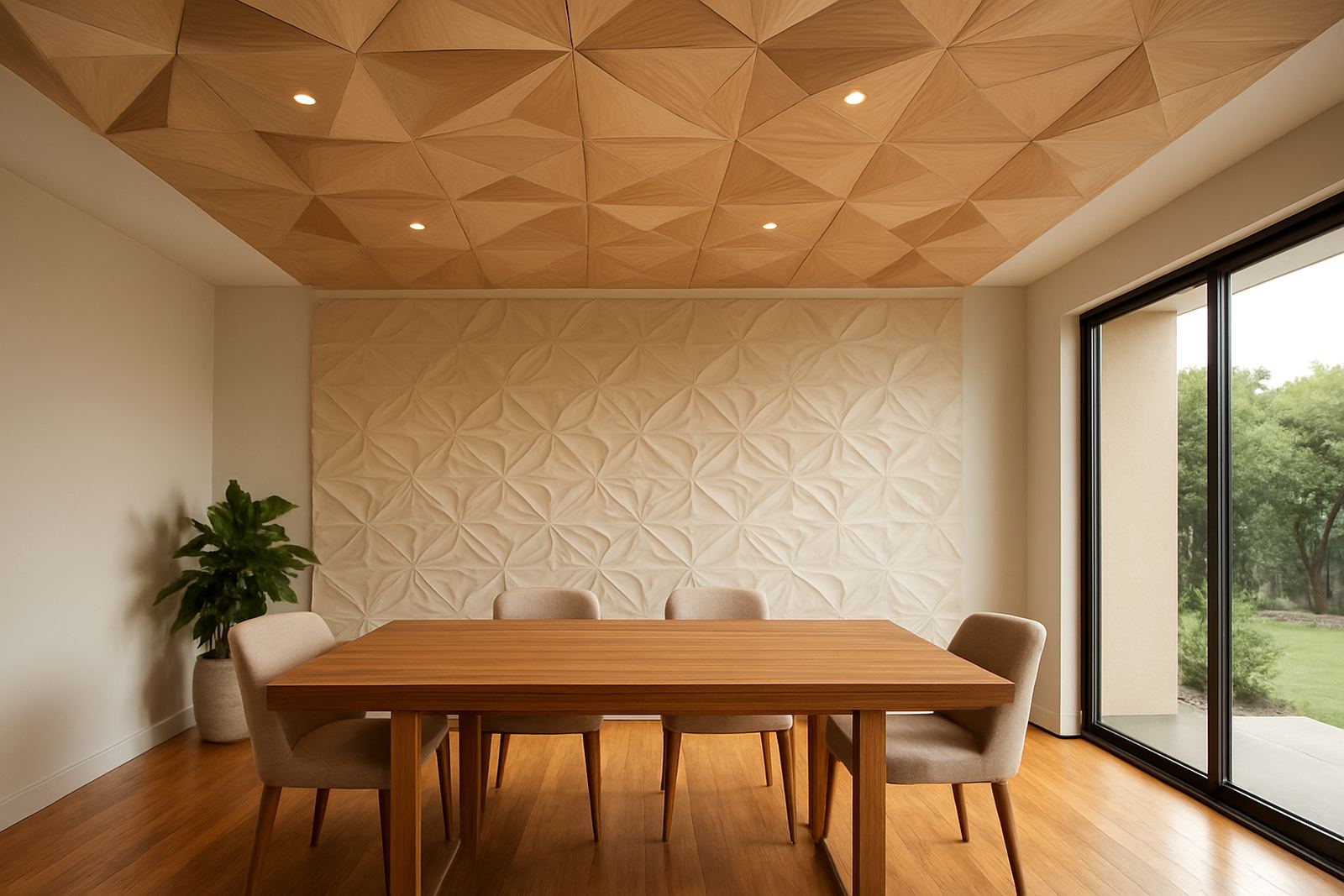
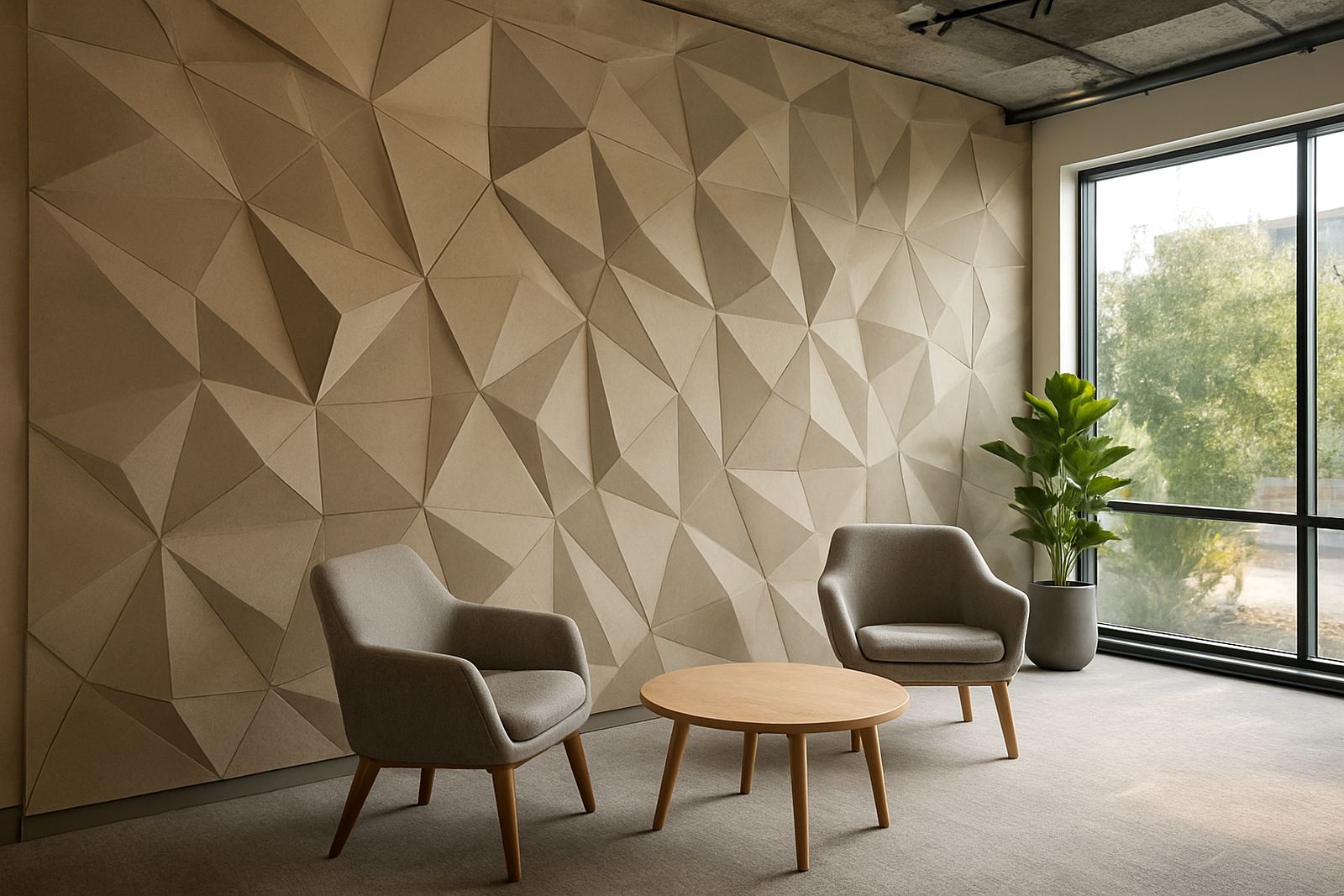
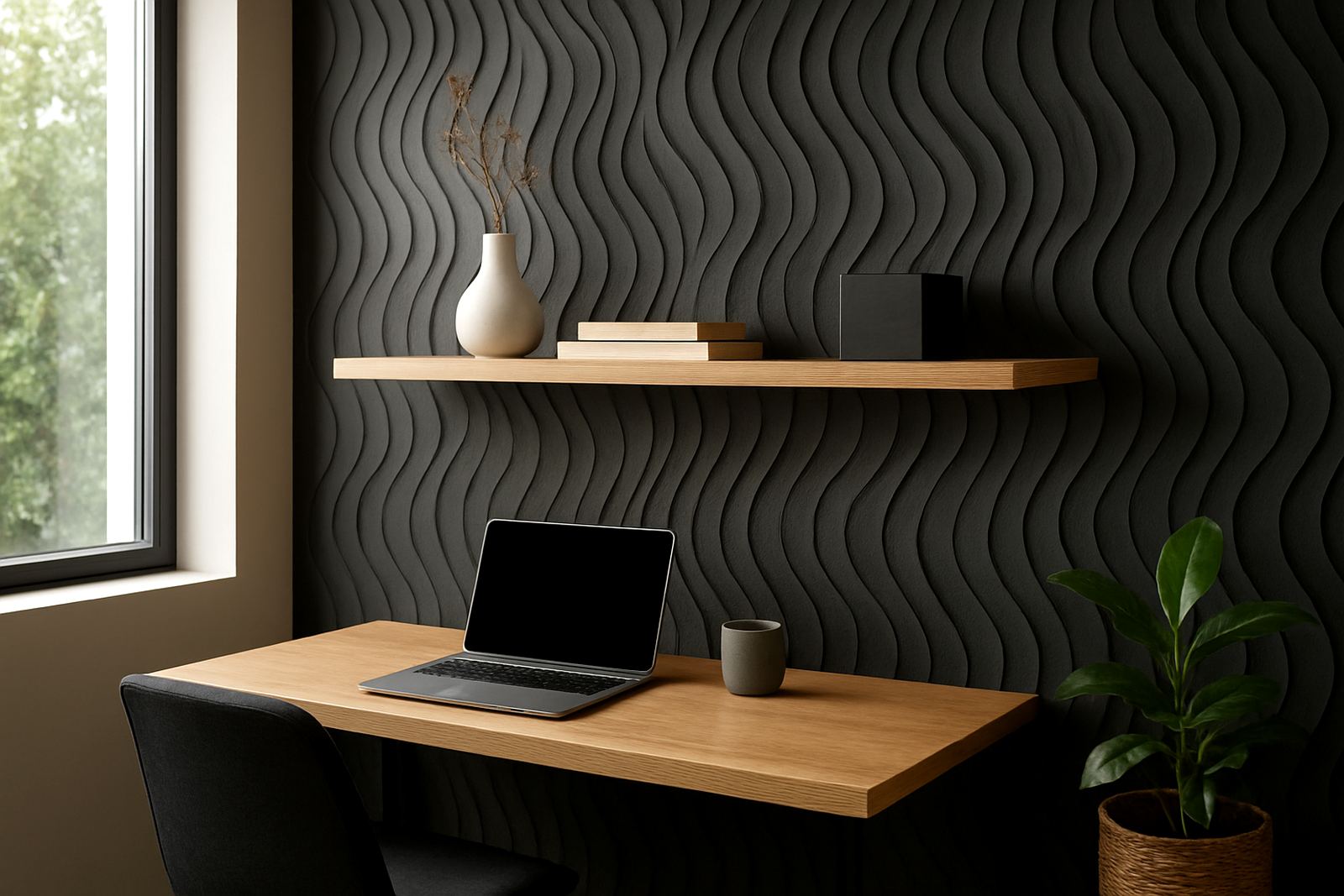
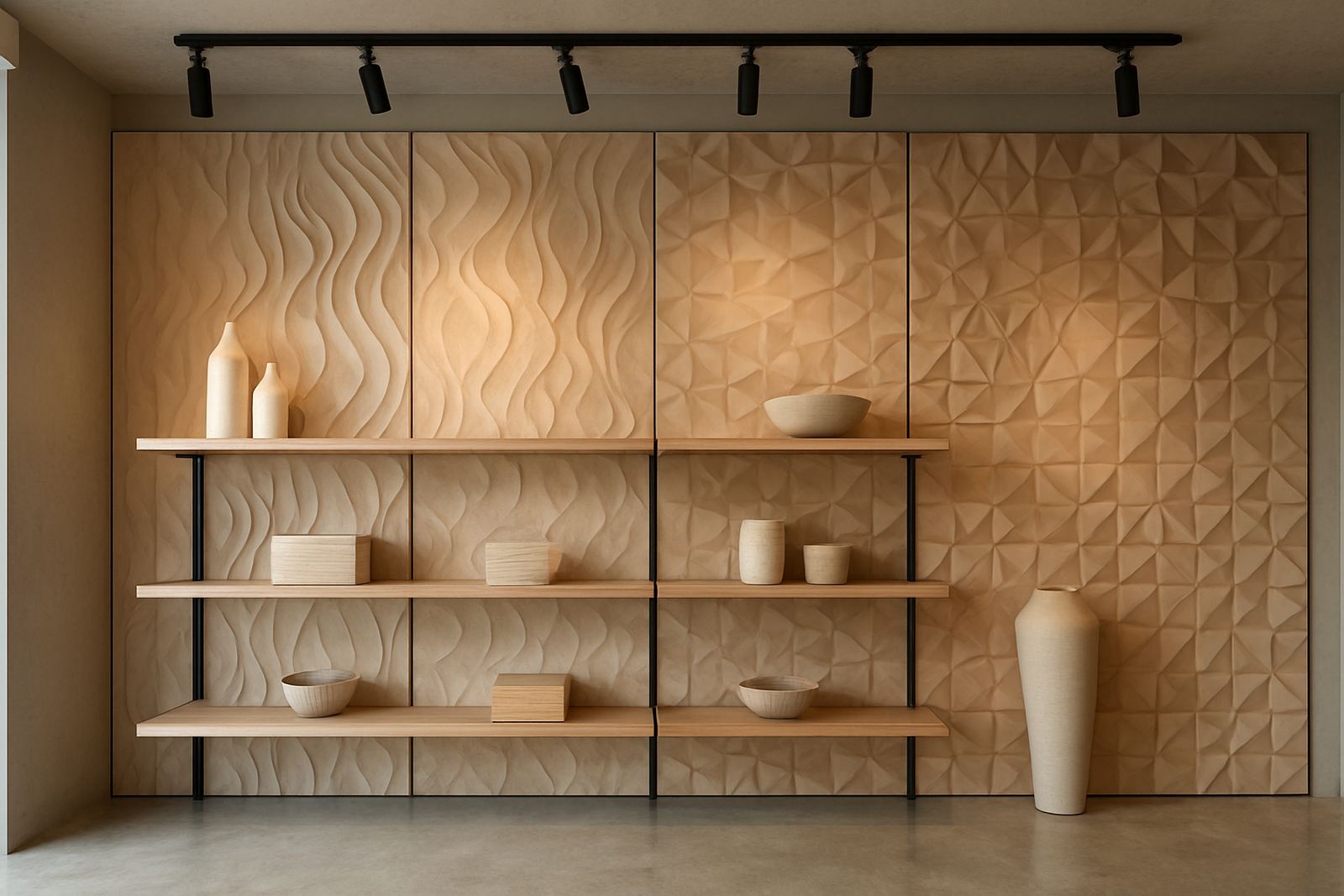
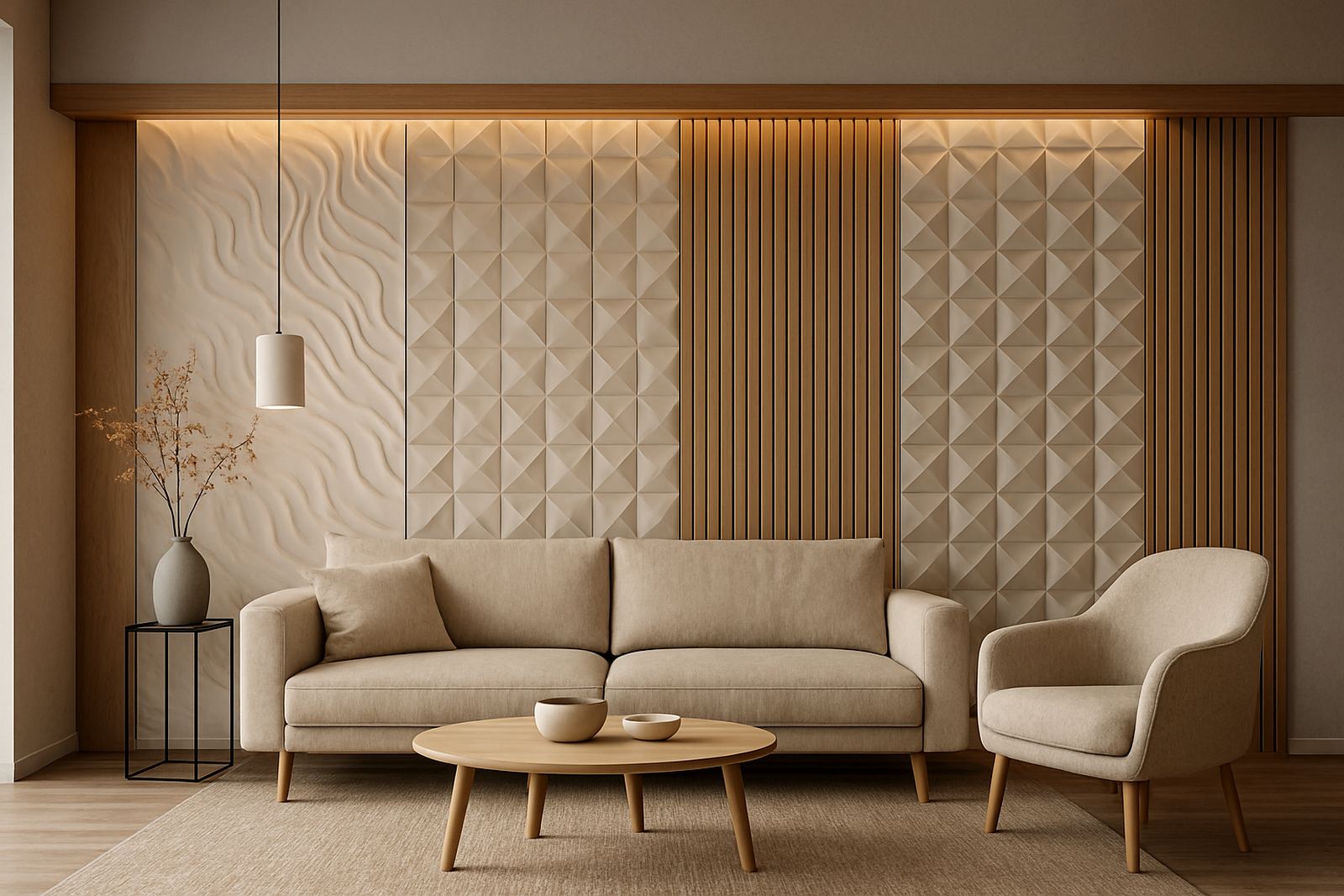
We supply panel systems in a range of profiles and finishes suited to retail fit-outs, including smooth decorative panels, textured feature panels and acoustic panel options where noise control is important. Panels can be used on full walls or as smaller display inserts, so you do not need to cover every surface to get a stronger visual effect. For stores that need regular refreshes, modular layouts work well because sections can be replaced or rearranged without rebuilding the whole wall.
- Feature wall cladding for retail backdrops and brand zones
- Wall merchandising panels for shelves, hooks and signage
- Acoustic panel sections for busy stores and showrooms
- Custom cut sizes for bays, corners and counter fronts
Sizes, Finishes and Fixing Options
Most retail display panels are supplied in practical sizes that suit local transport, site access and quick installation. Standard panel formats are often used for straight runs, while custom sizing is better for irregular walls, pillar wraps and product niches. Panel thickness depends on the look and fixing method required, but the usual range is 8 mm to 25 mm depending on the material and the level of depth you want on the wall.
Finishes are selected to suit the store image and the amount of handling expected. A matte surface works well where glare from shop lighting must be reduced, while textured panels add more depth on feature walls. Some ranges can be painted after installation, which is useful if your colour scheme changes often. For stores in coastal areas like Cape Town, Somerset West and along the Atlantic Seaboard, we also consider moisture exposure and salt air when recommending the right panel type and edge treatment.
- Standard panel sizes for straight retail walls
- Custom cuts for corners, columns and display recesses
- Paintable and pre-finished surface options
- Panel thickness selected for visual depth and fixing strength
Where Retail Panels Work Best
These panels suit retail settings where presentation and circulation both matter. They are a good fit for clothing shops, homeware stores, pharmacies, lifestyle stores, cell phone outlets, hardware showrooms and any space that needs defined merchandising zones. They also work well in reception areas, tasting rooms, mall kiosks and trade counters where the wall has to do more than just sit in the background.
In commercial spaces with heavy foot traffic, panels can support signage, create product backdrops and make a store feel more planned. They are often used as a visual anchor behind till points, in new product launch areas or at the entrance where first impressions are formed. In stores with open plan layouts, panels also help break up long walls so stock sections feel distinct and easier to browse.
- Shopfronts and window display areas
- Feature walls behind tills or product displays
- Showrooms with changing product ranges
- Merchandising zones in malls and mixed-use retail spaces
Installation Requirements and Site Readiness
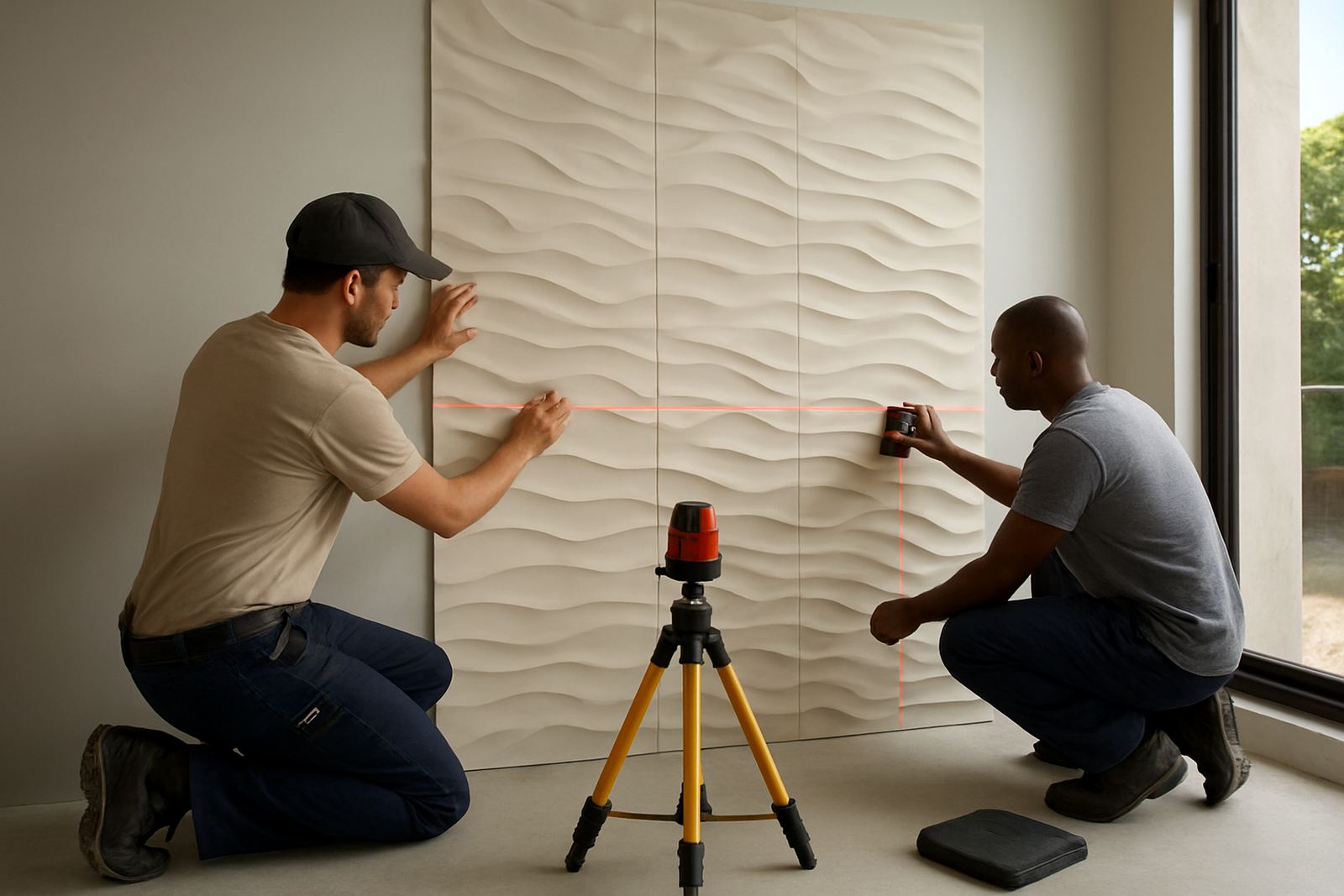
Retail panel installation starts with a proper site measure-up and a check of the wall condition. We look at plaster finish, moisture levels, wall straightness and whether the surface needs levelling before fixing begins. If the wall is uneven or has hairline cracking, preparation matters, because a display wall must stay aligned if shelves, signage or hooks are going onto it. In older buildings around the Western Cape, prep can take a bit longer where previous finishes need to be removed first.
Power and gas are not usually required for the panel itself, but they can matter in the wider fit-out. If the panels sit near illuminated signage, digital screens or retail refrigeration, electrical routing must be planned before the wall is closed off. For stores with cooking or demo equipment nearby, gas clearances and fire rules should be checked against the tenant handbook and municipal requirements. That bit is often overlooked, and it can cause delays later.
- Wall must be sound, dry and ready for fixing
- Measure-up needed before final panel cutting
- Allow space for electrical points, lights and signage
- Check landlord and centre management rules before work starts
Care, Repairs and Ongoing Maintenance
Retail display panels are designed for commercial use, but they still need regular care if you want them to keep looking sharp. Dusting should be done with a soft cloth or brush attachment, especially on textured surfaces where dust settles in the grooves. For marks and scuffs, use a mild cleaner and avoid harsh solvents that can dull the finish. In stores near the coast, wiping down exposed surfaces more often helps reduce the effect of salty air and moisture.
Minor damage can often be repaired without replacing a whole wall section. If a display hook has left a small mark, or a panel edge has been nicked by stock handling, a repair may be possible on site. For busy retail environments with regular planogram changes, we also recommend checking fixings, joins and movement points every few months. It saves time later, especially when stock levels rise during season peaks and the wall takes a bit more use than usual.
- Use soft cloths and mild cleaning products
- Check fixings after heavy merchandising changes
- Repair small chips or scuffs early
- Increase cleaning frequency in coastal areas
What To Confirm Before You Order
Before ordering retail display panels, check the wall dimensions, the exact area to be covered and whether you need full-height coverage or only selected sections. Confirm the finish, colour and panel thickness, then decide whether the installation will include shelving, hooks, lighting or signage. If the store trades in a mall or shared complex, confirm any size limits, work hours and protection requirements for common areas.
You should also confirm if the project needs acoustic support, fire-rated materials or special fixing methods for existing wall conditions. For couriered orders nationwide, packaging and handling become important too, because the panels need to arrive without edge damage. A good order sheet should include room photos, wall measurements, preferred finish, site town and installation date, so there is less room for errors and back-and-forth.
- Exact wall size and coverage area
- Panel finish, thickness and colour selection
- Whether shelves, hooks or signage will be mounted
- Delivery town, access limits and install date
Key facts
| Product type | Retail display panels and feature wall cladding |
|---|---|
| Typical panel thickness | 8 mm to 25 mm depending on material and design |
| Use areas | Shops, showrooms, counters, window displays and merchandising zones |
| Finish options | Textured, smooth, paintable and pre-finished surfaces |
| Installation | Site measure-up, wall prep, panel fitting and aftercare support |
| Supply area | Installed across the Western Cape, couriered nationwide |