
What Lightweight PVC Panels Actually Are
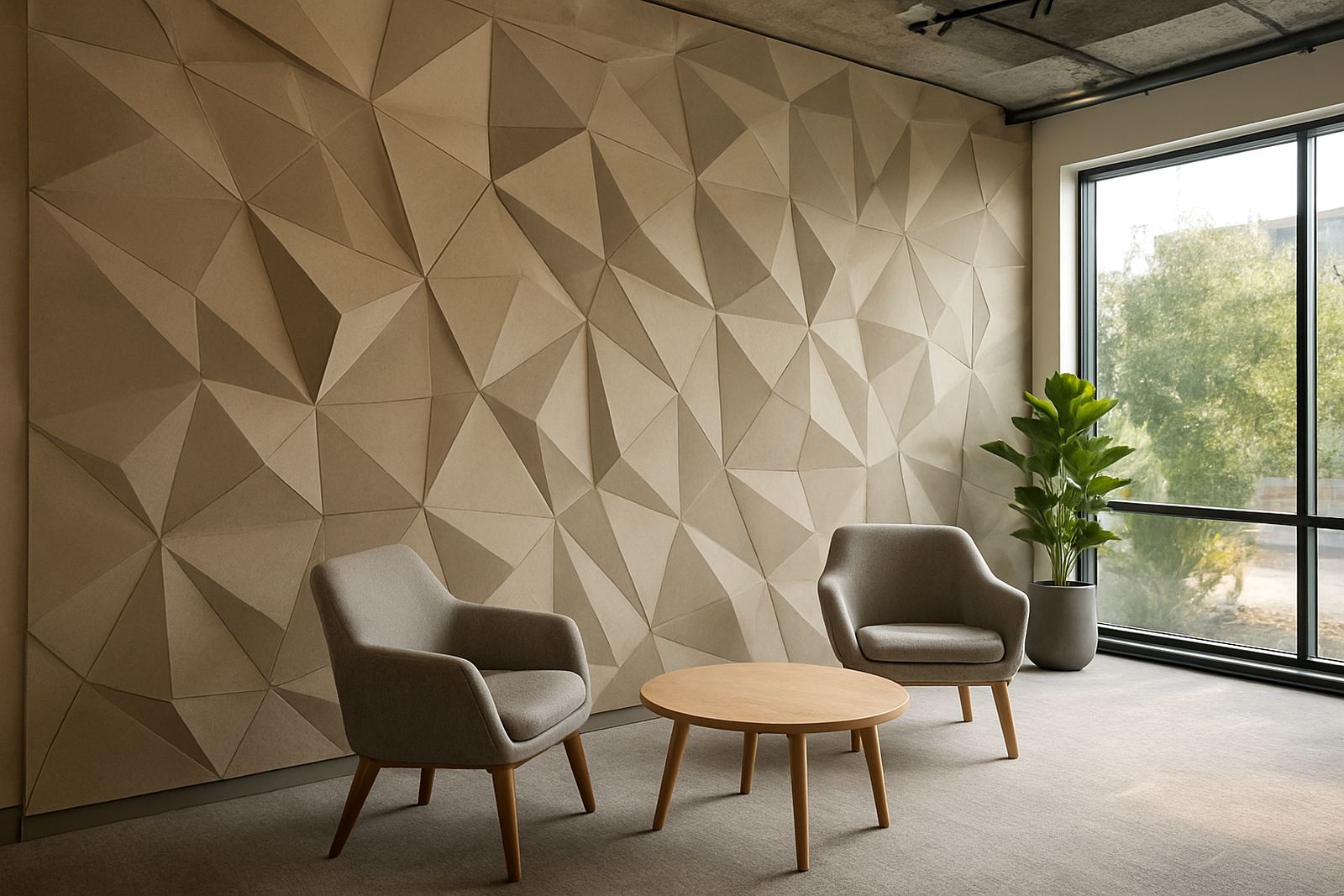
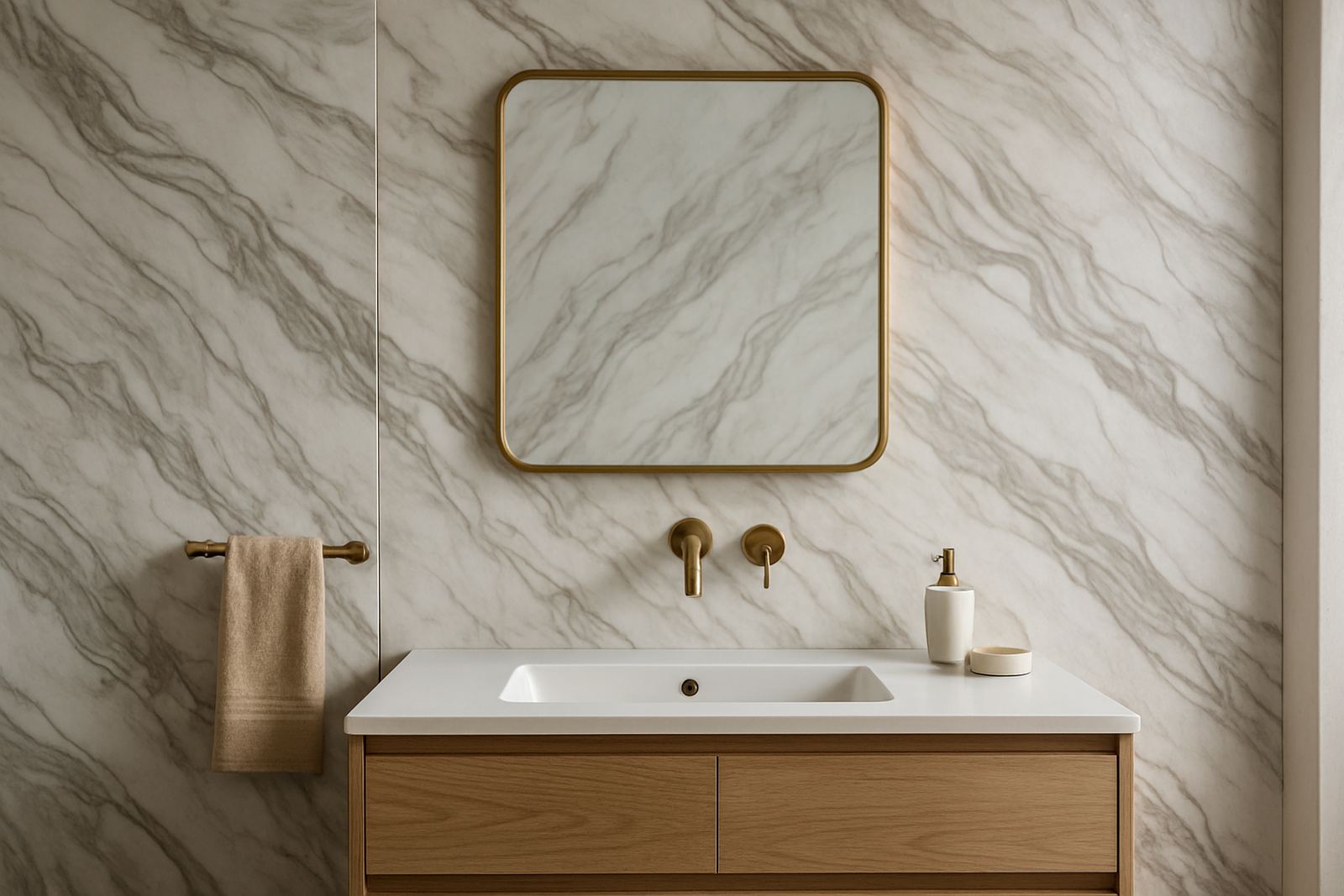
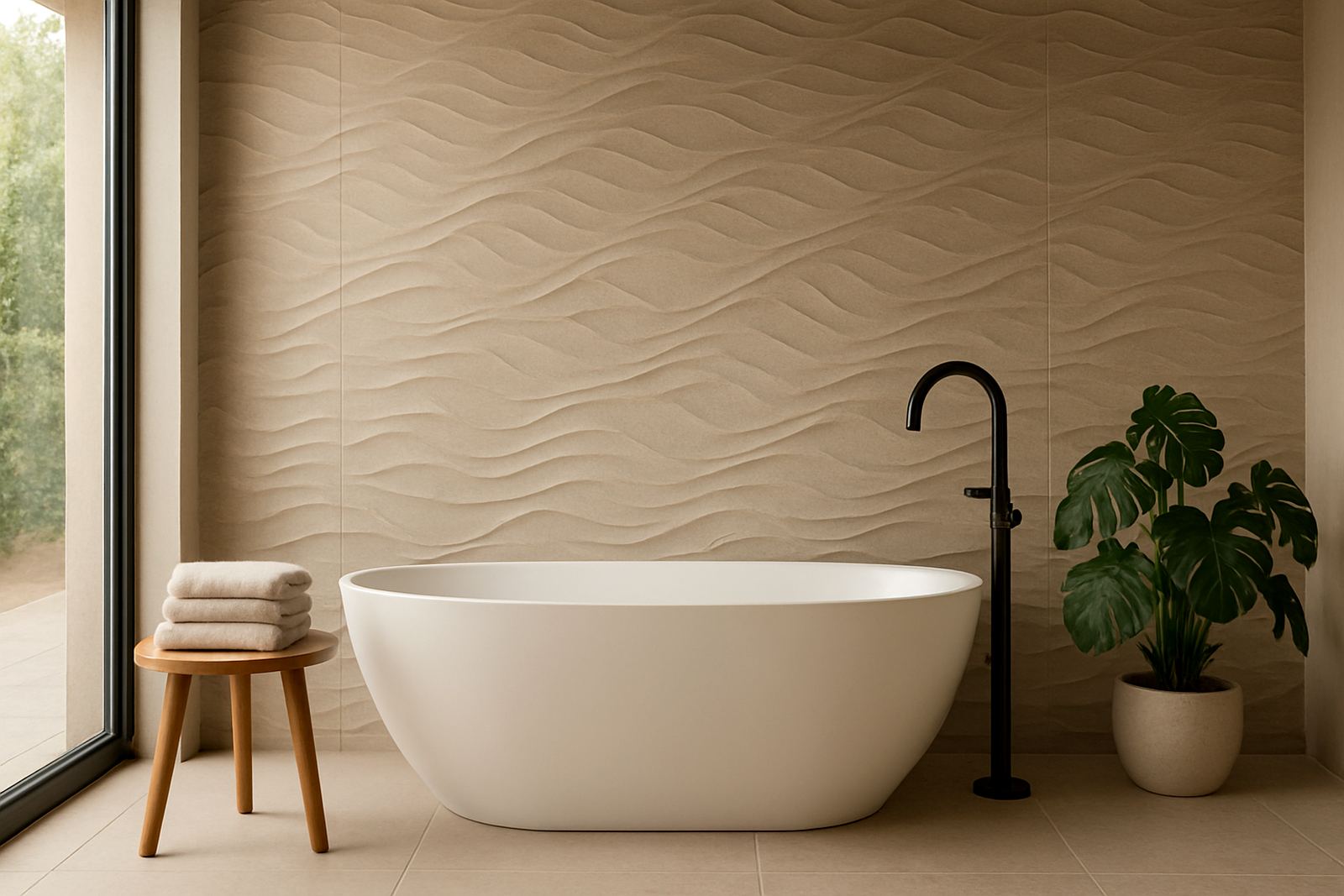
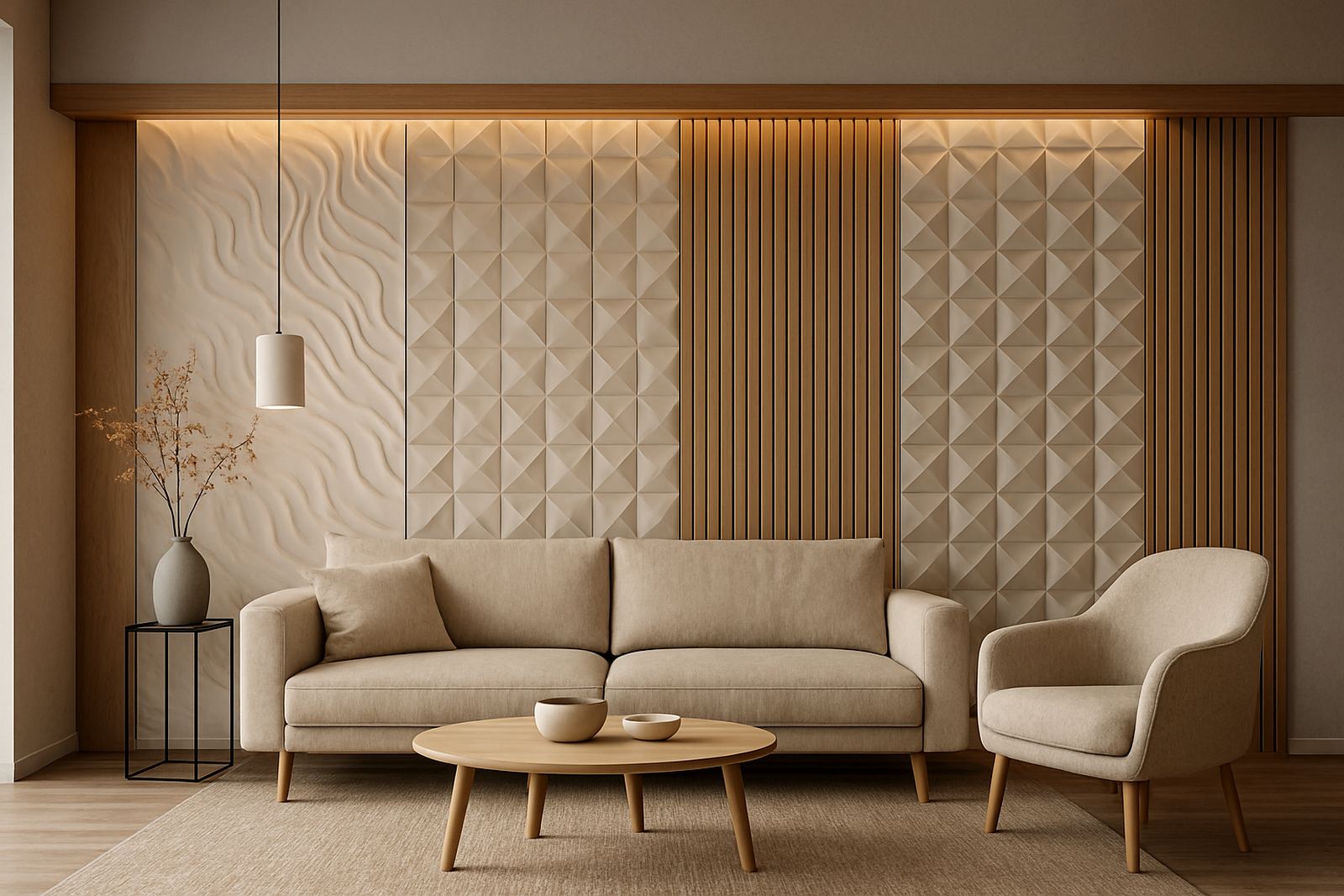
Lightweight PVC panels are decorative wall boards made from a durable polyvinyl chloride base, formed into profiles that imitate timber slats, stone texture, geometric relief, or plain modern finishes. They are used to cover an existing wall, create a feature section, or improve the look of a tired interior without major building work. Because the material is light, it is easier to handle on site and can often be installed with less strain than heavier cladding products.
For residential clients, these panels work well in lounges, passage walls, entertainment areas, bedrooms, and TV feature walls. In commercial spaces, they are often specified for reception areas, meeting rooms, showrooms, hospitality venues, and office fit-outs where a tidy finish is needed and downtime must be kept low. In Cape Town, we also see strong demand in coastal homes where humidity and changing temperatures can affect some natural materials.
PVC is not a one-size-fits-all solution, so the right profile depends on the wall condition, the room use, and the look you want. Some panels are more decorative and fine-lined, while others are made to create depth and shadow. The better the layout is planned from the start, the cleaner the finished result will be.
Sizes, Profiles, and Finish Options to Order
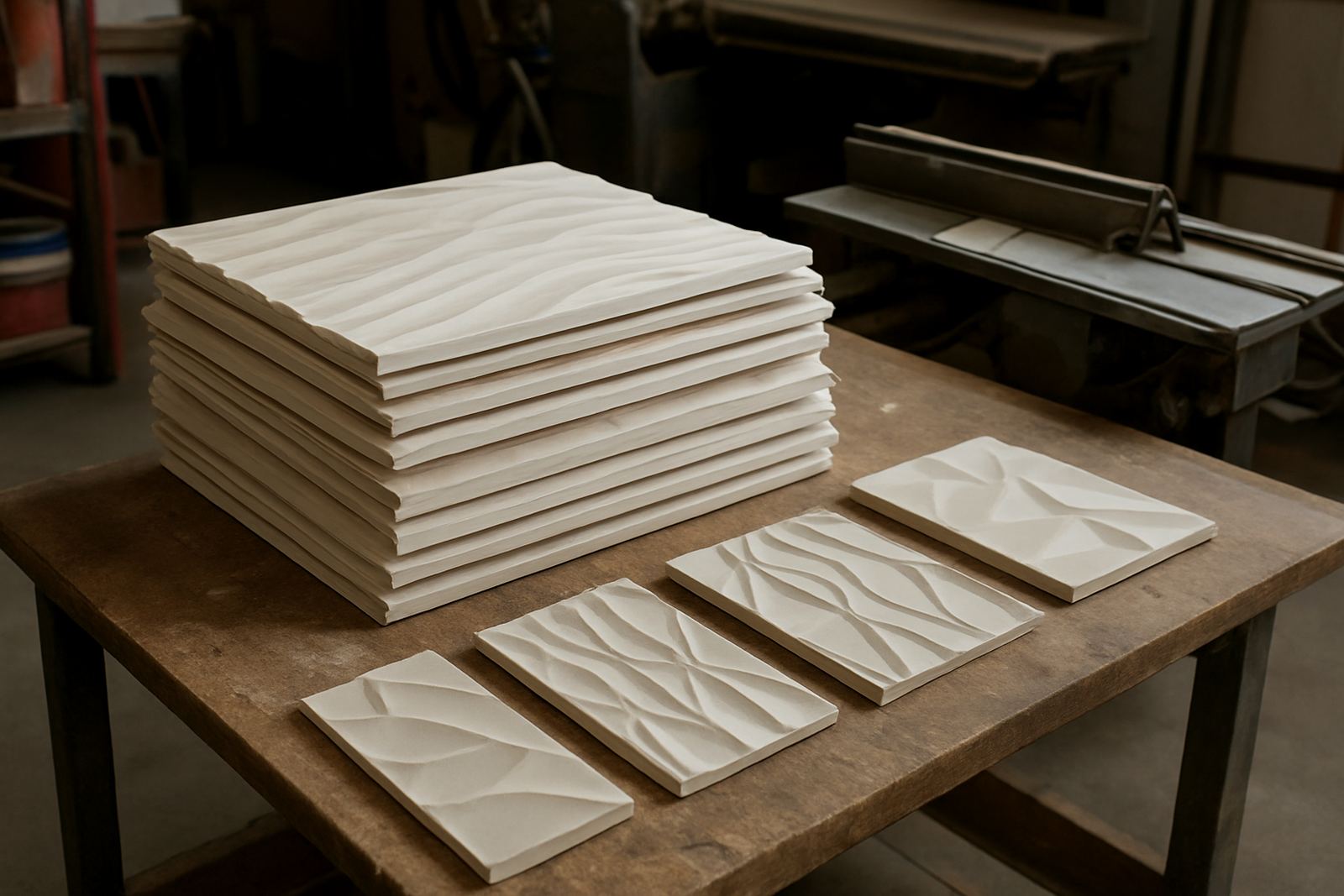
The available size and profile range usually depends on the design selected, but most lightweight PVC panels are supplied in lengths suitable for easy transport and straightforward wall coverage. Common sheet and panel formats include narrow slat styles, broad ribbed styles, and larger decorative boards that reduce visible joins. Where a project needs full-height coverage, panels can be cut to size on site for accurate fitment around skirtings, cornices, sockets, and openings.
When comparing options, look at the panel thickness, finish, and joint detail rather than just the colour. A matte finish gives a softer result and hides small marks better, while a gloss or satin finish can work in brighter spaces. Some profiles are designed for vertical installation to make a room feel taller, while others are better suited to horizontal placement or mixed feature layouts.
- Typical panel lengths are supplied for manageable transport and cleaner alignment on site.
- Thickness varies by profile, with lighter decorative ranges and thicker sections for stronger visual depth.
- Finishes may include solid colour, timber-look grain, textured relief, or smooth modern surfaces.
- Panels can often be trimmed around plugs, switches, aircon lines, and other wall services.
For larger commercial orders, matching batches matters. If you are planning more than one room or a phased rollout, it is best to confirm the exact profile code and finish before placing the full order so the colour tone stays consistent across all areas.
Best Places to Use PVC Wall Panels
Lightweight PVC panels suit rooms where you want visual impact without a heavy building product. They are a good choice for interior feature walls, but they can also be used in back-of-house spaces where the finish must be easy to wipe down and maintain. In coastal suburbs and inland towns alike, they are useful where moisture, dust, or frequent cleaning would make some other finishes more difficult to manage.
They are commonly used in the following settings:
- Residential lounges, TV walls, bedrooms, and stairwell walls
- Retail counters, fitting rooms, and branded display areas
- Office receptions, boardrooms, and waiting rooms
- Restaurants, guest houses, and small hospitality venues
- Apartment interiors and compact spaces where a lighter cladding is easier to work with
These panels are best for indoor use. They should not be treated as a substitute for external cladding in exposed weather unless the specific system is designed for that purpose. If the room gets strong direct sun, high humidity, or frequent temperature swings, it helps to choose the correct adhesive, substrate preparation, and edge finishing from the start.
Installation, Power Access, and What the Wall Needs
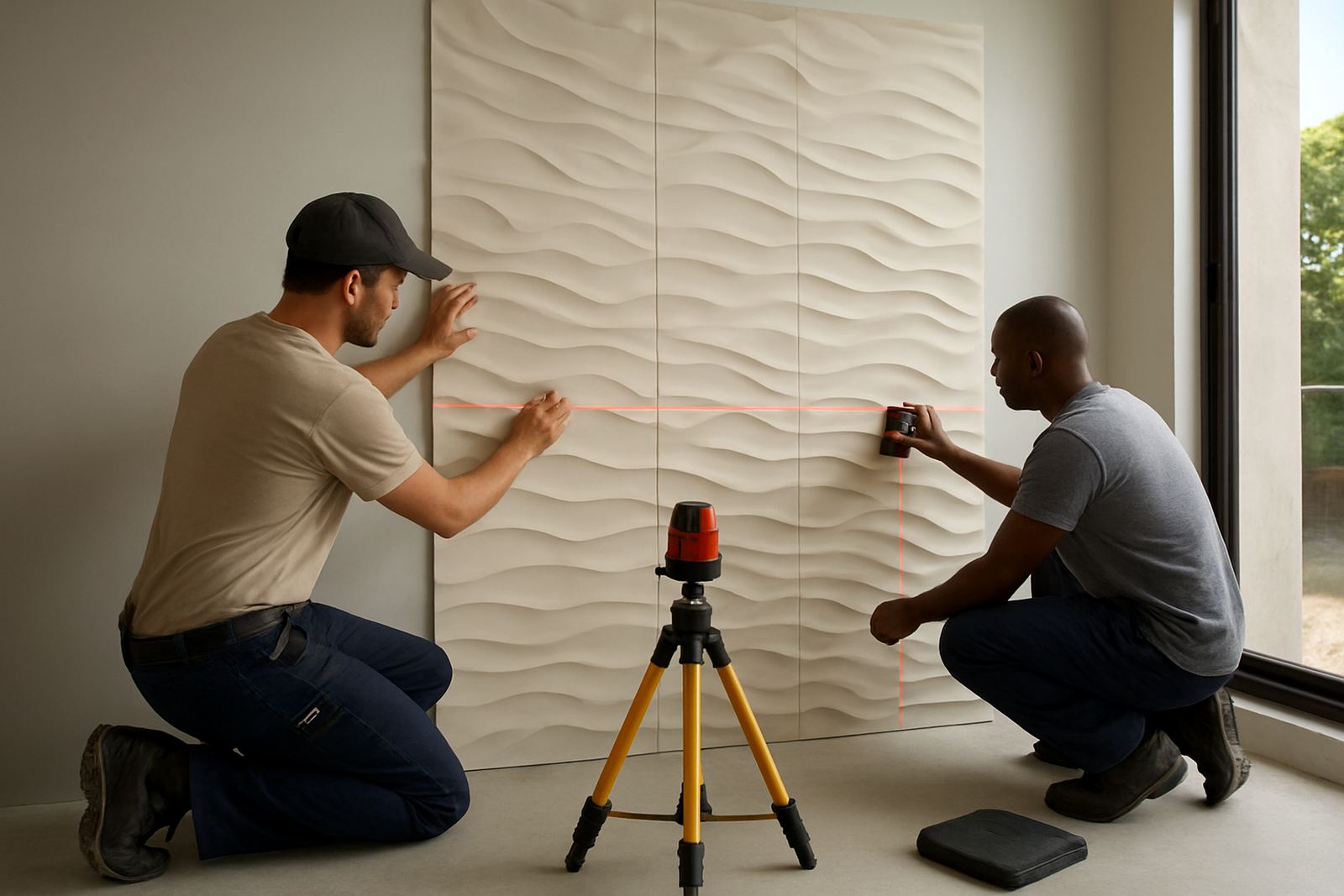
One of the main benefits of lightweight PVC panels is that installation is usually less demanding than heavier wall cladding. In many cases, the work can be completed with standard hand tools, measuring equipment, cutting tools, adhesives, fasteners where required, and a level reference to keep the lines straight. For larger installations or commercial rollouts, power access on site is useful for cutting and finishing, but a major electrical setup is not normally needed for the product itself.
The wall should be sound, dry, and free from loose paint, damp patches, or powdery plaster before installation starts. If the surface is not flat, the panel layout needs to be adjusted, or the wall may require preparation first. On certain projects, particularly older buildings in Cape Town or the Southern Suburbs, we sometimes find uneven plaster or previous repairs that need attention before any cladding goes up.
Load-shedding can affect project timing if power tools, lighting, or site access equipment are needed. That said, many installations can still continue with proper planning. For commercial clients, we often schedule work around trading hours, delivery times, and building rules so the area can stay operational with minimal interruption. If the project is in a sectional title building, office park, or mall, access approvals and working-hour restrictions should be checked before the booking is confirmed.
Gas is not required for the product itself. If the panel system is being used near a fireplace, kitchen, or another heat source, the spacing and temperature exposure must be assessed properly before fitment. The same applies where lights, TV mounts, or wall hardware will be fixed through the finished surface.
Care, Cleaning, and Long-Term Service
PVC panels are generally low maintenance, which is one reason they are popular with homeowners and busy commercial clients. For routine cleaning, PVC wall panels usually only need a soft cloth, mild soap and clean water. For dust and fingerprints, a light wipe is often all that is needed. Avoid harsh chemicals, abrasives, or aggressive scrubbing pads because these can dull the surface or mark the finish.
If a panel becomes loose, chipped, or damaged by impact, it is often possible to replace the affected section rather than remove the entire wall. That makes future servicing simpler and more cost effective. For businesses, this is helpful in reception areas, corridors, and public-facing spaces where wear and tear is more likely.
We also recommend checking the wall edges, corner details, and joints during routine maintenance. Small movement can happen over time in areas with temperature changes or settling, especially in newer builds or rooms exposed to direct sun. A quick inspection every few months can prevent small issues from becoming bigger repairs.
What To Check Before Ordering Lightweight PVC Panels
Before ordering, it helps to confirm the intended room, wall size, profile type, and finish. If you are matching existing decor, bring a sample, photograph, or colour reference so the closest option can be selected. For architects, designers, and developers, the layout drawing or site measurement makes a big difference to waste reduction and pricing accuracy.
Key points to confirm include:
- Exact wall measurements, including height, width, and any openings
- Whether the panels are for a single feature wall or multiple rooms
- The substrate condition, especially if the wall has moisture or cracking
- Preferred finish, colour, and profile depth
- Any site restrictions, lift access, parking limits, or working-hour rules
- Whether aftercare, repairs, or phased delivery will be needed later
If you are ordering for a home in Stellenbosch, a shop in Paarl, or a commercial site in Somerset West, it is worth planning the delivery route and timing as well. Larger panels are easier to move when access is checked in advance, and that can save time on installation day. For nationwide courier dispatch, accurate order details matter even more because the right product has to arrive ready for the job, not partly assembled or with missing trims.
Key facts
| Material | Lightweight PVC |
|---|---|
| Typical use | Interior feature walls, decorative cladding, and commercial fit-outs |
| Format options | Slat, ribbed, textured, and smooth decorative profiles |
| Common application areas | Lounges, receptions, offices, retail, hospitality, passage walls |
| Care level | Low maintenance with mild soap and water |
| Power or gas needs | No gas required; standard power tools may be used for installation and cutting |