
What bathroom wall panels are and how they work
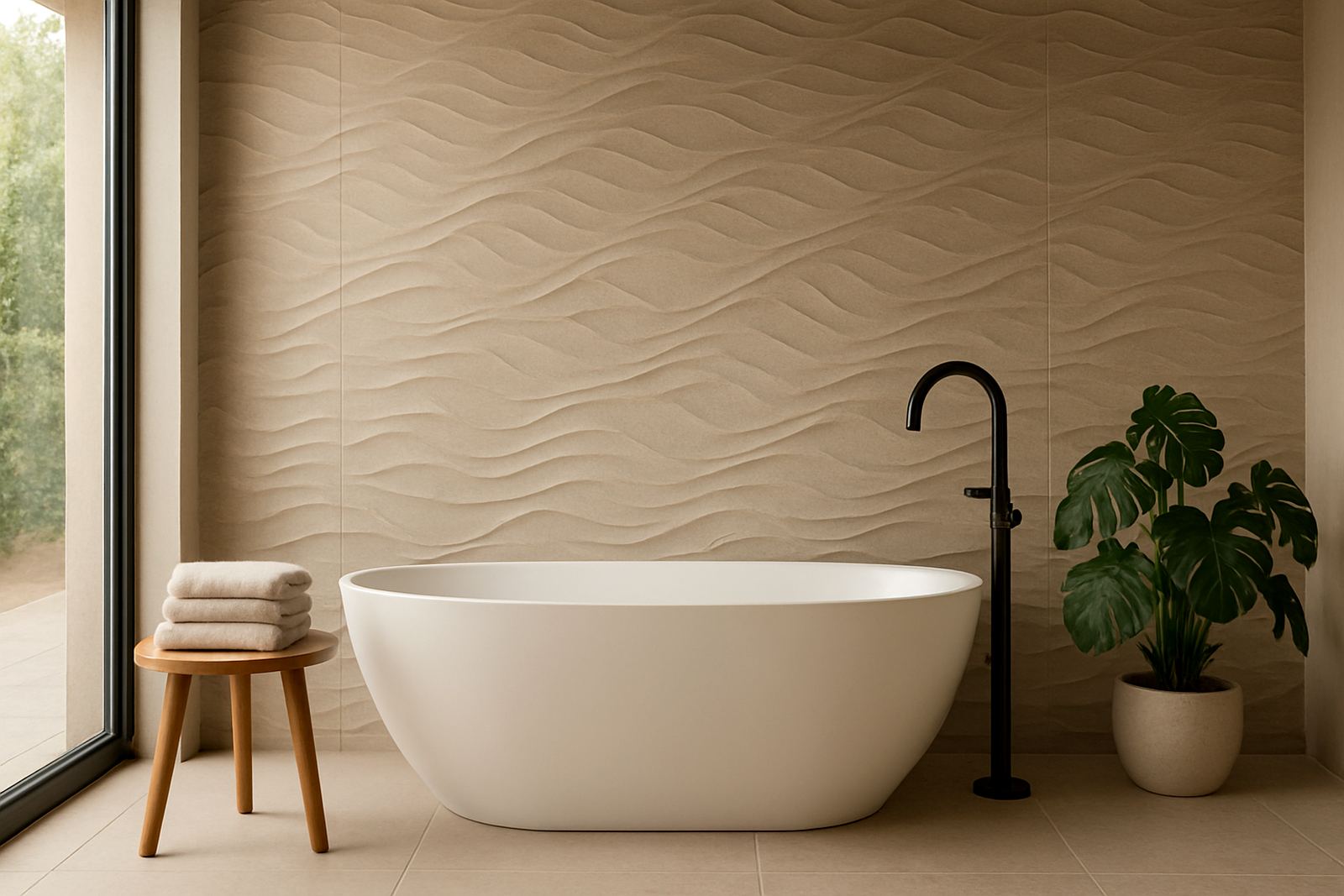
Bathroom wall panels are decorative cladding sheets fitted to walls in wet or high-humidity areas. They are used behind baths, around vanities, in shower enclosures and on feature walls where a tiled look is wanted without the same number of joints. Depending on the material selected, the panels can be solid surface, waterproof composite, PVC based or another moisture-resistant finish suited to the room.
The main benefit is practical. Fewer grout lines mean less dirt build-up and quicker cleaning, while the smoother surface helps keep a bathroom looking tidy for longer. In Cape Town, Paarl or Stellenbosch homes where winter damp can linger, that matters more than most people expect. A well planned panel system also helps disguise uneven plaster, old tile lines or patch repairs, provided the wall is prepared properly first.
Sizes, finishes and the panel options to consider
Bathroom panels are usually supplied in sheet format and cut to size on site or in the workshop. Common sizes vary by product type, but many projects use panels around 2400 mm to 3000 mm high and widths from 250 mm up to full sheets of 1000 mm or more. Thickness also varies, typically from slim decorative panels to heavier boards used for more demanding areas.
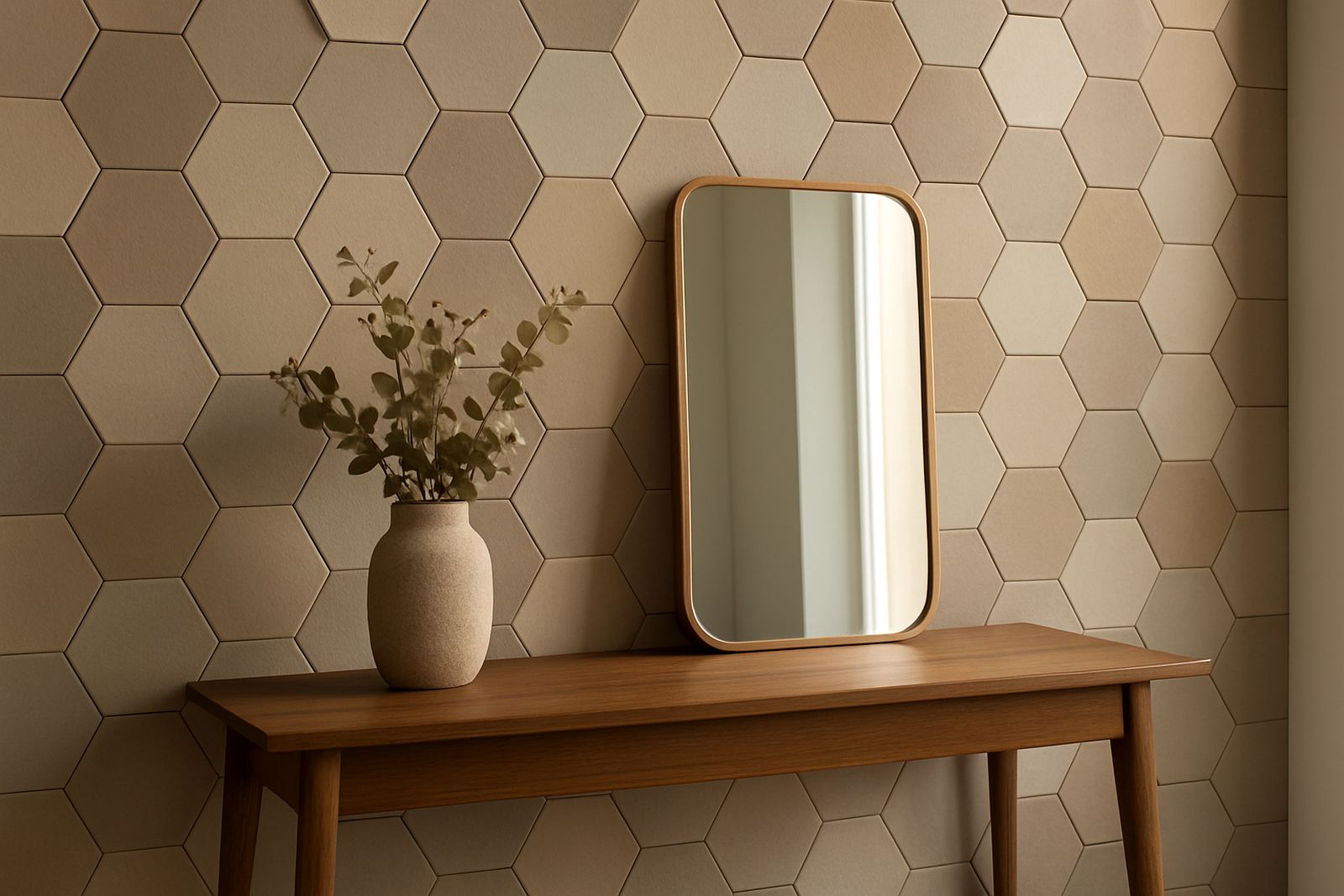
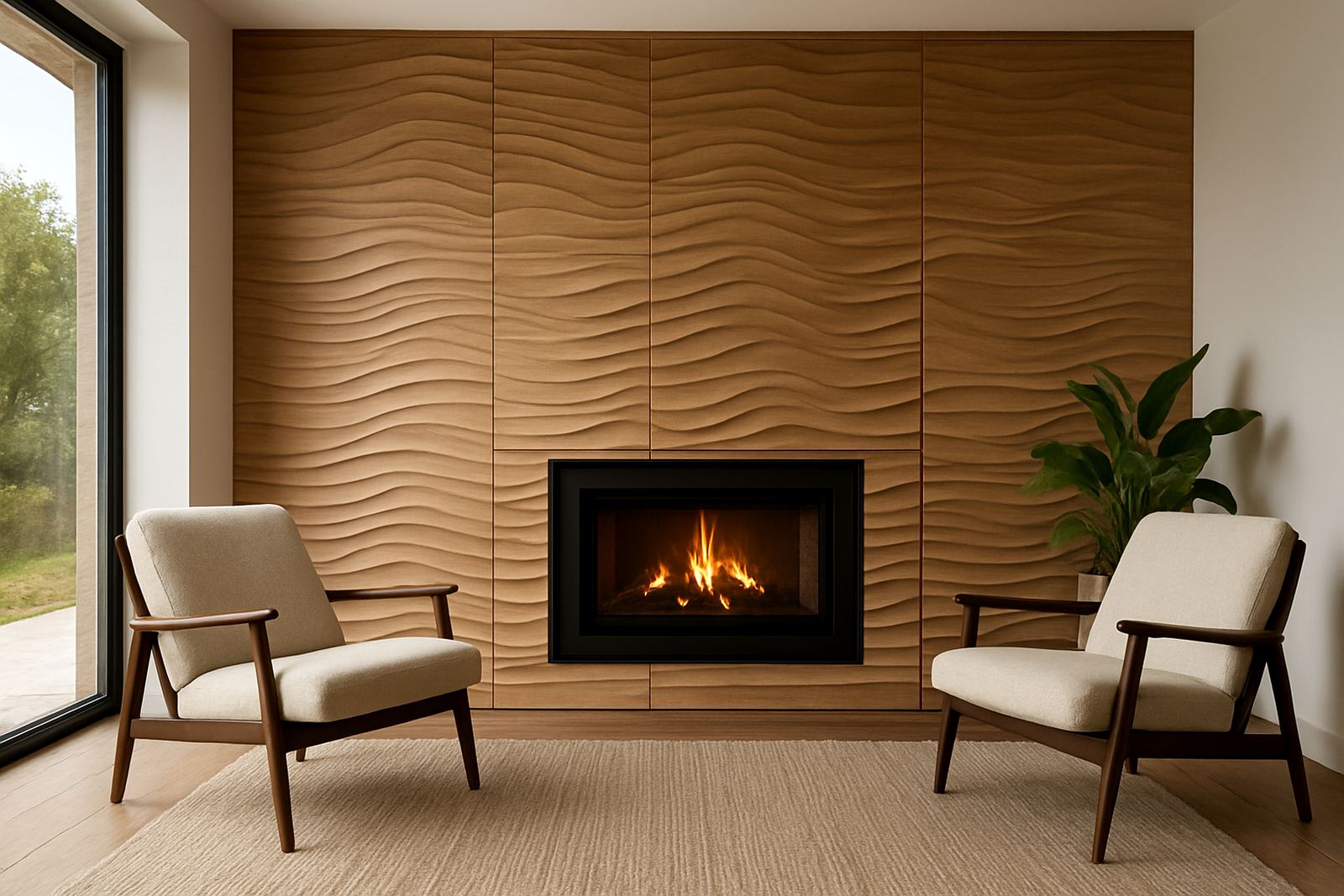
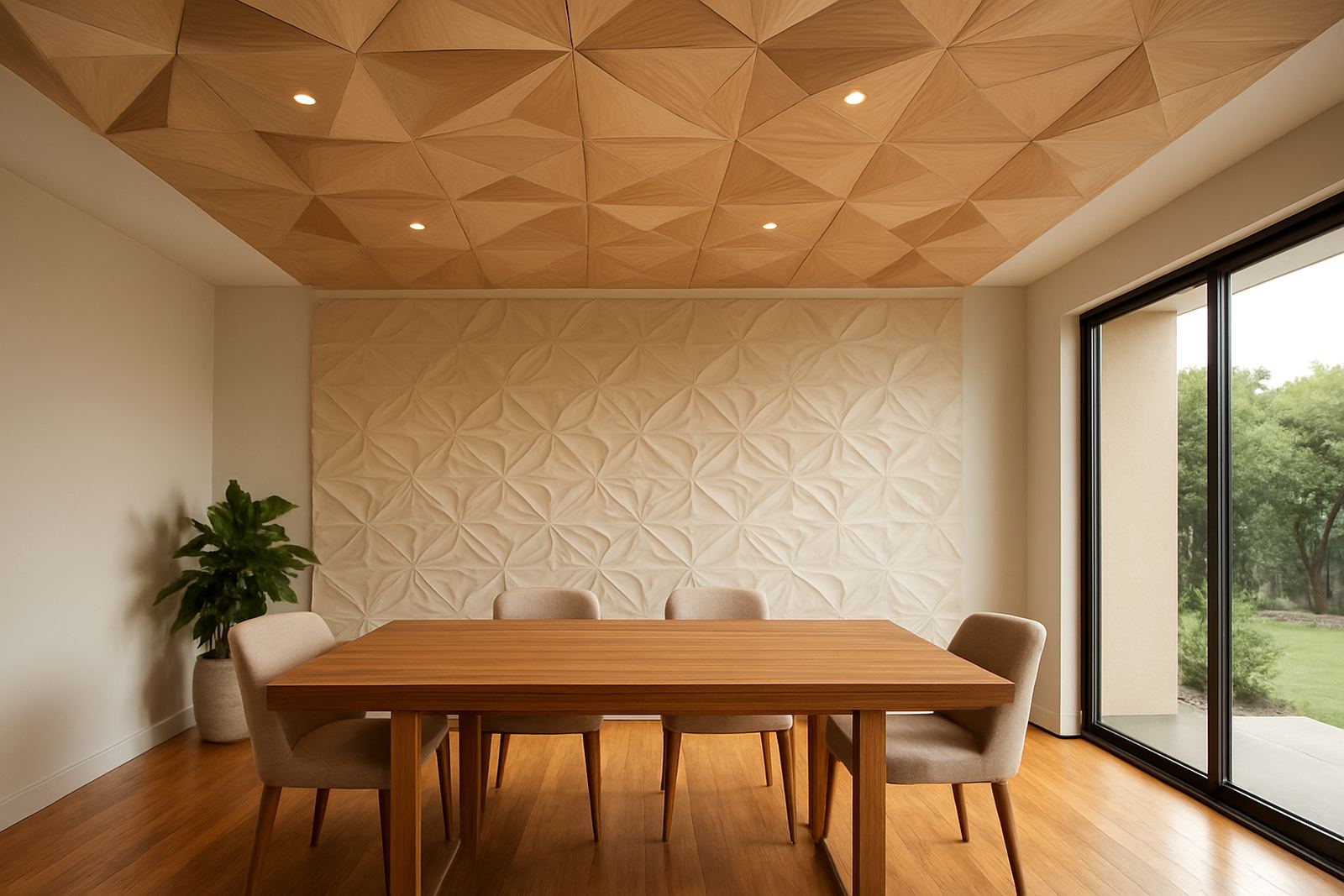
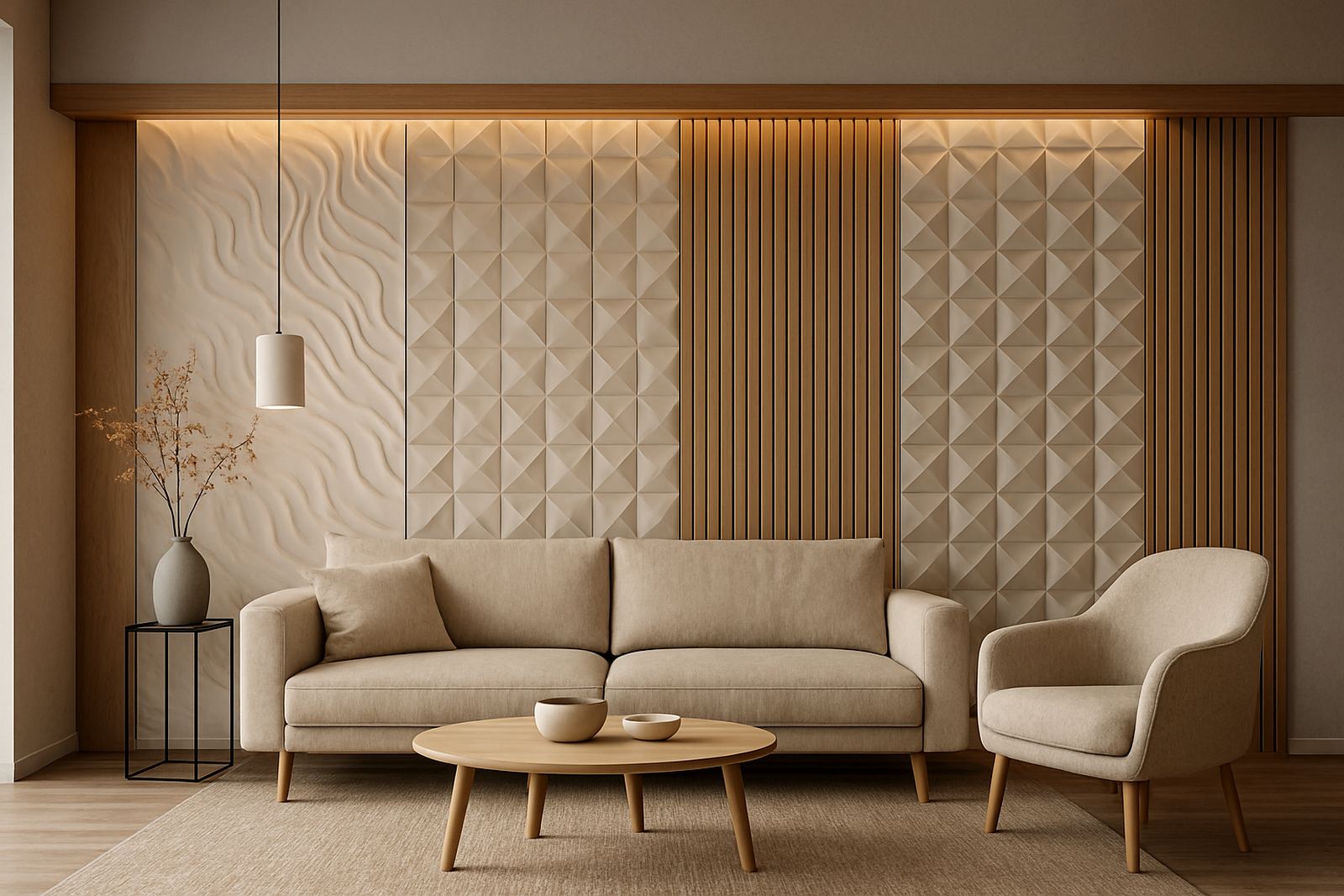
Finish choices can include stone look, matte plain colour, textured pattern, timber effect and subtle decorative surfaces for feature walls. When ordering, it helps to think about the room size, the amount of natural light and whether the space is used by one family bathroom or a busy commercial washroom. In smaller bathrooms, lighter colours and vertical lines can make the room feel more open, while darker tones can work well as a contrast behind a vanity or bath.
- Measure the full wall height and width, including returns and boxed-in pipes
- Check whether the panel will sit over existing tiles or on prepared plasterboard
- Confirm if your chosen finish needs matching trims, corners or edge profiles
- Ask for sample matching if the panels must tie in with vanity tops, floors or sanitaryware
Where bathroom wall panels suit best
These panels suit both residential and commercial spaces. In homes they are commonly used in family bathrooms, en-suites, guest loos and shower surrounds. In lodges, apartment blocks, offices and boutique hospitality spaces, they are often chosen for washrooms that need a smarter appearance with easier cleaning between uses.
They are especially useful where moisture levels are high or where the wall surface has to be cleaned often. That includes bathrooms with poor natural ventilation, compact cloakrooms and spaces where load-shedding can leave extraction fans off for longer than usual. If the room is close to the coast, the right material choice becomes even more important because humidity can affect inferior finishes over time.
- Private homes and flats
- Guest houses, Airbnb units and boutique stays
- Office bathrooms and staff washrooms
- Restaurants, salons and reception areas with client-facing toilets
Installation, wall prep and service requirements
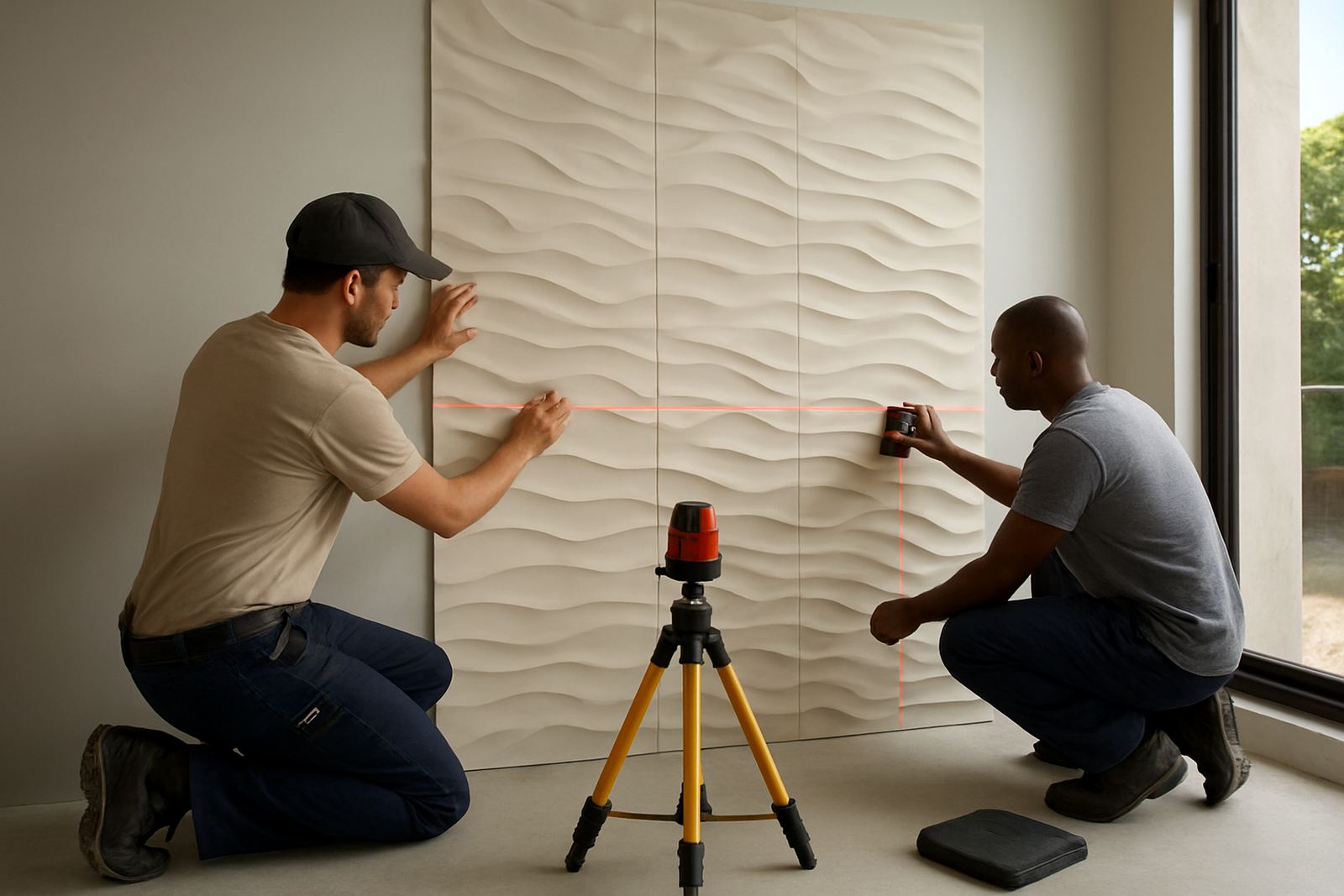
For a good result, the wall must be sound, clean and dry before installation starts. Loose tiles, flaking paint and soft plaster need to be dealt with first. If the surface is uneven, levelling may be needed so the panels sit straight and the joints line up correctly. Accurate site measure-ups are important, especially in older properties where walls are not perfectly square.
Bathroom panel installation does not normally need a power connection or gas supply for the panels themselves. However, if the bathroom includes heated mirrors, extractor fans, lighting around the feature wall or any other electrical fittings, those services must be planned separately by the relevant trades. Cut-outs for taps, mixers, pipes and accessories should be marked carefully before fitting begins. That saves time and avoids unnecessary waste on the day.
In shower zones and around baths, sealants and trims must be applied properly so water cannot work behind the cladding. This is where workmanship matters. A neat install is not only about appearance, it is also about keeping the wall system stable over time.
Care, cleaning and long-term servicing
Bathroom wall panels are easy to maintain when cleaned with a soft cloth, mild soap and clean water. Harsh abrasives, steel wool and strong solvents should be avoided unless the product guide specifically allows them. On many finishes, a quick wipe after shower use helps reduce water marks and soap residue.
For commercial sites, a simple cleaning schedule makes the panels last better and keeps the room presentable. If a panel edge, trim or joint shows movement, it should be checked early rather than left until moisture gets in. Minor repairs are often possible without replacing the full wall. A proper aftercare plan can save money later on, especially in high-use washrooms where wear happens quickly.
- Wipe splashes off after use where practical
- Inspect silicone lines and trims every few months
- Report chips, lifting edges or loose sections early
- Use cleaning chemicals that suit the panel finish
What to verify before ordering bathroom wall panels
Before ordering, confirm the exact wall dimensions, the height of shower heads and the position of all fittings. It is also important to know whether the panel must go over tiles, cement plaster or moisture-resistant board. If the project is in a coastal suburb like the Atlantic Seaboard, ask about finish suitability for humid conditions and regular condensation.
You should also check the following: whether the room needs acoustic help, whether matching trims are available, and whether the selected panel is suitable for full wet-area use or only decorative walling. If your bathroom forms part of a larger renovation, make sure the layout, plumbing points and final floor level are all confirmed before cutting starts. A small error at this stage can cost time later, so it pays to measure carefully and keep the paperwork in order.
- Wall size and ceiling height
- Wet-area exposure level
- Finish, colour and trim selection
- Substrate condition and prep work needed
- Any cut-outs for taps, pipes, shelves or fittings
- Whether installation, delivery or dispatch is required
Key facts
| Product type | Decorative bathroom wall panels for wet and high-humidity areas |
|---|---|
| Typical use | Shower surrounds, bath walls, vanities, guest loos and feature walls |
| Common sizes | Sheets or cut lengths, often 2400 mm to 3000 mm high, widths vary by range |
| Material options | Waterproof composite, PVC based, solid surface or similar moisture-resistant finishes |
| Maintenance | Mild soap, soft cloth and routine checks on joints and sealant |
| Service area | Montague Gardens, Cape Town, Western Cape installs and nationwide couriered panels |