
What Fireplace Cladding Does in a Room
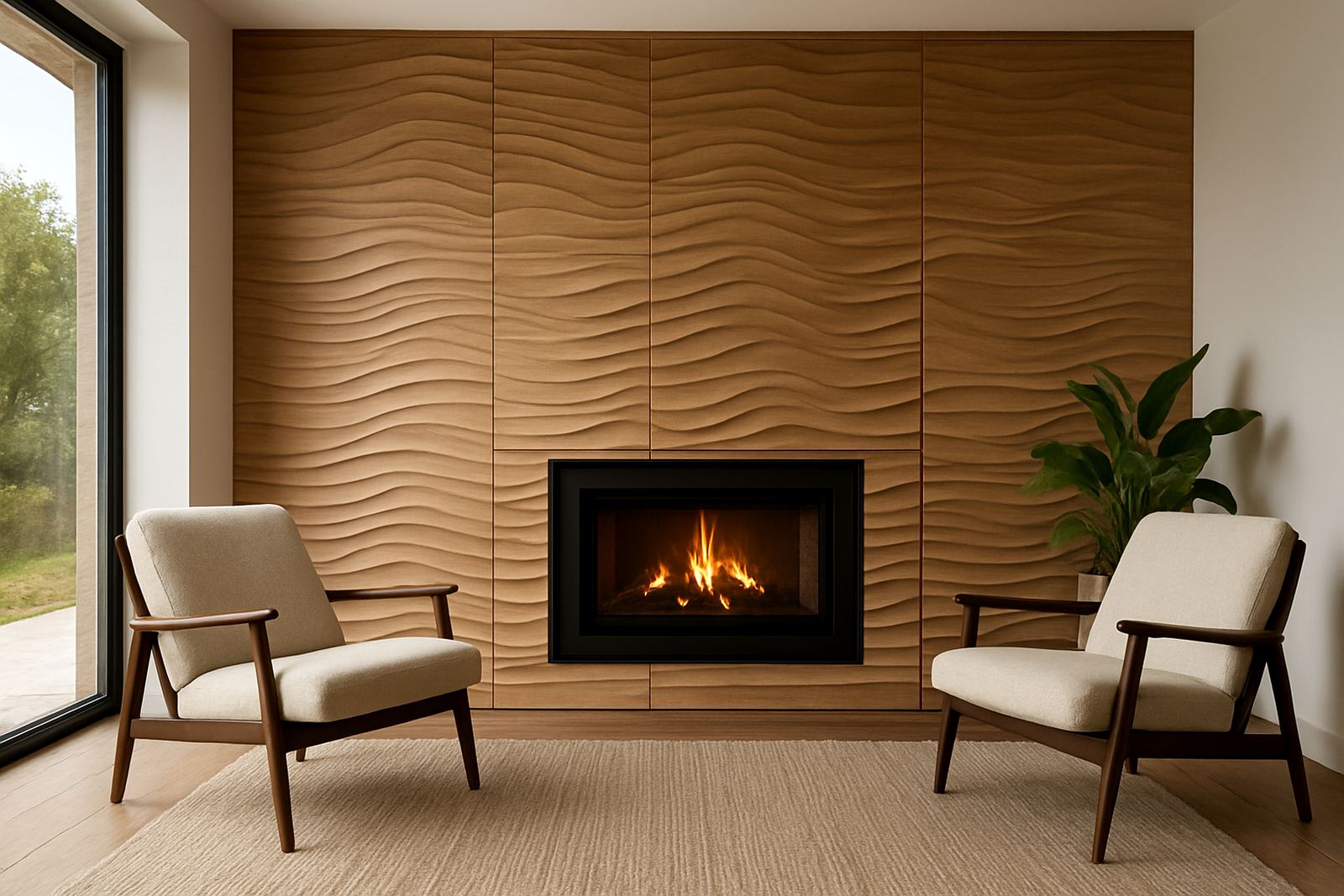
Fireplace cladding is the finish that wraps around the fireplace recess, surround or feature wall behind it. It can be used to frame a built-in unit, sharpen up an older hearth, or give a plain wall more depth and texture. In Cape Town homes, especially in living rooms that need a stronger centre point, the right cladding makes the fireplace feel intentional rather than added later.
It is not only about looks. Cladding can protect the surrounding wall surface from scuffs, soot marks and everyday wear. In many installations it also helps balance the room visually, which matters in open-plan spaces where the fire area needs to hold its own against kitchens and living zones. If the room has a TV above the fireplace, or side shelves and cabinets, the cladding helps tie everything together in a tidy layout.
We work with homeowners, architects and interior teams who want a finish that suits the rest of the space, whether that is crisp and modern, softer and textured, or something with a more architectural profile. The material choice, joint detail and panel size all affect the final result, so it pays to plan the whole surround before fitting starts.
Panel Types, Sizes and Finish Options
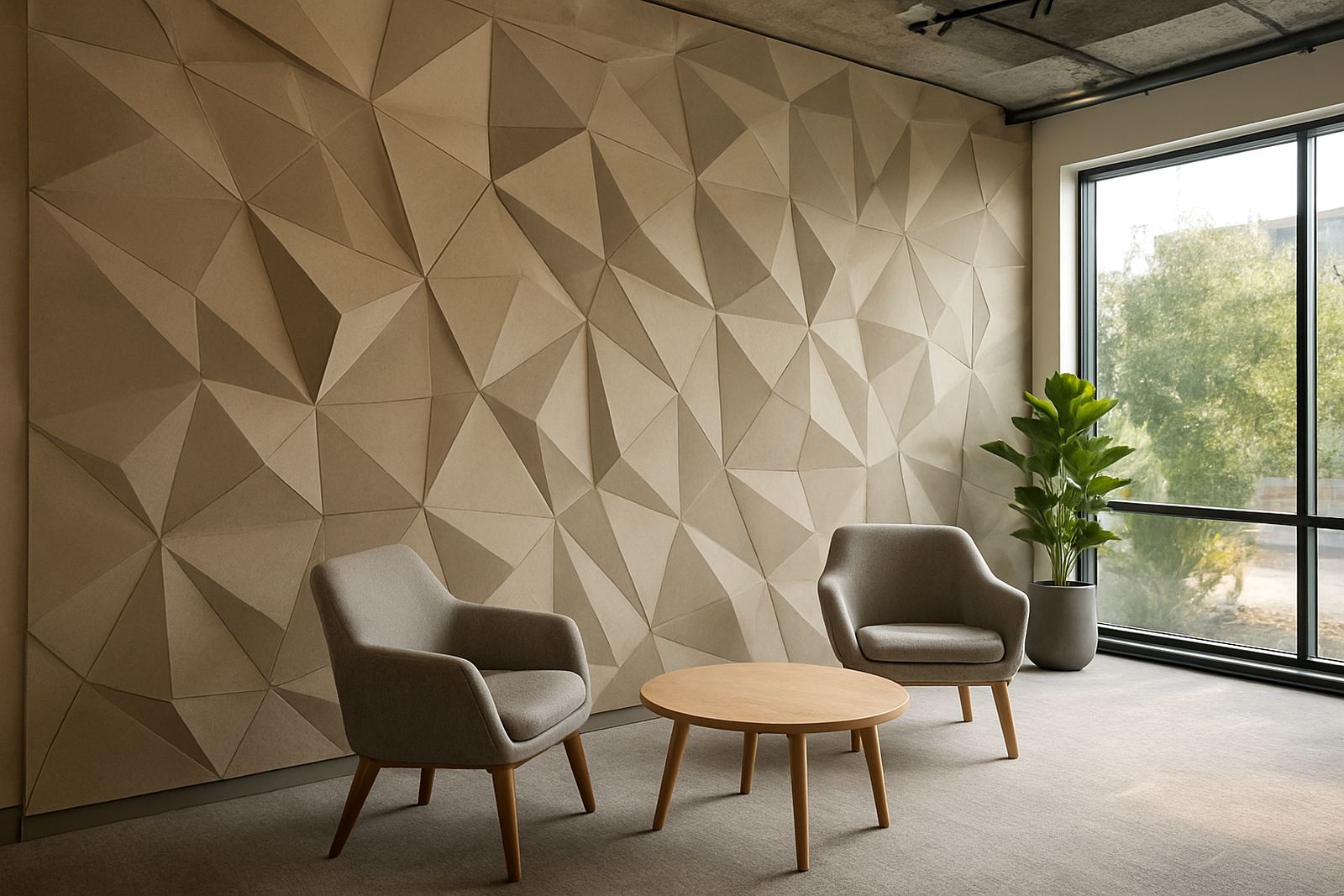
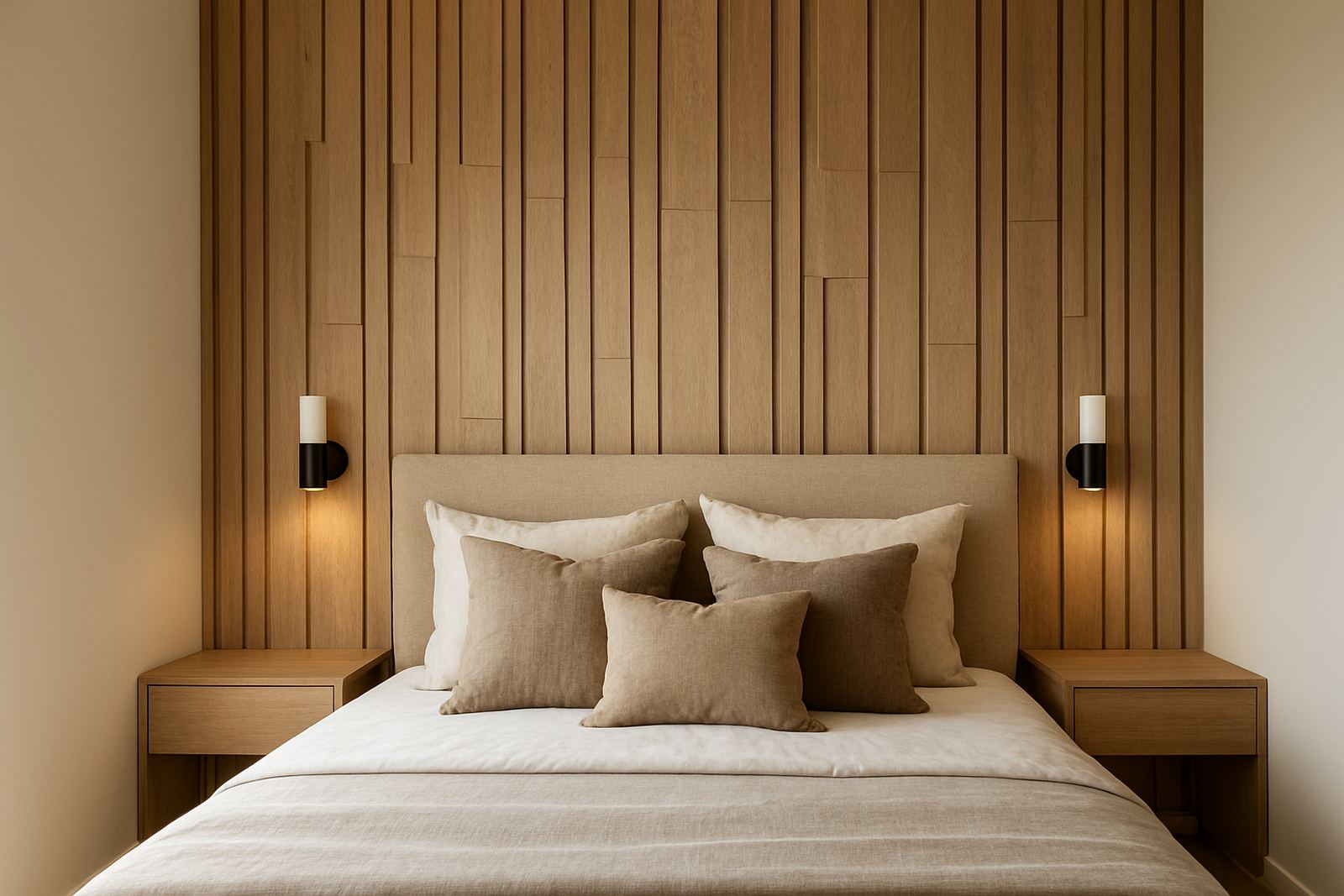
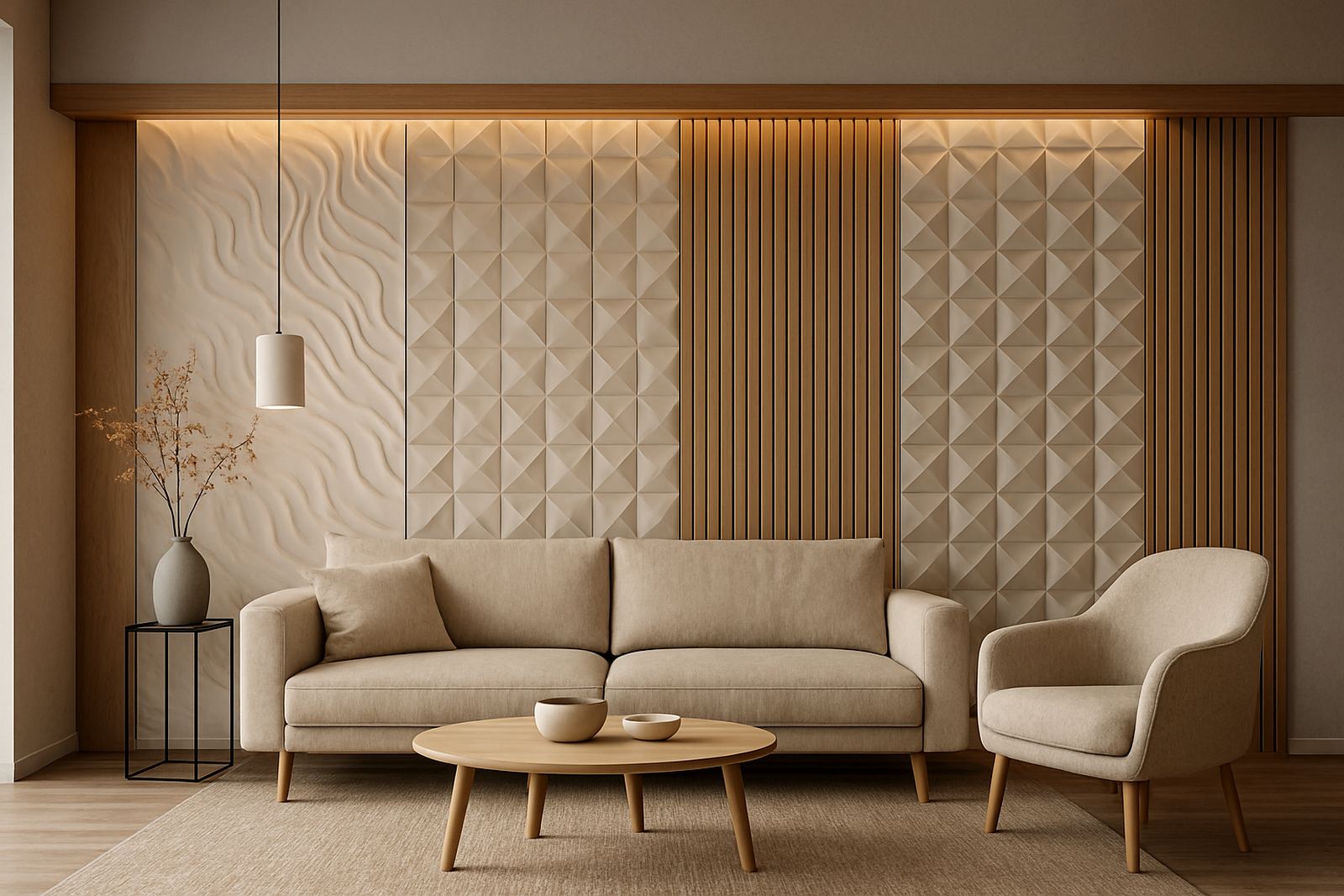
Fireplace surrounds are usually measured to suit the exact wall opening, chimney breast or false wall in the room. Standard panel sizes can be trimmed on site, while larger feature pieces are often built up from sections for a cleaner fit. We supply cladding in finishes suited to contemporary and classic interiors, with options that range from flat profile panels to deeper 3D forms that catch the light and create shadow lines.
The most common choices are panels for full-height feature walls, narrower strips for edging, and shaped sections for wrapping corners or recesses. For a fireplace in a compact flat in the Southern Suburbs, a more restrained pattern often works best. In larger homes in Paarl, Somerset West or on the Atlantic Seaboard, a bolder texture can handle a bigger room and higher ceiling line much better.
- Panel lengths can be cut to suit most surround dimensions
- Thickness varies depending on the profile and finish selected
- Some products are better for painted finishes, others for a natural textured look
- Corner returns and edge trims can be added where the fireplace projects from the wall
- Panels can be used behind the fire, beside it, or as a full feature wall
We also look at the visual scale of the room. A small fireplace with oversized panels can feel heavy, while a bigger room with tiny repeats can look busy. Getting the proportions right is half the job, and it makes a noticeable difference once the room is furnished.
Where Fireplace Cladding Works Best
Fireplace cladding suits living rooms, entertainment areas, reception spaces, guest lounges and hospitality interiors where the hearth needs to look finished and well resolved. It is equally useful in modern homes with closed combustion fireplaces and in older houses where the original surround needs a neater face. In Cape Town, where damp coastal air can affect some wall finishes, choosing the right preparation and fixing method matters just as much as the look.
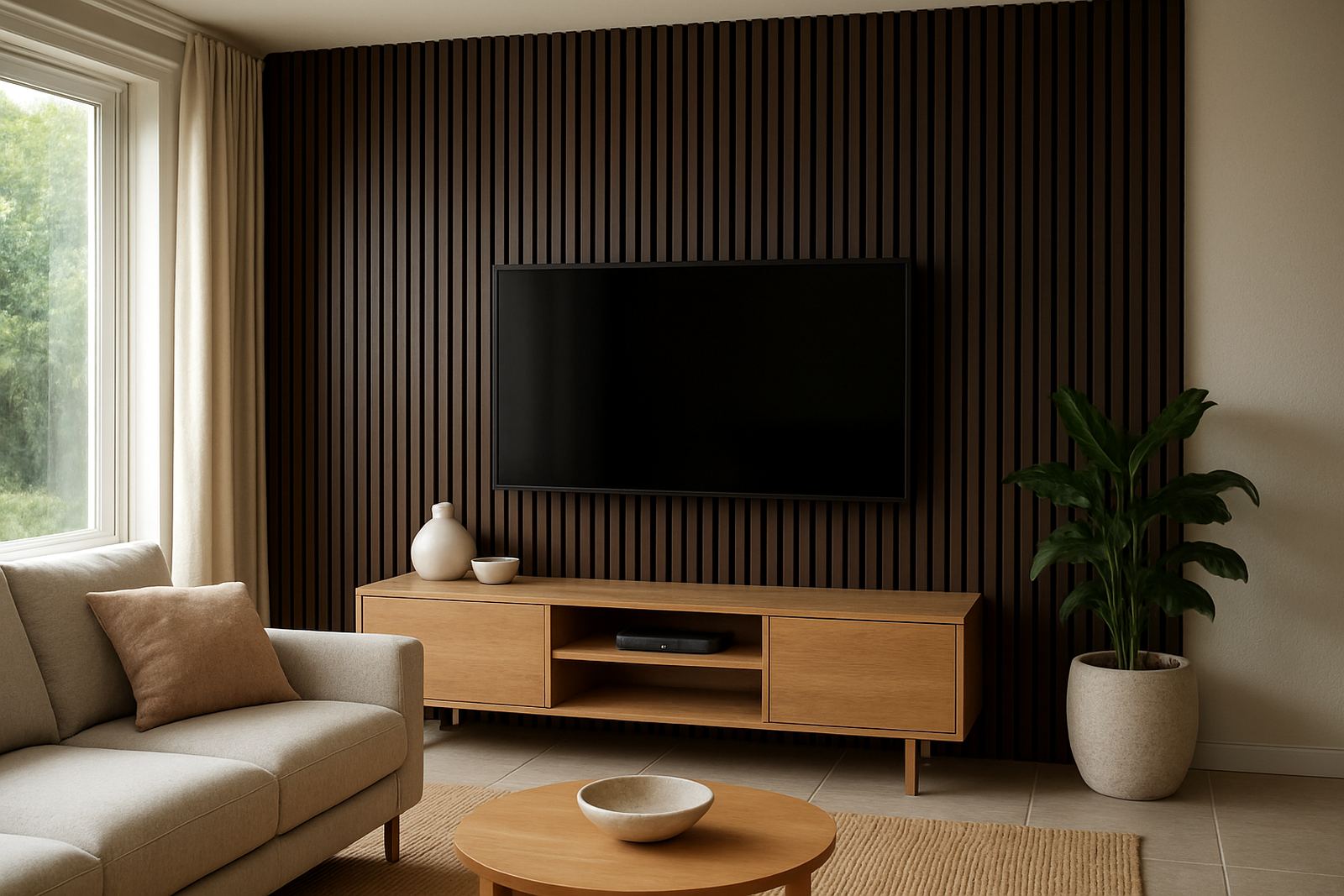
It works well when the fireplace is the main feature in a room, but it can also support a larger wall composition that includes shelving, a TV recess or built-in seating. In commercial spaces, a fireplace surround often needs to be easy to keep clean and durable enough for regular use. We see this in boutique hotels, boardrooms and private client lounges where the finish has to hold up without fuss.
For homes with gas or electric units, the cladding can be shaped around the appliance opening and surrounding heat zones. For wood-burning fireplaces, clearance and heat exposure must be checked before any fixing goes ahead. That is where site assessment is useful, because one room may need a lighter material choice while another can take a more substantial profile.
Installation, Heat Safety and Power Considerations
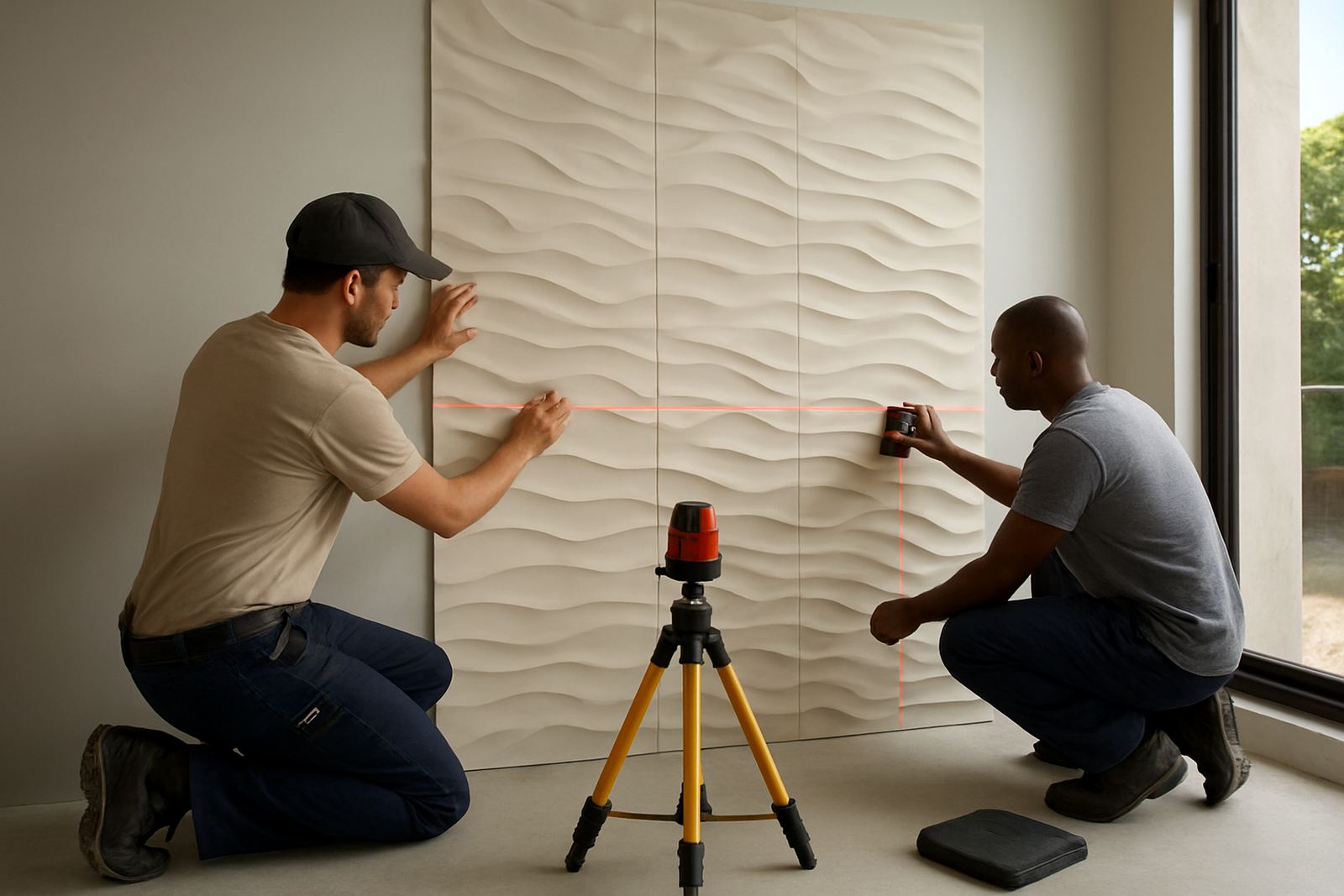
We start with a site measure-up, check the fireplace type and confirm the wall condition before any install is booked. If the wall is uneven, cracked or newly plastered, it needs proper preparation so the cladding bonds correctly and sits straight. On some jobs we also work around existing service points, TV mounts or sound cabling, which is why layout should be finalised early.
Heat safety is the main issue to get right. The cladding must be suitable for the appliance type and placed at the correct distance from the firebox or flue area. For gas units, access to the ignition point and service panels must remain clear. For electric fireplaces, cable entry points and socket positions should be planned before fitting, not after. Load-shedding is also worth thinking about in homes that use electric heating, because access for maintenance can become more important when the unit is switched on and off often.
- Confirm the fireplace type: wood, gas or electric
- Check clearance distances and heat exposure zones
- Allow for socket or gas line access where required
- Prepare the wall so it is flat, dry and sound
- Plan the panel joints before installation starts
Our installation team handles layout, fixing and finishing for properties across the Western Cape, including the Atlantic Seaboard, Northern Suburbs, Stellenbosch, Paarl and Somerset West. For panels couriered nationwide, the same planning still applies, because accurate measurements and clear ordering notes save time and avoid rework.
Caring for Fireplace Cladding Over Time
Most fireplace cladding needs simple care rather than heavy maintenance. Dusting with a soft cloth or vacuum brush helps keep the texture clean, and a slightly damp cloth can remove everyday marks on suitable finishes. Harsh chemicals should be avoided unless the product instructions allow them, since strong cleaners can dull a finish or leave streaks. Around a working fireplace, soot and fine ash should be removed promptly so they do not settle into the surface.
Where the surround is in a coastal area like Blouberg, Milnerton or Strand, it is useful to check for moisture movement around the wall, especially if the fireplace is near an exterior face. If the room is used often, or the fire is lit regularly through winter, it is worth inspecting the joints and edges now and then for movement. Small issues caught early are much easier to sort out than a section that has lifted or discoloured.
We also help with panel repairs and maintenance where an existing cladding surround needs attention after renovation, appliance replacement or a change in room layout. A good finish should last, but it still needs the odd check if the unit has been serviced or the wall surface behind it has changed.
What to Check Before You Order
Before ordering fireplace cladding, have the fireplace opening measured accurately and note the wall height, width and any side returns. If the surround needs to align with a TV recess, shelving or cornice line, those measurements should be included too. It is common for a project to go off track because a small detail was missed, like a socket position or the depth of the existing hearth.
You should also confirm the finish you want, whether the area is being painted, left textured or matched to other wall details in the room. If the fireplace is going into a busy family space, consider a surface that will be easy to wipe down. If it is in a quieter formal room, a more detailed profile can work well. In open-plan homes, the fireplace cladding needs to work with flooring, cabinetry and window finishes, not stand apart from them.
- Fireplace type and heat source
- Exact wall measurements and ceiling height
- Any existing plaster damage or uneven surfaces
- Preferred finish, colour and edge detail
- Whether installation is needed or dispatch only
Clients can send an enquiry through our contact page and we will advise on the next step, whether that is a site measure-up in Cape Town, a sample match, or couriered panels for another province. From Montague Gardens to homes and commercial spaces right across South Africa, the aim is the same: a fireplace surround that fits properly and looks right the first time.
Key facts
| Product type | Fireplace cladding and feature wall panels |
|---|---|
| Typical use | Fireplace surrounds, chimney breasts, TV walls and focal wall zones |
| Sizes | Custom cut to suit site dimensions, with modular panel options |
| Finish options | Textured, 3D profile, paintable and decorative surface options |
| Installation | Site measure-up, wall prep, fixing, jointing and finishing |
| Service area | Cape Town, Western Cape and nationwide courier dispatch |