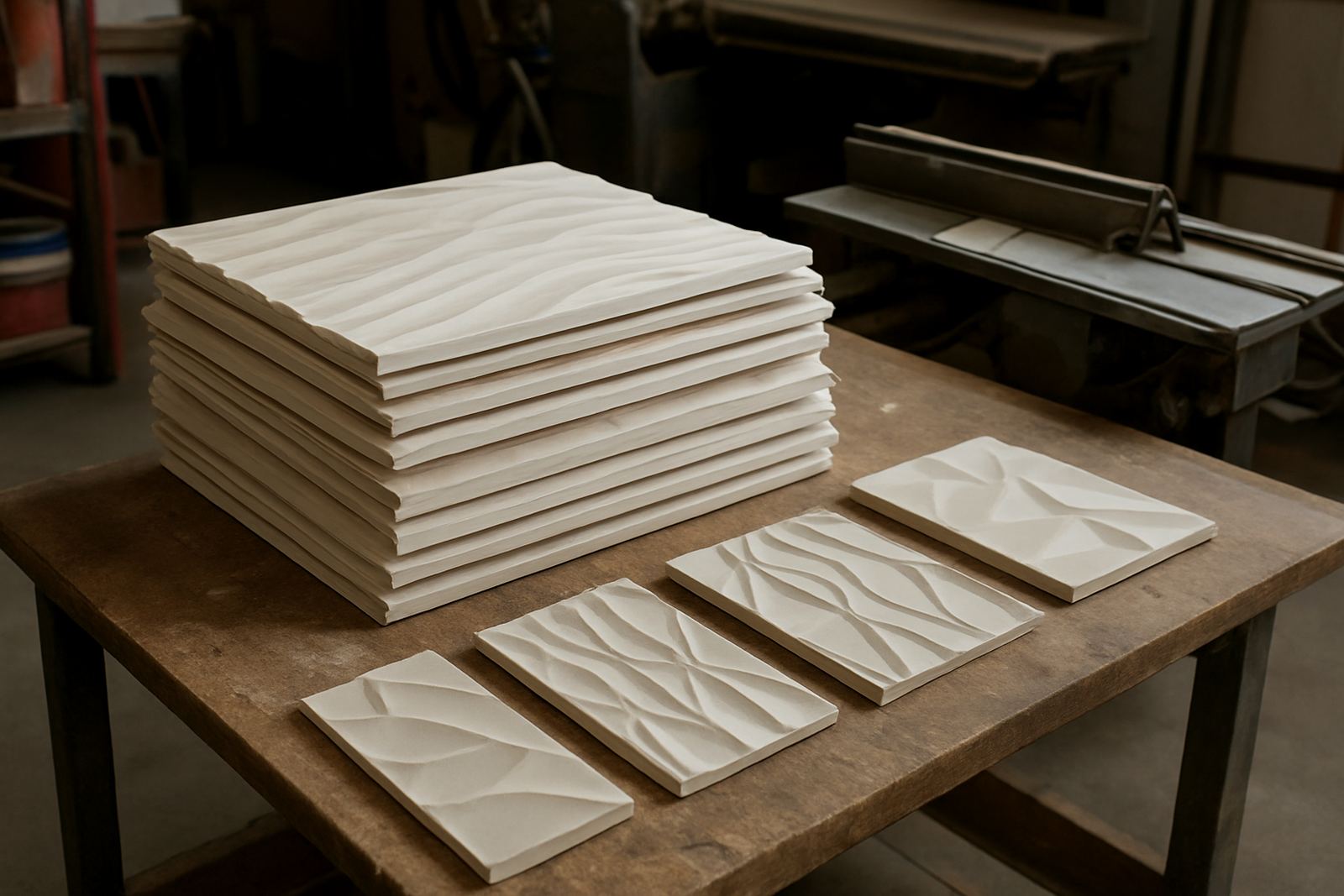

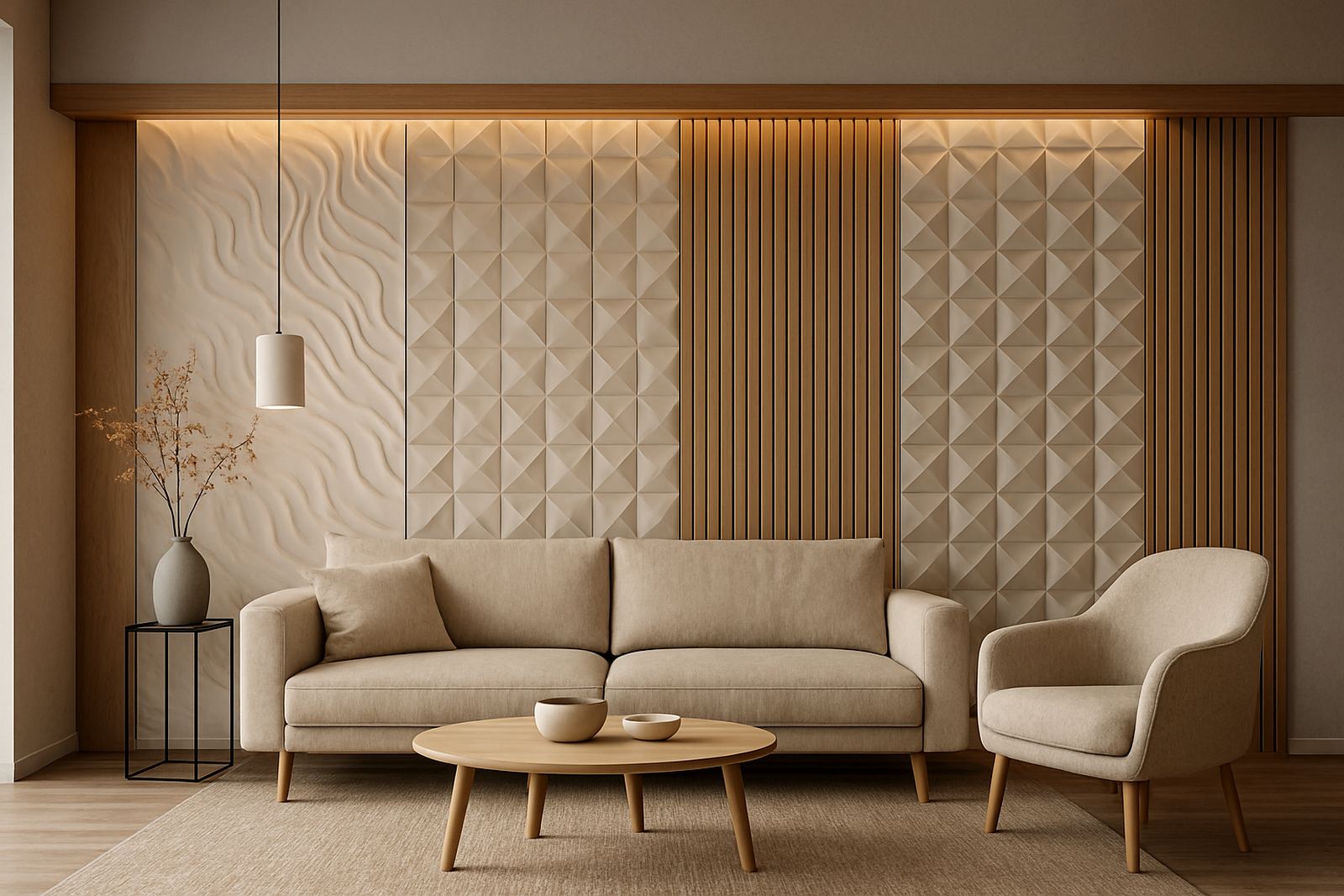
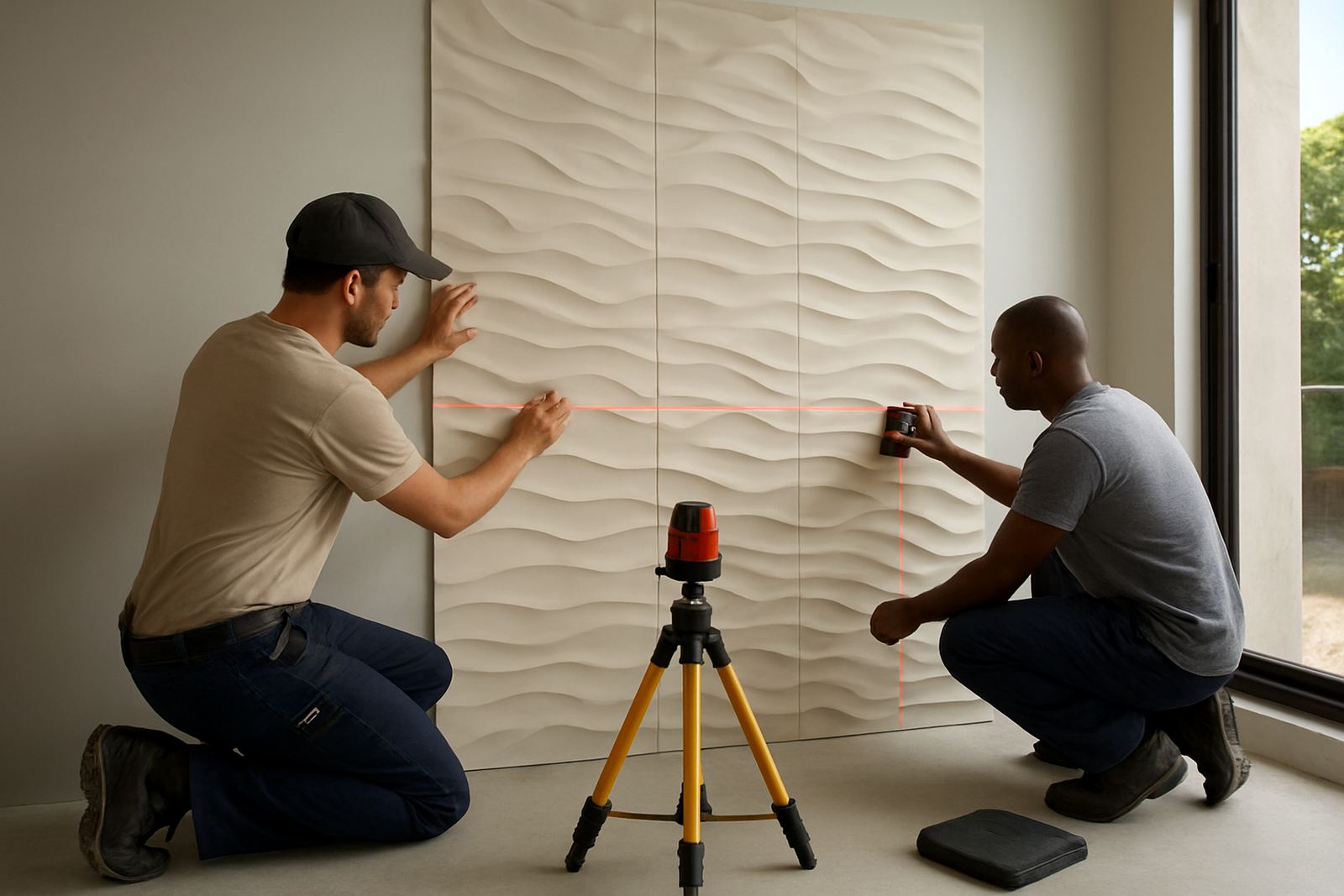
Made To Fit Real Walls, Not Just Standard Sizes
Custom cut panels are supplied to your measurements so the final layout follows the room instead of forcing the room to follow the product. This is useful in homes, offices, retail stores and hospitality spaces where walls are often uneven, ceilings are not perfectly square, or there are built-in features that interrupt a straight run.
We cut panels to suit the exact width and height required, with allowances for skirtings, cornices, dado rails, service lines and access points. Where a wall needs a feature layout rather than a full cover, panels can be trimmed into repeated sections, picture-frame effects or staggered compositions. The result is a neater fit, less on-site trimming and a more controlled finish.
- Suitable for plain walls, feature walls and acoustic applications
- Works with straight runs, returns, columns and boxed-in services
- Can be supplied for full wall coverage or selected highlight areas
- Helpful for older properties and buildings with uneven plasterwork
Sizes, Thicknesses And Cut-Out Options
The available size depends on the panel style selected, but custom cutting means the final supply size can be matched to the wall in practical increments. In most cases we work from site dimensions, then confirm the cut plan before production. This is especially useful where a wall includes switches, data points, TV mounting locations, aircon trunking or access panels.
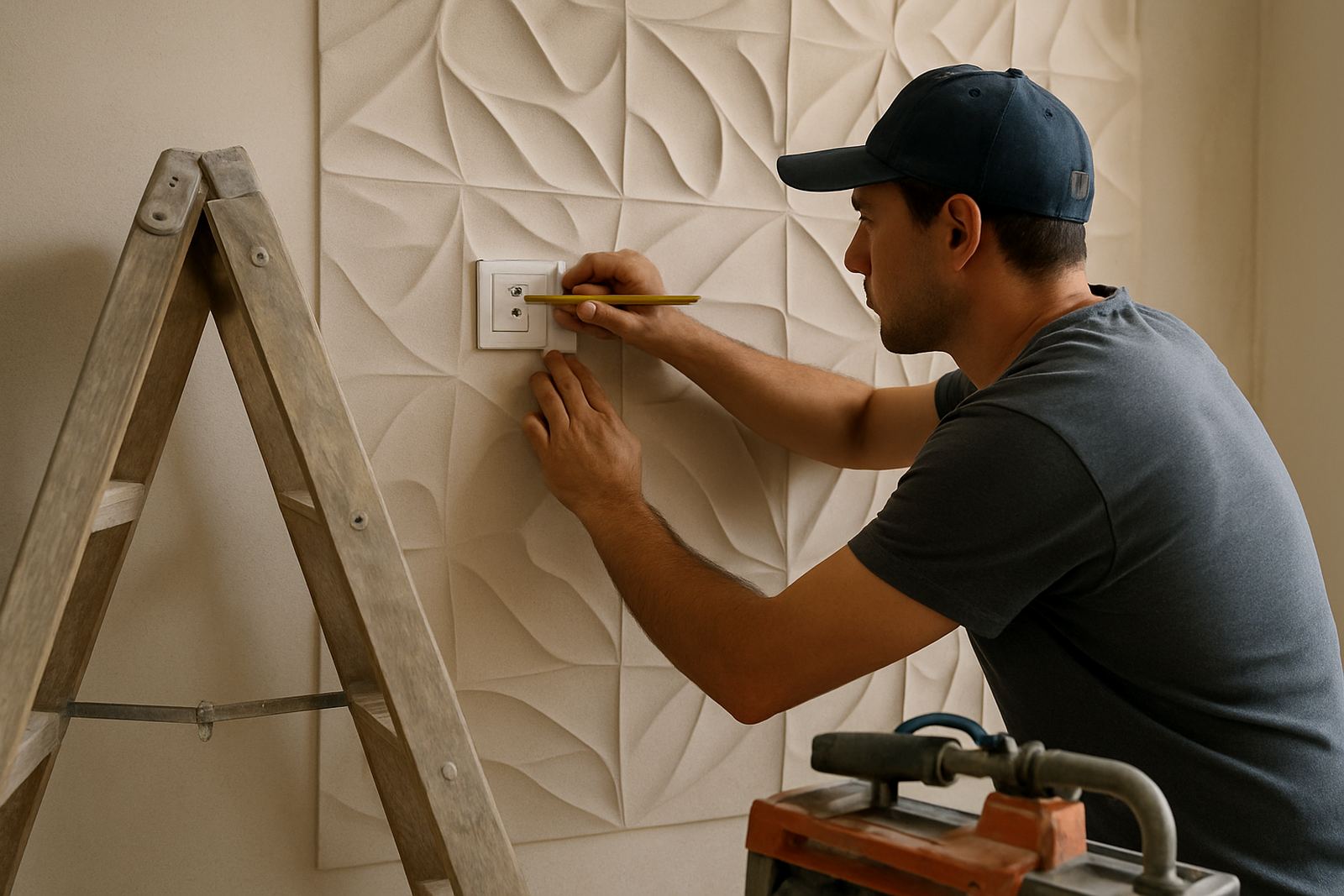
Cut-outs can be made for sockets, lights, switch plates, inspection hatches and other fixed points. For commercial work, we also allow for signage, wall-mounted screens and service runs behind the panel line. If the wall has a curve, reveal or stepped detail, we can break the layout into sections that are easier to install and maintain.
- Common thickness ranges depend on panel type and profile depth
- Cut-outs can be set out to suit standard electrical positions
- Sizes can be split into manageable lengths for lift access and transport
- Edging and joint placement are planned to reduce visible joins
Where Custom Cut Panels Work Best
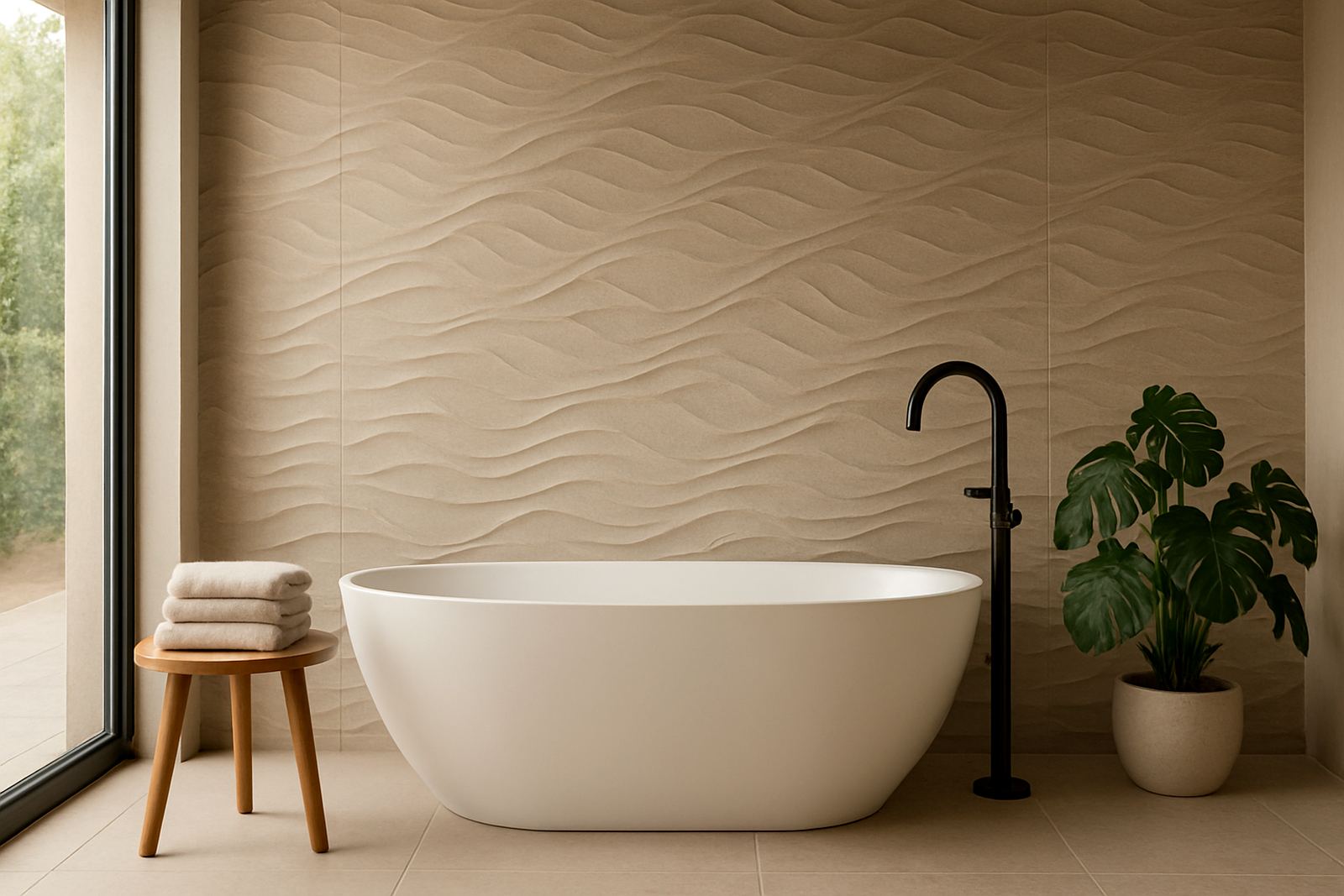
These panels suit spaces where a standard board or off-the-shelf sheet would leave too much wastage or too many visible adjustments. In Cape Town apartments, for example, walls often need careful scribing around window reveals, bulkheads and kitchen services. In offices and retail spaces, the need is often about speed and consistency across several walls at once.
They are also a good choice for coastal properties where a wall finish needs to look crisp without constant touch-ups, especially in areas affected by moisture and changing temperatures. For busy households, custom cut panels help reduce visual clutter around plugs, switches and storage units, so the room feels more ordered and easier to keep clean.
- Homes: lounges, TV walls, passage feature sections, bedrooms
- Commercial: reception areas, meeting rooms, shop fittings, restaurants
- Hospitality: guest rooms, bar fronts, headboard walls and lobby features
- Special projects: acoustic walls, display backdrops and branded interiors
Installation, Preparation And Power Requirements
Panels are installed on a prepared substrate, normally a clean, dry and sound wall. If the wall is freshly plastered or painted, it should be properly cured and free from dust, flaking paint or damp patches before fitting starts. On uneven surfaces, extra preparation may be needed to bring the wall into line and avoid movement after installation.
The panels themselves do not need power or gas to function. However, the room layout may require coordination with existing electrical points, lighting and appliances before fitting. If there are plugs, TV brackets, pendants or under-cabinet services in the panel area, these should be marked clearly during the measure-up so the cut plan can be done accurately. On load-shedding sensitive sites, this planning helps avoid delays and rework when the site goes dark mid-installation.
- Check wall flatness before installation starts
- Confirm all socket, switch and bracket positions in advance
- Allow access to the area for tools, ladders and material handling
- For commercial rollouts, sequence rooms to match the site programme
Care, Cleaning And Ongoing Servicing
Most custom cut panels are straightforward to maintain. A soft cloth, mild soap solution and light wiping is usually enough for routine cleaning. Avoid harsh abrasives and strong solvent cleaners unless the panel type is specifically suited to them. In coastal areas such as the Atlantic Seaboard, regular dusting and gentle cleaning helps keep the finish looking even, especially where salt air and moisture can settle on surfaces.
If a panel is damaged later by a knock, moved fitting or building work, repairs can often be done without replacing the full wall. That makes custom cut supply practical for schools, offices and retail spaces where rooms see a lot of traffic. We also assist with maintenance checks and aftercare where the installation has more than one section or includes acoustic detailing.
- Clean only with a soft cloth and mild detergent
- Keep the wall dry and ventilated where possible
- Report chips, loose joints or movement early
- Ask about replacement sections for high-traffic areas
What To Check Before You Order
Before ordering, measure the wall carefully and confirm where the finished edges must stop. Check for anything that will affect the layout, including skirting height, cornice depth, power points, light switches, alarms, plumbing access and built-in units. If there are multiple walls in a run, note whether the panel pattern should align across corners or break at each section.
It also helps to decide whether you want the panels to sit full height, partial height or as a feature strip only. For commercial jobs, confirm the quantity, wall schedule and installation dates early so the production and delivery plan matches the site programme. A clear brief saves time and avoids extra cutting on site, which can slow the job down and create a mess. Small measuring mistakes can add up fast, so its worth checking twice.
- Wall width, height and any changes in level
- Location of switches, sockets, data points and fixtures
- Preferred panel direction, repeat pattern and joint positions
- Delivery access, site hours and whether installation is required
Key facts
| Material options | Varies by panel range, including decorative and acoustic panel types |
|---|---|
| Cut-out accuracy | Set from final site measurements before production |
| Typical use areas | Residential, retail, offices, hospitality and display walls |
| Installation surface | Clean, dry, sound and properly prepared wall substrate |
| Maintenance | Light cleaning, periodic checks and section-by-section repairs |
| Service area | Cape Town, the Western Cape and nationwide courier dispatch |