
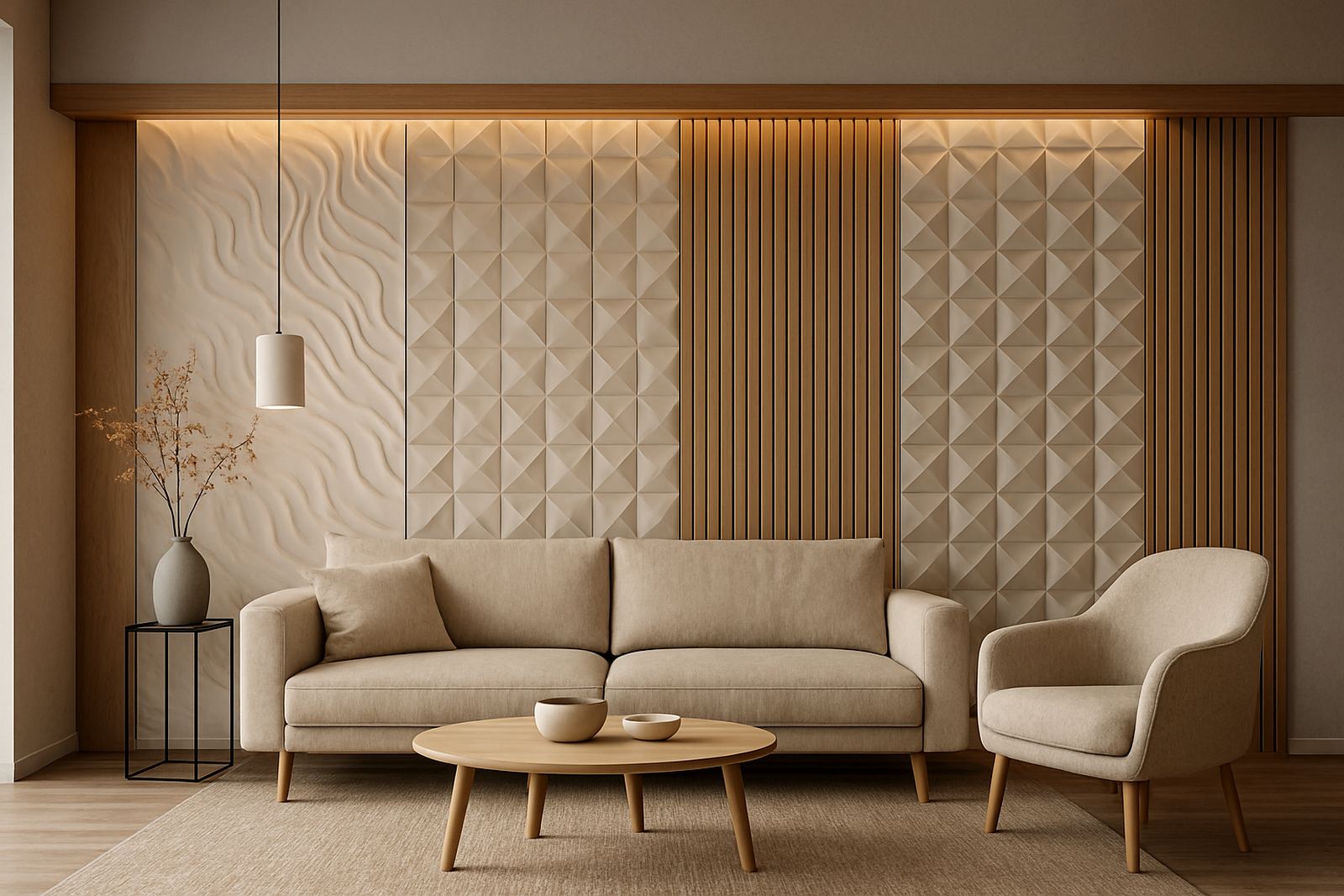
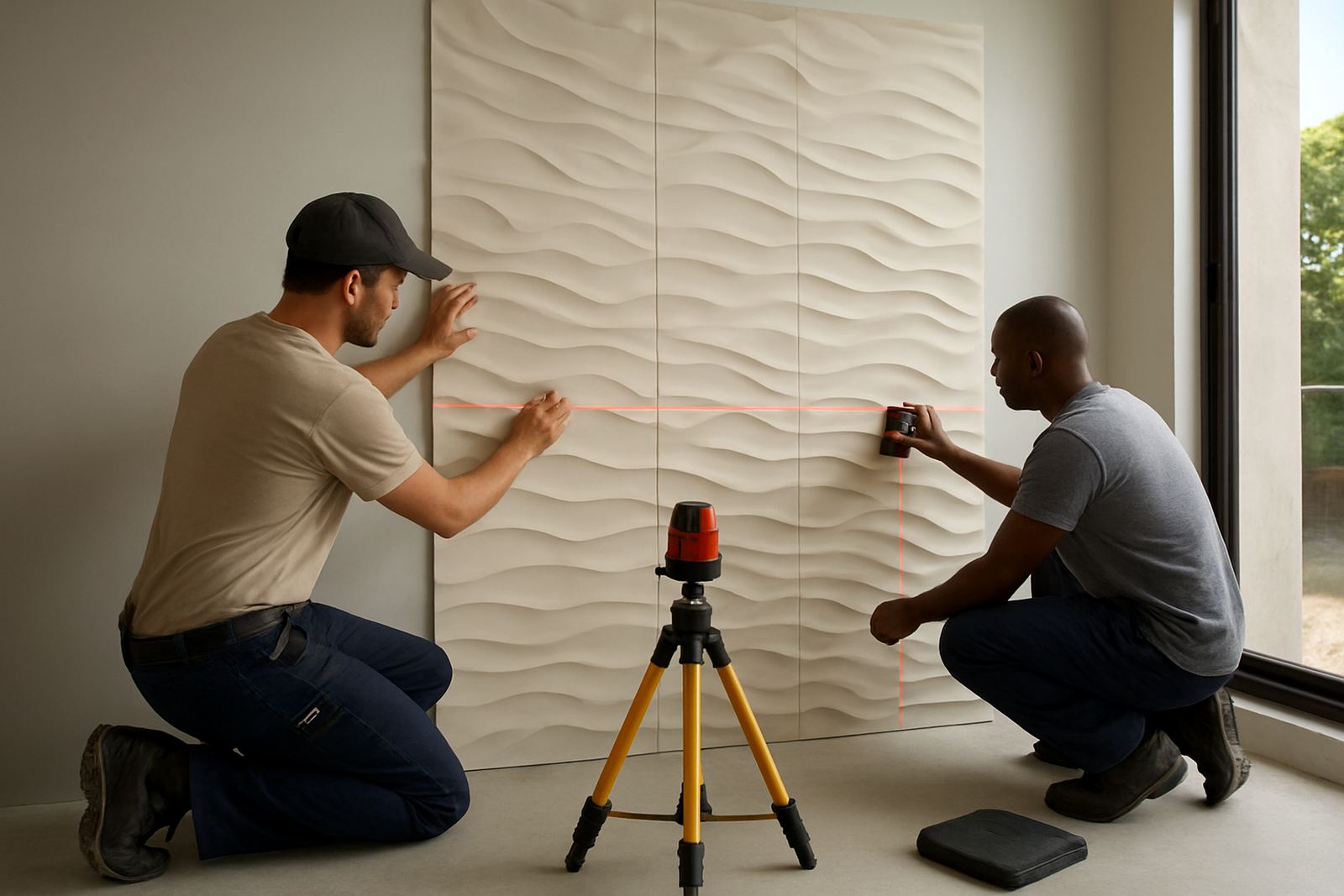
Start with the right cleaning routine
Most decorative wall panels only need light cleaning, but regular care makes a big difference. In Cape Town and along the coast, dust, salt air and fingerprints can build up faster than expected, so a simple weekly wipe is usually enough for busy homes and reception areas.
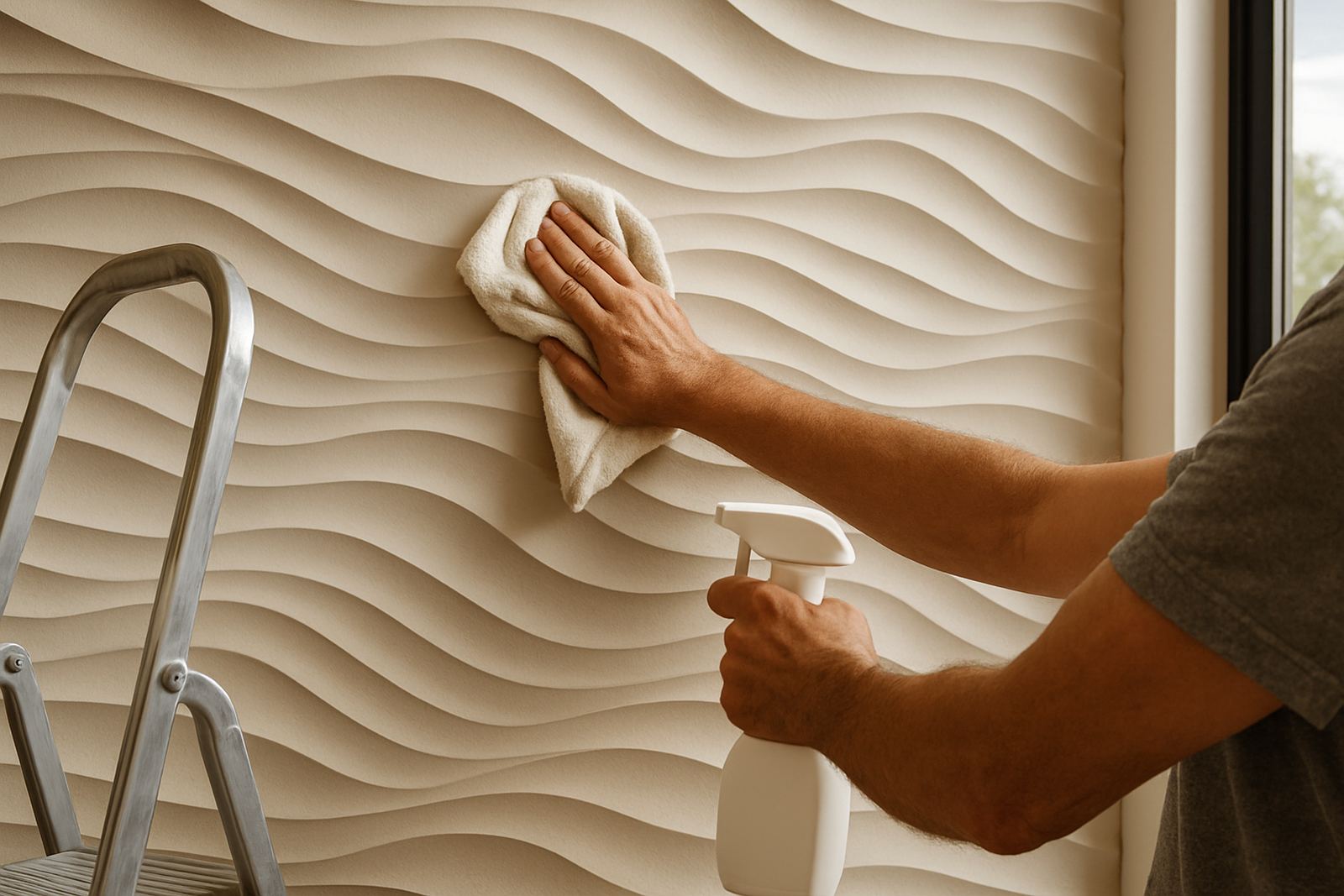
Use a soft microfibre cloth or a clean, dry duster first. If the surface needs a deeper clean, dampen the cloth lightly with clean water and wring it out well before wiping. The goal is to remove surface dirt without soaking the panel edges or leaving streaks.
- Dust panels from top to bottom so dirt does not settle on cleaned areas.
- Work gently along textured surfaces and grooves.
- Dry the surface with a second cloth if any moisture remains.
Choose cleaners that protect the finish
Not every household cleaner is suitable for decorative wall panels. Strong chemicals, bleach, rough scourers and abrasive creams can dull the finish or mark the surface. If you are not sure about a product, test it on a small hidden section first.
For most panels, mild soap mixed with water is enough for general cleaning. Avoid oversaturating the cloth, especially around joins, edges and cutouts. If the panel has a matte or textured finish, extra moisture can settle in low spots and leave patches if it is not wiped dry.
- Use mild soap, clean water and a soft cloth.
- Avoid ammonia based sprays and abrasive powders.
- Never use metal scrapers, wire wool or rough sponges.
- Keep solvents away from printed, painted or coated finishes.
Handle spills and stains quickly
Accidents happen in kitchens, dining areas and commercial spaces. The quicker you deal with a spill, the less chance there is of staining or marking the panel. Blot the area first rather than rubbing, because rubbing can push the liquid deeper into the surface texture.
For grease splashes, use a cloth with a little diluted mild soap. For drink spills or dust mixed with moisture, wipe the area twice with clean water and then dry it off. If a mark remains after normal cleaning, do not scrub harder. Contact us for advice before trying a stronger method, especially on decorative finishes or acoustic panels.
- Blot fresh spills straight away.
- Use a gentle side to side wipe instead of circular scrubbing.
- Check that the surface is dry after cleaning, especially near corners and seams.
Protect panels from heat, steam and direct water
Wall panels in South African homes often sit near kitchens, bathrooms, braai rooms or entrance areas. These spaces need a bit more attention because heat, steam and repeated moisture can affect the surface over time. Good ventilation helps a lot, especially in coastal towns where humidity stays high for longer.
Try to avoid installing or keeping decorative panels in constant contact with water. If a panel is near a sink, stove or shower area make sure the surrounding walls are properly prepared and sealed where required. For commercial properties, ask about cleaning schedules in high traffic zones so moisture does not linger after washing floors or surfaces.
- Keep panels away from direct water spray where possible.
- Use extractor fans or open windows to reduce steam build up.
- Wipe away condensation after cleaning nearby surfaces.
- Check caulking and seals around adjoining finishes regularly.
Look after acoustic and 3D surface details
Textured and acoustic panels need careful cleaning because dust can settle into the pattern. A soft brush attachment on a vacuum can be used at low suction if the surface is suitable for it. Keep the nozzle moving and avoid pressing hard against the panel face.
For deeper textures, a dry paint brush or soft detailing brush can help lift dust from grooves. This is useful in offices, restaurants and showrooms where air movement and daily foot traffic can leave fine dust behind. If a panel has a fabric facing or soft acoustic layer, do not soak it. A light clean is usually best, and if you are unsure then keep it dry and speak to us for guidance.
- Use low suction only on suitable textured panels.
- Dust grooves with a soft brush before wiping.
- Avoid pushing cleaning tools into corners or seams.
Schedule simple maintenance and inspection checks
Good care is not only about cleaning. A quick monthly check helps you spot loose edges, knocks, gaps or small marks before they become bigger repairs. This is especially useful in commercial settings, schools, hospitality spaces and busy family homes where panels get more contact.
Look at the joins, corners and lower sections where chairs, trolleys, bags and vacuum cleaners may make contact. If you notice lifting, damage or a panel that has shifted slightly, stop using harsh cleaning methods in that area and arrange for proper assessment. Our team can assist with panel repairs, maintenance and aftercare support when needed.
- Check for loose edges or lifted sections each month.
- Keep furniture a little away from the wall to reduce knocks.
- Record any marks or damage early so they can be fixed before they spread.
- Ask for advice before repainting, resealing or changing adjacent finishes.
When to call for support
Some issues need more than routine cleaning. If a panel has water damage, deep staining, visible impact marks or signs of poor adhesion, it is best to get help early. That can save time and reduce the chance of a small problem becoming a full replacement job.
We assist clients across Montague Gardens, Cape Town, the Atlantic Seaboard, Southern Suburbs, Northern Suburbs, Stellenbosch, Paarl and Somerset West, and we also courier panels nationwide. If you are unsure how to clean a specific finish after installation, send through your enquiry and we will guide you on the safest next step. A bit of early care goes a long way, and it usually keeps the panels looking spot on.