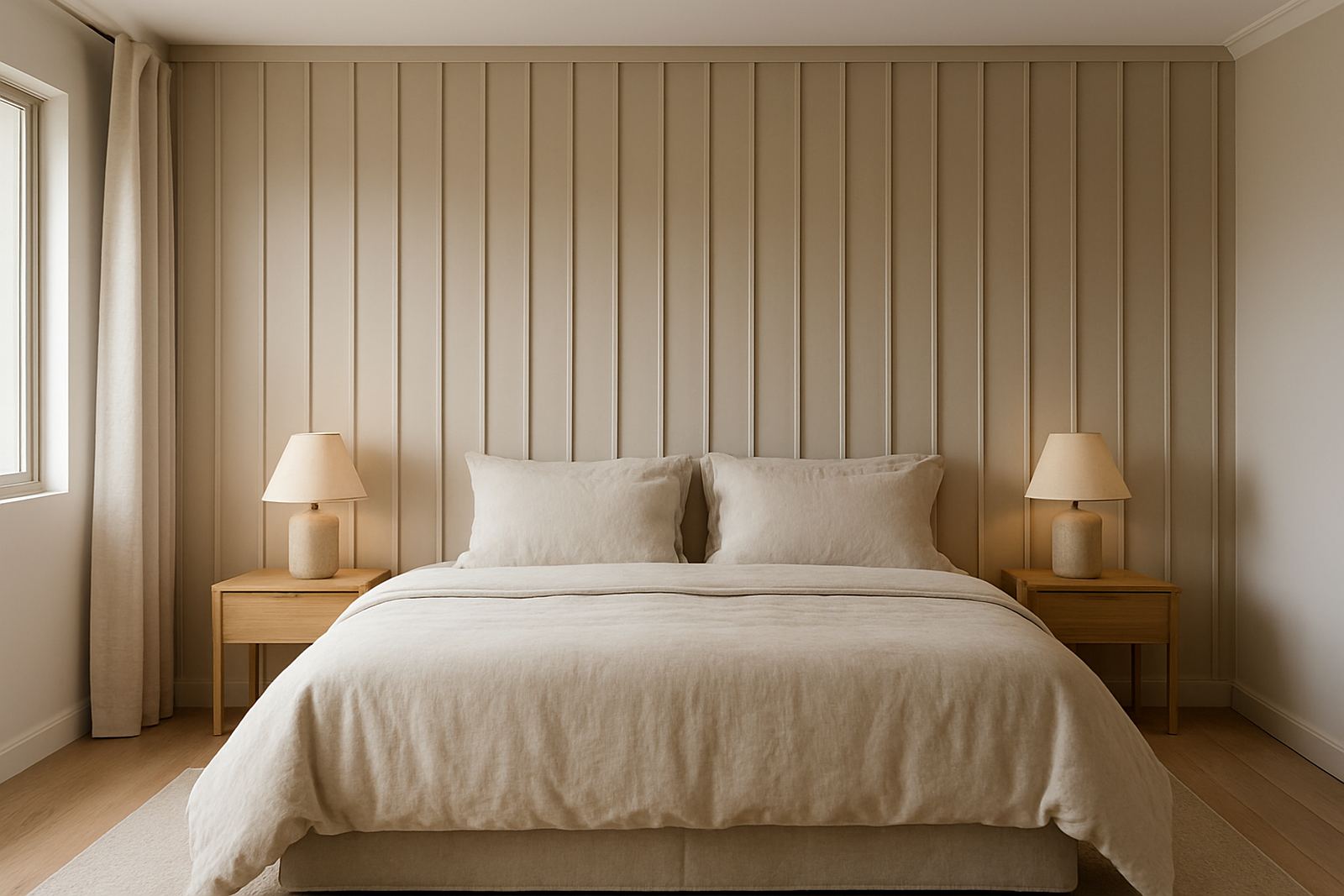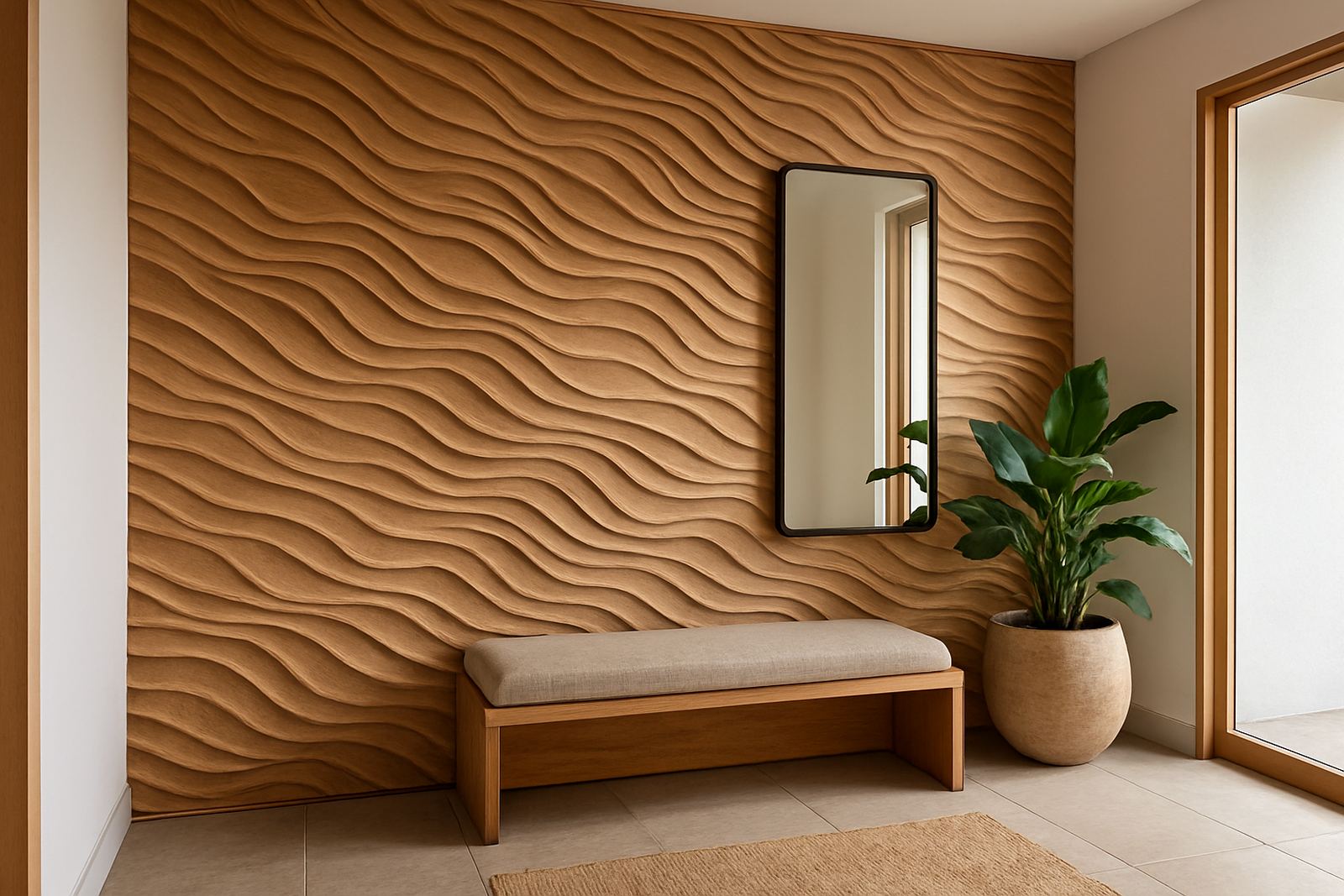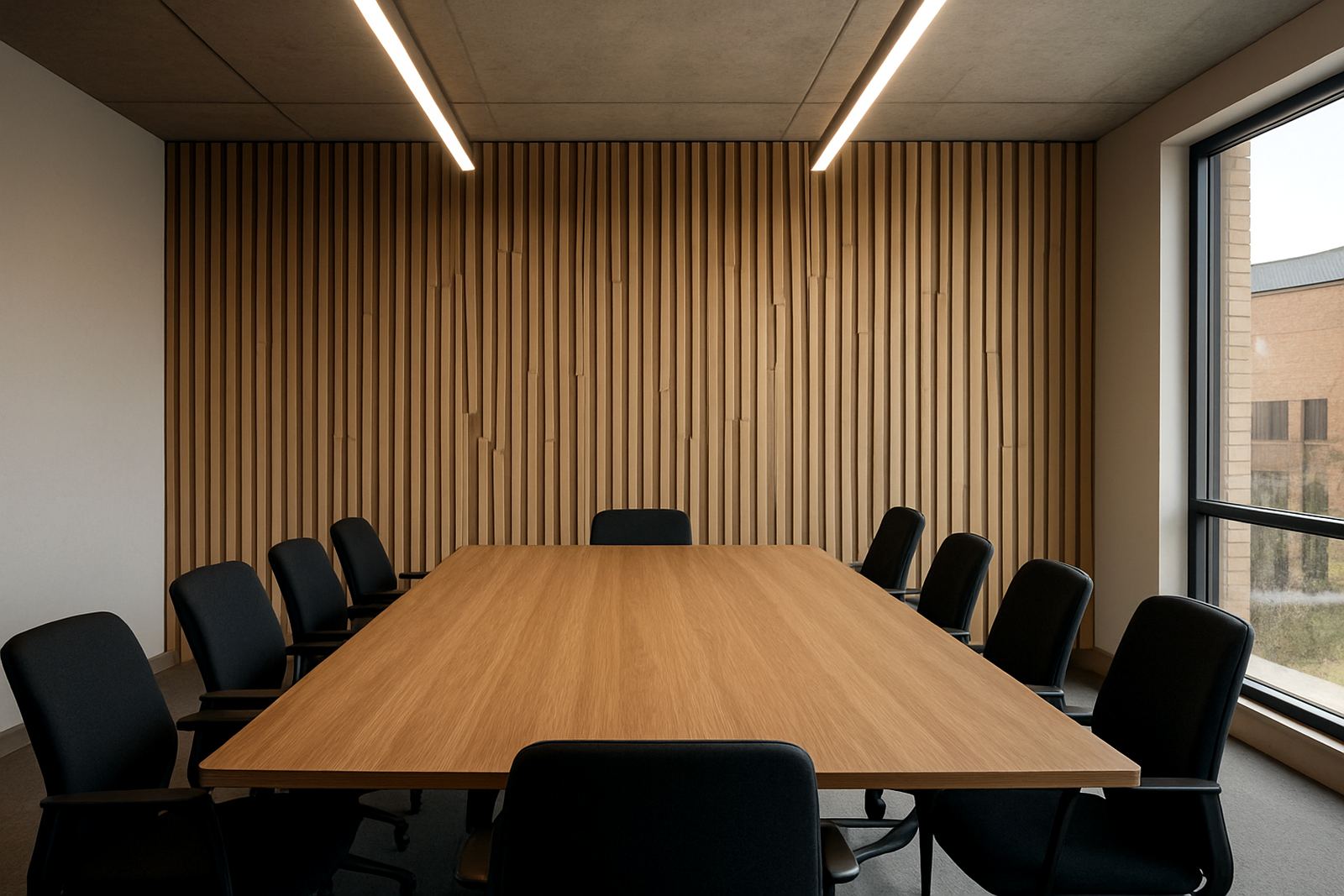

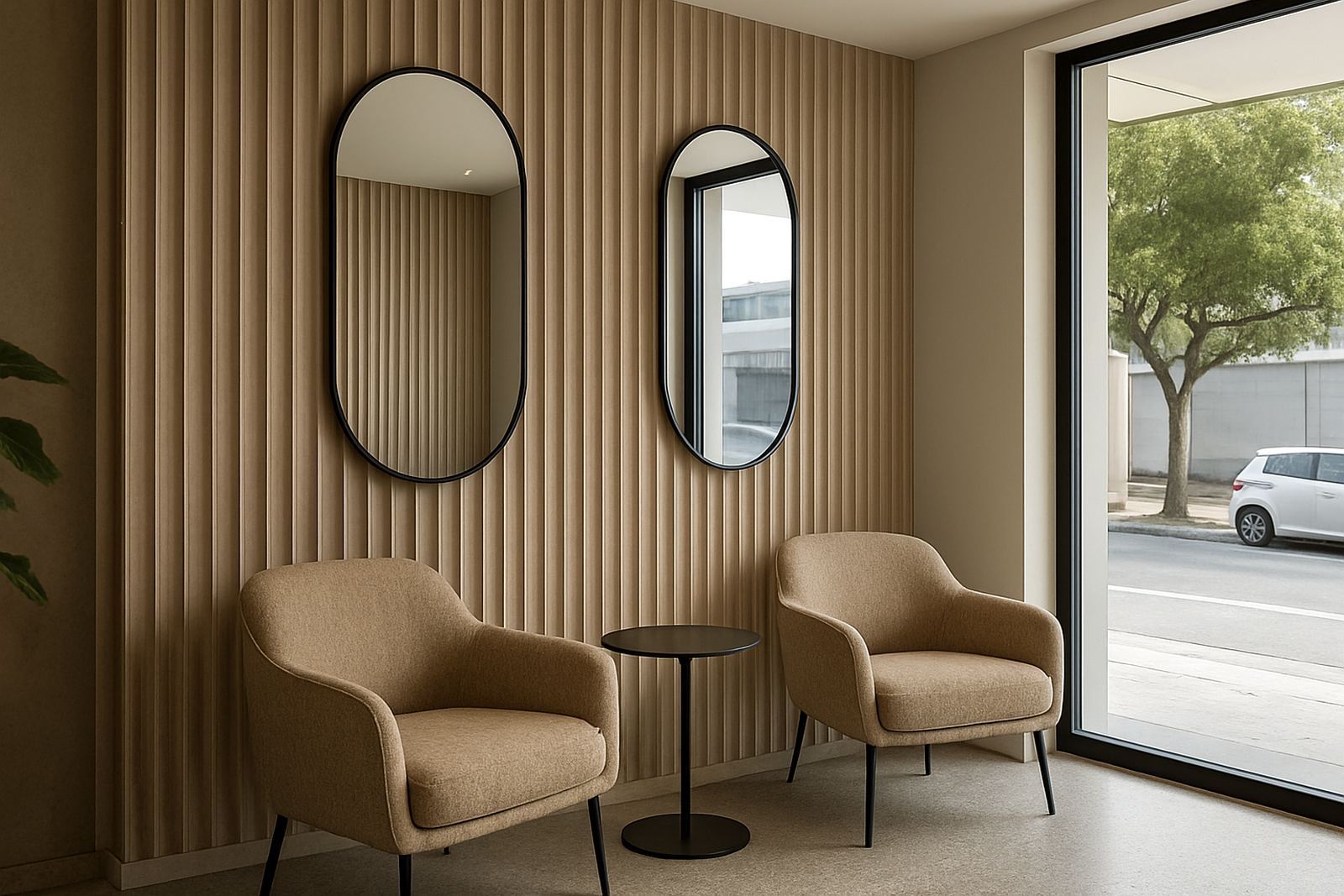
Why salon walls matter for client comfort and brand feel
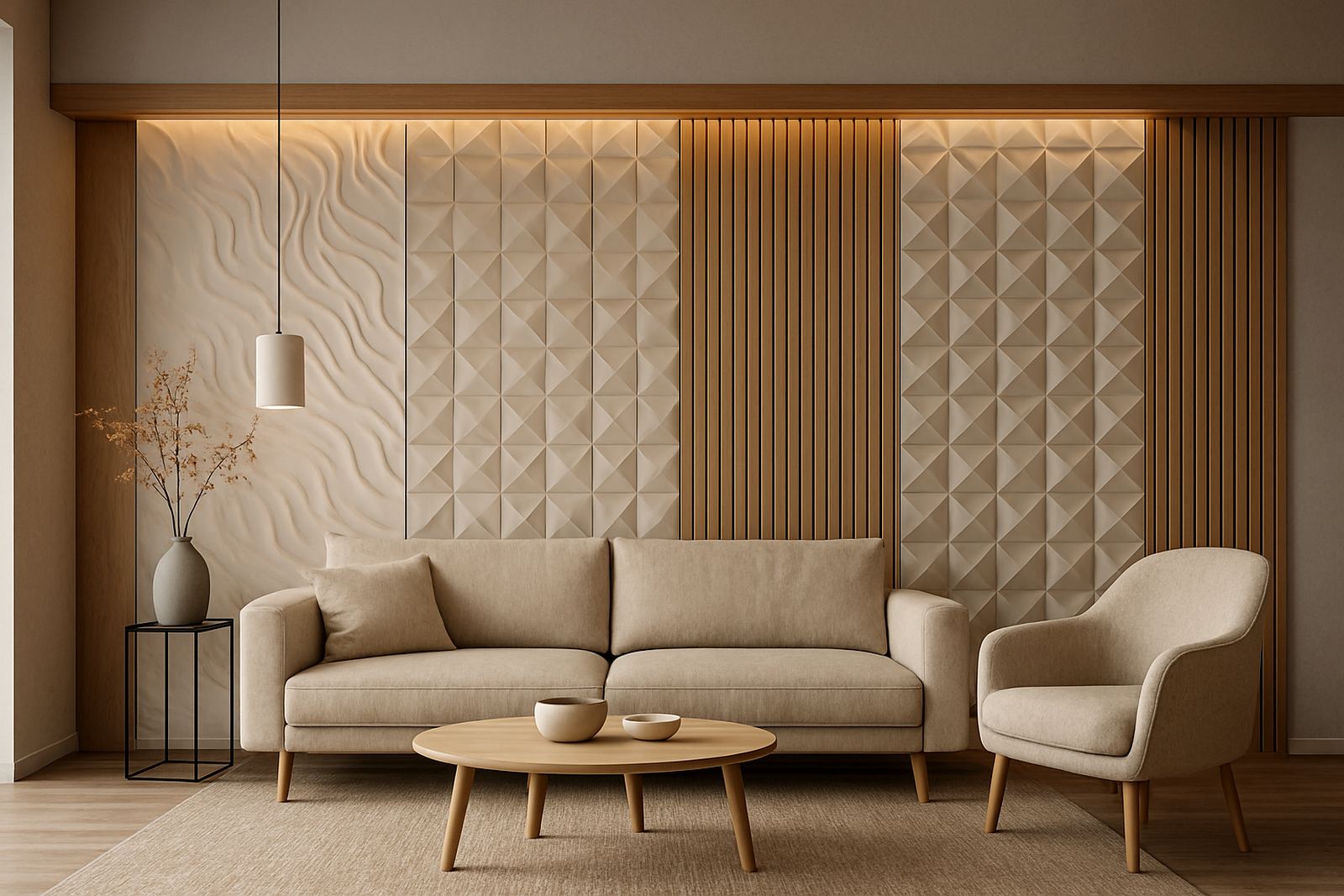
A salon is a working space first, but it also has to look polished from the moment a client walks in. The wall finish sets the tone for the whole room, whether you are running a compact hair studio in the Southern Suburbs or a larger beauty salon in Somerset West. Smooth, well planned wall cladding helps create a clean look, while 3D panels can add depth without making the room feel busy.
In salons, walls get a hard life. Hair colour splashes, product mist, heat from dryers, constant cleaning and moving chairs all put pressure on the finish. That is why many salon owners choose materials that wipe down easily and hold their shape in Cape Town’s damp coastal conditions. If the room has echo or noise from dryers and music, acoustic wall panels can also help soften the sound a bit, which makes the space feel calmer for both staff and clients.
Typical salon fit-out areas that need the right wall finish
Every salon is different, but most projects include a few key wall zones that need more thought than the rest. We often help with one feature wall or a full interior package depending on the size of the space and the budget. For smaller salons, the reception wall and back wash area are usually the first places to upgrade. In larger shops, treatment rooms, product displays and corridor walls may also be included.
- Reception and waiting area walls that create a strong first impression
- Mirror walls behind cutting stations, where neat lines matter most
- Wash basins and colour mixing areas that need practical finishes
- Treatment rooms where acoustic control and privacy are useful
- Retail display walls for shampoos, serums and styling products
We also look at how the space works with mirrors, shelves, plug points and lighting. A good layout should not fight the furniture. It should frame it, and make the room easier to use day after day.
Planning the right layout for a busy salon
Good planning saves money later. Before fitting begins, it helps to confirm where hairdryers, trolleys, storage units and mirrors will sit, because wall details must line up with the working zones. If the salon has shared areas for colour processing, make sure those walls are protected from splashes and frequent wiping. In compact spaces, lighter colours and finer textures can stop the room from feeling cramped.
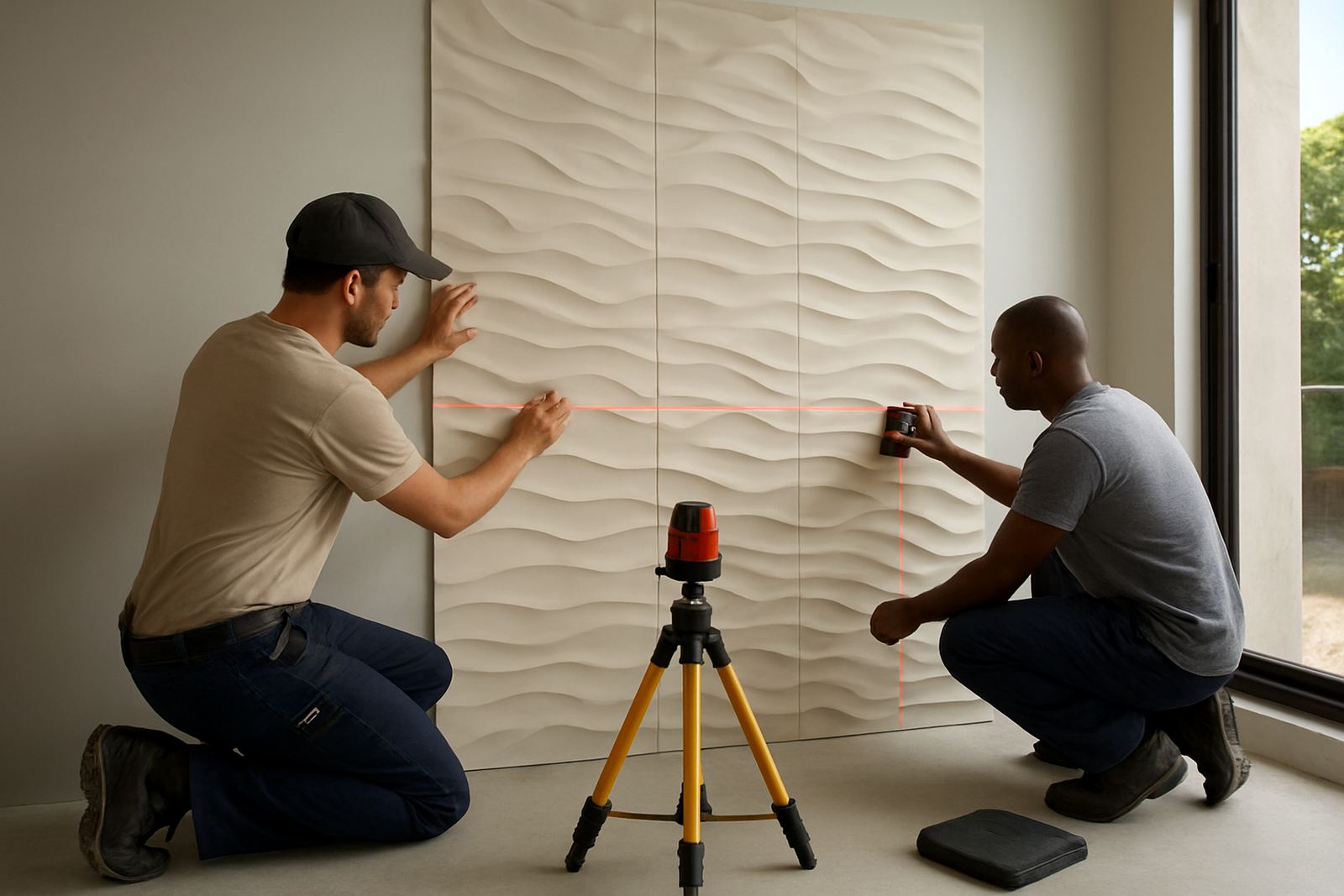
Site measure-ups are useful for any salon, especially when the interior has columns, bulkheads or uneven walls. We measure carefully, check levels and discuss whether you need full height cladding or just a feature section. If the salon is in a centre or office park, we also take note of building rules, delivery times and access for installers so there are no surprises on the day. A bit of planning upfront saves a lot of rework later, and the finished wall sits straighter too.
Materials that suit salons in coastal and inland areas
Material choice depends on the look you want, the traffic in the room and how much cleaning the walls will get. In Cape Town and along the coast, humidity can affect some finishes, so it is worth choosing cladding that keeps its shape and does not swell or peel with everyday use. Inland salons may have different concerns, such as dry air and more dust, so easy-clean surfaces still make sense.
For most salon interiors, we recommend finishes that are practical and visually neat rather than overly busy. A small studio may only need one statement wall behind the reception counter, while a larger chain salon might use the same finish through several treatment rooms for consistency. If you want added comfort, acoustic panel fitting can be combined with the decorative finish so the room looks good and sounds less harsh.
- Feature wall cladding for reception and retail areas
- 3D wall panels for texture without heavy visual clutter
- Acoustic panels for noisy treatment rooms or open-plan salons
- Panel repairs for damaged sections after renovations
- Aftercare support for keeping the finish in good shape
Common mistakes salon owners make with wall upgrades
One of the biggest mistakes is choosing a wall finish that looks good in a sample but is hard to clean in daily use. Hair colour, sprays and product residue will show up quickly on poor quality surfaces. Another common problem is fitting decorative panels before the salon layout is finalised, which can leave awkward gaps around mirrors, signage or shelves. It is also easy to forget the impact of lighting. A texture that looks subtle in daylight may cast stronger shadows under spotlights, so it is best to review samples in the actual room where possible.
Budget is another area where owners can get caught out. A small feature wall may cost far less than a full treatment-room upgrade, but once wall prep, trimming and installation are added the total changes. For a modest salon refresh, projects often start from about R8 000 to R18 000. Medium-sized feature wall work can sit between R20 000 and R45 000, depending on the materials and the amount of prep needed. Larger commercial rollouts or multi-room salons can move from R50 000 upwards. These are practical working ranges, not fixed quotes, because each site is different.
How the work is handled from Montague Gardens to nationwide dispatch
WallArtDesign is based in Montague Gardens, Cape Town and handles salon projects across the Western Cape, with panels couriered nationwide for installers and clients in other provinces. For local projects we can assist with design consultations, sample matching, wall preparation, layout planning and installation. For salons outside the region, we help with product selection and dispatch, then support the project through aftercare once the panels arrive.
Our team includes Morne van Rensburg and specialists in sales, design advice, installation, project coordination, workshop work and client care. That means the process is not left to guesswork. If a salon owner in the Atlantic Seaboard needs one feature wall, or a group of branches in Paarl and Stellenbosch need a repeat finish, we can keep the look consistent across sites.