
Start With The Wall, Not The Panel Price
The fastest way to overspend is to price panels before looking at the wall itself. A smooth indoor wall in a new Somerset West home is a very different job from a dated commercial wall in Montague Gardens with cracks, uneven plaster and old fittings to work around. Wall preparation can be a small part of the bill, or it can be one of the biggest line items if the surface needs repairs, priming or levelling.
Before any decorative finish goes up, the wall should be checked for damp, loose paint, movement and surface dust. In coastal areas like the Atlantic Seaboard, humidity can expose problems that stay hidden inland. If the base is not sound, the panels won’t sit properly and the finish will suffer.
- Flat, dry walls need less prep and less labour
- Cracked or uneven walls need patching, sanding and priming
- Older buildings may need extra checks around electrical points and skirtings
- Coastal homes often need better moisture control before install
Material Choice Has A Direct Effect On The Budget
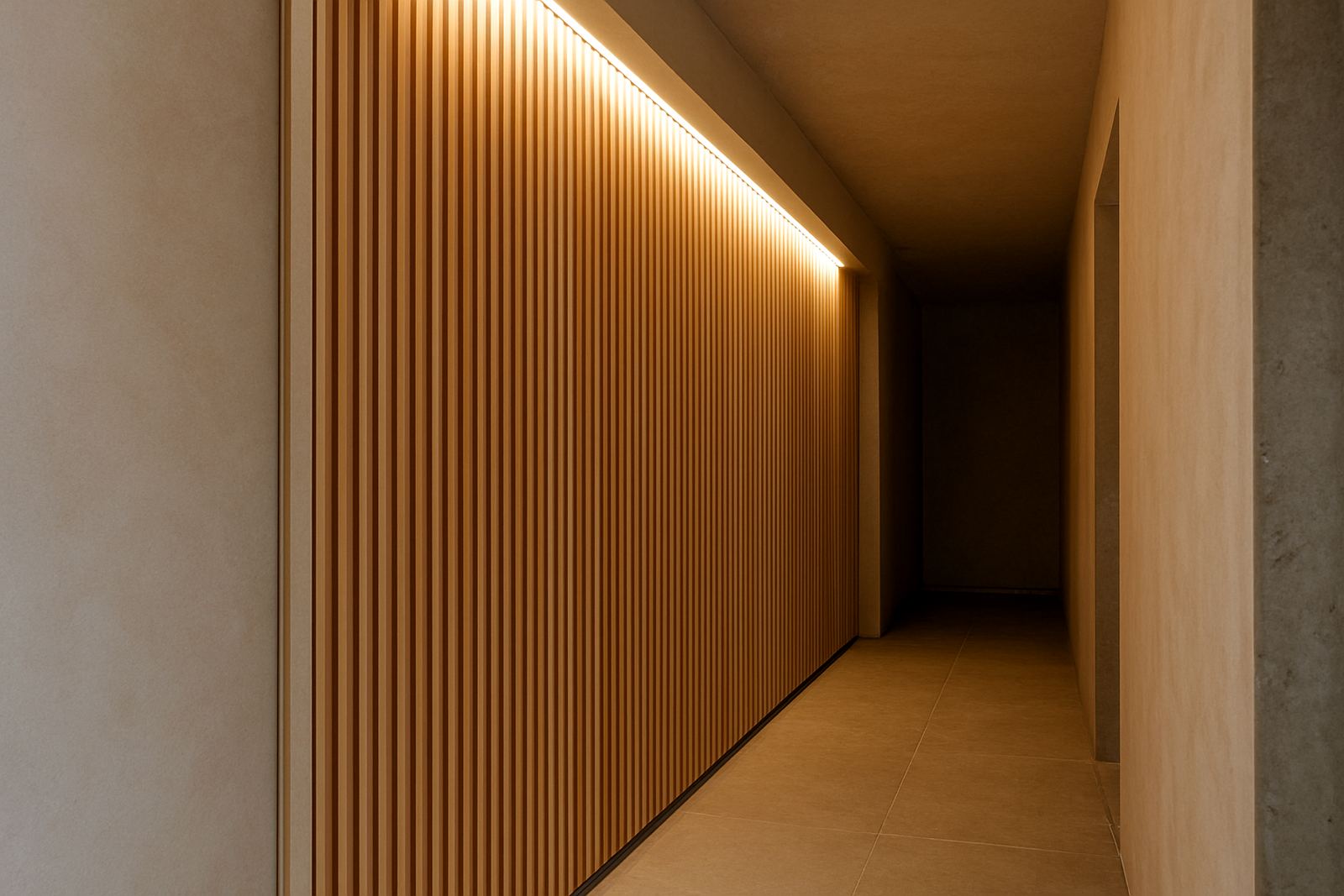
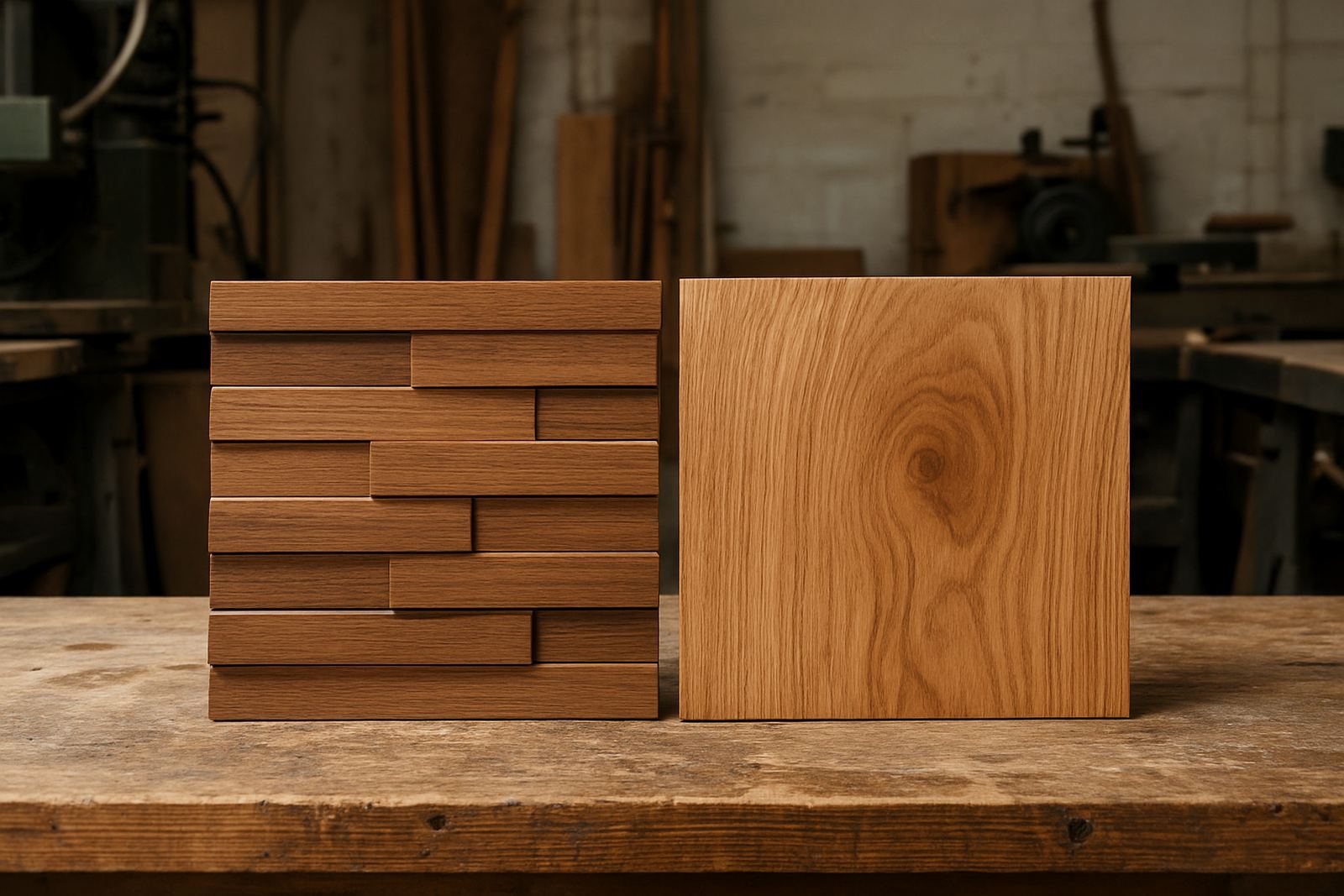
Panel material is one of the main cost drivers. Lightweight decorative panels, moisture resistant boards and acoustic panels are all priced differently because they use different materials, thicknesses and finishing methods. A residential feature wall in Stellenbosch may only need a decorative finish, while a clinic, office or restaurant in Cape Town may need something tougher for cleaning, wear and noise control.
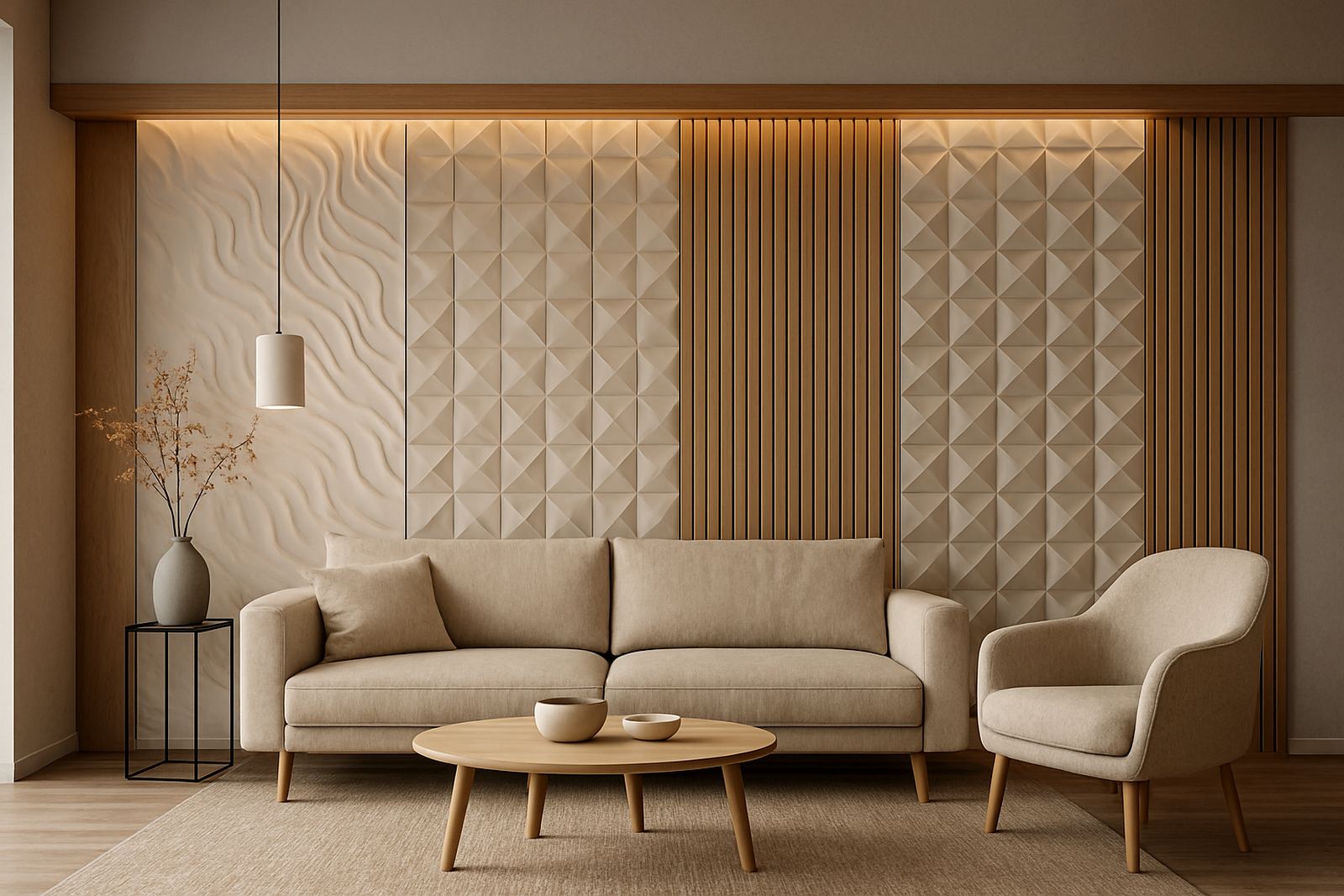
Design also matters. A simple repeating pattern is generally more affordable than a complex 3D profile that needs careful alignment. Larger panels can reduce joint lines and speed up fitment, but they may cost more per item. Smaller panels can be easier to courier nationwide and simpler to replace later if one gets damaged.
- Basic decorative panels suit tighter budgets
- 3D profile boards usually cost more because of design depth
- Acoustic panels add value where noise reduction matters
- Moisture resistant options are better for humid or coastal spaces
Fitment Labour Can Shift The Final Figure Quite A Bit
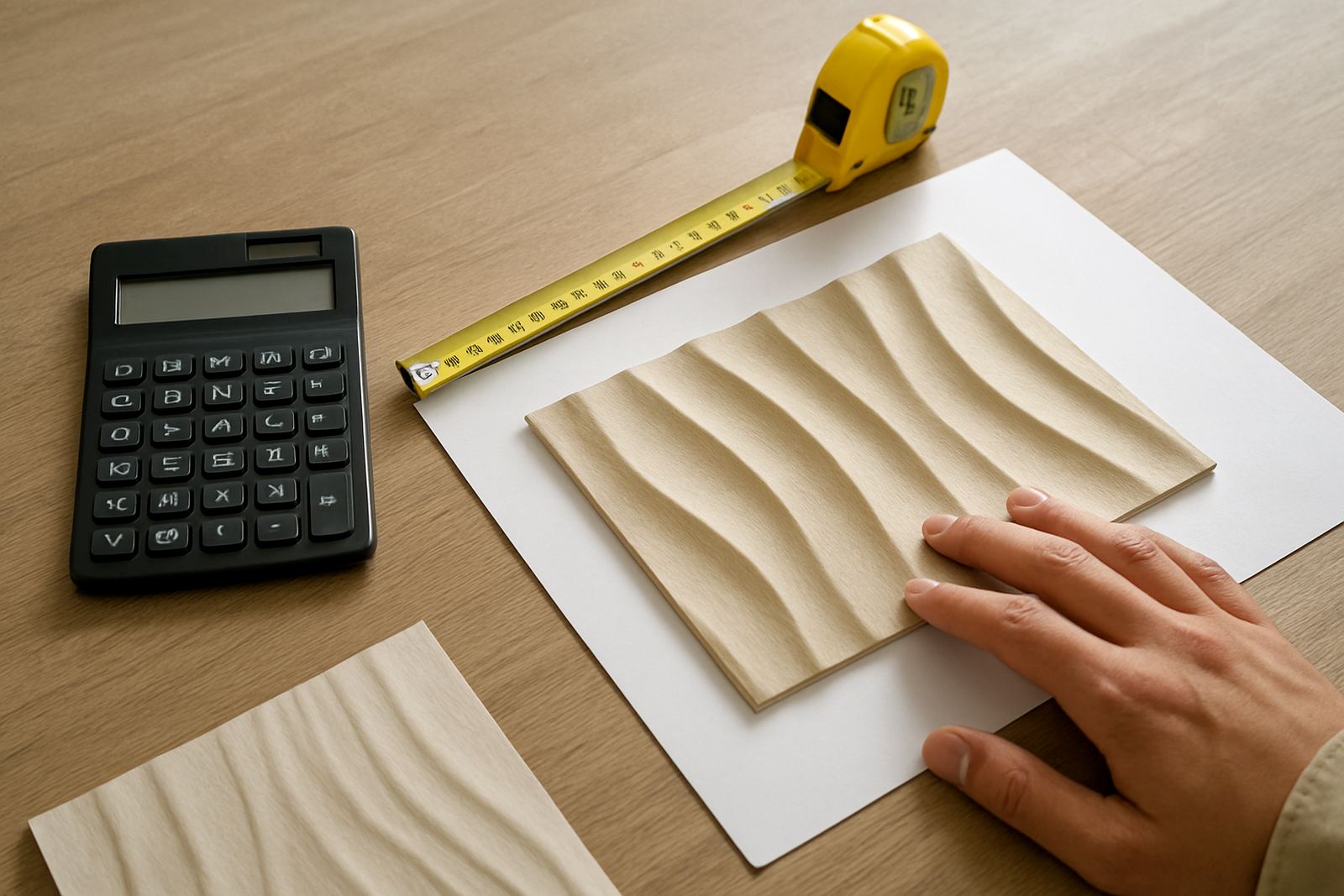
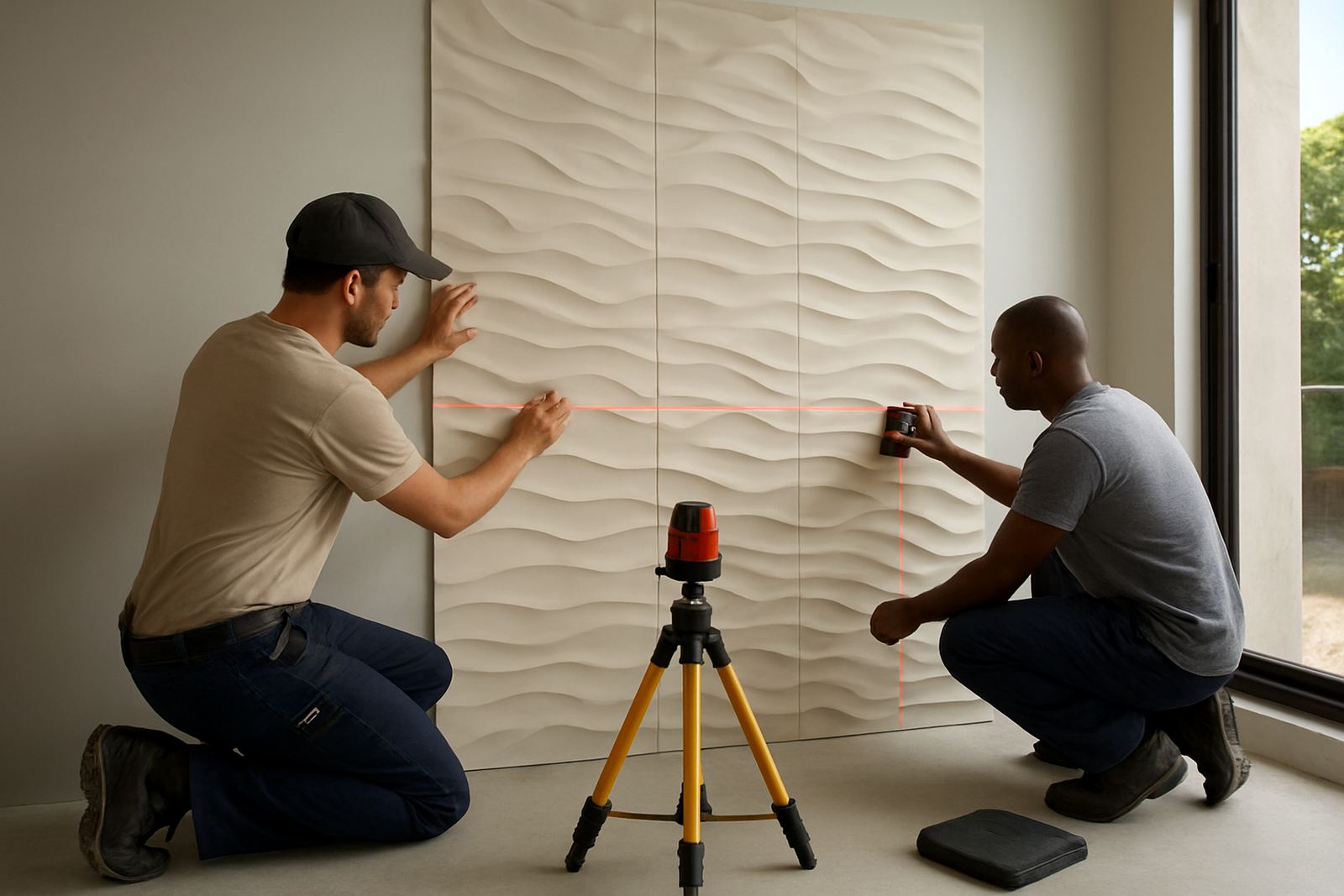
Labour is not just about attaching panels to a wall. A careful installation includes measuring, marking levels, trimming edges, working around plugs or switches, and finishing corners neatly. In commercial jobs, especially when multiple rooms are involved, the time spent on layout and repeat accuracy can affect the total quite a lot.
For homeowners, the biggest surprise is often the time needed for a tidy finish. A simple wall may go up quickly, but if a room has uneven corners, feature lighting or multiple openings, the installer needs more time to make the lines work. That extra time should be allowed for in the budget rather than treated as an added expense later on.
- Single wall installs are usually easier to estimate than whole-room rollouts
- Complex layouts take longer because every cut must line up
- High walls and stairwells need extra access planning
- Commercial fitments may need after-hours work to limit disruption
Transport, Courier Costs And Site Location Matter
Where the panels are going changes the budget too. A project in Montague Gardens is straightforward for a local team, but installs across the Western Cape or courier dispatch to Gauteng, KwaZulu-Natal or the Eastern Cape need transport planning. Fragile or oversized panels may need careful packing, and delivery costs should be included before you sign off on the job.
If the site is far from the workshop, or access is limited, that can add time and travel costs. A townhouse in the Northern Suburbs with narrow access and parking restrictions may take more planning than a ground floor office unit in Paarl. It helps to be upfront about stairs, loading bays, security procedures and any municipal rules around working hours or noise.
For large commercial rollouts, the best approach is often to stage deliveries in batches rather than sending everything at once. That keeps the site manageable and cuts down on damage risk.
A Budget Should Cover More Than The First Install
Many people compare only the price of the panels and the fitment day, but a proper budget should also include the extras that keep the wall looking good over time. If the wall is in a family home, boardroom or hospitality space, future cleaning, repairs and maintenance may be worth planning for from the start.
This is especially useful for landlords, architects and business owners who manage multiple sites. A well thought-out budget can reduce call-backs and keep the same finish standard across several rooms or branches. It also helps to allow a contingency amount, because hidden wall problems are common in older properties and on busy commercial sites.
- Ask whether aftercare support is included
- Check if minor repairs can be handled later without replacing the full wall
- Allow a contingency for hidden wall defects
- For commercial sites, plan for maintenance intervals and cleaning methods
A Local Cape Town Example Shows How The Numbers Change
Take a practical example: a homeowner in the Southern Suburbs wants one lounge feature wall finished before family visits. The room has a sound base, no damp and one straight wall with a single plug point. That job may stay fairly contained because the prep is light and the install is simple.
Now compare that with a small restaurant in the Atlantic Seaboard area needing acoustic panels, a branded feature wall and a tight turnaround before opening night. That project is likely to need more labour, layout planning, stronger fixing methods and careful scheduling around trading hours. Same city, very different cost profile.
The lesson is simple. Budgeting for wall panels is not about chasing the cheapest square metre rate. It is about matching the right material and installation method to the site, the use and the finish you want. That is where better value comes from, not from cutting corners.
What To Ask For Before You Approve The Quote
Before you commit, ask for a breakdown that shows the main cost blocks clearly. A fair quote should tell you what is included and what is excluded, so there are no surprises once work starts. If you are comparing suppliers, make sure every quote covers the same scope, otherwise the cheapest number can be misleading.
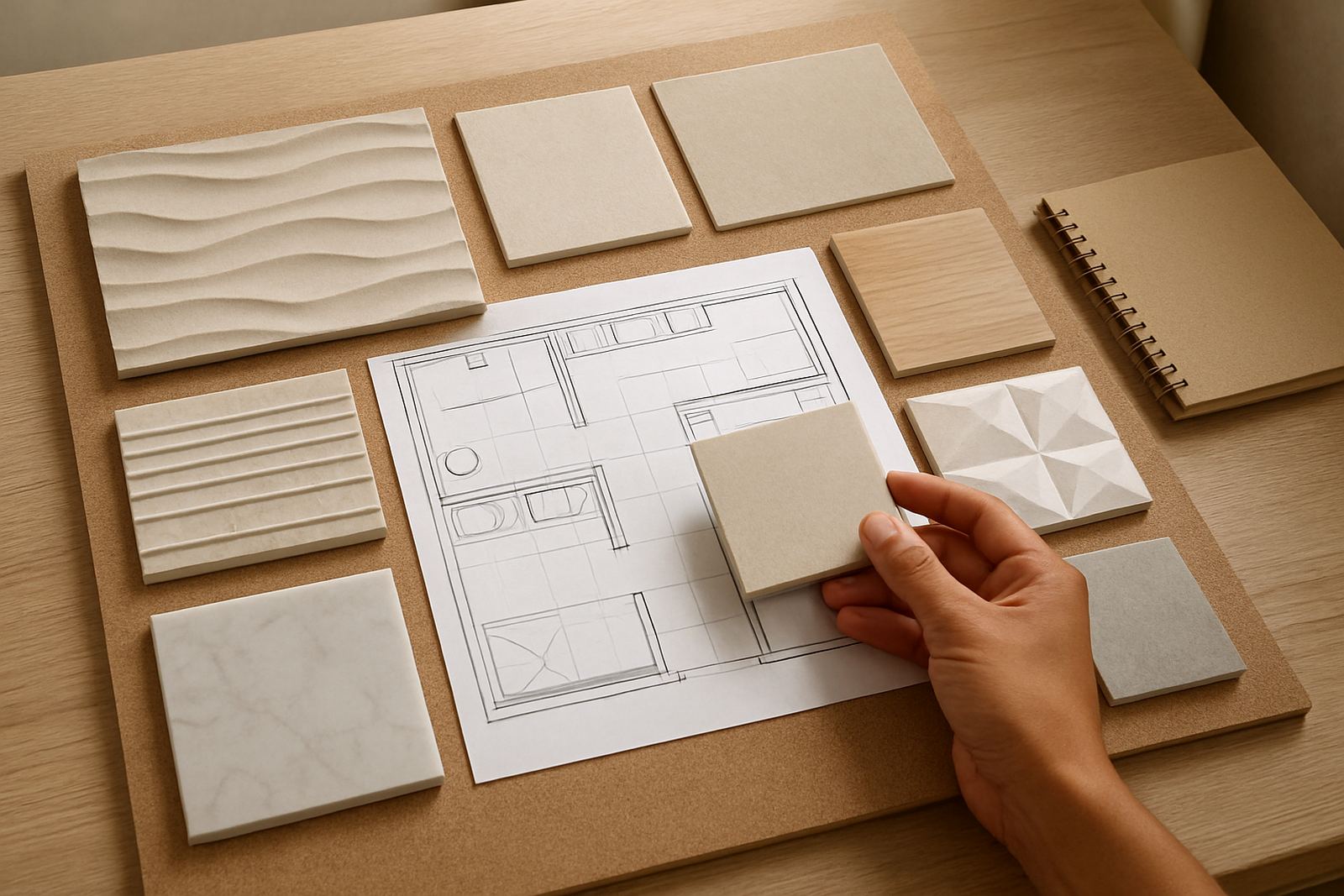
Good budgeting starts with clarity. Once you know the wall size, the condition of the wall, the panel type and the site location, the numbers become much easier to understand. If you’re not sure where to begin, a site measure-up and sample matching session can save time and prevent costly rework.
- Panel supply and finish type
- Wall preparation and any repair work
- Installation labour and access requirements
- Transport or courier charges
- Optional acoustic or maintenance add-ons
With the right plan, a decorative wall project can stay within budget and still look polished. It just takes honest site information, a clear scope and enough room in the budget for the practical details that matter.