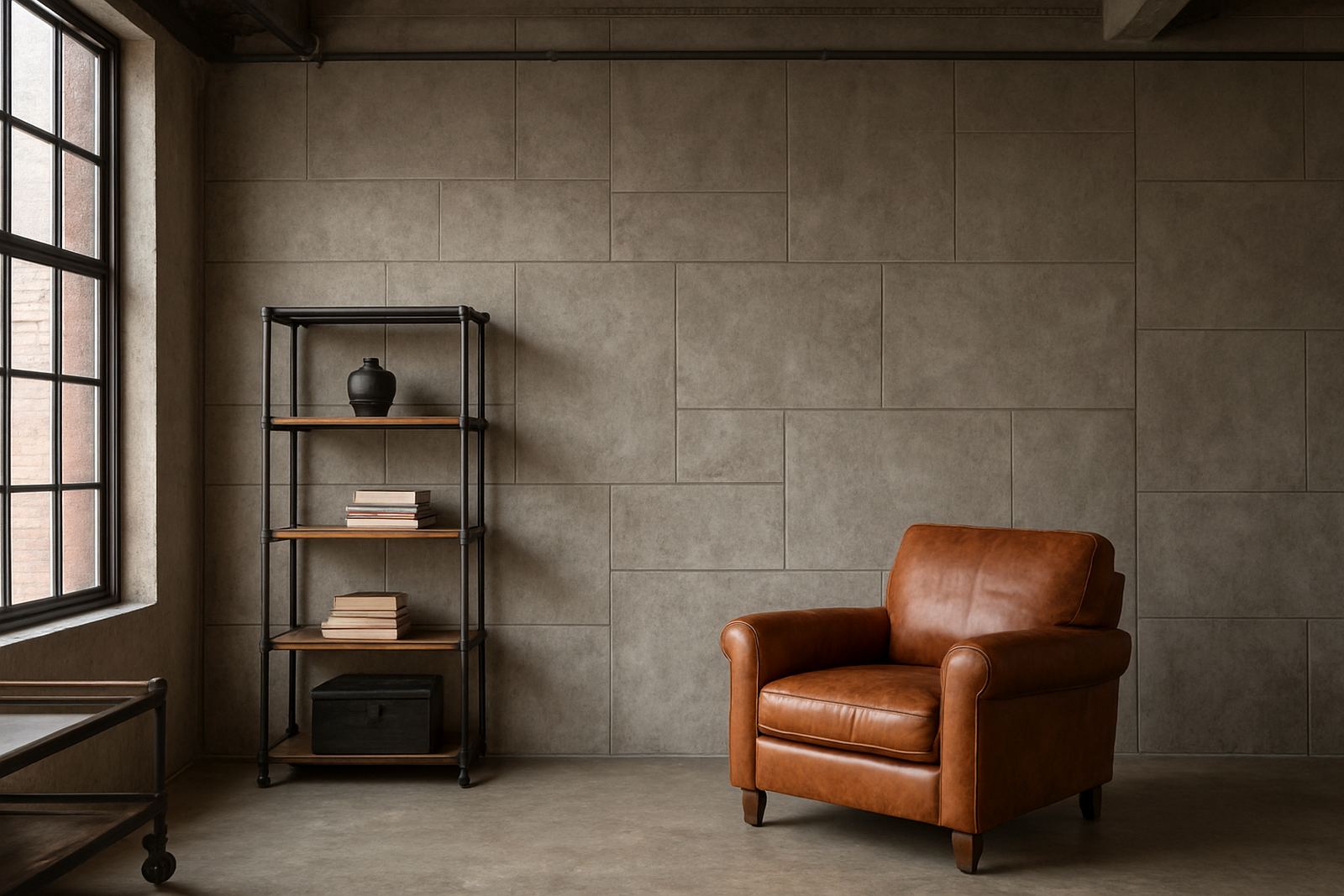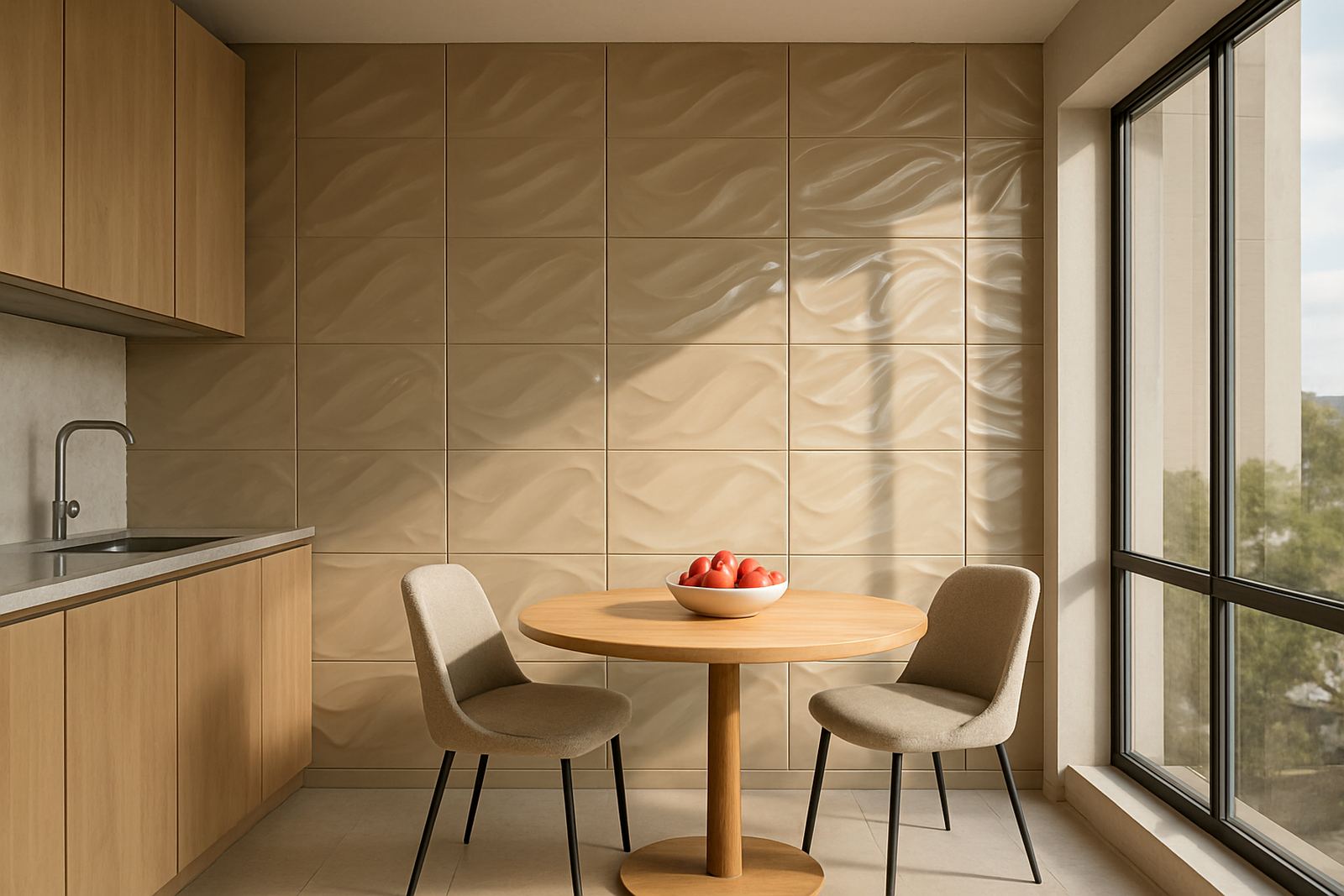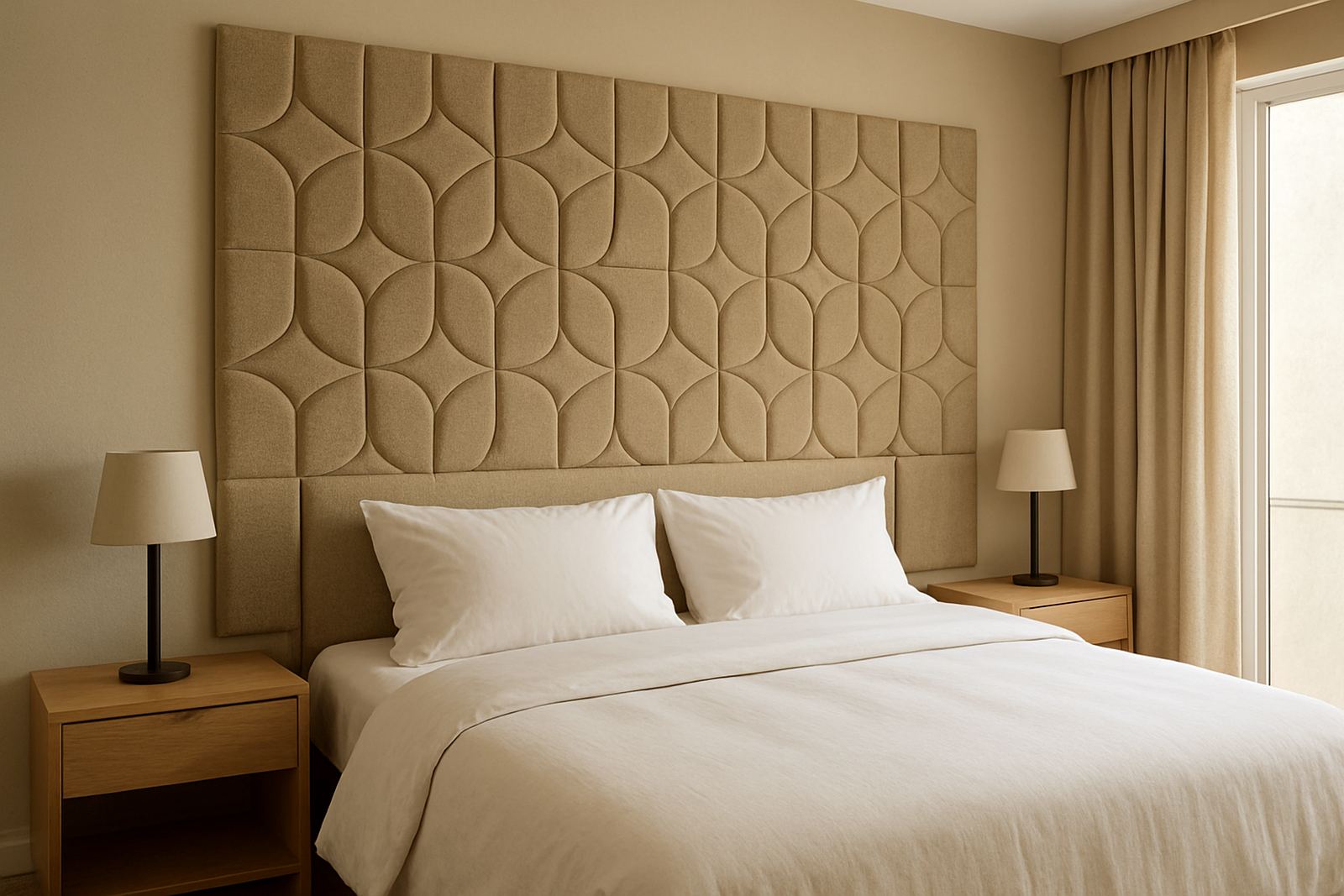

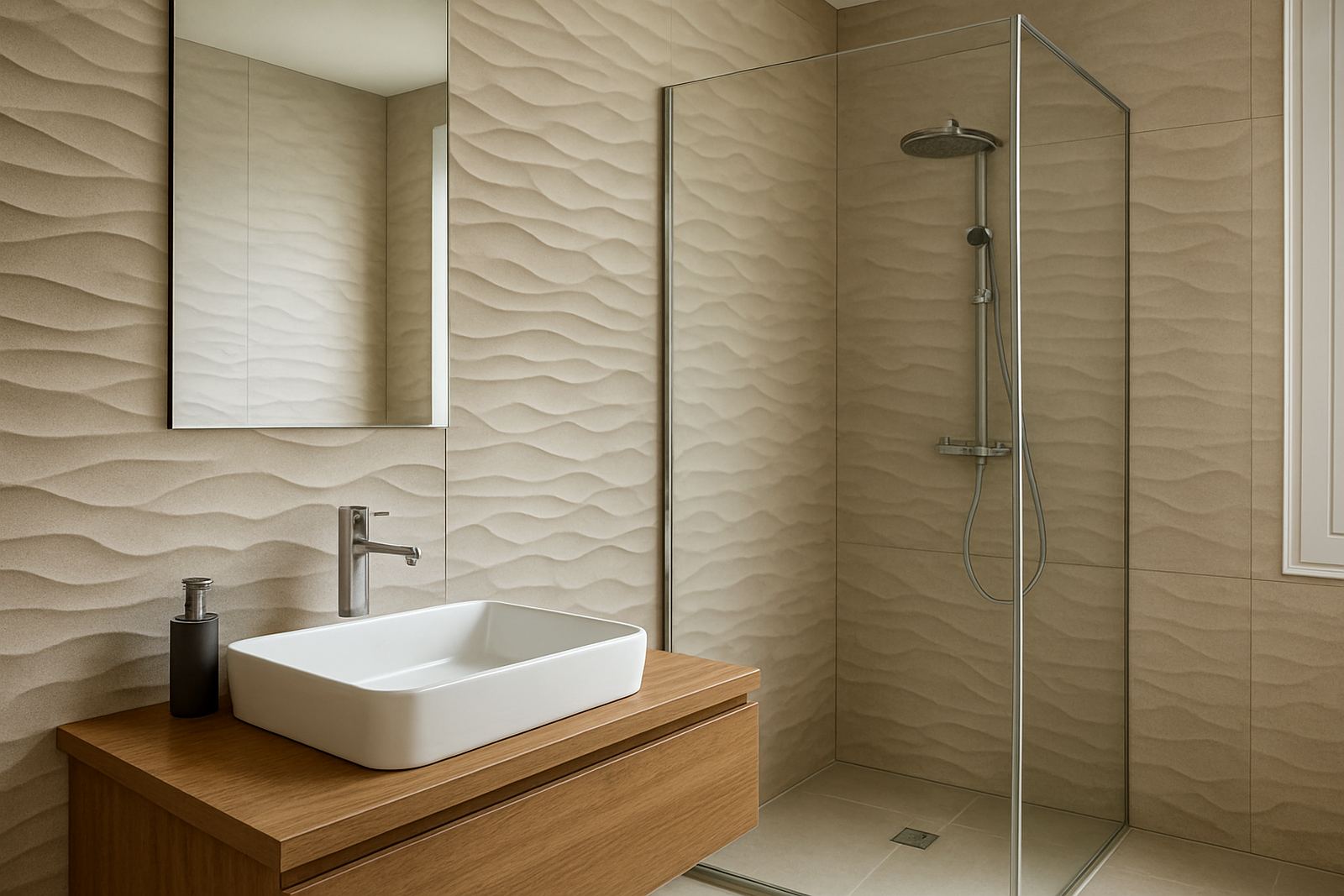
Built for humid rooms and splash zones
These panels are selected for interior walls that face moisture in the air, regular wiping and the occasional splash from basins, prep counters or cleaning routines. They are commonly used in en-suites, guest bathrooms, laundries, kitchenette walls, spa rooms and office break areas where plain paint or softer decorative finishes struggle to last. In coastal areas like the Atlantic Seaboard and False Bay side, the extra humidity can be hard on wall finishes, so the material choice matters from the start.
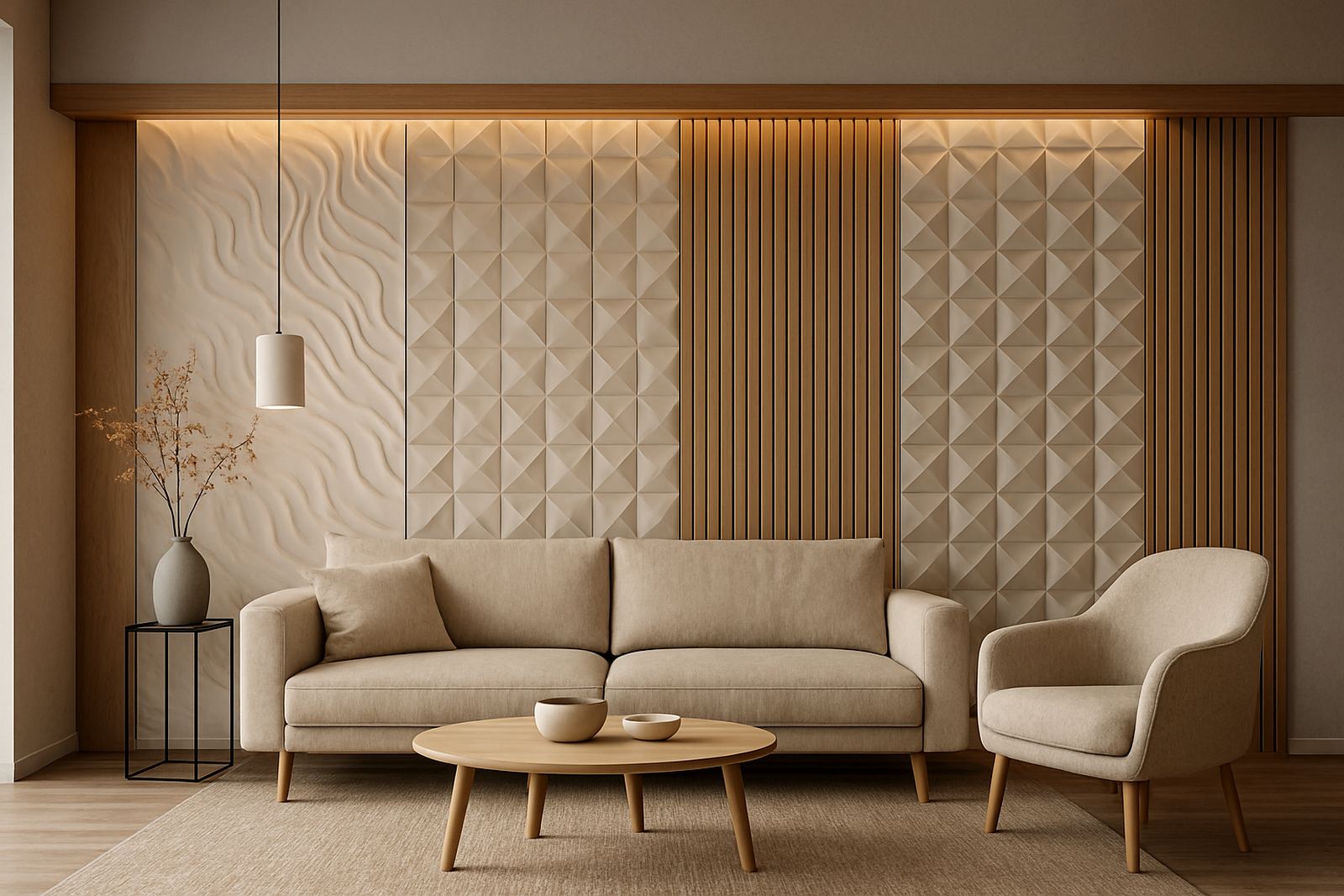
The panel range includes textured and smooth profiles, depending on the look you want and how much detail you want on the wall. Some clients prefer a subtle lined finish for a cleaner interior. Others want deeper relief for a feature wall that hides minor wall imperfections. The goal is practical first, with enough style to suit a modern home, showroom, guesthouse or restaurant. It should look good and still handle real use, not just a photo on a sample board.
- For internal walls only, not direct weather exposure
- Useful where steam, condensation and frequent cleaning are expected
- Can be matched to surrounding finishes before ordering
Sizes, thicknesses and finish options
Panel sizes vary by design, but most options are supplied in manageable lengths that make transport and handling easier on site. Standard widths and repeat patterns are chosen so seams can be planned neatly across a wall. Some ranges suit full-height feature walls, while others work best as a lower wall section, bathroom headboard wall or splashback-style feature behind a basin or bath. In larger commercial areas, repeat patterns can be used to carry a consistent look across multiple rooms.
Thickness depends on the profile. Slimmer panels suit spaces where you want the wall detail without losing room size, while deeper profiles create stronger shadow lines and a more pronounced finish. The material and finish should be checked against the room conditions. In a busy kitchen or a seaside apartment, we usually recommend a finish that can be wiped down regularly without marking easily, because that saves time later.
- Suitable for full wall coverage or sectioned feature areas
- Available in different profile depths and surface textures
- Can be used with paintable or pre-finished options, depending on the range
When ordering, it helps to bring a rough wall size, room photos and a note on the conditions in the room. That makes it easier to match the right panel style to the use of the space.
Where moisture-resistant panels work best
These panels are a good fit for interiors where you need more than decorative wall treatment. In private homes, they work well in bathrooms, laundry areas, sculleries and TV walls near open-plan kitchens. In commercial spaces, they suit hotel bathrooms, clinic reception toilets, beauty treatment rooms, cafés, apartment corridors and staff wash-up zones. They are also a practical option for rental units and short-stay properties where surfaces need to be durable and easy to maintain.
For architects and interior designers, the main advantage is that the panel can support the visual brief while also serving a functional purpose. A feature wall in a humid room should not bubble, stain or swell at the first sign of moisture. If the room gets lots of use, or the site is in a coastal area where salt in the air can affect finishes, the material and installation method must be considered together.
- Residential bathrooms and en-suites
- Laundries, sculleries and kitchenette walls
- Commercial bathrooms, treatment rooms and hospitality interiors
- Coastal homes where humidity is a constant factor
Installation, power needs and site conditions
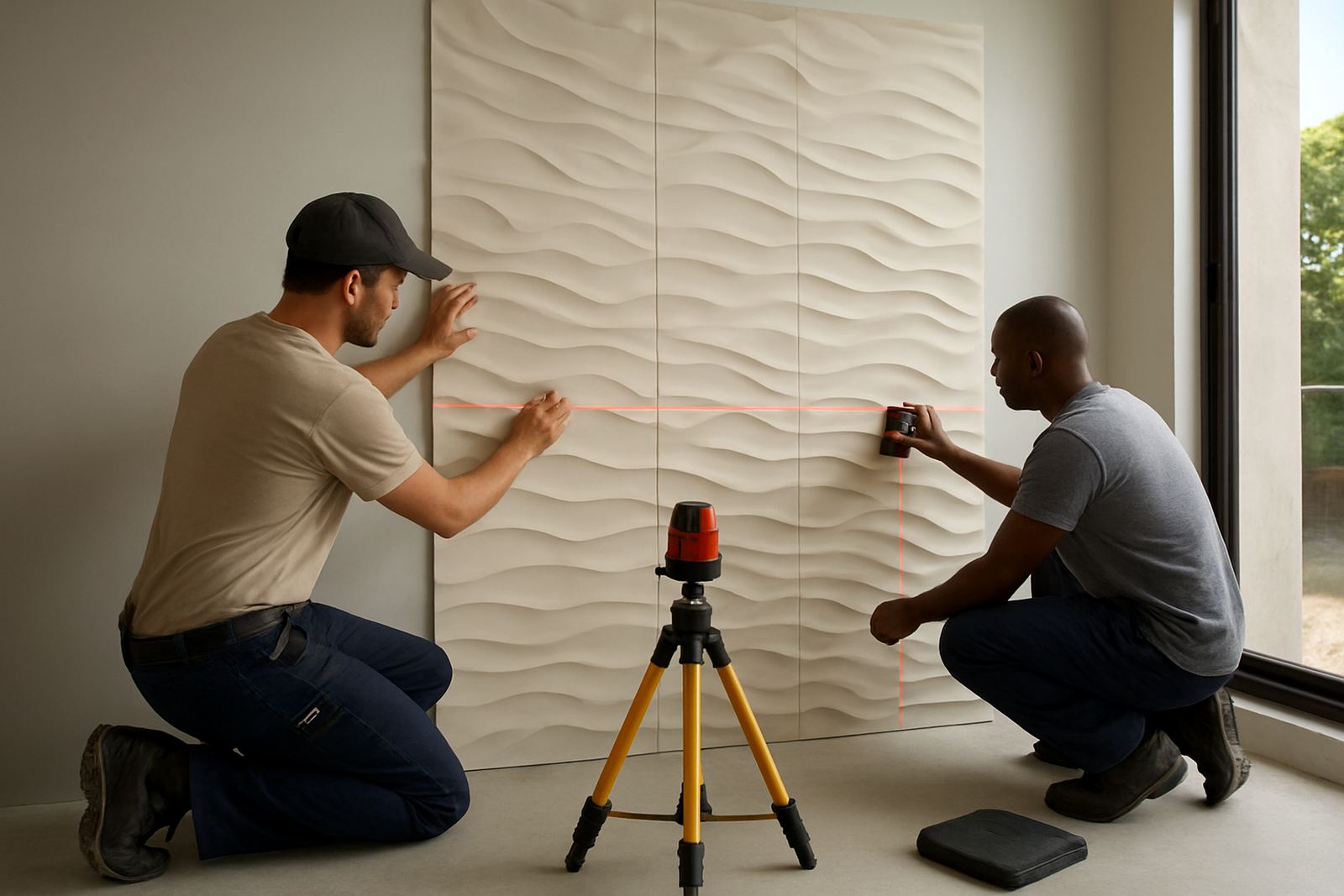
Installation starts with a sound wall. The surface should be dry, stable and properly prepared before any panel is fitted. Uneven plaster, loose paint or ongoing damp should be sorted first, otherwise the finish will not perform as expected. Our team handles site measure-ups, layout planning and installation across Cape Town, the Northern Suburbs, Southern Suburbs, Stellenbosch, Paarl and Somerset West, with courier dispatch available nationwide for the panels themselves.
These panels do not need power or gas for their basic use. That keeps them simple to install in homes and working spaces where access is limited, or where load-shedding has already made people cautious about adding complex fittings. If a project includes lighting behind or around the panels, then the electrical side needs to be planned separately with the right trades on site. For wet areas, we always look at clearance from basins, taps and shower zones so the layout makes sense from day one.
Good installation is not only about fixing panels to the wall. It is also about movement joints, edges, trims and the way the wall meets other finishes. A neat result depends on proper set-out and a clean substrate, because a moisture-friendly product still needs the right prep behind it.
Care, cleaning and servicing over time
These panels are designed for easy upkeep, but regular care still matters. A soft cloth and mild cleaner are usually enough for day-to-day wiping. Avoid harsh abrasives and strong chemicals unless the care sheet for your chosen panel allows them. In splash areas, it is better to dry standing water rather than leave it sitting along edges or trims. That small habit goes a long way in keeping the wall looking consistent.
If a panel gets marked, cracked or loosened by impact, repairs should be handled quickly before moisture can work behind the finish. We assist with panel repairs, maintenance and aftercare support, which is helpful for landlords, hotels and busy households that can not afford long downtime. In commercial settings, planned servicing is useful after cleaning cycles or tenant changes, especially where the wall sees regular contact from trolleys, bags or cleaning gear.
- Clean with a soft cloth and a mild, non-abrasive cleaner
- Check joints and trims after deep cleaning or maintenance work
- Repair impact damage early to avoid larger replacement sections
What to check before placing your order
Before ordering, measure the wall carefully and note the room conditions. Check whether the wall is fully indoors, how close it is to water sources and whether there are any plumbing points, extractor fans or light switches that affect the layout. It also helps to confirm the substrate type, because plasterboard, painted masonry and cement render all need different prep. If the wall has a history of damp, that must be addressed first, not hidden behind a panel.
We recommend checking the following before finalising the order:
- Exact wall width and height, including any returns
- Room type and moisture level, especially in bathrooms and coastal homes
- Whether you need a plain finish, textured detail or acoustic support
- Access for installation, especially in upper floors and narrow passages
- Whether the wall will be painted, sealed or left in the supplied finish
For the best outcome, send through clear room photos and a basic sketch with measurements. From there, we can advise on the most suitable panel range, the likely coverage you will need and the practical order of work. That keeps the project straightforward and avoids costly changes later on.
Key facts
| Use | Interior moisture-prone walls and splash zones |
|---|---|
| Typical application | Bathrooms, laundries, kitchens, hospitality and commercial interiors |
| Sizes | Varies by profile, with full-height and sectioned wall options |
| Material options | Different decorative and moisture-suitable panel ranges available |
| Installation | Wall must be dry, prepared and stable before fitting |
| Care | Mild cleaner, soft cloth, regular drying of standing water |