
What fluted panels are and how they change a room
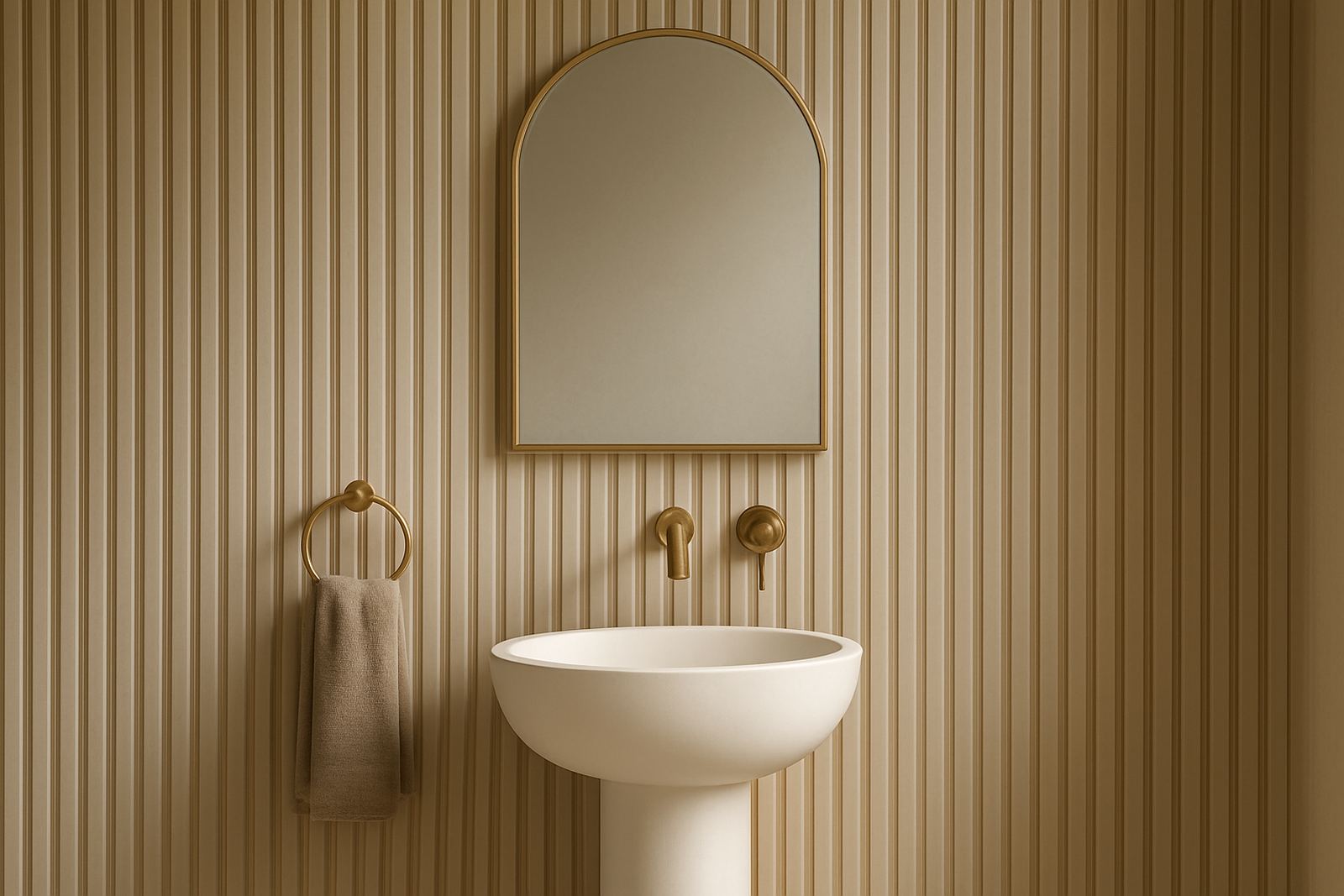
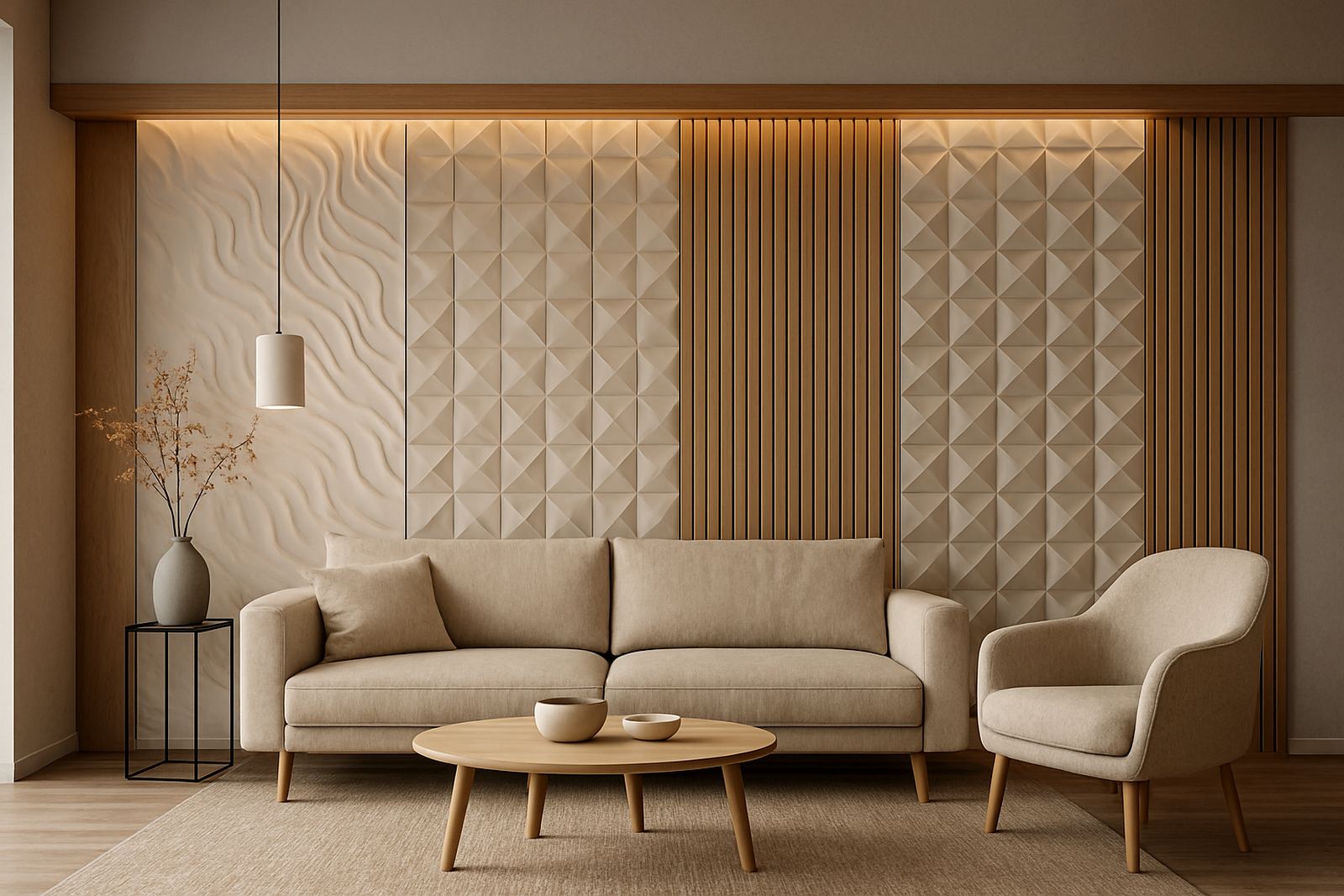
Fluted panels are decorative wall panels with repeated vertical rounded grooves that add depth without making a room feel heavy. The profile catches light through the day, so the wall changes quietly from morning to evening, which is one reason architects and homeowners use them on feature walls, media walls and reception counters. The finish is neat, modern and practical, especially in rooms where plain paint can feel flat.
At WallArtDesign in Montague Gardens, we supply fluted panels for homes, showrooms, offices and hospitality spaces across Cape Town and the Western Cape, with courier delivery available nationwide. They are chosen as much for looks as for function. The shaped surface helps soften echo in rooms with hard floors, glass and high ceilings, and that can make everyday conversation more comfortable. In a busy family home or a client-facing business, that matters.
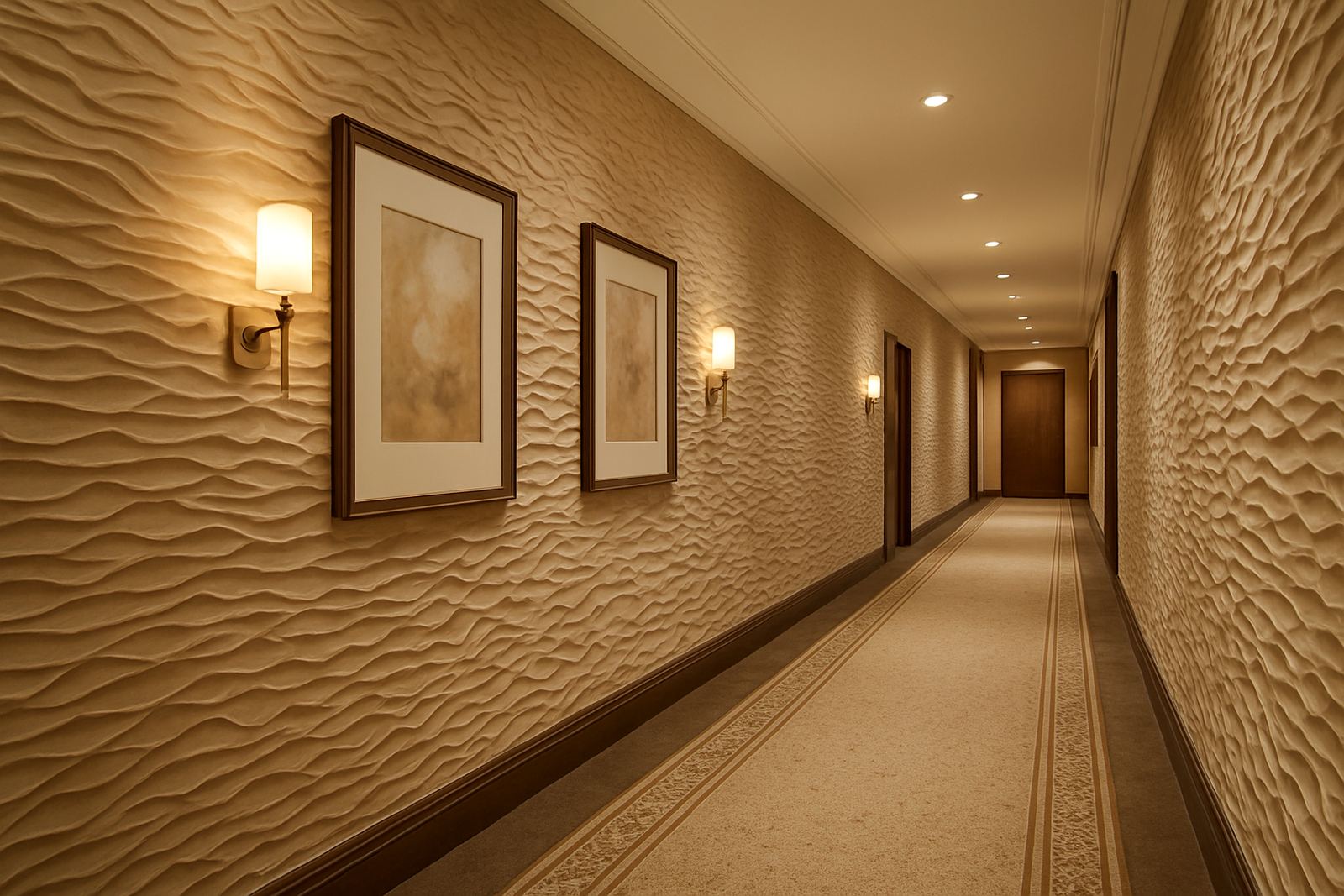
Because the panels are modular, they can be used on a full wall or as a narrower vertical strip behind a bed, along a passage or around a TV recess. You can keep the look simple with one tone, or use them as a base for timber trims, downlights and painted borders. In coastal areas like the Atlantic Seaboard and Somerset West, the clean profile also works well with light finishes and airy interiors.
Sizes, profiles and finish options available
Fluted panels are available in a range of lengths and widths so the layout can be planned around the wall, not the other way round. We supply panels for domestic and commercial use in standard board sizes and can advise on the most suitable format for your project. If you are working on a large area in Stellenbosch or Paarl, a consistent module helps keep joints tidy and waste down.
- Panel length: commonly supplied in 2.4 m and 2.7 m lengths
- Panel width: standard widths from 120 mm to 600 mm, depending on profile
- Thickness: typically 10 mm to 18 mm, depending on material and backing
- Groove pitch: narrow, medium or wide flute spacing
- Finish: natural tone, paintable surface, timber-look or textured face
- Edge detail: square edge or matching trim system for a cleaner line
Some projects need a softer rounded flute for bedrooms and lounges, while others need a more defined profile for boardrooms, retail spaces or entrance walls. A paintable surface can be useful when the colour needs to tie in with cabinetry, curtains or existing finishes. For clients who want a ready-to-use look, selected finishes are supplied in tones that work well with warm whites, sand, walnut and charcoal. It is worth checking whether the panel is intended for internal only use, because that affects where it can be installed and how it should be sealed.
Where fluted panels work best in Cape Town interiors
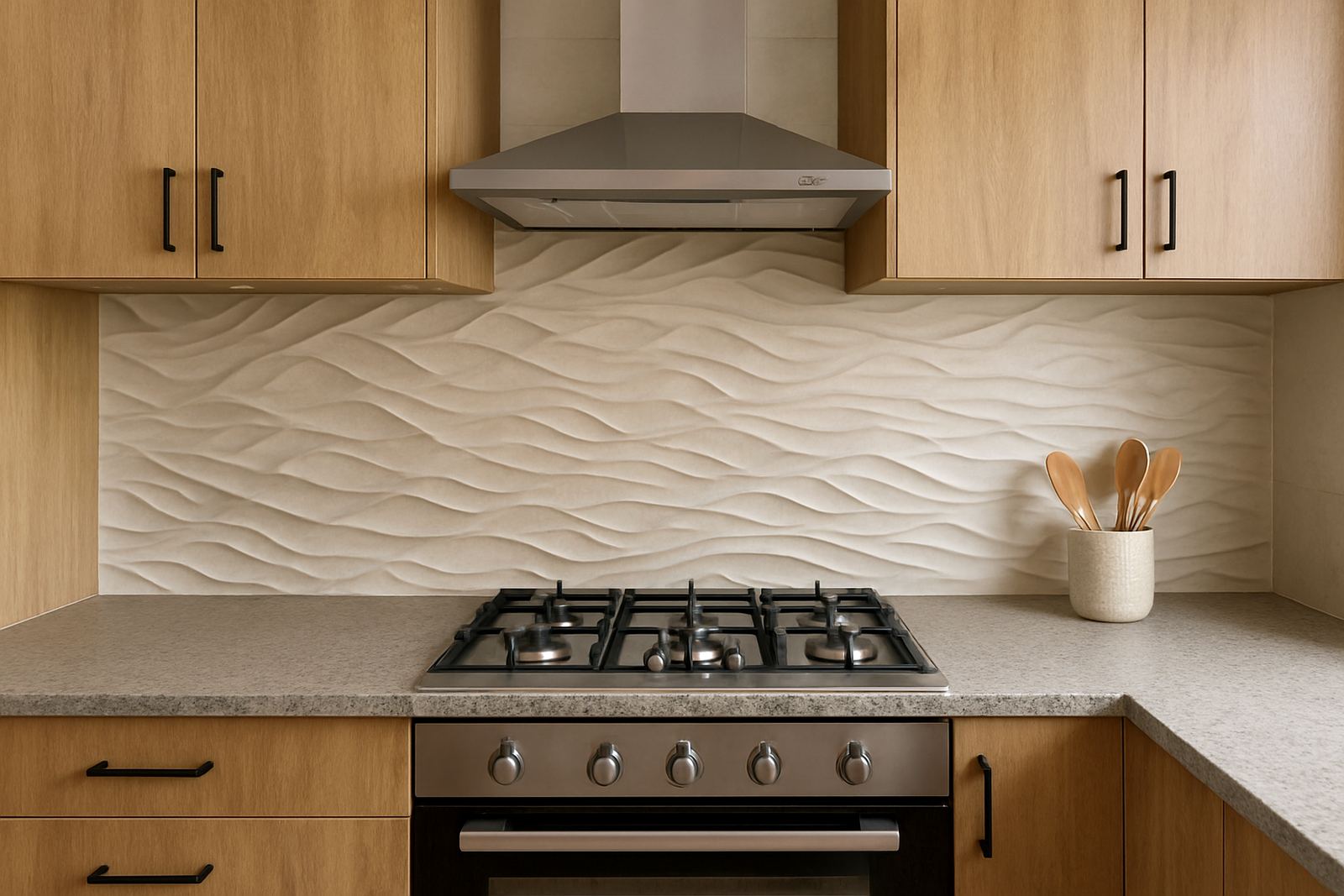
Fluted panels suit spaces that need texture without clutter. In homes, they are often used behind beds, on television walls, in dining rooms, entrance passages and stair landings. In offices and reception areas, they create a tidy first impression and help break up large blank walls that can otherwise feel cold. They also work well in restaurants, salons, consulting rooms and boutique retail spaces where the interior must look finished from the start.
Coastal humidity, morning mist and salt air need to be considered in Cape Town, especially near the Atlantic Seaboard and parts of the southern peninsula. The right substrate and fixing method matter, and so does the wall preparation before any cladding goes up. We look at the wall condition, moisture levels and surrounding finishes before recommending the panel type. In some commercial sites, municipal fire or occupancy requirements may also influence the material choice, so it is worth flagging that early if the wall is part of a public area or escape route.
- Bedrooms and headboards
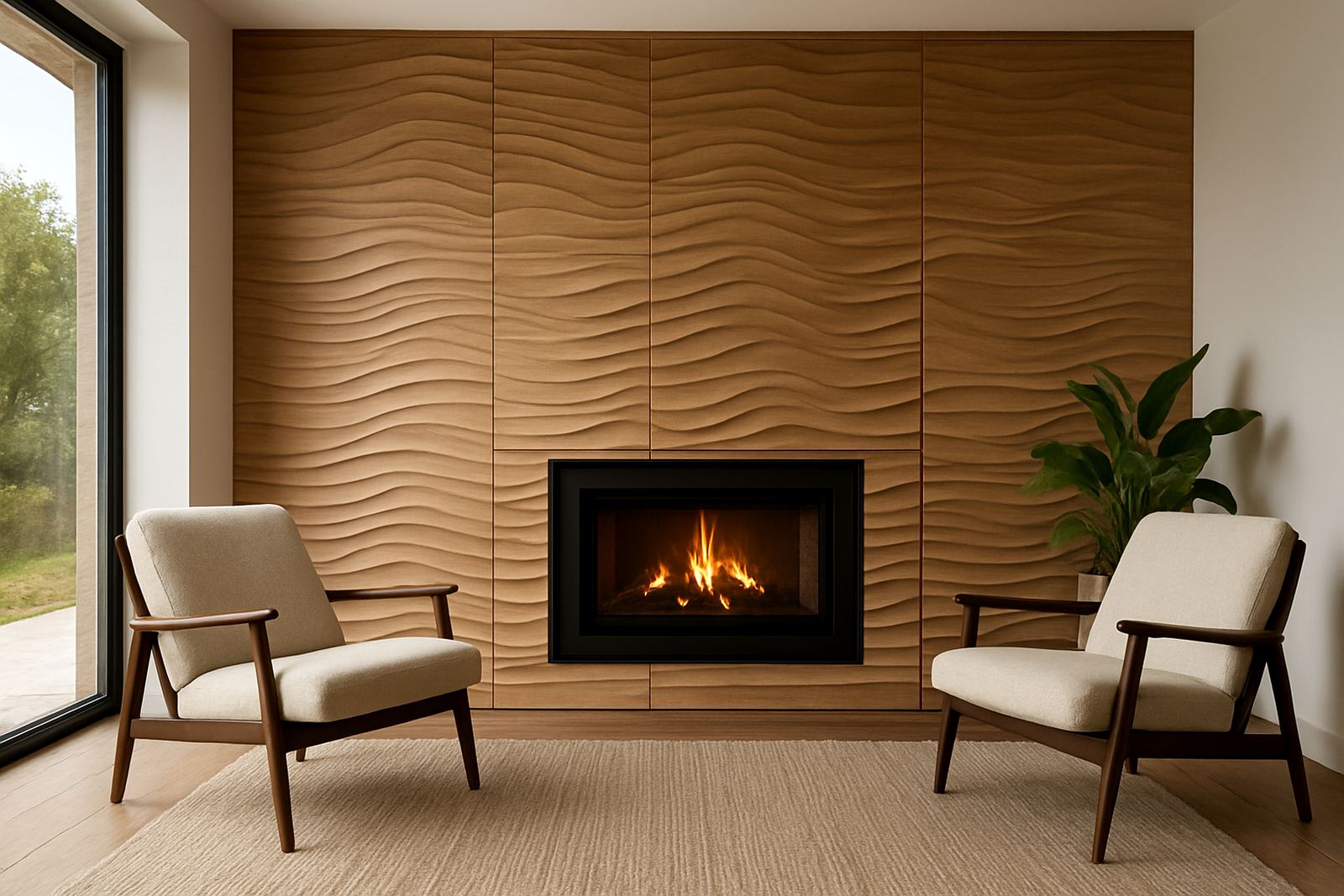
- TV feature walls and media units
- Reception counters and waiting rooms
- Boardrooms, offices and call areas
- Restaurants, cafés and hospitality interiors
- Retail walls and display backdrops
If the wall has curves, sockets or uneven plaster, we can advise on a layout that avoids awkward cuts and visible patching. The aim is a fitted look, not a rushed one. A good installation makes the whole room feel more settled and that is often what clients notice first.
Installation, power points and site conditions to plan for
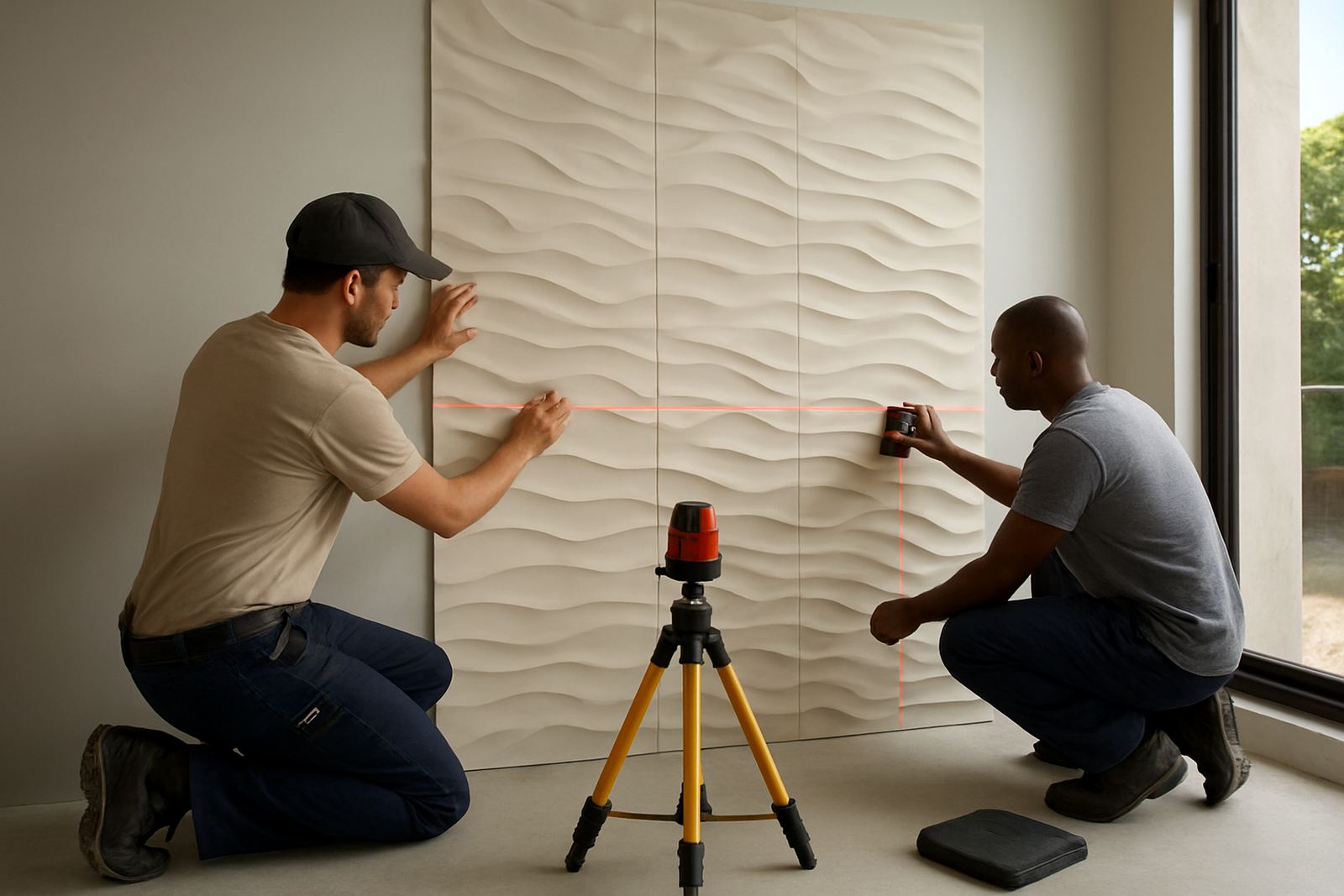
Fluted panel installation starts with measurement, wall preparation and a check on the finished height and line of sight. In many homes and offices, the biggest issue is not the panel itself but the wall behind it. If the plaster is dusty, uneven or damp, the fixing method needs to be adjusted before cladding begins. We handle site measure-ups, layout planning and installation across Cape Town, the Northern Suburbs, Southern Suburbs and surrounding towns.
Power points, data boxes and light switches should be mapped before ordering so the panel layout can allow for them cleanly. On media walls, the positions of TV brackets, conduit runs and plugs are best confirmed at the start. If the wall sits near a stove, fireplace or other heat source, extra clearance and material choice should be checked first. These panels do not need gas or electricity to function, but the room services around them can affect how they are fitted and trimmed. That part is often overlooked, and it creates delays later.
- Confirm wall length and finished ceiling height
- Mark all plugs, switches, TV points and access panels
- Check for damp patches, cracks or loose plaster
- Allow for skirting, cornices and ceiling setdowns
- Plan trims around corners and visible edges
- Book installation after painting and major electrical work
For commercial rollouts, we can sequence installation around trading hours or building access rules. Load-shedding is also part of planning in South Africa, especially where installers need to work with site lighting, tools or after-hours access. A practical schedule avoids wasted trips and keeps the job moving. Johan and the installation team will usually confirm the sequence once the panels and fixings are ready.
Care, cleaning and long term maintenance
Fluted panels are generally low maintenance, but they do need the right cleaning method so the grooves keep their shape and the surface keeps its finish. Dust can settle in the recesses more quickly than on a flat wall, so a soft brush attachment or a microfibre cloth is usually best. For marks, use a lightly damp cloth and mild cleaner only if the material allows it. Harsh chemicals, abrasive pads and excessive water should be avoided.
In busy households and customer areas, regular care is simple but worth keeping up. Finger marks around switches, chair rails and lower sections can build up over time, especially in reception spaces. If a panel section gets damaged, individual repairs may be possible depending on the material and how the wall was finished. That is often more cost-effective than replacing the entire wall.
- Dust grooves regularly with a soft attachment or brush
- Use mild cleaning products only where suitable
- Avoid scouring pads and strong solvents
- Keep water away from cut edges and joins
- Check fixings and trims if the wall is in a high traffic area
- Book maintenance early if a panel has lifted, chipped or opened at a join
We also assist with aftercare support, sample matching and repair advice for existing installations. That is useful if you are extending a feature wall at a later date or replacing a damaged section after renovations. Small touch ups are easier when the original finish and batch can still be matched closely.
What to verify before ordering fluted wall panels
A good order starts with accurate information. Measure the full wall width and height, then note any returns, corners, doors, built-in cupboards or recessed areas. If you are planning a feature wall, decide whether you want the panels to run full height or stop at a set line. In a room with lots of glass or daylight, the groove spacing and colour can change the final effect quite a bit.
Before ordering, check whether you need a single wall, multiple rooms or a commercial rollout. It helps us advise on quantities, trim lengths and fixing options. If the project is in a coastal area, check the room conditions and let us know about damp, salt air or exposure to sun through large windows. For landlords and property managers, it is also wise to confirm who is responsible for approvals if the building has body corporate rules or estate specifications.
- Exact wall dimensions and finished ceiling height
- Panel colour, profile and groove spacing
- Number and position of plugs, switches and fittings
- Indoor conditions such as damp, heat or coastal exposure
- Whether trims, corner pieces and adhesive are required
- Lead time, courier delivery or installation date
You can reach us through the enquiry form on our contact page and we will guide you from there. Anele, Bianca, Tshegofatso, Zanele, Gerhard and Johan all play a part in keeping the process clear from first query to final fit. If you are unsure about the right panel type, we can compare options and talk through what suits the room best, without overcomplicating it.
Key facts
| Product type | Decorative fluted wall panels for internal feature wall cladding |
|---|---|
| Typical lengths | 2.4 m and 2.7 m standard lengths |
| Typical widths | 120 mm to 600 mm depending on profile and layout |
| Thickness | 10 mm to 18 mm depending on material choice |
| Use areas | Bedrooms, lounges, offices, reception areas, retail and hospitality interiors |
| Service area | Cape Town, Western Cape installations and nationwide courier dispatch |